
2027 Most Affordable Online Special Education Degree Programs Ranking in Texas

Co-Founder and Chief Data Scientist
If you're considering a special education degree in Texas, finding an affordable program that fits your goals is essential. This article introduces the 2027 Most Affordable Online Special Education Degree Programs Ranking in Texas, created by the Research.com team of data scientists to help you make an informed decision.
Choosing the right program can open doors to meaningful careers supporting diverse learners. Reading this guide will give you clarity, confidence, and a helpful starting point for your educational journey.
Discover options that balance quality and cost, making your dream of making a difference more achievable.
Key benefits of getting online special education degree in Texas
- Special education degree graduates in Texas can expect rewarding salaries, with related U.S. special education teacher roles averaging around $61,000 annually, reflecting the value of this impactful career.
- Graduates from Texas colleges often pursue diverse career paths, such as special education teachers, educational consultants, or behavioral analysts, offering fulfilling opportunities to make a difference.
- Online special education degrees provide flexible scheduling and accessibility, allowing students to balance life commitments while earning a respected Texas credential just like traditional graduates.
- 2027 Most Affordable Online Special Education Degree Programs Ranking in Texas
- What can I expect from online special education degree in Texas?
- Where can I work with online special education degree in Texas?
What can I expect from online special education degree in Texas?
The average cost of an online special education degree in Texas varies, often influenced by whether a student qualifies for in-state tuition. Public universities like Texas A&M and the University of Texas system offer competitive rates for Texas residents, typically ranging from $7,000 to $15,000 per year for tuition alone. Graduates frequently cite the affordability as a major factor in their decision to enroll, appreciating how these costs compare favorably to many private institutions. However, it's important to recognize that tuition is only part of the picture.
Some students report additional expenses, including fees for textbooks, technology, and required practicum experiences within local school districts. These real-world placements are invaluable, providing meaningful, hands-on training and helping graduates feel confident entering classrooms statewide. Financial aid and scholarships tailored for education majors are often vital to managing these expenses, though availability and amounts can differ significantly by institution.
While the overall price can seem manageable, prospective students should still carefully evaluate total costs and consider how program quality, accreditation by the TEA, and field experience opportunities align with their personal goals and financial situation.
Where can I work with online special education degree in Texas?
Graduates of online special education programs from well-known Texas institutions often find rewarding opportunities primarily in public school districts, where approximately 45,000 special education teachers support students across kindergarten to 12th grade. Many share positive reflections on how their training prepared them to meet diverse student needs, from behavioral challenges to developmental delays, fostering inclusive learning environments.
Beyond traditional schools, charter schools and private special education centers in Texas also employ these graduates, offering varied settings that suit different teaching styles and passions. For example, alumni from major universities appreciate the flexible career paths in early intervention programs like Texas Early Childhood Intervention (ECI), where they support children from birth to age three, making a profound impact at critical developmental stages.
Some graduates expand their roles by becoming educational diagnosticians or specialists, collaborating closely with families and administrators to tailor individualized education plans. Colleges known for their special education programs often highlight former students now working in nonprofit advocacy or rehabilitation centers, emphasizing a broader spectrum of career possibilities.
While certification through the Texas Education Agency is essential, this requirement often encourages graduates to continually grow professionally, enhancing their confidence and effectiveness in diverse educational roles statewide.
Graduates of online special education degree programs in Texas often find starting salaries around $50,000, particularly when entering public school roles following programs from well-regarded state universities. For example, many recent graduates from popular Texas institutions report beginning their careers near this figure, reflecting entry-level salary scales set by the Texas Education Agency. With further experience or advanced certifications, salaries can increase significantly. Some educators working in larger metropolitan districts such as Houston or Dallas have noted earning up to the mid-$70,000 range after pursuing a master's degree or additional credentials, which can be a motivating milestone for advancing professionals.
It's important to consider that while public school teaching salaries benefit from pension plans and stable job prospects, those pursuing roles like instructional coordinators may find higher annual earnings averaging around $75,000, according to state workforce data. Graduates sometimes share how these roles offer both a financial boost and new challenges. However, private and nonprofit sectors generally offer lower pay, which students should weigh against personal values and career goals when choosing a path.
- Online special education degrees in Texas include coursework on instructional strategies, behavior intervention, and legal aspects, with programs tailored to state certification requirements.
- In-state tuition for public universities offering these programs ranges from $7,000 to $12,000 per year, while private institutions may charge over $20,000 annually.
- The demand for special education teachers in Texas is expected to grow by about 8% from 2022 to 2032, which is faster than average for all jobs.
- Starting salaries for special education teachers in Texas average around $62,000 annually, with experienced teachers earning a median salary near $70,000 or more.
- Texas certification requires completing approved online programs with field experiences and passing specific exams as mandated by the Texas Education Agency.
Completing an online special education degree in Texas typically takes between two and four years, though this varies by program level and enrollment status. For example, graduates from popular institutions such as Texas Tech University or the University of Houston often share that full-time undergraduate students complete their Bachelor of Science in Special Education in about four years. However, part-time students balancing work and family frequently extend their timeline to six years or more, appreciating the flexibility that online coursework provides.
Master's degrees, favored by those pursuing advanced certification or licensure, generally require around two years of full-time study. Some graduates from Texas A&M emphasize how flexible pacing options can shorten or lengthen this period, depending on personal commitments and access to accelerated courses.
Moreover, Texas Education Agency certification requirements and mandated practicum experiences sometimes add time, but many find these invaluable in shaping practical skills. This careful balance between academic demand and life circumstances makes the completion time highly individual yet rewarding.
Online and on-campus special education degrees in Texas differ mainly in delivery and daily experiences. Online programs, such as those offered by popular Texas universities, provide flexibility that suits those juggling work and family, allowing students to study without relocating or losing time commuting across large cities like Houston or Dallas. Graduates often appreciate this freedom but note the extra effort required to secure approved practicum placements independently, as mandated by the Texas Education Agency.
Conversely, on-campus students benefit from face-to-face interactions and structured practicum experiences in local schools, which many find valuable for networking and hands-on training. For example, graduates from well-known Texas institutions describe the camaraderie formed in classrooms and easier coordination of supervised fieldwork as enriching their learning journey.
While tuition costs may be similar between formats, on-campus students incur additional expenses like housing and travel. Each format carries trade-offs tied closely to individual lifestyle and learning preferences within Texas's regulatory framework for educator certification.
The average cost of an online special education degree in Texas typically centers around $9,690 for in-state students, while out-of-state or private institutions can push total expenses closer to $22,392. Public universities known for their special education programs, such as those in the University of Texas system, often offer more affordable tuition rates compared to private colleges, making them appealing to budget-conscious students. Graduates from these programs frequently share stories of balancing work, family, and study, appreciating how affordability paired with flexible online schedules helps them pursue their passion for teaching special education.
While affordable online special education programs Texas residents access often keep tuition manageable, it's important to anticipate additional costs. Course materials, technology fees, and certification exam expenses can add up, as students from popular colleges have found through their own experience. Many have expressed relief upon discovering financial aid or state scholarships, which soften the financial burden and make obtaining a degree more achievable without excessive debt.
In contrast, some students opt for private institutions, willing to invest more for benefits like smaller class sizes or specialized resources. However, the higher sticker price-sometimes as much as twice that of public schools-requires thoughtful financial planning. Exploring options such as the specific incentives for special education certification candidates in Texas can make a real difference in offsetting costs.
For those entering the field with an eye toward career outcomes, understanding the financial landscape is crucial. Graduates often reflect on their journey, grateful for affordable yet quality programs that reinforced their commitment to helping students with exceptional needs. To explore what career paths are available after graduation, students might find the bachelor degree in special ed jobs resource insightful as they plan their next steps.
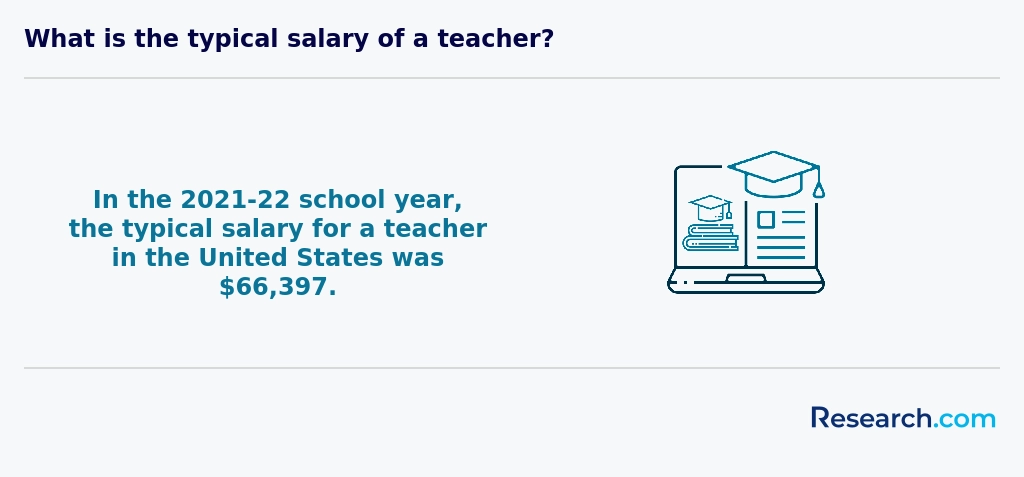
Financial aid for online special education degrees in Texas primarily involves federal grants, loans, and state-specific programs that together ease the financial burden for many students. For example, graduates from institutions like Texas A&M University-Commerce often highlight the significant relief Pell Grants provide, offering non-repayable funds that make continuing education feel achievable. These federal resources, accessible through FAFSA, address immediate tuition costs but also require awareness of eligibility criteria, which can vary based on income and enrollment status.
State programs, such as the Texas Education Agency's loan forgiveness options, particularly appeal to those dedicated to working within high-need special education settings in Texas public schools. Graduates from the University of Texas at Austin online program frequently share how this has transformed daunting loan balances into manageable commitments after graduation.
Supplementing these are scholarships from universities or nonprofits focused expressly on special education careers, often awarded to students demonstrating passion and commitment. Some students juggling work and study also report employer tuition reimbursements that help bridge gaps in funding.
- Applying early enhances chances for both federal and state aid.
- Evaluating loan forgiveness and employer assistance can optimize financial planning.
- In-state tuition discounts at Texas schools further reduce costs compared to out-of-state rates.
Enrolling in an online special education degree program in Texas typically requires a high school diploma for undergraduate studies or a bachelor's degree for graduate-level entry. Graduates from notable Texas institutions often share that meeting GPA thresholds-commonly around 2.5 for undergraduates and 2.75 to 3.0 for master's aspirants-helped them feel confident and prepared for the program rigor. Some programs may ask for SAT or ACT scores, though many have shifted to test-optional policies, reducing pressure and allowing applicants from diverse backgrounds to apply.
Practical experience is another key prerequisite. Graduates recount that volunteer or work roles in classrooms with students who have disabilities not only enriched their applications but also deepened their commitment to this field. Background checks and fingerprinting, mandated by TEA regulations, are essential steps to ensure a safe learning environment, reflecting the sensitivity of working with minors.
Finally, for those aiming to teach in Texas public schools, aligning with state certification requirements is crucial. Many successful students found that programs at universities like Texas State or University of Texas offered clear pathways linking coursework to licensure, easing the transition from study to career.
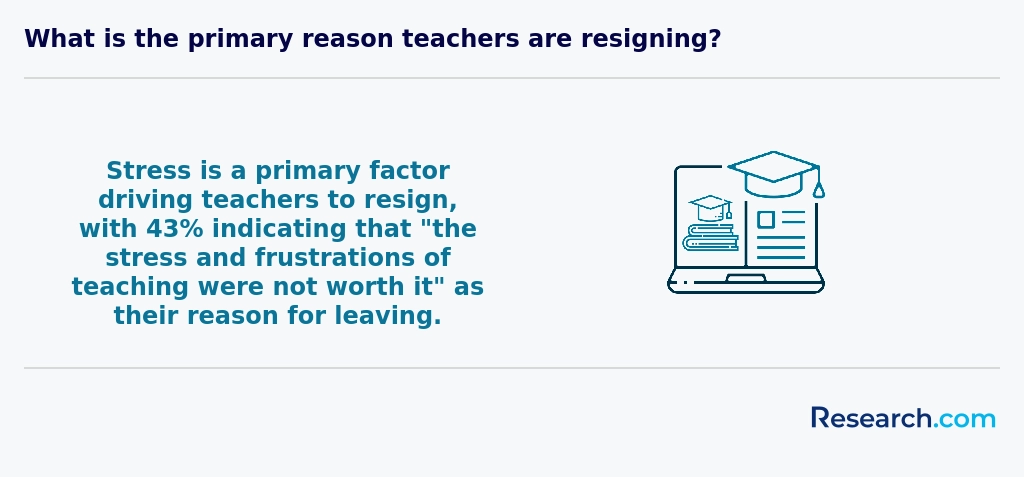
Online special education degree programs in Texas commonly include courses like Introduction to Special Education, Assessment and Evaluation, and Classroom Management, designed to build both theory and practical skills. Graduates from popular universities, familiar with Texas public school settings, often highlight how courses on behavior intervention and individualized instruction prepared them to confidently support diverse learners.
Courses focused on legal and ethical issues, including the Individuals with Disabilities Education Act (IDEA), resonate deeply with students aiming to navigate Texas-specific regulations. Many graduates recall applying this knowledge during practicum experiences, where understanding individualized education programs (IEPs) was essential for success in real classrooms.
Additionally, developmental psychology and learning theory classes ground students in how disabilities influence growth, enabling them to create empathetic and effective lesson plans. Assistive technology coursework also equips future teachers to enhance accessibility, reinforcing positive feelings of readiness among online learners at institutions well-regarded in Texas.
While curriculum varies slightly by school, these core courses reflect a balanced focus on practical teaching skills and legal understanding, essential for meeting certification standards and thriving as special educators in Texas.
Online special education degree specializations Texas students encounter often include Behavioral Disorders, Learning Disabilities, Autism Spectrum Disorders, Early Childhood Special Education, and Intellectual Disabilities. These focus areas reflect the diverse needs that educators must support in Texas classrooms, ranging from helping children with emotional challenges to those with cognitive impairments. Graduates from prominent Texas universities share how hands-on virtual internships and practicum placements solidified their confidence, bringing classroom theory to real student interactions.
Considering special education career options Texas online programs offer, it's clear this training goes beyond academics, often including practical skills attuned to local Education Agency standards. For example, a graduate from a well-known Texas college expressed enthusiasm about applying strategies for autism spectrum students, appreciating how the specialization prepared them for real-life classroom nuances. Prospective students might benefit from reviewing how to get special education certification in Texas to understand the certification process alongside these tailored specializations.
Choosing the best online special education degree in Texas involves verifying that the program is accredited by recognized bodies like the Council for the Accreditation of Educator Preparation (CAEP) and aligns with Texas Education Agency (TEA) certification requirements. Graduates from popular Texas universities often praise programs that combine rigorous coursework with flexible schedules, allowing them to balance studies with personal and professional responsibilities. Some highlight the positive impact of local practicum placements, which provide hands-on experience crucial for licensure and real-world teaching confidence.
Considering affordable Texas special education programs online is wise, especially since costs vary and some public institutions offer lower tuition for in-state students. Scholarships and financial aid specifically for special education candidates can make a significant difference, easing financial burdens during the program.
Curriculum matters deeply; successful graduates stress the value of courses covering behavior management and IEPs, alongside options for endorsements in Autism Spectrum Disorders or Early Childhood Special Education. Exploring data on graduation and TEA certification pass rates at your chosen school can guide your decision. For career outlook insights, especially the highest paying special education teaching jobs, researching employment trends ensures your investment leads to rewarding opportunities.
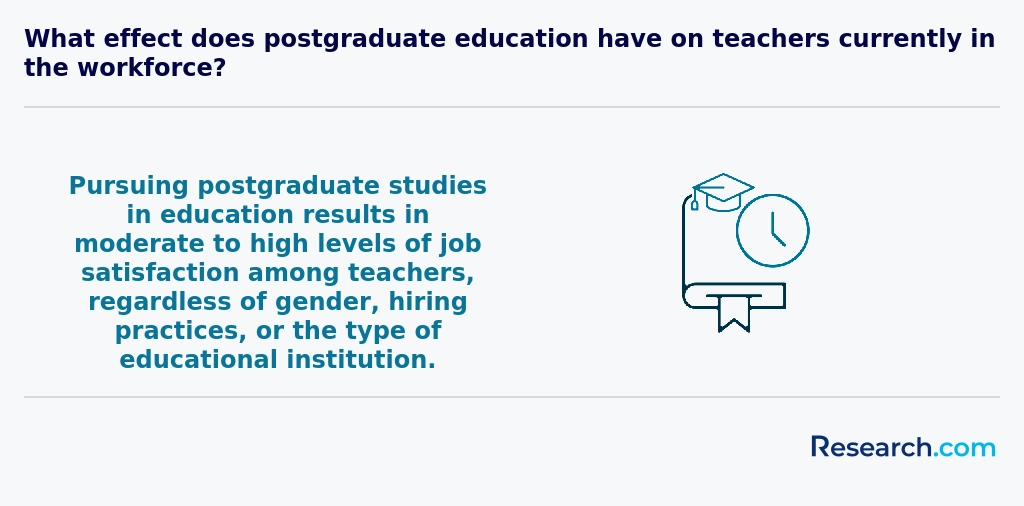
Graduates with an online special education degree in Texas often enter diverse fields, reflecting the state's broad educational needs. Many find fulfilling careers as special education teachers in both urban and rural schools, adapting lesson plans for students with varied disabilities. For example, alumni from universities like the University of Texas at Austin often share rewarding experiences working directly with students, building confidence and communication skills.
Beyond teaching, options include roles as behavioral specialists and special education coordinators who design intervention strategies and ensure compliance with federal mandates. These positions demand collaboration with families and educators, where graduates from Texas A&M report satisfaction in making systemic impacts. The breadth of special education degree career options Texas offers also extends to diagnostic specialists and educational consultants, who provide critical assessments and tailored learning recommendations.
For those pursuing further credentials, advancing through a masters in special education usa program can open doors to curriculum development or university-level instruction, enriching instructional quality statewide. These career paths reflect a dynamic and growing field where practical skills meet meaningful outcomes.
The job market for an online special education degree in Texas shows promising potential, supported by a steady demand driven by the state's large and diverse student population. Graduates from well-known Texas institutions frequently share how their training prepared them for roles in public schools, where about 12% of the over 5.4 million students require specialized educational support. This demand aligns with the regulations outlined by the Individuals with Disabilities Education Act, ensuring ongoing opportunities for skilled educators. Graduates from universities such as Texas A&M and the University of Texas often find employment stability, especially given the state's projected 3% to 5% growth in special education teacher positions.
Many graduates also note that the practical skills acquired through online programs, including digital classroom management, enhance their appeal to modern schools adapting to hybrid learning. The Texas Workforce Commission affirms that this specialization boosts employability, as districts seek teachers capable of addressing diverse needs. For those exploring the field further, understanding special education roles can clarify both challenges and rewards of the career, making the job outlook for special education teacher employment Texas quite optimistic.
2027 Most Affordable Online Special Education Degree Programs Ranking in Texas
Investing in your education is a significant decision that can shape your future, and the Research.com team understands the importance of making informed choices. To assist prospective students in Texas, we have meticulously crafted the "2027 Most Affordable Online Special Education Degree Programs Ranking in Texas." Our commitment to quality, credibility, and accuracy is reflected in the extensive research and analysis conducted to compile this ranking.
We utilized the following reputable data sources to ensure a comprehensive evaluation of special education degree programs:
By exploring this ranking, readers will gain valuable insights into some of the most affordable and quality online special education programs in Texas, enabling them to make well-informed decisions about their educational futures. For a detailed explanation of how this ranking was created, please visit our Research.com methodology page.
# 1 position
Texas State University
Master of Postsecondary Student Success in Learning, Literacy, and Mathematics


Frequently Asked Questions About special education
Online special education degree students in Texas can maximize their learning experience by actively engaging with course materials and instructors. Participating in discussion boards and virtual study groups encourages deeper understanding and networking. Texas accounts for more than 120,000 special education teachers statewide, highlighting a strong community and potential mentorship opportunities. Utilizing Texas Education Agency (TEA) resources and state-specific research can also enrich learning, as they provide current policies and best practices. Additionally, students should seek fieldwork and practicum placements within Texas schools to gain hands-on experience aligned with state certification requirements. Time management and consistent communication are essential for success in online programs.
Emerging niches in special education reflect growing diversity in student needs and advances in technology. One key area is assistive technology integration, where educators use devices and software to support students with disabilities. This niche is rapidly growing in Texas schools, responding to state data showing increased demand for personalized learning supports.
Another important niche involves autism spectrum disorder (ASD) support. With Texas reporting rising ASD diagnoses, specialized strategies for communication and behavior management are essential. Teachers trained in these methods are highly sought after.
Additionally, culturally responsive special education is gaining attention, addressing the needs of Texas's diverse student population. Experts emphasize the importance of bilingual special education to serve English language learners effectively.
After earning an online special education degree in Texas, graduates should focus on obtaining Texas state certification, which is essential for teaching in public schools. The Texas Education Agency (TEA) requires passing the appropriate certification exams, including the TExES Special Education EC-12.
Building practical experience through student teaching or internships can significantly improve job prospects. Networking with local school districts and attending job fairs helps connect with potential employers. According to the TEA, Texas employs over 30,000 special education teachers, indicating steady demand.
Additionally, developing skills in Individualized Education Program (IEP) planning and inclusive classroom methods is vital. Continuous professional development and joining organizations like the Texas Council for Exceptional Children can further support career growth.
Employers in Texas highly value special education graduates who demonstrate strong communication skills. Being able to clearly convey information to students, parents, and colleagues is essential. Additionally, proficiency in individualized education program (IEP) development and implementation is a critical requirement, as Texas law mandates tailored learning plans to meet diverse student needs.
Patience and adaptability are also prioritized, given the variety of disabilities special educators encounter. According to the Texas Education Agency, employers seek professionals skilled in behavioral intervention techniques and collaborative problem-solving. Technology literacy, especially with educational software, is increasingly important due to the growing integration of digital tools in classrooms.
Finding internships in Texas relevant to a special education degree involves strategic steps. Start by contacting your online program's career services, as many Texas schools partner with local school districts for placement. The Texas Education Agency (TEA) oversees special education programs in the state and provides resources that can help identify approved internship opportunities in public schools.
Networking with local special education professionals and joining organizations like the Texas Council for Exceptional Children can open doors to internships. Many districts, such as Houston ISD and Dallas ISD, offer structured internship programs for aspiring special educators. Use job boards specific to Texas education settings for updated listings.
Most special education internships require compliance with TEA's certification prerequisites, ensuring candidates gain supervised classroom experience. Students should also consider volunteering, which can sometimes lead to paid internships or employment in this competitive field.
Obtaining an online special education degree in Texas can significantly enhance career mobility and advancement opportunities. Texas requires teachers to hold state certification, and completing an accredited online program fulfills educational prerequisites for certification exams overseen by the Texas Education Agency (TEA).
Graduates often qualify for positions as special education teachers, instructional coordinators, or behavior specialists. According to TEA data, Texas experienced a growing demand for special education professionals, with job openings projected to rise by 10% through 2030.
Additionally, advanced degrees increase eligibility for leadership roles and higher salaries. For example, master's degree holders in special education in Texas earn a median salary approximately 15-20% higher than those with only a bachelor's degree, as reported by the Bureau of Labor Statistics.
Studying for a special education degree in Texas online equips students for interdisciplinary roles by emphasizing collaboration across various educational and therapeutic fields. Texas programs often integrate coursework in psychology, speech therapy, and behavior analysis, preparing graduates to work closely with specialists and families. According to the Texas Education Agency, effective special education requires teamwork that addresses diverse student needs, including physical, emotional, and cognitive challenges.
Online degrees also focus on laws and policies like IDEA and Section 504, which ensures graduates understand compliance and advocacy. Research from the Council for Exceptional Children highlights that interdisciplinary skills enhance employment opportunities in Texas schools and community agencies.
Choosing between a thesis and a non-thesis special education degree program in Texas depends on your career goals and time commitment. Thesis programs require you to conduct original research and write a substantial paper, which can be beneficial if you aim for a doctoral degree or a career in research or academia.
Non-thesis programs emphasize coursework and practical skills, often allowing for quicker completion. This option suits those focused on classroom teaching or administrative roles. According to the Texas Education Agency, over 700 special education teachers are certified annually, highlighting demand for practical expertise.
Additionally, many Texas universities offering online programs align with Texas's statewide standards, ensuring flexibility for working professionals.
Students based in Texas who wish to study special education abroad face some unique challenges due to state licensure and accreditation requirements. Texas requires special education teachers to hold certification approved by the Texas Education Agency (TEA), which often limits recognition of foreign degrees.
Many Texas students seeking international experience consider enrolling in online special education programs offered by U.S.-accredited universities with global reach. Such programs often include virtual internships or study abroad opportunities, enabling students to gain international perspectives without leaving the country.
According to TEA data, Texas has over 43,000 students with disabilities, emphasizing the need for qualified educators familiar with state-specific standards and laws, which influences degree program selection.
Students pursuing an online special education degree in Texas can benefit from several part-time job opportunities that enhance their practical skills. Working as a teacher's aide or paraprofessional in public schools offers hands-on experience with students who have diverse learning needs. According to the Texas Education Agency, approximately 10% of Texas public school students receive special education services, highlighting the demand for support roles.
Additionally, part-time positions in after-school programs and developmental therapy centers provide valuable exposure to individualized educational plans. Some students also find work as behavior technicians or instructional assistants, roles that complement academic learning with real-world application within Texas's extensive special education framework.
Online special education students in Texas have multiple networking opportunities that can enhance their academic and professional growth. Many Texas universities offering online degrees encourage students to join virtual study groups and forums, helping peers connect despite geographic distances. Professional organizations such as the Texas Council for Exceptional Children provide access to webinars, conferences, and local chapter events, fostering connections with experienced educators and advocates.
Internship and practicum placements in Texas public schools also offer hands-on networking opportunities, critical for building relationships within the state's education system.
According to the Texas Education Agency, there are over 1.3 million students receiving special education services statewide, highlighting ample demand and community support for professionals entering this field.
Alumni networks play a crucial role for students pursuing online special education degrees in Texas. These networks connect current students with graduates who share their educational and professional interests, fostering mentorship and career guidance. According to the Texas Education Agency, nearly 12% of Texas public school students receive special education services, highlighting a growing demand for qualified educators.
Through alumni connections, students gain insights into Texas-specific certification requirements and classroom strategies. Networking can also open doors to job opportunities in public school districts, where over 50% of special education positions are filled through referrals.
Moreover, alumni often share resources about continuing education and legislative changes impacting special education in Texas, enhancing a student's preparedness for real-world challenges.
Customizing an online special education degree program in Texas allows students to align their studies with specific career goals. Many universities offer elective courses and specialization tracks, such as autism spectrum disorders or behavior intervention, to tailor the curriculum.
Students can also select practicum or internship placements in diverse educational settings, gaining hands-on experience relevant to their targeted roles. Texas requires special educators to be certified by the State Board for Educator Certification, so programs typically include preparation for these licensure exams.
According to the Texas Education Agency, nearly 13% of Texas public school students receive special education services, highlighting a range of career opportunities across districts. Online learners should seek programs approved by the Texas Higher Education Coordinating Board to ensure quality and state recognition.
Online special education students in Texas often face challenges related to limited hands-on experience. Special education requires practical skills in assessing and supporting diverse learners, which can be harder to develop through virtual settings alone.
Another issue is access to reliable internet and technology. According to the Texas Education Agency, rural areas-where many students live-may experience connectivity problems, impacting their ability to participate fully in online coursework.
Additionally, students sometimes find it difficult to navigate Texas-specific certification requirements online, as these involve understanding state laws and regulations that vary from other states.
Finally, emotional isolation and limited opportunities for peer collaboration can affect motivation and engagement for online learners in this discipline.
With an online special education degree in Texas, graduates can pursue several professional certifications that enhance their teaching qualifications. One of the most common certifications is the Special Education Teacher Certification through the Texas Education Agency (TEA). This endorsement qualifies educators to work with students who have diverse learning needs.
Additionally, teachers can seek certifications in Behavior Analysis or Dyslexia Therapy, which are growing fields in Texas schools. According to the TEA, over 6.7% of Texas public school students receive special education services, highlighting demand for certified professionals.
Some professionals also pursue national certifications like the Certified Special Education Professional (CSEP) to improve their credentials beyond state licensing.
To write a winning application for an online special education program in Texas, start by thoroughly researching the program's requirements. Most Texas schools require a strong academic record, relevant experience, and a clear statement of purpose.
Highlight any experience working with children with disabilities, as Texas has over 600,000 students receiving special education services according to the Texas Education Agency (TEA). This demonstrates commitment and understanding of the field.
Write a concise, honest essay explaining your motivation and career goals. Tailor your responses to show knowledge of Texas special education laws and practices.
Request letters of recommendation from professionals familiar with your skills in education or related work.
Finally, ensure all transcripts and documents are submitted on time and meet application deadlines.
The global perspective on a special education career recognizes the growing need for skilled professionals who support diverse learners. In Texas, approximately 13.5% of public school students receive special education services, which aligns with national trends reported by the U.S. Department of Education in 2022.
Worldwide, inclusive education policies emphasize equity and access, encouraging specialists to adapt teaching approaches to various cultural and educational settings. The demand for special education teachers is rising, partly due to increased awareness and diagnosis of learning differences.
For Texas students pursuing an online special education degree, understanding these global trends helps prepare them to meet diverse student needs and benefit from evolving educational methods.
Gaining practical experience is essential when pursuing an online special education degree in Texas. Most accredited online programs require students to complete fieldwork or practicum hours in real classroom settings. This hands-on training typically involves placements at local Texas public schools, arranged in partnership with your university.
Texas Education Agency data shows that special education students make up about 12% of public school enrollment, offering diverse learning environments for trainees. Additionally, some programs provide virtual simulations to complement in-person experiences, enhancing practical skills.
By combining coursework with supervised, real-world teaching, online students develop critical classroom management and instructional techniques necessary for Texas certification.
Choosing the right concentration within an online special education degree in Texas involves considering your career goals and the needs of local school districts. Texas has specific requirements for certified special education teachers, including expertise in areas such as mild/moderate disabilities, severe disabilities, or early childhood special education.
Reviewing Texas Education Agency guidelines can help you understand which concentrations align with licensure paths. According to the TEA, nearly 8% of Texas public school students receive special education services, highlighting demand for qualified educators in various specialties.
Consider programs offering coursework and field experiences matching Texas certification standards to enhance your employability in the state's diverse education settings.
- 2027 Most Affordable Online Special Education Degree Programs Ranking in Kansas
- 2027 Most Affordable Online Special Education Degree Programs Ranking in Missouri
- 2027 Most Affordable Online Special Education Degree Programs Ranking in Colorado
- 2027 Most Affordable Online Special Education Degree Programs Ranking in Arizona
- 2027 Most Affordable Online Special Education Degree Programs Ranking in Georgia
- 2027 Most Affordable Online Special Education Degree Programs Ranking in Florida
- 2027 Most Affordable Online Special Education Degree Programs Ranking in Kentucky
- 2027 Most Affordable Online Special Education Degree Programs Ranking in North Carolina
- 2027 Most Affordable Online Special Education Degree Programs Ranking in Virginia
- 2027 Most Affordable Online Special Education Degree Programs Ranking in Indiana
- Reimagining Inclusion with Positive Niche Construction https://andrewgael.com/2016/03/07/reimagining-inclusion-with-positive-niche-construction/
- How to Prepare for Careers in Special Education | Eastern CT State https://www.easternct.edu/graduate-division/online/articles/how-to-prepare-for-careers-in-special-education/
- Know more about thesis vs non- thesis: what is the difference? https://studyfans.com/en/blogs/816
- Discover more about Special Education and where to study it abroad https://www.hotcoursesabroad.com/subject/special-education/
- Education (BA/BS) Special Education https://www.etamu.edu/programs/education-bs-special-education/
- Choose Your Path in Special Education Careers | OPTIMISE https://optimise.education/choose-your-special-education-path/
- Cookies https://send-network.co.uk/
- Online Special Education Degree | Teaching Careers https://www.onlinecolleges.net/degrees/special-education/
- What can You Do with a Special Education Degree? - Graduate Programs for Educators https://www.graduateprogram.org/blog/what-can-you-do-with-a-special-education-degree/
- Special Education Certification: The Path to Empowering Educators and Students - London College of Teachers and Trainers https://www.londoncollegeofteachers.com/blog/


