
2027 Best Online Master's in Special Education Degree Programs Ranking in the Midwest

Co-Founder and Chief Data Scientist
Choosing the right master's program is a big step, especially when pursuing a career in special education. This article introduces the 2027 Best Online Master's in Special Education Degree Programs Ranking in the Midwest, developed by Research.com's skilled team of data scientists.
Designed to guide you through the best options, this ranking helps you find programs that truly match your goals and lifestyle. Earning a special education degree opens doors to rewarding opportunities, making a real difference in students' lives. Dive in to discover which programs are worth considering and take a confident step toward your future.
Key benefits of getting online special education degree in the Midwest
- Special education graduates in the Midwest can expect competitive salaries, with typical special education teachers earning around $60,000 annually, offering financial stability in a rewarding career.
- Graduates from schools like the University of Wisconsin-Madison have diverse career options, including roles in schools, therapy centers, and educational support services, opening many doors for passionate educators.
- Completing a special education degree online from universities such as Eastern Michigan University provides flexibility, allowing students to balance work, family, and studies while earning a respected credential.
- 2027 Best Online Master's in Special Education Degree Programs Ranking in the Midwest
- What can I expect from online special education degree in the Midwest?
- Where can I work with online special education degree in the Midwest?
What can I expect from online special education degree in the Midwest?
The average cost of an online special education master's degree in the Midwest generally falls between $10,000 and $25,000 for the full program. This range depends on factors such as the institution attended and whether you qualify as an in-state resident. For instance, graduates from programs like those at the University of Illinois Urbana-Champaign often find that their investment balances affordability with a high-quality education that meets rigorous state certification standards.
Many students appreciate the option to apply for financial aid or employer tuition reimbursement, which significantly eases the financial burden. Students typically report feeling relieved and motivated knowing these resources exist to support their journey without needing to relocate or pause their careers.
Choosing a program that blends online learning with local practicum placements allows Midwest students to gain hands-on experience while managing costs effectively. This practical approach ensures you are prepared for licensure and employment in your home state, making your degree both affordable and career-ready.
Where can I work with online special education degree in the Midwest?
Graduates with an online special education degree from Midwestern institutions, such as the University of Illinois or Michigan State University, find abundant opportunities in public and private schools. Many become special education teachers, addressing diverse student needs from mild learning challenges to complex developmental disabilities. One graduate shared how working in an Ohio school district allowed them to design inclusive lesson plans that truly made a difference every day.
Beyond K-12 classrooms, graduates often enter early childhood intervention roles, especially in urban areas like Minneapolis or Detroit, where services grow rapidly to support young children with developmental delays. Others leverage their degree in educational consulting or advocacy, collaborating with school districts to create effective IEPs following IDEA guidelines.
Additional career paths include positions in state education departments, health care centers, and vocational training programs. Graduates report rewarding experiences coordinating therapy support or helping adults with disabilities transition smoothly into employment, showcasing the degree's versatility within the Midwest job market.
Graduates with an online special education degree in the Midwest typically earn between $50,000 and $65,000 annually, with salaries varying based on state, experience, and role. For instance, graduates from well-known programs at universities in Illinois often report starting salaries near $63,000, while those in Indiana may begin closer to $51,000. These figures reflect full-time work in public K-12 schools, where many graduates find supportive communities and opportunities for growth.
Many graduates appreciate how their online degrees allow them to balance work and study, increasing their earning potential by 10% to 20% through advanced certificates or master's degrees from respected Midwest institutions. Special roles, such as behavior intervention specialists, can offer added income and professional satisfaction, especially in urban districts which tend to pay more due to higher living costs.
One graduate shared that securing a coordinator position after completing a master's online program at a Midwest university boosted their salary substantially, demonstrating how continued learning pays off in this rewarding field.
- Many accredited Midwestern universities offer fully online master's programs in special education that meet state certification requirements.
- The total tuition cost for online master's degrees in special education generally ranges from $20,000 to $30,000, with public universities often charging less for in-state students.
- Starting salaries for special education teachers in the Midwest average between $45,000 and $50,000 annually, rising to $65,000-$70,000 with experience.
- Midwestern states like Illinois, Ohio, and Minnesota typically provide higher average salaries compared to other states in the region.
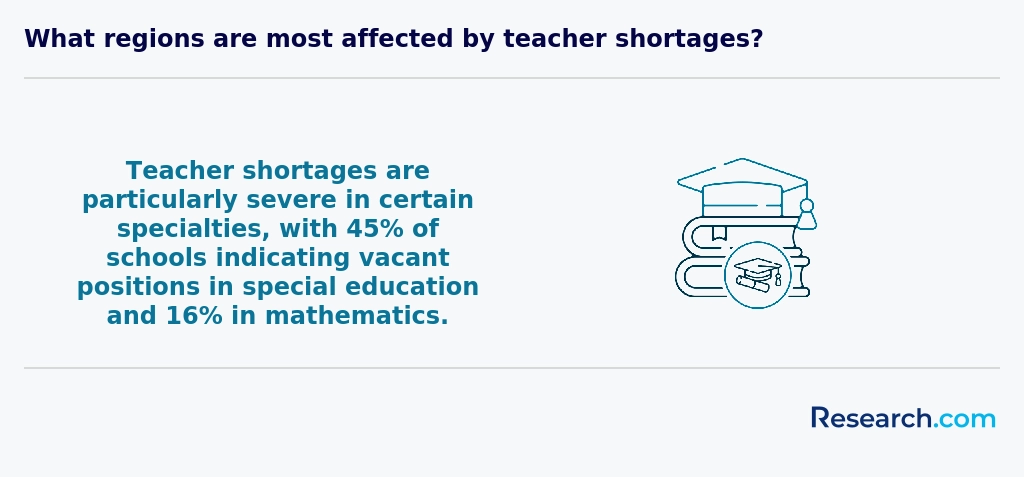
- There is a projected 7% national employment growth for special education teachers from 2022 to 2032, with rural and suburban Midwest areas experiencing teacher shortages.
- Online programs accommodate supervised teaching practicum requirements through local partnerships or hybrid formats needed for state licensure.
Completing an online special education degree in the Midwest varies by program level and enrollment status. Undergraduate students at well-known institutions like the University of Illinois or Michigan State often finish their bachelor's degree in about four years when studying full time. Part-time options extend this to five or six years but offer flexibility for working adults balancing family or jobs.
Graduate students pursuing a master's degree, such as at Indiana University's online M.Ed. in Special Education, usually complete the program within 18 months to three years. Full-time students commonly finish in two years, while part-time learners take longer but appreciate the manageable pace. Many graduates emphasize how flexible course schedules and the ability to accelerate by taking summer classes helped them stay motivated and on track.
Practical fieldwork remains essential in the Midwest, requiring in-person placements at local schools. Graduates often mention coordinating these experiences near their homes, which, though adding time, enhances real-world skills and confidence before entering classrooms.
Online and on-campus special education degrees in the Midwest differ primarily in flexibility and interaction. Graduates from online programs at universities like the University of Illinois share how virtual classrooms allow them to balance studies with family or work commitments effortlessly. They access lectures anytime and complete assignments without the stress of commuting, which saves both time and money.
In contrast, graduates from on-campus programs at schools such as Michigan State University emphasize the value of face-to-face engagement. They benefit from direct collaboration with professors and peers, immediate help at campus resources like tutoring centers, and vibrant networking opportunities. This environment suits those who thrive on structured schedules and personal connections.
Both formats require hands-on practicum experiences in local Midwestern schools, ensuring practical skills regardless of delivery mode. Online students often receive support locating placements near home, making real-world learning convenient. Understanding these differences helps Midwest students select the program type that fits their lifestyle and learning style best.
The average cost of an online special education degree in the Midwest varies but generally falls around $16,530 for the entire program. In-state students often benefit from lower tuition rates, with median costs near $14,781, making programs at public universities in states like Minnesota, Illinois, and Ohio more affordable. Out-of-state students can expect higher fees, with median totals around $22,830. This pricing reflects actual tuition expenses, excluding extra costs such as textbooks, technology, or placement fees.
Graduates from popular Midwestern institutions often share how careful financial planning made their online special education degrees manageable. For instance, some found that enrolling in state schools with established online programs helped lower tuition costs dramatically. Students reported feeling empowered when leveraging scholarships and assistantships, which many private universities also provide despite generally higher tuition costs. This proactive approach highlights how understanding tuition structures is essential for anyone considering the Midwest online special education master's tuition fees.
It's essential to balance tuition costs with the practical experiences required in special education degrees, such as practicum placements. Graduates emphasize preparing for additional expenses related to software and exam resources to avoid surprises. Prospective students should review financial aid packages available through universities or state programs, as some offer grants or loan forgiveness especially for those who continue into high-demand roles. To explore career options after earning a degree, visit the page about bachelor degree in special ed jobs.
Students pursuing online special education degrees in the Midwest can access a variety of financial aid options to help ease costs. Graduates from well-known institutions in the region share how federal aid, accessed through FAFSA, was crucial-they qualified for loans, work-study, and grants specifically for education majors. For example, the TEACH Grant offers up to $4,000 annually but requires a commitment to teach special education in a high-need district for four years, a common path for graduates eager to serve underserved rural communities.
Beyond federal programs, many Midwest universities offer merit-based scholarships and need-based grants tailored to special education students. One graduate at a popular public university in Ohio recalls how a merit scholarship helped reduce tuition by thousands each year. State grants and incentive programs, especially in Illinois and Ohio, provide additional support but usually require in-state residency and a teaching commitment within the state's school system.
Employer tuition reimbursement also plays a significant role. Graduates currently working in education sectors often combine these benefits with federal and state aid to make earning their degree financially manageable, allowing them to focus on gaining skills to better serve their future students.
Enrolling in an online special education degree program in the Midwest typically requires a bachelor's degree from an accredited institution. Graduates from universities such as those in Illinois and Ohio often recall having to show transcripts with a minimum 3.0 GPA to prove academic readiness. If your undergraduate degree isn't in education, many programs ask you to complete foundational courses in teaching or child development before advancing.
For working educators, state teaching certification or licensure is often essential. Many applicants from Minnesota-based schools found that holding initial teaching credentials helped them access advanced endorsements in special education more smoothly. Letters of recommendation are also standard, with former students emphasizing how these endorsements highlighted their dedication and strengthened their applications.
Some programs prefer candidates with relevant experience, like classroom or paraprofessional roles. A few competitive programs may require GRE scores, but this is less common overall. Planning ahead to meet these prerequisites ensures a smoother application process and puts you on a confident path to specialize effectively within the Midwest's vibrant education community.

Online special education degrees in the Midwest typically include courses that build both foundational knowledge and practical skills essential for effective teaching. Graduates from universities like the University of Illinois or Michigan State often highlight courses such as Assessment and Evaluation in Special Education, which teaches how to measure student progress accurately and tailor interventions.
Behavioral Interventions and Positive Behavioral Supports is another key course, equipping students to develop strategies that foster positive classroom environments. Instructional Strategies for Diverse Learners prepares educators to adapt lessons for a wide range of disabilities, a skill highly valued in Midwestern districts adhering to IDEA regulations.
- Assessment and Evaluation in Special Education
- Behavioral Interventions and Positive Behavioral Supports
- Instructional Strategies for Diverse Learners
- Collaboration and Family Engagement in Special Education
- Assistive Technology and Accessibility Tools
Graduates often mention how family engagement courses helped them build strong partnerships with parents, an important factor in student success. Hands-on practicum experiences embedded in these programs make learning real and rewarding, reflecting the supportive communities in Midwestern schools.
Online special education degree specializations Midwest programs typically include Autism Spectrum Disorders (ASD), Behavioral Intervention, Early Childhood Special Education, Learning Disabilities, Severe or Multiple Disabilities, and Speech and Language Impairments. Graduates from popular Midwestern colleges often share how focusing on ASD helped them confidently apply research-backed strategies that truly transform classrooms for students on the spectrum. Similarly, those who specialized in Behavioral Intervention felt empowered by learning practical behavior management techniques directly applicable in schools across the region.
Many students appreciate programs that emphasize Early Childhood Special Education, especially given the region's strong commitment to early intervention. These specializations align well with local licensure demands and improve job readiness, as seen among graduates who found internships through their university's partnerships with area schools. For those balancing work and study, some even choose an accelerated graduate certificate program in special education to deepen expertise swiftly. Exploring a Midwest online master's special education tracks offers practical options tailored to your goals and the needs of the communities you will serve.
Choosing the best online special education degree in the Midwest means focusing on programs that offer regional accreditation like the Higher Learning Commission and endorsements from bodies such as the Council for Exceptional Children. Graduates from universities in Illinois and Ohio often praise how these programs balance rigorous academics with real-world applications, preparing them thoroughly for state licensure. Affordable special education master's programs Midwest typically offer flexibility in scheduling and competitive tuition rates, which helped many working professionals continue their education without financial strain.
Look closely at curriculum details to ensure they include evidence-based teaching strategies and align with IDEA requirements. Graduates recall how Midwestern colleges with strong online platforms provided robust practicum support, enabling valuable field experiences even while remote. Investigate student services and faculty expertise, as personal advisors can ease the complexities of course planning and licensure navigation. For detailed rankings and student reviews, consider consulting the best online master's degree in special education to compare programs and find one tailored to your goals.

Graduates with an online special education degree in the Midwest find diverse career paths that extend well beyond traditional classroom teaching. Many begin as special education teachers in public or private schools throughout states like Illinois and Ohio, addressing the needs of students with disabilities and building impactful relationships daily. Others leverage their degree to become behavioral specialists or educational diagnosticians, roles that involve hands-on intervention and detailed student assessments. Graduates from universities renowned in the region report feeling empowered by practical coursework and hands-on internships, helping to shape their confidence as they transition into these roles.
Additionally, online special education job opportunities Midwest include positions such as transition specialists who prepare students for life after graduation, and special education administrators who manage program compliance and development at district levels. Many alumni also engage in nonprofit work or consulting roles, making a difference in inclusive education strategies. Those interested can learn more about the responsibilities of special education teacher to better understand the scope and impact of these rewarding careers.
The job market for online special education degree graduates in the Midwest remains robust, with strong demand across both urban and rural districts. Many graduates from universities like the University of Illinois and Michigan State University find steady employment due to ongoing shortages of qualified special education teachers. This positive outlook reflects the growing need for skilled educators who can support diverse learners in inclusive classrooms, especially as more schools implement state initiatives to reduce student-teacher ratios.
Employment opportunities for online special education graduates in Midwest regions are enhanced by programs that encourage digital instruction skills-something many online learners acquire firsthand. Graduates often share that their training effectively prepares them for using technology in remote learning environments, which increases their marketability. Midwestern states such as Ohio and Illinois invest heavily in special education funding, ensuring consistent job openings and competitive salaries that range broadly depending on experience and location.
The region also offers affordable tuition for online programs, typically between $300 and $600 per credit hour, making degrees from institutions like Ohio State University attractive options. Many students benefit from scholarships and loan forgiveness programs tied to teaching commitments. Prospective students may find it helpful to explore what an eds degree meaning entails as they plan their careers in this encouraging job market for special education teachers in the Midwest.
2027 Best Online Master's in Special Education Degree Programs Ranking in the Midwest
Investing in your education is a significant decision that can shape your future, and the Research.com team understands the importance of making informed choices. To assist prospective students in the Midwest, we have meticulously crafted the "2027 Best Online Master's in Special Education Degree Programs Ranking in the Midwest." Our commitment to quality, credibility, and accuracy is reflected in the extensive research and analysis conducted to compile this ranking.
We utilized the following reputable data sources to ensure a comprehensive evaluation of special education programs:
By exploring this ranking, readers will gain valuable insights into the best online master's programs in special education in the Midwest, helping them confidently choose the path that best fits their goals and needs. For more details on our methodology, please visit our Research.com methodology page.


# 11 position
Bethel University, Minnesota
Master of Special Education

# 12 position
Pittsburg State University
Master of Special Education Teaching (K-12 High/Low Incidence)


# 14 position
University of Nebraska-Lincoln
Master of Special Education in Education of the Deaf and Hard of Hearing


# 17 position
Concordia University, St. Paul
Master of Special Education with Emotional/Behavioral Disorders (EBD) Endorsement


Frequently Asked Questions About special education
Online special education degree students in the Midwest can maximize their learning experience by actively engaging with virtual class discussions and utilizing faculty office hours. Research from the National Center for Education Statistics shows that interaction with instructors significantly improves student outcomes in online settings.
Additionally, students should leverage local resources such as school districts and special education organizations for practical experience. The Midwest has strong networks, including the Council for Exceptional Children Midwest Division, which offers workshops and mentoring opportunities.
Consistently setting a study schedule and using specialized technology tools designed for accessibility can also enhance learning efficiency and retention.
Emerging niches in the special education field increasingly focus on technology integration and mental health support. With the growth of digital tools, educators specializing in assistive technology are in demand, especially for students with autism and learning disabilities. According to the Midwest Regional Education Lab, approximately 30% of special education professionals in the region now pursue expertise in educational technology applications.
Additionally, mental health services for students with emotional and behavioral disorders represent a critical niche. The increasing recognition of mental health needs in schools has led to more specialized roles for special educators trained in counseling strategies.
Another growing area involves early intervention for infants and toddlers, supporting developmental milestones before traditional schooling begins. These specialized skills reflect a broader shift towards holistic support systems within the Midwest's special education landscape.
Preparing for the job market after earning an online special education degree in the Midwest involves several key steps. First, graduates should obtain necessary state licensure, as requirements vary by state but typically include passing exams and completing supervised teaching hours. According to the U.S. Bureau of Labor Statistics, the Midwest shows steady demand for special education teachers, with job growth around 5% through 2031. Networking with local school districts and joining professional organizations like the Council for Exceptional Children can offer valuable connections and job leads. Additionally, gaining experience through internships or substitute teaching improves employability in competitive markets.
Employers in the Midwest seek special education graduates who demonstrate strong communication and collaboration skills. These professionals must effectively partner with families, educators, and support staff to create inclusive learning environments. According to the National Center for Education Statistics, over 14% of K-12 students in this region receive special education services, highlighting the demand for qualified teachers.
Problem-solving and adaptability are crucial, as special education often requires customizing approaches for diverse student needs. Graduates with proficiency in Individualized Education Program (IEP) development and legal compliance are highly valued by school districts.
Data from the Midwest Education Consortium emphasizes technological competence as increasingly important, given the rise of digital learning tools in classrooms.
Finding internships in the Midwest relevant to a special education degree involves several focused steps. Start by exploring university career centers, many of which partner with local schools and organizations offering special education placements. The Council for Exceptional Children and state departments of education often list internship opportunities or partnerships specific to the region.
Networking with local school districts is crucial. States like Illinois and Ohio have mandated internship experiences for teacher certification, creating demand for special education interns. Contacting schools directly can uncover openings not widely advertised.
Data from the National Center for Education Statistics show that over 15% of all students in Midwest public schools receive special education services, underscoring strong internship demand.
Online platforms such as Handshake, used by many Midwest universities, also host numerous internships in education fields.
Obtaining an online special education degree can significantly enhance career mobility and advancement opportunities in the Midwest. As regional school districts increasingly value flexible learning and specialized skills, graduates often find access to a broader range of teaching positions and leadership roles.
According to the National Center for Education Statistics, Midwestern states report steady demand for special education teachers, with growth projections above the national average through 2030. Online degrees, typically designed to meet state licensure requirements, allow candidates to earn credentials without relocating.
Additionally, many programs emphasize practical experience and updated teaching strategies, directly supporting educators' eligibility for salary increases and promotions within public school systems across Illinois, Ohio, Michigan, and neighboring states.
Studying for a special education degree online in the Midwest offers students comprehensive preparation for interdisciplinary roles in education and healthcare. Midwest programs emphasize collaboration among educators, therapists, and counselors, reflecting the increasing demand for integrated support teams in schools. According to the National Center for Education Statistics (NCES), many Midwestern universities incorporate courses in psychology, speech pathology, and behavioral science to equip graduates with diverse skills.
These programs train students to work effectively with professionals from various disciplines, enhancing outcomes for students with disabilities. This interdisciplinary approach aligns with standards set by the Council for Exceptional Children, widely adopted by Midwest institutions.
When choosing between a thesis and a non-thesis online special education degree in the Midwest, consider your career goals first. Thesis programs require original research and are ideal if you plan to pursue a doctorate or work in research-based roles. Non-thesis programs focus more on practical skills and may include comprehensive exams or capstone projects instead.
Midwestern states like Illinois and Ohio offer varied online options, with about 40% of programs favoring non-thesis tracks, reflecting demand for hands-on teaching expertise (National Center for Education Statistics, 2023). Consider also your time commitment, as thesis routes often extend study duration.
Financial factors and faculty mentorship availability influence the decision too. Connecting with advisors at specific Midwestern universities can clarify which path matches your needs.
Students based in the Midwest interested in studying special education abroad face limited direct options because most U.S. universities, including those offering online degrees, focus on domestic accreditation and state licensure. While fully online programs in special education from Midwestern institutions provide flexibility and relevant content, international study components are rare. According to the National Center for Education Statistics, less than 10% of education graduate students participate in study abroad programs, often due to the specialized nature of teacher licensure requirements.
Some Midwestern universities offer partnerships that include international internship or exchange opportunities, but these are typically supplementary to the main online curriculum. For prospective students, combining online coursework with short-term international experiences may be the most practical path. It's important to verify that course credits and clinical hours obtained abroad meet certification criteria in their home states.
Part-time job opportunities in the Midwest that complement online special education degree studies often focus on gaining practical experience with children who have disabilities or learning challenges. Many students work as teacher's aides or paraprofessionals in public and private schools, supporting classroom instruction and individualized education plans (IEPs). According to the U.S. Bureau of Labor Statistics, states like Illinois and Ohio employ significant numbers of teaching assistants, with projected job growth supporting demand through 2030.
Apart from schools, tutoring services specializing in special needs students are common part-time jobs that develop assessment and instructional skills. Additionally, daycare centers offering specialized childcare or nonprofit organizations focused on disability services often seek part-time staff.
Engaging in these roles helps candidates apply theoretical knowledge, improving readiness for full-time educational roles in the Midwest's evolving special education landscape.
Networking opportunities for online special education students in the Midwest are increasingly diverse and accessible. Many universities offering online degrees in this region provide virtual career fairs, alumni networks, and professional association memberships tailored to special education. For example, organizations like the Council for Exceptional Children (CEC) have active Midwest chapters that host regular online events and conferences. These platforms allow students to connect with experienced educators and potential employers.
Additionally, several Midwestern states, including Illinois and Ohio, report higher-than-average demand for special education teachers, creating strong local job markets. Engaging in state-specific webinars and workshops can further enhance networking prospects.
Alumni networks play a crucial role for online special education degree students in the Midwest by offering valuable professional connections. These networks facilitate job placements, mentoring opportunities, and collaboration among educators who understand regional needs.
Midwestern states, such as Illinois and Ohio, show growing demand for special education professionals, with the U.S. Bureau of Labor Statistics projecting a 7% job growth in special education teaching through 2031. Alumni connections can help students navigate this competitive market effectively.
Additionally, alumni groups often share insights on local education policies and community resources, which is vital for tailoring special education strategies to diverse Midwestern populations. Teachers benefit from ongoing peer support as they adapt to evolving state regulations and student needs.
Customizing an online special education degree in the Midwest allows students to focus on areas that best match their career goals. Many programs offer concentrations such as autism spectrum disorders, behavioral interventions, or early childhood special education. This flexibility helps address specific student needs and meet regional demands.
Midwestern universities frequently collaborate with local schools, providing practical experience opportunities aligned with certification requirements. According to the National Center for Education Statistics, states like Illinois and Ohio have a high demand for special education teachers, encouraging schools to tailor their curriculum to these workforce needs.
Additionally, some programs enable students to select electives or participate in research projects related to policy or inclusive education strategies. This approach ensures graduates are well-prepared for diverse roles in the special education field.
Students pursuing online special education degrees in the Midwest often face unique challenges related to balancing coursework with professional and personal responsibilities. Many are working educators who must juggle tight schedules while meeting program requirements. Technology access and reliable internet can be barriers, especially in rural areas of states like Iowa and Nebraska, where broadband penetration rates lag behind the national average, according to the Federal Communications Commission (2023).
Another critical challenge is obtaining sufficient practical experience. Special education programs require fieldwork or student teaching, which may be difficult to arrange remotely. Coordinating placements within local school districts demands time and effort from students and institutions alike.
Furthermore, adapting specialized instructional techniques to an online learning format can be difficult. Students must master both content and technology to deliver support effectively to diverse learners.
Graduates with an online special education degree in the Midwest can pursue various professional certifications to enhance their careers. The most common is the Special Education Teaching License, required to teach students with disabilities in K-12 public schools. This license is issued by each state's department of education, such as the Illinois State Board of Education or Michigan Department of Education.
Additionally, many pursue the Board Certified Behavior Analyst (BCBA) certification, which focuses on applied behavior analysis, a critical skill for supporting students with behavioral challenges. Midwest states like Ohio report high demand for BCBA professionals according to the Bureau of Labor Statistics.
Some educators also obtain certification in Assistive Technology to better support students' learning needs. These credentials improve employability and meet growing regional needs for specialized educational support in diverse classrooms. Sources like the National Center for Education Statistics provide data on certification trends in this field.
Applying to an online special education program in the Midwest requires a clear, focused approach. Start by researching programs accredited by the Council for the Accreditation of Educator Preparation (CAEP), as this ensures quality training and eligibility for licensure in most states.
Highlight your experience or passion for working with children with disabilities, supported by concrete examples in your statement of purpose. The Midwest sees a steady demand for special educators; for instance, the Bureau of Labor Statistics projects a 3% growth in special education jobs in Illinois through 2031.
Be sure to include relevant academic records, emphasizing coursework in psychology, education, or child development. Also, request strong letters of recommendation from professionals familiar with your dedication to special education.
Lastly, tailor your application to show how the program aligns with your career goals and commitment to serving diverse student populations in the Midwest.
Special education careers in the United States, including the Midwest, are deeply influenced by global views on inclusivity and accessibility. Around the world, there is growing emphasis on ensuring educational opportunities for students with disabilities, as reflected in United Nations' policies like the Convention on the Rights of Persons with Disabilities.
In the Midwest, data from the U.S. Department of Education shows nearly 15% of public school students receive special education services, highlighting strong demand for qualified educators. Globally, countries like Finland and Canada also prioritize special education but differ in training requirements and classroom integration.
Understanding these global trends helps Midwestern students realize the importance of culturally responsive teaching and diverse strategies in special education careers.
Gaining practical experience while pursuing an online special education degree in the Midwest typically involves completing required fieldwork or internships. Many accredited programs partner with local schools or educational agencies to support these hands-on opportunities. The Council for Exceptional Children reports that Midwestern states emphasize practicum hours to meet state licensure requirements.
Students often complete between 100 to 300 supervised hours working directly with students who have disabilities. These experiences help develop essential teaching skills in real classroom settings.
Moreover, some programs offer virtual simulations or remote mentoring to complement in-person fieldwork, increasing flexibility for online learners in rural areas of the Midwest.
Choosing the right concentration within an online special education degree program in the Midwest requires understanding your career goals and the needs of local schools. Popular concentrations include Autism Spectrum Disorders, Behavior Intervention, and Mild/Moderate Disabilities. Each targets different student populations and intervention strategies.
Research from the National Center for Education Statistics shows that Midwestern states have growing demands for specialists in autism and emotional disturbance, making these concentrations valuable. Certification requirements also vary by state, so verify that your chosen focus aligns with state licensure standards.
Consider programs offering field experience or practicum opportunities in your region to enhance practical skills.
- Home New - NASET https://www.naset.com/
- Common Challenges in Special Education and How to Overcome Them | Susan Luger Associates https://slugerassociates.com/resources/common-challenges-in-special-education-and-how-to-overcome-them/
- What can You Do with a Special Education Degree? - Graduate Programs for Educators https://www.graduateprogram.org/blog/what-can-you-do-with-a-special-education-degree/
- Special Education Professional Development Complete Guide for 2025 Teacher Guide https://www.simplek12.com/blog/special-education-professional-development
- 9 Careers You Can Pursue with a Master’s in Special Education https://www.pointloma.edu/resources/education/9-careers-you-can-pursue-masters-special-education
- Special Education Email/Letter Templates https://www.calldac.com/post/special-education-email-letter-templates
- Special Education Maximize Outcomes https://web.teachtown.com/blog/special-education-maximize-outcomes/
- Discover more about Special Education and where to study it abroad https://www.hotcoursesabroad.com/subject/special-education/
- 10 Tips for Special Education Careers https://newstoryschools.com/blog/10-tips-special-education-careers
- Sample Letter: Request a Special Education Evaluation https://www.askresource.org/resources/sample-letter-requesting-an-evaluation


