
2027 Easiest Online Master's in Special Education Degree Programs Ranking in New York

Co-Founder and Chief Data Scientist
If you're considering advancing your career in special education, choosing the right online master's program can feel overwhelming. To help students in New York make confident decisions, the Research.com team of data scientists developed the 2027 Easiest Online Master's in Special Education Degree Programs Ranking in New York.
This ranking highlights programs that combine quality education with accessible online learning, making your journey smoother. Earning a special education degree opens doors to rewarding career paths and meaningful impact. This article guides you through top options so you can find a program that fits your goals and lifestyle.
Key benefits of getting online special education degree in New York
- While specific salary data for special education graduates in New York is unavailable, nationally, special education teachers earn a median annual wage of about $61,000, offering a stable and rewarding career financially.
- Graduates with a special education degree from institutions like Hunter College in New York can pursue careers as special education teachers, educational consultants, or behavioral specialists, providing diverse opportunities to impact lives positively.
- Online special education degrees from schools such as SUNY have the advantage of flexible schedules, allowing students to balance work, family, and studies while gaining the same quality education as traditional programs.
- 2027 Easiest Online Master's in Special Education Degree Programs Ranking in New York
- What can I expect from online special education degree in New York?
- Where can I work with online special education degree in New York?
What can I expect from online special education degree in New York?
When it comes to the cost of earning an online special education degree in New York, expect a spectrum as vibrant as the city skyline itself. Public universities often extend a welcoming hand to in-state residents, offering tuition that feels more like an investment in a cherished community than a financial burden. Graduates from these programs recall balancing part-time work while immersing themselves in coursework that costs roughly between $10,000 and $25,000 annually, a figure tempered by scholarships specifically tailored to education fields.
Imagine a dedicated student in Buffalo accessing a hybrid program; they find relief both in affordable tuition and the ability to design their practicum within local schools, reducing commuting stress and expenses. Another graduate from a CUNY school shares the excitement of financial aid that made their transformative journey manageable, allowing them to focus on grasping behavior interventions rather than worrying about bills.
In this dance of numbers and dreams, New York's online special education degrees offer a cost structure that supports passionate learners ready to ignite change in classrooms statewide.
Where can I work with online special education degree in New York?
With an online special education degree in New York, graduates don't just find jobs-they step into roles that reshape lives. Imagine working in vibrant classrooms across NYC public schools or quiet, inclusive spaces at SUNY colleges, where certified special education teachers tailor learning adventures for every child. The demand is real: over 20,000 New Yorkers embrace this calling, transforming challenges into triumphs.
Some alumni dive into early intervention programs, collaborating with families from Brooklyn to Buffalo, nurturing toddlers with developmental delays through hospital and nonprofit partnerships. Others carve unique paths beyond classrooms: designing IEPs, consulting on curriculum at CUNY campuses, or steering special education departments in local districts.
State agencies like NYSARC beckon graduates too, offering meaningful roles supporting individuals with disabilities in community settings. These careers don't just pay well-averaging nearly $78,000 annually-they offer a sense of purpose fueled by every milestone seen in a student's growth. New York's special education scene is not just a job market; it's a catalyst for real-world impact.
Graduates from online special education programs in New York, such as those at Hunter College or the College of Staten Island, often find themselves stepping into a salary landscape richer than the national norm. Imagine starting out earning between $50,000 and $55,000 annually, enough to cover city life essentials and still enjoy the vibrant culture of NYC. With each year of classroom experience and a master's degree tucked under their belt, many teachers watch their paychecks grow toward the mid-$70,000s, reflecting both their expertise and dedication.
Picture an educator in bustling Long Island, where salaries can edge past $80,000, fueled by local demands and school budgets. Contrarily, those choosing quieter, more rural corners of the state will still find compensation hovering near the state average, offering stability and community engagement. Beyond the paycheck, these professionals benefit from health plans, retirement savings, and paid leave, making the career's rewards feel tangible and secure.
Graduates who flourish into coordinator or administrator roles often leap into six-figure territory, proving that New York's dynamic educational ecosystem values growth and ambition. Through online degrees and certifications, these New York educators build not just careers, but meaningful futures.
- Tuition for online special education master's degrees in New York ranges from $15,000 to $30,000, with public universities generally being more affordable for in-state students.
- New York has a strong demand for special education teachers, especially in urban and suburban areas, driven by increasing student populations and retirements.
- Starting salaries for newly licensed special education teachers typically range from $45,000 to $52,000 annually.
- Experienced teachers can earn between $60,000 and $75,000, with higher pay for those holding advanced degrees or specialized certifications.
- Online programs must be approved by New York's Department of Education to meet certification requirements, including passing state exams and completing supervised practicum hours.
Diving into an online special education degree in New York feels like embarking on a personalized journey through time, where each student's clock ticks to their own rhythm. Graduates from institutions like Hunter College or the College of Staten Island often find that wrapping up a master's degree online takes anywhere from 18 months to 3 years. Full-time learners can sprint through the 30 to 40 credit hours in about a year and a half, while part-time adventurers-juggling work and family-glide comfortably along a 2 to 3-year path.
Imagine evenings filled with asynchronous classes you can pause and rewind, fitting seamlessly between your busy life moments. For some, getting initial certification adds a twist-fieldwork hours mimic real classrooms, pulling you into the vibrant pulse of New York's diverse communities. Doctoral seekers might settle in for a longer, research-rich expedition lasting 3 to 6 years, crafting dissertations that illuminate special education's future.
Graduates often share a sense of accomplishment mingled with relief and excitement, energized by the flexible pace New York's online programs offer. This tailored timeline lets you balance ambition with life's choreography.
Imagine a new graduate from Hunter College balancing family dinners while logging into a vibrant online discussion about special education strategies-this is the flexible heartbeat of New York's online degrees. No commutes, no rigid schedules, just learning tailored around life's chaos. The online path lets you absorb coursework remotely, perfect for those who juggle jobs or caregiving.
Contrast that with a recent Lehman College on-campus graduate who recalls late evenings in the library and face-to-face breakthroughs during practicum sessions, embedded right where the city's diverse learning needs pulse. The hands-on vibe of on-campus study offers tactile experiences-labs, in-person mentorship, and direct collaboration with peers and instructors, crucial when clinical hours and student teaching requirements come knocking.
In New York, tuition might flex between $25,000 to $45,000 at public institutions depending on the route, with online programs often easing the wallet but nudging you toward tech setups and occasional campus visits. Both journeys, whether through buzzing digital forums or lively classroom halls, carry the same certified promise to prepare special educators ready for the city's rich mosaic of learners.
The average cost of an online special education degree in New York radiates a mix of hope and pragmatism for many future educators. Imagine a graduate from a well-regarded public university in the SUNY system, who found their tuition hovering around $12,000 to $28,800 for the entire program. This range reflects the blend of quality and accessibility, especially for those studying in-state. These students often recount the relief of manageable expenses combined with a flexible online format that allowed them to balance work and study.
Private institutions paint a slightly more upscale financial canvas, with tuition stretching from $24,000 up to approximately $54,000 total. Graduates from these colleges often talk about the value of scholarships and assistantships that helped cushion the investment in their future. The jump in tuition is sometimes met with gratitude when these students reflect on the personalized attention and extensive resources they accessed while earning their degree.
For anyone budgeting their journey, it's not just tuition and fees to consider. Fees for technology, books, and occasional practicum placements add layers to the total cost story. However, many online programs in New York strive to minimize these extras, understanding the financial tightrope students walk, especially those aiming for a special education path.
On a personal note, students envisioning a rewarding career may relate closely to stories shared by those who have pursued a bachelor degree in special ed jobs and beyond, recognizing the investment as a meaningful springboard into impactful teaching roles. Thus, when considering tuition and fees special education master's New York options, think of the balance between cost, quality, and the empowering outcomes that ignite passion for change.
Imagine a graduate from a popular New York university, juggling family life and studies, relieved by the Tuition Assistance Program (TAP) easing undergraduate costs and scholarships targeted at future special education teachers. Even though TAP favors undergrads, graduate students snag perks from the Teaching Fellows Scholarship or the Excelsior Scholarship, both designed to soften tuition's sting in the Empire State's pricier educational landscape.
Federal aid arrives like a lifeline through FAFSA: Pell Grants-rare but possible for some grads-and low-interest loans like Direct Unsubsidized and Grad PLUS Loans help keep dreams afloat without drowning in debt. Picture another student from a renowned NYC college using employer tuition reimbursement; their school district proudly supporting their journey, transforming work hours into degree progress.
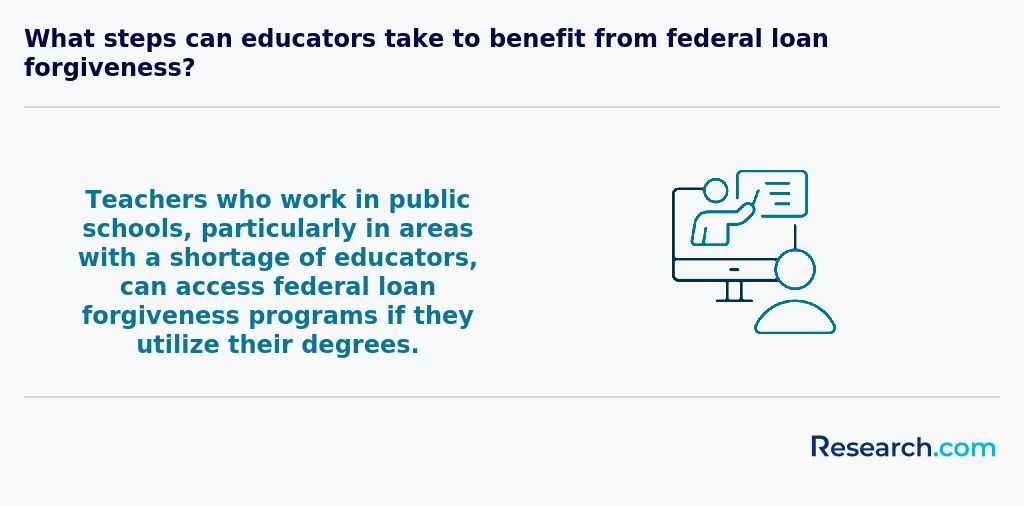
Then there's the hopeful whisper of loan forgiveness programs-the Teacher Loan Forgiveness and Public Service Loan Forgiveness-offering a future free from crushing debt for New York's special education heroes devoted to public schools. These options transform daunting price tags into achievable goals.
If you're dreaming of enrolling in an online special education degree in New York, expect to show you've got the foundation to soar. Graduates from SUNY or Fordham often recall juggling their official transcripts, usually with a GPA hovering around 3.0 or higher, to prove they're ready for the academic climb. It's not just numbers-many candidates bring diverse academic backgrounds, blending passions beyond education yet united by a commitment to support learners with unique needs.
Picture yourself navigating New York's certification maze: programs want you either certified or on track for state teaching credentials, ensuring your skills match local classroom realities. Those hopeful for initial certification commonly gather experience or coursework in general education-the stepping stones to specialize further.
One graduate from a Queens-based program shared how heartfelt recommendation letters and a personal essay breathed life into their application, reflecting a genuine desire to transform special education for New York's vibrant, diverse student body.
Experience matters too; volunteering or working with individuals with disabilities becomes not just an asset but a beacon - illuminating your passion and readiness to thrive in New York's unique educational landscape.
Imagine diving into Introduction to Special Education at a well-known New York university, where graduates recall their "aha" moments understanding the layers behind IDEA and how it shapes real classroom magic. This foundational course is more than theory-it's the compass guiding you through New York's complex educational landscape.
Courses like Behavioral and Classroom Management transform challenges into breakthroughs, teaching you to craft calm, encouraging spaces for students with emotional and behavioral needs. At popular institutions, online students share stories of confidently applying these strategies to support nearly 12% of New York's special learners.
Assessment classes pivot you into the vital role of IEP creator. Graduates rave about mastering state-aligned tools to build personalized education roadmaps-moments that feel like unlocking the secret code to student success.
Then there's curriculum adaptation: a playground for creativity where you tweak lessons for unique minds, from autism to learning disabilities. Plus, assistive technology courses reveal how gadgets become independence champions, bringing smiles and sparks of confidence.
Finally, collaboration courses prepare you for the special education symphony-working hand-in-hand with families, therapists, and general educators to craft a supportive, connected experience. It's about weaving a web of care that every New York special educator proudly upholds.
Diving into online special education degree specializations New York offers is like entering a vibrant garden of expertise where each path leads to unique, heartfelt impact. Graduates from renowned institutions like Hunter College and Bank Street College often describe their journeys through learning disabilities specialization as eye-opening adventures-equipping them to transform struggles with reading or math into victories for students. Meanwhile, those pursuing autism spectrum disorder focus areas weave research-driven techniques into their daily teaching, fueled by stories of New York classrooms where understanding the spectrum means unlocking potential.
Special education master's focus areas New York also tend to include emotional and behavioral disorders, a specialization that empowers educators to nurture resilience in kids facing mental health challenges. One alum recalled navigating NYC's diverse schoolscape, adapting strategies to meet complex needs with compassion. Early childhood special education remains a beacon for many, emphasizing early interventions in pre-K through grade 2. For those looking for the cheapest online special education master's programs, New York's public universities blend accessibility with depth, ensuring tailored learning paths that resonate deeply with every student's passion.
Imagine juggling a full-time job, family, and the ambition to become a skilled special education teacher in New York-all while navigating the maze of online programs. Graduates from popular New York colleges often share how crucial it was to select programs with CAEP accreditation and solid ties to the New York State Education Department. This ensures the coursework and supervised field experiences aren't just online checkboxes but real stepping stones toward certification. Flexibility is the unsung hero here; asynchronous classes let you study at midnight or during lunch breaks, fitting your lifestyle rather than forcing the other way around.
Many have discovered that chasing affordable special education master's degrees NY means hunting for public institutions offering in-state tuition online-seriously trimming costs without sacrificing quality. One graduate reflected how specialization options in autism or behavioral intervention gave them confidence and edge in NYC classrooms. For those taking the leap, exploring the breadth of programs-like a special education degree online bachelors-can open unexpected pathways tailored to your calling and the unique New York educational landscape.
Graduates launching from the vibrant halls of New York's leading institutions, like Hunter College or SUNY Buffalo, discover that online special education degrees open a kaleidoscope of career paths uniquely tailored to their passions and talents. Most step into the role of special education teachers, crafting personalized learning journeys for students who thrive under their careful guidance-an exhilarating challenge reported by many alumni who cherish the daily victories in classrooms across New York City. Others journey toward leadership, becoming special education coordinators or directors, orchestrating resources and nurturing compliance with policies to create nurturing environments district-wide.
Some graduates transform into educational diagnosticians, weaving through complex evaluations with compassion and precision, a calling that many find profoundly rewarding. For those drawn to advocacy, joining nonprofit or government organizations to champion students' rights under IDEA can be an empowering mission. Many New Yorkers balance work and study through the fastest online special education master's programs, unlocking these special education career opportunities New York uniquely supports for practical, impactful futures.
The job market for graduates with an online special education degree in New York sparkles with opportunity, fueled by a consistent need for educators who can navigate diverse classrooms with empathy and skill. Graduates from well-known New York institutions often share stories of stepping confidently into public schools, charter schools, and private educational settings where their expertise is not just welcomed but vital. These professionals find themselves shaping inclusive environments, supporting around 16% of public school students receiving special education services statewide.
One graduate recalls the thrill of joining a busy NYC charter school, where the demand for innovative teaching aligns with competitive salaries that outpace the national average. Another from a prominent college utilized the flexibility of studying a special education program online to balance work and earning, easing financial stress while gaining practical experience. For those considering online special education jobs New York promises a vibrant field often extending beyond classrooms into early intervention and rehabilitation roles, highlighting a career path rich with meaningful impact.
2027 Easiest Online Master's in Special Education Degree Programs Ranking in New York
Investing in your education is a significant decision that can shape your future, and the Research.com team understands the importance of making informed choices. To assist prospective students in New York, we have meticulously crafted the "2027 Easiest Online Master's in Special Education Degree Programs Ranking." Our commitment to quality, credibility, and accuracy is reflected in the extensive research and analysis conducted to compile this ranking.
We utilized the following reputable data sources to ensure a comprehensive evaluation of special education master's programs:
By exploring this ranking, readers will gain valuable insights into the easiest online special education master's programs in New York, helping them make informed decisions about their educational paths. For more details on our methodology, please visit our Research.com methodology page.
# 1 position
Niagara University
Master of Special Education

# 2 position
Mercy University
Master of Education, Teaching Students with Disabilities - Birth to Grade 6 and Early Childhood

# 3 position
St. John's University
Master of Teaching Children with Disabilities in Childhood Education


Frequently Asked Questions About special education
Online special education degree students in New York can maximize their learning by actively engaging with course materials and participating in virtual discussions. Using resources provided by the New York State Education Department, such as curriculum frameworks and guidelines, helps align studies with state standards. Regular communication with instructors through video calls or emails can clarify complex topics and provide personalized feedback.
Additionally, students should seek practical experience opportunities. New York offers numerous partnerships with local schools for virtual or in-person internships, essential for hands-on learning.
Collaborating with peers through online study groups also enhances understanding and support.
The field of special education is evolving rapidly, with several emerging niches gaining prominence in New York and beyond. One growing area is the focus on autism spectrum disorder (ASD), as New York schools report rising enrollment of students on the spectrum. According to the New York State Education Department, programs trained in ASD-specific interventions like ABA therapy are in high demand.
Another niche is assistive technology integration. Educators skilled in customizing devices and software to support students with disabilities are increasingly needed. This specialization enhances learning accessibility and independence for students.
Additionally, there is a rising emphasis on culturally responsive teaching within special education to address diverse student populations. Teachers trained to consider cultural backgrounds help create more inclusive learning environments.
Early childhood special education also remains a critical area, focusing on intervention during crucial developmental stages, and New York invests significantly in these programs.
After completing an online special education degree in New York, graduates should focus on obtaining state certification to become eligible for teaching positions. The New York State Education Department requires candidates to pass the New York State Teacher Certification Examinations (NYSTCE), including the Assessment of Teaching Skills-Written (ATS-W) and the Content Specialty Test (CST) for special education.
Networking with local school districts and joining professional organizations, such as the Council for Exceptional Children (CEC), can enhance job opportunities. According to the New York State Department of Labor, special education teachers are projected to see a 7% employment growth through 2030, faster than the average for all occupations.
Continuing education and gaining classroom experience through internships or substitute teaching also improve market readiness.
Employers in New York seek special education graduates with strong communication skills to effectively collaborate with students, families, and multidisciplinary teams. Proficiency in Individualized Education Program (IEP) development is crucial, as the state mandates tailored learning plans for students with disabilities. Graduates must demonstrate knowledge of state and federal laws, including the Individuals with Disabilities Education Act (IDEA).
Adaptability and classroom management are also highly valued. According to the New York State Education Department, special education teachers often work with diverse student needs, requiring flexibility in teaching methods. Finally, data-driven instruction skills help in monitoring student progress and adjusting strategies accordingly.
Finding internships in New York relevant to a special education degree involves a strategic approach. Start by contacting New York public schools or districts, which often partner with universities to provide field placements. The New York State Education Department (NYSED) requires practical experience for certification, making these internships essential.
Many online programs include placement assistance or partnerships with local schools. Additionally, nonprofit organizations supporting students with disabilities, such as the New York State Alliance for Child Welfare Excellence, offer internship opportunities.
You can also explore university career services and local job boards like Handshake or internships.com specifically filtering for special education roles in New York. Networking with licensed special educators through professional groups such as NYSEC (New York State Association of Special Education Administrators) can further enhance your chances.
Obtaining an online special education degree in New York significantly enhances career mobility and advancement opportunities. The New York State Education Department requires certification for special education teachers, and completing an accredited online program can satisfy these credentialing criteria. According to the U.S. Bureau of Labor Statistics, special education teaching jobs in New York are projected to grow by 5% through 2031, reflecting steady demand.
Holding a master's degree, particularly from a regionally accredited institution, often leads to higher salaries and eligibility for leadership roles such as special education coordinators or administrators. Additionally, New York offers various salary steps for educators advancing their qualifications, with master's degree holders earning approximately 10-15% more than those with only a bachelor's degree, per the New York State United Teachers 2023 data.
Online programs provide flexibility for working professionals to upskill without interrupting their current employment, which is crucial in a competitive educational environment. Furthermore, many districts in New York value candidates with specialized training in areas like autism spectrum disorders or behavioral interventions, which can be effectively covered in advanced online courses.
Studying for a special education degree in New York equips students with skills to work closely across multiple disciplines. Programs emphasize collaboration with speech therapists, psychologists, and general education teachers to create effective individualized education plans (IEPs). This interdisciplinary training reflects New York State Education Department guidelines, which promote team-based approaches to support diverse learners.
Students learn to apply federal laws like IDEA (Individuals with Disabilities Education Act) in real-world settings, ensuring compliance and fostering cooperation among professionals. According to New York State data, nearly 20% of public school students receive special education services, highlighting the need for specialized teamwork.
Online degrees also integrate case studies and virtual simulations that develop communication and problem-solving skills essential for interdisciplinary roles.
When choosing between a thesis and a non-thesis special education degree program in New York, consider your career goals and learning preferences. Thesis programs require original research and are often preferred if you plan to pursue a doctorate or engage in academic roles. Non-thesis options usually focus more on practical skills and coursework, which may suit those aiming for direct teaching or administrative positions. According to the New York State Education Department, special education professionals with research experience tend to advance in policy or consulting fields. Online students should evaluate whether they seek research training or applied knowledge to guide their choice.
Students based in New York seeking to study special education abroad through online programs have limited direct options due to U.S. education regulations and accreditation requirements. Most foreign universities offering online special education degrees may not meet the New York State Education Department's standards for licensure.
A practical approach is to enroll in programs within the U.S. that collaborate with international institutions, ensuring both quality and recognition. According to the National Center for Education Statistics, New York awarded over 3,000 master's degrees in education fields in 2022, emphasizing local program popularity.
Students should verify program accreditation, especially regional accreditation recognized by the Council for Higher Education Accreditation (CHEA), to ensure credits transfer and licensure eligibility.
Part-time job opportunities in New York that complement special education degree programs are plentiful, enhancing both practical experience and career prospects. Many students work as teacher aides or paraprofessionals in public schools, supporting special education teachers in classrooms. According to the New York State Education Department, paraprofessional roles are in high demand, offering valuable hands-on experience with diverse learner needs.
Additionally, roles such as behavioral therapist assistants or tutors for children with disabilities provide important skills applicable directly to special education. The Bureau of Labor Statistics reports that New York has a growing market for educational support services, reflecting increasing awareness and resources for students with special needs.
These part-time positions often allow flexible scheduling, fitting well with evening or online classes, which are common in special education degree programs in New York.
Online special education students in New York have several valuable networking opportunities despite studying remotely. Many New York universities offering these programs provide virtual events, such as webinars, workshops, and discussion groups, connecting students with peers and faculty experienced in special education.
Professional organizations like the Council for Exceptional Children (CEC) and the New York State Association of Special Education Administrators (NYSEA) offer memberships and virtual conferences, creating channels to meet established educators and advocates in special education. Participation in these groups helps students stay updated on state policies and best practices.
Additionally, local school districts and special education centers often welcome online students for internships or practicum placements, which foster in-person networking and practical experience. According to the New York State Education Department, these collaborative experiences enhance job readiness by building professional relationships within the state's special education community.
Alumni networks play a crucial role for online special education degree students in New York by providing strong professional connections and ongoing support. Graduates from these programs often join networks that facilitate job referrals within New York's extensive public school system, which employs over 100,000 special education teachers as reported by the New York State Education Department (NYSED).
These connections can offer mentorship opportunities, helping new graduates navigate certification requirements such as the Initial and Professional Certificates for special education teachers. Additionally, alumni networks often share resources for continuing education and professional development, which are critical in a field that frequently updates teaching strategies and regulations.
Networking events, both virtual and in-person, allow students to build lasting relationships that can lead to collaborative work on Individualized Education Programs (IEPs) tailored to New York's diverse student population. Access to these communities can significantly enhance career advancement prospects for special education professionals working online in New York.
Customizing an online special education degree in New York allows students to align their studies with specific career goals. Many programs offer specializations such as autism spectrum disorders, learning disabilities, or behavioral interventions. Selecting electives that focus on these areas can enhance expertise in chosen fields.
Additionally, some online programs provide options for practicum placements or internships within New York schools, giving practical experience relevant to local regulations and student populations. Understanding state certification requirements helps tailor coursework to meet New York State Education Department standards.
Graduates with specialized knowledge improve job prospects in New York's diverse school districts, where demand for special education teachers remains strong, supported by data from the New York State Education Department.
Online special education students in New York often encounter several challenges unique to remote learning. One major difficulty is balancing coursework with practical field experience, which is essential for special education certification. Many programs require in-person internships, limiting flexibility for distance learners.
Connectivity and technology access also pose hurdles. Reliable internet service and modern devices are vital for participating in virtual classes and accessing specialized resources.
Additionally, students may face isolation and reduced interaction with peers and instructors, which affects networking and collaborative learning opportunities. According to the New York State Education Department, approximately 15% of students require special education services, underscoring the importance of adaptable training for educators.
With an online special education degree in New York, you can pursue several professional certifications that enable you to work effectively in diverse educational settings. The most sought-after certification is the New York State Initial or Professional Certificate in Students with Disabilities (birth-grade 2 or 1-6). These certifications authorize you to teach special education in public schools across New York.
In addition to state certification, many graduates opt for the Certified Special Education Teacher (CSET) credential. This exam assesses knowledge in subjects relevant to special education.
Some professionals also pursue National Board Certification for Exceptional Needs Specialist, which enhances career advancement opportunities. According to the New York State Education Department, these certifications are essential for employment in statewide public special education programs.
Applying for an online special education degree in New York requires a clear demonstration of commitment to serving diverse learners. Start by carefully researching accredited institutions approved by the New York State Education Department. Highlight relevant experience working with students with disabilities, as New York schools often emphasize practical knowledge alongside theory.
Craft a compelling personal statement that reflects your passion for special education and addresses the unique challenges within New York's education system. Including knowledge of state laws such as the New York State Education Law §3204 or federal IDEA regulations can strengthen your application.
Additionally, prepare strong letters of recommendation from educators familiar with your abilities. A well-organized application, supplemented by clear goals and evidence of prior professional development, significantly increases your chances of admission.
Special education careers are increasingly valued worldwide, and the United States, including New York, plays a key role in shaping best practices. According to the U.S. Department of Education, more than 700,000 students in New York receive special education services, highlighting the state's demand for qualified professionals.
Globally, many countries look to the U.S. model, emphasizing inclusive education and individualized support plans. Graduates holding online special education degrees in New York can benefit from standards aligned with the Individuals with Disabilities Education Act (IDEA), ensuring they meet federal and state requirements.
In addition, international interest in U.S. teacher training programs reflects a growing trend toward professionalizing special education across different cultures.
Gaining practical experience while pursuing an online special education degree in New York is essential for future educators. Most programs require fieldwork or student teaching, which can often be completed locally at approved schools. New York State Education Department (NYSED) mandates supervised classroom experience for certification. Students can partner with local public or private schools to fulfill these hours.
Internships and practicum placements provide hands-on learning environments reflecting real-world scenarios. Some programs also offer virtual simulations to complement onsite experiences. According to NYSED data, completing 100 to 200 hours of practicum is typical for master's candidates in special education.
Networking with area schools or special education agencies in New York can also create additional opportunities for experiential learning.
Choosing the right concentration within an online special education degree program in New York involves understanding your career goals and the state's educational requirements. New York offers various concentrations such as learning disabilities, emotional disturbance, and speech-language impairment. Each specialization addresses different student needs and teaching strategies.
Consider the New York State Education Department's certification options and the demand for specialists in certain areas. For example, the Bureau of Special Education reports that about 20% of students in New York public schools receive some form of special education services, highlighting significant opportunities.
Research how each concentration aligns with your interests and New York's licensure pathways to ensure effective career preparation.
- 2027 Easiest Online Master's in Special Education Degree Programs Ranking in Pennsylvania
- 2027 Easiest Online Master's in Special Education Degree Programs Ranking in Massachusetts
- 2027 Easiest Online Master's in Special Education Degree Programs Ranking in Ohio
- 2027 Easiest Online Master's in Special Education Degree Programs Ranking in Virginia
- 2027 Easiest Online Master's in Special Education Degree Programs Ranking in Maine
- 2027 Easiest Online Master's in Special Education Degree Programs Ranking in Kentucky
- 2027 Easiest Online Master's in Special Education Degree Programs Ranking in Georgia
- 2027 Easiest Online Master's in Special Education Degree Programs Ranking in Missouri
- 2027 Easiest Online Master's in Special Education Degree Programs Ranking in Minnesota
- 2027 Easiest Online Master's in Special Education Degree Programs Ranking in Kansas
- Discover more about Special Education and where to study it abroad https://www.hotcoursesabroad.com/subject/special-education/
- How the Special Education Teacher Shortage Affects Students with LD, and What to Do About it https://ldaamerica.org/how-the-special-education-teacher-shortage-affects-students-with-ld-and-what-to-do-about-it/
- List of alumni working in Special Education - COMFSM Alumni Network https://alumni.comfsm.edu.fm/dir/company/Special-Education.dz
- 10 Best Practices for Improving Special Education https://www.dmgroupk12.com/blog/10-best-practices-for-improving-special-education
- Post-Baccalaureate Certification in Special Education PreK-12 https://www.esu.edu/academics/graduate-programs/post-baccalaureate-certification-special-education-prek12.php
- Special Education Certification: The Path to Empowering Educators and Students - London College of Teachers and Trainers https://www.londoncollegeofteachers.com/blog/
- Home New - NASET https://www.naset.com/
- What New Special Education Teachers Need to Succeed https://www.ascd.org/el/articles/what-new-special-education-teachers-need-to-succeed
- 10 Tips for Special Education Careers https://newstoryschools.com/blog/10-tips-special-education-careers
- Empower Your Special Education Career with UMSV https://online.mountsaintvincent.edu/degrees/education/master-science-sped/


