2027 Best Online Special Education Degree Programs Ranking in Arizona

Co-Founder and Chief Data Scientist
Choosing the right special education degree program can shape your future as an impactful educator. This article introduces the 2027 Best Online Special Education Degree Programs Ranking in Arizona, developed by the Research.com team of data scientists to guide you through the top options available.
By exploring this ranking, you'll gain clear insights into programs that meet high standards of quality and accessibility. Whether you're starting or advancing your career, earning a special education degree opens doors to meaningful opportunities.
Discover programs that align with your goals and feel confident in making an informed decision.
Key benefits of getting online special education degree in Arizona
- Special education degree graduates in Arizona often pursue rewarding careers with average salaries around $60,000 per year, reflecting the meaningful impact they make in students' lives.
- Graduates from Arizona State University's special education program have career options like special education teachers, consultants, and program coordinators, offering diverse opportunities to help children succeed.
- Online degrees from institutions such as the University of Arizona allow flexible learning schedules, enabling students to balance work and family while earning their credential without sacrificing quality.
- 2027 Best Online Special Education Degree Programs Ranking in Arizona
- What can I expect from online special education degree in Arizona?
- Where can I work with online special education degree in Arizona?
What can I expect from online special education degree in Arizona?
The average cost of an online special education degree in Arizona typically ranges between $12,000 and $25,000 for bachelor's programs, with master's degrees often reaching between $15,000 and $30,000. Graduates from well-known Arizona institutions often describe managing their tuition through a combination of financial aid, scholarships, and employer support, making the investment feel attainable and worthwhile. One graduate from an Arizona university shared how flexible payment plans allowed them to balance family responsibilities while advancing their degree, creating a sense of hope and progress.
Looking ahead, emerging technologies and state initiatives could drive down costs further while enhancing program quality. For example, some regional colleges are exploring virtual reality-based practicum experiences, blending affordability with high-impact learning. These advancements, coupled with Arizona's commitment to expanding access to special education credentials, may soon offer even more affordable and effective paths for aspiring special educators eager to make a difference locally.
Where can I work with online special education degree in Arizona?
Graduates from online special education programs at universities like Arizona State University and Northern Arizona University often find themselves thriving as teachers in urban districts such as Phoenix or Tucson, where the demand for skilled educators is high. Picture a graduate working passionately to create engaging IEPs that help students with disabilities achieve milestones, feeling the daily reward of making a tangible difference in a classroom.
Beyond traditional schools, many graduates use their skills in charter schools or community agencies, where flexibility and innovative approaches to learning are valued. Imagine a specialist designing customized behavior plans or consulting for rural districts that face unique educational challenges, bringing expert knowledge learned online into dynamic real-world applications.
Other career paths include roles as educational consultants, school psychologists, or coordinators for state programs supporting individuals with autism or developmental delays. These professionals combine their online-acquired expertise with certifications to shape inclusive education. Arizona's growing charter school sector and nonprofit agencies present exciting, evolving opportunities for graduates eager to lead and inspire.
Graduates with an online special education degree in Arizona often start their careers earning around $40,000, reflecting entry-level salaries aligned with the state's minimum teacher pay. Those who studied at well-regarded institutions like Arizona State University or Northern Arizona University report that advancing with additional certifications or a master's degree can increase their earnings to about $58,000 on average, according to recent state data. Experienced educators in larger districts, such as Phoenix Union, can see salaries climb above $75,000, highlighting the value of gaining specialized skills and longevity in schools with robust funding.
Many graduates find motivation in knowing their roles extend beyond the classroom, with opportunities in administrative positions or as behavior specialists, often resulting in higher pay. The competitive benefits in Arizona public schools add to the overall compensation, providing peace of mind through health insurance and retirement plans. These factors combine to create promising financial outcomes, encouraging students that investing in an online special education degree can lead to a rewarding and sustainable career in the state.
- Online special education degrees in Arizona lead to Bachelor's or Master's degrees and prepare students for state certification.
- Undergraduate tuition ranges from $25,000 to $40,000, while graduate programs cost between $15,000 and $30,000, with lower rates for in-state residents.
- Entry-level special education teachers earn about $40,000 to $45,000 annually, with experienced teachers making $55,000 to $65,000 per year.
- There is steady demand for qualified special education teachers in Arizona due to growing student populations and legal mandates.
- Certification requires accredited programs that include in-person student teaching or fieldwork components aligned with Arizona's education standards.
Completing an online special education degree in Arizona typically takes about four years for full-time undergraduates at universities like Arizona State University or Northern Arizona University. Many graduates share how balancing work and family encouraged them to choose part-time study, extending their timeline but allowing vital flexibility. Graduate degrees, such as a master's from these institutions, often range between 1.5 to 3 years, with some accelerated options available for driven professionals eager to enter the field sooner.
Future trends suggest programs will increasingly offer modular courses and credit for real-world experience, helping students customize their pace without sacrificing quality. Graduates frequently express satisfaction with how practical components, like virtual student teaching, are woven into curricula-this hands-on approach reinforces skills while accommodating online schedules.
Arizona's licensing requirements ensure programs remain rigorous, yet innovations in program delivery are making completion times more adaptable. This evolving landscape inspires hopeful students who value both professional growth and personal commitments as they step toward meaningful careers.
Graduates from Arizona State University often share how online special education degrees offered them the freedom to juggle work and family while advancing their careers. The asynchronous format means studying late at night or during weekends without the stress of commuting across Arizona's vast urban and rural areas. This flexibility sparks enthusiasm and a sense of empowerment for many.
Meanwhile, those in on-campus programs at the University of Arizona report that face-to-face interactions create a strong community vibe, with lively discussions and hands-on practicum experiences on campus. They appreciate immediate feedback from professors and peers, which nurtures confidence and sharpens practical skills for in-school settings.
Both paths include required fieldwork, balancing remote coursework with in-person experiences necessary for licensure. Future trends suggest even richer virtual reality tools could blend the best of both worlds, making it easier for Arizona students to engage deeply without sacrificing flexibility or connection.
When considering the average cost online special education degree Arizona students face, it's important to recognize the balance between quality and affordability. Graduates who pursued their degrees through public universities in Arizona often highlight the more manageable tuition rates, roughly $350 to $450 per credit hour for in-state students. This pricing offers a dependable path for many seeking to enter special education without overwhelming debt. For example, a graduate of Arizona State University recalls how the tuition cost near $540 per credit hour for their online master's program still felt like a worthwhile investment given the institution's reputation and flexible learning options.
Tuition and fees for special education degree Arizona programs can vary, especially between public schools and private institutions. While private colleges may charge anywhere from $700 to $1,000 per credit hour, many online learners appreciate the financial aid and scholarships that soften these costs. Students often find themselves encouraged by this support, making what seemed like a steep price more achievable. One graduate shared how developing expertise through an online platform, combined with aid, truly empowered their career transition into special education.
Imagining the future, these trends could evolve with increasingly competitive tuition as Arizona institutions innovate in online education. Many students who want to understand their career prospects find value in researching their options, especially when exploring bachelor degree in special ed jobs. The median total cost of an online special education degree hovering around $23,508 suggests a promising balance of cost and value, encouraging more aspiring educators to pursue this rewarding field.
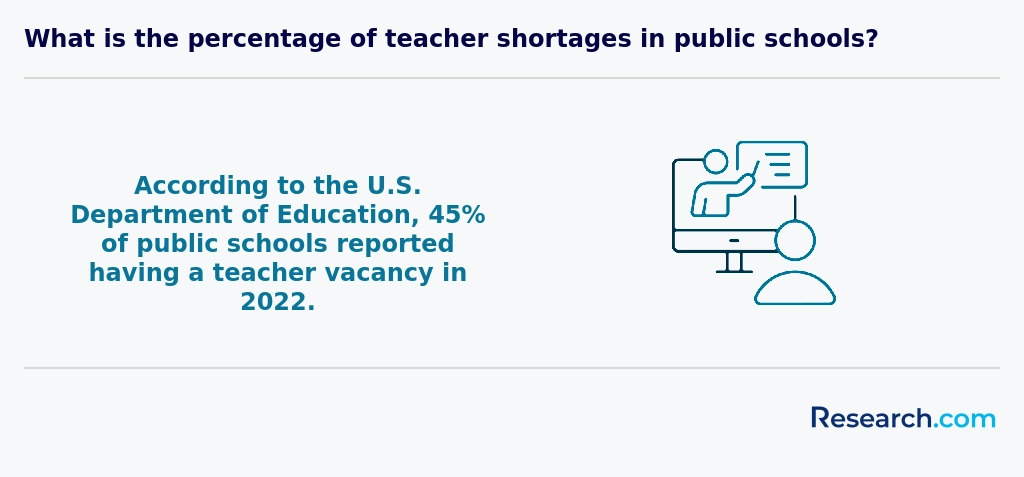
Students pursuing online special education degrees in Arizona increasingly find financial aid that not only alleviates immediate costs but also aligns with future teaching commitments. Graduates from institutions like Arizona State University often share how federal aid through FAFSA opened doors to Pell Grants, helping them afford tuition without accumulating overwhelming debt.
State programs such as the Arizona Teacher Student Loan Program uniquely benefit online learners by offering forgivable loans if they commit to teaching special education in high-need Arizona schools. One graduate recounts applying this aid while balancing family and work, feeling hopeful as it made career transitions smoother.
Looking ahead, growing partnerships between universities and employers may expand tuition reimbursement options, supporting professionals already in education roles seeking specialization. Meanwhile, TEACH Grants remain a bright prospect, personally motivating many to commit to underserved communities with the promise of $4,000 annually.
As online programs at schools like Northern Arizona University evolve, merit-based scholarships and assistantships tailored for special education students are expected to increase, making access more equitable and encouraging diverse candidates to embrace this vital field.
Enrolling in an online special education degree program in Arizona often starts with having a high school diploma or GED, laying a strong foundation for future learning. Graduates from popular institutions like Arizona State University share how meeting GPA requirements, usually around 2.5 to 3.0 for undergraduates, helped them feel confident and prepared entering their programs. Many recall submitting transcripts and sometimes standardized test scores, though the growing test-optional policies offer a more flexible path forward.
For those aiming at master's degrees, holding a bachelor's degree with a minimum 3.0 GPA, often in education or related fields, is crucial. Experienced teachers pursuing advanced credentials at Northern Arizona University often highlight how having valid teaching certificates and some prior experience working with students with disabilities made their applications stand out, imbuing them with pride and a deeper sense of purpose.
Looking ahead, programs may increasingly value personalized statements and community engagement, reflecting a growing appreciation of hands-on experience beyond academics. Online learners in Arizona are poised to benefit from this evolving inclusivity, connecting their passion with professional preparation more meaningfully than ever before.

Students pursuing an online special education degree in Arizona typically engage with courses that deeply prepare them to support learners with diverse needs. For example, graduates from well-known programs at Arizona State University often highlight how classes like Foundations of Special Education brought history and ethics to life, helping them understand the real impact of laws on students' daily lives.
Courses such as Behavior Management and Positive Behavioral Interventions empower learners to craft supportive environments, a skill praised by graduates who recall their practicum experiences in local classrooms. The practical training on creating individualized education programs (IEPs) through Instructional Methods courses gives students confidence when working directly with children.
Many find Collaboration with Families and Professionals particularly valuable, reflecting everyday teamwork that makes learning successful. Assistive Technology courses often excite students, inspiring them with innovative tools to boost communication, a favorite highlighted by those studying at Northern Arizona University.
Transition Planning rounds out the curriculum, encouraging students to envision futures for their learners beyond school, fostering a hopeful and proactive mindset essential for Arizona's growing need for special educators.
Online special education degree specializations Arizona programs often include focused areas such as Learning Disabilities, Autism Spectrum Disorders, and Emotional and Behavioral Disorders. Graduates from popular institutions like Arizona State University frequently share how specializing in Early Childhood Special Education empowered them to create meaningful, adaptive learning environments for young children with developmental delays. These practical concentrations prepare educators to meet diverse student needs with confidence and empathy.
Teachers pursuing special education program concentration options Arizona can also explore Low Incidence Disabilities, where they gain skills to support students with rare physical or sensory impairments. Many students describe their experiences integrating real-world scenarios through virtual practicum opportunities, illuminating the difference these specializations make in classrooms.
Looking ahead, online degree tracks may increasingly incorporate certifications such as Applied Behavior Analysis, adding valuable credentials. Some graduates recommend checking out the fastest graduate certificate program in special education to accelerate career growth while developing expertise to transform educational outcomes for all learners.
Choosing the best online special education degree in Arizona often means looking beyond just accreditation to future-focused program features. Graduates from popular Arizona universities share how programs offering flexible, fully online formats with asynchronous classes empower them to balance teaching careers and family life seamlessly. Many students appreciate degrees that incorporate local practicum placements, connecting classroom theory with hands-on experience in authentic settings across Arizona's diverse communities.
Affordability is vital-especially for those seeking affordable special education degrees online Arizona offers-while ensuring programs directly prepare candidates for Arizona Department of Education licensure. Innovative programs emphasize aligning coursework with state standards and offer specialized certificates on disabilities or age groups, helping graduates feel confident to meet real classroom challenges.
Looking ahead, many students explore emerging trends like integrating technology-enhanced learning or personalized coaching. For example, some graduates highlight the value of programs emphasizing digital tools for crafting individualized education plans (IEPs). To find programs with optimal speed and flexibility, you might explore the fastest master's in special education online, enabling quicker entry into meaningful careers in Arizona schools.

Graduates from Arizona universities offering special education degrees often step into roles as special education teachers, meeting the steady demand within public schools. These roles provide a rewarding environment where teachers directly impact students with diverse learning needs. Many graduates recall how local institutions equipped them with both foundational knowledge and state certification, which remains crucial for employment.
Expanding beyond teaching, some alumni pursue careers as educational diagnosticians or specialists, roles that require further certification but offer the opportunity to shape individualized education plans and influence statewide policies. Universities in Arizona increasingly integrate these pathways into their programs, preparing students for these evolving roles in special education careers Arizona.
Other graduates find fulfillment working as behavior interventionists or paraprofessionals, gaining practical experience supporting students with behavioral challenges. This hands-on approach often kindles passion for ongoing professional growth.
The possibility of entering counseling roles also attracts students. Those from popular Arizona colleges frequently highlight how their online special education degree allowed them to build crucial skills before pursuing advanced credentials to support students' social and emotional development.
For those interested in community impact, careers in early intervention programs are emerging as vital. Graduates often collaborate with families and healthcare professionals, offering innovative support to children outside traditional classrooms. Exploring options, many prospective students are advised to consider a special education degree online to access these varied opportunities.
The job market for online special education degree holders in Arizona is evolving with promising prospects, especially as schools across the state increasingly prioritize inclusive education. Graduates from well-known institutions such as Arizona State University and Northern Arizona University often share how their online programs prepared them to meet diverse student needs in both urban Phoenix classrooms and rural districts facing teacher shortages, creating a meaningful impact.
Arizona's education landscape supports those exploring online special education jobs Arizona, offering alternative certification routes that speed up entry into the workforce. These flexible paths are particularly appealing to recent graduates eager to start careers without delays.
With approximately 8,000 special education teachers statewide, demand remains stable, matching ongoing population growth and state priorities. Graduates often find rewarding roles fostering personalized learning experiences.
Exploring further educational options and career paths is easier by reviewing educational degree examples, giving students a comprehensive view tailored to their goals in this expanding field.
2027 Best Online Special Education Degree Programs Ranking in Arizona
Investing in your education is a significant decision that can shape your future, and the Research.com team understands the importance of making informed choices. To assist prospective students in Arizona, we have meticulously crafted the "2027 Best Online Special Education Degree Programs Ranking in Arizona." Our commitment to quality, credibility, and accuracy is reflected in the extensive research and analysis conducted to compile this ranking.
We utilized the following reputable data sources to ensure a comprehensive evaluation of special education programs:
By exploring this ranking, readers will gain valuable insights into the best online special education degree programs in Arizona, empowering them to make well-informed decisions about their educational journeys. For more details on our methodology, please visit our Research.com methodology page.


# 3 position
Arizona State University Campus Immersion
Master of Curriculum and Instruction - Gifted Education

Frequently Asked Questions About special education
Online special education degree students in Arizona can maximize their learning experience by actively engaging with course materials and participating in virtual discussions. Given the state's growing need for qualified special educators-Arizona's Department of Education reported a 5% increase in special education student enrollment in recent years-staying current with state-specific regulations and teaching strategies is essential. Students should seek programs that offer practical components, such as virtual field experiences or internships, aligned with Arizona's teaching certification requirements.
Time management plays a crucial role, especially for students balancing work or family. Utilizing Arizona's numerous online academic support services, including tutoring and advising, can boost success rates. Additionally, networking with peers and professionals through online forums enhances collaborative learning and professional development.
The field of special education is expanding into several emerging niches that respond to evolving student needs. In Arizona, one growing area is assistive technology integration, where educators specialize in tools that support students with disabilities. The Arizona Department of Education highlights this as a critical skill for improving individualized education plans (IEPs).
Another niche gaining attention is mental health support for special education students, with increasing demand for professionals trained in trauma-informed approaches. Additionally, educators focusing on autism spectrum disorder (ASD) interventions are highly sought after, reflecting national trends reported by the CDC.
These niches represent key opportunities for students pursuing online special education degrees in Arizona to impact diverse learner populations effectively.
After completing an online special education degree in Arizona, preparing for the job market involves several critical steps. First, obtaining Arizona teaching certification is essential; candidates must pass the Arizona Educator Proficiency Assessments (AEPA) specific to special education. According to the Arizona Department of Education, demand for special education teachers remains stable, with a 7% growth projected through 2030.
Building practical experience, such as internships or substitute teaching, strengthens your resume and network. Joining professional organizations like the Arizona Council for Exceptional Children provides valuable resources and job leads. Additionally, developing skills in behavior management and individualized education program (IEP) implementation aligns with employer expectations in Arizona schools.
Employers in Arizona highly value special education degree graduates who demonstrate strong communication skills. The ability to clearly collaborate with students, families, and multidisciplinary teams is essential.
Additionally, proficiency in individualized education program (IEP) development is critical. Arizona requires special educators to design tailored plans that meet diverse learner needs, a skill emphasized by the Arizona Department of Education.
Knowledge of behavior management strategies also ranks among top skills, enabling educators to support positive student outcomes effectively. According to recent Arizona educational workforce reports, employers look for adaptability and cultural competence due to the state's diverse population.
Technical proficiency in assistive technologies further sets candidates apart, given increasing classroom tech integration.
To find internships in Arizona relevant to a special education degree, start by exploring partnerships between universities and local school districts. Many Arizona institutions with online special education programs collaborate with districts to offer practical field experiences required for certification.
The Arizona Department of Education suggests contacting district offices directly, as places like Phoenix Union High School District and Tucson Unified School District frequently offer special education internship opportunities.
Additionally, professional organizations such as the Council for Exceptional Children (CEC) Arizona chapter can provide networking opportunities and internship listings tailored to special education students.
Utilizing university career centers and online platforms focused on education internships will also increase chances of placement. Completing an internship is critical since Arizona requires student teaching or internships for licensure in special education.
Obtaining an online special education degree in Arizona significantly enhances career mobility and advancement opportunities. The state's demand for qualified special education professionals is projected to grow by 9% through 2030, according to the Arizona Department of Education. This growth opens doors for certified teachers to move into specialized roles, such as curriculum coordinators or special education administrators.
Online degree programs accredited by recognized bodies ensure eligibility for Arizona teaching certifications. This certification is critical for advancing within public schools and accessing higher salary scales. Furthermore, online degrees often allow educators to continue working while studying, accelerating career progression without income interruption.
Advanced qualifications also improve competitiveness for leadership positions in Arizona's expanding special education sector, where educators with practical experience and advanced training are in high demand.
Studying for a special education degree in Arizona equips students with skills to work effectively across multiple disciplines. Programs emphasize collaboration with professionals in psychology, speech therapy, and general education, reflecting real-world teamwork in schools. This interdisciplinary training is vital as Arizona schools serve diverse student populations with complex needs.
Arizona's education guidelines, including those from the Arizona Department of Education, encourage special educators to coordinate with counselors and health professionals to design individualized education programs (IEPs). Online degree programs often include coursework on legal frameworks and assessment methods, preparing students to adapt in varied roles.
According to the National Center for Education Statistics, over 13% of Arizona public school students receive special education services, highlighting the demand for educators comfortable in interdisciplinary settings.
Choosing between a thesis and a non-thesis special education degree program in Arizona depends on your career goals and learning preferences. Thesis programs typically require original research, suitable for those considering doctoral studies or academic careers. Non-thesis options focus more on practical skills and coursework, often favored by educators aiming to advance in school-based roles.
Arizona's Department of Education highlights that special education certifications require strong applied knowledge, which non-thesis programs often emphasize. Additionally, tuition and program length may differ, with thesis tracks sometimes taking longer to complete due to research demands. Understanding your professional objectives will help determine the best fit for your educational path.
Students based in Arizona interested in studying special education abroad face limited direct options due to the unique licensing and certification requirements for educators in the United States. Most U.S. states, including Arizona, require degrees from regionally accredited institutions and adherence to state-specific teaching standards.
Arizona students seeking international education typically engage with foreign universities offering online programs recognized through U.S. accreditation partnerships. However, these degrees often require state certification exams and additional training to qualify for Arizona teaching licenses.
According to the Arizona Department of Education, about 16% of students receive special education services, increasing demand for qualified teachers trained under local regulations.
While international study can broaden perspectives, students should verify transferability and certification compatibility before enrolling.
Part-time job opportunities in Arizona can effectively complement an online special education degree. Many students work as teacher aides or paraprofessionals in public schools, gaining direct classroom experience with special needs students. According to the Arizona Department of Education, over 40% of special education support staff are employed part-time, providing vital support to certified teachers.
Another common role is tutoring, either independently or through programs assisting students with learning disabilities. These positions build communication and instructional skills relevant to special education. Additionally, roles in community-based organizations or non-profits serving individuals with disabilities offer exposure to diverse educational needs.
Such employment not only enhances practical knowledge but also strengthens resumes for future teaching licensure in Arizona.
Online special education students in Arizona have various networking opportunities through professional organizations and local education agencies. Groups such as the Arizona Council for Exceptional Children (AZCEC) offer events and virtual meetings that connect educators statewide. These platforms enable students to engage with experienced teachers, administrators, and advocates specialized in special education.
Many Arizona universities also provide access to online forums and career services tailored for special education candidates. These resources support internships and student teaching placements across diverse school districts, fostering practical connections.
According to the Arizona Department of Education, nearly 14% of public school students receive special education services, emphasizing a strong professional community for networking and employment.
Alumni networks provide valuable support for online special education degree students in Arizona. They help graduates connect with experienced professionals working in Arizona's public and private school systems. This networking can lead to job opportunities, mentorship, and collaboration, which are essential in the competitive field of special education.
Given that Arizona employs over 8,000 special education teachers as of recent state reports, strong alumni connections can ease entry into this workforce. These networks often share local licensing information and job market trends specific to Arizona, which can be difficult to access independently.
Furthermore, alumni groups provide ongoing professional development resources and forums tailored to Arizona's unique educational policies and inclusive classroom practices. This community fosters career growth and helps online students feel integrated despite their remote learning environment.
In Arizona, customizing an online special education degree to align with your career goals begins with selecting programs that offer flexible coursework and specialized tracks. Many universities provide options to focus on areas like autism spectrum disorders, early childhood intervention, or behavior analysis, helping you target specific student needs.
You can also choose between degree levels-such as bachelor's, master's, or certification programs-depending on your current qualifications and professional objectives. Arizona's Department of Education highlights that educators with specialized certifications often have better job placement rates and higher salaries.
Additionally, look for programs offering field experience or practicum placements in settings that match your career interests. This hands-on training is essential for meeting Arizona's licensure requirements in special education.
Online special education students in Arizona often face unique challenges related to both their program and the broader educational environment. A common difficulty is managing fieldwork requirements remotely, as hands-on experience with students who have disabilities is crucial but can be hard to arrange. This challenge is compounded by Arizona's diverse student population, which requires culturally responsive training.
Another obstacle is limited access to technology and reliable internet in rural areas, affecting participation in live classes and timely submission of assignments. According to the Arizona Dept. of Education, about 15% of students have special needs, increasing demand for well-trained educators.
Balancing work, family, and study commitments also creates pressure, with many online learners being working professionals or parents. Additionally, navigating state licensure requirements while studying online can be complex, as candidates must understand both national standards and Arizona-specific regulations.
With an online special education degree in Arizona, graduates can pursue several professional certifications that enhance their career opportunities. One key certification is the Arizona Professional Educator Certificate (EC-12 Special Education), which enables you to teach students with disabilities across all grade levels. This certification is regulated by the Arizona Department of Education (ADE).
Additionally, educators can seek endorsements such as the Autism Spectrum Disorder (ASD) endorsement, which is valuable given that Arizona schools serve thousands of students diagnosed with autism.
Another option is the Board Certified Behavior Analyst (BCBA) credential. Although not specific to Arizona, it is widely recognized and complements special education practice.
These certifications align with state requirements and improve your ability to work in diverse educational settings.
Writing a successful application for an online special education degree in Arizona requires careful preparation. Start by clearly demonstrating your passion for helping students with disabilities, supported by any relevant experience or volunteer work.
Highlight your understanding of Arizona's Education Department priorities, such as the emphasis on inclusive education and compliance with IDEA (Individuals with Disabilities Education Act). Including specific knowledge can set your application apart.
Additionally, strong academic records and clear career goals related to special education increase your chances. According to the Arizona Department of Education, the demand for qualified special education teachers is growing by 8% annually, making clear intent important.
Requesting strong recommendation letters that speak to your skills and dedication also helps bolster your application.
Special education careers are increasingly recognized worldwide for their vital role in supporting diverse learners. In the United States, and specifically in Arizona, the demand for qualified special educators continues to grow due to rising awareness of inclusive education.
Globally, countries differ in their approaches, but the U.S. remains a leader in structured training and certification standards. Arizona's Special Education Teacher shortage is notable, with the Arizona Department of Education reporting a 17% vacancy rate in recent years. This highlights strong job opportunities for graduates holding online special education degrees.
The international view emphasizes advocacy, early intervention, and individualized instruction-principles foundational in Arizona's curriculum as well. Arizona's online programs often prepare educators to meet both state and federal requirements, ensuring global best practices are incorporated.
Gaining practical experience while studying for an online special education degree in Arizona is essential for career readiness. Most Arizona programs require students to complete fieldwork or practicum hours, often arranged through partnerships with local schools. According to the Arizona Department of Education, candidates typically need to fulfill at least 600 hours of supervised clinical experience to meet licensure standards.
Students can collaborate with public or charter schools in their communities, which provide diverse settings for applying learned strategies. Additionally, some universities offer virtual simulation labs to supplement in-person practice. These opportunities help students develop intervention skills and understand individual education plans (IEPs).
Choosing the right concentration within an online special education degree program in Arizona begins with understanding the state's educational needs. Arizona serves a diverse student population, including those with autism, intellectual disabilities, and behavioral disorders, as reported by the Arizona Department of Education. Prospective students should consider concentrations that prepare them for these specific challenges.
Evaluate program accreditation and whether the concentration aligns with Arizona's teaching certification requirements. The Arizona Professional Teaching Standards Board outlines specific competencies for special educators.
Consider your career goals-whether focusing on early childhood special education, learning disabilities, or behavioral intervention will best suit your desired role.
Research faculty expertise and practical experience opportunities that the program offers to make an informed decision.
- 2027 Best Online Special Education Degree Programs Ranking in Colorado
- 2027 Best Online Special Education Degree Programs Ranking in Kansas
- 2027 Best Online Special Education Degree Programs Ranking in Missouri
- 2027 Best Online Special Education Degree Programs Ranking in Minnesota
- 2027 Best Online Special Education Degree Programs Ranking in Michigan
- 2027 Best Online Special Education Degree Programs Ranking in Kentucky
- 2027 Best Online Special Education Degree Programs Ranking in Georgia
- 2027 Best Online Special Education Degree Programs Ranking in North Carolina
- 2027 Best Online Special Education Degree Programs Ranking in Ohio
- 2027 Best Online Special Education Degree Programs Ranking in Virginia
- Special Education Mild Moderate Disabilities Certification https://www.pima.edu/academics-programs/degrees-certificates/education/teacher/spl-ed-post-degree/index.html
- What can You Do with a Special Education Degree? - Graduate Programs for Educators https://www.graduateprogram.org/blog/what-can-you-do-with-a-special-education-degree/
- 2025 Best Online Degrees in Special Education https://www.onlineu.com/degrees/special-education
- How the Special Education Teacher Shortage Affects Students with LD, and What to Do About it https://ldaamerica.org/how-the-special-education-teacher-shortage-affects-students-with-ld-and-what-to-do-about-it/
- How to Become a Special Education Teacher in Arizona | Steps & Requirements - Moreland University https://moreland.edu/resources/blog-insights/how-to-become-a-special-education-teacher-in-arizona-steps-requirements
- Teaching Job Roles | Teach For Life https://www.teachforlife.com/teachingjobs/global-perspectives-teacher
- 9 Careers You Can Pursue with a Master’s in Special Education https://www.pointloma.edu/resources/education/9-careers-you-can-pursue-masters-special-education
- Becoming and Playing the Role of Special Education Teacher https://www.cune.edu/news/becoming-and-playing-role-special-education-teacher
- Sample Letter: Request a Special Education Evaluation https://www.askresource.org/resources/sample-letter-requesting-an-evaluation
- 10 Tips for Special Education Careers https://newstoryschools.com/blog/10-tips-special-education-careers