2027 Easiest Online Bachelor's in Special Education Degree Programs Ranking in the USA

Co-Founder and Chief Data Scientist
Choosing the right online bachelor's program in special education can feel overwhelming. That's why this article offers the 2027 Easiest Online Bachelor's in Special Education Degree Programs Ranking in the USA, created by the Research.com team of data scientists. This ranking aims to help you make an informed decision on which programs truly stand out for accessibility and quality.
Special education is a rewarding field that makes a real difference. By exploring this ranking, you'll discover options that fit your lifestyle and goals, making your educational journey smoother and more fulfilling.
Key benefits of getting online special education degree in America
- Graduates with a special education degree often find rewarding careers shaping young lives, with average salaries typically ranging from $50,000 to $60,000 annually depending on the specific job and location.
- Career paths include roles such as special education teachers, instructional coordinators, or school counselors, with many alumni from universities like the University of Florida reporting diverse opportunities.
- Completing a special education degree online, as seen with graduates from Arizona State University, offers flexible scheduling and the ability to balance work and study, making education more accessible and convenient.
- 2027 Easiest Online Bachelor's in Special Education Degree Programs Ranking in the USA
- What can I expect from online special education degree in America?
- Where can I work with online special education degree in America?
What can I expect from online special education degree in America?
The average cost of an online special education degree in America varies but often ranges from $20,000 to $50,000 for a bachelor's program, depending on the institution and residency status. Graduates from well-known universities that offer respected online curricula frequently share how the investment felt worthwhile when balanced against the flexible pace and quality of instruction.
Many students appreciate how programs at schools such as those in large public university systems allow part-time enrollment, easing financial pressures by spreading tuition over several semesters. These programs typically offer financial aid options and sometimes scholarships tailored to special education candidates, which helped some graduates manage costs effectively.
From personal accounts, the combination of interactive online activities and required field placements was reported as invaluable, justifying the expense by preparing students fully for classroom realities. For example, a graduate from a prominent state university expressed satisfaction that the program's affordability never compromised the quality, providing both theory and hands-on experiences vital to success in special education roles.
Where can I work with online special education degree in America?
Graduates from well-regarded online special education programs at universities such as the University of Florida or Arizona State University often find themselves stepping confidently into roles as K-12 special education teachers. These roles, predominantly within public school districts, allow them to design thoughtful Individualized Education Programs (IEPs) that make a real difference for students with diverse learning needs.
Many alumni share how rewarding it is to work directly with children, especially when supporting those with autism or emotional challenges. Others move into early intervention programs, aiding preschoolers' development through hands-on therapies in community centers, a path frequently taken by graduates from institutions known for strong early childhood specialization.
Beyond the classroom, some find purpose in residential treatment centers or nonprofit advocacy organizations, where collaboration with families and clinicians shapes holistic support approaches. Universities emphasize this multifaceted preparation, helping students adapt to various settings across America.
With additional experience or certification, graduates often evolve into coordinators or behavior specialists, roles that deepen their influence within education systems. These journeys exemplify how an online special education degree opens diverse, meaningful career avenues rooted in passion and practical expertise.
Graduates from well-regarded online special education programs at universities like Boston University or the University of Florida often find their starting salaries hovering between $40,000 and $50,000 annually. Early in their careers, many feel encouraged seeing this initial earning potential as a solid foundation for growth. With time, experience, and additional certifications, their salaries can climb to around $63,000 or higher, reflecting the median wage for special education teachers in public schools nationwide.
Those teaching in high-demand states such as Massachusetts or New Jersey often share stories of earning above $70,000, an inspiring milestone that reflects the value of their skills and dedication. Meanwhile, graduates in southern or midwestern regions might start closer to $45,000, but steadily improve through perseverance and further education.
Many graduates reveal how advancing into leadership roles, like special education coordinators, not only broadens their impact but also increases their income substantially-often into the $75,000 to $90,000 range. Beyond salaries, they appreciate benefits like health insurance and retirement plans that come with full-time positions, enhancing overall financial security in this rewarding field.
- Online special education degrees prepare students to teach individuals with diverse learning needs and often meet state certification requirements.
- The cost of a bachelor's degree in special education online ranges from $10,000 to $40,000, depending on the institution and residency status.
- Starting salaries for special education teachers average about $42,000 per year, with potential to increase to $60,000 or more with experience and certifications.
- Employment in special education roles is projected to grow by about 7% from 2021 to 2031, matching the average growth for all occupations.
- Many programs include practical components like student teaching or internships, which are required for state licensure and certification exams.
Completing an online special education degree in America typically takes about four years for those pursuing a bachelor's degree full-time. Graduates from well-known universities like the University of Florida or Arizona State University often share how the structured pace and clear credit requirements kept them motivated throughout the journey. These programs generally require around 120 credit hours, blending foundational courses with hands-on student teaching. For many, maintaining a full-time study load is a key factor in hitting this timeline.
Part-time students, often balancing work and family, might stretch their studies to five or six years, as seen with graduates at institutions like Ball State University. Yet, these students frequently express pride in managing meaningful progress steadily, even if it takes longer. Some have found accelerated programs or credit transfers that trim their time to as little as three years, particularly at colleges embracing flexible learning models.
At the graduate level, master's degrees usually span two years full-time, with part-time learners extending to three. Graduates from schools such as the University of Illinois testify to how practicum placements and specialization courses enrich their experience, making the additional time feel rewarding rather than burdensome.
Online and on-campus special education degrees in America both aim to prepare skilled educators but differ notably in delivery and experience. Graduates from universities like the University of Florida often highlight the flexibility of online programs, which allow balancing family or work while completing coursework remotely. This suits those who cannot relocate or maintain a fixed schedule.
However, every online student must still engage in hands-on fieldwork, such as student teaching at local schools, a non-negotiable requirement by state licensure boards. This practical immersion, embraced by numerous graduates, bridges virtual learning with real-world classroom challenges.
Conversely, traditional on-campus programs at institutions like Vanderbilt University provide rich face-to-face interactions with faculty and peers. Many students appreciate the immediate access to specialized resources, labs, and community connections that enhance understanding and motivation.
Both paths require dedication and self-discipline, but the choice often rests on personal circumstances and learning preferences. Online learners cultivate strong time management, while on-campus students benefit from structured days and direct support. Each approach, rooted in accredited programs, leads to the meaningful goal of becoming an effective special education teacher in the US.
The average cost of an online special education degree in America varies notably based on residency and institution type. For many students, the median total tuition and fees for special education bachelor's programs in the USA hover around $55,760. Those studying out of state often face higher expenses, with median costs reaching approximately $78,446, while in-state students might pay closer to $21,480. These figures demonstrate the financial advantage of studying within your state, especially at public universities known for reputable special education programs.
Graduates from well-regarded universities often share how understanding these distinctions early helped them manage education costs effectively. Many found that selecting programs with transparent pricing and flexible pacing made the investment feel more manageable. For example, a graduate from a popular public college specializing in special education expressed how, despite initial concerns, their affordable in-state tuition allowed them to focus more on their studies and practical training rather than financial stress. This is a real benefit to anyone weighing the average cost of an online special education degree USA.
Moreover, exploring financial aid and scholarships tailored for education majors can significantly ease costs. Students frequently emphasize that taking advantage of these resources and carefully comparing program expenses pays off in the long run. To understand job outcomes and career paths after graduation, prospective students can also visit resources discussing bachelor degree in special ed jobs, helping to align costs with potential future earnings and satisfaction.
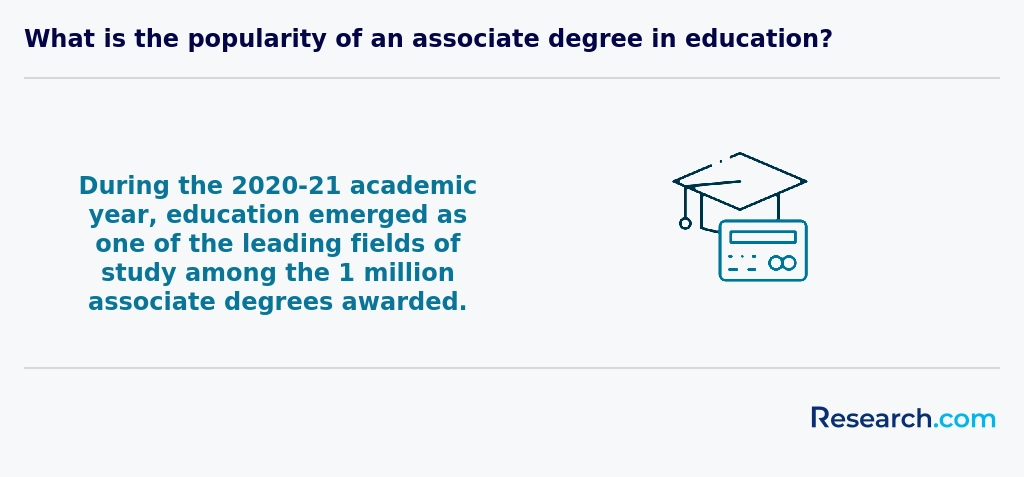
Many graduates of special education programs at well-known institutions like the University of Florida or Texas A&M recall how completing the FAFSA opened doors they hadn't anticipated. Federal aid, especially Pell Grants offering up to $7,395 per year, often formed the base of their financial support, alleviating major concerns about tuition costs that can range from $10,000 to $30,000 annually.
Those preparing to teach special education in high-need areas discovered that the TEACH Grant, which provides up to $4,000 annually, was a vital resource, though it came with the responsibility of teaching in low-income schools for four years or facing loan conversion. This accountability gave their financial aid a meaningful purpose beyond dollars and cents.
State programs in Texas and Florida provided additional scholarships or forgivable loans, rewarding graduates who committed to teaching locally. Institutional scholarships from universities and nonprofit organizations added another layer of support, helping students feel recognized and encouraged throughout their educational journey.
Loans were available but often a last resort, with graduates valuing federal loan options for their manageable terms and flexible repayment. Many found that engaging early with financial aid offices personalized their financial planning, making a challenging path feel more attainable and hopeful.
To enroll in an online special education degree program in America, applicants must first hold a high school diploma or equivalent, such as a GED-a universal foundation across institutions like those at state universities known for their education departments. Graduates from these programs often recall the initial challenge of meeting GPA expectations, typically around a 3.0, which feels like a meaningful benchmark ensuring preparedness in core academic skills.
Many universities still require standardized test scores such as the SAT or ACT, but several well-regarded colleges have adopted test-optional policies, easing access for diverse learners. Background checks are a crucial, often unexpected step because of the hands-on student-teaching experiences embedded in these programs, reflecting a deep commitment to student safety and community trust.
Students also share how completing prerequisite courses in psychology or child development greatly enriched their understanding before entering the field. This preparation, combined with personal dedication-often demonstrated through interviews or essays-builds a strong foundation for the patience and empathy demanded in special education careers.
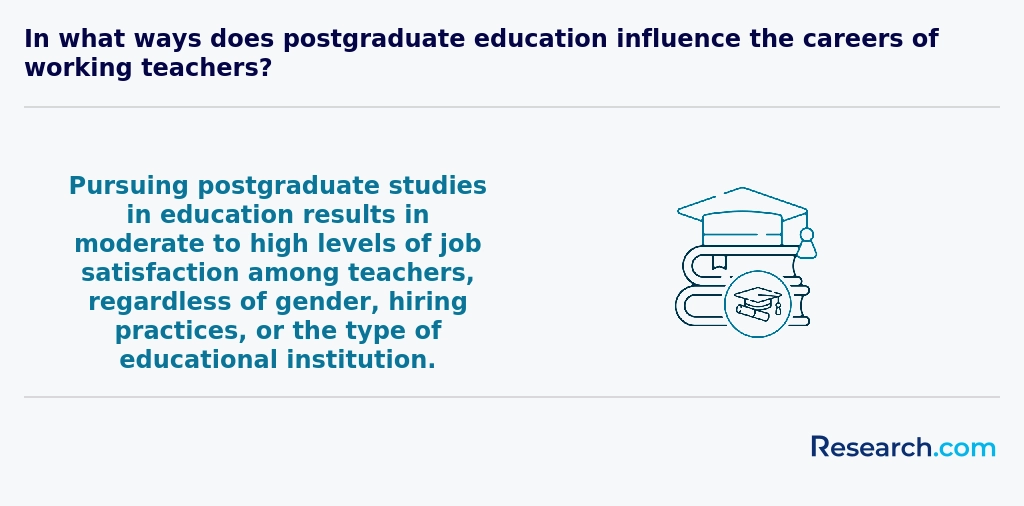
Online special education degree programs in America typically include courses that deeply prepare students to meet diverse learner needs with empathy and skill. Graduates from established colleges often reflect on how the introductory courses helped them grasp the realities of disabilities, from learning challenges to behavioral disorders, framing their mindset for inclusive education.
Instructional methods classes, commonly offered by universities known for their online flexibility, guide students through adaptive teaching strategies. Many recall applying these techniques in virtual internships, tailoring lessons using assistive technology to support students with various needs. This hands-on experience instills confidence and a proactive attitude.
Behavior management and assessment courses stand out as fundamental. Graduates share how learning to develop positive behavior plans and conduct formal evaluations transformed their approach, aligning with legal mandates like IDEA to ensure every learner's progress is carefully monitored.
Courses on collaboration emphasize the vital role of family engagement and teamwork within multidisciplinary environments. This resonates strongly with students who value the trust built between educators and families, enriching educational outcomes in real classrooms across America.
Online special education degree specializations USA offer diverse paths that cater to the varied needs of learners. Graduates from popular universities often reflect on how focusing on areas like Autism Spectrum Disorders or Behavioral Disorders transformed their teaching approach, making daily classroom challenges more manageable and rewarding. For instance, those concentrating in Curriculum and Instruction for Students with Learning Disabilities develop tailored strategies for children with dyslexia or other processing issues, fostering genuine moments of progress that deeply motivate educators.
Special education bachelor's degree concentrations America also include Early Childhood Special Education, where graduates describe the heartfelt fulfillment of supporting children under eight with developmental delays. Others appreciate the focus on Intellectual and Developmental Disabilities or Deaf/Hard of Hearing and Blind/Visually Impaired Education, which equips them with practical skills and adaptive technologies essential for meaningful communication and learning.
These specializations not only deepen expertise but align with certification requirements across many states. For students exploring program options, especially those seeking affordability, considering the cheapest online master's degree in special education within these fields can be a strategic step toward a fulfilling career.
Choosing the best online special education degree in America means prioritizing accreditation and relevance. Graduates from popular universities often highlight how regional accreditation combined with approvals from bodies like CAEP made their degrees respected by employers and licensure boards. Such credentials ensure your education translates into real career opportunities.
Flexibility is another key factor, especially if you juggle work or family commitments. Many students share their relief at finding programs with asynchronous classes and locally completable practicum hours, making the intense demands of field experience manageable without uprooting life. Reflecting on affordable online special education degrees in America, graduates emphasize exploring tuition costs alongside scholarships and financial aid to avoid overwhelming debt.
It helps to consider if the program prepares you for state certification, as this varies widely. Students who researched thoroughly report less stress entering the workforce. If you want a balanced view of quality and cost, explore online special education bachelor's programs known for strong faculty support and accessible advising, which many alumni find invaluable.

Graduates from online special education programs in America often find themselves drawn to special education teaching jobs in USA, working hands-on with students to develop tailored learning plans. Many who attended well-known institutions like the University of Florida or Arizona State University reflect on the rewarding experience of directly impacting students' academic and social growth through individualized education programs. Beyond teaching roles, some graduates pursue careers as educational diagnosticians or specialists, using their insights to assess and support diverse learner needs.
Others embrace counseling or behavior specialist roles, where empathy and strategic problem-solving create meaningful change in schools. Graduates recall how programs at universities such as Boston College equipped them with the skills to confidently guide challenging behavioral interventions. Leadership avenues also open up, with positions like special education coordinators who ensure compliance with federal laws and optimize resources for inclusive education.
For those seeking an accelerated path, exploring the fastest online master's degree in special education can refine expertise and expand career prospects in this fulfilling domain. Taking such steps showcases the broad and impactful potential that careers with online special education degree America truly offer.
The job market for graduates with an online special education degree in America remains promising, reflecting a steady demand supported by federal mandates and evolving educational priorities. Graduates from popular institutions offering robust online programs often share stories of finding meaningful roles in public schools or specialized support services, appreciating the flexibility that online study affords. The employment opportunities for special education graduates in America are buoyed by a growing awareness of early intervention and inclusive classrooms, which many former students experience firsthand when transitioning from their studies to work in diverse urban or suburban districts.
Many online special education degree holders feel encouraged by the supportive communities they join and the opportunities available for advancement, especially after obtaining certifications required by individual states. Their success often highlights pathways beyond teaching, such as educational consulting or behavioral therapy roles. Considering the positive online learning experiences from nationally recognized programs, students can confidently explore this field with an understanding of both the challenges and rewarding prospects in the online special education teacher job outlook USA. For detailed program options, exploring a special education online degree can be an insightful start.
2027 Easiest Online Bachelor's in Special Education Degree Programs Ranking in the USA
Investing in your education is a significant decision that can shape your future, and the Research.com team understands the importance of making informed choices. To assist prospective students, we have meticulously crafted the "2027 Easiest Online Bachelor's in Special Education Degree Programs Ranking in the USA." Our commitment to quality, credibility, and accuracy is reflected in the extensive research and analysis conducted to compile this ranking.
We utilized the following reputable data sources to ensure a comprehensive evaluation of special education programs:
By exploring this ranking, readers will gain valuable insights into accessible and high-quality online bachelor's programs in special education, helping them make informed choices about their educational paths. For more details on our methodology, please visit our Research.com methodology page.
# 1 position
Bethel University, Minnesota
Bachelor of Special Education

# 3 position
Central Michigan University
Bachelor of Teaching Early Childhood, B-K and Early Childhood Special Education


# 5 position
Campbellsville University
Bachelor of Learning & Behavior Disorders (P-12)/Elementary Education (P-5)


# 8 position
University of Central Florida
Bachelor of Exceptional Student Education, Learning and Language


# 10 position
Mary Baldwin University
Bachelor of Autism Studies & Applied Behavior Analysis

Frequently Asked Questions About special education
Online special education degree students in America can maximize their learning by actively engaging with their coursework and peers. Research from the National Center for Education Statistics highlights that interactive learning improves retention, so participating in discussion boards and virtual study groups is essential. Students should also take full advantage of academic advising and tutoring services offered by their institutions.
Additionally, gaining practical experience through internships or virtual simulations helps apply theoretical knowledge. The U.S. Department of Education notes that hands-on training is critical for special education professionals. Time management and setting a consistent study schedule support balancing coursework with personal obligations, increasing overall success in online programs.
Emerging niches within the special education field reflect the evolving needs of diverse student populations in the United States. One significant area is the focus on autism spectrum disorders (ASD), given that 1 in 36 children is diagnosed with ASD according to the CDC (2023). Special educators trained in evidence-based interventions for autism are in high demand.
Another growing niche is the integration of technology in special education. Professionals skilled in assistive technology help students with disabilities access learning more effectively. Additionally, early intervention services for infants and toddlers with developmental delays are expanding rapidly to improve lifelong outcomes.
Finally, bilingual special education is an important area responding to increasing linguistic diversity among students with disabilities. Educators who can provide culturally responsive teaching are crucial to meeting the needs of these learners.
After completing an online special education degree in America, preparing for the job market involves multiple steps tailored to meet state and federal requirements. Obtaining state licensure or certification is essential; each state has its own criteria often involving passing exams like the Praxis Special Education test. According to the U.S. Bureau of Labor Statistics, special education teacher employment is expected to grow by 10% from 2022 to 2032, indicating strong demand.
Gaining practical experience through student teaching or internships enhances skills and employability. Networking with school districts and attending relevant job fairs can open opportunities. Joining professional associations such as the Council for Exceptional Children also supports career advancement.
Employers in American special education emphasize strong communication skills in graduates, which are vital for collaborating with students, parents, and multidisciplinary teams. According to the U.S. Bureau of Labor Statistics, nearly 50% of special education teachers report coordinating with other educators as a key part of their role.
Adaptability and patience are also essential, as educators must tailor teaching methods to meet diverse student needs. Knowledge of Individualized Education Programs (IEPs) and legal regulations is another top skill, ensuring compliance with federal laws such as the Individuals with Disabilities Education Act (IDEA).
Finally, proficiency in behavioral management techniques and technology supports effective learning environments for students with disabilities.
Finding internships relevant to a special education degree in America involves several key steps. Start by exploring partnerships your online program may have with local schools, as many universities connect students with internship sites. According to the Council for Exceptional Children, internships give practical experience crucial for future educators working with about 7 million students with disabilities nationwide.
Search also through district websites, state education departments, and organizations like the National Association of Special Education Teachers. Networking with faculty and joining professional groups increases your chances of placement.
Remember, some internships are unpaid but provide valuable classroom exposure in compliance with the Individuals with Disabilities Education Act (IDEA).
An online special education degree can significantly enhance career mobility in America's education sector. According to the U.S. Bureau of Labor Statistics, employment of special education teachers is projected to grow 8% from 2021 to 2031, faster than the average for all occupations. This degree provides credentials essential for licensure and certification, which are often required for advancement.
Many districts prioritize candidates with specialized training in special education due to increasing demand for inclusive classrooms. Online degrees also offer flexibility, allowing professionals to work while earning credentials, which can lead to promotions or higher salaries. Specialized skills gained improve eligibility for roles like intervention specialists or program coordinators.
Studying for a special education degree in America equips students with skills to collaborate across disciplines, crucial for serving diverse learners. Programs emphasize knowledge in behavior analysis, psychology, and curriculum design, preparing graduates to work with speech therapists, counselors, and general educators.
According to the U.S. Department of Education, nearly 7 million students receive special education services, highlighting the demand for teams that integrate expertise. Online degrees mirror this by fostering interdisciplinary approaches through virtual collaboration tools and case studies.
Students also learn legal and ethical standards impacting education, enabling effective communication with medical and social work professionals. This foundation supports roles beyond teaching, including advocacy and program coordination.
When choosing between a thesis and a non-thesis special education degree program in America, students should consider their career goals and learning preferences. Thesis programs require conducting original research and writing a formal paper, which is beneficial for those interested in academic or research careers.
Non-thesis programs typically focus on practical skills and coursework, appealing to professionals aiming for leadership roles or classroom teaching. According to the National Center for Education Statistics, nearly 15% of special education master's students choose thesis options, reflecting varied career paths.
Additionally, thesis programs usually take longer to complete due to research demands, while non-thesis paths often allow faster graduation. Understanding these factors helps students align their education with professional objectives in the American special education field.
American students seeking to study special education abroad face limited options due to the specific accreditation requirements linked to U.S. teacher certification. Most U.S. states require degrees from regionally accredited institutions, making some international programs ineligible for licensure purposes. However, some universities abroad have established partnerships with U.S. colleges, offering online degree programs or joint certifications that meet state standards.
Students should also consider programs recognized by the Council for Exceptional Children (CEC), a key organization setting standards in special education. According to the U.S. Department of Education, about 7.4 million children received special education services in 2021, increasing demand for qualified specialists nationally. This reality encourages many to pursue fully accredited online programs within the United States, which tend to provide clearer pathways to licensure and employment.
Exploring options through U.S.-based institutions with study abroad components or affiliated international campuses is often the most practical route. These programs combine global perspectives while maintaining compliance with U.S. certification norms. Prospective students should research carefully and consult state education departments before enrolling in international special education degrees to ensure that credential recognition aligns with their career goals.
In America, part-time jobs that complement an online special education degree often involve direct interaction with students who have diverse learning needs. Positions such as teacher aides or paraprofessionals are common; they support licensed special education teachers in classrooms and help implement individualized education programs (IEPs). According to the U.S. Bureau of Labor Statistics, employment for teacher assistants is expected to grow 6% from 2022 to 2032, reflecting steady demand.
Other opportunities include tutoring students with learning disabilities or working in after-school programs focused on skill development. These roles provide practical experience, enhance communication skills, and reinforce knowledge of educational strategies relevant to special education.
Additionally, some students find part-time work with nonprofit organizations or community centers specializing in disability services, which broadens understanding of legal and social aspects related to special education in the U.S.
Online special education students in America have several valuable networking opportunities despite the virtual format. Many accredited programs offer access to professional organizations like the Council for Exceptional Children (CEC), which has over 25,000 members nationwide. Joining such groups enables students to connect with experienced educators and attend virtual conferences or webinars.
Additionally, online programs often provide dedicated forums, group projects, and mentorship programs where students can interact with peers and faculty. These connections can lead to collaborations and job referrals. According to the National Center for Education Statistics, 30% of online students report networking as a key benefit of their programs.
Local chapters of special education groups may also host in-person events, offering hybrid networking options for online students.
Alumni networks offer valuable support to students pursuing online special education degrees in America. These networks connect current students with graduates who understand the unique challenges in special education careers.
Members often share job leads, internships, and professional development opportunities. According to the National Center for Education Statistics, educators with strong professional networks have higher employment rates within six months after graduation.
Alumni can also provide mentorship, helping students navigate certification requirements specific to states, which vary widely in special education.
Engaging with alumni communities enhances learning beyond coursework by fostering collaboration and lifelong professional relationships.
Online special education degree programs in America often allow students to tailor their studies through electives and concentrations. Many schools offer focused tracks such as autism spectrum disorders, behavioral intervention, or early childhood special education. This flexibility helps align coursework with specific career goals.
Students can also choose between certification routes or non-certification options based on whether they plan to become licensed teachers. According to the National Center for Education Statistics, over 60% of special education programs provide options that support certification in multiple states.
Additionally, internships and practicum placements can be selected to gain experience in environments matching a student's interests, enhancing practical skills needed for diverse special education roles.
Online special education students in America often face several challenges related to the nature of their studies. A primary difficulty is gaining practical experience, as fieldwork and hands-on training are essential in special education but can be hard to coordinate remotely. According to the U.S. Department of Education, many programs require students to find local placements, which may vary in quality and accessibility.
Another challenge is the need for strong self-discipline and time management skills. Online courses demand consistent engagement, which some students find difficult without in-person support. Technology access and reliable internet connectivity also present barriers, especially in rural areas.
Furthermore, special education involves understanding diverse learners' needs, often requiring real-time interaction, which online platforms may limit. Research by the National Center for Education Statistics highlights that about 14% of U.S. public school students receive special education services, emphasizing the importance of thorough online training to meet high demand effectively.
With an online special education degree in the United States, graduates can pursue various professional certifications that enhance their career opportunities. The most common certification is the state-issued Special Education Teacher license, which authorizes individuals to teach students with disabilities in public schools.
Additionally, educators often obtain the National Board Certification in Exceptional Needs Specialist (NBCT), which demonstrates advanced teaching skills and commitment to the field. According to the Council for Exceptional Children, nearly 400,000 professionals hold certification from their organization, widely recognized across the U.S.
Other certifications include credentials in Applied Behavior Analysis (ABA) or Language Development, which support specific intervention skills for diverse learners. These certifications require additional coursework and supervised hours but significantly improve professional qualifications and earning potential.
Writing a winning application for an online special education program in America starts with clear demonstration of your passion for supporting diverse learners. Highlight any previous experience with children or adults with disabilities, as hands-on involvement strengthens your profile. According to the U.S. Department of Education, programs value applicants who show understanding of Individualized Education Programs (IEPs) and federal laws like IDEA.
Include strong letters of recommendation from educators or supervisors familiar with your commitment to special education. Many programs also require a personal statement-use this space to explain why you want to advance your skills online, emphasizing your goals and dedication.
Academic preparedness matters; maintain competitive transcripts, especially in education-related courses. Finally, tailor each application to the specific program's focus and values to stand out in a growing field expected to see continued job growth through 2030 (Bureau of Labor Statistics).
Special education careers in the United States are influenced by growing global awareness of inclusive education. Internationally, countries emphasize the importance of trained educators who can support diverse learners. The U.S. leads in offering online bachelor's degrees in special education, making it accessible to a wider population. According to the National Center for Education Statistics, approximately 15% of public school students in the U.S. receive special education services, highlighting the significant demand for qualified teachers.
Global organizations like UNESCO promote inclusive education, encouraging countries to develop specialized training similar to U.S. programs. Online degrees in America often align with these global standards, allowing graduates to understand international best practices.
Studying special education online in the U.S. prepares students to meet both national and global challenges, fostering skills applicable worldwide.
Gaining practical experience is essential while studying for an online special education degree in America. Most programs require clinical fieldwork or student teaching placements, allowing students to work directly with children who have disabilities under supervision. These experiences typically partner with local schools or special education centers near the student's residence.
Additionally, some universities offer virtual simulations and case studies to supplement hands-on learning. According to the National Center for Education Statistics, over 90% of special education teacher candidates complete some form of practicum or residency before graduation.
Networking with local education agencies and volunteering can also provide valuable insights and practical skills throughout the program.
Choosing the right concentration within an online special education degree program in America depends on your career goals and interests. Common concentrations include autism spectrum disorders, learning disabilities, and behavioral disorders. According to the U.S. Department of Education, the demand for special education teachers with expertise in autism has grown by over 15% in recent years.
Consider state licensure requirements as they often influence concentration options. Some states prioritize specific disabilities based on local needs. Additionally, review program curricula to ensure they offer practical components like virtual fieldwork or teaching simulations, which enhance real-world skills.
Finally, explore job market trends in your area. The Bureau of Labor Statistics projects a 10% employment growth for special education teachers from 2022 to 2032, especially in inclusive classrooms, making adaptability across concentrations valuable.
- Careers With a Special Education Degree https://www.phoenix.edu/articles/education/careers-with-a-special-education-degree.html
- Why Teaching Special Education Is One of the Most ... https://webber.edu/why-teaching-special-education-is-one-of-the-most-rewarding-and-in-demand-careers-today/
- Making a Difference: Service Learning in Special Education https://www.hetl.org/making-a-difference-service-learning-in-special-education/
- Inclusive, Thriving Learning for Students with Special… | NGLC https://www.nextgenlearning.org/articles/inclusive-thriving-learning-environments-for-students-with-special-education-needs
- Bachelor's Degree in Special Education | CCU Online https://www.ccu.edu/ccu/specialeducation/
- Special Education Professional Development Guide for 2025 https://www.simplek12.com/blog/special-education-professional-development
- Online M.Ed. in Special Education https://ace.edu/degree-programs/masters-degrees/masters-education/master-of-education-in-special-education/
- 2026 Best Online Degrees in Special Education https://www.onlineu.com/degrees/special-education
- 10 Best Practices for Improving Special Education https://www.dmgroupk12.com/blog/10-best-practices-for-improving-special-education
- How Special Education Teachers Can Fully Utilize ... https://www.graduateprogram.org/blog/how-special-education-teachers-can-fully-utilize-financial-aid/