2027 Most Popular Psychology Degree Programs Ranking in Boston

Co-Founder and Chief Data Scientist
Choosing the right psychology degree program in Boston can feel overwhelming, but this article is here to help. Our 2027 Most Popular Psychology Degree Programs Ranking in Boston, created by the Research.com team of data scientists, offers reliable insights to guide your decision-making.
Exploring these top programs can open doors to rewarding careers that make a real difference. Whether you're passionate about understanding human behavior or eager to support mental health, this ranking makes it easier to find a path that fits your goals.
Start your journey with confidence and clarity today.
Key benefits of getting psychology degree in Boston
- Psychology degree graduates in Boston can earn competitive salaries, such as Human Resources Specialists making around $76,060 annually and Marketing Research Analysts earning about $83,190 a year, reflecting strong job market opportunities.
- A graduate from a well-known Boston college might explore diverse career paths including clinical research, survey analysis, or childcare work, offering rewarding roles that impact communities positively.
- Online psychology degrees provide flexibility and convenience, enabling graduates from Boston's popular universities to balance work and study while gaining the same valuable skills as traditional students.
- 2027 Most Popular Psychology Degree Programs Ranking in Boston
- What can I expect from psychology degree in Boston?
- Where can I work with psychology degree in Boston?
What can I expect from psychology degree in Boston?
The average cost of a psychology degree in Boston is not just a number; it shapes the entire student experience. Graduates from public institutions like the University of Massachusetts Boston often describe relief and gratitude at the lower tuition, which allows them to focus more on research and internships rather than financial strain. In contrast, those from private schools, including Boston University or Harvard, acknowledge a heavier financial commitment but speak passionately about the unparalleled access to cutting-edge labs and high-profile mentors, which can justify the expense for many.
Students frequently share how navigating these costs challenges them to weigh immediate financial concerns against long-term value. Scholarships and financial aid often ease the burden, yet the decision remains deeply personal and strategic. This ongoing balancing act shapes a student's academic path, often inspiring resilience and resourcefulness.
In Boston, the cost conversation goes beyond tuition-it reflects students' engagement with some of the nation's top psychology programs, blending affordable access with premium opportunities for growth.
Where can I work with psychology degree in Boston?
With a psychology degree in Boston, the landscape is far more dynamic than many expect. Graduates from institutions like Boston University or Harvard don't just find jobs-they step into vital roles at Massachusetts General Hospital or McLean Hospital, shaping mental health care daily.
Imagine working as a behavioral specialist in a bustling clinic, applying what you learned in lectures to real patients' lives. Or picture contributing to cutting-edge research at Boston Children's Hospital, where doctoral candidates explore cognitive neuroscience breakthroughs that transform therapy techniques.
Psychology graduates also thrive in schools, advising young minds through Boston Public Schools or private academies, turning theory into supportive action. Beyond clinical settings, many thrive in Boston's corporate sectors, helping tech firms enhance employee well-being, a far cry from the traditional "therapy only" mindset.
Graduates often recall that securing clinical licensure in Massachusetts unlocks opportunities for independent practice, blending autonomy with community impact. Your degree here is more than a diploma-it's a gateway to diverse, meaningful careers rooted deeply in Boston's vibrant professional ecosystems.
Graduates holding psychology degrees in Boston often see diverse earning potentials, reflecting the variety of roles available. For example, those entering positions like clinical research associate or survey researcher can expect mean annual salaries around $62,370, according to the latest data. Meanwhile, graduates who venture into human resources specialist roles earn substantially more, with an average annual wage near $76,060, highlighting the value of broadening skill sets beyond traditional psychology paths.
Marketing research analyst positions also beckon, especially for those who honed analytical expertise at universities such as Boston University or Northeastern University. These roles report mean annual salaries of approximately $83,190, illustrating how combining psychology knowledge with data analytics can open lucrative doors.
Picture a recent psychology graduate navigating Boston's strong healthcare and academic sectors-leveraging internships and research experience to secure roles offering competitive pay. While entry-level jobs in this city might start near $32,000, especially in childcare or support roles, strategic career moves can rapidly elevate earnings.
This layered spectrum of salaries challenges the simplistic notion that a psychology degree yields a fixed income. Instead, Boston graduates discover that their true earning power depends on specialization, cross-disciplinary skills, and seizing local opportunities in research, HR, or marketing analytics.
- Annual tuition for psychology degrees in Boston ranges from $15,000 to $30,000 at public universities for in-state students and can exceed $50,000 at private universities.
- Additional costs such as housing, books, and fees increase the total expenses for students pursuing psychology degrees.
- Entry-level psychology jobs in Boston offer starting salaries around $55,000 per year, with experienced professionals earning approximately $90,000 or more.
- Advanced roles in psychology typically require graduate degrees, with local institutions offering accredited master's and doctoral programs.
- Massachusetts licensing requires supervised clinical hours and passing national exams to practice as a psychologist.
Completing a psychology degree in Boston demands a clear understanding of the time commitment involved, which often surprises aspiring students. For example, graduates from Boston University recall dedicating around four years full-time to finish their bachelor's, balancing coursework and vibrant campus life. This timeframe mirrors the typical 120 semester credits required and aligns with Northeastern University experiences, where interdisciplinary electives enrich the core psychology curriculum.
Moving beyond the bachelor's level, those pursuing a master's at institutions like Suffolk University often find the additional two years a mix of rewarding challenges, including hands-on internships that deepen real-world skills. Graduate students frequently share how the practical training alongside coursework reshapes their understanding of psychology's impact.
Doctoral candidates in Boston, whether at Boston College or elsewhere, embark on a demanding journey lasting five to seven years, combining rigorous research, clinical practice, and dissertation work. Such commitment often cultivates a profound sense of accomplishment and readiness to lead in diverse psychological fields.
These timelines, though typical, often flex when students juggle part-time study or career obligations, reflecting the varied rhythms of Boston's psychology community.
In today’s rapidly evolving field of psychology, your education is only the beginning of a lifelong learning journey. Beyond obtaining your degree, continuing education and professional development are essential to staying current with emerging research, refining practical skills, and expanding your network. Many graduates enhance their careers by enrolling in certification courses, workshops, and seminars that focus on specialized areas such as behavioral health, neuropsychology, or counseling techniques. Moreover, mentoring programs and professional associations provide valuable opportunities for networking and collaboration, which can lead to promising job placements and innovative research partnerships. Recognizing the importance of practical career insights, many professionals also explore alternative paths and compensation benchmarks. For instance, gaining clarity on roles such as a therapist without a psychology degree salary can help inform your decisions regarding additional certifications or adjunct studies. By committing to continuous learning and leveraging community support, you can ensure that your skillset remains competitive, opening doors to roles in clinical practice, research, or even interdisciplinary fields.
Choosing between an online and on-campus psychology degree in Boston reshapes not just how you learn, but how you experience the city itself. Graduates from Boston University often recall the energy of walking into lecture halls, the buzz of hallway conversations, and spontaneous coffee chats after classes-moments that deepen understanding beyond textbooks. On-campus programs immerse students in Boston's vibrant psychology community, offering hands-on internships at local hospitals and clinics, which many find invaluable for real-world skill-building.
Conversely, alumni from online programs at institutions like Northeastern University highlight the freedom to balance studies with demanding work schedules or family life. They describe the relief of attending live virtual lectures from home, yet still engaging with peers and instructors through dynamic digital forums. These students often creatively secure internships within their own communities, turning online learning into a personalized journey.
Both paths uphold rigorous curricula and accreditation essential for career advancement, but the choices you make echo through your daily rhythms and future connections in Boston's psychology field.
While Boston offers prestigious psychology degrees, students concerned about tuition and living expenses can explore more budget-friendly options through accredited online and out-of-state programs. Many institutions in the Midwest deliver the same rigorous curriculum, faculty expertise, and clinical training at a fraction of the cost. For a comprehensive comparison of tuition rates, graduation requirements, and student support services, consider our Most Affordable Online Psychology Degree Programs Ranking in the Midwest. These online pathways often feature synchronous and asynchronous coursework, allowing working professionals to balance clinical internships or research assistantships with flexible deadlines. Prior coursework from a Boston-based institution can frequently transfer toward core credits-accelerating your time to degree completion while maintaining eligibility for licensure exams. Additionally, many online programs partner with regional clinics and telehealth platforms, offering supervised practicum opportunities in diverse populations without the premium cost of metropolitan tuition. By evaluating cost per credit, delivery format, accreditation status, and alumni employment rates, you can make an informed decision that aligns with both your financial goals and career aspirations in psychology.
The average cost of a psychology degree in Boston challenges many assumptions about affordability and access to higher education. With a median total cost near $64,447, aspiring psychology students find themselves balancing the value of their education against the significant financial investment required. For many graduates of well-known institutions like Boston University and Northeastern University, this cost reflects not only tuition but a broader experience encompassing academic rigor, valuable internships, and networking opportunities that propel their careers forward.
Even public universities like the University of Massachusetts Boston show a wide gap between in-state and out-of-state tuition, which adds layers to the financial planning process. Psychology degree tuition and fees Boston frequently include hidden expenses-lab materials, practicum hours, and living costs in a city known for its high housing prices-causing many students to reimagine what it truly means to 'pay for college.'
One graduate recalls the relief of financial aid packages easing the tuition burden, enabling a focus on passion and progress rather than constant monetary stress. With thoughtful budgeting and scholarship searches, the annual costs can become part of a sustainable plan. Prospective students eager to benchmark their options often turn to resources detailing the most popular psychology programs, exploring the opportunities that match both their educational goals and financial realities through most popular psychology programs.
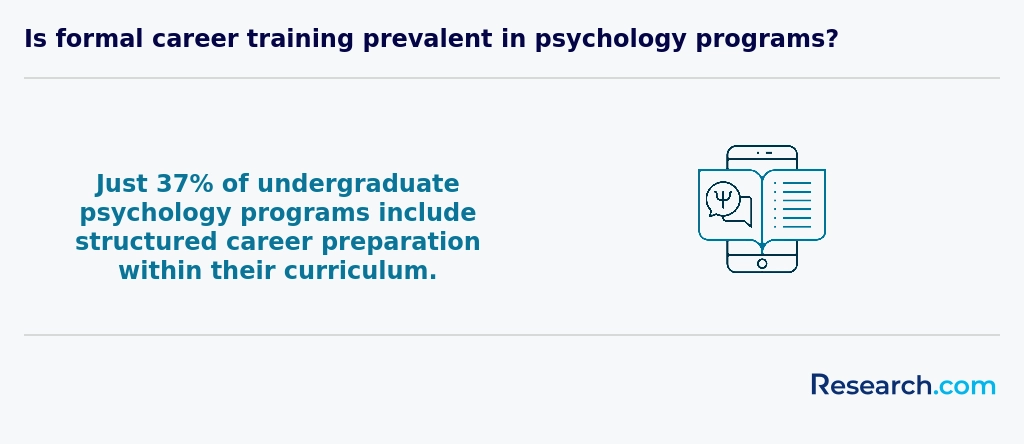
Accreditation is a critical factor when selecting a psychology degree program in Boston, MA, as it ensures the curriculum meets rigorous academic and ethical standards. Prospective students should look for programs accredited by the American Psychological Association (APA) or recognized by the Council for Higher Education Accreditation (CHEA). An APA-accredited master’s or doctoral program not only enhances your resume but also is often required for licensure and membership in professional associations. In Massachusetts, licensure as a clinical psychologist requires completion of an APA-accredited doctoral program, 3,000 hours of supervised experience, and successful passage of the Examination for Professional Practice in Psychology (EPPP). For those pursuing counseling or school psychology, state licensure boards usually mandate a master’s degree from an accredited institution, plus internships and post-graduate supervised practice. Be sure to verify specific requirements with the Massachusetts Board of Registration of Psychologists to streamline your path to licensure. Balancing accreditation status with affordability is essential. When budgeting for graduate studies, explore tuition rates, fees, and financial aid packages carefully. If you’re weighing different pathways, you may find it helpful to review our guide on how much does a masters degree in psychology cost to identify programs that offer both quality accreditation and competitive pricing.
Financial aid for psychology students in Boston often begins with the FAFSA, unlocking access to federal grants, loans, and work-study programs that many graduates recall as crucial in easing their financial burdens while balancing coursework. For instance, a graduate from Boston University described how a federal Pell Grant allowed them to focus more on research rather than juggling multiple jobs.
Massachusetts state aid, like the MassGrant, also plays a significant role, especially for Boston College students from local communities who found these funds vital for managing tuition costs between $30,000 and $55,000 annually.
Institutional aid adds another layer of support. Psychology majors at schools such as Boston University or Boston College often receive merit-based scholarships or department awards, helping to reduce expenses by thousands of dollars. Graduates emphasize how these opportunities felt like recognition of their academic and research potential.
Other graduates highlight the importance of external scholarships from organizations like the APA, which directly target psychology students' needs, fueling both education and passion.
Graduate assistantships at Boston universities offer more than money-they provide meaningful experience while often waiving tuition and providing stipends, a lifeline for many aspiring psychologists.
When considering a psychology degree in Boston, MA, it's essential to explore the various options available, from undergraduate to graduate programs. Prospective students can visit our page on most popular psychology programs to gain insights into the top-ranked institutions and their offerings. By understanding the different specializations, such as clinical psychology, counseling psychology, and industrial-organizational psychology, students can make informed decisions that align with their career goals and interests. Additionally, factors like program accreditation, faculty expertise, and internship opportunities should be taken into account to ensure a well-rounded education that prepares graduates for the dynamic job market in Boston, MA.
Enrolling in a psychology degree in Boston demands more than just meeting basic academic standards; it requires a blend of dedication, curiosity, and strategic preparation. Graduates from prominent institutions like Boston University or Northeastern often recall that a competitive GPA-usually around 3.0 or higher-was a crucial first hurdle. This GPA threshold ensures you're ready to tackle courses that dive deep into biology, statistics, and experimental psychology, which are staples in Boston's programs.
Yet, the prerequisites go beyond numbers. Many students highlight how submitting strong letters of recommendation and crafting personal statements that reflect genuine passion for understanding human behavior set them apart. For example, volunteering at local counseling centers or joining research projects on campus provides real-world context that transforms theory into lived experience, something Boston's dynamic educational scene richly supports.
Standardized tests like the SAT or GRE may be optional at some schools now, but many graduates felt that strong scores boosted their confidence and application appeal, especially for programs with tough competition. Graduate applicants should prepare for additional demands such as relevant research experience and foundational coursework tailored for advanced study.
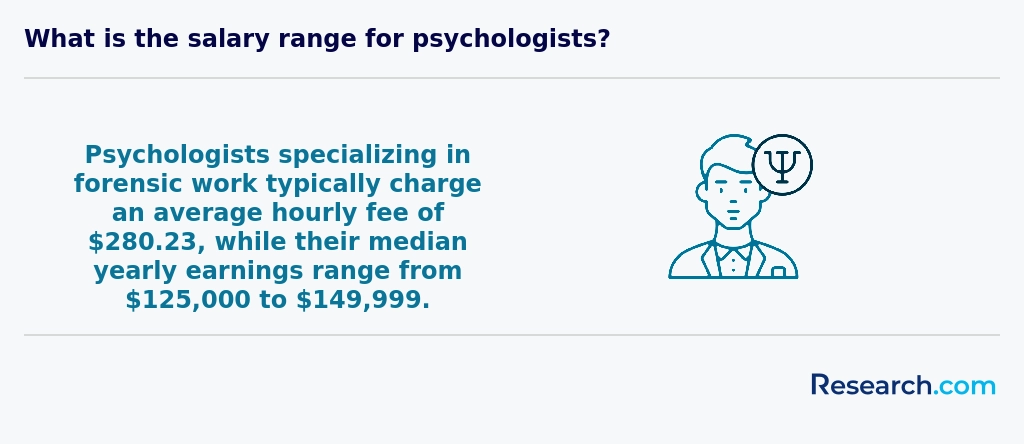
Graduates of psychology degree programs in Boston, MA, consistently report strong career outcomes, with over 88% securing employment or advanced study within six months of graduation. According to institutional data, the average starting salary for bachelor’s degree holders is $ Fifty-five thousand, rising to $75,000 for those with master’s credentials. Clinical psychology alumni from Boston University note a median time to licensure of 18 months, while industrial-organizational psychology graduates at Northeastern University achieve manager-level positions in under three years. These figures translate to an average payback period of just 4–6 years on tuition investments, making Boston’s programs highly competitive in terms of return on investment (ROI). Beyond monetary returns, many alumni emphasize the value of Boston’s extensive professional network. Over 70% participate in internships or co-op placements that convert into full-time roles; for example, two-thirds of Harvard–affiliated program graduates join Boston-area hospitals or research institutes upon completing their degrees. While Boston’s programs command premium tuition rates, students seeking cost-effective alternatives may also consider online pathways-explore the Most Affordable Online Psychology Degree Programs Ranking in the Midwest for comparison on ROI metrics outside New England. By weighing placement rates, salary progression, and time to degree in conjunction with program costs, prospective students can choose a psychology degree path in Boston that maximizes both professional fulfillment and financial payoff.
Psychology degree programs in Boston dive deep into foundational courses that shape how students understand human behavior. At institutions like Boston University and Northeastern, graduates often recall their first encounters with courses such as Introduction to Psychology, where topics like cognitive functioning and social dynamics felt immediately relevant to everyday interactions. These courses don't just present theories-they challenge students to reflect on their own experiences and the diverse minds around them.
Methods and statistics classes, sometimes dreaded yet fundamentally empowering, equip students with tools to critically analyze data rather than passive acceptance. Graduates frequently mention how mastering these skills fostered confidence in evaluating research and questioning assumptions.
More specialized subjects such as Biopsychology and Abnormal Psychology bring tangible insights; for example, learning how neurological processes influence mood helps students empathize with mental health challenges they witness in their communities. Electives like forensic or industrial-organizational psychology also enable personal tailoring, sparking passion by connecting coursework to real professional paths within Boston's vibrant psychology scene.
Study in Boston reveals psychology degree specializations that extend well beyond textbook definitions, challenging students to explore niches that resonate with their personal and professional passions. Graduates from renowned Boston universities often speak about the rewarding depth found in clinical psychology, where they engage directly with mental health treatment in partnerships with local hospitals. Counseling psychology is another popular concentration, offering practical skills in managing life stresses through therapy - a field many find deeply fulfilling as they see real impact in individual lives.
Boston psychology program concentration options also include industrial-organizational psychology, where students immerse themselves in projects with thriving local businesses, learning to enhance workplace dynamics and employee well-being firsthand. This blend of research and application is often cited by recent graduates as energizing and profoundly purposeful. Others find their calling in developmental or neuropsychology, captivated by Boston's vibrant research culture that encourages examining brain-behavior links or lifespan growth.
This diversity of focus areas equips students to tailor their academic journey, though some choose paths requiring extensive practicum hours, which can affect cost and program length. Exploring unconventional routes like becoming a therapist without a psychology degree salary also sparks reflection on how education shapes career possibilities in this dynamic field.
Choosing the best psychology degree programs Boston offers means looking beyond rankings and prestige-consider how a particular curriculum fits your passions and career goals. Graduates from institutions like Boston University often emphasize how vital APA accreditation was for their path to clinical practice, while others at Harvard highlight opportunities in experimental psychology that shaped their research careers. This reflection helps you avoid the trap of chasing names alone and instead find a program where you'll thrive personally and professionally.
Financially, Boston's colleges vary widely. Public options like UMass Boston attract students who balance quality education with affordability. Many students find themselves weighing not just tuition but living costs and the value of embedded internships available through Boston's vibrant healthcare sector. These practical experiences fuel professional confidence more than classroom theory alone.
Before committing, investigate program specifics such as retention rates, internship access, and licensure exam success. Curious whether advanced degrees justify their costs? You might want to explore how much does a masters degree in psychology cost, especially with so many affordable psychology colleges in Boston shaping resilient and employable graduates.

Graduates with a psychology degree in Boston discover an array of career paths shaped by the city's rich academic and professional landscape. Clinical psychology remains a powerful option, with psychology students from institutions like Boston University or Northeastern gaining hands-on experience in renowned hospitals such as Massachusetts General. This exposure not only builds confidence but also connects them with clinical teams where they witness real patient transformations, highlighting job opportunities with psychology degree Boston.
Counseling and school psychology also stand out, especially as Boston Public Schools increasingly seek qualified professionals to support student mental health. Graduates often find rewarding roles addressing emotional and behavioral challenges in educational settings. For those drawn to research, the vibrancy of universities like Harvard and MIT offers fertile ground in cognitive and behavioral studies, fueling a passion for discovery and innovation.
The corporate world in Boston is equally inviting. Psychology graduates apply their skills in organizational development and human resources at tech startups and healthcare firms, sparking workplace positivity and productivity. For students weighing costs, exploring the Most Affordable Online Psychology Degree Programs Ranking in the Midwest provides practical guidance on investment versus career potential.
The psychology degree job opportunities in Boston are shaped by a dynamic mix of renowned institutions and a thriving healthcare environment. Graduates from places like Harvard or Boston University often share how their exposure to clinical research at Massachusetts General Hospital opens doors to roles beyond traditional counseling, blending academic rigor with hands-on experience. This city's rich ecosystem challenges students to think beyond typical career paths, encouraging innovation in community mental health and organizational psychology.
Boston psychology career outlook 2027 appears promising, buoyed by a regional 8% growth forecast in mental health professions. Many graduates describe entering fields where empathy meets applied science-such as school counseling or private practice-feeling both professionally fulfilled and socially impactful. Yet, the reality often pushes students toward advanced degrees to thrive financially and professionally in this competitive market.
For those questioning which routes to pursue, exploring the easiest masters to get while building local clinical contacts can provide valuable footholds in Boston's psychology job scene.
2027 Most Popular Psychology Degree Programs Ranking in Boston
Investing in your education is a significant decision that can shape your future, and the Research.com team understands the importance of making informed choices. To assist prospective students in Boston, we have meticulously crafted the "2027 Most Popular Psychology Degree Programs Ranking in Boston." Our commitment to quality, credibility, and accuracy is reflected in the extensive research and analysis conducted to compile this ranking.
We utilized the following reputable data sources to ensure a comprehensive evaluation of psychology programs:
By exploring this ranking, readers will gain valuable insights into the most popular psychology degree programs available in Boston, helping them make well-informed decisions about their educational paths. For more details on our methodology, please visit our Research.com methodology page.


# 13 position
Massachusetts College of Pharmacy and Health Sciences
Bachelor of Science in Psychology


# 18 position
Cambridge College
Master of Science in Psychology

# 19 position
Northeastern University Professional Programs
Bachelor of Science in Psychology

# 20 position
Northeastern University Professional Programs
Master of Science in Counseling Psychology
Frequently Asked Questions About psychology
Psychology degree students in Boston can maximize their learning experience by actively engaging with the city's rich academic and professional resources. Boston hosts numerous top-ranked institutions, including Harvard University and Boston University, which offer diverse research opportunities and internships.
Participating in local psychology research labs allows students to gain hands-on experience, an essential factor linked to higher job placement rates post-graduation (APA, 2023).
Additionally, joining psychology-focused student organizations or attending conferences in the Boston area enhances networking and professional development.
Utilizing city-wide mental health clinics for internships provides practical exposure to clinical settings, complementing academic knowledge effectively.
The field of psychology is expanding rapidly, especially in Boston, a hub for prestigious universities and research institutions. Emerging niches include neuropsychology, with growing interest in brain-behavior relationships, driven by cutting-edge research at institutions like Harvard and Boston University. Clinical health psychology is also advancing, focusing on chronic illness management, reflecting trends in the American Psychological Association's 2023 report.
Another notable area is forensic psychology, which gains relevance due to Boston's active legal and criminal justice sectors. Additionally, industrial-organizational psychology is expanding, responding to workplace wellness and productivity needs. These niches offer promising career paths for students seeking specialized psychology degrees in Boston.
Preparing for the job market after earning a psychology degree in Boston involves combining academic knowledge with practical experience. According to the American Psychological Association, internships and volunteer work significantly improve employment prospects in psychology fields. Boston hosts several hospitals, research centers, and schools, providing opportunities for hands-on experience.
Graduates should consider obtaining relevant certifications such as the Licensed Mental Health Counselor (LMHC), which is required for many clinical positions in Massachusetts. Networking through local psychology associations and career fairs at Boston-area universities is crucial to connect with employers.
Strong communication and research skills are also valued by employers in Boston's competitive job market.
Employers in Boston seeking psychology degree graduates prioritize strong analytical skills. The ability to interpret complex data and apply psychological theories to real-world situations is crucial. According to the Massachusetts Department of Labor, 68% of psychology-related job postings in Boston emphasize research and data analysis proficiency.
Communication skills rank highly as well. Graduates must articulate findings clearly, both in writing and verbally, to diverse audiences. Boston's expanding healthcare and social services sectors value psychologists who collaborate effectively within interdisciplinary teams.
Additionally, practical experience through internships or research projects is often required. Familiarity with ethical standards and cultural competence are also essential, given the city's diverse population. These skills enhance employability in Boston's competitive job market.
Finding internships in Boston relevant to a psychology degree involves a strategic approach centered on local universities and healthcare institutions. Boston hosts top schools like Boston University and Northeastern University, which often provide internship placement services to psychology students. These internships frequently take place in diverse settings such as hospitals, mental health clinics, and research labs.
The Massachusetts Department of Higher Education reports a growing demand for psychology internships within the Boston area, especially in clinical and research roles. Students are advised to explore opportunities via university career centers and online platforms like Handshake, which list local internship openings.
Additionally, networking through professional groups such as the Massachusetts Psychological Association can enhance access to internships. Volunteering at community mental health organizations also serves as a valuable pathway to gain practical experience. Early application and clear goals aligned with psychology subfields improve chances of internship success.
A psychology degree in Boston significantly enhances career mobility and advancement opportunities. The city's strong healthcare and educational sectors value psychology expertise, with institutions like Massachusetts General Hospital and Boston Public Schools often seeking candidates with relevant credentials.
According to the U.S. Bureau of Labor Statistics, psychologists in Massachusetts earn a median annual wage of approximately $102,000, above the national average. This higher earning potential reflects greater chances for professional growth.
Additionally, Boston's concentration of research universities and mental health facilities provides graduates access to internships and networking, paving the way for advanced roles. Licensure requirements in Massachusetts also emphasize rigorous training, further boosting employability and career progression for degree holders.
Studying for a psychology degree in Boston offers a unique advantage for students aiming for interdisciplinary roles. Many Boston universities emphasize collaboration between psychology and fields such as neuroscience, public health, and education, reflecting trends seen across top U.S. institutions. According to the American Psychological Association, programs in the Boston area encourage practical experience through partnerships with local hospitals and research centers, preparing students to work across disciplines.
Boston's robust healthcare and tech industries provide rich opportunities for psychology graduates to engage in projects blending psychology with data science or medical research. This integration mirrors workforce demands, where 62% of psychology-related jobs in Massachusetts require interdisciplinary skills. Students also benefit from tailored coursework, workshops, and internships designed to expand expertise beyond traditional psychology.
Choosing between a thesis and a non-thesis psychology degree program in Boston depends on your career goals and interests. Thesis programs typically require original research and a formal thesis paper, ideal for students aiming for doctoral studies or research roles.
Non-thesis programs focus more on coursework and practical experience, often preferred by those seeking clinical or applied psychology jobs.
Boston hosts top schools like Boston University and Northeastern, whose programs reflect this distinction. Data from the American Psychological Association indicates that about 40% of Boston's psychology graduates pursue research, favoring thesis tracks, while 60% lean toward professional practice.
Consider your long-term plans and consult advisors before deciding.
Students based in Boston who wish to study psychology abroad have various options through exchange programs and partnerships offered by local universities. Institutions like Boston University and Northeastern University provide study abroad opportunities in countries such as the UK, Ireland, and Australia, where psychology curricula align with American standards. These programs often last a semester or a full academic year, enabling students to gain international perspectives while earning credits toward their degree.
According to the Institute of International Education, approximately 10-15% of psychology majors from Boston institutions participate in study abroad annually. This exposure enhances understanding of global psychological practices and research methodologies, vital for competitive careers.
For graduate students, some Boston universities collaborate with partner schools abroad for joint research projects and internships, facilitating an immersive educational experience in clinical or cognitive psychology domains.
Students pursuing psychology degrees in Boston have access to various part-time job opportunities that directly complement their studies. Working as research assistants at universities like Harvard or Boston University allows students to gain hands-on experience in psychological experiments and data analysis. These roles often pay between $15 and $20 per hour, according to local job listings.
Other common positions include behavioral health technician roles in hospitals or community centers, where students support mental health professionals and build practical skills. According to the Massachusetts Department of Labor, behavioral health technician jobs in Boston grew by 12% over the last five years, reflecting strong demand.
Additionally, tutoring psychology or related subjects is a flexible option. Such jobs improve communication skills and deepen understanding of key concepts, enhancing academic performance.
Psychology students in Boston benefit from numerous networking opportunities that enhance their academic and professional development. Boston hosts several psychology-focused organizations, such as the Boston Area Psychology Consortium, which regularly offers events, workshops, and seminars connecting students with faculty and practicing professionals.
Moreover, universities like Boston University and Harvard provide access to psychology clubs and honor societies that facilitate peer networking and collaboration. Students can also attend conferences like the Eastern Psychological Association's annual meetings, often held nearby, giving them direct contact with leading researchers and clinicians.
Internships and research assistant positions at local hospitals and research centers further expand professional connections. According to the American Psychological Association, Boston ranks highly for internship placements, helping students build practical skills and networks simultaneously.
Alumni networks play a significant role for psychology degree students in Boston by providing valuable professional connections and mentorship opportunities. Graduates from Boston's universities, such as Boston University and Northeastern, benefit from established networks that often lead to internships and job placements within the city's robust mental health sector. According to the American Psychological Association, over 70% of psychology graduates find employment through networking within five years of graduation.
These networks also offer support for career development workshops and research collaborations, which are crucial in a competitive field like psychology. Access to alumni events enables students to build relationships with experienced professionals locally.
Moreover, Boston's concentration of hospitals and research institutions creates a dynamic job market where alumni associations often share exclusive openings and volunteer opportunities. This direct access can improve students' chances of securing positions post-graduation.
Customizing a psychology degree program in Boston to match your career goals involves selecting courses, internships, and research opportunities aligned with your interests. Many Boston universities offer concentrations such as clinical, cognitive, or developmental psychology, allowing students to tailor their studies.
Students can also choose electives that support specialties like counseling, neuropsychology, or industrial-organizational psychology. Boston's abundant healthcare and research institutions provide internships and practicum placements, which enhance practical experience.
According to the Boston Higher Education Consortium, around 65% of psychology majors participate in internships before graduation to improve employment prospects. Additionally, students may engage in faculty-led research projects, critical for graduate-level training or advanced careers.
Advisors at Boston colleges often help map an individualized degree plan based on career aspirations and industry trends.
Psychology students in Boston face several common challenges during their studies. One key difficulty is managing the demanding coursework combined with extensive research requirements typical of psychology programs. Many students also report stress linked to gaining practical experience during internships or clinical placements, which are crucial but competitive within Boston's densely populated academic environment.
Another challenge is the financial burden, as tuition and living costs in Boston rank among the highest in the US. According to the College Board, the average annual tuition for private universities in Boston exceeds $50,000, which adds pressure to many students balancing part-time jobs.
Additionally, navigating licensure pathways after graduation can be complex, due to specific state requirements for clinical practice in Massachusetts. This often demands additional supervised hours and exams, extending the time and effort needed to become a licensed psychologist.
With a psychology degree in Boston, graduates can pursue various professional certifications to enhance their careers. One common path is becoming a Licensed Mental Health Counselor (LMHC), which requires a master's degree, supervised clinical experience, and passing a state exam.
The Boston metropolitan area also offers opportunities to become a Certified Alcohol and Drug Counselor (CADC), given the region's focus on behavioral health services. This certification requires specific coursework and supervised hours.
Another option is obtaining certification as a Board Certified Behavior Analyst (BCBA), particularly valuable for those working with autism or developmental disabilities, which are in demand in the Boston healthcare sector.
Statistics from the Massachusetts Department of Higher Education reveal that over 30% of psychology graduates in Boston pursue licensure in counseling or therapy fields within five years of graduation.
Applying to psychology programs in Boston requires a clear and compelling application. Start by highlighting your academic achievements, especially in psychology-related courses, as Boston's top universities emphasize strong foundational knowledge. A GPA of 3.5 or higher is often competitive, according to the National Center for Education Statistics.
Include relevant research experience or internships, which Boston institutions highly value due to the city's rich research environment. For example, Boston University reports that involvement in research correlates with higher admission rates.
Craft a well-structured personal statement that explains your motivation for studying psychology in Boston. Focus on your career goals and how the city's unique academic and clinical resources align with them.
Lastly, secure strong letters of recommendation from faculty familiar with your skills and dedication. Boston schools like Harvard and Northeastern often list recommendations as key application components.
Psychology careers in the United States, including Boston, align with global trends emphasizing diverse roles across clinical, research, and applied settings. According to the Bureau of Labor Statistics, employment for psychologists in the U.S. is projected to grow 8% from 2021 to 2031, reflecting steady international demand for mental health professionals.
Boston features several institutions offering psychology degrees, preparing graduates to meet global challenges such as mental health stigma and neurodiversity. The city's academic environment often integrates international research perspectives, enhancing students' cultural competence.
Globally, psychology professionals collaborate through organizations like the American Psychological Association and the International Union of Psychological Science, influencing standards and advancing practice worldwide.
These connections create opportunities for Boston graduates to engage in international research, policy making, and cross-cultural clinical work.
Gaining practical experience while studying psychology in Boston is essential for building professional skills. Many universities, including Boston University and Northeastern, offer internships through partnerships with local hospitals and mental health clinics. These opportunities allow students to apply theories learned in class to real-world settings.
Additionally, students can participate in research assistant positions funded by institutions like the Boston University School of Public Health. According to the American Psychological Association, hands-on research experience enhances graduate school applications and job prospects.
Boston's rich network of psychology-related organizations also supports volunteer roles, providing exposure to diverse populations and clinical practices.
Choosing the right concentration within a psychology degree program in Boston involves considering your career goals and personal interests. Boston hosts numerous institutions offering diverse specializations such as clinical, cognitive, developmental, and industrial-organizational psychology. According to the American Psychological Association, clinical psychology remains among the most popular concentrations nationwide, reflecting strong local demand for mental health professionals.
Research Boston-based job trends to align your concentration with market needs. For example, the Massachusetts Department of Labor projects a 16% growth in clinical, counseling, and school psychologist roles through 2030. Also, explore faculty expertise and research opportunities at local schools, as institutions like Boston University and Northeastern University emphasize evidence-based practices.
Consider practical factors, such as internships and networking prospects, which are abundant in the Boston healthcare system. This enhances hands-on experience essential for licensure and employment.
- 2027 Most Popular Psychology Degree Programs Ranking in Worcester
- 2027 Most Popular Psychology Degree Programs Ranking in Amherst
- 2027 Most Popular Psychology Degree Programs Ranking in Albany
- 2027 Most Popular Psychology Degree Programs Ranking in Bronx
- 2027 Most Popular Psychology Degree Programs Ranking in Queens
- 2027 Most Popular Psychology Degree Programs Ranking in New York
- 2027 Most Popular Psychology Degree Programs Ranking in Rochester
- 2027 Most Popular Psychology Degree Programs Ranking in Buffalo
- 2027 Most Popular Psychology Degree Programs Ranking in Cleveland
- 2027 Most Popular Psychology Degree Programs Ranking in Durham
See What Experts Have To Say About Studying Psychology
Read our interview with Psychology experts

Joann Farrell Quinn, Ph.D., MBA
Psychology Expert
Director at the College of Medicine Department of Medical Education
Morsani College of Medicine

Catherine Caldwell-Harris, Ph.D.
Psychology Expert
Associate Professor of Psychology
Boston University

Robin M. Kowalski. Ph.D.
Psychology Expert
Professor of Psychology
Clemson University

- Have You Found a Niche? https://www.apaservices.org/practice/business/marketing/building/niche
- Study Psychology Abroad | Go Overseas https://www.gooverseas.com/study-abroad/psychology
- Society for the Teaching of Psychology https://teachpsych.org/page-1784686/8675326
- How To Find Psychology Internships https://www.psychology.org/resources/how-to-find-an-internship/
- Community Psychology in Global Perspective http://siba-ese.unisalento.it/index.php/cpgp
- BA in Psychology Degree - Boston Location https://www.baypath.edu/academics/undergraduate-programs/psychology/ba-in-psychology-boston-location/
- Why Get a Psychology Degree Online? | University of Bridgeport https://www.bridgeport.edu/news/reasons-to-get-your-psychology-degree-online/
- Scholarships and Financial Aid - Boston Graduate School of Psychoanalysis https://bgsp.edu/admissions-and-financial-aid/financial-aid/
- Know more about thesis vs non- thesis: what is the difference? https://studyfans.com/en/blogs/816
- Alumni Network - https://efpsa.org/alumni-network/