2027 Most Popular Psychology Degree Programs Ranking in Albany

Co-Founder and Chief Data Scientist
Choosing the right psychology degree program in Albany can feel overwhelming. To help you navigate this important decision, this article presents the 2027 Most Popular Psychology Degree Programs Ranking in Albany. Created by the Research.com team of data scientists, this ranking offers reliable insights you can trust.
Exploring these programs will give you a clearer understanding of your options and boost your confidence in pursuing a rewarding career in psychology. Whether you're passionate about helping others or fascinated by human behavior, this guide supports your goals every step of the way.
Key benefits of getting psychology degree in Albany
- Salary for psychology degree graduates: Graduates in Albany can expect roles such as Human Resources Specialists or Marketing Research Analysts, earning mean annual salaries of around $76,060 and $83,190 respectively, reflecting strong earning potential.
- Career paths: A psychology graduate from SUNY Albany might explore diverse options like clinical research or survey research, benefiting from a wide range of roles that impact mental health, marketing, or education sectors.
- Online degree benefits: Earning a psychology degree online from the University at Albany offers flexibility and convenience, supporting students who balance work or family while accessing quality education to jumpstart their careers.
- 2027 Most Popular Psychology Degree Programs Ranking in Albany
- What can I expect from psychology degree in Albany?
- Where can I work with psychology degree in Albany?
What can I expect from psychology degree in Albany?
The average cost of pursuing a psychology degree in Albany varies depending on the institution and level of study. For undergraduate students at the University at Albany, SUNY, in-state tuition typically ranges around $10,000 to $15,000 per year, making it an affordable option for local students. Graduates often recall balancing coursework with part-time internships, which help offset expenses through paid experience while building their resumes.
Graduate programs, such as the Clinical Psychology PhD, involve higher tuition costs, often between $15,000 and $25,000 per year. However, many doctoral students find financial relief through assistantships or research positions offered by universities, which provide stipends and reduce out-of-pocket costs. These opportunities allow students to gain critical clinical training while managing expenses practically.
Students also factor in living costs, which in Albany remain moderate compared to larger cities, and affordable housing near campus helps keep budgets manageable. Planning finances around these figures enables students to focus confidently on gaining the rigorous, hands-on psychology education needed for their career goals.
Where can I work with psychology degree in Albany?
Psychology graduates in Albany find strong opportunities across healthcare, government, education, and community services. Many who studied at the University at Albany or Albany State University have landed roles at Albany Medical Center or St. Peter's Health Partners, working as mental health counselors or behavioral specialists. These positions offer practical experience helping patients and building clinical skills.
State government agencies like the New York State Office of Mental Health also hire graduates for program administration and policy roles, especially those with a master's degree and relevant licensure. A graduate shared how working there allowed them to impact statewide mental health initiatives while gaining valuable leadership experience.
Educational paths are also promising-graduates often support students through academic counseling or developmental psychology roles at local colleges and K-12 schools. One alumnus described their satisfaction helping peers manage stress and navigate academic challenges.
Private practices and nonprofits provide additional career paths, focusing on therapy and support for veterans, at-risk youth, or families. These roles allow graduates to connect deeply with the Albany community and create positive change.
Graduates with a psychology degree from Albany-based schools often start their careers in roles aligned with available salary data. For example, working as a clinical research associate, a common entry point found at local hospitals or research centers affiliated with universities, can yield a mean annual wage of about $62,370. This provides a practical starting salary as graduates gain experience.
Those interested in human resources within healthcare or counseling settings can expect a higher mean annual salary near $76,060. Many Albany graduates find these roles rewarding, blending people skills with organizational focus-a positive step that enhances their earning potential early in their careers.
Graduates pursuing careers as marketing research analysts, often connected to behavioral studies or public health campaigns in Albany's diverse sectors, may earn around $83,190 annually. This path attracts those who enjoy data analysis and applied psychology, offering both professional satisfaction and solid wages.
Finally, alumni working as childcare workers in community programs linked to Albany's educational institutions earn about $32,070 annually. While this is generally a starting or part-time role, it provides valuable experience for those passionate about developmental psychology.
- The average annual cost for a psychology bachelor's degree in Albany ranges from $25,000 to $40,000, with public institutions like SUNY Albany generally charging less than private colleges.
- Psychology programs in Albany offer undergraduate, master's, and doctoral degrees with options for research, clinical practice, and applied psychology specializations.
- Entry-level salaries for psychology graduates in Albany are typically between $45,000 and $50,000 per year, increasing to $70,000 to $90,000 with experience and advanced degrees.
- The job market for psychology careers in Albany is steady, with an expected growth rate of about 8% in the next decade, matching the national average.
- Licensure for clinical psychologists usually requires a doctoral degree and supervised experience, which many local graduate programs include or support.
- Internships and practicum opportunities are available in Albany through hospitals, schools, and community organizations, helping students gain practical experience.
Completing a psychology degree in Albany usually starts with a four-year commitment for a bachelor's degree, such as a BA or BS, commonly pursued at institutions like SUNY Albany. Many graduates recall balancing core psychology courses with general education, appreciating the steady pace that allowed exploration of various specializations without feeling rushed.
If you're considering advancing to a master's degree in Albany, plan for an additional two years of focused study. Graduates often mention the rewarding challenge of research projects or practicum placements that give real-world experience, making those years intense but fulfilling. Part-time options also exist, accommodating those juggling work or family.
Doctoral programs, whether a PhD or PsyD, typically require five to seven years, as Albany's offerings emphasize rigorous research, internships, and dissertation work. Many graduates describe it as a marathon demanding commitment but also deep personal and professional growth.
Remember, each step builds on the last-plan your time wisely, factoring in your own pace and life circumstances for success in Albany's psychology programs.
Obtaining state licensure is an essential step for psychology graduates who wish to practice clinically in Albany, NY, or anywhere in New York State. The New York State Education Department (NYSED) Office of the Professions oversees licensure, requiring candidates to: 1. Complete an APA-accredited doctoral or master’s degree in psychology, which can also be pursued through cost-effective options like cheap online masters in psychology programs that meet NYSED standards. 2. Accrue a minimum of 3,500 hours of supervised professional experience-3,000 post-doctoral for doctoral graduates or 1,750 post-master’s and 1,750 predoc/postdoc combined for master’s degree holders. 3. Pass the Examination for Professional Practice in Psychology (EPPP) and the New York State jurisprudence exam within five years of completing academic requirements. After licensure, psychologists must complete 36 continuing education credits every three years, including at least three hours in professional ethics and child abuse identification and reporting. Specialized certifications-such as school psychologist or neuropsychologist credentials-require additional exams or supervised hours. By understanding and planning for these requirements early, prospective students can align their program selection and practicum experiences to streamline their path to full licensure in New York.
Choosing between online and on-campus psychology programs in Albany mostly comes down to how you want to balance flexibility with direct interaction. Graduates from SUNY Albany often share that online courses allowed them to juggle jobs and family responsibilities, appreciating the ability to study anytime, especially since many classes are asynchronous. This worked well for those needing a self-paced approach.
In contrast, students who attended classes on campus at University at Albany value the face-to-face discussions with professors and peers, which helped sharpen their communication and critical thinking skills. They also enjoyed easy access to campus resources like counseling centers and research labs, creating a stronger sense of community and motivation.
Cost-wise, attending SUNY Albany on campus means in-state tuition around $7,000 yearly, but online programs may save on commuting and housing even if tuition is similar. Hands-on practicum opportunities tend to be easier to secure locally for on-campus students, while online learners in Albany often need to find placements independently, which requires extra effort but builds valuable initiative.
When budget considerations are at the forefront, exploring cost-effective psychology degrees beyond Albany can reveal significant savings without sacrificing academic quality. For example, our Inexpensive Psychology Degree Programs Ranking in Hattiesburg, MS highlights several accredited institutions where in-state tuition averages under $6,000 per year-nearly 15% lower than Albany public colleges. Students seeking low-cost options should compare total cost of attendance, including fees and living expenses, across regions. In Hattiesburg, for instance, streamlined online courses and generous local scholarships reduce out-of-pocket expenses, while robust faculty support mirrors the academic rigor of larger universities. Moreover, federal and state financial aid packages often extend to these programs, enabling additional savings. Consider leveraging FAFSA to qualify for Pell Grants or subsidized loans at multiple institutions; by applying early, you can maximize award opportunities. Institutions in Hattiesburg also partner with community organizations to offer paid internships, helping students offset living costs while gaining experiential learning credits. To make an informed decision:
- Compare program accreditation and licensing alignment in both New York and Mississippi.
- Evaluate online versus hybrid delivery models for flexibility and cost efficiency.
- Examine alumni outcomes and employment data to ensure return on investment. By broadening your search to include regions like Hattiesburg, MS, you can secure a high-quality psychology education at a fraction of Albany’s average tuition. For a detailed listing of budget-friendly options, visit our Inexpensive Psychology Degree Programs Ranking in Hattiesburg, MS.
The average cost of a psychology degree in Albany varies chiefly based on residency status and institution type. For in-state students attending public universities like SUNY Albany, the median total cost hovers around $10,866, making it a practical and affordable option. Many graduates from these programs report feeling relief knowing they managed their education expenses carefully while still gaining solid academic experience.
Out-of-state students or those choosing private colleges such as Sage College in Albany should prepare for significantly higher costs, with median total expenses near $50,263. These higher costs reflect tuition as well as additional necessary expenses like books and living costs, which tend to add up quickly. Despite the price difference, graduates mention the value they found in smaller class sizes and specialized faculty at private institutions, showing that paying more can also bring rewarding experiences.
It's important to factor in the total expenses for psychology degree programs Albany, including supplies and housing, which can bring yearly costs above $25,000. Strategic planning with scholarships, state-funded aid, and federal financial assistance can ease these burdens. Many students have benefited from exploring all financial aid avenues early in their process.
For those still deciding, reviewing the most popular psychology degree programs in Albany helps compare costs and benefits clearly, fostering confidence in their decision and financial strategy.

While traditional psychology degree programs offer comprehensive academic training, many aspiring therapy professionals discover alternative routes that enable them to build practical skills and enter the field more quickly. For individuals who may face financial constraints or prefer a more direct entry into mental health roles, alternative certification programs, workshops, and mentorship initiatives serve as viable options for developing essential therapeutic competencies. In fact, several professionals have successfully transitioned into therapy by engaging in focused training programs and gaining hands-on experience through supervised practice. For practical insights and guidance on a non-traditional route, consider exploring how to start as a therapist without a psychology degree. By leveraging these focused learning opportunities and continuously building on real-world experience, you can create a rewarding career that emphasizes the core values of empathy, effective communication, and client-focused care.
Students pursuing psychology degrees in Albany often start by applying for federal financial aid, including Pell Grants and federal student loans, which help cover costs at public universities like the University at Albany. One graduate shared how a Pell Grant substantially reduced their tuition bills, easing the stress of managing educational expenses. Next, they applied for New York State's Tuition Assistance Program (TAP), which offers up to $5,665 annually for eligible residents, directly lowering out-of-pocket costs for many Albany students.
Institutional scholarships at colleges such as the University at Albany also play a big role. These scholarships reward academic achievement and research involvement, something many psychology students experience firsthand after joining research projects or becoming psychology fellows. Additionally, professional bodies like the American Psychological Association provide external scholarships that students can apply for to further supplement their funding.
Graduate students often find teaching or research assistantships invaluable, receiving stipends and tuition waivers in exchange for practical work, making advanced study more affordable and professionally rewarding.
To practice as a licensed psychologist in New York, graduates must complete an APA-accredited doctoral program or an acceptable combination of coursework and supervised experience recognized by the New York State Education Department (NYSED). Candidates first submit official transcripts demonstrating completion of at least 3,000 hours of graduate-level coursework and a minimum of 1,500 hours of supervised practicum. Upon graduation, applicants accumulate 3,500 hours of supervised pre-doctoral and post-doctoral experience under a NYSED-approved supervisor, ensuring hands-on training in assessment, diagnosis, and evidence-based interventions. Next, candidates must pass the Examination for Professional Practice in Psychology (EPPP), a standardized test covering biological bases of behavior, cognitive-affective bases, social-cultural factors, growth and lifespan development, assessment, research methods, and ethical/legal issues. After EPPP passage, applicants submit an application to NYSED’s Office of the Professions, including verified experience logs and letters of recommendation from supervising psychologists. Licensure typically takes 6–12 months, depending on the completeness of documentation. Maintaining a New York psychology license requires 36 hours of continuing education every three years, covering topics such as cultural competence, ethics, and evidence-based treatments. Many local institutions offer workshops and seminars to satisfy these requirements. Prospective students should verify APA accreditation at each step to ensure eligibility for licensure exams. For those weighing cost against accreditation, consider exploring our Inexpensive Psychology Degree Programs Ranking in Hattiesburg, MS, which highlights affordable, accredited alternatives that meet licensure criteria while minimizing debt burden.
To enroll in a psychology degree in Albany, you first need a high school diploma or GED with strong grades in biology, math, and social sciences. Graduates from popular Albany colleges often recall how a solid academic base made their transition smoother and boosted their confidence during early coursework.
Standardized tests like the SAT or ACT are typically required, although some Albany schools have adopted test-optional policies. Students who submitted competitive scores found it easier to access scholarships and special programs at institutions like the University at Albany.
If you're aiming for graduate study, holding a bachelor's degree in psychology or a related field is key. Many graduate applicants share they benefited from completing prerequisite courses in introductory psychology, statistics, and research methods at local colleges.
Additional essentials for graduate programs include letters of recommendation, a personal statement, and relevant work or research experience. One graduate remembers how preparing these documents helped clarify their career goals and strengthened their application to Albany's competitive psychology programs.
When considering a psychology degree, one of the most critical factors is the location of the institution. Albany, NY, stands out as a hub for psychology education, offering prospective students a unique blend of academic rigor, research opportunities, and practical experience. By pursuing a psychology degree in Albany, students can leverage the region's rich resources, including esteemed universities, research centers, and mental health organizations, to enhance their educational journey. For those interested in exploring popular psychology programs, they can check the most popular psychology degree options available, which provide a comprehensive foundation in psychology and pave the way for diverse career paths. The city's vibrant academic and professional community ensures that graduates are well-prepared to meet the demands of an ever-evolving field, equipped with the knowledge, skills, and network necessary to succeed in their chosen careers.
If you're pursuing a psychology degree in Albany, expect to start with essential courses like Introduction to Psychology, which gives you a solid grasp of the field's broad scope. Graduates from SUNY Albany often mention how Developmental Psychology helped them understand human growth in practical terms, such as observing changes from childhood to elder years in real-life settings.
Cognitive Psychology courses sharpen your ability to analyze mental processes, improving skills that alumni say are valuable in both research and everyday problem-solving. Biological Psychology deepens your insight into how brain function influences behavior-many Albany students find this fascinating when linked to hands-on lab work.
Research Methods and Statistics courses are vital; they equip you to design and interpret studies effectively. Past students highlight the confidence they gained by engaging in SUNY Albany's practical labs and research projects.
Electives let you tailor your learning, exploring clinical, social, or health psychology, which helps you find your passion within the field. Albany's programs often blend theory with real-world applications, making your coursework both engaging and relevant.
Students pursuing psychology degree specializations in Albany typically encounter a variety of focused tracks to shape their careers. At popular universities and colleges in the area, graduates often highlight Clinical Psychology and Counseling Psychology as top choices, providing solid foundations for careers in therapy or counseling. These programs emphasize diagnosing emotional and behavioral disorders or supporting people through personal challenges.
Industrial-Organizational Psychology is another practical specialization, ideal for those interested in workplace dynamics and human resources roles. Developmental Psychology appeals to students wanting to understand growth across life stages, useful in education or healthcare settings. Forensic Psychology, combining legal and psychological expertise, prepares graduates for roles in criminal justice systems.
Those considering Albany psychology programs with concentrations often appreciate the availability of research options in neuropsychology and health psychology, reflecting local interest in mental health and brain-behavior studies. Additionally, graduates suggest exploring paths like how to start as a therapist without a psychology degree to expand career flexibility.
To choose the best psychology degree programs in Albany, start by deciding the degree level that fits your career goals-whether a bachelor's for foundational knowledge or a master's or doctoral degree for clinical or research careers. Graduates from the University at Albany often praise its diverse curriculum that blends theory with hands-on research, a critical factor in their success. Look closely at curriculum variety and research opportunities; programs offering strong courses in developmental, cognitive, and social psychology give you a broad skillset and real experience.
Affordability matters, too. Public universities like SUNY offer competitive rates, a big relief to students weighing cost against quality. Many Albany students recommend comparing tuition with financial aid options carefully. For those balancing work and studies, exploring flexible options, including online courses, is wise-especially if you want a cheap online masters in psychology. Using these practical steps can help find affordable psychology colleges Albany that fit your situation perfectly.
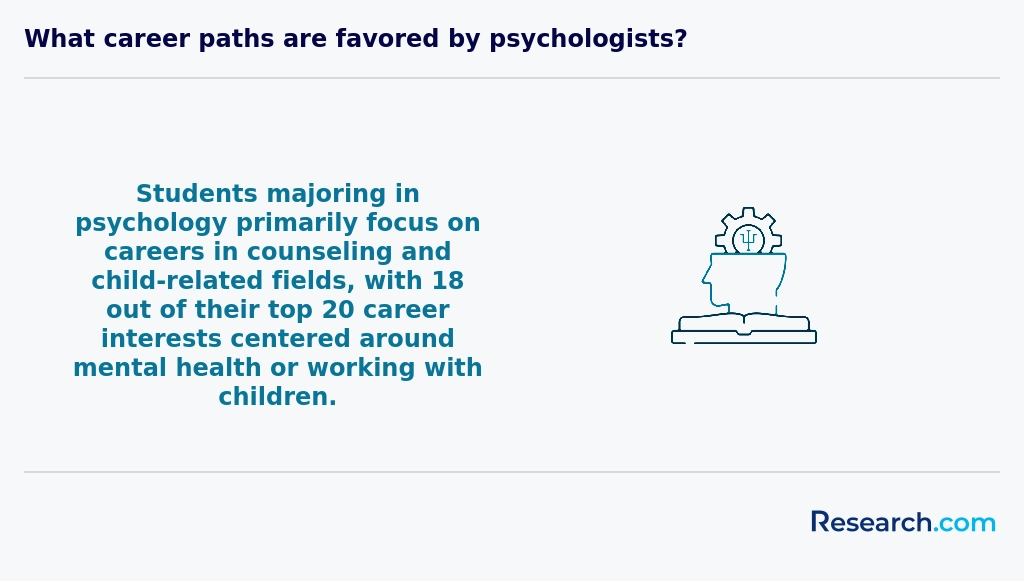
Graduates with a psychology degree in Albany find diverse career paths aligned with local opportunities. Clinical and counseling psychology remains a primary option, where alumni from universities like the University at Albany secure roles in hospitals and community agencies, offering therapy and support. These professionals emphasize the importance of obtaining New York State licensure through a doctoral program and supervised experience.
Jobs with psychology degree in Albany also include school psychology, with public schools valuing graduates who collaborate with teachers and families to enhance student well-being. Industrial-organizational psychology is growing, especially with Albany's expanding business sector, as graduates assist companies in improving workplace dynamics and leadership strategies.
Many also pursue research and academic positions at Albany's colleges, contributing to behavioral studies and social science projects. For practical insights on affordable education options supporting these career routes, see the Inexpensive Psychology Degree Programs Ranking in Hattiesburg, MS. This resource helps balance costs and career potential, important for any pragmatic planner considering psychology degree career options Albany.
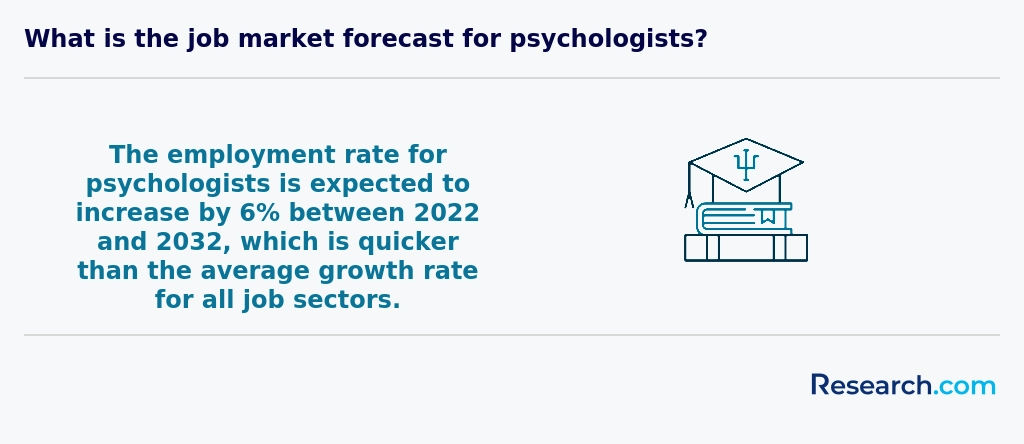
Graduates holding a psychology degree in Albany face a job market that aligns closely with national trends but benefits from the city's diverse healthcare and social services sectors. Typical roles include mental health counselors in local hospitals, behavioral specialists working with schools, and research coordinators at research institutions connected to universities like SUNY Albany. Many graduates report feeling encouraged by the consistent demand for these positions, particularly as awareness of mental health grows.
Salary prospects vary, with entry-level roles starting around $40,000 and licensed psychologists or clinical social workers earning upwards of $70,000 to over $100,000 annually. Graduates from Albany-area programs often highlight how practical experience during internships furthers their job readiness in this competitive market, reflecting the strong Albany psychology career outlook 2027.
For students weighing education costs, Albany public colleges offer in-state tuition between $7,000 and $15,000 per year for psychology programs. Many find that pairing their studies with financial aid or assistantships improves affordability. Those seeking to boost employability may explore best accelerated programs to complete their degrees sooner and enter the workforce faster.
2027 Most Popular Psychology Degree Programs Ranking in Albany
Investing in your education is a significant decision that can shape your future, and the Research.com team understands the importance of making informed choices. To assist prospective students in Albany, we have meticulously crafted the "2027 Most Popular Psychology Degree Programs Ranking in Albany." Our commitment to quality, credibility, and accuracy is reflected in the extensive research and analysis conducted to compile this ranking.
We utilized the following reputable data sources to ensure a comprehensive evaluation of psychology degree programs:
By exploring this ranking, readers will gain valuable insights into the most popular psychology degree programs available in Albany, helping them make well-informed decisions about their educational paths. For more details on our methodology, please visit our Research.com methodology page.


# 5 position
Excelsior University
Bachelor of Science in Psychology

Frequently Asked Questions About psychology
Psychology degree students in Albany can maximize their learning experience by engaging actively in both classroom and practical opportunities. Albany offers access to internships through local hospitals and mental health clinics, which are crucial for applying theoretical knowledge. According to the New York State Education Department, hands-on experience significantly improves graduate readiness for licensure exams.
Additionally, joining psychology clubs or organizations at institutions like SUNY Albany provides networking and research collaboration. Students should also utilize campus resources such as tutoring and writing centers to strengthen academic skills. Staying current with psychology journals and local conferences supports understanding of evolving trends in the field.
Emerging niches within the psychology field reflect shifts in societal needs and technological advancements. In Albany, growing attention is given to neuropsychology, which studies brain-behavior relationships and often supports rehabilitation services. Industrial-organizational psychology is also gaining traction, helping businesses improve employee well-being and productivity.
Health psychology, focusing on how behavior affects physical health, expands alongside rising public interest in holistic care. Additionally, forensic psychology is notable in Albany due to local legal system collaborations, addressing criminal behavior and legal processes.
According to the Bureau of Labor Statistics, these specialties are expected to see above-average growth nationwide through 2030, influencing local educational offerings and career opportunities.
After completing a psychology degree in Albany, preparing for the job market involves several important steps. Graduates should consider gaining practical experience through local internships or assistant positions in healthcare facilities, schools, or social service agencies. Albany's growing healthcare and social assistance sectors offer diverse opportunities for hands-on work.
Networking is critical; joining professional organizations such as the American Psychological Association's local chapters or attending Albany-based career fairs can expand contacts. Additionally, many employers look for candidates with strong research and data analysis skills, so graduates should focus on those during their studies.
Lastly, exploring graduate education options or certification programs in counseling or clinical psychology can improve job prospects, since advanced qualifications often lead to higher-paying roles.
Employers in Albany highly value psychology graduates who demonstrate strong analytical skills. These graduates must interpret complex behavioral data to inform decision-making effectively. Communication is another key skill, as professionals often collaborate with clients and multidisciplinary teams in settings like hospitals and schools.
Problem-solving abilities are essential, enabling graduates to develop evidence-based interventions. Additionally, proficiency in research methods and statistical analysis is critical due to the data-driven nature of psychology careers. According to the Bureau of Labor Statistics, such competencies improve job prospects in New York State.
Understanding ethical standards and cultural sensitivity also distinguishes Albany psychology graduates, given the diverse population they serve.
Finding internships in Albany relevant to a psychology degree involves exploring opportunities at local hospitals, mental health clinics, and universities. Albany is home to institutions such as Albany Medical Center and the University at Albany, which offer internship programs focused on clinical, counseling, and research psychology. The New York State Education Department suggests students connect with university career services, which often maintain updated listings of psychology-related internships. Networking through professional organizations like the American Psychological Association's New York State chapter can also be beneficial. According to the National Center for Education Statistics, internships are critical for hands-on experience, improving job prospects post-graduation.
In Albany, earning a psychology degree significantly enhances career mobility and advancement opportunities. The region's growing healthcare, education, and social services sectors actively seek psychology graduates for roles in counseling, human resources, and behavioral analysis. According to the U.S. Bureau of Labor Statistics (2023), psychology-related jobs in New York State are projected to grow by 11% through 2030, indicating strong local demand.
A degree in psychology is often a prerequisite for licensed positions such as clinical psychologists or school counselors, which offer higher salaries and leadership potential. Additionally, Albany's proximity to research institutions provides networking and internship options that bolster career growth.
Studying for a psychology degree in Albany equips students with skills that support interdisciplinary collaboration in fields such as healthcare, social work, and education. Programs often include coursework in research methods, cognitive science, and behavioral analysis, fostering analytical and communication abilities essential for teamwork across professions.
Albany's proximity to diverse institutions, including universities and hospitals, provides students opportunities for internships blending psychology with nursing, public health, or criminal justice. According to the New York State Education Department, such experiential learning is valued in local job markets focusing on integrated care models.
Graduates can thus adapt psychological principles to various contexts, preparing them for careers requiring interaction with multiple disciplines and complex problem-solving.
When deciding between a thesis and a non-thesis psychology degree program in Albany, consider your career goals and learning preferences. Thesis programs require extensive research and a formal paper, suitable for students seeking careers in research or doctoral studies. Non-thesis options often focus on coursework and practical skills, ideal for those pursuing professional practice or immediate employment.
Albany's psychology graduate programs, such as those at the University at Albany, provide both options. According to the U.S. Department of Education, thesis programs may take longer but offer deeper expertise. In contrast, non-thesis tracks typically allow quicker completion and more flexible schedules.
Think about faculty mentorship availability and your interest in contributing original research when choosing the best path for your psychology studies.
Students based in Albany seeking to study psychology abroad have several options within the US higher education system to explore global perspectives while pursuing their degree. Many universities offer study abroad programs that include partners in Europe, Asia, and Australia. These programs typically last from a semester to a full academic year and provide credit transfer opportunities towards psychology degrees. According to the Institute of International Education, over 10,000 US students participated in study abroad programs focused on social sciences, including psychology, during the 2021-2022 academic year.
Local Albany institutions like the University at Albany often have formal exchange agreements that facilitate study abroad for psychology majors. These include placements in countries renowned for psychological research, such as the UK and Germany. Additionally, students can choose abroad internship options that strengthen their practical experience under supervision in international settings, enhancing their resumes and broadening cultural understanding.
Students pursuing psychology degrees in Albany can find several part-time job opportunities that complement their academic studies. Common roles include research assistants at institutions such as the University at Albany's Psychology Department, where students gain valuable experience in experimental methods and data analysis. Additionally, positions as mental health aides or behavioral therapy assistants at local clinics provide practical exposure to client interactions and therapeutic techniques.
Volunteer roles at organizations like the Albany Damien Center offer insight into counseling and community mental health services. According to the U.S. Bureau of Labor Statistics, gaining these experiences can improve employability after graduation and deepen understanding of psychological concepts in real-world settings.
Psychology students in Albany have access to various networking opportunities that enhance their academic and professional growth. The University at Albany (UAlbany) hosts regular events through its Department of Psychology, where students can connect with faculty, researchers, and alumni working in diverse psychology fields. Additionally, UAlbany's Psychology Club organizes monthly meetings and guest lectures, providing forums for peer collaboration and professional networking.
Students can also participate in local chapter meetings of national organizations such as the American Psychological Association (APA) and the Association for Psychological Science (APS). These events often include workshops, conferences, and career fairs held in Albany or nearby cities, fostering valuable contacts.
Internships and research assistant positions at UAlbany and local healthcare facilities further support networking by creating real-world professional connections for psychology majors.
Alumni networks play a crucial role for psychology degree students in Albany by providing valuable connections within the local mental health community. Graduates from Albany-area institutions, such as the University at Albany, often remain active in professional circles, offering current students mentorship and guidance.
These networks help students access internships, job opportunities, and research collaborations, which are essential in psychology careers. According to the National Association of Colleges and Employers, 85% of job placements occur through networking, highlighting this benefit for Albany students.
Furthermore, alumni events and online groups foster ongoing learning and support, helping students navigate licensure requirements specific to New York State.
Customizing a psychology degree program in Albany allows students to align their education with specific career goals. Many local institutions offer a range of electives and concentration areas, such as clinical psychology, counseling, or industrial-organizational psychology. Students can often tailor their coursework by selecting internships or research projects related to their interests.
Albany's colleges frequently provide opportunities for hands-on experience through partnerships with regional mental health organizations. According to the National Center for Education Statistics, psychology enrollments in New York State have increased by 8% between 2018 and 2023, reflecting growing local interest.
Advisors play a crucial role in helping students map out courses, certifications, and practicum experiences that best support their intended career path in psychology.
Psychology students in Albany often face a range of challenges typical of rigorous academic programs. One common difficulty is managing the demanding coursework, which frequently includes statistics, research methods, and complex psychological theories. Balancing these requirements with part-time jobs or internships can add stress.
Students also encounter competition for limited research opportunities, a crucial component for graduate school applications. According to the National Center for Education Statistics, psychology programs nationwide report that around 50% of students participate in research, but spots can be scarce.
Financial concerns are significant too. While Albany offers state and private institutions with varied tuition rates, many students struggle with the cost of textbooks and lab fees, which are often not covered by scholarships alone.
With a psychology degree in Albany, graduates can pursue several recognized professional certifications to advance their careers. One common path is obtaining licensure as a Licensed Mental Health Counselor (LMHC), which allows professionals to provide therapy and mental health services. This requires completing a master's degree, supervised experience, and passing a state exam.
Additionally, graduates may seek certification as a Certified Addiction Counselor (CAC), relevant in New York's growing treatment facilities. For those interested in school settings, becoming a Certified School Psychologist requires a specialized credential aligned with state guidelines.
National certifications, such as those from the American Board of Professional Psychology (ABPP), represent advanced specialization options for experienced practitioners.
According to the New York State Education Department, Albany offers many supervised practice opportunities essential for licensure, making it a practical location for certification pursuit.
To write a winning application for a psychology program in Albany, start by focusing on a clear and compelling personal statement. Highlight your motivation for studying psychology and any relevant experience. Albany's programs, such as those at the University at Albany, often look for strong academic records; the average admitted GPA tends to be around 3.4 to 3.7. Be sure to include any volunteer work or internships related to mental health or research. Additionally, recommenders who can speak to your analytical and interpersonal skills will strengthen your application. Finally, tailor your essay to reflect understanding of the local psychology field and how the program fits your goals.
Psychology careers in the United States, including Albany, reflect a broad global interest in mental health and human behavior. According to the U.S. Bureau of Labor Statistics, psychology is among the fastest-growing professions nationwide, with a projected 8% growth from 2021 to 2031. Globally, many countries emphasize cultural competency and diverse approaches in psychology education. For Albany students, this means gaining knowledge relevant not only locally but also internationally, preparing graduates for careers in research, clinical settings, or organizational roles.
Educational standards in the U.S. align with global frameworks, often requiring advanced degrees for specialized practice. The American Psychological Association accredits programs and promotes ethical, evidence-based practice. Albany's psychology programs benefit from this structure, fostering skills demanded worldwide and enabling graduates to compete in international job markets.
Gaining practical experience while studying psychology in Albany is essential for career readiness. Many local colleges, such as the University at Albany, offer internships and practicum opportunities through partnerships with area hospitals, schools, and mental health clinics. These experiences allow students to apply theoretical knowledge in real-world settings under professional supervision.
Additionally, students can participate in faculty-led research projects, which provide hands-on experience in data collection and analysis. According to the National Center for Education Statistics, about 60% of psychology undergraduates nationwide engage in internships before graduation, a trend reflected in Albany's programs.
Volunteering with local organizations, like the Albany County Department of Mental Health, further enhances practical skills and community connections.
Choosing the right concentration within a psychology degree program in Albany involves understanding your career goals and interests. Common options include clinical, counseling, developmental, and industrial-organizational psychology. Each focuses on different areas, such as mental health treatment, human development, or workplace behavior.
Albany offers programs aligned with regional needs; for example, industrial-organizational psychology is growing due to the city's business sector expansion. According to the U.S. Bureau of Labor Statistics, careers in this specialization are expected to grow 11% nationally through 2031.
Consider program faculty expertise, internship opportunities, and how concentrations prepare you for licensure or advanced study. Local universities like SUNY Albany provide detailed concentration information and career support.
- 2027 Most Popular Psychology Degree Programs Ranking in Amherst
- 2027 Most Popular Psychology Degree Programs Ranking in Worcester
- 2027 Most Popular Psychology Degree Programs Ranking in Bronx
- 2027 Most Popular Psychology Degree Programs Ranking in New York
- 2027 Most Popular Psychology Degree Programs Ranking in Queens
- 2027 Most Popular Psychology Degree Programs Ranking in Boston
- 2027 Most Popular Psychology Degree Programs Ranking in Rochester
- 2027 Most Popular Psychology Degree Programs Ranking in Buffalo
- 2027 Most Popular Psychology Degree Programs Ranking in Cleveland
- 2027 Most Popular Psychology Degree Programs Ranking in Detroit
See What Experts Have To Say About Studying Psychology
Read our interview with Psychology experts

Catherine Caldwell-Harris, Ph.D.
Psychology Expert
Associate Professor of Psychology
Boston University

Joann Farrell Quinn, Ph.D., MBA
Psychology Expert
Director at the College of Medicine Department of Medical Education
Morsani College of Medicine

Robin M. Kowalski. Ph.D.
Psychology Expert
Professor of Psychology
Clemson University

- Professional Networking For Psychologists | Psychology.org https://www.psychology.org/resources/professional-networking/
- Psychology BA, Four-Year Plan https://www.albany.edu/academic-advising/four-year-plans/ba-psychology
- Bachelor's Degree in Psychology | Albany, NY | Maria College https://mariacollege.edu/academics/liberal-arts/psychology-bs
- Sample letters in psychology https://www.mystudies.com/en-in/human-and-social-sciences/psychology/letter-model/
- Alumni Perspectives - Meet Our FPN Alumni https://www.aanmelder.nl/alumni-perspectives-june-2023
- Society for the Teaching of Psychology https://teachpsych.org/page-1784686/8675326
- Psychology - SWPS University https://english.swps.pl/academics/warsaw/ba-programs/psychology
- Study Psychology Abroad https://astarfuture.co.uk/study_psychology_abroad.html
- Mental Health Challenges Faced by Psychology Students | The Healthcare Guys https://healthcareguys.com/2023/11/23/mental-health-challenges-faced-by-psychology-students/
- SUNY at Albany Psychology, General Major | 68% Acceptance Rate, ROI 64/100 https://www.gradgpt.com/suny-at-albany/bachelors/psychology-general