
2027 Most Popular Psychology Degree Programs Ranking in New York

Co-Founder and Chief Data Scientist
Choosing the right psychology degree program in New York can shape your future career and personal growth. This article presents the 2027 Most Popular Psychology Degree Programs Ranking in New York, created by the Research.com team of data scientists to support you in making an informed decision.
By exploring this ranking, you'll discover programs that align with your goals and interests. Pursuing a degree in psychology offers rewarding opportunities to understand human behavior and help others, making it a fulfilling path.
Let this guide inspire you to take the next step confidently toward your education and career.
Key benefits of getting psychology degree in New York
- Psychology degree graduates in New York can expect rewarding salaries, such as Human Resources Specialists earning a mean annual wage of $76,060 and Marketing Research Analysts making around $83,190, offering financial stability and growth.
- Career paths are diverse, ranging from Clinical Research Associates to Survey Researchers, allowing graduates to find roles that match their interests and strengths while making a meaningful impact on people's lives.
- Online psychology degrees from respected New York institutions offer flexibility and convenience, helping students balance work and life while gaining the same quality education as traditional programs, boosting confidence and success.
- 2027 Most Popular Psychology Degree Programs Ranking in New York
- What can I expect from psychology degree in New York?
- Where can I work with psychology degree in New York?
What can I expect from psychology degree in New York?
When it comes to the cost of studying psychology in New York, it really depends on where you go. Public schools like CUNY and SUNY offer a more budget-friendly ride, with annual tuition often falling between $7,000 and $10,000 for in-state students. Graduates from these programs often mention how this affordability gave them peace of mind and the chance to focus on internships and research without stressing too much about debt.
On the flip side, private universities like Columbia or NYU can cost significantly more-often $50,000 or more per year. But many students say the exposure to cutting-edge research and connections in the city's mental health scene made those costs worth it. Plus, financial aid and scholarships for psychology majors can really help ease the burden, especially in programs designed to support hands-on experience in places like NYC hospitals or community centers.
In the end, there's a solid balance of cost and opportunity depending on the school-and plenty of paths to get there.
Where can I work with psychology degree in New York?
With a psychology degree in New York, you're stepping into a world full of cool job options. Graduates from schools like NYU or Hunter College often find themselves working in hospitals or mental health clinics around the city, offering therapy or counseling to folks who need it most. Imagine helping someone in a busy NYC rehab center or a community clinic-that's real impact you can make.
Many also head to public schools, where school psychologists support students dealing with stress or learning challenges. It's a rewarding gig, especially with New York's push for better student mental health programs. Others take their skills to corporations, joining big firms in Manhattan to boost employee well-being and workplace vibe through industrial-organizational psychology.
Plus, social service agencies and nonprofits in NYC are always looking for passionate psych grads to drive programs on issues like homelessness or substance abuse. If you love making a difference, this is where employers truly value what you bring.
Just remember, if you want to be a clinical psychologist, you'll need to get licensed by the state, which means earning your doctorate and passing some tests-but it's totally worth the effort for the career doors it opens!
If you're studying psychology at a school like NYU or Columbia, you might be wondering, "How much can I actually make with this degree in New York?" Well, it really depends on what kind of role you land after graduation. For example, you could work as a Human Resources Specialist, where the average salary is about $76,060 a year. Not bad for using those people skills!
Some grads go into market insights and become Marketing Research Analysts, pulling in around $83,190 annually. Imagine using what you learned about human behavior to help big companies understand customers better - pretty cool, right?
If research is more your jam, becoming a Clinical Research Associate or Survey Researcher might suit you; these jobs pay roughly $62,370 a year. It's common for grads to start in these roles while gaining experience, especially in the bustling healthcare and education sectors in the city.
Even entry-level jobs like Childcare Worker are options, with salaries around $32,070, perfect for those passionate about working directly with kids while building skills.
New York's market is pretty competitive but also rewarding if you're passionate about psychology and willing to explore various career paths. Many grads from top programs find their niche and thrive financially while doing meaningful work.
- The annual tuition for psychology degrees in New York ranges from $10,000 to $15,000 at public universities for in-state students and can exceed $40,000 at private colleges.
- Entry-level psychology jobs like behavioral health technicians offer starting salaries between $40,000 and $50,000 annually.
- Licensed psychologists in New York earn between $80,000 and $110,000 per year, with higher pay for specialists and private practitioners.
- Obtaining a psychology license requires a doctoral degree, supervised clinical hours, and passing a state exam.
- Master's degrees in psychology or related fields are common for careers in counseling or social work.
- Job opportunities for psychology professionals are available in hospitals, schools, government agencies, private practices, and nonprofits.
If you're thinking about studying psychology in New York, expect about four years to finish your bachelor's degree. That's pretty standard at schools like NYU or SUNY, where students dive into courses covering everything from brain basics to research methods. Many grads mention how rewarding it is to explore different areas while getting hands-on experience with fascinating projects.
Going for a master's usually adds another two years. Some students find part-time or accelerated options at places like Columbia University, which fits well if you're juggling work or other commitments. The vibe there is inspiring, especially when you start applying what you learn to real-world counseling or therapy settings.
Then there's the doctoral route, which typically takes four to seven years. Those who've tackled the PhD or PsyD at top New York programs say it's intense but incredibly satisfying-between research, internships, and exams, you really grow as a psychologist. Plus, that extra time means you're fully ready for licensing and clinical work in New York's vibrant mental health community.
Obtaining a psychology license in New York involves meeting specific educational, supervised practice, and examination criteria to ensure practitioners uphold high standards of professional competency. First, candidates must earn a doctoral degree in psychology from an APA-accredited institution or an equivalent program recognized by the New York State Board for Psychology. After graduation, applicants are required to complete at least 3,500 hours of supervised professional experience-a combination of pre-doctoral internships and post-doctoral supervised work-over a period of no fewer than 24 months. Supervision must be provided by a licensed psychologist in good standing, with a minimum of one hour of face-to-face supervision per week. Once supervised practice is completed, candidates must pass the Examination for Professional Practice in Psychology (EPPP), administered by the Association of State and Provincial Psychology Boards (ASPPB). New York also requires a jurisprudence exam covering state laws and regulations governing the practice of psychology; successful completion demonstrates understanding of ethical obligations and patient confidentiality statutes. Upon passing both exams, applicants submit a formal licensure application, pay the relevant fees, and provide official transcripts and supervisor verification forms to the New York State Education Department’s Office of the Professions. Maintaining an active license in New York requires ongoing professional development. Licensed psychologists must complete 36 continuing education (CE) hours every three years, including at least three hours of ethics training. Accredited providers-such as universities, professional associations, and APA-approved sponsors-offer workshops, webinars, and conferences that fulfill CE requirements. Failure to renew on time can result in late fees or license suspension, so practitioners should track renewal deadlines carefully. For prospective students evaluating affordability alongside licensure pathways, it may be helpful to compare programs outside New York; for instance, the Inexpensive Psychology Degree Programs Ranking in Iowa highlights budget-friendly options with solid licensure support. By understanding New York’s licensing process and exploring cost-effective alternatives, students can strategically plan their educational and professional journeys in psychology.
If you're thinking about a psychology degree in New York, deciding between online and on-campus really comes down to what kind of experience you want. On-campus programs at places like Columbia or NYU are all about that in-person vibe-you get to join lively classroom debates, hit the libraries, and dive into hands-on labs or practicums. Graduates often say those face-to-face moments with professors and classmates made the learning feel real and helped build networks that landed them internships.
Online degrees? They're a game changer for busy folks juggling work or family. Plenty of New York schools now offer flexible online courses where you watch lectures and submit assignments on your schedule. One downside is that some practical parts-like internships-still need you to go local, but online grads love not worrying about commuting or dorm life expenses. It's like getting your degree without leaving your couch, but with just enough real-world practice sprinkled in to keep things legit.
A critical component of any Psychology degree program in New York, NY is hands-on field experience through internships and practicum placements. Most accredited programs partner with local hospitals, community clinics, and school districts to ensure students complete at least 100–300 supervised hours before graduation. These experiences allow aspiring psychologists to apply classroom theory to real-world settings, develop essential clinical skills, and build professional networks within New York’s diverse mental health community. Students typically begin practicum placements in their junior or senior year, enrolling in courses such as Clinical Practicum in Psychological Assessment or Counseling Practicum. During these placements, you will conduct intake interviews, administer standardized tests, and co-facilitate therapy sessions under licensed supervisors. Many programs also offer specialized tracks-such as child and adolescent psychology or geropsychology-where you can focus your practicum hours on populations that align with your career goals. Securing a strong internship can be competitive, so students are encouraged to leverage their school’s career services office for résumé reviews, mock interviews, and networking events. Attending local psychology conferences, such as the New York State Psychological Association annual meeting, further boosts your visibility and may lead to placement opportunities. If cost is a concern, graduate students can explore paid assistantships or stipends, and undergraduate students can research out-of-state partnerships-see our Inexpensive Psychology Degree Programs Ranking in Iowa for examples of affordable practicum support in similar programs. By prioritizing high-quality internships and practicum experiences, New York psychology students not only fulfill licensure prerequisites but also gain the confidence and professional portfolio needed to excel in roles ranging from clinical assistant to research coordinator.
The average cost of a psychology degree in New York can feel like a big commitment, but knowing the numbers helps you plan ahead. Typically, the median total cost sits around $67,800, whether it's in-state or out-of-state. In-state students often find things a bit friendlier on the wallet with median costs closer to $51,800, which is great news if you're a New Yorker aiming to stay local for school.
Graduates from popular schools like New York University or Columbia often share stories about balancing hefty tuition fees with scholarships or part-time jobs, making their dream of studying psychology doable despite high sticker prices. On the flip side, many find SUNY campuses offer a less intimidating cost, especially for undergrads, which keeps the passion for psychology alive without burning a hole in the pocket.
If you're wondering about psychology degree tuition fees New York 2027 could bring, it's a good bet prices will stay competitive with current trends, mixing public and private rates. Plus, it's smart to explore financial aid options early on because many students find assistantships and scholarships that ease the burden.
For anyone curious about the best popular psychology colleges in New York, they often balance great programs with flexible pricing options, so there's definitely room to find what fits your budget and goals.

While traditional psychology degree programs offer a structured route toward a career in psychology, an increasing number of aspiring therapists are exploring alternative pathways that can lead to successful and fulfilling careers. These non-traditional routes include certificate programs, online courses, and apprenticeship models that focus on developing essential counseling skills and industry-specific knowledge. Many professionals value hands-on experience and real-world training, often finding that alternative certifications open rewarding career opportunities without the need for a full psychology degree. For individuals considering these pathways, it’s important to understand that employers may value practical experience and specialized training alongside formal education. For example, some may opt for programs that emphasize applied therapeutic techniques, counseling ethics, and client relationship management. Insights into industry trends reveal that many positions now recognize the value of diverse educational backgrounds. In some cases, you might find competitive compensation packages-indeed, check out therapist without a degree in psychology salary information to learn more about financial prospects in this field. Additionally, practical steps such as networking with experienced practitioners, attending professional workshops, and seeking mentorship can significantly enhance your career prospects. Embracing these alternative routes can widen your job opportunities, especially in settings where personalized care and innovative treatment methods are prioritized. By staying informed about the evolving demands of mental health services, prospective therapists can strategically position themselves for long-term success, even without following the traditional academic path.
If you're planning to study psychology in New York, there's good news-financial aid is within reach! Lots of students at places like SUNY Albany or Fordham University tap into federal aid through the FAFSA. Federal Pell Grants, for example, can cover up to $7,395 a year, which really takes some pressure off the tuition bill.
Beyond that, New York residents can apply for the Tuition Assistance Program (TAP), which awards up to $6,495 annually. Many grads I know swear by combining these grants with scholarships offered specifically for psychology majors at their schools. These scholarships reward everything from academic excellence to financial need, making college way more affordable.
Some students even work part-time through campus work-study programs, juggling classes while earning a paycheck. And federal student loans with lower interest rates make borrowing less stressful than private loans. One recent grad shared how these options together made the whole degree feel possible without drowning in debt.
As a psychology student in New York, NY, it's essential to be aware of the various resources available to support your academic and professional journey. For instance, students can explore the best popular psychology colleges to find programs that align with their interests and career aspirations. Additionally, many universities in New York offer counseling services, academic advising, and career guidance specifically tailored for psychology students. These resources can help students navigate the challenges of their programs, from coursework to internships, and eventually, to their careers. Furthermore, professional organizations like the American Psychological Association (APA) provide students with access to research, networking opportunities, and updates on the latest developments in the field. By leveraging these resources, psychology students in New York, NY, can position themselves for success in their future careers.
If you're thinking about diving into a psychology degree in New York, you'll want to know the typical prerequisites first. For undergrads, schools like SUNY or Fordham usually want you to have a high school diploma or GED and a decent GPA, around 3.0 or higher. Some grads I know shared how standardized tests like the SAT were optional at their campuses, which made applying a bit less stressful. Also, having a background in courses like biology or social sciences really helps to hit the ground running once you start classes.
Now, if you're eyeing a master's or doctoral program, things get a bit more detailed. Universities like NYU or Columbia often require a bachelor's degree, preferably with psychology courses already under your belt. Graduates often mention that personal statements and letters of recommendation played a big role in their acceptance. Plus, being prepared with psychology basics like research methods or abnormal psych before starting can really boost your confidence and make those first semesters smoother.
It's a lot to consider, but many students find these steps manageable and worth it once they get settled into their programs in New York's vibrant academic scene.
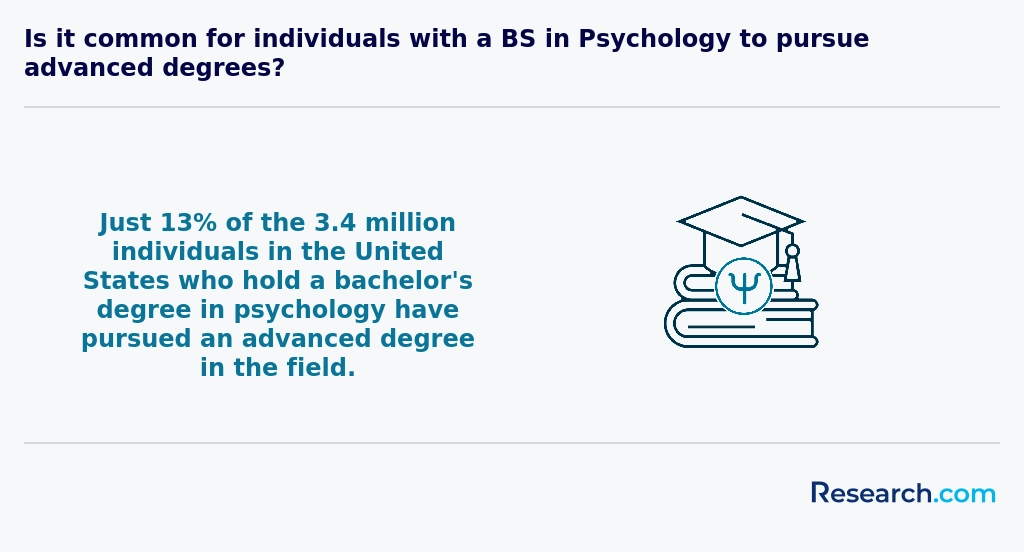
Navigating the path from graduation to licensed practice requires careful planning and adherence to New York State regulations. First, prospective clinicians must earn a degree from an APA-accredited doctoral program in psychology or a CACREP-accredited master’s program in counseling. For those exploring flexible options, many psychology online graduate programs offer APA-accredited curricula and practical training components designed to meet state licensure standards. Next, candidates must complete supervised experience hours: • Clinical Psychologists (PsyD or PhD): a minimum of 1,750 hours of post-doctoral supervised practice under a licensed psychologist. • Licensed Mental Health Counselors (LMHC): 3,000 hours of supervised counseling experience, with at least 1,500 client contact hours. • School Psychologists: completion of a supervised internship approved by the New York State Education Department (average 1,200 hours). After fulfilling education and supervision requirements, applicants must pass the Examination for Professional Practice in Psychology (EPPP) for psychologists or the New York State LMHC and school psychologist licensing exams. Finally, submit official transcripts, verification of supervised experience, exam scores, and required fees to the New York State Office of the Professions. Maintaining licensure involves completing continuing education credits every three years, ensuring practitioners remain current with evolving evidence-based practices.
If you're diving into a psychology degree in New York, expect to take courses that really cover the whole scene-from the basics to the more specialized stuff. Graduates from schools like NYU or Fordham often mention how they started with Introduction to Psychology, which breaks down all the key theories and research methods that get your brain ticking. It's kind of like building your mental toolkit for everything that's yet to come.
Then there's Statistics and Research Methods-a class that some might find tough but totally worth it. Picture applying those skills when you're analyzing data from an experiment you actually ran in the lab. A bunch of students from CUNY talk about how learning Biopsychology helped them understand how our brains and behavior connect, which makes clinical topics feel way more relevant.
Many also enjoy classes like Developmental and Social Psychology, where they get to explore how people change over time or influence each other. Plus, courses like Abnormal Psychology and Psychological Assessment give a solid peek into mental health challenges-stuff that's super eye-opening and meaningful, especially if you want to help people directly.
If you're diving into a psychology degree in New York, there's a bunch of cool specializations to pick from that fit different passions and career goals. Graduates from places like Columbia University and NYU have shared how focusing on Clinical or Counseling Psychology really helped them connect with real patients and build skills that matter in the mental health world. Others got excited about Industrial-Organizational Psychology, which is all about using psychology to boost workplace vibes and productivity-perfect if you're into business settings.
Developmental Psychology is another favorite, especially for those curious about how people grow and change from babies to seniors. For fans of crime and law, Forensic Psychology mixes psychology with the justice system, offering a unique angle you won't find in every program. These popular New York programs often align well with APA guidelines, making it easier to turn your degree into a legit license.
Many students appreciate that specializing doesn't usually hike tuition costs but might involve hands-on internships or specific gear. If you're wondering about alternative routes, don't miss reading about therapist without a degree in psychology salary and what's realistic. Exploring the best psychology concentrations New York programs offer can really help you find your vibe and jumpstart a career in this buzzing field.
Picking the best psychology degree in New York means thinking about what fits your life and goals. Graduates from City University of New York often mention how affordable the programs there helped them focus without stressing about costs, making CUNY a solid choice if you're hunting for affordable psychology colleges New York. On the other hand, if you're aiming for a specialized career like clinical psychology, schools like SUNY offer master's and doctoral programs with hands-on internships that really prepare you for the real world. It's all about knowing if you want a bachelor's to start your journey or a graduate degree to go deeper.
Also, consider the vibe and flexibility of classes. Many students juggling work appreciate programs that offer part-time or evening courses, while others love the freedom of psychology online graduate programs. Graduates often highlight the value of networking opportunities and strong faculty support, which makes the whole experience more rewarding and less stressful.
In short, think about what makes you excited to learn and how each program fits your lifestyle and career dreams-this is the key to choosing the best psychology degree programs in New York.
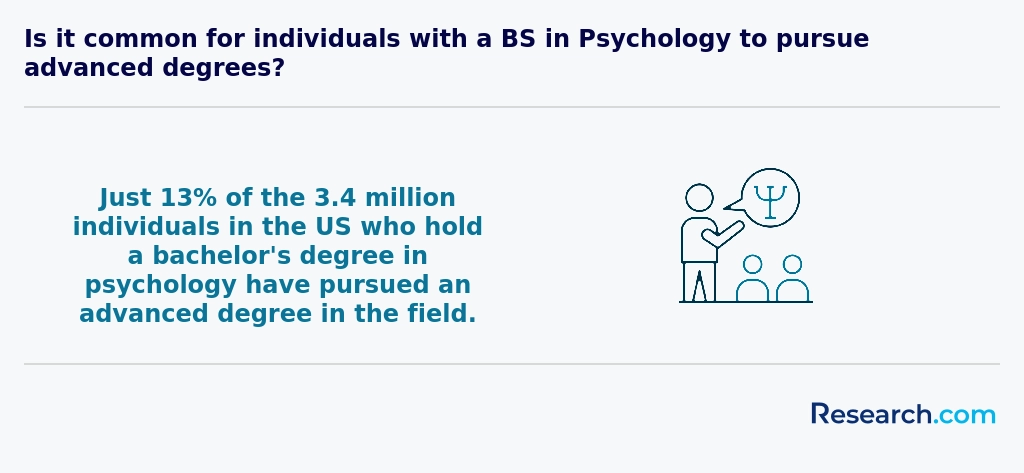
If you're looking into psychology careers in New York, you'll find plenty of options beyond the classic therapist or counselor path. Graduates from well-known schools like NYU or Fordham often dive into roles in human resources, where they use their psychology know-how to boost employee happiness and team dynamics. Others find themselves working in educational psychology within NYC's vibrant school system, helping students thrive in real classrooms.
Some grads love the research vibe, landing gigs at universities or private firms studying behavior and social trends. There's also a cool niche in forensic psychology, applying psychology within the legal system-perfect if you like mixing science with real-world drama. Health psychology roles, supporting patients managing chronic diseases, are growing too.
It's good to keep in mind that job opportunities with psychology degree New York are especially plentiful around the metro area with its tons of hospitals and research hubs. If you want to plan your studies smartly, check out the Inexpensive Psychology Degree Programs Ranking in Iowa for comparison on costs outside New York to help balance expenses.
The job market for psychology degree holders in New York is pretty exciting, especially for those graduating from well-known schools like Columbia University or NYU. Graduates often share how their internships and hands-on experience in NYC hospitals or schools gave them a real edge when applying for jobs. The demand for roles in clinical and counseling psychology is strong, thanks to growing mental health awareness across the state. This means more job openings and better salary prospects compared to other places.
If you're exploring psychology degree job opportunities New York offers, you'll find plenty of options beyond clinical roles. For example, industrial-organizational psychology graduates often land jobs in large corporations or consulting firms in Manhattan, making use of their specialized skills. Plus, New York's licensing requirements push many students toward advanced degrees, improving their chances of success in this competitive market.
Cost-wise, attending a program in New York can vary widely, but many students find that investing in their education pays off given the dynamic job market. If you want to speed things up, consider looking into fast track degrees online to start your journey without delay.
New York psychology graduate employment outlook shines bright with opportunities in healthcare, education, research, and social services, making it an attractive place for psychology grads aiming to build a meaningful career.
2027 Most Popular Psychology Degree Programs Ranking in New York
Investing in your education is a significant decision that can shape your future, and the Research.com team understands the importance of making informed choices. To assist prospective students, we have meticulously crafted the "2027 Most Popular Psychology Degree Programs Ranking in New York." Our commitment to quality, credibility, and accuracy is reflected in the extensive research and analysis conducted to compile this ranking.
We utilized the following reputable data sources to ensure a comprehensive evaluation of psychology programs:
By exploring this ranking, readers will gain valuable insights into the best psychology degree programs available in New York, helping them make well-informed decisions about their educational paths. For more details on our methodology, please visit our Research.com methodology page.


# 6 position
Columbia University in the City of New York
Master of Arts in Psychology in Education (Clinical Psychology)


Frequently Asked Questions About psychology
Psychology degree students in New York can maximize their learning experience by engaging in internships and research opportunities offered by local institutions. New York has numerous hospitals, mental health clinics, and research centers where students gain practical experience, essential for applying theoretical knowledge.
Participating in student organizations related to psychology encourages networking and professional development. For example, New York University's Psychology Department reports that 70% of its students secure internships through these channels.
Additionally, students should take advantage of workshops and guest lectures in New York's academic community to stay updated on current research trends and methodologies.
Developing strong relationships with faculty mentors also supports academic success and career guidance in a competitive job market.
Emerging niches within the psychology field in New York reflect broader national trends but also reveal unique regional demands. One rapidly growing area is neuropsychology, involving the study of brain-behavior relationships, which is supported by New York's strong medical and research institutions. According to the U.S. Bureau of Labor Statistics, neuropsychology positions are expected to grow faster than average through 2030.
Another expanding niche is digital and cyber psychology, focusing on human interactions with technology and online behavior. This field is gaining importance in a tech-forward city like New York. Additionally, health psychology, emphasizing mental and physical health connections, remains vital as New York addresses diverse public health challenges. These niches offer promising pathways for students pursuing psychology degrees in the state.
After completing a psychology degree in New York, preparing for the job market involves several strategic steps. Graduates should consider obtaining relevant licensure, such as becoming a Licensed Mental Health Counselor (LMHC), which is highly valued in the state. Networking is crucial; joining professional organizations like the New York State Psychological Association can provide valuable connections.
Internships or practicum experiences gained during studies are important for building practical skills. According to the U.S. Bureau of Labor Statistics, New York offers diverse psychology-related job opportunities, especially in healthcare and education sectors, with a median annual wage higher than the national average.
Continuing education or certifications in specialized fields such as clinical psychology or school psychology also enhance employability.
Employers in New York seeking psychology degree graduates prioritize a combination of technical and interpersonal skills. Critical thinking and analytical abilities are essential for interpreting complex behavioral data. Communication skills, both verbal and written, allow graduates to effectively share findings and collaborate with clients or colleagues. According to the New York State Department of Labor, adaptability and problem-solving are increasingly valued due to dynamic work environments in mental health and social services.
In addition, knowledge of research methods and statistical analysis software, such as SPSS or R, is often required. Ethical practice and cultural competence are crucial given the diverse population of New York City and statewide.
Finding internships in New York relevant to psychology degrees involves leveraging university resources and local organizations. Many New York universities, such as NYU and Columbia, have dedicated career centers that maintain internship listings tailored for psychology students. These centers often partner with hospitals, research labs, and community agencies offering placements.
The New York Psychological Association provides additional guidance and networking opportunities for students seeking practical experience. According to the Bureau of Labor Statistics, internships related to psychology can range from clinical support roles to behavioral research positions in New York's diverse settings.
Students should also explore New York City's nonprofit sector, which frequently offers internships focusing on mental health services and counseling.
A psychology degree significantly enhances career mobility and advancement opportunities in New York. The state's diverse economy includes healthcare, education, social services, and corporate sectors where psychological expertise is highly valued. According to the U.S. Bureau of Labor Statistics, employment of psychologists in New York is projected to grow faster than the national average through 2031. This growth stems from increasing mental health awareness and demand for psychological services.
Graduates with psychology degrees can pursue roles such as clinical psychologists, counselors, or human resource specialists. Advanced degrees, like a master's or doctorate, often lead to higher salaries and leadership positions. Networking through internships or local professional organizations also supports career advancement in the region.
Studying for a psychology degree in New York offers students a unique opportunity to engage with interdisciplinary roles due to the state's diverse academic and professional landscape. New York universities often integrate psychology with fields such as healthcare, education, and social work, preparing graduates for varied career paths. The New York State Education Department reports that approximately 65% of psychology graduates pursue work beyond traditional counseling, including roles in data analysis, human resources, and public health.
Programs emphasize collaboration across disciplines, fostering skills in research, communication, and critical thinking. Access to internships in New York City's extensive healthcare and social service sectors further enhances practical, interdisciplinary experience.
When choosing between a thesis and a non-thesis psychology degree program in New York, consider your career goals carefully. Thesis programs typically require original research and suit students aiming for doctoral studies or research roles. Non-thesis tracks focus more on coursework and practical application, which may benefit those pursuing clinical work or industry positions.
New York universities often align thesis options with research-intensive settings, such as at CUNY or SUNY campuses, where psychology research funding is significant. According to the APA, about 40% of New York psychology graduate students opt for thesis tracks, reflecting local academic priorities.
Time commitment differs: thesis programs may extend degree duration by months due to research demands. Evaluate if your schedule and interests align better with practical training or investigative work before enrolling.
Students based in New York seeking to study psychology abroad have several pathways available through partnerships and exchange programs. Many universities in New York, including CUNY and SUNY systems, offer study abroad opportunities with psychology courses recognized by U.S. institutions. These programs typically last a semester or a year, allowing students to gain international experience while earning credits toward their degree.
Additionally, students can explore internships or research collaborations abroad, often facilitated by their home institution's psychology departments. According to the Institute of International Education, New York consistently ranks among the top states sending students overseas, emphasizing the accessibility of global education.
Financial aid and scholarships are commonly available to support these experiences, reducing the barriers for New York students interested in psychology studies abroad.
In New York, part-time job opportunities that align well with psychology degree studies include roles such as behavioral health technician, research assistant, and case manager. These positions provide practical experience relevant to various psychology fields. According to the New York State Department of Labor, behavioral health technicians can expect entry-level wages ranging from $15 to $20 per hour. Research assistant roles at universities in New York City often involve supporting psychology faculty with data collection and analysis, offering valuable insight into experimental methods. Case management jobs in social service agencies help students understand client relations and outreach efforts in urban settings.
Such jobs not only reinforce academic learning but also enhance resumes by demonstrating applied skills. Flexible part-time schedules in clinics, hospitals, and community centers make these options suitable for students balancing coursework. Pursuing positions during or between semesters aids networking within New York's extensive mental health and research communities, improving post-graduate employment prospects.
Psychology students in New York benefit from numerous networking opportunities through local universities and professional organizations. Institutions such as New York University and Columbia University host regular career fairs, guest lectures, and student-run psychology clubs that connect students with faculty and practicing professionals.
The New York State Psychological Association offers student memberships, providing access to conferences and workshops where networking with licensed psychologists and researchers is possible. According to the Bureau of Labor Statistics, New York employs over 20,000 psychologists, creating a strong professional community for aspiring students to engage with.
Additionally, internships at hospitals, mental health clinics, and research centers in New York City offer practical experience while expanding professional networks.
Alumni networks offer valuable support for psychology degree students in New York by providing mentorship opportunities and career guidance. Graduates often connect current students with professionals working in clinical, research, and counseling roles, helping them navigate the competitive job market. According to the New York State Psychological Association, active alumni involvement can increase internship placements by up to 20% for psychology students.
These networks also facilitate access to job openings, conferences, and workshops tailored to New York's diverse psychological fields. Many schools host alumni events to foster relationships, which helps students build professional contacts essential for licensure and employment. Such connections are especially important in a state where 11,000 licensed psychologists are practicing, according to the Bureau of Labor Statistics.
Customizing a psychology degree in New York begins with selecting a program that offers diverse electives and specializations. Many New York institutions, such as New York University and Columbia University, provide options in clinical, counseling, forensic, and industrial-organizational psychology. This flexibility allows students to tailor their studies toward specific career paths.
Students can also pursue internships and research projects in local hospitals, schools, or forensic centers, gaining hands-on experience relevant to their interests. According to the New York State Education Department, these practical experiences improve job prospects after graduation.
Additionally, students may opt for dual degree programs or certifications-like mental health counseling-to enhance career readiness. Academic advisors at these institutions assist in aligning coursework with long-term professional goals.
Psychology students in New York often face significant challenges related to high tuition costs and living expenses. According to the College Board, the average annual tuition for in-state public universities in New York exceeds $8,000, while private institutions can charge upwards of $30,000 per year.
Another common challenge is balancing rigorous coursework with practical field experience. Many psychology programs require students to complete internships or practicums, which can be time-consuming and competitive to secure, especially in urban settings.
Additionally, the demand for mental health professionals in New York is growing, yet students may struggle with navigating complex licensure requirements, including the hours needed for supervised experience.
The competitive nature of graduate program admissions also adds pressure, with students often striving for high GPAs and research experience to stand out.
Sources include the New York State Education Department and the American Psychological Association.
With a psychology degree in New York, graduates can pursue various professional certifications to advance their careers. Common certifications include becoming a Licensed Mental Health Counselor (LMHC), Licensed Clinical Social Worker (LCSW), or Licensed Psychologist. The LMHC credential requires a master's degree, supervised clinical hours, and passing a state exam. Psychologists need a doctoral degree and must pass the Examination for Professional Practice in Psychology (EPPP).
Other certifications include Certified Alcohol and Substance Abuse Counselor (CASAC) recognized by New York State, which supports careers in addiction treatment. According to the New York State Office of Addiction Services, demand for CASAC professionals is growing.
These credentials enhance employment opportunities in diverse settings like hospitals, schools, and private practices across New York.
Applying to a psychology program in New York requires a clear focus on academic achievement and relevant experience. Most programs seek applicants with strong undergraduate GPAs, typically above 3.0, and coursework in psychology or related fields.
Writing a compelling personal statement is crucial. Highlight your passion for psychology, research interests, and any practical experience such as internships or volunteer work, especially within New York's diverse communities.
Letters of recommendation should come from professors or professionals familiar with your academic abilities and commitment to psychology. These strengthen your application by providing credible endorsements.
Standardized test requirements vary, but many New York institutions have become test-optional. Still, competitive GRE scores may enhance your profile at research-focused schools.
Consult sources like the New York State Education Department and specific university admissions pages for updated deadlines and requirements.
Psychology careers in New York are shaped by both local and global trends. Worldwide, psychology remains a vital field addressing mental health, human behavior, and social issues. In the U.S., including New York, the Bureau of Labor Statistics projects a 8% growth for psychologists from 2022 to 2032, faster than average for all occupations.
New York hosts diverse populations, requiring culturally informed practices, reflecting a global emphasis on diversity in psychology. Graduates often find opportunities not only in clinical settings but also in research, education, and organizational psychology.
Comparatively, U.S. psychology degrees are valued globally for their strong research components and practical training. New York's institutions frequently collaborate internationally, enriching students' perspectives. According to the American Psychological Association, more than 18,000 psychology degrees were awarded in New York in recent years, showing sustained interest in the field.
Gaining practical experience while studying for a psychology degree in New York is essential for career readiness. Many universities offer internship programs in hospitals, schools, and community centers across the state. According to the New York State Education Department, supervised internships can often count toward licensure requirements.
Students can also participate in research assistant positions at their institutions. New York, home to numerous research hospitals and agencies, provides opportunities to engage in ongoing psychological studies. Volunteering at local mental health clinics or nonprofit organizations is another practical option to gain hands-on experience.
Networking through career services and joining psychology student associations in New York can further help secure these roles.
Choosing the right concentration within a psychology degree program in New York involves understanding your career goals and interests. New York offers diverse options such as clinical, counseling, educational, and industrial-organizational psychology. Each concentration prepares students for different roles, from therapy to workplace consulting.
Research current job market trends in New York. For example, clinical and counseling psychology are in high demand due to growing mental health awareness, according to the New York State Education Department. Industrial-organizational psychology is also expanding, driven by businesses seeking to improve employee performance.
Consider program accreditation and faculty expertise. Schools in New York are regulated by the New York State Education Department, ensuring quality standards. Visiting program websites and speaking with advisors can clarify concentration requirements and opportunities.
- 2027 Most Popular Psychology Degree Programs Ranking in Bronx
- 2027 Most Popular Psychology Degree Programs Ranking in Queens
- 2027 Most Popular Psychology Degree Programs Ranking in Albany
- 2027 Most Popular Psychology Degree Programs Ranking in Amherst
- 2027 Most Popular Psychology Degree Programs Ranking in Worcester
- 2027 Most Popular Psychology Degree Programs Ranking in Boston
- 2027 Most Popular Psychology Degree Programs Ranking in Rochester
- 2027 Most Popular Psychology Degree Programs Ranking in Buffalo
- 2027 Most Popular Psychology Degree Programs Ranking in Cleveland
- 2027 Most Popular Psychology Degree Programs Ranking in Durham
See What Experts Have To Say About Studying Psychology
Read our interview with Psychology experts

Joann Farrell Quinn, Ph.D., MBA
Psychology Expert
Director at the College of Medicine Department of Medical Education
Morsani College of Medicine

Robin M. Kowalski. Ph.D.
Psychology Expert
Professor of Psychology
Clemson University

Catherine Caldwell-Harris, Ph.D.
Psychology Expert
Associate Professor of Psychology
Boston University

- Psychology B.A / B.S. / Minor https://manhattan.edu/academics/programs/psychology
- Ontario Psychological Association - Networking and Community Resources https://www.psych.on.ca/become-a-member-(1)/member-services/networking-and-community-resources
- Psychology Degree Online Programs in New York https://www.onlinepsychologydegrees.com/states/new-york/
- What can I do with a psychology degree? https://www.hull.ac.uk/study/undergraduate/courses/psychology-bsc-hons/what-can-i-do-with-a-psychology-degree
- Alumni Perspectives - Meet Our FPN Alumni https://www.aanmelder.nl/alumni-perspectives-june-2023
- Common mental health challenges faced by university students https://www.problemshared.net/resources/mental-health-at-university
- Why Get a Psychology Degree Online? | University of Bridgeport https://www.bridgeport.edu/news/reasons-to-get-your-psychology-degree-online/
- Psychology Placement Opportunities for Year 12 Students https://studymind.co.uk/ucas-guide/year-12-guide-to-gaining-psychology-work-experience/
- Professional Networking For Psychologists | Psychology.org https://www.psychology.org/resources/professional-networking/
- Mental Health Challenges Faced by Psychology Students | The Healthcare Guys https://healthcareguys.com/2023/11/23/mental-health-challenges-faced-by-psychology-students/


