
2027 Easiest Online Doctorate in Psychology Degree Programs Ranking in the USA

Co-Founder and Chief Data Scientist
Choosing the right online doctorate in psychology program can feel overwhelming, especially with so many options available. To simplify your search, this article presents the 2027 Easiest Online Doctorate in Psychology Degree Programs Ranking in the USA, developed by the Research.com team of data scientists. This trusted ranking helps you identify programs that balance quality and accessibility, making your journey smoother.
Whether you seek career advancement or personal growth, earning a psychology doctorate opens many doors. Reading this article will guide you toward smart choices and inspire confidence in your educational path.
Key benefits of getting online psychology degree in America
- Graduates with a psychology degree can earn competitive salaries, such as Clinical Psychologists making an average of $106,600 annually and Forensic Psychologists earning around $110,300, reflecting strong financial reward potential.
- Career paths for psychology graduates are diverse, ranging from clinical and forensic psychology to neuropsychology, offering exciting opportunities to make a real impact in various fields.
- Online psychology degrees offer flexible schedules and accessibility, allowing students to balance life commitments while gaining the same respected education as traditional programs, as many online graduates from top universities report.
- 2027 Easiest Online Doctorate in Psychology Degree Programs Ranking in the USA
- What can I expect from online psychology degree in America?
- Where can I work with online psychology degree in America?
What can I expect from online psychology degree in America?
The average cost of an online psychology degree in America can be surprising when you consider the full picture. Many graduate students at well-known universities like the University of Florida or Arizona State University share how tuition typically ranges from $400 to $1,200 per credit hour. This means the overall investment depends heavily on how many credits are required and the school's pricing.
One graduate described the challenge of balancing tuition costs with daily life, managing part-time work while appreciating the flexibility of asynchronous courses. Another found relief in financial aid and employer tuition assistance, which made aiming for an online master's degree more accessible without compromising on quality.
This cost variation echoes a deeper reality: studying psychology online in America is not just about money but about valuing a program that fits your personal and professional ambitions. The ability to study with a flexible schedule while engaging deeply with core psychology topics gives students confidence that their investment nurtures both immediate growth and long-term career success.
Where can I work with online psychology degree in America?
Graduates with an online psychology degree in America often find themselves entering diverse and rewarding career paths. Many step into clinical roles in hospitals or counseling centers, where they apply their skills helping individuals cope with mental health challenges. For instance, students from popular institutions like Arizona State University or Penn State report feeling empowered when their online training prepares them for licensure, allowing them to offer therapy in their communities.
Others pursue roles in schools, supporting children's emotional growth and academic success as school psychologists-an area with growing demand nationwide. Many graduates experience pride knowing their work directly impacts young lives, often referencing their practicum experiences embedded in accredited programs that blend remote study with hands-on training.
The corporate world also welcomes psychology holders, with graduates working to enhance employee wellbeing and workplace culture-a shift many find energizing as they see psychological principles transform real office environments. Research jobs and forensic psychology offer paths for those craving intellectual challenge or involvement with the justice system, frequently pursued by those who continue their education beyond their bachelor's degree.
Ultimately, the flexible nature of online degrees combined with rigorous credentials opens doors across healthcare, education, business, and beyond, inspiring graduates to pursue careers rich in meaning and impact.
Graduates from online psychology programs in America often find their earning potential shaped dramatically by the specialization they pursue. For example, those stepping into clinical psychology roles can anticipate mean annual wages around $106,600, reflecting the depth of training provided at institutions like Arizona State University or the University of Florida's popular online psychology programs.
Other graduates who dive into forensic or neuropsychology fields discover impressive salary figures near $110,300 per year, highlighting the premium placed on this advanced expertise. These figures align with insights from students at well-known schools such as the University of Southern California, who report that focusing on specialized areas unlocks higher income opportunities.
Research scientist roles, often pursued by psychology graduates from schools like Penn State's online campus, offer slightly lower but still competitive wages averaging $102,210 annually. These career paths illustrate how online degrees can rival traditional on-campus programs when coupled with strong professional credentials.
The story of many graduates underscores an empowering reality: your income is not only a function of your degree but also your chosen niche and licensure, with licensed psychologists surpassing typical salary bands, often exceeding $120,000, depending on location and client engagement.
- Tuition for a bachelor's degree in psychology at public universities ranges from $30,000 to $60,000, while private schools often charge more.
- Graduate psychology programs cost between $20,000 and $70,000, with some online options offering flexible payment plans.
- Starting salaries for bachelor's degree holders average around $40,000 per year, while doctorate holders can earn over $80,000 early in their careers.
- The job market for psychologists is expected to grow by 8% from 2021 to 2031, which is faster than the average for all occupations.
- Licensure requirements vary by state and usually include supervised clinical hours and passing exams like the EPPP for practicing psychologists.
One graduate described how pursuing a master's degree online from a reputable university stretched from the anticipated two years to nearly three, thanks to a thesis project that ignited newfound passion. Doctoral candidates, especially at universities like Walden or Capella, face 4 to 7 intense years incorporating internships and research-often longer than expected but ultimately rewarding those willing to persevere.
These timelines aren't rigid; flexibility can transform challenges into opportunities for growth, making an online psychology degree in America a truly personal experience.
Accreditation is one of the most important checks before enrolling in an online doctorate in psychology. At a minimum, the institution should hold regional accreditation from a recognized accrediting body such as the Higher Learning Commission (HLC) or Southern Association of Colleges and Schools Commission on Colleges (SACSCOC). For doctoral-level clinical, counseling, or school psychology programs, American Psychological Association (APA) accreditation or National Association of School Psychologists (NASP) approval can be essential, depending on your career and state licensure goals.
Licensure rules vary by state, but they commonly include completion of a doctoral degree, a minimum of 1,500 supervised practicum hours, an internship of at least 2,000 hours, and passing the Examination for Professional Practice in Psychology (EPPP). Because state boards can differ on coursework, internship format, supervision documentation, and post-doctoral requirements, students should contact their state psychology board before applying.
What to verify before enrolling
- Institutional accreditation: Confirm the university is regionally accredited.
- Programmatic accreditation: For clinical, counseling, and school psychology, check whether APA accreditation or NASP approval is required or strongly preferred in your state.
- Coursework alignment: Review whether the curriculum includes required areas such as psychometric assessment, neuropsychology, ethics, research design, and multicultural competence.
- Clinical training structure: Ask how practicum, internship, supervision, and local placements are arranged for online students.
- Licensure documentation: Make sure the program helps students track supervised hours, evaluations, and state board paperwork.
Internship quality can affect both employability and licensure mobility. Programs with APA-accredited internship networks, healthcare partnerships, community mental health connections, or strong placement advising may give students a clearer path from coursework to supervised practice.
Students seeking advanced preparation in brain-behavior relationships can also review psyd neuropsychology programs online to understand how neuropsychology-focused doctoral study may connect with practicum, dissertation, and licensure planning.
Choosing between online and on-campus psychology degrees in America often boils down to how you want to experience your education. Graduates from institutions like the University of Michigan reflect on the vibrant campus life-late-night study groups, impromptu hallway conversations with professors, and hands-on lab work that online formats can rarely replicate. These direct interactions often foster deeper personal connections and immediate feedback, crucial for mastering complex psychological concepts.
Conversely, alumni of online programs from schools such as Arizona State University highlight the freedom to balance studies with full-time jobs or family commitments. They speak positively about asynchronous classes that allow them to learn at their own pace, making education accessible without uprooting their lives. This flexibility often brings a sense of empowerment and reduces logistical stress, especially for students in rural areas across America.
While the cost difference-averaging around $10,740 annually on-campus versus potentially less online-plays into decision-making, it's the contrasting learning experiences that truly define each path. Both formats meet rigorous APA standards eventually, yet the question remains: do you seek immersive, in-person engagement or adaptable, self-directed learning?
When comparing online doctorate options in psychology, the biggest decision is often whether to pursue a PhD or a PsyD. Both can support advanced psychology careers and may lead to licensure when the program meets state requirements, but they are designed for different goals.
| Program type | Primary focus | Typical completion time | Best fit |
| PhD in Psychology | Original research, theory, statistics, dissertation, and academic scholarship | 5–7 years | Students interested in academia, research, teaching, or scientist-practitioner careers |
| PsyD in Psychology | Clinical practice, assessment, intervention, supervised training, and applied doctoral projects | 4–6 years | Students primarily interested in direct clinical practice and practitioner-focused training |
PhD programs often admit fewer students and may place greater weight on GPA, research experience, writing samples, faculty fit, and scholarly interests. PsyD programs may emphasize clinical readiness, supervised experience, interpersonal skills, and commitment to practice. PsyD students may also complete more supervised clinical hours earlier in the program, while PhD students often devote more time to research design, data analysis, and dissertation work.
Neither option is automatically easier. A program may feel more manageable if its structure matches your strengths. Research-driven students may prefer a PhD, while practice-oriented students may prefer a PsyD. Before applying, compare accreditation, internship outcomes, licensure alignment, faculty expertise, dissertation or project expectations, residency requirements, and total cost.
Some applicants strengthen their academic foundation or improve doctoral readiness by completing an online psychology masters before applying to a PhD or PsyD program.
The average cost of an online psychology degree in America is shaped by many variables, but median figures offer a clearer perspective. Students attending public universities as in-state residents typically face a median total cost near $18,180, making higher education more accessible. However, out-of-state students usually encounter expenses around $54,900, reflecting the added premium for non-resident tuition. These costs reveal the significant financial decisions learners must weigh when choosing where to study psychology online.
Consider graduates from well-known universities who often reflect on managing these costs alongside their ambitions. Many find reassurance in programs known for balancing affordability and quality, such as those highlighted among the most affordable psychology colleges. Their journeys underscore that while tuition is a major factor, personal motivation and institutional reputation also meaningfully shape the perceived value of an online psychology degree.
When contemplating the total tuition fees for online psychology doctorate in the USA, the investment tends to be far greater but remains a gateway to advanced professional opportunities. Those who pursued doctoral studies share how the substantial costs are often mitigated by scholarships, employer tuition reimbursement, and financial aid, reinforcing the idea that high tuition does not always mean insurmountable debt.
Reflecting on the average cost of online psychology degree USA invites students to ask themselves: How do these numbers align with their aspirations and resources? Understanding the nuanced interplay of residency, program type, and individual circumstance encourages a deeper, more thoughtful approach toward financing a psychology education that truly fits their future.
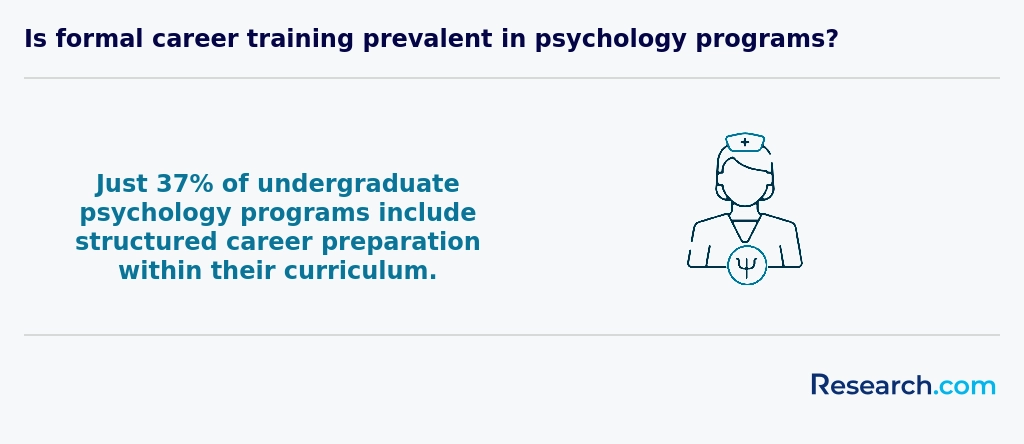
Online psychology careers are being shaped by technology, interdisciplinary practice, and increased demand for behavioral expertise across healthcare, education, legal, corporate, and research settings. Teletherapy, digital mental health platforms, remote assessment tools, data-informed intervention design, and online supervision models are changing how psychologists and psychology-trained professionals work.
One notable area is legal and behavioral assessment. The growing need for psychological expertise in investigations, correctional systems, risk assessment, expert testimony, and consulting has contributed to continued interest in forensic psychology demand. Students considering this path should look for coursework in assessment, ethics, psychopathology, law, and research methods, along with supervised experiences that fit forensic or correctional settings.
Career trends to watch
- Telehealth and digital care: Graduates with clinical training may work with remote therapy platforms, integrated care teams, or hybrid mental health practices, subject to licensure rules.
- Behavioral data and research: Psychology graduates with statistics and research skills can support user research, health behavior studies, academic labs, and program evaluation.
- Workplace psychology: Industrial-organizational psychology continues to attract students interested in employee well-being, leadership, training, and organizational effectiveness.
- Forensic and public safety roles: Specialized training can support careers involving courts, corrections, law enforcement consultation, victim advocacy, and behavioral analysis.
- Interdisciplinary practice: Psychology increasingly overlaps with neuroscience, education, public health, human resources, criminal justice, and technology.
The strongest candidates usually combine a recognized degree with supervised experience, strong writing and research skills, ethical judgment, and a clear plan for licensure or non-licensure career goals.
Many students pursuing an online psychology degree in America find financial aid to be a lifeline rather than a mere convenience. Graduates from well-known institutions like the University of Florida or Arizona State University often share how the federal Pell Grant, with its maximum award of $7,395, significantly eased their undergraduate burden, allowing them to focus on coursework rather than constant stress about tuition fees.
Graduate psychology students, especially those enrolled at schools such as UCLA or the University of Michigan, frequently navigate the complexity of Direct Unsubsidized and Grad PLUS Loans. While loan debt can be daunting, many recount how careful planning and loan counseling empowered them to borrow responsibly, turning these loans into manageable investments in their future careers.
State-specific grants often go unnoticed but provide substantial relief for in-state students attending public universities online. Coupled with scholarships from organizations like the American Psychological Association, these funding sources transform seemingly unattainable degrees into achievable goals.
Employer tuition assistance and institutional aid further refresh the financial landscape, making the dream of an online psychology degree in America both accessible and rewarding.
An online doctorate in psychology should be judged by whether it can help you reach your intended professional outcome. For students who want to become licensed psychologists, proper accreditation and state licensure alignment are nonnegotiable. APA-accredited programs or regionally accredited institutions are more likely to be recognized by licensing boards, employers, and internship sites.
Graduates of APA-accredited programs are typically eligible to sit for the Examination for Professional Practice in Psychology (EPPP) and complete supervised practice hours required for licensure. However, state requirements vary. Florida, for example, mandates 4,000 hours of supervised experience and successful completion of the Florida Laws and Rules Examination. Other states may require jurisprudence exams, post-doctoral supervised hours, specific coursework, or additional documentation.
Prospective students should compare each program against the requirements of the state where they plan to practice. If you expect to move, ask admissions staff whether graduates have obtained licensure in multiple states and whether the program provides licensure disclosures by state.
Students comparing cost and accreditation in a specific location can review the Most Affordable Online Psychology Degree Programs Ranking in Florida as part of a broader search for regionally accredited, cost-conscious options.
Licensure planning checklist
- Identify your target state board of psychology before applying.
- Confirm whether APA accreditation is required, preferred, or optional in that state.
- Ask how the program supports practicum and internship placement for online students.
- Document supervised hours from the beginning of training.
- Plan for the EPPP, state exams, and continuing education requirements.
Enrolling in an online psychology degree in America demands more than just ambition; it requires a solid foundation demonstrated by specific prerequisites. For example, graduates from well-known institutions like Arizona State University often recall how a simple high school diploma wasn't enough-maintaining a GPA near 2.5 and navigating test-optional policies became key hurdles to clear for bachelor's programs. This combination of academic readiness and personal motivation, often showcased through compelling statements or recommendation letters, shapes the initial gateway.
At the graduate level, the stakes rise. Those pursuing master's or doctoral programs at universities like the University of Florida emphasize the importance of holding an accredited bachelor's degree, often in psychology or a related social science, paired with a GPA above 3.0. Many describe the process of submitting GRE scores and crafting a statement of purpose that reflects their unique aspirations as critical steps, revealing deeper self-awareness and commitment.
Beyond academics, applicants who share their practical experiences-be it research involvement or meaningful work-find their applications resonating with admission committees. This blend of credentials and real-world engagement, mirrored across renowned American schools, transforms admission from a checklist into an empowering journey of self-discovery.
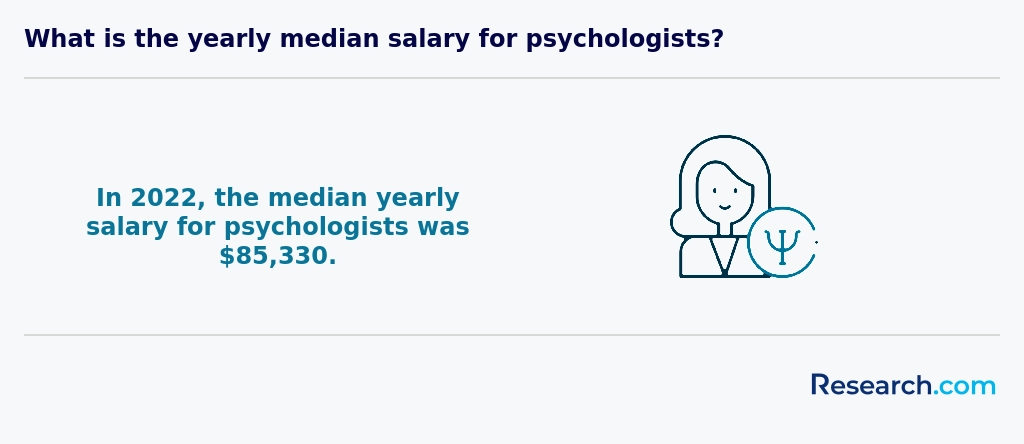
Affordability should be evaluated by total program cost, not tuition alone. Online psychology students should compare per-credit rates, required credits, technology fees, books, residency or campus visit expenses, practicum-related costs, and whether tuition differs for in-state and out-of-state students. A program with a low advertised rate can become expensive if it requires more credits, extended enrollment, or repeated travel.
Students looking for lower-cost options can begin by reviewing most affordable psychology colleges, then narrowing the list by format, accreditation, specialization, and licensure fit. Public universities, transfer-friendly programs, employer tuition benefits, and scholarships can all reduce the final price.
How to compare affordable online psychology programs
- Calculate the full degree price. Multiply tuition by required credits, then add fees, books, software, background checks, and clinical placement expenses.
- Check residency requirements. Some online doctoral programs require in-person intensives, which can add travel and lodging costs.
- Ask about transfer credits. Prior graduate coursework may shorten the program and reduce tuition.
- Prioritize accreditation. A cheaper program is not a good value if it does not support licensure, employment, or future academic goals.
- Compare aid packages, not just sticker prices. Scholarships, grants, assistantships, and employer sponsorship can change the real cost substantially.
In online psychology degree programs across America, students often dive into core courses like introductory psychology, which opens the door to exploring fundamental theories and research methods. Graduates from well-known institutions, such as the University of California or Ohio State University, frequently reflect on how the initial statistics and research methods courses transformed their approach to understanding human behavior, equipping them with skills to analyze real-world data critically.
Many find themselves intellectually exhilarated by courses like Cognitive Psychology, where they explore memory and problem-solving, or Developmental Psychology that narrates the story of human growth. Social Psychology challenges students to see everyday social interactions in a new light, revealing underlying influences often missed in casual observation.
Beyond theory, courses like Biopsychology open windows into the biological mechanisms driving behavior, often sparking newfound appreciation for the brain's complexity. Ethical considerations and psychological testing are also emphasized, ensuring graduates not only understand science but appreciate their responsibility in applying it, making students from large public universities feel prepared and confident for diverse career paths.
Online psychology degree specializations USA offer intriguing options that go beyond what many expect. Graduates from universities like the University of Florida and Arizona State often find themselves drawn to clinical psychology, where they engage deeply with diagnosing and treating mental illness, preparing for rewarding careers as licensed therapists. Others gravitate toward counseling psychology, thriving on the emotional rewards of guiding individuals through everyday stresses in schools or private practices.
Industrial-organizational psychology is particularly appealing for those interested in how human behavior influences workplace productivity and well-being. Many students from top American programs appreciate the practical impact this specialization has on businesses and employee satisfaction, making it an exciting path both intellectually and financially.
For those fascinated by the intersection of psyche and law, forensic psychology stands out as an exceptional choice. Graduates often remark on the thrill of assessing legal cases and contributing to justice, which is reflected in the growing forensic psychology demand nationwide. Meanwhile, developmental psychology captivates learners who find purpose studying human growth from childhood through later years.
Exploring psychology doctorate specialization options America-wide reveals a landscape vibrant with potential, rich in personal satisfaction and professional promise.
Choosing the best online psychology degree in America isn't just about picking the cheapest or most prestigious university; it's about aligning accreditation, curriculum, and personal life demands with your career goals. Graduates from well-known public universities often highlight how APA accreditation made their degrees credible for licensure, especially in clinical roles. Yet, some find deeper satisfaction in programs that integrate applied experiences, like internships offered by universities in states with strong licensure pathways, bringing textbook theories to life.
Think beyond tuition costs alone. Many students pursuing affordable online doctorate in psychology America find value in schools that offer in-state tuition to all online learners, saving thousands annually. Popular colleges known for flexible formats appeal to those balancing work and family, offering asynchronous classes that fit real-life schedules without sacrificing interaction or support.
For those considering advanced pathways, exploring specialized options such as psyd neuropsychology programs online can provide targeted skills and research opportunities. Reflecting on these factors can transform the search into a strategic pursuit of the best online psychology degree programs USA that truly resonate with your personal journey.

Graduates with an online psychology degree in America find themselves at crossroads of diverse career paths that extend far beyond traditional roles. Many begin as psychiatric technicians or behavioral health technicians, gaining crucial experience in real-world settings like hospitals or community centers. Some graduates from institutions such as Arizona State University or the University of Florida report how these roles instill confidence and a deep sense of purpose. Yet, the journey doesn't end there-master's degree holders capitalize on expanded opportunities, moving into roles as licensed professional counselors or school psychologists, often balancing work with a passion for lifelong learning.
It's eye-opening that industrial-organizational psychology, popular among graduates from colleges like Penn State, offers lucrative pathways impacting workplace dynamics and culture. Doctoral graduates often emerge as clinical psychologists or researchers, armed with skills to influence policy or specialize in emerging fields like neuropsychology. These examples illustrate how an online psychology degree can unlock professional fulfillment and financial reward in unexpected ways.
For those navigating psychology job opportunities in America, state licensure and practical experience remain pivotal. Exploring affordable programs through the Most Affordable Online Psychology Degree Programs Ranking in Florida can be a strategic move that opens doors without overwhelming debt.
The job outlook for online psychology degree in USA defies simple expectations. Graduates from renowned institutions like the University of Florida or Arizona State University often find themselves navigating a landscape energized by growing demand but also shaped by rigorous state licensure requirements. For example, one graduate shared how her online master's program equipped her not only with theory but also with supervised clinical hours, making her competitive in healthcare roles.
Career opportunities with online psychology degree in America span clinical, educational, and industrial settings, each demanding specialized skills and certifications. Graduates from major psychology programs have reported rewarding experiences working in diverse environments-from schools in urban centers to research facilities in suburban areas-where their training directly impacts real-world challenges.
Many pursuing these degrees weigh costs carefully, as tuition can vary widely, but understanding potential salary ranges and job growth tempers that concern. Some students leverage their degree toward counseling roles, while others explore niche fields, all driven by positive outcomes and job satisfaction. And for those curious about alternatives, the highest paying job in trade school offers a different but equally promising path.
2027 Easiest Online Doctorate in Psychology Degree Programs Ranking in the USA
Investing in your education is a significant decision that can shape your future, and the Research.com team understands the importance of making informed choices. To assist prospective students, we have meticulously crafted the "2027 Easiest Online Doctorate in Psychology Degree Programs Ranking in the USA." Our commitment to quality, credibility, and accuracy is reflected in the extensive research and analysis conducted to compile this ranking.
We utilized the following reputable data sources to ensure a comprehensive evaluation of programs:
By exploring this ranking, readers will gain valuable insights into the easiest online doctorate options in psychology, empowering them to make well-informed decisions about their educational journey. For more details on our methodology, please visit our Research.com methodology page.

# 2 position
University of Missouri
Doctor of Psychiatric Mental Health Nurse Practitioner (Across the Lifespan)

# 3 position
Walden University
Doctor of Psychology

# 4 position
Amridge University
Doctor of Family Therapy


Frequently Asked Questions About psychology
To maximize their learning experience, online psychology degree students in America should actively engage with course materials and peers. Research from the American Psychological Association highlights that students who participate in virtual discussions and group projects tend to retain information better. Time management is critical; dedicating consistent study hours each week helps balance coursework with personal responsibilities, especially for adult learners.
Utilizing university resources such as online libraries, tutoring services, and career counseling can enhance knowledge and professional readiness. Additionally, seeking internships or practicum opportunities approved by accredited programs provides practical experience. According to the National Center for Education Statistics, nearly 70% of psychology students benefit from such hands-on experiences.
The psychology field in America is expanding into several emerging niches that reflect societal changes and technological advances. One rapidly growing area is neuropsychology, which combines brain science with behavioral study. According to the Bureau of Labor Statistics, jobs in neuropsychology are expected to grow faster than average through 2031.
Another niche gaining attention is health psychology, focusing on how mental health influences physical well-being. With rising awareness of chronic illness management, this specialty is becoming essential in healthcare settings.
Cyberpsychology, studying the impact of digital technology on behavior, is a newer field relevant to the rise of social media and online interactions. The American Psychological Association highlights its importance for understanding digital addiction and online safety.
Environmental psychology, examining human interaction with nature and urban environments, also shows promise as sustainability becomes a priority in America's future planning.
Graduates with an online psychology degree in America should focus on building practical experience to enhance employability. Internships, volunteer work, or part-time roles in mental health settings provide valuable hands-on skills. According to the U.S. Bureau of Labor Statistics, clinical, counseling, and school psychologists typically need state licensure, which requires supervised professional experience.
Networking is critical-joining professional organizations like the American Psychological Association can offer job leads and mentorship opportunities. Additionally, developing specialized skills in areas such as data analysis or counseling techniques can improve job prospects. Continuing education and certifications related to psychology also demonstrate commitment to the field and increase competitiveness.
Employers in America seek several key skills in graduates holding psychology degrees, especially those from online programs. Strong analytical and critical thinking skills are essential for evaluating research and applying psychological theories effectively. Communication abilities, both written and verbal, are highly valued, as psychologists must convey complex ideas clearly to clients and colleagues.
Understanding ethical standards and maintaining confidentiality are critical, given the sensitive nature of psychological work. Additionally, proficiency in data analysis software is increasingly important, with tools like SPSS commonly used in US psychology research according to the American Psychological Association (APA).
Interpersonal skills and cultural competence also rank high, enabling psychologists to work effectively with diverse populations.
Finding internships relevant to a psychology degree in America requires strategic planning and resourcefulness. Start by exploring your online program's career services, which often provide listings or partnerships with local and national organizations. According to the American Psychological Association (APA), internships are crucial for gaining hands-on experience and meeting licensure requirements.
Consider contacting hospitals, mental health clinics, schools, and research centers directly, as many accept psychology interns. The U.S. Department of Labor reports that internships in psychology-related fields have grown by 12% over the past five years, reflecting increased demand.
Networking through professional groups such as Psi Chi and attending virtual psychology conferences can also open doors to internship opportunities tailored to online students.
An online psychology degree in America can significantly enhance career mobility and advancement. According to the U.S. Bureau of Labor Statistics, employment for psychologists is projected to grow 8% from 2022 to 2032, faster than the average for all occupations. Earning an online degree offers flexibility, enabling working professionals to gain credentials without interrupting their careers.
Many employers in healthcare, education, and social services increasingly recognize online degrees from accredited institutions as valid, expanding job prospects. Graduates with doctoral degrees often qualify for advanced roles, such as clinical psychologists, school psychologists, or organizational consultants, which offer higher salaries and leadership opportunities.
Additionally, online degree programs frequently integrate practical training and research, critical for licensure in most states, supporting career progression in regulated fields.
Studying for a psychology degree in America equips students with knowledge and skills applicable across multiple fields such as healthcare, education, marketing, and social services. Programs often emphasize research methods, statistical analysis, and human behavior, which are essential for interdisciplinary collaboration. According to the American Psychological Association, about 30% of psychology graduates work outside traditional psychology roles, highlighting the versatility of their training. Online degree programs in the U.S. typically include coursework that integrates principles from biology, sociology, and neuroscience, fostering a broad understanding necessary for interdisciplinary teams. This prepares students to adapt in diverse professional environments.
Choosing between a thesis and a non-thesis online psychology degree in America depends on your career goals and learning preferences. A thesis program focuses on original research, preparing students for doctoral studies or research-based roles. The American Psychological Association (APA) notes that thesis completion often enhances critical thinking and analytical skills.
Non-thesis options usually emphasize coursework and practical experience, appealing to professionals aiming for clinical or counseling positions without the research component. These programs typically require fewer credits, allowing completion in less time.
Consider accreditation status and program flexibility. As of 2023, 70% of psychology programs offer non-thesis paths, reflecting demand for diverse learning styles. Researching specific offerings at your target schools is vital.
American students interested in studying psychology abroad online have several options through accredited international universities offering remote programs. Many foreign institutions provide psychology degrees recognized by US accrediting bodies, enabling smoother credit transfers and licensure pathways.
Programs from countries like the United Kingdom, Canada, and Australia are popular due to their alignment with American educational standards. According to the American Psychological Association (APA), ensuring the program's accreditation is essential for future licensure and career advancement.
Additionally, some US universities collaborate with foreign institutions to offer joint online psychology degrees, expanding global perspectives while maintaining local accreditation standards.
Students should verify program recognition by the APA or respective state licensing boards before enrolling.
Students pursuing online psychology degrees in America can enhance their education by taking on part-time jobs aligned with their field. Common opportunities include mental health technician roles, behavioral therapist assistants, and research assistants. These positions provide practical experience and help build relevant skills, such as patient interaction and data analysis.
According to the U.S. Bureau of Labor Statistics, mental health technicians earn a median wage of about $15 per hour, making this a viable option for students. Research assistant jobs, often available at colleges and universities, also offer hands-on exposure to psychological studies and methodologies.
Additionally, tutoring psychology undergraduates or volunteering for crisis hotlines allows students to deepen their understanding while contributing to community mental health initiatives.
Online psychology students in America have growing networking opportunities despite physical distance. Many accredited programs offer virtual events, workshops, and webinars where students can engage with faculty and peers. For example, the American Psychological Association (APA) hosts virtual conferences and forums specifically for students pursuing psychology degrees, helping them connect with professionals nationwide.
Students can also join regional psychology associations, which often include online communities and networking groups. These platforms provide chances to discuss research, share job leads, and collaborate on projects. According to APA data, over 17,000 students participate in these networks annually, increasing their professional connections and career prospects.
Additionally, universities frequently provide online career services, mentoring programs, and alumni networks that enhance professional networking. These resources are essential for students balancing education with work or family commitments, offering flexible ways to build important contacts in the psychology field.
Alumni networks play a crucial role in supporting online psychology degree students in America. These networks connect graduates across various states and specializations, fostering professional relationships that often lead to job opportunities. According to the American Psychological Association (APA), nearly 70% of psychology graduates find employment through networking, highlighting the value of alumni connections.
In addition to career support, alumni groups provide mentorship, guidance, and access to continuing education resources. This is especially important in psychology, where staying updated on research and clinical practices is vital. Many online programs promote active alumni engagement through virtual events and discussion forums.
Moreover, alumni networks help students navigate licensure and certification processes by sharing firsthand advice and relevant resources specific to different states. The collaborative nature of these networks strengthens professional identity and increases graduates' chances of success in the competitive US psychology job market.
Customizing an online psychology degree in America often begins with selecting a specialization that aligns with your career goals. Many programs offer tracks such as clinical, counseling, industrial-organizational, or school psychology. According to the American Psychological Association (APA), choosing a focus early can enhance your expertise and employability.
Elective courses and research opportunities provide additional flexibility. Some programs allow you to tailor your coursework around specific interests, like neuropsychology or behavioral analysis. Internship placements or practicum experiences can also be customized to gain relevant hands-on skills.
Accreditation is essential; ensuring your program is APA-accredited boosts licensure and job prospects. Finally, career services and alumni networks help students connect with professionals in their chosen field, supporting long-term career growth.
Online psychology students in America often face challenges related to maintaining motivation and time management. A 2023 report by the American Psychological Association (APA) noted that nearly 40% of online learners struggle to balance coursework with personal and professional responsibilities. Limited access to hands-on clinical experiences is another common issue, as practical training is crucial for psychology degrees, especially at the doctoral level.
Technical difficulties also disrupt learning for some students, particularly those in rural areas with unreliable internet. Additionally, building peer and faculty connections can be harder online, affecting collaboration and mentorship opportunities. Recognizing these challenges helps students prepare and succeed.
With an online psychology degree in the United States, graduates can pursue a variety of professional certifications depending on their level of education and career goals. For example, those with a master's or doctoral degree often seek licensure as a Licensed Professional Counselor (LPC) or Licensed Clinical Psychologist. These certifications require passing exams specific to each state's licensing board, such as the Examination for Professional Practice in Psychology (EPPP).
Other certifications include Certified School Psychologist or Board Certified Behavior Analyst (BCBA), which are valuable for specialized roles. The U.S. Bureau of Labor Statistics reports that demand for licensed psychologists is expected to grow by 8% from 2022 to 2032, reflecting strong job outlooks for certified professionals.
Writing a winning application for an online psychology program in America requires careful preparation and attention to detail. Start by thoroughly researching the programs you are interested in, focusing on accreditation by the American Psychological Association (APA) or regional accreditors to ensure the degree is respected.
Highlight your academic background, especially any coursework or experience related to psychology. Clearly articulate your career goals and how the program fits them.
Many programs require a personal statement; use this to demonstrate your motivation, relevant skills, and understanding of psychological principles. Including specific examples of your professional or volunteer experiences can strengthen your case.
Ensure all required documents, such as transcripts and letters of recommendation, are submitted on time and meet the program's criteria.
The National Center for Education Statistics (NCES) reports growing enrollment in online psychology degrees, emphasizing the competitive nature of applications.
Psychology careers are increasingly valued worldwide, with a significant focus on mental health awareness and research. In the United States, psychology is one of the fastest-growing fields, projected to grow 8% from 2021 to 2031 according to the U.S. Bureau of Labor Statistics.
Globally, many countries recognize U.S. psychology degrees for their rigorous training and research opportunities. American online psychology programs often incorporate international perspectives, preparing students for diverse populations.
The demand for licensed psychologists in the U.S. is high, with over 190,000 jobs expected by 2031. This reflects a global trend, where psychological services are becoming essential in healthcare systems.
Accredited online degrees in psychology from U.S. institutions offer flexibility while maintaining standards valued internationally, supporting career mobility across borders.
Gaining practical experience during an online psychology degree in America is crucial for developing professional skills. Many programs require or encourage internships, which can be completed locally at mental health clinics, hospitals, or counseling centers. Students should seek sites affiliated with their school or accredited by the American Psychological Association (APA) to ensure quality training.
Another option is participating in virtual practicum or supervised fieldwork, which some online programs offer. According to the APA, around 70% of online psychology degrees include practical components to meet licensure requirements.
Additionally, volunteering with community organizations can provide valuable hands-on experience in a real-world setting while balancing coursework.
Choosing the right concentration within an online psychology degree program in America depends largely on your career goals and interests. Psychology offers various specializations, including clinical, counseling, industrial-organizational, forensic, and school psychology. According to the American Psychological Association (APA), clinical psychology remains the most popular concentration with strong job growth expected through 2031.
Consider licensure requirements early, as specializations like clinical and counseling psychology typically require supervised hours and passing state exams. Industrial-organizational psychology often leads to corporate roles with less emphasis on licensure.
Research program accreditation and curriculum alignment with the concentration you prefer. Accredited programs typically meet standards set by bodies like the APA, ensuring quality education and better career prospects.
See What Experts Have To Say About Studying Psychology
Read our interview with Psychology experts

Catherine Caldwell-Harris, Ph.D.
Psychology Expert
Associate Professor of Psychology
Boston University

Joann Farrell Quinn, Ph.D., MBA
Psychology Expert
Director at the College of Medicine Department of Medical Education
Morsani College of Medicine

Robin M. Kowalski. Ph.D.
Psychology Expert
Professor of Psychology
Clemson University

- Fastest Growing Careers In Psychology https://www.psychology.org/resources/fastest-growing-careers-in-psychology/
- How to Change Your Career from Psychology to UX Design https://ixdf.org/literature/article/how-to-change-your-career-from-psychology-to-ux-design
- What jobs can you get with a psychology degree bachelor https://www.bridgeport.edu/news/high-paying-jobs-with-a-bachelors-in-psychology-degree/
- Networking and Community Resources https://www.psych.on.ca/become-a-member-(1)/member-services/networking-and-community-resources
- Online Psychology Degree Salary by Career Path https://www.collegetransitions.com/blog/online-psychology-degree-salary-by-career-path/
- 5 Terrific Ways to Finance your Masters in Psychology ... https://mastersinpsychologyguide.com/articles/5-terrific-ways-to-finance-your-masters-in-psychology-degree/
- Alumni Network - https://efpsa.org/alumni-network/
- Financial Aid for Psychology Students https://www.onlinepsychologydegrees.com/financial-aid/
- Incorporating Career Exploration and Skill Development ... https://teachpsych.org/page-1784686/8675326
- Alumni Perspectives - Meet Our FPN Alumni https://www.aanmelder.nl/alumni-perspectives-june-2023


