2027 Most Affordable Psychology Degree Programs Ranking in the USA

Co-Founder and Chief Data Scientist
Choosing the right psychology degree program can feel overwhelming, but it doesn't have to be. This article introduces the 2027 Most Affordable Psychology Degree Programs Ranking in the USA, created by the Research.com team of data scientists to help you make an informed decision.
By exploring this ranking, you'll discover quality programs that fit your budget and career goals. Earning a psychology degree opens doors to meaningful work and personal growth. Let this guide inspire you on your educational journey and help you find the path that's right for you.
Key benefits of getting psychology degree in America
- Psychology degree graduates can expect competitive salaries, with roles like Marketing Research Analyst earning a mean annual wage of $83,190 and Human Resources Specialists earning around $76,060, providing strong financial stability.
- Graduates from popular universities often pursue diverse career paths such as Clinical Research Associates or Survey Researchers, giving flexibility to explore clinical, research, or corporate opportunities.
- Completing a psychology degree online, as shown by students from well-known online universities, offers flexibility and convenience, allowing you to balance work and study while gaining the same valuable credentials.
- 2027 Most Affordable Psychology Degree Programs Ranking in the USA
- What can I expect from psychology degree in America?
- Where can I work with psychology degree in America?
What can I expect from psychology degree in America?
The average cost of a psychology degree in America varies significantly depending on the institution and program type. Graduates from public universities such as the University of Michigan or the University of California system often report paying between $10,000 and $25,000 per year in tuition for in-state students, whereas private institutions like New York University or Boston College can charge upwards of $50,000 annually. These figures typically exclude additional expenses like books, housing, and fees, which can add several thousand dollars more each year.
Many psychology students share that despite the high financial investment, the rich curriculum and research opportunities justify the cost, especially when programs offer hands-on internships or access to renowned faculty. For example, students at state universities often highlight how affordable tuition combined with solid program reputations provide a rewarding educational experience without overwhelming debt.
Others pursuing graduate psychology degrees encounter even higher costs, with doctoral programs sometimes lasting up to seven years. However, funding through assistantships or research grants can offset expenses, making education more accessible. Yet, prospective students must critically assess costs versus long-term career benefits, considering accreditation and licensure requirements that vary across states.
Where can I work with psychology degree in America?
Graduates from psychology programs at well-known institutions like UCLA or the University of Michigan often find entry-level roles in social services or human resources, where they engage directly with diverse populations. These positions, while sometimes lacking licensure requirements, offer invaluable real-world experience in understanding human behavior and developing interpersonal skills.
For those pursuing licensed clinical roles, completing a doctoral program such as a PhD or PsyD-common paths at universities like Vanderbilt or Stanford-is essential. These graduates typically enter settings like hospitals, mental health clinics, or private practices, diagnosing and treating complex emotional and behavioral disorders. The rewarding nature of this work sparks a sense of fulfillment, knowing they actively improve lives.
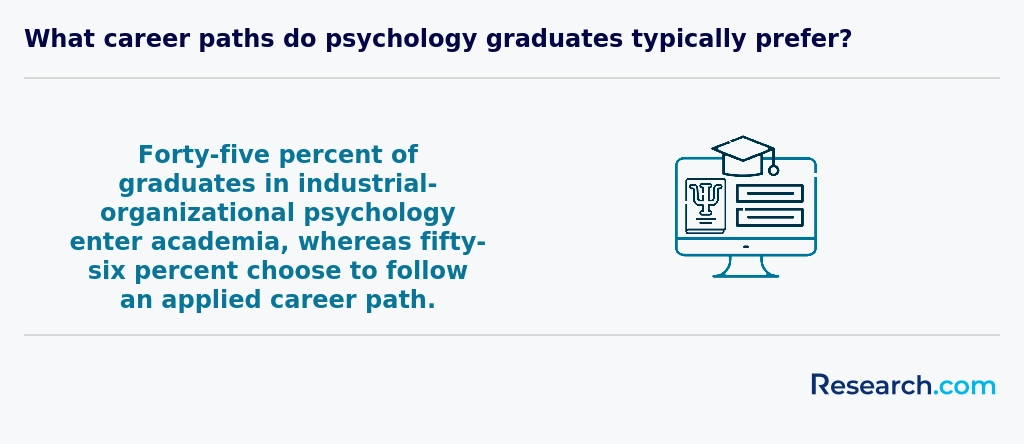
Others pursue careers in academia or research at institutions including Harvard or UC Berkeley, focusing on cognitive or developmental psychology. These roles offer intellectually stimulating environments and contribute to advancing psychological science. Industrial-organizational psychology graduates might work in corporate America, applying their expertise to enhance workplace efficiency and satisfaction, a field that is rapidly growing according to national labor data.
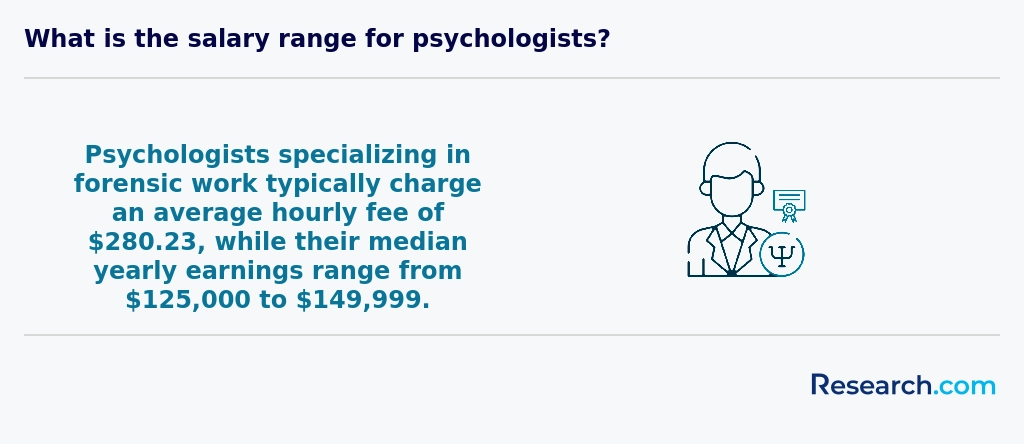
Alternative career paths include forensic psychology, where graduates collaborate with legal teams, or behavioral health technician roles supporting mental health recovery, highlighting the degree's versatility across sectors.
Graduates with a psychology degree from institutions like UCLA or the University of Michigan often encounter diverse salary prospects depending on their chosen career path. For example, those entering roles as Human Resources Specialists, which leverage psychology principles, earn a mean annual wage around $76,060. Similarly, Marketing Research Analysts, a popular job for psychology graduates interested in consumer behavior, report mean salaries near $83,190.
Other graduates find positions as Clinical Research Associates or Survey Researchers, where the mean annual salary is approximately $62,370. These roles often appeal to students who enjoyed research methods courses, providing a blend of analytical skills and psychology knowledge. On the other hand, those working as Childcare Workers, a pathway some psychology graduates take to gain hands-on experience, typically make about $32,070 annually.
It's important to note that salary varies widely based on factors such as location, level of education, and specialization. Graduates working in metropolitan hubs like New York or San Francisco can often expect higher wages than those in rural areas. Many psychology alumni describe their roles as fulfilling, combining passion for human behavior with rewarding career growth possibilities.
- Psychology degrees are available at associate, bachelor's, master's, and doctoral levels, with most students starting at the bachelor's level, which takes about four years to complete.
- Annual tuition for public in-state universities averages $10,000, while private universities can charge over $35,000 per year, with total costs over four years ranging from $40,000 to $150,000.
- The job market for clinical, counseling, and school psychologists is expected to grow by 6% from 2022 to 2032, which is average compared to other fields.
- Bachelor's degree holders in psychology usually earn starting salaries between $35,000 and $45,000 annually, while master's degree holders earn $50,000 to $70,000 on average.
- Doctoral-level psychologists, especially licensed clinical psychologists, can earn over $90,000 per year, depending on specialization and location.
Completing a psychology degree in America usually takes about four years for a bachelor's degree, which aligns with many students' experiences at universities like UCLA or the University of Michigan. Graduates often describe this period as a foundation-building phase, filled with engaging courses in research methods and psychological theories that spark enthusiasm. However, these four years can feel intense as students balance coursework and early practical experiences.
Those pursuing a master's degree typically add two more years, commonly seen in programs at institutions like Boston University or the University of Texas. Students often find this stage rewarding due to its focus on specialization and internships, but the time commitment requires careful planning to avoid extending the duration.
Doctoral degrees, such as PhDs or PsyDs offered by places like Harvard or Stanford, can require five to seven years beyond the bachelor's degree. Graduates reflect on this period as a rigorous yet deeply fulfilling journey that involves research, exams, and clinical work, emphasizing that patience and persistence are keys to success in psychology education.
When selecting an affordable psychology program in America, it's essential to consider several key factors that can significantly influence your educational journey and career trajectory. One of the most critical aspects is the cost of the program, including tuition fees, living expenses, and additional costs such as textbooks and supplies. To find the most affordable options, you can visit our page on most affordable psychology colleges, which provides a comprehensive ranking of affordable psychology degree programs in the US. Accreditation is another crucial factor, as it ensures that the program meets certain standards of quality and can provide you with a recognized degree. Furthermore, the program's curriculum, faculty expertise, and internship opportunities should align with your career goals and interests. By carefully evaluating these factors, you can make an informed decision and choose a psychology program that fits your needs and budget, ultimately paving the way for a successful and fulfilling career in the field of psychology.
Graduates from well-known American colleges like UCLA or the University of Michigan often recall the energizing experience of on-campus psychology programs, where face-to-face classes and lab work foster immediate feedback and meaningful networking. These students benefit from access to campus counseling centers and local internship opportunities, which are crucial for applied psychology careers. The traditional setting can feel immersive and supportive, offering a clear structure that many find motivating.
Conversely, alumni of respected schools such as Arizona State University's online programs emphasize flexibility as a major advantage. Balancing jobs or family responsibilities, they appreciate asynchronous coursework that lets them study at their own pace. However, they also note challenges in building personal connections with professors and peers, which may affect the sense of community.
Cost differences in America can be significant. Public in-state students at universities like the University of Florida often pay around $10,000 yearly on campus, whereas online fees sometimes reduce associated costs but not always the tuition itself. Ultimately, the choice largely depends on individual circumstances and learning preferences.
Navigating the transition from classroom to career can be both exciting and challenging. In this section, we offer actionable advice and expert insights designed to support aspiring psychologists as they shape their educational journey and professional future. Begin by assessing your personal strengths and interests to determine which area of psychology aligns best with your goals-whether you lean toward clinical practice, research, or organizational consulting. Networking is key; consider joining professional associations and attending webinars and conferences to stay updated on industry trends and emerging specializations. For those interested in flexible study options, exploring programs such as the best psychology degree online in texas can provide a balance between academic rigor and real-world application. Additionally, seek mentorship opportunities through alumni networks, and take advantage of career counseling services offered by many institutions. These strategies not only build your expertise and confidence but also help you make well-informed decisions that lead to fulfilling careers in psychology.
The average cost of obtaining a psychology degree in America varies significantly depending on whether a student attends a public or private institution and their residency status. Median total costs for completing a psychology degree hover around $44,334, but in-state students typically pay about $18,161. These figures align with experiences shared by graduates from well-known public universities, who often describe managing tuition alongside living expenses as a real challenge, yet feel rewarded by the quality of education received. Private colleges, known for their robust psychology programs, generally present higher costs but sometimes offer extensive financial aid options, making them accessible to many determined students.
For those evaluating affordable psychology degree programs in the United States, it is important to consider both tuition and additional expenses such as housing, textbooks, and supplies. For example, students at flagship state universities might pay lower tuition but face higher living costs depending on location, whereas private institution attendees might experience the reverse. Many students find that scholarships and work-study opportunities ease financial pressures, allowing them to focus on clinical training and research that inspire their passion for psychology.
Prospective students should investigate specific schools to understand detailed cost breakdowns. Those seeking options can explore the most affordable psychology colleges, which offer quality education with optimized costs. Balancing the financial commitment with the potential career satisfaction is a key step towards making an informed choice about pursuing a psychology degree in America.
Graduating from an accredited psychology program is vital for licensure and career mobility. Key considerations:
- Regional accreditation verifies institutional quality and federal aid eligibility.
- APA programmatic accreditation (for graduate degrees) is required for clinical licensure in most states.
- State licensing boards mandate completion of supervised clinical hours and passing the EPPP exam.
- Confirm specific state requirements with your board before enrolling.
- For flexible, accredited graduate options, consider a masters in psychology online program that meets both regional and APA standards.
Many psychology students in America rely on federal financial aid as their primary resource. For instance, graduates from the University of Michigan often share how the Pell Grant, offering up to $7,395 annually, relieved significant financial pressure without the burden of repayment. This grant is crucial for low-income students trying to manage the high costs associated with public universities, where average tuition can reach nearly $11,000 per year.
Beyond federal aid, scholarships tailored to psychology majors are invaluable. The American Psychological Association (APA) provides merit-based scholarships ranging from $1,000 to $5,000, which many students at institutions like UCLA find helpful for covering textbooks and research expenses. These awards, while competitive, highlight the importance of seeking discipline-specific funding.
State and university scholarships also play a key role. For example, a psychology student at the University of North Carolina benefited from a state-funded mental health scholarship, easing their overall financial burden. Similarly, federal work-study programs enable students at schools like Ohio State University to gain experience in research labs while earning income.
While federal loans offer flexible repayments and lower interest rates, graduates often caution prospective students to borrow responsibly, balancing immediate needs with long-term financial health.
Ensuring your psychology program holds proper accreditation is critical for state licensure and long-term career success. Most states require graduation from a regionally accredited institution and completion of an American Psychological Association (APA)-accredited curriculum for clinical or counseling psychologist licensure. Before applying, verify that the program meets both your state’s board requirements and APA standards by checking accreditation databases such as the Council for Higher Education Accreditation (CHEA). Prospective students should also consider the format and pace of their studies. For those needing a flexible timeline, an accelerated pathway can be invaluable. For example, our guide to the fastest online psychology degree outlines programs designed to meet licensure prerequisites in less time without sacrificing academic rigor. In addition to institutional accreditation, confirm that practicum and internship components comply with state regulations. Accredited programs typically include supervised clinical hours that count toward licensure exams like the Examination for Professional Practice in Psychology (EPPP). By prioritizing accredited courses and approved fieldwork, you can streamline the licensure process and ensure eligibility for certification across multiple states.
Enrolling in a psychology degree program in America typically demands a solid academic foundation, often marked by a high school diploma or equivalent like a GED. Graduates from universities such as UCLA or the University of Michigan share that early emphasis on coursework in biology, mathematics, and social sciences helped them grasp complex psychological concepts later. While many programs expect a GPA around 2.5 to 3.0, more competitive schools may set higher standards, reflecting a commitment to academic excellence.
Standardized tests like the SAT or ACT often remain part of the admissions process, though test-optional policies at some institutions reflect evolving views on assessment. Graduate-level applicants usually need a bachelor's degree with relevant courses in research methods and statistics, along with personal statements and recommendation letters that showcase practical insights.
Extracurricular experiences, such as volunteering in mental health settings, frequently strengthen applications. Students recall how hands-on involvement at colleges like NYU enhanced their understanding, blending scientific study with real-world empathy and passion for psychology's impact.
After earning a psychology degree, obtaining state licensure and professional certification is essential to practice clinically or offer counseling services. Most states require candidates to hold at least a master’s degree in psychology or a related field, complete a specified number of supervised practice hours (commonly 1,500–6,000 hours), and pass the Examination for Professional Practice in Psychology (EPPP). It’s important to verify specific requirements with your state psychology board, as some jurisdictions also mandate jurisprudence exams or ethics assessments. For doctoral-level practice, candidates must typically complete a PsyD or PhD, accrue supervised postdoctoral hours, and achieve passing scores on both the EPPP and any state-specific examinations. Those aiming to work as licensed professional counselors (LPCs) or marriage and family therapists (MFTs) should consult respective licensing boards for criteria that often include master’s coursework in human development, assessment techniques, and ethics, followed by a separate licensure exam. Continuing education is another cornerstone of maintaining certification. Licensed psychologists and therapists must fulfill annual or biennial continuing education unit (CEU) requirements-ranging from 20 to 40 hours depending on the state-to stay current with emerging research and best practices. This not only ensures adherence to ethical standards but also enhances career mobility and specializations such as forensic, health, or geropsychology. Prospective students seeking affordable pathways into licensure can explore regional rankings like the Inexpensive Psychology Degree Programs Ranking in Tennessee, which highlights institutions offering cost-effective curricula aligned with accreditation standards vital for post-graduate licensure eligibility.
Psychology degree programs in America commonly include foundational courses like introductory psychology, research methods, and statistics. Graduates from well-known universities such as the University of Michigan or UCLA often highlight how learning experimental design alongside statistical software like SPSS or R helped them confidently analyze complex behavioral data. This combination equips students to approach human behavior scientifically rather than relying on assumptions.
Many students find that specialized classes like developmental psychology-exploring emotional growth-or cognitive psychology, which delves into memory and perception, bring abstract concepts to life by connecting theory to everyday experiences. For instance, learning about social psychology can clarify why group dynamics influence decisions in both college settings and workplace environments.
More advanced topics, including biopsychology or abnormal psychology, provide insight into the biological and clinical sides of mental health. Graduates from popular programs report feeling empowered by understanding how brain function relates to behavior or different treatment approaches, making their studies feel personally relevant and professionally meaningful in real-world contexts.
Psychology degree specializations in the USA offer diverse paths tailored to different interests and career goals. Graduates from well-known universities often mention how choosing a specialization such as Clinical Psychology or Counseling Psychology helped them engage deeply with mental health challenges they are passionate about resolving. At institutions with strong research programs, students might lean towards Neuropsychology, focusing on brain-behavior relationships through hands-on clinical work or lab studies.
Industrial-Organizational Psychology attracts students interested in applying psychological principles directly to workplace dynamics, making a tangible impact on employee wellbeing. Meanwhile, Developmental Psychology appeals to those fascinated by human growth and social changes throughout life, a specialization frequently emphasized at top public colleges in America.
Social Psychology and Forensic Psychology pathways open doors for exploring human interactions in group settings or legal contexts-fields that graduates report as both challenging and rewarding. If you seek flexibility in your studies, programs offering a variety of types of psychology programs in America, like those featured in the best psychology degree online in texas, can provide valuable options.
Choosing the best psychology degree in America requires more than just looking at rankings or tuition prices; it means evaluating how well a program aligns with your career ambitions and learning style. Graduates from state universities often emphasize the practical value of strong faculty mentorship and internship placements, especially when aiming for clinical or counseling psychology roles that require licensure. Meanwhile, some students at prestigious private colleges share how smaller class sizes and specialized research opportunities enhanced their academic experience and post-graduate success.
Cost remains a real concern, so exploring affordable psychology degrees in the USA, including community colleges or online options, can make earning a bachelor's degree more feasible. For example, students balancing work and study have benefited greatly by pursuing the fastest online psychology degree, allowing them to advance without strict campus attendance. Prioritizing accredited programs, especially those with APA recognition for advanced degrees, is essential when considering licensure and quality education. Ultimately, evaluating program curriculum, reputation, and practical components is key to making a confident, informed choice.
Graduates holding a psychology degree in America can pursue diverse career paths, reflecting the field's broad scope. Many aim to become licensed clinical psychologists, which involves earning a doctoral degree from institutions like UCLA or the University of Michigan. These professionals diagnose and treat mental health issues in settings ranging from hospitals to private practices. Others channel their passion into school psychology, addressing student behavioral and learning challenges at schools affiliated with universities such as the University of Texas or Penn State. Such choices illustrate the dynamic nature of psychology career opportunities in the USA.
Some graduates find fulfillment in industrial-organizational psychology, applying their knowledge to enhance workplace dynamics in firms often located near major business hubs. The variety of roles-from forensic psychology within legal environments to research positions at government agencies or top research universities-demonstrates how job prospects for psychology graduates in America can differ widely by specialization and degree level. Many students share experiences of starting in entry-level roles like research assistants, appreciating steady career growth as they advance.
With cost concerns common among psychology students, options vary considerably, especially when looking for affordable programs. Exploring resources like the Inexpensive Psychology Degree Programs Ranking in Tennessee can help balance educational expenses and opportunities, bringing hope to those seeking quality education without excessive debt.
The job market for psychology degree holders in America reflects a balance of promise and challenge. Graduates from well-known psychology programs at universities like UCLA or the University of Michigan often find entry-level opportunities in human resources or case management, though many note that positions directly involving psychological services typically require advanced degrees. This highlights a common theme in career opportunities for psychology graduates in America: the bachelor's degree is a valuable foundation but often not sufficient for clinical practice.
For many, the appeal of psychology lies in diverse sectors such as healthcare, education, and corporate organizations. Graduates have shared experiences of applying their degree in real-world environments like mental health clinics or organizational behavior roles in businesses. While median wages vary, with clinical psychologists averaging around $81,000, certain metropolitan regions offer higher salaries, signaling geographic factors can influence career outcomes.
When considering a psychology degree, students should explore costs alongside employment prospects. For those researching the balance between educational investment and job potential, resources such as the college majors list and careers offer useful guidance. This perspective helps in understanding the psychology degree job outlook USA from a practical standpoint.
2027 Most Affordable Psychology Degree Programs Ranking in the USA
Investing in your education is a significant decision that can shape your future, and the Research.com team understands the importance of making informed choices. To assist prospective students, we have meticulously crafted the "2027 Most Affordable Psychology Degree Programs Ranking in the USA." Our commitment to quality, credibility, and accuracy is reflected in the extensive research and analysis conducted to compile this ranking.
We utilized the following reputable data sources to ensure a comprehensive evaluation of psychology degree programs:
By exploring this ranking, readers will gain valuable insights into the most affordable psychology programs across the USA, empowering them to make well-informed decisions about their education and future careers. For more details on our methodology, please visit our Research.com methodology page.




# 20 position
Dine College
Bachelor of Arts in Psychology

Frequently Asked Questions About psychology
Psychology degree students in America can maximize their learning by actively engaging in both coursework and practical experiences. Participating in research projects or internships provides valuable hands-on skills and networking opportunities. According to the American Psychological Association, involvement in research boosts critical thinking and prepares students for graduate studies.
Joining student organizations or attending psychology conferences enhances understanding of the field's evolving nature. Additionally, students should seek mentorship from faculty, which can guide academic and career decisions. Utilizing campus resources like tutoring and counseling centers also supports academic success. Regularly reviewing current psychology literature helps students stay updated with new findings and trends.
The field of psychology in America is rapidly evolving, with emerging niches offering new career opportunities for students. One growing area is neuropsychology, which focuses on understanding brain-behavior relationships and is expected to grow by 6% through 2032, according to the U.S. Bureau of Labor Statistics. Another expanding niche is health psychology, where practitioners work on how psychological factors affect physical health and chronic disease management.
Additionally, forensic psychology, blending legal and psychological principles, is increasingly in demand in criminal justice settings. Digital and cyber psychology is also emerging, studying human interaction with technology and online behavior, reflecting society's technological advances. These niches emphasize the importance of specialized knowledge within psychology careers in the U.S.
Preparing for the job market after earning a psychology degree in America involves several strategic steps. First, gaining relevant experience through internships or research assistant positions is critical. According to the American Psychological Association (APA), hands-on experience enhances employability and skill development.
Networking is also essential; joining professional organizations like the APA or local psychology groups can open doors to job opportunities. Many employers value advanced degrees, so consider pursuing a master's or doctorate if aiming for clinical or research roles.
Additionally, developing skills in data analysis and familiarizing yourself with software like SPSS or R can increase your competitiveness in the job market.
Employers in America highly value psychology degree graduates who demonstrate strong critical thinking skills. According to the American Psychological Association (APA), about 85% of psychology professionals use critical analysis when interpreting data or addressing behavioral challenges. These graduates must also exhibit excellent communication abilities, both written and verbal, enabling them to effectively explain complex concepts to diverse audiences.
Interpersonal skills rank among the top qualities sought by employers, with 78% of job listings for psychology roles emphasizing collaboration and empathy. Additionally, proficiency in research methods and data analysis software like SPSS or R is essential for about 70% of psychology positions, reflecting the importance of evidence-based practice in the US job market.
Finding internships in America relevant to a psychology degree involves multiple strategies. Start by exploring your university's career services and psychology department, as many have partnerships with local clinics, hospitals, and research labs. According to the American Psychological Association (APA), about 65% of psychology internships are offered through academic connections. You can also search online internship databases such as the APA's psychology internship directory or Handshake, a platform widely used by U.S. colleges.
Networking is essential; attend psychology conferences, join student organizations like Psi Chi, and connect with professors who can recommend opportunities. Internships typically last a semester and may be paid or unpaid, depending on the field and setting.
A psychology degree in America can significantly enhance career mobility and advancement across various fields. According to the U.S. Bureau of Labor Statistics (BLS), employment for psychologists is projected to grow 8% from 2021 to 2031, faster than the average for all occupations. Graduates with a bachelor's often find entry-level roles in social services or human resources, while those with graduate degrees qualify for clinical, counseling, or research positions.
Advanced degrees, such as a master's or doctorate, typically increase earning potential and open doors to specialized roles. For example, licensed clinical psychologists earned a median annual wage of $81,040 in 2022, per BLS data.
The degree also develops skills in research, communication, and critical thinking, which are valued beyond traditional psychology jobs, enabling career shifts into education, business, or healthcare administration.
Studying for a psychology degree in America equips students with skills applicable across multiple disciplines. Many psychology programs emphasize research methods, critical thinking, and data analysis, which are valuable in fields such as healthcare, education, and business. According to the American Psychological Association, nearly 60% of psychology graduates work in roles that involve collaboration with professionals from other areas.
Courses often cover topics like neuroscience, social behavior, and human development, linking psychology to biology, sociology, and communication. This interdisciplinary approach prepares graduates for careers in counseling, human resources, marketing, and public policy. Additionally, students learn ethical considerations and cultural competence important for diverse professional environments.
Choosing between a thesis and a non-thesis psychology degree program in America depends largely on your career goals and learning preferences. Thesis programs typically involve conducting original research and writing a substantial paper. This path is popular for students aiming to pursue doctoral studies or research positions. According to the American Psychological Association (APA), about 40% of master's students opt for thesis routes when planning to continue into PhD programs.
Non-thesis programs focus more on coursework and practical experience, suitable for those targeting clinical practice or professional roles immediately after graduation. These programs often include internships or capstone projects to enhance applied skills.
Consider your interest in research, time commitment, and whether your future employers value advanced research training. In general, thesis programs may take longer but can open more academic doors, while non-thesis options can accelerate entry into the workforce.
American students interested in studying psychology abroad have several pathways to consider. Many U.S. universities offer exchange programs with international institutions, allowing students to earn credits toward their psychology degrees overseas. These options are often facilitated through partnerships with universities in Europe, Australia, and Canada, which are popular destinations for psychology studies.
Additionally, some students choose to enroll directly in foreign universities known for their psychology programs. This route requires careful evaluation to ensure alignment with American accreditation standards, particularly for those planning to pursue licensure in the U.S. according to the American Psychological Association (APA).
Statistics from the Institute of International Education show that psychology ranks among the top five fields for U.S. students studying abroad, highlighting growing interest. Funding may often be accessed through scholarships, grants, or financial aid specific to study abroad initiatives.
Part-time job opportunities that complement psychology degrees in America often focus on gaining practical experience while studying. Common roles include research assistants, where students support faculty-led studies, enhancing understanding of psychological methods. According to the American Psychological Association, these positions offer valuable hands-on experience in data collection and analysis.
Another common opportunity is behavioral health technician, assisting clinicians with patient care in hospitals or clinics, which helps apply theoretical knowledge in real settings. Additionally, tutoring psychology courses or working in academic support centers supports both learning and communication skills.
Such jobs typically pay around $12 to $18 per hour, depending on location and employer, supporting both education and professional growth.
Psychology students in America benefit from numerous networking opportunities that can support their academic and career growth. Many universities have active chapters of the American Psychological Association (APA) and Psi Chi, the International Honor Society in Psychology, providing access to events and professional connections. According to the APA, their student membership exceeds 53,000 nationwide, offering resources like mentorship programs and conferences. Additionally, students often attend regional and national psychology conferences, which are valuable for meeting professors, researchers, and potential employers. Internships and research assistant positions offered on campuses also facilitate direct networking with professionals in psychology fields.
Alumni networks play a significant role for psychology degree students in America by providing valuable professional connections. These networks often include graduates working in diverse fields such as clinical psychology, counseling, research, and academia. According to the American Psychological Association (APA), strong alumni relationships can lead to mentorship opportunities, internships, and job referrals that are crucial in the competitive psychology job market.
Many universities host exclusive events and career fairs for their alumni, allowing students to engage directly with experienced professionals. This interaction enhances students' understanding of current industry trends and licensure requirements in psychology.
Statistics from the National Center for Education Statistics highlight that graduates connected to active alumni communities have a higher employment rate within the first year post-graduation, emphasizing the practical value of such networks in facilitating career entry.
Customizing a psychology degree program in America allows students to align their education with specific career goals. Many universities offer concentrations such as clinical psychology, cognitive psychology, or industrial-organizational psychology, helping students focus on their desired field. According to the American Psychological Association, about 70% of psychology programs include elective options, giving flexibility to tailor coursework.
Students can also pursue internships or research projects related to their interests, gaining practical experience. Online and hybrid programs increase accessibility, enabling students to balance studies with work. When planning, consider accreditation by the APA or regionally recognized bodies to ensure quality education that supports licensure and employment opportunities.
Psychology students in America often face significant challenges balancing academic demands and personal responsibilities. Research from the American Psychological Association reveals that nearly 64% of psychology undergraduates report experiencing moderate to high stress due to coursework intensity. The field requires mastery of both theoretical knowledge and practical skills, such as research methods and statistical analysis, which many find difficult.
Additionally, securing clinical internships or research opportunities is competitive, often prolonging graduation timelines. Financial burdens are common, with average student debt reaching over $30,000, according to the National Center for Education Statistics. These challenges highlight the need for careful planning and strong support systems for aspiring psychology professionals.
With a psychology degree in America, graduates can pursue several professional certifications to enhance their careers. Common options include Licensed Professional Counselor (LPC) and Licensed Marriage and Family Therapist (LMFT), both requiring a master's degree and supervised clinical hours. For those interested in assessment or research, Board Certified Behavior Analyst (BCBA) certification is popular, especially in applied behavior analysis, a growing field in the US.
Additionally, psychologists can seek state licensure after earning a doctoral degree (PhD or PsyD) and completing required exams and supervised practice. The U.S. Bureau of Labor Statistics reports that psychologists earn a median annual wage of $81,040, reflecting the value of these certifications in the job market.
Certifications like Certified Rehabilitation Counselor (CRC) or Neuropsychology Specialist credentials are also available for niche areas. Each certification has specific educational and supervised experience requirements regulated by professional boards such as the American Psychological Association (APA) and the Behavior Analyst Certification Board (BACB).
Writing a successful application for a psychology program in America requires clear demonstration of your academic strengths and genuine interest in the field. Admissions committees often look for a strong undergraduate GPA, typically above 3.0, and relevant coursework in psychology or related sciences.
Personal statements play a critical role; they should explain your motivation, career goals, and how the program aligns with your interests. Highlight any research experience or internships, as these are highly valued. According to the American Psychological Association, applicants with hands-on research experience have a higher chance of acceptance.
Letters of recommendation should come from professors or supervisors familiar with your academic or research capabilities. Lastly, prepare thoroughly for the GRE if required, as scores above the national average can strengthen your application.
The global perspectives on a psychology career highlight increasing demand for mental health professionals worldwide, including in the United States. According to the U.S. Bureau of Labor Statistics, employment of psychologists is expected to grow 8% from 2021 to 2031, reflecting a growing awareness of mental health issues.
Many countries emphasize distinct specializations, but American psychology degrees offer broad training recognized internationally. U.S. graduates often benefit from research opportunities and clinical experiences that align with global standards set by organizations like the American Psychological Association (APA).
International collaboration and diverse populations in the U.S. also prepare students for varied cultural contexts, a valuable skill given the global nature of mental health challenges today. As a result, a psychology career based in America provides both nationally respected credentials and global career flexibility.
Gaining practical experience while pursuing a psychology degree in America is essential for career readiness. Many universities encourage students to engage in internships, research assistantships, or practicum placements. According to the American Psychological Association (APA), over 70% of accredited programs offer supervised clinical experiences during undergraduate or graduate studies.
Internships with mental health clinics, hospitals, or community organizations provide valuable real-world exposure. Participating in faculty-led research projects can also develop critical skills in data collection and analysis. Volunteering opportunities in counseling centers or schools further enhance hands-on learning.
These experiences not only strengthen resumes but also improve graduate school admission prospects and licensure eligibility across states.
Choosing the right concentration within a psychology degree program in America requires understanding your career goals and interests. The American Psychological Association (APA) recognizes areas such as clinical, counseling, developmental, and industrial-organizational psychology. Each concentration prepares students for different roles, from therapy to research or workplace consulting.
Consider the job outlook: for example, the U.S. Bureau of Labor Statistics estimates a 8% growth in clinical psychologist jobs from 2021 to 2031. Salary ranges also vary widely by specialization and location.
Research the program's curriculum and faculty expertise to ensure alignment with your ambitions and preferred methods, whether experimental or applied.
See What Experts Have To Say About Studying Psychology
Read our interview with Psychology experts

Robin M. Kowalski. Ph.D.
Psychology Expert
Professor of Psychology
Clemson University

Joann Farrell Quinn, Ph.D., MBA
Psychology Expert
Director at the College of Medicine Department of Medical Education
Morsani College of Medicine

Catherine Caldwell-Harris, Ph.D.
Psychology Expert
Associate Professor of Psychology
Boston University

- Society for the Teaching of Psychology https://teachpsych.org/page-1784686/8675326
- Social Psychology Network https://www.socialpsychology.org/gunder.htm
- Professional Networking For Psychologists | Psychology.org https://www.psychology.org/resources/professional-networking/
- Psychology Schools and Program Guide https://www.psychologydegree411.com/schools/
- Alumni Perspectives - Meet Our FPN Alumni https://www.aanmelder.nl/alumni-perspectives-june-2023
- Mental Health Challenges Faced by Psychology Students | The Healthcare Guys https://healthcareguys.com/2023/11/23/mental-health-challenges-faced-by-psychology-students/
- Sample letters in psychology https://www.mystudies.com/en-in/human-and-social-sciences/psychology/letter-model/
- Know more about thesis vs non- thesis: what is the difference? https://studyfans.com/en/blogs/816
- Ontario Psychological Association - Networking and Community Resources https://www.psych.on.ca/become-a-member-(1)/member-services/networking-and-community-resources
- How Psychology Students Can Get Clinical Experience Before Graduating | The Playful Psychologist https://www.theplayfulpsychologist.com/post/students-experience-how-to-get-the-experience-you-need-before-you-graduate