
2027 Most Affordable Psychology Degree Programs Ranking in Pittsburgh

Co-Founder and Chief Data Scientist
Choosing the right psychology degree program in Pittsburgh can feel overwhelming. To make this easier, the Research.com team of data scientists created the 2027 Most Affordable Psychology Degree Programs Ranking in Pittsburgh. This ranking is designed to help you find options that balance cost and quality, so you can invest in your future wisely.
Reading this article will guide you toward programs that fit your goals and budget. Earning a psychology degree opens doors to meaningful careers that make a difference. Explore your possibilities with confidence.
Key benefits of getting psychology degree in Pittsburgh
- Psychology degree graduates in Pittsburgh can expect competitive salaries, with roles like Human Resources Specialist earning around $76,060 annually and Marketing Research Analysts making about $83,190 a year.
- Career paths are diverse, ranging from clinical research to survey analysis, as shown by graduates from the University of Pittsburgh who find rewarding opportunities in healthcare, business, and research sectors.
- Online psychology degrees from institutions such as Carnegie Mellon University offer flexibility and convenience without sacrificing quality, helping graduates balance work and study while advancing their careers.
- 2027 Most Affordable Psychology Degree Programs Ranking in Pittsburgh
- What can I expect from psychology degree in Pittsburgh?
- Where can I work with psychology degree in Pittsburgh?
What can I expect from psychology degree in Pittsburgh?
The average cost of pursuing a psychology degree in Pittsburgh varies notably between public and private institutions, shaping the choices of many local students. At the University of Pittsburgh, undergraduates typically face tuition and fees around $19,338 per year as in-state residents, a figure that graduates often recall as a manageable investment considering the quality of education and research opportunities. In contrast, private schools like Duquesne University tend to charge higher tuition, though many students report that merit-based scholarships help ease the financial load, making the experience feel more attainable.
For students envisioning hands-on research, Carnegie Mellon University offers interdisciplinary psychology programs that combine psychology with evolving fields like AI and computer science, sometimes justifying the higher costs with future career potential. Graduates often reflect on how these programs provided real-world insights through faculty collaboration and advanced labs, encouraging excitement about their prospective careers despite tuition differences.
Many Pittsburgh students find the balance between cost and quality rewarding, especially when internships and community connections within the city create practical pathways beyond the classroom, helping them feel confident about their educational investment.
Where can I work with psychology degree in Pittsburgh?
Graduates with a psychology degree from institutions like the University of Pittsburgh or Carnegie Mellon often find vibrant career paths in Pittsburgh's healthcare system. Many secure roles at UPMC, where they apply clinical psychology and neuropsychology skills to improve patient care. One graduate's experience working in behavioral health highlights how meaningful it is to support individuals overcoming challenges while being part of a leading medical community.
In education, alumni frequently join universities or schools as research assistants or counselors, creating closer connections with students and driving innovative mental health programs. The chance to blend research and teaching elicits a strong sense of purpose for many emerging professionals.
Social services and community nonprofits are also expanding, offering graduates fulfilling opportunities to lead outreach and therapeutic initiatives addressing substance abuse and family well-being. The city's growing tech sector encourages roles merging psychology with data analysis and UX design, inspiring graduates who enjoy creative problem-solving in dynamic corporate environments.
Graduates from psychology programs in Pittsburgh, such as those at the University of Pittsburgh or Carnegie Mellon University, often find promising salary prospects in local and regional markets. For example, human resources specialists with a psychology background can expect to earn an average annual wage of about $76,060 in Pittsburgh, reflecting strong demand in organizational roles. Similarly, marketing research analysts in the area generally make around $83,190 per year, leveraging skills in behavioral science to interpret consumer trends.
Meanwhile, roles like clinical research associates and survey researchers, popular among those stepping into applied psychology fields, have mean salaries near $62,370 annually. These positions offer great entry points for graduates eager to build experience in research environments. Childcare workers, another career path related to developmental psychology, earn around $32,070, often inspiring graduates passionate about community impact.
Graduates describe their experiences as energizing, especially when their education from well-regarded Pittsburgh institutions opens doors to roles that value both analytical mindset and empathetic understanding. With continued professional development and certifications, many envision earning potential climbing substantially, aligning perfectly with Pittsburgh's evolving healthcare and research sectors.
- Public universities in Pittsburgh charge about $10,000 to $15,000 per year for in-state undergraduate psychology degrees.
- Private colleges in the city have annual tuition fees ranging from $28,000 to $40,000.
- Entry-level psychology bachelor's degree holders typically earn between $40,000 and $50,000 annually.
- Experienced psychologists in Pittsburgh can make between $70,000 and $90,000 per year depending on their specialization.
- The psychology job market in the Pittsburgh area is expected to grow by 13% over the next decade.
- Pennsylvania requires licensed psychologists to complete an accredited degree, supervised clinical hours, and pass the EPPP exam.
Completing a psychology degree in Pittsburgh typically varies by level but promisingly aligns with traditional timelines, giving students confidence in their educational planning. Undergraduate students at schools like the University of Pittsburgh usually spend about four years immersed in coursework and research projects, creating a solid foundation without unnecessary delays. These graduates often express satisfaction with balancing studies and campus life, feeling well-prepared for future steps.
For those pursuing a Master's degree, institutions such as Duquesne University offer programs designed for completion in around two years of full-time study. Many graduates mention how internship experiences integrated into these programs make the time feel purposeful and rewarding, enhancing skills while maintaining momentum.
Doctoral candidates at Pittsburgh universities anticipate a longer journey-typically five to seven years-but many appreciate the flexibility that allows them to tailor research and clinical work to their interests. Part-time options also give students space for work-life balance, with several graduates sharing a deep sense of achievement as they progress at their own pace.
Licensing matters if your goal is to practice as a psychologist or provide regulated clinical services in Pennsylvania. A bachelor’s degree in psychology can lead to entry-level roles in research, human services, case management, human resources, and related fields, but independent clinical practice usually requires graduate education, supervised experience, examinations, and approval from the Pennsylvania State Board of Psychology.
- Earn the appropriate graduate degree. A master’s in counseling or a doctoral degree such as a Ph.D. or Psy.D. may be required depending on the license and role you are pursuing. Students considering doctoral study can compare options such as an online psyd, while confirming whether the program meets Pennsylvania requirements.
- Complete supervised clinical experience. Pennsylvania mandates a minimum of 3,000 supervised hours under a licensed psychologist, counselor, or school psychologist. Students should document hours carefully and verify whether hours must be completed during or after the degree.
- Pass the EPPP. The Examination for Professional Practice in Psychology, administered by the Association of State and Provincial Psychology Boards, evaluates knowledge in areas such as ethics, assessment, intervention, and research methods.
- Meet state law requirements. Some applicants may need to complete a jurisprudence or oral exam related to Pennsylvania mental health laws and professional rules. Requirements should be confirmed directly with the Pennsylvania State Board of Psychology.
- Submit the licensure application. Applicants typically provide transcripts, supervision verification, exam results, and fees. Because processing times vary, students should plan ahead rather than waiting until they have a job offer.
- Maintain the license. Licensed psychologists must complete 30 continuing education credits every two years, including ethics and diversity training, through approved providers.
Before enrolling, ask each program how it supports licensure preparation. Good questions include whether the curriculum aligns with Pennsylvania requirements, how practicum placements are arranged, what exam preparation support is available, and how graduates perform on required licensing exams.
Online psychology degrees in Pittsburgh offer remarkable flexibility for students juggling work or family, letting them learn from anywhere while avoiding the costs of commuting or housing. Imagine a busy parent engaging with virtual lectures from home instead of rushing across campus at the University of Pittsburgh. However, these students sometimes feel the lack of spontaneous in-person discussions and immediate mentorship opportunities that enrich learning.
On-campus students at institutions like Duquesne University often speak fondly of hands-on experiences, such as lab work and internships with local therapy clinics. These real-world opportunities foster deeper connections and practical skills, essential in psychology's applied settings. One graduate recalls the excitement of collaborating face-to-face with professors and peers during intensive practicum sessions-moments harder to replicate online.
Looking ahead, hybrid models in Pittsburgh may emerge, blending online convenience with on-campus engagement, creating immersive yet flexible education. Both paths promise growth, but students must consider how each fits their lifestyle and learning preferences.
Affordability should be measured by total cost, not tuition alone. Psychology students in Pittsburgh should compare tuition, mandatory fees, books, transportation, housing, technology costs, and the amount of aid they are likely to receive. A program with a higher sticker price may become more affordable after grants or scholarships, while a lower-cost option may require commuting, part-time study, or fewer campus resources.
A useful first step is to compare Pittsburgh programs with broader statewide options, including the cheapest psychology programs in Pennsylvania. This helps you understand whether a local school is competitively priced or whether a nearby, hybrid, or online option may offer a better value.
Cost factors to compare before enrolling
- Residency status: Public universities often charge different rates for in-state and out-of-state students.
- Program format: Online or hybrid courses may reduce commuting costs, but tuition is not always lower.
- Transfer credits: Students who complete general education courses before transferring may lower the total cost of a bachelor’s degree.
- Field placement requirements: Practicum and internship experiences can involve transportation, background checks, liability insurance, or reduced work hours.
- Graduate school plans: Students aiming for licensure should budget beyond the bachelor’s degree because many psychology careers require a master’s, Ph.D., or Psy.D.
The strongest affordability strategy is to calculate your net price after aid, confirm how many credits you still need, and ask each school how quickly students in your major typically graduate. Delayed graduation can increase the total cost even when annual tuition looks reasonable.
The average cost of obtaining a psychology degree in Pittsburgh typically centers around $39,570 for in-state students, reflecting a balance between quality education and affordability. Graduates from prominent universities like the University of Pittsburgh and Duquesne University often share that while the tuition investment is significant, the value they received, both academically and personally, justified their expenses. Many cite scholarships and financial aid opportunities that helped ease the burden, making it possible to focus wholeheartedly on their studies and research projects.
For students seeking affordable psychology degree programs Pittsburgh offers varied paths. Public institutions tend to have lower tuition rates compared to private universities, where total costs might climb closer to $57,296 or beyond for out-of-state students. However, the comprehensive support systems and experiential learning designed by these schools often leave graduates feeling confident and prepared for challenging careers in psychology and counseling.
Practical experiences, such as internships and assistantships available at these universities, not only enrich learning but can also offset living expenses. This contributes to an overall sense of accomplishment and growth shared by many recent psychology graduates. Exploring the cheapest psychology programs in Pennsylvania can provide prospective students with strategic options to manage their investment wisely.
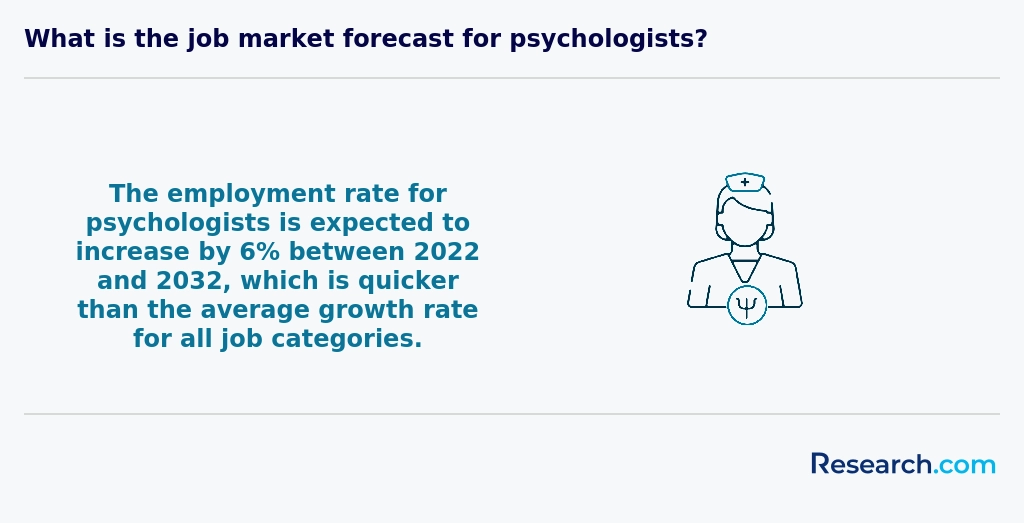
Accelerated psychology programs are designed for students who want to complete requirements faster, reduce time away from the workforce, or move more quickly into graduate study. They can be valuable, but they require strong time management because courses are often condensed and academically demanding.
- Intensive course schedules designed to finish bachelor’s or master’s degrees in 2–3 years
- Cohort-based models that foster peer support and keep you on track
- Hybrid and online formats that adapt to working professionals
- Early practicum placements to build real-world skills
Before enrolling in an accelerated format, confirm how transfer credits are evaluated, whether summer terms are required, how practicum placements are scheduled, and whether the pace is realistic with your work and family responsibilities. An accelerated psychology degree online may reduce total time and improve flexibility, but students pursuing licensure should verify that the program meets all relevant professional requirements.
Many psychology students in Pittsburgh find financial aid a lifeline that transforms their educational journey into an achievable reality. Graduates from the University of Pittsburgh often share how federal Pell Grants, offering up to $7,395 annually, eased their tuition burdens and allowed them to focus on thriving academically rather than worrying about expenses. At Carnegie Mellon University, psychology majors benefit from the Pennsylvania State Grant Program, which provides crucial support for in-state students, helping bridge the gap between high tuition costs and personal resources.
Merit-based scholarships frequently brighten the outlook for these students, with departmental awards at the University of Pittsburgh often renewing year after year, inspiring continued excellence. Work-study programs also offer hands-on experiences, from research assistant roles to counseling center jobs, making financial aid feel like a practical step toward future careers.
Emerging trends hint at increased availability of grants like the TEACH Grant, encouraging students to enter high-need educational psychology fields, boosting both financial support and meaningful career paths in Pittsburgh's evolving mental health landscape.
Accreditation is one of the most important checks before choosing a psychology program in Pittsburgh. It affects financial aid eligibility, transfer credit, graduate admission, employer confidence, and, for some career paths, licensure preparation. Students should verify both institutional accreditation and any program-level expectations tied to their intended profession.
Graduation and licensure planning steps
- Complete a regionally accredited bachelor’s program; APA accreditation is required for most doctoral-level clinical psychology paths.
- Fulfill supervised practicum and internship hours as mandated by Pennsylvania’s State Board of Psychology.
- Pass the Examination for Professional Practice in Psychology (EPPP) and any state jurisprudence exams.
- Apply for licensure through the Pennsylvania State Board of Psychology, providing transcripts, supervision verification, and exam scores.
- Maintain and renew your license with continuing education credits every two years.
Students comparing faster pathways should make sure speed does not come at the expense of accreditation or licensure eligibility. Options such as accelerated psychology programs may be useful, but only if the curriculum, supervision structure, and credential outcomes match your career goal.
Enrolling in a psychology degree program in Pittsburgh usually means meeting clear academic benchmarks that set a solid foundation for success. Graduates from institutions like the University of Pittsburgh often recall the importance of maintaining at least a 2.5 to 3.0 GPA during high school or their undergraduate studies. Many found that submitting strong personal statements and letters of recommendation made a real difference, especially when competing for spots at schools like Duquesne University.
Looking ahead, these prerequisites might evolve to emphasize not just transcripts but a wider range of experiences. Imagine submitting evidence of volunteer work, internships, or projects that showcase your genuine passion for psychology, adding a personal touch to your application.
Graduate applicants typically need a bachelor's degree and clear research goals, with GRE scores optional in some programs, reflecting flexible admissions that respond to current student needs. Practical experience in clinics or research labs around Pittsburgh can be a game-changer, boosting confidence and opening doors.
Students appreciate how these requirements balance challenge with opportunity, fostering readiness for the dynamic field of psychology.
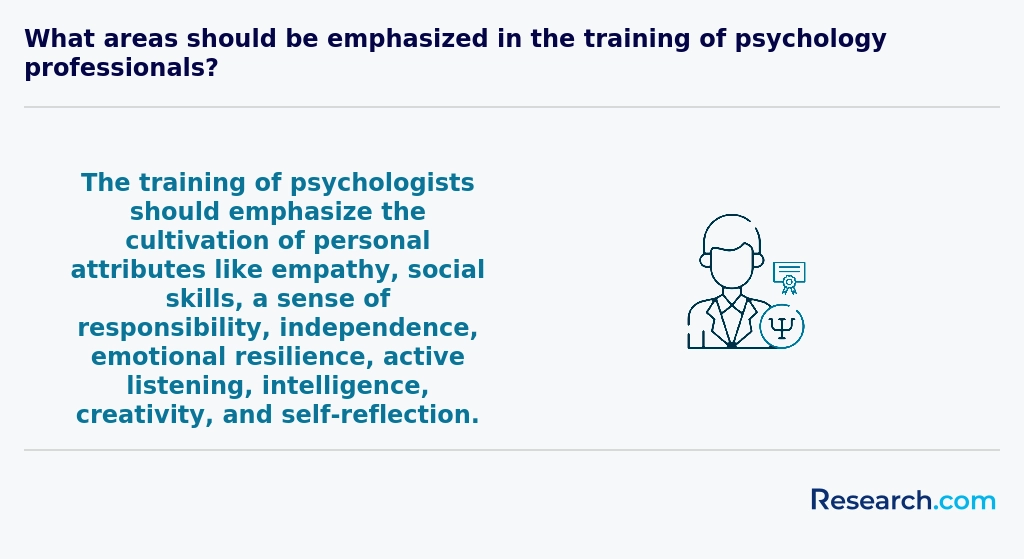
Internships and practicums are especially important in psychology because they help students test career interests, build supervised experience, and develop professional references. In Pittsburgh, field opportunities often connect with hospitals, community mental health centers, school districts, universities, nonprofit organizations, and research labs.
University of Pittsburgh students complete a minimum of 300 practicum hours at UPMC facilities, where they may assist licensed professionals with assessment, therapy support, and clinical observation. Duquesne University’s counseling practicum places cohorts in elementary and high school settings, giving students exposure to student support, behavioral intervention, and school-based mental health needs.
Students who are not pursuing clinical work can still benefit from experiential learning. Research internships in university labs may involve neuropsychology, child development, social behavior, data collection, literature reviews, and faculty-led studies. These experiences are useful for students applying to graduate school or seeking research assistant roles after graduation.
Online students should ask very specific questions about field placement. Some programs help locate placements near the student’s home, while others expect students to identify approved sites independently. For comparison, the Affordable Online Psychology Degree Programs Ranking in Virginia Beach, VA highlights online models that may include virtual practicums, telehealth training, or remote research projects.
How to evaluate field experience quality
- Confirm whether placements are guaranteed, competitive, or student-arranged.
- Ask which Pittsburgh employers regularly host students.
- Review supervision requirements and how hours are documented.
- Look for placements aligned with your goal, such as clinical care, school counseling, research, nonprofit work, or organizational psychology.
- Ask whether students often receive job offers, references, or graduate school recommendations from placement supervisors.
In Pittsburgh, psychology degree programs typically include foundational courses like General Psychology, where students from the University of Pittsburgh often recall their excitement in exploring the fundamental theories that explain human behavior. Research Methods in Psychology is another pivotal course, equipping Duquesne University graduates with skills to design studies and analyze data-essential in today's evidence-driven world. Many students find pairing this with Statistics in Psychology especially empowering, turning complex numbers into meaningful insights.
Courses such as Biological Psychology offer a fascinating look at how brain functions shape actions, with students frequently sharing how hands-on lab experiences at local universities deepened their understanding. Developmental Psychology and Social Psychology uncover the evolving human experience and societal influences, often inspiring students to connect classroom theories to their own lives and communities in Pittsburgh.
Pittsburgh programs also emphasize Applied Psychology fields like Abnormal and Cognitive Psychology, grounding learners in real-world mental health issues and problem-solving strategies. Many graduates appreciate how internships and research opportunities within these universities prepare them for future roles with confidence and enthusiasm.
Psychology degree specializations in Pittsburgh reflect a dynamic blend of traditional and innovative fields, tailored to meet local and global demands. Graduates from universities like the University of Pittsburgh often share how clinical and counseling psychology tracks have provided them with rewarding hands-on experiences in renowned medical centers, fostering confidence to support mental health needs in vibrant community settings.
Emerging trends within Pittsburgh psychology degree program options include interdisciplinary approaches, such as combining neuroscience with computer science at institutions like Carnegie Mellon University. This equips students with cutting-edge skills to explore brain-behavior relationships and digital data analysis, opening doors to future-forward careers in neurotechnology and AI-assisted therapy.
For those intrigued by practical applications, specializations like industrial-organizational psychology help students understand workforce dynamics in Pittsburgh's diverse economy, promoting employee wellness and productivity. Some even pursue forensic psychology, preparing for unique roles bridging psychology with the justice system. Many students find opportunities easing financial burdens through research assistantships or internships, while exploring paths such as the online psyd for flexible advancement.
Choosing the best psychology degree in Pittsburgh means balancing accreditation, curriculum, and personal passion. Graduates from the University of Pittsburgh often highlight the value of APA-accredited programs combined with access to cutting-edge research labs that fueled their confidence and skill development. Meanwhile, students from private colleges appreciate tailored concentrations like clinical or neuropsychology that align closely with their career goals, making learning both engaging and relevant. Affordable psychology degree programs in Pittsburgh become crucial as many find that cost-effective options still offer strong support services and meaningful internships within the city's vibrant mental health community.
Imagining the future, you might follow in the footsteps of recent grads who leveraged local partnerships with hospitals and counseling centers for real-world experience that accelerated their career launch. Many have found that choosing a program with a focus on emerging specialties prepares them for the evolving field of psychology. For those balancing budgets, consulting resources like the Affordable Online Psychology Degree Programs Ranking in Virginia Beach, VA can offer insight into financing options and scholarship opportunities that ease the path.

Graduates with a psychology degree in Pittsburgh find a range of promising career paths, each offering unique ways to apply their skills. Many alumni from local institutions, like the University of Pittsburgh, describe fulfilling roles as clinical psychologists or counselors, helping individuals navigate mental health challenges amid the city's supportive healthcare environment. These psychology career options in Pittsburgh also include industrial-organizational psychology, where professionals collaborate with major corporations to enhance workplace motivation and culture, creating positive impacts that resonate beyond office walls.
Research-driven graduates often thrive in academia or specialized institutes, contributing to cutting-edge studies in behavioral science that can shape future therapy methods and policies. Others embrace roles in school psychology or forensic settings, working closely with students or legal systems and finding deep personal satisfaction in these community-centered professions.
Those exploring further credentials may consider the highest paid certificate programs to supplement their psychology degree, boosting their career prospects and earning potential within Pittsburgh's competitive job market. Local universities commonly support students with scholarships and financial aid, making these opportunities not just aspirational but attainable.
The psychology degree job opportunities in Pittsburgh show promising growth as local graduates increasingly find roles in hospitals, schools, and community organizations. Graduates from universities like the University of Pittsburgh and Duquesne University often share how their internships at UPMC's behavioral health units or research projects at local institutes opened doors to clinical and counseling positions. The demand for specialized roles such as school psychologists and mental health counselors reflects a growing awareness of psychological well-being in the city's public school districts and nonprofit sectors.
Employment outlook for psychology graduates Pittsburgh remains strong, supported by a stable healthcare infrastructure and multiple research centers. State reports highlight an average annual wage near $82,000 for local psychologists, encouraging students to pursue advanced degrees. Many graduates recount the satisfaction of contributing to community health while building meaningful careers without relocating. The cost advantage of local education, combined with rising job prospects, makes Pittsburgh particularly attractive. Some even explore opportunities through open college admission to balance work and study while gaining valuable experience.
2027 Most Affordable Psychology Degree Programs Ranking in Pittsburgh
Investing in your education is a significant decision that can shape your future, and the Research.com team understands the importance of making informed choices. To assist prospective students in Pittsburgh, we have meticulously crafted the "2027 Most Affordable Psychology Degree Programs Ranking in Pittsburgh." Our commitment to quality, credibility, and accuracy is reflected in the extensive research and analysis conducted to compile this ranking.
We utilized the following reputable data sources to ensure a comprehensive evaluation of psychology degree programs:
By exploring this ranking, readers will gain valuable insights into the most affordable psychology degree options in Pittsburgh, enabling them to make well-informed decisions about their educational investments. For more details on our methodology, please visit our Research.com methodology page.

# 2 position
University of Pittsburgh-Pittsburgh Campus
Master of Science in Applied Developmental Psychology


Frequently Asked Questions About psychology
Psychology degree students in Pittsburgh can maximize their learning experience by actively engaging with the city's diverse educational resources. Institutions like the University of Pittsburgh and Duquesne University offer strong psychology programs with opportunities for undergraduate research and internships. According to the National Center for Education Statistics, hands-on experiences such as internships increase employment chances by up to 20% after graduation.
Joining local psychology associations and attending Pittsburgh-based conferences help students connect with professionals and stay updated on recent developments. Taking advantage of Pittsburgh's many mental health clinics for practical exposure also deepens understanding of real-world applications.
The psychology field is rapidly evolving, with several emerging niches gaining attention in Pittsburgh's academic and professional circles. One key area is neuropsychology, focusing on brain-behavior relationships, which aligns well with Pittsburgh's strong medical research institutions like the University of Pittsburgh Medical Center. Another growing niche is forensic psychology, driven by local demand within the Pennsylvania judicial system. Industrial-organizational psychology is also expanding, as many Pittsburgh companies seek expertise in workplace behavior and productivity. Additionally, health psychology, emphasizing mental and physical health intersections, is gaining momentum, supported by community health initiatives in the region.
After completing a psychology degree in Pittsburgh, students should actively build relevant experience to enhance their job prospects. Internships and volunteer roles in local healthcare facilities or social services can provide practical skills and networking opportunities. Pittsburgh hosts various psychological associations and professional groups, such as the Pittsburgh Psychological Society, offering valuable connections and career resources.
Additionally, many employers in the region value certification or licensure, so graduates should research requirements for states in Pennsylvania. According to the Bureau of Labor Statistics, the demand for psychologists in Pennsylvania is projected to grow 3% through 2031, underscoring the importance of continued education and skill-building.
Developing strong communication and research skills, as well as gaining proficiency in data analysis software, further strengthens job readiness in Pittsburgh's competitive psychology job market.
Employers in Pittsburgh highly value psychology graduates who demonstrate strong critical thinking and analytical skills. These abilities enable graduates to evaluate complex human behavior and apply evidence-based solutions effectively. Communication skills, both written and verbal, are essential as professionals must convey findings clearly to clients and colleagues.
Research proficiency is also crucial, especially given Pittsburgh's emphasis on psychological research tied to healthcare and education sectors. According to the Pennsylvania Department of Labor, data analysis and familiarity with statistical software significantly improve job prospects.
Interpersonal skills matter greatly, allowing graduates to build trust and rapport, a key factor in clinical and counseling settings common in the region.
Finding psychology-related internships in Pittsburgh involves leveraging resources both within universities and the local community. Many universities, such as the University of Pittsburgh and Duquesne University, have career centers that connect students with internship opportunities in clinical, counseling, and research settings.
Local hospitals, mental health clinics, and nonprofit organizations often offer internships essential for psychology students seeking practical experience. According to the Pittsburgh Business Times, healthcare and social assistance sectors employ over 20% of the city's workforce, highlighting plentiful opportunities in psychology-related fields.
Students should also explore online databases like Handshake, which list internships specifically for Pittsburgh-area students in psychology.
A psychology degree in Pittsburgh significantly enhances career mobility and advancement opportunities. The region's diverse healthcare, education, and social service sectors offer various roles for psychology graduates. According to the U.S. Bureau of Labor Statistics, Pittsburgh-area psychologists earn a median annual wage approximately 7% higher than the national average, suggesting strong local demand.
Many employers value the critical thinking and research skills taught in psychology programs, which can lead to promotions and leadership roles. Additionally, Pittsburgh's numerous hospitals and mental health clinics frequently seek professionals with advanced degrees.
Graduates often find opportunities to transition into specialized areas such as industrial-organizational psychology or counseling, benefiting from Pittsburgh's expanding service industries. Networking through local psychology associations also supports professional growth in the city.
Studying for a psychology degree in Pittsburgh offers unique opportunities to engage in interdisciplinary learning. Many local universities emphasize collaboration between psychology and fields like neuroscience, social work, and education. This approach equips students with diverse skill sets applicable to various professional roles.
Programs often include hands-on research projects in partnership with healthcare institutions and tech companies in the region, helping students apply psychological theories in practical, cross-disciplinary contexts. According to the Pittsburgh Business Times, the city is a hub for healthcare innovation, which benefits psychology students by providing access to cutting-edge resources and internships.
Additionally, Pittsburgh's strong focus on community-based initiatives allows psychology students to work alongside experts from public health and social services. This prepares graduates for careers that require collaboration across multiple disciplines, increasing their employability in complex professional environments.
When choosing between a thesis and a non-thesis psychology degree program in Pittsburgh, consider your career goals and learning preferences. Thesis programs require original research and a formal written document, ideal for students planning to pursue doctoral studies or research roles. Non-thesis options typically focus on coursework and practical skills, appealing to those targeting applied psychology careers or immediate workforce entry.
Local institutions like the University of Pittsburgh report that about 40% of psychology graduate students opt for thesis tracks, reflecting the city's strong research environment. Data from the National Center for Education Statistics highlights that thesis programs may take longer-often 2 to 3 years-while non-thesis paths can be shorter and more flexible.
Cost is also a factor; thesis programs may require additional resources for research, though Pittsburgh's public universities offer competitive tuition rates compared to national averages.
Students based in Pittsburgh who wish to study psychology abroad have several meaningful options through local universities' established exchange and study abroad programs. Institutions like the University of Pittsburgh and Duquesne University offer partnerships with European and Asian universities, allowing psychology students to gain international experience while earning credits applicable to their degrees. According to the Institute of International Education, around 10% of Pittsburgh-area university students participate in study abroad programs annually, with psychology being among the popular fields of study due to its global research relevance.
Students often choose programs in countries such as the United Kingdom, Germany, and Australia, where psychology curricula align closely with American standards. These experiences enhance cultural understanding and expand research perspectives in clinical and cognitive psychology. Additionally, some Pittsburgh institutions support faculty-led study tours or summer abroad courses focused on mental health and neuroscience, providing immersive, short-term international learning options.
Students pursuing psychology degrees in Pittsburgh have several part-time job opportunities that complement their academic learning. Positions such as research assistants at local universities or medical centers provide valuable hands-on experience with psychological studies. Pittsburgh is home to renowned institutions like the University of Pittsburgh and Carnegie Mellon University, both offering roles tied to ongoing behavioral research.
Additionally, part-time roles in mental health clinics or community centers allow students to develop interpersonal and counseling skills. According to the Bureau of Labor Statistics, Pittsburgh's demand for mental health professionals is projected to grow 14% from 2021 to 2031, indicating promising future employment prospects. Working as a psychiatric aide or case manager intern also offers practical insight into clinical psychology settings. These opportunities help students apply theory while building professional networks locally.
Psychology students in Pittsburgh have access to numerous networking opportunities that can enhance their academic and professional growth. Local universities such as the University of Pittsburgh and Duquesne University offer psychology clubs and honor societies that host events connecting students with faculty and alumni. These groups often organize guest lectures and workshops featuring professionals in clinical, research, and counseling fields.
The Pittsburgh Psychological Society provides a regional platform for students to meet practitioners and attend conferences. Additionally, the city's strong healthcare and research institutions offer internships and volunteer placements, facilitating direct interaction with experts. According to the Pittsburgh Business Times, over 20 healthcare organizations in the area actively collaborate with educational programs, creating valuable connections for psychology students.
Alumni networks play a significant role in supporting psychology degree students in Pittsburgh. These networks provide valuable connections that can lead to internships, research opportunities, and job placements in local hospitals, clinics, and academic institutions.
In Pittsburgh, where psychology programs often emphasize community engagement, alumni frequently collaborate with current students through mentoring programs. According to the American Psychological Association, students involved in alumni networks report a 20% higher likelihood of securing employment within six months of graduation.
Moreover, alumni events and online platforms help students stay informed about emerging trends and licensing requirements in Pennsylvania, which is vital for advancing in psychology careers.
Customizing a psychology degree program in Pittsburgh to fit your career goals involves selecting courses and experiences aligned with your professional interests. Many local universities, such as the University of Pittsburgh and Duquesne University, offer specialized tracks or concentrations in areas like clinical psychology, counseling, or industrial-organizational psychology.
Students can often tailor their programs by choosing electives, participating in internships, or engaging in research projects that match desired fields. According to the National Center for Education Statistics, these hands-on opportunities significantly enhance career readiness.
Advisors at Pittsburgh institutions typically assist in creating individualized study plans that meet licensure or certification requirements in Pennsylvania, ensuring alignment with your future career pathway.
Psychology students in Pittsburgh often face several challenges during their academic journey. One common issue is balancing rigorous coursework with practical experience requirements. Pittsburgh's universities typically mandate internships or practicum hours, which can be difficult to schedule alongside classes and part-time work. According to the National Center for Education Statistics, many psychology students nationwide report time management as a significant barrier.
The competitive nature of graduate programs in Pittsburgh also presents challenges. Students must maintain high GPAs and build strong research portfolios to qualify for master's or doctoral opportunities in the region.
Additionally, some students encounter financial pressures. The average annual cost for psychology programs in Pittsburgh can range from $12,000 to $28,000, depending on the institution, making financial planning essential. Limited availability of paid internships adds to these concerns.
Finally, students sometimes struggle with access to diverse clinical placements locally, as Pittsburgh's mental health services vary in capacity. This factor can impact hands-on learning crucial for licensure and career advancement.
With a psychology degree in Pittsburgh, several professional certifications are available to enhance your career prospects. One of the most recognized is the Licensed Professional Counselor (LPC) credential, which allows graduates to provide therapy and counseling services. To obtain this, you typically need a master's degree plus supervised clinical hours and passing a state exam.
Other certifications include Certified Addiction Counselor (CAC) and Board Certified Behavior Analyst (BCBA), particularly relevant as Pittsburgh has growing community mental health programs supporting these roles, according to the Pennsylvania Department of Human Services. These certifications require specialized training and exams.
For research or industrial psychology careers, certification through the American Board of Professional Psychology (ABPP) is another route. Local universities often provide preparatory courses and resources.
To write a winning application for a psychology program in Pittsburgh, start by thoroughly researching each school's specific requirements and faculty interests. Many universities, like the University of Pittsburgh and Duquesne University, prioritize strong academic records and relevant experience. Highlight your undergraduate GPA, ideally above 3.0, as competitive programs often expect this as a minimum.
Emphasize any volunteer or work experience related to psychology, such as internships or research assistant roles. According to the American Psychological Association, research experience is a major factor in admissions decisions for psychology graduate programs. Craft a clear and concise personal statement explaining your career goals and why you want to study psychology in Pittsburgh, mentioning local resources or faculty if possible.
Finally, secure solid letters of recommendation from professors or professionals familiar with your academic skills and dedication. Attention to detail and meeting deadlines demonstrate professionalism important to admissions committees throughout Pittsburgh's universities.
The global perspective on a psychology career highlights growing demand across various fields, including healthcare, education, and business. In the United States, psychology ranks among the top fields for employment growth, with the Bureau of Labor Statistics projecting a 8% increase in psychologist jobs from 2022 to 2032.
Pittsburgh offers diverse opportunities given its strong healthcare sector and research institutions like the University of Pittsburgh. These institutions contribute significantly to global psychology research and training.
Internationally, psychology careers emphasize cultural competence and global mental health awareness. Graduates from Pittsburgh's programs often engage in research or practice addressing worldwide psychological challenges, reflecting a broad, interconnected view of the profession.
Students pursuing psychology degrees in Pittsburgh have several opportunities to gain practical experience during their studies. Local universities often offer internships through partnerships with healthcare facilities, schools, and community organizations. For example, the University of Pittsburgh's psychology department collaborates with Allegheny Health Network and various local clinics to provide hands-on training. According to the National Center for Education Statistics, 60% of psychology undergraduates in Pennsylvania complete internships before graduating.
Additionally, many programs encourage volunteering in mental health centers or research labs, enhancing both skills and resumes. These experiences help students build professional networks within Pittsburgh's robust healthcare and social services sectors.
Choosing the right concentration within a psychology degree program in Pittsburgh involves evaluating your career goals and academic interests carefully. Many local universities offer diverse specializations such as clinical, counseling, developmental, or industrial-organizational psychology. According to the Pennsylvania Department of Education, clinical psychology remains a highly demanded field in Pittsburgh's healthcare sector, reflecting local employment trends.
Consider also faculty expertise and research opportunities at institutions like the University of Pittsburgh and Duquesne University, known for strengths in neuropsychology and counseling psychology. Reviewing program curriculum and internship placements helps align your concentration with practical experience. Lastly, check licensure requirements in Pennsylvania as they vary by specialty and impact your professional options after graduation.
- 2027 Most Affordable Psychology Degree Programs Ranking in Buffalo
- 2027 Most Affordable Psychology Degree Programs Ranking in Washington
- 2027 Most Affordable Psychology Degree Programs Ranking in Baltimore
- 2027 Most Affordable Psychology Degree Programs Ranking in Detroit
- 2027 Most Affordable Psychology Degree Programs Ranking in Rochester
- 2027 Most Affordable Psychology Degree Programs Ranking in Fort Wayne
- 2027 Most Affordable Psychology Degree Programs Ranking in New York
- 2027 Most Affordable Psychology Degree Programs Ranking in Indianapolis
- 2027 Most Affordable Psychology Degree Programs Ranking in Notre Dame
- 2027 Most Affordable Psychology Degree Programs Ranking in Louisville
See What Experts Have To Say About Studying Psychology
Read our interview with Psychology experts

Elizabeth L. Jeglic Ph.D.
Psychology Expert
Professor of Psychology
City University of New York

Robin M. Kowalski. Ph.D.
Psychology Expert
Professor of Psychology
Clemson University

Catherine Caldwell-Harris, Ph.D.
Psychology Expert
Associate Professor of Psychology
Boston University

- Sample letters in psychology https://www.mystudies.com/en-in/human-and-social-sciences/psychology/letter-model/
- Professional Networking For Psychologists | Psychology.org https://www.psychology.org/resources/professional-networking/
- Call for papers https://www.hogrefe.com/us/journal/international-perspectives-in-psychology-research-practice-consultation
- Psychology Online Degree Pathway https://www.learndirect.com/course/psychology-online-degree
- Staying connected, made simple: how associations and alumni networks grow with Socie - Socie App https://socie.eu/staying-connected-made-simple-how-associations-and-alumni-networks-grow-with-socie/
- Study Psychology Abroad | Go Overseas https://www.gooverseas.com/study-abroad/psychology
- A Guide to Psychology Internships | Psychology Degree Guide https://psychologydegreeguide.org/resources/internships/
- Ontario Psychological Association - Networking and Community Resources https://www.psych.on.ca/become-a-member-(1)/member-services/networking-and-community-resources
- Psychology Programs and Careers in Pennsylvania | Online Degrees https://www.onlinepsychologydegrees.com/states/pennsylvania/
- Have You Found a Niche? https://www.apaservices.org/practice/business/marketing/building/niche


