
2027 Most Popular Psychology Degree Programs Ranking in Purchase

Co-Founder and Chief Data Scientist
Choosing the right psychology degree program in Purchase can feel overwhelming. To help, this article presents the 2027 Most Popular Psychology Degree Programs Ranking in Purchase, created by the Research.com team of data scientists. This carefully crafted ranking makes it easier for you to compare options and find programs that align with your goals.
Reading this article will give you valuable insights into top programs, helping you make an informed choice. A psychology degree opens doors to rewarding careers and personal growth, making your future brighter and full of possibilities.
Key benefits of getting psychology degree in Purchase
- Salary for psychology degree graduates: Careers such as Clinical Research Associate and Survey Researcher offer mean annual wages around $62,370, while roles like Marketing Research Analyst can reach $83,190, providing solid earning potential.
- Potential career paths: A psychology graduate from Purchase College can explore diverse roles in research, counseling, or human resources, benefiting from strong regional job markets and networking opportunities.
- Benefits of online psychology degrees: Graduates from online programs in Purchase enjoy flexible schedules and the ability to balance work or family, making education more accessible without compromising quality.
- 2027 Most Popular Psychology Degree Programs Ranking in Purchase
- What can I expect from psychology degree in Purchase?
- Where can I work with psychology degree in Purchase?
What can I expect from psychology degree in Purchase?
Students pursuing psychology degrees in Purchase typically encounter tuition costs reflective of regional standards for both private and public institutions. For the 2023-2024 academic year, graduates from local colleges report that in-state tuition at nearby public universities generally ranges from $10,000 to $15,000 annually. Private colleges in Purchase, meanwhile, charge between $35,000 and $45,000 per year. These figures align with the investment required to access high-quality education combining rigorous academic coursework with practical training opportunities.
Graduates recall that the financial commitment is often balanced by the availability of scholarships and targeted financial aid for psychology majors, which alleviates some of the cost pressures. Many describe feeling reassured knowing their tuition supports access to engaging experiential learning, such as internships and lab placements, offered through collaborations with local clinics and social service agencies.
This investment enables students to gain invaluable hands-on experience and expert mentorship in smaller class sizes typical in Purchase. These conditions foster a supportive environment and heighten readiness for meaningful careers in mental health and related fields.
Where can I work with psychology degree in Purchase?
Psychology graduates in Purchase benefit from a diverse array of local employment opportunities across healthcare, education, social services, and business sectors. Many find fulfilling roles as mental health counselors or behavioral therapists in Westchester County's expanding network of hospitals and clinics, addressing the community's growing demand for behavioral health expertise. Graduates from Purchase College often share how working under licensed supervision in these settings has offered rewarding hands-on experience and professional growth.
Employment in educational institutions is another common path. Psychology degree holders frequently serve as school counselors or special education coordinators in nearby K-12 schools and colleges, contributing directly to student well-being and development efforts. Graduates express pride in positively influencing young lives through these trusted roles.
Social service agencies also attract psychology professionals aiming to support vulnerable populations, including children and elderly clients, through advocacy and program coordination. Additionally, corporate environments in Purchase increasingly value psychology graduates for organizational development, human resources, and consumer behavior analysis positions, reflecting versatile career trajectories available locally.
Graduates with psychology degrees from institutions in Purchase often find opportunities in fields like human resources, marketing research, and clinical research, where salary prospects vary considerably. For example, human resources specialists, a common role for psychology majors, earn a mean annual wage of about $76,060, reflecting steady demand in regional businesses and organizations.
Marketing research analysts, another typical career path, command a higher mean annual wage of approximately $83,190. This aligns well with psychology graduates leveraging their understanding of human behavior to analyze consumer trends, especially near Purchase's commercial hubs.
Those entering clinical research roles, such as clinical research associates, report mean earnings near $62,370 annually. Many recent graduates from local colleges start here, gaining valuable supervised experience before advancing in their careers.
Psychology students in Purchase benefit from internships and entry-level roles that may initially offer modest pay but provide vital hands-on training, setting the stage for future salary growth. The vibrant academic environment in Purchase allows graduates to build networks that positively influence career trajectories and earning potential.
- Psychology degrees in Purchase offer both undergraduate and graduate options that follow US higher education standards.
- Tuition for private colleges ranges from $30,000 to $50,000 per year, while public institutions nearby charge between $10,000 and $20,000 annually for in-state residents.
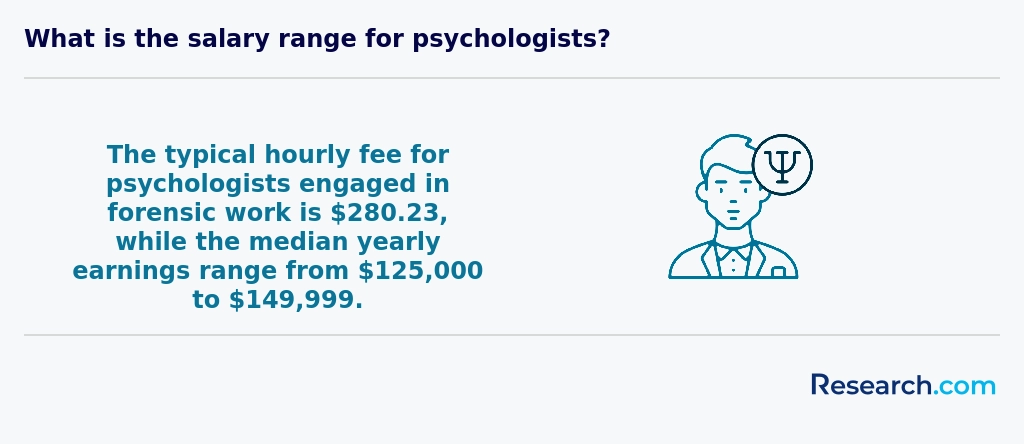
- Entry-level psychologists earn between $50,000 and $60,000 annually, with experienced professionals in specialized fields making over $90,000.
- The job market includes roles in clinical, school, industrial-organizational, and counseling psychology, with an expected job growth of 8-10% over the next decade.
- State licensure is required for clinical practice in New York, making certification mandatory for professional work.
- Financial aid, internships, and campus resources are important factors to consider to help manage the cost of education.
Completing a psychology degree in Purchase generally takes four years for those pursuing a bachelor's degree, aligning with national standards. Graduates from local universities like Pace University often describe a structured yet flexible experience, benefiting from part-time and evening class options that accommodate work and personal commitments. This flexibility helps many students maintain a steady pace without overwhelming their schedules.
For those advancing to graduate studies, timelines extend accordingly. A master's degree typically requires an additional 2 to 3 years of full-time study, while doctoral programs, including the PhD or PsyD, can span 5 to 7 years, involving extensive coursework, research, and clinical training. Local graduates recall the rewarding challenge of balancing rigorous academics with real-world internships and research projects, enriching their professional readiness.
Many psychology students in Purchase find that financial considerations and personal obligations sometimes lengthen their study period, but institutions remain supportive. The blend of adaptable scheduling and community resources fosters a positive, achievable pathway toward degree completion.
All psychology programs in Purchase, NY, should hold accreditation from the American Psychological Association (APA) or regional bodies such as the Middle States Commission on Higher Education. APA accreditation is essential for graduates who aim to become licensed psychologists, as most state boards require completion of an APA-approved curriculum. Beyond institutional accreditation, students should verify that individual concentrations-whether clinical, industrial-organizational, or child-focused-meet state licensure prerequisites. For example, those pursuing a specialized track such as a child psychology major must complete coursework in developmental psychopathology, supervised practicum hours, and ethics to satisfy New York State’s licensing criteria. Graduates intending to enter the workforce immediately should confirm that their program aligns with the New York State Office of the Professions requirements for the Licensed Psychologist (LP) or Licensed Master Social Worker (LMSW) credentials. Typical licensure paths involve accruing a minimum of 3,000 supervised clinical hours and passing the Examination for Professional Practice in Psychology (EPPP) or a state-specific exam. Academic advisors and the registrar’s office can provide detailed timelines for meeting these milestones. This section helps students differentiate between accredited tracks, ensuring their degree supports both professional licensure and competitive advantage in the job market. By prioritizing accredited programs and understanding licensure pathways from the outset, students can streamline their journey from the classroom to licensed practice.
Online and on-campus psychology degree programs in Purchase differ notably in structure and student experience. On-campus degrees, such as those offered by Pace University, provide direct access to faculty, hands-on research labs, and campus resources that foster immersive learning. Graduates often recall engaging in practicum experiences and collaborative projects that enhance their practical skills and professional confidence.
Conversely, online programs cater to students needing flexibility, enabling them to balance studies with work or family commitments. These programs deliver coursework digitally, allowing self-paced learning that appeals to many non-traditional students. However, some graduates note that securing clinical practice hours may require extra effort to arrange local internships independently.
Cost and accessibility also shape these experiences. Public on-campus options tend to be more affordable for in-state residents, while private institutions, both on-campus and online, ask higher tuition but often deliver strong academic reputations recognized by psychology professionals in Purchase and beyond.
To further enhance their educational journey, prospective students in Purchase, NY, should consider exploring resources beyond their immediate institution. For instance, researching popular psychology schools can provide valuable insights into the variety of programs available, helping students make informed decisions about their academic and career paths. By doing so, students can create a well-rounded educational experience that not only equips them with theoretical knowledge but also prepares them for the real-world applications of psychology. This proactive approach allows students to maximize their time in college, leveraging resources such as internships, research opportunities, and networking events to build a strong foundation for their future careers in psychology.
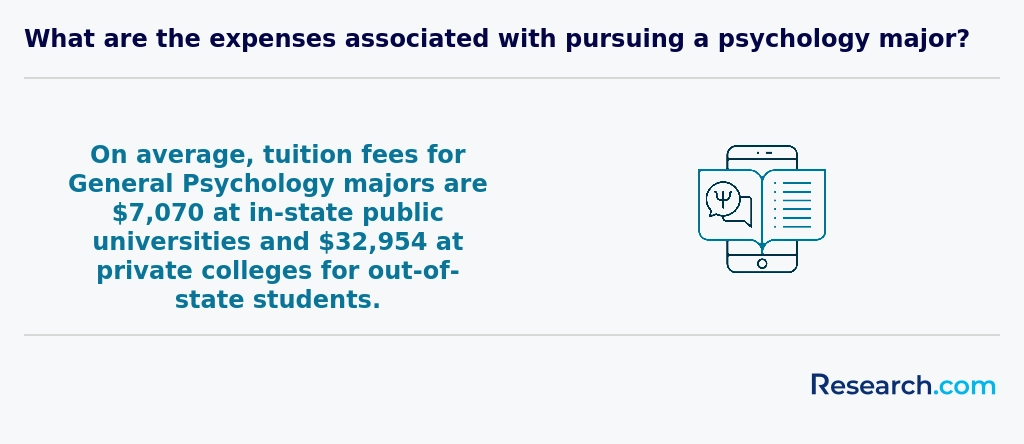
The average cost of psychology degree programs in Purchase typically reflects the median total cost of approximately $44,604 for in-state students, while out-of-state students might face costs near $60,806. These figures highlight the affordability of pursuing a psychology degree within the public university system, particularly at Purchase College, part of the SUNY network. Graduates commonly recall balancing tuition with necessary expenses like fees and textbooks, which can increase yearly costs but remain manageable compared to private institutions.
Many psychology students at Purchase College appreciate the combination of quality education and reasonable pricing, noting that additional expenses such as living costs and materials, though significant, are softened by available financial aid resources. The total expenses for psychology degree programs in Purchase often include fees near $1,400 and textbooks costing between $800 and $1,200 annually, which graduates emphasize as a worthy investment given the program's strong academic support and community atmosphere.
Prospective students from the region often compare public options in Purchase to private colleges charging between $30,000 and $50,000 per year for tuition alone. For those interested in exploring broader psychological studies or alternative programs, it may be helpful to review Nevada psychology degree programs to gauge other educational opportunities and costs. Overall, the average cost of a psychology degree in Purchase provides a positive balance between value and quality, supporting students' commitment to advancing their careers in psychology.
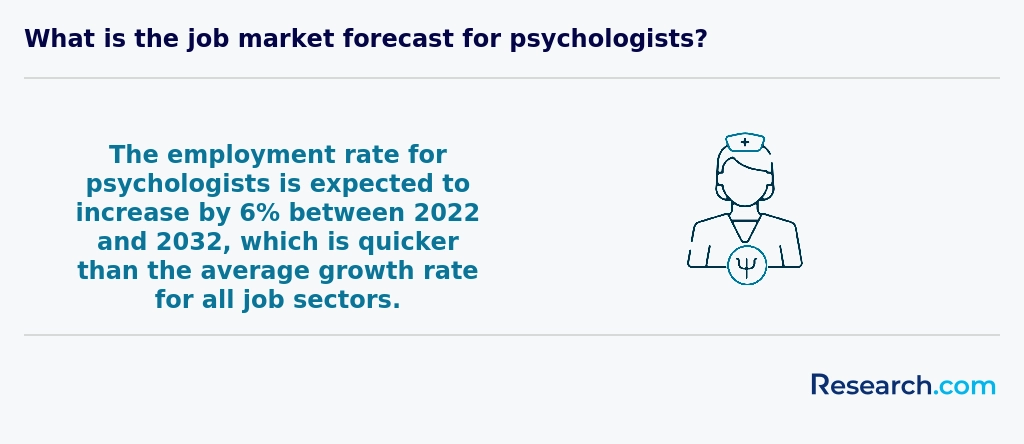
As the field of psychology continues to evolve, understanding emerging industry trends is essential for both aspiring and current professionals. With rapid advances in technology, increased emphasis on mental health awareness, and a growing demand for specialized services, graduates are encouraged to stay informed about future opportunities that may influence their career paths. For instance, the integration of tele-mental health services and digital therapy tools is reshaping how practitioners connect with clients, making adaptability a valuable skill in the evolving job landscape. Keeping an eye on market shifts is crucial; professionals who broaden their scope and explore interdisciplinary fields often find themselves at a competitive advantage. Insights into roles that blend technology with psychology-such as data-driven behavioral analysis and digital mental health coaching-can give graduates a head start in navigating the future of the industry. Similarly, understanding compensation trends is paramount; for example, exploring criminal justice psychology salary figures can provide a realistic perspective on potential earnings in niche areas. Furthermore, future-focused graduates are increasingly participating in continuous learning opportunities such as specialized certifications, workshops, and advanced degree programs. Networking through professional organizations and leveraging online resources enables individuals to adapt to changing workplace demands while pursuing innovative research. By anticipating shifts in the job market and aligning personal skill sets with new industry requirements, psychology professionals can strategically position themselves to excel in a dynamic and competitive field.
Psychology students in Purchase commonly access a variety of financial aid options to manage the cost of their education at SUNY Purchase. Many rely on federal support such as Pell Grants, which offer up to $7,395 annually without repayment. Graduates often recall how this grant eased their first-year expenses, allowing them to focus more on coursework than finances. Federal Work-Study programs present practical benefits, providing paid part-time roles on campus that blend academic schedules with valuable experience.
Loans, including Federal Direct Subsidized and Unsubsidized Loans, are another cornerstone, offering lower interest rates than private alternatives. Numerous SUNY Purchase psychology graduates attribute their successful degree completion to prudent loan use paired with grants and scholarships. At the state level, New York's Tuition Assistance Program (TAP) can contribute up to $5,665 yearly for eligible residents, significantly reducing the financial burden.
Institutional aid further supports students through merit scholarships and need-based grants, often tailored to psychology majors demonstrating strong academic promise. Local scholarships from organizations like Psi Chi and the American Psychological Association also provide additional relief, making the pursuit of psychology degrees in Purchase both attainable and rewarding.
- Licensed Psychologist: Requires a doctoral degree in psychology, completion of 3,000+ supervised hours (pre- and post-doctoral), and passing the EPPP exam.
- Licensed Mental Health Counselor (LMHC): Needs a master’s in counseling or psychology, 3,000 supervised clinical hours in New York, and the NCMHCE exam.
- Licensed Marriage and Family Therapist (LMFT): Involves a master’s in MFT or related field, 1,500 supervised hours, passing the state MFT exam, or consider affordable online mft programs.
- School Psychologist: Requires a specialist degree (EdS or higher), completion of an approved internship, and NCSP certification.
- Continuing Education: All licensed professionals must complete 36–45 CE credits every two to three years to maintain active status.
To enroll in a psychology degree in Purchase, applicants must meet several key academic and administrative prerequisites. Undergraduate candidates typically need a high school diploma or GED with a strong academic record, especially in biology, statistics, and social sciences. Many students from Purchase's community colleges and four-year institutions report that maintaining a GPA above 2.5 is crucial, though competitive programs may expect higher grades.
Graduate applicants must hold a bachelor's degree, often in psychology or a related field, and some note that completing coursework in research methods and statistics ahead of time significantly strengthens their applications. Letters of recommendation, personal statements, and documented research or clinical experience are often required, as emphasized by students from well-regarded programs like Fordham University.
International students frequently prepare for English proficiency exams such as TOEFL. While some programs still request GRE scores, many psychology departments in Purchase are moving toward more flexible admissions. Graduates express a sense of accomplishment in navigating these steps, viewing them as important milestones on the path to their rewarding careers.

All reputable psychology programs in Purchase, NY hold regional accreditation from the Middle States Commission on Higher Education (MSCHE) and, for clinically focused tracks, American Psychological Association (APA) accreditation-ensuring courses meet rigorous academic and ethical standards essential for both licensure eligibility and employer recognition. For graduates aiming to become licensed psychologists in New York State, completion of an APA-accredited doctoral program is mandatory. Candidates must accrue at least 3,000 supervised postdoctoral hours, pass the Examination for Professional Practice in Psychology (EPPP), and clear New York’s jurisprudence exam on state law and ethics. Master’s graduates pursuing licensure as mental health counselors should verify their program’s accreditation by bodies such as the National Board for Certified Counselors (NBCC) and ensure required supervised practicum placements. Those considering doctoral pathways can explore online options that maintain APA standards, such as programs listed in our Affordable Online Doctorate in Psychology Degree Programs Ranking in the South, which balance cost-efficiency and accreditation. Prospective students should also confirm licensure support services-like exam prep workshops and internship coordination-to streamline their transition from academia to professional practice.
Psychology degree programs in Purchase typically encompass a diverse array of courses aimed at providing a comprehensive understanding of both core principles and specialized areas within psychology. Students at institutions such as the College of Westchester engage deeply with foundational classes like Introduction to Psychology, which offers insight into cognition, emotion, and behavior through relatable examples drawn from everyday human interactions.
Graduates often recall how Research Methods and Statistics courses equipped them with essential skills to design experiments and analyze data, fostering confidence in empirical investigation. Developmental Psychology classes take students through life stages, enabling them to connect theoretical concepts with personal experiences observed in family or community settings.
Specialized courses such as Biopsychology and Cognitive Psychology illuminate the biological and mental processes behind actions, often making complex ideas tangible by linking them to real-world phenomena. Social and Abnormal Psychology further expand understanding of interpersonal dynamics and mental health, empowering students to empathize and engage constructively in clinical or counseling environments prevalent in Purchase.
By including electives like forensic or industrial-organizational psychology, programs in Purchase allow personalization, enhancing student enthusiasm and readiness for diverse career paths or graduate education.

Students enrolled in psychology degree specializations in Purchase often choose clinical psychology, a field highly valued for diagnosing and treating mental health disorders. Graduates from Purchase institutions have shared how the hands-on clinical practicums deeply enhanced their confidence in therapeutic settings, preparing them for diverse roles in counseling and mental health care. Another prevalent concentration is counseling psychology, where learners develop skills to support individuals facing life transitions and stress, often advancing toward licensure to become professional therapists.
Experimental psychology attracts students interested in research methods focused on cognitive and social behaviors, with local colleges providing access to labs and community research projects that foster a strong practical foundation. Other specialization options available in Purchase psychology program concentration options include developmental psychology, industrial-organizational psychology, and neuropsychology, each offering unique career pathways.
Those curious about flexible learning pathways may explore options highlighted in online psychology degrees california admission requirements, which reflect broader trends in the field. Such diversity in specializations supports tailored educational experiences aligned with each student's professional ambitions.
Choosing the best psychology degree in Purchase requires evaluating multiple factors tailored to your career goals and lifestyle. Graduates from popular colleges in Purchase often highlight the importance of selecting accredited institutions, particularly those recognized by MSCHE, to ensure academic quality and federal financial aid eligibility. Reflect on the degree level that suits your ambitions; whether aiming for entry-level roles or advanced clinical positions, the curriculum depth and faculty expertise at leading Purchase universities strongly influence your hands-on skills and future opportunities.
Students praise programs that offer internships within Purchase's healthcare and community organizations, enriching practical experience alongside theoretical knowledge. Considering cost is vital-public colleges offer relatively affordable psychology degrees in Purchase NY, but private institutions can be costlier; financial aid and scholarships play a crucial role here. Flexibility also matters; many students juggle work and family commitments, benefiting from part-time or online studies. For instance, some pursue the most affordable substance abuse counseling bachelor's online, blending learning with personal obligations effectively.
Graduates holding a psychology degree in Purchase can pursue a diverse range of career paths that leverage their understanding of human behavior and mental processes. Common roles include clinical psychologist, counselor, school psychologist, and human resources specialist, benefitting from the strong academic foundation and connections that institutions like Pace University provide. Many psychology students from Purchase find rewarding opportunities through internships and career services associated with these universities, helping them transition smoothly into professional environments.
Beyond traditional clinical roles, psychology degree career opportunities in Purchase also extend to specialized fields such as industrial-organizational psychology, where professionals focus on enhancing workplace productivity and employee wellbeing. Research assistant positions are abundant in local behavioral science projects, offering graduates hands-on experience in social psychology studies conducted by healthcare and academic institutions in Westchester County.
Job prospects for psychology graduates in Purchase are bolstered by the region's growing demand for mental health professionals, supported by increased funding and awareness. Roles in social work and marketing benefit from the psychology background, allowing graduates to make meaningful impacts in communities or consumer behavior analysis. For those seeking licensure, detailed requirements can be explored here.
The psychology degree job opportunities in Purchase reflect a robust and varied employment outlook for graduates. Local institutions such as popular universities in the area provide students with access to internships and practicum placements within Westchester County's healthcare facilities, schools, and community organizations. Graduates often describe rewarding experiences working as mental health counselors, school psychologists, or behavioral therapists, benefiting from Purchase's close ties to New York City's extensive employment network. These roles offer stable career paths, especially for those who pursue advanced degrees or state licensure.
Employment outlook for psychology graduates Purchase is bolstered by a growing emphasis on specialized fields like industrial-organizational psychology and counseling psychology, which are in high demand regionally. Many graduates find that practical experience gained through local internships enhances their competitiveness in this market. For those exploring licensure requirements, resources such as new mexico psychology license examination dates provide helpful guidance. Overall, the combination of Purchase-based education and practical exposure creates promising prospects for psychology professionals in the area.
2027 Most Popular Psychology Degree Programs Ranking in Purchase
Investing in your education is a significant decision that can shape your future, and the Research.com team understands the importance of making informed choices. To assist prospective students in Purchase, we have meticulously crafted the "2027 Most Popular Psychology Degree Programs Ranking in Purchase." Our commitment to quality, credibility, and accuracy is reflected in the extensive research and analysis conducted to compile this ranking.
We utilized the following reputable data sources to ensure a comprehensive evaluation of psychology programs:
By exploring this ranking, readers will gain valuable insights into the most popular psychology degree programs in Purchase, empowering them to make well-informed decisions about their education. For more details on our methodology, please visit our Research.com methodology page.


Frequently Asked Questions About psychology
Psychology degree students in Purchase can maximize their learning experience by engaging actively in both coursework and practical opportunities. Local institutions like Pace University offer programs emphasizing research, internships, and community involvement, which are crucial for applied learning. According to the Bureau of Labor Statistics, hands-on experience significantly improves employment prospects in psychology-related fields.
Students should seek internships in nearby healthcare centers or schools, allowing them to apply theories in real-world settings. Participation in research projects under faculty supervision helps develop critical analytical skills.
Joining psychology-focused student organizations in Purchase enhances networking and professional growth. Additionally, utilizing academic resources such as tutoring and counseling services available on campus supports academic success.
Emerging niches within the psychology field reflect the evolving needs of society and advances in technology. In Purchase and across the United States, areas like neuropsychology and health psychology are gaining prominence as professionals address brain health and chronic illness management. Additionally, forensic psychology, focusing on legal and criminal justice applications, is expanding due to increased demand in law enforcement and courts.
Another growing niche is sports psychology, which helps athletes improve mental resilience and performance. Digital mental health, involving teletherapy and app-based interventions, has also surged, especially after COVID-19. According to the U.S. Bureau of Labor Statistics, employment for psychologists is projected to grow 8% from 2021 to 2031, with these specialties driving much of that expansion.
Preparing for the job market after completing a psychology degree in Purchase involves several strategic steps. Graduates should seek internships or practicum experiences during their studies, as local healthcare facilities and community centers often offer hands-on opportunities that enhance practical skills.
Networking is crucial in Purchase's competitive market. Joining professional organizations, such as the New York State Psychological Association, provides valuable contacts and job leads. Additionally, career fairs hosted by local universities like Pace University can connect students with employers in mental health, education, and human services.
Continuing education through certifications in specialties, such as counseling or school psychology, also improves employability. According to the U.S. Bureau of Labor Statistics, the demand for psychologists in New York State is projected to grow by 10% through 2030, highlighting a positive outlook for well-prepared graduates.
Employers in Purchase value psychology graduates who possess strong analytical skills. The ability to interpret data and apply research methodology is crucial in many psychology-related roles.
Communication skills also rank highly. Graduates must clearly convey complex concepts to diverse audiences, including clients and colleagues.
Critical thinking and problem-solving are essential, as psychology professionals often assess behaviors and develop intervention plans.
In Purchase, familiarity with ethical guidelines and cultural competence is increasingly important, reflecting the diverse population served by psychological services.
According to the U.S. Bureau of Labor Statistics, these skills improve employability in clinical, counseling, and research settings nationwide, including Purchase.
Finding psychology internships in Purchase involves a combination of university resources and local opportunities. Students enrolled in psychology programs at institutions like Purchase College can access internship listings through campus career centers, which often partner with nearby clinics, schools, and social service agencies.
Purchase is located near Westchester County's diverse mental health facilities and nonprofits, offering internships focused on counseling, research, and community outreach. According to the National Association of Colleges and Employers (NACE), 60% of psychology students secure internships through their college networks.
Additionally, students should explore online platforms such as Handshake or Idealist that list internships in the Purchase area, allowing them to filter by psychology-related roles. Networking with faculty and attending psychology department events can also uncover hidden internship opportunities.
A psychology degree in Purchase can significantly enhance career mobility and advancement opportunities. Graduates often find diverse roles in mental health services, education, social work, and human resources, reflecting the versatile nature of the degree. According to the U.S. Bureau of Labor Statistics, employment for psychologists and related occupations in New York State is projected to grow by 11% through 2031, indicating strong local demand.
In Purchase, being close to metropolitan job markets broadens access to internships and networking, which are crucial for advancement. Higher education credentials, including master's and doctoral degrees obtained locally or through collaborations with nearby institutions, further boost eligibility for specialized roles.
Moreover, skills gained from psychology programs-such as critical thinking, communication, and data analysis-are highly valued across industries, helping graduates pivot between jobs or advance into leadership positions smoothly.
Studying for a psychology degree in Purchase equips students with a broad skill set applicable to interdisciplinary roles. The curriculum typically integrates courses from sociology, neuroscience, and health sciences, fostering a comprehensive understanding of human behavior in various contexts.
Local institutions emphasize research methods and critical thinking, essential for collaborating across fields like education, healthcare, and social work. According to the American Psychological Association, graduates with interdisciplinary training have a 15% higher rate of employment in diverse sectors. In Purchase, programs often partner with community agencies, providing practical experience that bridges psychology and other disciplines.
This approach aligns with market demands, as jobs increasingly require multifaceted expertise to address complex social issues effectively.
Choosing between a thesis and a non-thesis psychology degree program in Purchase depends largely on your academic and career goals. A thesis option involves conducting original research, which is ideal if you plan to pursue a PhD or a research-oriented career. It requires strong writing and analytical skills and often takes more time to complete. The non-thesis track focuses on coursework and practical experience, such as internships, making it suitable for students aiming to enter the workforce directly or pursue professional psychology roles.
According to recent data from the American Psychological Association, about 40% of psychology master's students nationwide choose non-thesis options for quicker degree completion. Local schools in Purchase typically follow this trend, offering both options with flexibility. Consider your long-term plans, available faculty mentorship, and the specific program structures before deciding.
Students based in Purchase seeking to study psychology abroad have several options within the US higher education system. Many institutions participate in exchange programs and partnerships that facilitate international study opportunities. For example, nearby colleges often have established relationships with European and Asian universities, enabling Purchase students to spend a semester or year abroad while earning credits toward their psychology degree.
In addition, Purchase students can consider enrolling in Psychology programs at universities with strong international connections or study abroad offices, such as SUNY Purchase's affiliation with programs like CIEE. According to NAFSA, approximately 10% of U.S. college students study abroad, indicating a growing trend among those pursuing psychology majors.
Furthermore, students should explore summer internships or research placements overseas, which can complement academic study and enhance psychological training.
Students pursuing psychology degrees in Purchase have several part-time job opportunities that can enhance their education. Positions such as research assistants at nearby institutions like the Westchester Institute for Human Development offer valuable hands-on experience in psychological research methods. Additionally, roles as behavioral technicians or mental health aides at local clinics provide practical exposure to patient care and therapeutic techniques.
Working as a tutor for psychology courses or participating in peer counseling programs at schools like Pace University can also build communication and leadership skills. According to the Bureau of Labor Statistics, combining work experience with studies improves job prospects in psychology fields nationwide, which applies to Purchase graduates as well.
Psychology students in Purchase benefit from several networking opportunities through local institutions and organizations. Purchase College, part of the State University of New York (SUNY) system, offers psychology majors access to student clubs, guest lectures, and research symposiums that connect them with faculty and peers.
Additionally, students can engage with professional groups like the Westchester Psychological Association, which hosts events and workshops for psychology professionals and students in the region. These gatherings foster relationships with practicing psychologists and potential employers.
Internships arranged through college partnerships with nearby hospitals, schools, and counseling centers provide practical experience and professional contacts, enhancing students' career prospects.
Alumni networks play a crucial role for psychology degree students in Purchase by offering valuable professional connections. These networks connect current students with graduates who have established careers in psychology-related fields, facilitating mentorship and guidance. According to the National Association of Colleges and Employers, 85% of jobs are filled through networking, underscoring its importance.
In Purchase, psychology alumni often work in clinical, counseling, and research roles across New York State, providing students localized insights and internship opportunities. Universities with active alumni groups also host career events, workshops, and panels specifically tailored to psychology students.
This ongoing support helps students navigate the competitive job market effectively.
Students pursuing psychology degrees in Purchase can tailor their programs by selecting specialized electives aligned with career goals. For example, courses in clinical psychology, counseling, or organizational psychology help focus training toward specific fields. Many institutions also offer research opportunities or internships to gain practical experience relevant to future jobs. Consulting academic advisors can further personalize the curriculum by integrating cross-disciplinary subjects such as sociology or neuroscience.
Flexible degree structures allow students to choose between Bachelor of Arts or Bachelor of Science tracks, emphasizing either theoretical or experimental approaches. According to the National Center for Education Statistics, tailored programs tend to improve graduate outcomes in New York State, including Purchase. This customization supports preparation for careers in mental health, human resources, or social services effectively.
Psychology students in Purchase often encounter several common challenges during their academic journey. One major difficulty is managing the rigorous coursework, which frequently combines theoretical study with practical research components. Balancing lab work, field studies, and writing assignments can be demanding for undergraduates and graduate students alike.
An additional challenge is securing relevant internships or research opportunities locally. While Purchase offers access to institutions such as Westchester Medical Center, competition for placements can be intense, impacting hands-on learning experiences.
Mental health struggles are also prevalent among psychology students nationwide, including in Purchase. According to the American Psychological Association, nearly 40% of graduate psychology students report symptoms of depression, underscoring the need for effective coping strategies.
Financial concerns related to tuition and living expenses further complicate students' experiences. Many rely on scholarships or part-time work to support their studies, which can increase stress and reduce available study time.
With a psychology degree in Purchase, you can pursue several professional certifications that enhance your career prospects. Common certifications include becoming a Licensed Professional Counselor (LPC) or Licensed Clinical Social Worker (LCSW), which require graduate study and supervised experience.
Another option is certification as a Certified Rehabilitation Counselor (CRC), useful in workplace counseling roles. For those interested in school settings, earning a School Counselor certification is valuable.
Additionally, some graduates pursue certification as a Applied Behavior Analyst (ABA), specializing in behavioral therapy, which is in growing demand locally.
The New York State Education Department provides detailed licensing information relevant for Purchase residents.
To write a winning application for a psychology program in Purchase, begin by clearly demonstrating your passion for psychology and your understanding of the field's scope. Highlight any relevant academic achievements or extracurricular activities that show your commitment, such as research projects or volunteer work in mental health settings.
Include a well-structured personal statement that reflects your career goals and explains why studying psychology in Purchase suits your ambitions. Mention specific faculty members or resources at the local campuses if possible, as personalized applications stand out.
Standardized test scores, such as the GRE, may be required depending on the institution. According to the National Center for Education Statistics, competitive psychology programs often look for scores above the 60th percentile. Ensure your letters of recommendation come from individuals familiar with your academic or professional aptitude in psychology.
Psychology careers are increasingly viewed through a global lens, especially by students in Purchase considering their degree options. The demand for psychological professionals is growing worldwide as mental health awareness rises. In the U.S., including Purchase, psychology is among the top fields for job growth; the Bureau of Labor Statistics projects a 8% increase in psychologist employment from 2021 to 2031.
Globally, psychologists work in diverse settings such as healthcare, education, business, and research. U.S. psychology degrees emphasize cultural competence, preparing graduates for international collaboration. Institutions in Purchase offer programs aligned with these global trends, reflecting changes in mental health needs and policy worldwide.
Studying psychology in Purchase provides access to networks and internships that connect students to both national and international career paths. This positions graduates well for adapting to global challenges in mental health and behavioral science.
Gaining practical experience while studying for a psychology degree in Purchase is essential for building skills and enhancing employability. Many colleges and universities in Purchase offer internship programs where students can work in clinical, research, or community settings. These are often arranged through the school's psychology department or career services office.
Volunteer opportunities at local mental health clinics and nonprofit organizations also provide valuable hands-on experience. According to the National Association of Colleges and Employers, students who complete internships are 20% more likely to secure employment upon graduation.
Additionally, Purchase students can participate in faculty-led research projects. This involvement helps develop scientific skills and can strengthen graduate school applications. Exploring resources at nearby institutions like Pace University expands these practical learning options within the region.
Choosing the right concentration within a psychology degree program in Purchase starts with understanding your career goals. Psychology offers various specializations such as clinical, counseling, developmental, or industrial-organizational psychology. Each concentration prepares students for different roles in mental health, education, or business sectors.
Consider local job market trends in Purchase; for example, clinical psychology tends to have strong demand due to growing mental health services in New York State, according to the Bureau of Labor Statistics. Research the course offerings and faculty expertise at nearby institutions like Purchase College to find concentrations aligning with your interests.
Additionally, think about required licensure or certifications in your desired field, as some concentrations offer clearer paths to professional credentials. Internships and practical experiences available in Purchase area programs can also guide your decision by providing hands-on exposure.
- 2027 Most Popular Psychology Degree Programs Ranking in Bronx
- 2027 Most Popular Psychology Degree Programs Ranking in Queens
- 2027 Most Popular Psychology Degree Programs Ranking in New York
- 2027 Most Popular Psychology Degree Programs Ranking in Amherst
- 2027 Most Popular Psychology Degree Programs Ranking in Albany
- 2027 Most Popular Psychology Degree Programs Ranking in Worcester
- 2027 Most Popular Psychology Degree Programs Ranking in Boston
- 2027 Most Popular Psychology Degree Programs Ranking in Rochester
- 2027 Most Popular Psychology Degree Programs Ranking in Buffalo
- 2027 Most Popular Psychology Degree Programs Ranking in Cleveland
See What Experts Have To Say About Studying Psychology
Read our interview with Psychology experts

Robin M. Kowalski. Ph.D.
Psychology Expert
Professor of Psychology
Clemson University

Joann Farrell Quinn, Ph.D., MBA
Psychology Expert
Director at the College of Medicine Department of Medical Education
Morsani College of Medicine

Catherine Caldwell-Harris, Ph.D.
Psychology Expert
Associate Professor of Psychology
Boston University

- Sample letters in psychology https://www.mystudies.com/en-in/human-and-social-sciences/psychology/letter-model/
- Should I Major in Psychology? https://www.umassglobal.edu/blog-news/should-i-major-in-psychology
- A Guide to Psychology Internships | Psychology Degree Guide https://psychologydegreeguide.org/resources/internships/
- Psychology Degree Requirements | University of Bridgeport https://www.bridgeport.edu/news/psychology-education-requirements/
- 48 Jobs You Can Get with a Psychology Degree - Mid-Atlantic Christian University https://www.macuniversity.edu/48-jobs-you-can-get-with-a-psychology-degree/
- Mental Health Challenges Faced by Psychology Students | The Healthcare Guys https://healthcareguys.com/2023/11/23/mental-health-challenges-faced-by-psychology-students/
- How To Find Psychology Internships https://www.psychology.org/resources/how-to-find-an-internship/
- Ontario Psychological Association - Networking and Community Resources https://www.psych.on.ca/become-a-member-(1)/member-services/networking-and-community-resources
- Psychology - SWPS University https://english.swps.pl/academics/warsaw/ba-programs/psychology
- Society for the Teaching of Psychology https://teachpsych.org/page-1784686/8675326


