2027 Fastest Online Psychology Degree Programs Ranking in Pennsylvania

Co-Founder and Chief Data Scientist
Choosing the right psychology degree program can shape your future in meaningful ways. For students in Pennsylvania, this article introduces the 2027 Fastest Online Psychology Degree Programs Ranking in Pennsylvania, crafted by the Research.com team of data scientists.
By exploring this carefully developed ranking, you'll gain clear insights into which programs offer the quickest path to your goals. Whether you're starting fresh or advancing your education, earning a psychology degree unlocks new opportunities to make a difference in people's lives.
Read on to discover options that suit your pace and ambitions, guiding you toward a rewarding career.
Key benefits of getting online psychology degree in Pennsylvania
- Salary for psychology degree graduates: Graduates in Pennsylvania can expect to earn competitive salaries in roles such as Marketing Research Analyst with a mean annual wage of $83,190, or Human Resources Specialist earning about $76,060 per year.
- Career paths: A psychology graduate from a well-known Pennsylvania university often pursues diverse careers including Clinical Research Associate or Survey Researcher, enjoying meaningful work that impacts communities positively.
- Online degree benefits: Earning your psychology degree online offers flexibility and convenience, allowing you to balance work and life, as demonstrated by successful online graduates from top Pennsylvania colleges who value the ability to learn at their own pace without commuting.
- 2027 Fastest Online Psychology Degree Programs Ranking in Pennsylvania
- What can I expect from online psychology degree in Pennsylvania?
- Where can I work with online psychology degree in Pennsylvania?
What can I expect from online psychology degree in Pennsylvania?
The average cost of an online psychology degree in Pennsylvania really depends on the type of school and the level of degree you're aiming for. For example, many students find that public universities in the state offer more budget-friendly tuition, especially if you're a Pennsylvania resident. Graduates often mention feeling relieved knowing they could balance affordable tuition with quality education, which made tackling tough courses much less stressful.
Private colleges tend to charge more, but some students appreciate the extra flexibility and smaller class sizes they get there. One common experience shared by online psychology students is the value of state financial aid and scholarships, which can lighten the cost quite a bit.
Overall, you're probably looking at a range anywhere from about $7,000 to $15,000 per year for online bachelor's programs. Master's or doctoral programs often cost more, but many students feel that the investment is worth it given the strong licensure preparation and support from Pennsylvania's well-regarded psychology departments.
Where can I work with online psychology degree in Pennsylvania?
If you're wondering where you can work with an online psychology degree in Pennsylvania, there are plenty of exciting options! Graduates from schools like Penn State or Temple University often find jobs in mental health clinics, helping people as behavioral health technicians or counselors. Imagine working in a Philly clinic, supporting someone through tough times-it's a rewarding experience that really makes you feel like you're making a difference.
Others land roles in hospitals around Pittsburgh, gaining hands-on experience as psychiatric technicians. Some even start in public schools as support staff or paraprofessionals before becoming certified school psychologists, helping kids navigate their emotions and challenges.
Social services are another great avenue. Many grads work with nonprofits or state programs, providing outreach or child welfare services that directly impact communities.
Plus, a few psychology grads from local colleges use their skills in business, like HR or marketing, where understanding people really pays off.
Keep in mind, becoming a licensed psychologist means extra steps, like supervised experience and exams, but many start gaining valuable real-world experience right after graduation.
If you're eyeing an online psychology degree in Pennsylvania, it's good to know what kind of paycheck you might expect. Graduates landing roles like Human Resources Specialists can look forward to an average salary of about $76,000 a year, which is pretty solid for starting out. One recent graduate from Temple University shared how their HR role gave them great people skills *and* a comfortable income.
For those who lean toward research, becoming a Marketing Research Analyst in PA could bring in around $83,000 annually. Imagine working at a place like Penn State, crunching numbers and shaping marketing strategies - it's exciting and pays well! Clinical Research Associate positions typically offer about $62,000 a year, giving graduates practical experience in healthcare settings while earning a steady wage.
Even if you start with something like childcare work, the experience is valuable, though the pay is typically lower-around $32,000 annually. Many grads from schools like West Chester University begin here, gaining hands-on experience before moving into higher-paying roles. So, depending on your focus, psychology degrees in Pennsylvania can open doors to a range of incomes that match your passion and goals.
- Online psychology degrees in Pennsylvania include bachelor's, master's, and doctoral programs covering cognitive, developmental, and research psychology.
- Bachelor's degrees cost about $7,000 to $15,000 per year at public schools and $20,000 to $35,000 at private schools; master's programs range from $10,000 to $30,000 total.
- Starting salaries for bachelor's level graduates are around $40,000 to $50,000 annually, while licensed psychologists earn about $80,000, with some roles exceeding $100,000.
- The psychology job market in Pennsylvania is expected to grow by 10% over the next decade, higher than the national average.
- Key employment areas include mental health counseling, school psychology, and industrial-organizational psychology, with employers valuing practical skills and experience.
If you're thinking about getting your online psychology degree in Pennsylvania, here's the lowdown on how long it usually takes. For a bachelor's degree, most students at colleges like Penn State or Temple University wrap it up in about four years if they're studying full-time. The cool part? Many find they can mix in summer classes or extra courses to finish a bit earlier and keep their momentum going.
When it comes to a master's degree, things get a bit more flexible. Graduates from schools like Drexel University often finish between 1.5 and 3 years, depending on whether they study full- or part-time. Lots of folks juggling work and family appreciate that part-time path, even if it takes a bit longer-it makes everything feel less overwhelming.
Doctoral degrees, like a PhD or PsyD, tend to be a serious commitment. Most students at Pennsylvania's universities spend around 4 to 7 years on these, especially since practical internships and research play a big role. Some programs even offer hybrid options, so you can do coursework online but still get that hands-on experience nearby.
Graduates of online psychology programs in Pennsylvania must navigate specific licensure requirements to practice professionally within the state. First, aspiring clinicians should ensure their degree comes from a program accredited by the American Psychological Association (APA) or regionally accredited and meets the Pennsylvania State Board of Psychology’s coursework mandates. Upon completion of academic requirements, candidates must accumulate at least 1,750 hours of supervised experience-typically divided between predoctoral and postdoctoral hours-under a licensed psychologist’s guidance. Next, applicants must pass the Examination for Professional Practice in Psychology (EPPP) administered by the Association of State and Provincial Psychology Boards (ASPPB), followed by the Pennsylvania jurisprudence and professional ethics exam. Successful candidates then submit proof of education, supervised experience, exam scores, and application fees to the Pennsylvania State Board of Psychology. Processing times can vary, so planning ahead is essential. Continuing education is mandatory to maintain active licensure in Pennsylvania; licensees must complete 30 hours of approved courses every two years, covering ethics, research methodology, and clinical topics. For those comparing licensure pathways across states, resources like Cheapest Psychology Degree Programs Ranking in Nevada offer insight into program affordability and state-specific regulations. By understanding these licensure steps, graduates can confidently transition from online study to professional practice in Pennsylvania’s dynamic psychological services landscape.
If you're weighing online versus on-campus psychology degrees in Pennsylvania, it mostly comes down to how you want to learn. Online programs, like those at Penn State World Campus, let you study from anywhere, which is a huge win if you're juggling work or family. You can catch up on lectures in your pajamas, no need for a daily commute to Philly or Pittsburgh campuses.
On the flip side, graduates from schools like Temple University say in-person classes give you that face-to-face vibe-direct chats with professors, group projects, and lab time that boost your confidence. For instance, when doing research methods, it's easier to ask questions on the spot. But online learners often get to schedule their work around busy lives, which feels super freeing.
Tuition costs can be pretty similar across both, though some online courses add tech fees. But don't forget, online students save on stuff like parking, meals, and housing. Hands-on stuff like clinical hours? Online programs usually help set you up with local internships in Pennsylvania, so you're not missing out there either.
When considering an online psychology degree in Pennsylvania, affordability is a crucial factor. Prospective students should research institutions that offer quality education at a lower cost. Exploring most affordable psychology schools in Pennsylvania can provide valuable insights into the available options. Many of these programs are designed to cater to the needs of working professionals or those with financial constraints, offering flexible payment plans and financial aid options. By opting for an affordable online psychology degree program, students can minimize their financial burden whilestill acquiring a comprehensive education that prepares them for a fulfilling career in psychology.
The average cost of an online psychology degree in Pennsylvania typically lands around $27,000 for in-state students, which makes it a realistic option for many locals. Graduates from popular programs at universities like Penn State or Temple often mention how balancing affordable tuition with flexible online classes allowed them to finish their degrees without breaking the bank. Out-of-state students can expect higher costs, roughly around $28,700, but still find good value compared to many online offerings nationwide.
It's worth noting that while the tuition itself forms the bulk of expenses, there are extra fees like technology charges or textbooks that can add up. Many students at Pennsylvania's well-known institutions find that financial aid and scholarship opportunities help ease those costs, making affordable online psychology programs Pennsylvania-wide a practical choice for folks juggling work and studies.
If you're trying to figure out the best path forward, learning about the most affordable psychology schools in Pennsylvania can make everything feel a lot less overwhelming. Several grads share how finding a program that fits their budget let them focus on enjoying the online learning experience and building a career in psychology without constant financial stress.
With so many options for online psychology degrees in Pennsylvania, it's encouraging to know that solid, budget-friendly programs exist that balance quality and cost, making it easier to chase a passion in this field.
Graduates of an online psychology degree in Pennsylvania must obtain the appropriate state licensure to practice clinically or independently. The Pennsylvania State Board of Psychology oversees credentialing, requiring candidates to hold at least a master’s degree in psychology from a regionally accredited institution and complete a minimum of 1,500 supervised professional experience hours. Those pursuing clinical licensure must pass the Examination for Professional Practice in Psychology (EPPP) and the Pennsylvania Jurisprudence Exam, demonstrating both theoretical knowledge and understanding of state regulations. After passing the EPPP, applicants submit verification of supervised experience-typically accrued through internships or post-degree practicums under a licensed psychologist’s supervision. Many programs build these practicum hours directly into their curriculum, but students should confirm placement assistance with their online institution. Once the Board approves, candidates receive their license and may practice as Licensed Psychologists (LP) or, with a master’s degree, obtain a license as a Licensed Professional Counselor (LPC) by meeting additional supervised counseling requirements. Maintaining licensure in Pennsylvania demands ongoing professional development. Psychologists and counselors must complete 30 continuing education credits every two years, including ethics and diversity training. Accredited workshops, conferences, and online courses count toward these credits, ensuring professionals stay current with emerging research and best practices. For students balancing budget and quality, it’s also valuable to explore cost-effective degree pathways. You can review our Cheapest Psychology Degree Programs Ranking in Nevada to compare affordability and accreditation standards before making your final decision.
If you're eyeing an online psychology degree in Pennsylvania, you'll be glad to know there are plenty of financial aid options to help ease the cost. Many students at schools like Penn State World Campus or Temple University lean on federal aid first - think Pell Grants that can cover up to $7,395 a year, plus subsidized federal loans with friendly interest rates. This can seriously cut down what you pay out of pocket.
State grants are another big help. The Pennsylvania State Grant Program supports students based on need, so graduates often mention how it made a huge difference when juggling tuition at places like West Chester University. Plus, the Pennsylvania Higher Education Assistance Agency (PHEAA) throws scholarships at students in health-related fields, including psychology.
And don't forget school-specific scholarships! Lots of universities offer awards for things like merit or veteran status, so it pays to ask around at your college.
Some grads also scored tuition help through their employers-especially if they work in healthcare or education-making continuing studies way more affordable.
When all else falls short, private loans are a last resort, but it's wise to shop around to avoid nasty surprises with interest.
Graduates of online psychology programs in Pennsylvania must navigate a structured licensure process to practice clinically or in educational settings. First, ensure your degree is from a regionally accredited institution and includes the required supervised fieldwork hours. For those pursuing licensure as a psychologist, Pennsylvania mandates completion of at least 3,500 hours of post‐doctoral supervised experience under a licensed psychologist, passing the Examination for Professional Practice in Psychology (EPPP), and satisfying the state jurisprudence exam. Counselors and social workers follow similar paths, with clinical social workers completing a master’s degree plus 3,000 supervised hours and successful passage of the Licensed Clinical Social Worker (LCSW) exam. To apply, submit official transcripts, verification of supervised experience, and application fees to the Pennsylvania State Board of Psychology or the relevant board for your discipline. Timelines vary, but applicants typically receive licensure approval within 2–4 months of passing all exams and meeting documentation requirements. Maintaining licensure requires 30 hours of continuing education every two years, including ethics, cultural competency, and evidence-based practice modules. For professionals seeking specialized credentials, certification as a Board Certified Behavior Analyst (BCBA) can enhance career prospects. Many graduates pursue board certified behavior analyst online programs that align academic rigor with the Behavior Analyst Certification Board’s requirements. BCBA certification demands a master’s degree, 1,500 hours of supervised practicum, and successful completion of the BCBA exam, opening doors to roles in schools, healthcare facilities, and community agencies. By understanding and fulfilling these licensure and certification steps, Pennsylvania psychology graduates ensure they meet regulatory standards and position themselves competitively in the job market.
If you're thinking about starting an online psychology degree in Pennsylvania, there are a few key things you'll need to have in place before you can dive in. For undergrad programs at popular schools like Penn State or Temple University, you'll typically need a high school diploma and a decent GPA, usually around 2.5 to 3.0. Some grads remember stressing over the SAT or ACT, but many programs now skip those tests to make it easier for folks to get started.
When it comes to master's programs-think of places like Drexel University-expect to already have a bachelor's degree with a solid GPA, usually 3.0 or higher. A lot of students mention that having completed some psychology courses beforehand really helped them feel confident during the application process. GRE scores might be requested, but many schools recently waived that, lighting a smoother path for busy adults balancing work and studies.
For doctoral tracks, there's a bit more weight-having a master's degree or strong psychology background is key. Plus, showing experience in psychology-related jobs can give your application that extra sparkle, something recent grads often highlight as a game-changer.
Also, don't overlook the letters of recommendation and that personal essay where you share your passion for psychology. Many students say that getting those thoughtful letters from professors or work supervisors made their applications stand out. And if your program involves internships or clinical work, be ready for background checks, a standard step that keeps things safe and professional.
Embarking on an online psychology degree can be both exciting and challenging. To maximize your success, it’s important to implement effective study habits, manage your time wisely, and stay connected with your instructors and peers. Begin by familiarizing yourself with the online learning platform and the available academic resources, such as virtual libraries and discussion forums, which can help enhance your understanding of complex psychological concepts. Additionally, set up a dedicated study area free from distractions, and create a study schedule that aligns with your personal and professional commitments. Equally important is engaging with supplemental educational opportunities. For instance, exploring options like masters in psychology online free can provide further insight into advanced educational pathways and help you plan for future career growth. Regular communication with academic advisors and participating in online study groups can also boost your motivation and academic performance. Finally, take advantage of digital tools designed for self-assessment and time management, such as productivity apps and online calendars, to keep your coursework organized. By combining strategic planning with proactive engagement and continuous learning, you can excel in your online psychology program and build a solid foundation for a rewarding career in the field.
If you're diving into an online psychology degree in Pennsylvania, get ready for a mix of courses that really cover all the bases. You'll take basics like Introduction to Psychology, which is like opening the door to how our minds and behaviors work. Then there's Developmental Psychology, where you'll explore how people grow and change from childhood to adulthood-something graduates from Penn State and Temple often mention as a game-changer in understanding everyday human interactions.
Most programs also include Abnormal Psychology-think learning about mental health challenges and disorders-and Statistics for Psychology, which might sound intimidating but actually helps you make sense of research data in a clear, logical way.
One popular course students at universities like Drexel enjoy is Biopsychology, which gets into the biology of how our brains influence what we do, and Social Psychology, where you see how people's actions change depending on who they're around. Courses like these make you feel ready to tackle real-world situations, whether you're interested in counseling or research.
If you're eyeing an online psychology degree in Pennsylvania, you'll find a bunch of cool specializations to pick from that really fit different career vibes. Lots of graduates from popular colleges in the state really rave about how focusing on clinical psychology or counseling psychology helped them land rewarding jobs in mental health and therapy. These paths make a real difference for people who love helping others face life's challenges.
Then there's forensic psychology-a fascinating mix of law and psychology that's becoming a hot spot for students wanting to work in criminal justice. Pennsylvania's rising demand for these experts makes it a smart pick. Some grads from well-known state schools have shared how this specialization opened doors in legal settings.
And if you're more into workplace dynamics, industrial-organizational psychology could be your thing, especially if you want to improve how companies work. Plus, child and adolescent psychology is perfect for those passionate about supporting young minds in schools or clinics around PA.
For those thinking about affordable options or aiming for advanced studies, check out this list of masters in psychology online free. Lots of folks found it super helpful when exploring psychology specialization options Pennsylvania online offers.
Picking the best online psychology degree in Pennsylvania really comes down to what fits you personally. Graduates from well-known schools here often mention how important it was to choose programs accredited by trusted bodies like the American Psychological Association or the Middle States Commission on Higher Education. This matters not just for quality but also for future licensure and grad school options. If you're looking at affordable psychology degrees online Pennsylvania offers plenty of options, but it helps to compare per-credit costs and look for financial aid or scholarships to ease the burden.
One grad shared how the online curriculum at their Pennsylvania college matched their passion for forensic psychology, which made studying exciting and practical. Also, programs that offer good faculty support and real-world experience, like virtual labs or internships, really helped them stay motivated. And if you want to explore related fields, check out board certified behavior analyst online programs to widen your career choices.

If you're considering an online psychology degree in Pennsylvania, there's a bunch of cool career paths waiting for you. Many grads from well-known schools like Penn State or Temple University find themselves working as behavioral health technicians or case managers in local rehab centers and social agencies, where they get hands-on helping people stick to their treatment plans. It's rewarding work that really makes a difference.
Others who stick with their studies dig into more specialized roles like licensed counselors or school psychologists. Pennsylvania's rules for becoming a licensed psychologist are pretty clear-graduates need to check all the boxes for education, supervised hours, and exams through the state board. But once you clear that hurdle, a variety of jobs open up.
What's exciting is how many psychology job opportunities in Pennsylvania are popping up, especially in hospitals and mental health clinics. Some grads also jump into business side gigs, like using psychology to boost workplace vibes or stepping into UX design. If you're curious about affordable options to kickstart your career, check out the Cheapest Psychology Degree Programs Ranking in Nevada for comparison-it's interesting to see how cost plays into choice too.
If you're considering an online psychology degree in Pennsylvania, you'll be happy to know the job market is pretty solid. Graduates from well-known schools like Penn State or Temple University often find opportunities in hospitals, schools, or local community centers where mental health services are in demand. It's common for grads to share how internships arranged through their online programs helped them land roles in counseling or behavioral health, especially since Pennsylvania's licensing board recognizes accredited online degrees, making that first job more accessible.
Job prospects differ based on your focus-clinical psychologists often need advanced degrees, but there are entry-level roles like psychological assistants open to those with bachelor's or master's degrees. Plus, with growing mental health awareness after COVID-19, more positions are popping up across the state in areas like substance abuse treatment and school counseling. Salaries in cities like Philadelphia and Pittsburgh can be pretty competitive, ranging from $75,000 to $100,000. If you're curious about making the most financially, you might want to explore the highest paying four year degrees offered in Pennsylvania.
Overall, if you're looking into online psychology degree job prospects Pennsylvania has plenty to offer, and many graduates find exciting, impactful careers that really make a difference in their communities.
2027 Fastest Online Psychology Degree Programs Ranking in Pennsylvania
Investing in your education is a significant decision that can shape your future, and the Research.com team recognizes the importance of providing reliable guidance. To support prospective students in Pennsylvania, we have carefully developed the "2027 Fastest Online Psychology Degree Programs Ranking in Pennsylvania." Our dedication to quality, credibility, and accuracy is demonstrated through rigorous research and analysis performed to compile this ranking.
We utilized the following reputable data sources to ensure a comprehensive evaluation of psychology degree programs:
By reviewing this ranking, readers will gain valuable insights into the fastest online psychology programs in Pennsylvania, empowering them to make well-informed decisions about their education and career paths. For more details on our methodology, please visit our Research.com methodology page.

# 2 position
Penn State University Park
Bachelor of Psychology

# 3 position
Penn State University Park
Master of Psychology of Leadership


Frequently Asked Questions About psychology
Online psychology degree students in Pennsylvania can maximize their learning by actively engaging with course materials and participating in virtual discussions. Institutions like Penn State World Campus emphasize interactive content and providing timely feedback, which enhances comprehension. Students should also leverage state resources such as the Pennsylvania Psychological Association for networking and professional development opportunities.
Consistent time management is crucial; setting a schedule helps balance coursework with personal responsibilities. Utilizing campus career services, even remotely, can assist with internships or practicum placements essential for licensure. According to the Bureau of Labor Statistics, Pennsylvania employs over 10,000 psychologists, indicating strong local demand, which supports applied learning and job prospects for graduates.
Emerging niches within psychology reflect evolving societal needs and advances in research. In Pennsylvania, areas like health psychology and neuropsychology are growing rapidly, driven by increasing demand for mental health services and brain disorder treatments. According to the Pennsylvania Psychological Association, telepsychology has expanded by over 40% in recent years, making remote therapy an important specialty.
Another promising niche is forensic psychology, where professionals assist legal systems in understanding criminal behavior. Additionally, industrial-organizational psychology is gaining traction as businesses seek to improve employee well-being and productivity, especially in hybrid work environments.
These specializations often align well with online degree programs offered across Pennsylvania, ensuring flexibility for working professionals.
After completing an online psychology degree in Pennsylvania, preparing for the job market involves developing both practical skills and professional connections. Pennsylvania's Bureau of Labor Statistics reported that psychology-related jobs in the state are growing steadily, with a 5% increase projected over the next decade. Graduates should consider internships or volunteer opportunities in healthcare, education, or community services to gain relevant experience.
Building a strong resume highlighting research, communication, and critical thinking skills is essential. Additionally, joining professional organizations like the Pennsylvania Psychological Association can provide networking and job leads. Certification or licensure is often required for counseling roles, so researching state-specific requirements early is advisable.
Employers in Pennsylvania seek psychology graduates who demonstrate strong critical thinking and analytical skills. These abilities are vital for interpreting research data and understanding complex human behaviors. Communication skills, both written and verbal, are highly valued as psychologists must clearly convey findings to clients and colleagues.
Additionally, proficiency in research methods and statistical analysis is essential. Graduates trained in these areas tend to excel in roles involving psychological assessment and evidence-based treatment planning. According to the Pennsylvania Department of Labor & Industry, these competencies improve job prospects in healthcare and social service settings.
Ethical judgment and cultural competence also rank among top skills, ensuring graduates effectively support Pennsylvania's diverse populations in various clinical environments.
Finding psychology internships in Pennsylvania involves combining online research with local networking. Start by exploring university career centers, which often list internship opportunities for psychology students. Many Pennsylvania colleges and universities also partner with healthcare facilities, schools, and nonprofit organizations to provide placements.
The Pennsylvania Psychological Association offers resources and a directory that can help locate internships officially recognized in the state. Additionally, checking with the Pennsylvania Department of Human Services can reveal approved clinical internship sites. According to the Bureau of Labor Statistics, Pennsylvania employs over 12,000 psychologists, indicating diverse opportunities.
Utilizing online platforms like Handshake and LinkedIn tailored to Pennsylvania can connect students with relevant internships.
Obtaining an online psychology degree in Pennsylvania can significantly boost career mobility and advancement. According to the Pennsylvania Department of Labor & Industry, jobs in psychology and related fields are projected to grow by 11% through 2030, faster than the national average. An online degree allows flexibility for working professionals to upskill without pausing their careers. Graduates with a bachelor's or master's in psychology often move into roles such as behavioral health specialists, counselors, or human resources managers, which offer opportunities for promotion with experience.
Online degree programs accredited by recognized organizations, like the APA, enhance credibility among Pennsylvania employers. Additionally, networking through virtual programs and internships within the state can expand professional connections. Overall, an online psychology degree aligns with Pennsylvania's workforce demand, supporting smoother career transitions and higher potential earnings over time.
Studying for an online psychology degree in Pennsylvania equips students with skills applicable across multiple disciplines. Pennsylvania schools often integrate coursework that covers behavioral science, research methods, and counseling techniques. This foundation helps graduates collaborate effectively with professionals in healthcare, education, social work, and business sectors.
Many psychology programs in Pennsylvania emphasize critical thinking and data analysis, preparing students to contribute to interdisciplinary teams. According to the Pennsylvania Department of Labor & Industry, careers involving psychology intersect with fields like health services and human resources, making this degree versatile.
Additionally, online formats offer flexible access to courses on ethical practices and cultural competence, which are essential for interdisciplinary communication in diverse work environments. This approach enables psychology graduates to adapt their expertise beyond traditional clinical roles.
When choosing between a thesis and a non-thesis psychology degree program in Pennsylvania, consider your career goals and interests. Thesis programs emphasize original research, helping students develop skills valuable for doctoral study or research careers. Non-thesis programs focus more on practical knowledge and coursework, which suits students targeting professional practice or immediate employment.
In Pennsylvania, many accredited universities offer online psychology degrees with both options. According to the Pennsylvania Department of Education, thesis programs often require 6 to 12 credits of research, while non-thesis tracks substitute this with additional electives or internships. Costs and time commitments may also differ, so review each program's curriculum carefully.
Evaluating faculty expertise and available research facilities online can also guide your choice. Ultimately, think about whether you prefer hands-on research experience or a broader applied psychology education as you plan your future in the field.
Students based in Pennsylvania seeking to study psychology abroad through online programs have increasing options thanks to global partnerships and international universities offering accredited degrees in English. While Pennsylvania schools like Penn State and Temple University focus on domestic online psychology degrees, some institutions abroad provide fully online bachelor's and master's in psychology accessible to U.S. students. However, students should verify accreditation recognized by the U.S. Department of Education and consider transferability of credits to Pennsylvania licensing boards for clinical psychology roles.
Programs in countries such as the United Kingdom, Australia, and Canada often align with U.S. standards, though state-specific licensure requirements may affect degree recognition. According to the Pennsylvania Department of Education, ensuring the program meets criteria for professional psychology careers in the state is critical. Exploring study abroad advisors or credential evaluation services helps students make informed choices.
Part-time job opportunities in Pennsylvania that complement a psychology degree include positions such as behavioral health technician, psychiatric aide, and case manager assistant. These roles provide hands-on experience working with diverse populations, enhancing students' understanding of psychological principles in real-world settings.
According to the U.S. Bureau of Labor Statistics, Pennsylvania employs over 20,000 mental health counselors and social workers, highlighting the availability of supportive roles in healthcare facilities and nonprofit organizations. Working part-time in these environments can deepen practical knowledge while studying.
Additionally, research assistant jobs at universities or local institutions offer valuable exposure to psychological research methods and data analysis, which is critical for academic growth.
Online psychology students in Pennsylvania benefit from diverse networking opportunities despite remote learning. Many universities in the state host virtual events, webinars, and meetups that connect students with faculty, alumni, and professionals in psychology fields.
The Pennsylvania Psychological Association (PPA) offers student memberships that grant access to conferences and workshops, providing valuable contacts within the state's psychology community. Participation in local chapters and special interest groups enhances professional growth.
Additionally, internship placements and practicum experiences often connect online students with Pennsylvania-based clinics and research centers, fostering real-world networking.
According to the U.S. Bureau of Labor Statistics, Pennsylvania employs over 21,000 psychologists, representing a broad network for graduates entering the field.
Alumni networks provide essential support to students pursuing online psychology degrees in Pennsylvania. These networks offer valuable opportunities for mentorship, allowing recent graduates to connect with experienced professionals in the psychology field. This relationship can enhance career guidance and job placement, which is important given Pennsylvania's competitive mental health job market.
Statistics from the Pennsylvania Department of Labor & Industry highlight that networking plays a key role in employment for psychology graduates, with over 60% finding jobs through professional connections. Alumni groups also organize events and workshops that help students stay updated with industry trends and licensure requirements.
Moreover, alumni networks foster a sense of community among online learners, who might otherwise feel isolated. This connection improves both academic motivation and professional growth. Participation in these networks can increase access to exclusive job postings and internships within Pennsylvania's psychology-related organizations, further supporting career advancement.
Customizing an online psychology degree program in Pennsylvania allows students to align their education with specific career goals. Many accredited schools offer flexible electives, concentrations, or specialization tracks such as counseling, forensic psychology, or industrial-organizational psychology.
Additionally, some programs provide opportunities for applied research, internships, or practicum experiences that fit regional industry demands. The Pennsylvania Department of Education highlights that practicum hours tailored to career goals can strengthen licensure paths and job readiness.
Students should also consider programs with faculty expertise in areas relevant to their interests to gain mentorship and networking advantages within Pennsylvania's psychology community. This approach helps optimize the value of their degree in the state's competitive job market.
Online psychology students in Pennsylvania often face challenges related to balancing coursework with personal and professional commitments. Many students juggle jobs or family responsibilities while engaging with demanding psychology curricula, which can lead to time management difficulties. Additionally, the lack of in-person interaction may hinder networking opportunities and direct mentorship, which are valuable for career development.
Another challenge involves ensuring that online programs meet Pennsylvania's licensing requirements for psychologists, which can vary and require specific practicum or internship experiences. According to the Pennsylvania State Board of Psychology, many online students must secure local supervised hours, which may be difficult without campus resources.
Lastly, students sometimes face technological barriers, such as limited access to reliable internet or unfamiliarity with learning platforms, which can affect their engagement and performance.
With an online psychology degree in Pennsylvania, you can pursue several professional certifications that enhance your career prospects. One common path is becoming a licensed psychologist, which requires a doctorate plus passing the Examination for Professional Practice in Psychology (EPPP), regulated by the Pennsylvania State Board of Psychology.
Other certifications include Licensed Professional Counselor (LPC) or Licensed Clinical Social Worker (LCSW). These often require a master's degree in psychology or related fields and supervised clinical experience.
Additionally, certifications such as Certified Alcohol and Drug Counselor (CADC) are available for specialized counseling roles. According to the Pennsylvania Department of State, these credentials improve job opportunities and earning potential in clinical, educational, and organizational settings.
To write a winning application for an online psychology program in Pennsylvania, start by carefully researching the program's accreditation. Regional accreditation by bodies such as MSCHE (Middle States Commission on Higher Education) indicates a reputable school. Highlight your academic achievements, especially in psychology or related social sciences, as Pennsylvania schools emphasize strong foundational knowledge.
Personal statements should clearly express your motivation for studying psychology online, linking it to Pennsylvania's diverse mental health needs-areas highlighted by the Pennsylvania Department of Health.
Include relevant experience, like volunteer work or internships in psychological services, which strengthen applications by demonstrating practical engagement.
Finally, request recommendation letters from professors or supervisors who can attest to your dedication and suitability for rigorous online study and psychological research.
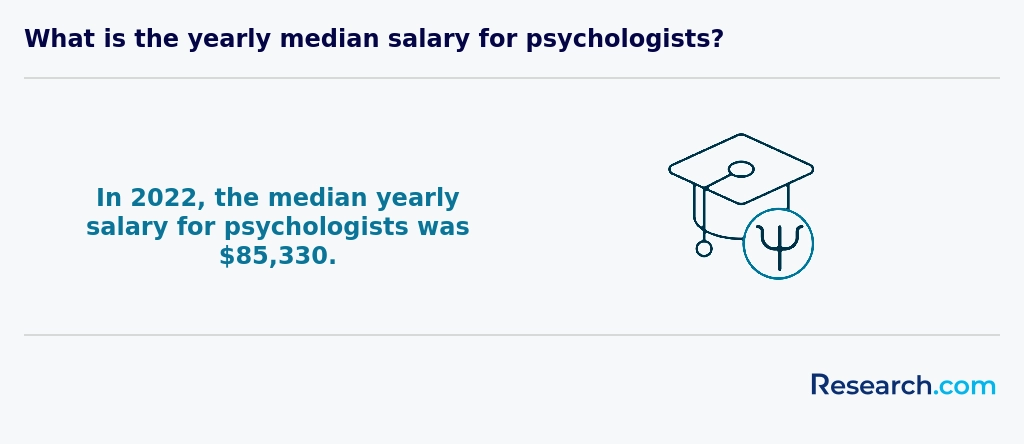
The field of psychology is recognized globally for its importance in addressing mental health, behavior, and social issues. In the United States, including Pennsylvania, psychology careers offer diverse opportunities ranging from clinical practice to research and education. According to the U.S. Bureau of Labor Statistics, the demand for psychologists in Pennsylvania is expected to grow by 10% through 2031, reflecting a nationwide need driven by increased awareness of mental health.
Internationally, psychology is valued differently depending on cultural, economic, and healthcare systems. However, U.S. psychology degrees, particularly online programs offered in Pennsylvania, adhere to rigorous accreditation standards, making them competitive worldwide.
For Pennsylvania students, earning an online degree can open pathways not only locally but also to global opportunities, as many psychology principles apply broadly and are respected internationally.
Gaining practical experience while studying for an online psychology degree in Pennsylvania is essential for career readiness. Many accredited programs require or offer options for internships and practicum placements. These opportunities can often be completed locally, allowing students to work in hospitals, mental health clinics, or community agencies near their residence.
The Pennsylvania Psychological Association highlights that hands-on experience is critical for licensure and employment. Students should consult their program advisors to identify approved sites. Additionally, some universities have partnerships with Pennsylvania-based organizations to facilitate placement.
Virtual simulations and case study analyses are increasingly used to supplement real-world training in online courses. While remote, these tools help develop clinical skills aligned with state standards.
Choosing the right concentration within an online psychology degree program in Pennsylvania requires understanding your career goals and interests. Popular concentrations include clinical, counseling, industrial-organizational, and child psychology. Each prepares students for different roles, so consider which aligns with local job demand and licensure requirements.
In Pennsylvania, clinical and counseling psychology are common due to the state's demand for licensed therapists, with the Pennsylvania Department of Labor reporting steady growth in these professions. Industrial-organizational psychology is ideal for those interested in workplace behavior and corporate settings.
Review program curricula to ensure they offer courses and practicum opportunities specific to your concentration. Additionally, check if the program meets Pennsylvania Board of Psychology licensure prerequisites if you plan to become a licensed psychologist.
- 2027 Fastest Online Psychology Degree Programs Ranking in Maryland
- 2027 Fastest Online Psychology Degree Programs Ranking in New York
- 2027 Fastest Online Psychology Degree Programs Ranking in West Virginia
- 2027 Fastest Online Psychology Degree Programs Ranking in Ohio
- 2027 Fastest Online Psychology Degree Programs Ranking in Virginia
- 2027 Fastest Online Psychology Degree Programs Ranking in Massachusetts
- 2027 Fastest Online Psychology Degree Programs Ranking in Kentucky
- 2027 Fastest Online Psychology Degree Programs Ranking in Tennessee
- 2027 Fastest Online Psychology Degree Programs Ranking in Indiana
- 2027 Fastest Online Psychology Degree Programs Ranking in New Hampshire
See What Experts Have To Say About Studying Psychology
Read our interview with Psychology experts

Joann Farrell Quinn, Ph.D., MBA
Psychology Expert
Director at the College of Medicine Department of Medical Education
Morsani College of Medicine

Catherine Caldwell-Harris, Ph.D.
Psychology Expert
Associate Professor of Psychology
Boston University

Elizabeth L. Jeglic Ph.D.
Psychology Expert
Professor of Psychology
City University of New York

- Networking and Community Resources https://www.psych.on.ca/become-a-member-(1)/member-services/networking-and-community-resources
- Online Psychology Degree Salary by Career Path https://www.collegetransitions.com/blog/online-psychology-degree-salary-by-career-path/
- Incorporating Career Exploration and Skill Development ... https://teachpsych.org/page-1784686/8675326
- Most Popular Online Psychology Degrees in Pennsylvania https://www.onlineu.com/degrees/psychology/pennsylvania
- Online Psychology Degrees https://www.phoenix.edu/online-psychology-degrees.html
- Online Psychology Degrees: What You Need To Know https://www.psychology.org/online-degrees/
- Best Online Psychology Degrees in Pennsylvania [2026] https://www.accreditedpsychologydegrees.com/online-psychology-degrees-pennsylvania/
- BA in Psychology | Online | $2500-$7500 Per Year https://www.eastern.edu/academics/online-undergraduate-programs/ba-psychology-online
- Financial Aid for Psychology Students https://www.onlinepsychologydegrees.com/financial-aid/
- Psychology | York College of Pennsylvania https://www.ycp.edu/academics/programs/psychology