
2027 Fastest Online Psychology Degree Programs Ranking in Maryland

Co-Founder and Chief Data Scientist
Choosing the right online psychology degree program in Maryland can feel overwhelming. To help, this article presents the 2027 Fastest Online Psychology Degree Programs Ranking in Maryland, created by the Research.com team of data scientists. This ranking highlights the programs that can get you closer to your goals efficiently.
Exploring these options empowers you to make an informed decision and pursue a rewarding career in psychology. Whether you want to help others or grow professionally, this guide offers valuable insights to support your journey.
Key benefits of getting online psychology degree in Maryland
- Psychology degree graduates in Maryland can pursue rewarding roles such as Human Resources Specialist with a mean annual wage of $76,060, Marketing Research Analyst at $83,190, or Clinical Research Associate earning about $62,370.
- Graduates from popular Maryland universities often explore diverse careers, including survey researcher or childcare worker, gaining valuable experience in understanding human behavior across different settings.
- Online psychology degrees offer flexibility and convenience, allowing students to balance work and study effectively, as seen with graduates from reputable Maryland programs who appreciate learning at their own pace.
- 2027 Fastest Online Psychology Degree Programs Ranking in Maryland
- What can I expect from online psychology degree in Maryland?
- Where can I work with online psychology degree in Maryland?
What can I expect from online psychology degree in Maryland?
The average cost of an online psychology degree in Maryland varies significantly depending on the institution's public or private status. Public universities, such as the University of Maryland Global Campus, typically offer more affordable tuition, often ranging between $8,000 and $12,000 annually for in-state students. Graduates from these programs frequently emphasize the financial relief this provides, allowing them to work while studying without excessive debt.
Private colleges, on the other hand, may charge upwards of $20,000 per year, doubling the cost but sometimes offering smaller class sizes or specialized faculty. Several graduates report that these programs' resources and networking opportunities justify the higher cost. Financial aid and scholarships can substantially offset expenses across all institutions.
Notably, Maryland residents benefit from lower tuition rates at state schools compared to out-of-state students, which many online learners leverage. Given the flexibility of online psychology degrees, students can balance coursework with internships or part-time jobs, making the programs both cost-effective and professionally rewarding.
Where can I work with online psychology degree in Maryland?
Graduates with an online psychology degree from Maryland institutions such as the University of Maryland and Towson University find diverse employment opportunities across healthcare, education, government, and corporate sectors. Many work in hospitals, mental health clinics, or rehabilitation centers, where demand for clinical psychologists is projected to grow 14% from 2020 to 2030, exceeding national averages. This growth motivates graduates, who often recall hands-on internships that prepared them for licensure requirements and clinical roles.
Others secure positions as licensed school psychologists in large districts like Baltimore City Schools or Montgomery County Public Schools, supporting student mental health through direct intervention and counseling. Graduates appreciate these roles for their meaningful day-to-day impact on youth development.
Government agencies such as the NIH and Department of Veterans Affairs employ psychology professionals in research and veteran support, offering fulfilling careers for those with advanced degrees and certifications. Business sectors also employ graduates in human resources and organizational wellness, especially with increasing telehealth opportunities influencing workplace mental health programs.
Online graduates often describe a sense of accomplishment transitioning smoothly from academic training in Maryland's respected programs to fulfilling careers impacting communities statewide.
Graduates with an online psychology degree from Maryland institutions such as the University of Maryland or Johns Hopkins University commonly find varied salary outcomes depending on their chosen career path. For example, those working as Human Resources Specialists can expect a mean annual wage of around $76,060, reflecting roles that leverage psychological knowledge in organizational settings. Marketing Research Analysts earn an average of $83,190 yearly, benefiting from strong analytical skills gained during their studies.
Graduates entering positions like Clinical Research Associates or Survey Researchers typically earn about $62,370 annually, showing opportunities in research-oriented jobs that emphasize critical thinking and data interpretation. Even entry-level roles such as Childcare Workers provide a foothold in related fields, with average earnings near $32,070, helping recent graduates build experience while contributing positively to community services.
Many students appreciate how Maryland's growing demand for mental health professionals aligns with online programs that support licensure requirements, boosting confidence in their earning potential. These realistic salary figures help set clear expectations and inspire current students pursuing degrees at Maryland's renowned colleges.
- Maryland offers fully online psychology programs through accredited universities, covering key topics like developmental and abnormal psychology.
- Tuition costs range from $12,000 to $30,000 per year, with public in-state rates typically lower for Maryland residents.
- Median annual wages for psychologists in Maryland are about $88,000, with entry-level salaries between $50,000 and $65,000.
- Job growth in psychology-related fields in Maryland is steady, supported by expanding healthcare and social services sectors.
- Licensure requires degrees meeting Maryland Board of Examiners of Psychologists' standards, including accredited coursework and supervised clinical experience.
Completing an online psychology degree in Maryland varies by academic level and enrollment status. For instance, graduates from the University of Maryland Global Campus often report finishing their associate degrees in about two years, while bachelor's degree students at Towson University typically take around four years of full-time study, accumulating roughly 120 credit hours.
Some students highlight the advantage of accelerated programs offered by institutions like Stevenson University, where summer courses and heavier course loads can shorten the timeline significantly. Master's degree candidates at Johns Hopkins University online programs generally spend between 18 months and three years, depending on thesis requirements and clinical hours.
Doctoral students from Maryland's hybrid PsyD or PhD programs describe a longer journey, often spanning four to seven years, incorporating research, internships, and dissertation work. These timelines reflect not only accreditation standards but also students' choices to study part-time or full-time, with transfer credits sometimes enabling quicker completion.
Many Maryland psychology students appreciate how flexible schedules and recognized curricula allow them to balance career, family, and education without undue stress, reinforcing positive engagement throughout their studies.
Accelerated online psychology programs help you finish faster without sacrificing academic rigor. Look for these hallmarks when comparing “fastest” offerings:
- Flexible term schedules (8– to 12-week sessions, year-round enrollment)
- Generous transfer-credit policies (apply 60–90+ credits from previous coursework)
- Credit for prior learning (professional experience, military training, certifications)
- Competency-based progression (advance by demonstrating mastery, not seat time)
- Intensive course loads (option to take extra credits per term)
- Cohort-based formats (structured start dates and peer support to keep you on track)
Balancing speed with affordability and quality is key-explore options like the cheapest psychology degree online to find the right accelerated path.
Online psychology degrees in Maryland, such as those offered by the University of Maryland Global Campus, primarily use digital platforms for coursework, letting students study flexibly around work or family commitments. Graduates often share how asynchronous classes allow them to learn without strict schedules, which is a major advantage for balancing life's demands. These online programs can reduce expenses tied to commuting and on-campus fees, making the approximate $10,000 average annual tuition for in-state students more manageable.
Conversely, on-campus degrees at institutions like Towson University provide students with direct access to laboratories, counseling centers, and face-to-face mentorship. Graduates often report that hands-on research and in-person networking greatly enhanced their learning and professional readiness. Practicum and clinical experiences, vital for licensure, tend to be more seamlessly integrated on campus, although many online programs partner with local Maryland clinics to meet this need.
Regardless of mode, all Maryland psychology degrees must meet accreditation standards, ensuring quality education and eligibility for future licensure. Students value this assurance when choosing their path.
For students looking to pursue an online Psychology degree in Maryland without breaking the bank, there are several affordable options to consider. One of the most important factors to consider is the cost of tuition, as well as any additional fees associated with the program. Many online Psychology programs in Maryland offer competitive pricing, with some institutions offering tuition rates as low as $300 per credit hour. Additionally, some programs may offer financial aid, scholarships, or grants to help offset the cost of tuition. To learn more about affordable options for online Psychology degrees in Maryland, visit our page on most affordable psychology programs in Maryland, which provides a comprehensive ranking of the most affordable online Psychology programs in the state. By exploring these options, students can find a high-quality online Psychology program that fits their budget and helps them achieve their academic and career goals.
The average cost of an online psychology degree in Maryland varies by institution type and residency status, but data show a median total cost around $53,250. Maryland residents benefit from a considerably lower median in-state total cost of approximately $37,440, reflecting the advantage public universities provide to local students. Out-of-state students, conversely, face higher expenses, with the median out-of-state total cost near $59,880, highlighting the financial importance of residency when calculating Maryland online psychology degree tuition fees.
Graduates from well-regarded programs at universities such as the University of Maryland often express relief at the manageable tuition compared to private institutions, where prices can reach the higher end of the spectrum. These expenses align with public school rates per credit hour but are cushioned by scholarships and financial aid, which many students find essential in reducing their financial burden. The median figures help prospective students realistically budget for their education without surprise costs commonly associated with less transparent programs.
In the graduate realm, pursuing a psychology degree online also presents a variable but notable investment. Students highlight the value of financial support programs including federal loans and state scholarships as critical to their success and retention. Navigating the financial landscape carefully can make a substantial difference, whether aiming for a master's or doctoral level degree in Maryland. Those interested in professional paths may also want to review the licensed counselor applicationWashington process, which ties into the practical outcome of their education journey.
Ultimately, understanding the average cost of online psychology degree in Maryland helps students align their academic goals with financial realities. By factoring in median tuition rates and residency status early on, students can find programs that offer a meaningful return on investment and encourage a positive academic experience.

Choosing an accredited online psychology program is essential to ensure your degree meets Maryland’s licensure requirements and is recognized by employers and graduate schools. Maryland institutions must hold regional accreditation from bodies like the Middle States Commission on Higher Education; doctoral programs should additionally carry APA (American Psychological Association) accreditation to qualify graduates for clinical licensure. To verify accreditation, search the CHEA database or consult the Maryland Higher Education Commission. After graduation, aspiring psychologists in Maryland must: • Complete a minimum of 3,500 supervised professional practice hours under a licensed psychologist approved by the Maryland Board of Examiners of Psychologists • Pass the Examination for Professional Practice in Psychology (EPPP) and Maryland’s Jurisprudence Exam • Submit verification of education, supervised hours, and exam scores with the Board’s licensure application Counselors and therapists typically require a master’s degree in counseling or clinical psychology, 3,000 supervised hours under an LMHC or LCSW, and approval from the Maryland Board of Professional Counselors and Therapists. Licensing fees, renewal periods, and continuing education (CE) obligations vary by profession; for example, psychologists must complete 40 CE credits every two years. When evaluating programs for both accreditation and affordability, prospective students can also explore the Most Affordable Online Psychology Degree Programs Ranking in New York to compare tuition rates and accreditation status, helping you make an informed choice that meets Maryland’s rigorous standards.
Students pursuing an online psychology degree in Maryland commonly access federal aid by completing the FAFSA, making them eligible for grants like the Pell Grant, which can provide up to $7,395 annually. Graduates from popular institutions like Towson University have reported that securing such federal grants substantially eased their financial burden, allowing them to focus more on studies than on expenses.
State-funded aid through the Maryland Higher Education Commission offers additional support, with the Maryland State Grant providing up to $3,000 per year for eligible undergraduates enrolled in in-state online programs. Many online psychology students from the University of Maryland, Baltimore County appreciate this grant as it directly lowers tuition costs at their chosen institution.
Institutional scholarships tailored for psychology majors also contribute. Graduates often highlight merit-based and need-based scholarships available from their schools, which can significantly supplement federal and state aid. For instance, Frostburg State University's online learners have benefited from such awards.
Federal Direct Unsubsidized Loans, fixed at 6.54% interest for undergraduates in 2024, remain a cautious option with repayment responsibilities. Additionally, employer tuition reimbursements provide valuable help for working professionals balancing careers and education.
Lastly, competitive scholarships from psychology organizations like the APA offer supplementary funding, enhancing overall affordability for Maryland students engaged in online psychology studies.
Accreditation and state licensure are critical considerations for anyone pursuing an online Psychology degree in Maryland. Without proper accreditation, credits may not transfer, federal financial aid may be unavailable, and graduates may be ineligible for professional licensure. To ensure your program meets both academic and regulatory standards:
- Regional Accreditation: Verify that the institution is regionally accredited by bodies such as the Middle States Commission on Higher Education (MSCHE). Regional accreditation underpins credit transferability and eligibility for federal aid.
- Programmatic Accreditation: For clinical and counseling tracks, look for American Psychological Association (APA) approval or accreditation by the Council for Accreditation of Counseling & Related Educational Programs (CACREP). This endorsement signals that the curriculum aligns with licensure board requirements.
- Maryland State Licensure Requirements: • Licensed Graduate Professional Counselor (LGPC): a master’s degree in counseling/psychology, 3,000 supervised practice hours, and passing scores on the National Counselor Examination (NCE). • Licensed Psychologist: a doctoral degree (PhD or PsyD), 4,000 supervised hours post‐degree, and passing scores on the Examination for Professional Practice in Psychology (EPPP). Many graduates transition seamlessly into doctorates via programs like the phd neuropsychology online, which satisfies APA requirements for clinical neuropsychology training.
- State Board Application: Upon degree completion, submit official transcripts, supervised practice verification, exam scores, and licensure fees to the Maryland Board of Examiners of Psychologists or the Board of Professional Counselors and Therapists. By choosing an accredited online Psychology program that aligns with Maryland’s licensure pathway, you safeguard your eligibility for professional practice, maximize your investment, and position yourself for long-term career success in psychology.
Enrolling in an online psychology degree in Maryland requires a solid educational foundation. For undergraduates, institutions such as Towson University and the University of Maryland expect applicants to hold a high school diploma or equivalent with a recommended GPA around 3.0. Graduates recall how strong SAT or ACT scores, particularly in biology and math, helped them build confidence during admissions.
Graduate programs demand a bachelor's degree from accredited schools, often with psychology-related coursework. For example, students at Johns Hopkins University emphasize the value of having completed classes in statistics and research methods before applying. Many find that relevant experience in research or internships adds a competitive edge, reinforcing their motivation.
Official transcripts, letters of recommendation, and statements of purpose outlining career goals are standard requirements. While GRE scores were once mandatory, several Maryland programs waive them now, easing access. Prospective students appreciate this shift, as it reduces stress and streamlines admission.
For many students who complete their online Psychology degree, the next natural step is to deepen their expertise through doctoral studies. Pursuing a doctoral program can open doors to advanced research opportunities, leadership roles in academic and clinical settings, and specialized career paths that capitalize on deep technical knowledge in psychology. Doctoral studies not only provide rigorous training in research methods and applied psychology but also help build a professional network with scholars and practitioners committed to transforming the field. For those looking to balance quality education with affordability, researching options such as psychology phd programs online can be an essential part of your journey. This advanced education path is designed to nurture critical thinking, practical skills, and innovative research that can lead to influential careers in academia, healthcare, policy formation, and beyond. Whether you aim to contribute to groundbreaking research or assume a leadership role in psychological services, doctoral-level training offers the specialized tools needed to succeed while maintaining the flexibility that online learning environments provide.
Online psychology degree programs in Maryland commonly include core courses such as an introduction to psychology, providing students with a fundamental understanding of key concepts and research methods. Graduates from popular institutions like the University of Maryland describe how biological bases of behavior courses helped them grasp how brain functions impact daily decision-making, making theory feel relevant to real-world contexts.
Other typical courses include developmental psychology, where students explore human growth stages, and cognitive psychology, which dives into perception and memory-skills directly applicable in careers like counseling. Social psychology classes reveal the mechanics behind group dynamics and societal influence, a favorite among graduates who appreciate the practical insights for community mental health roles in Maryland's workforce.
Abnormal psychology offers detailed views on mental disorders and treatments, while research methods and statistics equip students with analytical tools essential for evidence-based practice. Electives such as forensic or industrial-organizational psychology enable students to customize their studies, reflecting the strong demand in Maryland's healthcare and research sectors.

Maryland's online psychology degree specializations typically include clinical psychology, counseling psychology, forensic psychology, industrial-organizational psychology, and developmental psychology. Graduates from popular universities within the state often highlight how clinical psychology coursework helped them understand mental health diagnostics deeply, preparing for licensure and real-world practice. Counseling psychology programs emphasize emotional resilience skills that students frequently apply when providing civilian life transition support.
Forensic psychology remains a favored path for those intrigued by applying psychology in legal settings, while industrial-organizational psychology stands out due to Maryland's growing corporate sector in Baltimore, validating reports of a 14% employment growth in related fields from 2020 to 2030. Developmental psychology students appreciate how their studies on lifespan growth translate into roles involving childhood or elder care. These Maryland online psychology concentration options offer flexibility and relevance, allowing learners to engage with content that fits local employment trends and licensing requirements, ensuring applicability and career readiness.
Choosing the best online psychology degree Maryland students can access begins with ensuring proper accreditation. Graduates from programs affiliated with the American Psychological Association or recognized regional accreditors report greater confidence when applying for licensure or employment. Affordable psychology programs Maryland offers often reflect local public university rates, averaging around $10,000 annually for in-state tuition, which many students find manageable alongside financial aid. Flexibility is key-online learners from popular institutions like the University of Maryland remark on the benefits of asynchronous courses that fit around work and family commitments.
Curriculum quality also weighs heavily. Graduates appreciate programs covering cognitive, developmental, and ethical psychology, alongside robust research methods. Real-world faculty expertise and comprehensive support services, such as advising and career counseling, enhance satisfaction and outcomes. Many students in Maryland benefit from the state's strong professional networks, which bolster internship opportunities near federal agencies or healthcare centers. Those considering social work often combine psychology studies with options like top-rated MSW programs Florida for broader career prospects.
Graduates with an online psychology degree career options Maryland have access to diverse paths reflecting the state's broad sector demands. Many choose to become licensed psychologists or counselors, a route requiring further graduate study and supervised hours. Institutions like the University of Maryland offer strong online programs that prepare students for these roles, meeting growing demand in areas such as Baltimore. These graduates often express satisfaction in helping urban and suburban communities thrive emotionally and socially.
Additional psychology job opportunities Maryland graduates pursue include social services, where they support nonprofit and government programs aiding youth and families. For those interested in business, roles in human resources, organizational development, and market research are popular, especially in Maryland's expanding tech and government sectors that value behavioral insights to improve workplace productivity.
Some graduates take advantage of online programs to prepare for academic research careers at Maryland's universities. Others enhance their qualifications with specialized paths like online Christian counseling degree programs, reflecting the versatility of psychology degrees in the state's workforce.
The job market for online psychology degree graduates in Maryland is steadily expanding, reflecting strong employment opportunities across healthcare, social services, and educational settings. Programs at institutions like the University of Maryland and Towson University prepare students to enter roles such as behavioral health support, community service coordinators, and human resource specialists. Many graduates share positive experiences about transitioning from study to work, citing Maryland's growing recognition of mental health needs since the COVID-19 pandemic.
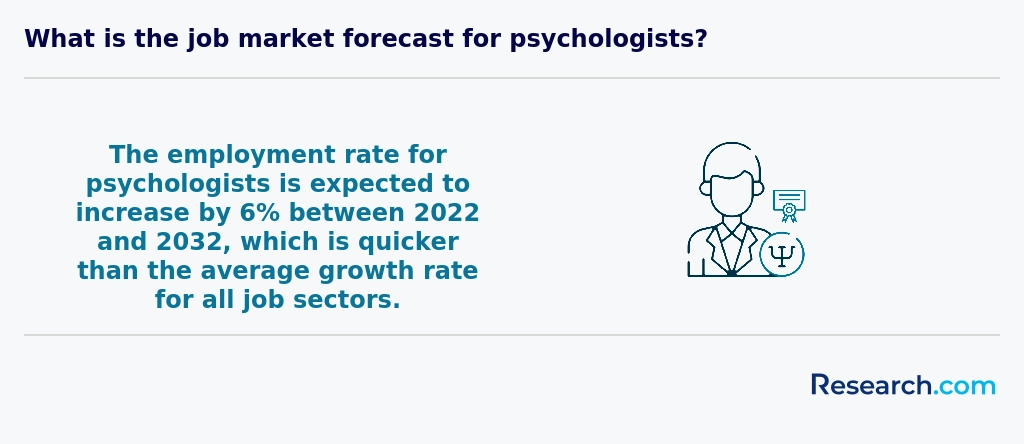
According to state labor data, Maryland's psychology degree employment opportunities are projected to increase by about 11% through 2030, matching national trends. This growth is driven by increased public and private mental health funding and proximity to federal agencies offering jobs to skilled professionals. Salaries in Maryland surpass the national average, with a median psychologist wage near $85,000 annually. Graduates from online programs appreciate the balance of affordable tuition with strong career prospects and emphasize pathways to licensure and roles in counseling or school psychology.
Those considering long-term careers in psychology explore top earning psychology professions to align education with financial goals, further encouraging enrollment in Maryland's online offerings for psychology.
2027 Fastest Online Psychology Degree Programs Ranking in Maryland
Investing in your education is a significant decision that can shape your future, and the Research.com team understands the importance of making informed choices. To assist prospective students in Maryland, we have meticulously crafted the "2027 Fastest Online Psychology Degree Programs Ranking in Maryland." Our commitment to quality, credibility, and accuracy is reflected in the extensive research and analysis conducted to compile this ranking.
We utilized the following reputable data sources to ensure a comprehensive evaluation of online psychology degree programs:
By exploring this ranking, readers will gain valuable insights into the fastest online psychology degree programs available in Maryland, enabling them to make well-informed decisions about their education. For more details on our methodology, please visit our Research.com methodology page.

# 2 position
University of Maryland Global Campus
Bachelor of Psychology

Frequently Asked Questions About psychology
Students pursuing online psychology degrees in Maryland can enhance their learning by actively engaging with course materials and participating in virtual discussions. Maryland offers access to resources such as the Maryland Psychological Association, which provides networking and professional development opportunities. Incorporating local clinical internship placements within Maryland's diverse communities helps apply theoretical knowledge in real-world settings, enriching practical skills. Utilizing the University System of Maryland's online libraries ensures access to current psychology research, which is crucial for staying updated in the field. Time management and creating a dedicated study environment are essential for balancing studies with personal and professional responsibilities in online formats.
Emerging niches in the psychology field reflect the evolving needs of society and advances in technology. In Maryland, areas such as neuropsychology and health psychology are gaining prominence, driven by increasing demand for specialized mental health care. According to the Maryland Department of Labor, the state expects a 12% growth in clinical and counseling psychologist jobs by 2030, especially within these specialties.
Another fast-growing niche is forensic psychology, where professionals work alongside the legal system. Additionally, telepsychology has surged as an important field, especially after the COVID-19 pandemic, allowing psychologists to provide remote services. These niches require both strong traditional psychology foundations and training in specific skills, which many online psychology degree programs now incorporate.
Preparing for the job market after completing an online psychology degree in Maryland involves several strategic steps. First, graduates should pursue relevant licensure, such as becoming a Licensed Clinical Professional Counselor (LCPC), which requires additional supervised experience and passing state exams.
Networking is crucial-Maryland hosts organizations like the Maryland Psychological Association that offer events and resources for new professionals. Internships during or post-degree provide practical experience highly regarded by employers.
Maryland's healthcare and education sectors show steady demand for psychology professionals, with the Maryland Department of Labor projecting a 10% growth in mental health jobs through 2030.
Developing specialized skills in areas like cognitive behavioral therapy or school psychology can also enhance job prospects.
Employers in Maryland highly value psychology graduates who demonstrate strong communication and critical thinking skills. These abilities enable professionals to assess client needs accurately and deliver effective interventions. According to the Maryland Higher Education Commission, practical knowledge in research methods and data analysis also ranks among the top skills sought after.
Emotional intelligence is particularly important, as many psychology roles involve working with diverse populations and sensitive situations. Graduates who can navigate ethical challenges and maintain confidentiality tend to be preferred by local employers.
Technical proficiency with psychological assessment tools and familiarity with state regulations further enhance employability within Maryland's healthcare and social services sectors.
Finding internships in Maryland suitable for psychology students involves several key steps. Start by contacting your online psychology program's career services, which often maintain partnerships with local clinics, hospitals, and research centers. Maryland offers a variety of internship opportunities in mental health facilities, such as the Maryland Department of Health or non-profits focused on behavioral health.
Utilize platforms like the Maryland Higher Education Commission's internship portal, which lists relevant openings. Networking through professional organizations like the Maryland Psychological Association can also connect students with internship opportunities. According to the U.S. Bureau of Labor Statistics, Maryland's demand for mental health counselors is growing, increasing the availability of internships.
Proactively reach out to community agencies and explore internship listings on university websites to secure a relevant position.
Obtaining an online psychology degree in Maryland can significantly enhance career mobility and advancement opportunities within the state's growing mental health sector. Maryland's demand for psychologists is projected to grow 14% between 2021 and 2031, according to the U.S. Bureau of Labor Statistics (BLS), outpacing the national average. This growth creates numerous job openings for graduates.
Online degrees accredited by recognized bodies provide flexibility for working professionals to upskill without interrupting their careers. Maryland employers increasingly recognize online credentials from regionally accredited universities, which align with state licensing requirements.
Career advancement often requires graduate-level qualifications. Completing a bachelor's or master's degree online can open doors to roles in counseling, social services, or research analysis, with median annual wages for psychologists in Maryland around $90,000 as reported by BLS.
Studying for a psychology degree online in Maryland equips students with a broad understanding of human behavior, which is essential for interdisciplinary roles. Maryland's universities emphasize a curriculum combining psychology with fields such as healthcare, education, and social work. This approach aligns with workforce needs, as nearly 15% of psychology-related jobs in Maryland intersect with public health and social services, according to the U.S. Bureau of Labor Statistics.
The degree programs often include training in data analysis, counseling, and research methods, which are valuable across multiple sectors. Additionally, Maryland's rich healthcare and biotech industries provide opportunities for psychology graduates to collaborate in interdisciplinary teams, enhancing their versatility in professional settings.
When choosing between a thesis and a non-thesis psychology degree program in Maryland, consider your career goals and time commitment. Thesis programs typically require original research and a formal thesis paper, which is ideal for students aiming for doctoral studies or research roles.
Non-thesis programs focus more on coursework and practical skills, often preferred by those seeking immediate employment in applied psychology settings. Maryland's public data shows that about 40% of psychology graduates enter clinical or counseling roles, which may not require research experience.
The University System of Maryland offers both options with varying credit requirements; thesis tracks often take longer but provide deeper academic training.
Financial aid and program flexibility should also influence your choice, especially for online students balancing work and study.
Students based in Maryland seeking to study psychology abroad through online programs have several options. Many U.S.-accredited universities offer fully online psychology degrees that allow Maryland residents to gain international perspectives without relocating. These programs often include coursework with global psychology research and theory.
While traditional study abroad programs exist, online degrees provide flexibility for working adults and reduce costs related to travel. Some Maryland institutions, such as the University of Maryland Global Campus, collaborate with international partners to enhance global learning experiences.
According to the Maryland Higher Education Commission, enrollment in online psychology courses has grown by over 15% in recent years, reflecting increasing interest in flexible study formats.
Maryland offers various part-time job opportunities that complement online psychology degree studies. Roles such as mental health technician, research assistant, or case manager allow students to apply psychological theories while gaining hands-on experience.
According to the Maryland Department of Labor, positions in community mental health services are growing by 7% annually, reflecting strong demand. Many students find work in local hospitals, counseling centers, or nonprofit organizations where they support clients and assist licensed psychologists.
Additionally, university research labs often hire assistants for ongoing psychology studies, providing valuable exposure to research methods and data analysis.
These jobs enhance resumes and deepen understanding of psychological concepts while maintaining flexible hours.
Online psychology students in Maryland have access to various networking opportunities despite studying remotely. Many universities in Maryland, such as Towson University and University of Maryland Global Campus, offer virtual events and webinars where students can meet faculty and peers.
Local professional organizations, like the Maryland Psychological Association, provide memberships open to students. These organizations host conferences, workshops, and networking mixers that help form valuable professional connections.
Additionally, Maryland's proximity to major cities like Washington, D.C., offers opportunities for attending regional psychology meetings and internships. Utilizing platforms like LinkedIn and university alumni networks can further support building relationships within the psychology community in Maryland.
Alumni networks play a crucial role in supporting students enrolled in online psychology degree programs in Maryland. These networks connect current students with graduates who have experience in various psychology fields within the state. This connection facilitates mentorship opportunities, career advice, and professional networking.
In Maryland, where psychology professionals often need licensure and state-specific knowledge, alumni can guide students through local requirements. According to the Maryland Psychological Association, nearly 70% of licensed psychologists found job opportunities through professional contacts, highlighting the value of alumni connections.
Moreover, alumni networks foster collaboration on research projects and provide insights into Maryland's evolving mental health landscape, benefiting students' educational and career development.
Customizing an online psychology degree program in Maryland involves selecting courses and specializations that align with your specific career goals. Many Maryland institutions offer flexible curricula, allowing students to focus on areas such as clinical psychology, counseling, or industrial-organizational psychology. According to the Maryland Higher Education Commission, students can often choose electives, internships, or research projects tailored to their interests.
Additionally, some programs provide options for practical experience through virtual lab work or local internships arranged in Maryland, supporting hands-on learning. Consulting academic advisors and using state workforce data can guide students to skills in demand, enhancing career prospects within Maryland's growing mental health sector.
Online psychology students in Maryland often face challenges related to maintaining motivation and time management. Balancing coursework with personal and professional responsibilities can be difficult, especially since psychology programs demand significant reading and critical thinking.
Another common issue is the limited access to hands-on clinical experiences. Since Maryland requires supervised practicum hours for licensure, students must arrange local placements, which can be competitive and logistically challenging when studying online.
Additionally, some students report difficulties with technology and less direct interaction with faculty and peers, potentially impacting engagement and support.
According to the Maryland Higher Education Commission, retention rates in online programs are slightly lower than in-person alternatives, underscoring these obstacles.
With an online psychology degree, graduates in Maryland can pursue various professional certifications to enhance their credentials. One notable option is becoming a Licensed Psychological Associate (LPA), which requires a master's degree in psychology and supervised experience. The LPA license allows practice under the supervision of a licensed psychologist within Maryland's regulatory framework.
Students may also pursue certification as a Certified Counselor or Licensed Clinical Professional Counselor (LCPC), depending on their degree level and supervised hours. National certifications like the National Certified Counselor (NCC) are available and recognized across states, including Maryland.
Additionally, Maryland offers certifications in specialized areas such as school psychology and substance abuse counseling, which often require specific coursework and exam completion. For the most accurate and updated requirements, the Maryland Board of Examiners of Psychologists and the Maryland Board of Professional Counselors and Therapists provide authoritative guidance.
When applying for an online psychology program in Maryland, crafting a clear and focused application is essential. Highlight your academic background, particularly coursework in psychology, biology, or statistics, to demonstrate preparedness for graduate-level study. Maryland's institutions often value research experience or relevant fieldwork, so include internships or volunteer work related to mental health.
Strong letters of recommendation from professors or professionals familiar with your skills boost your application. Also, write a compelling personal statement explaining your interest in psychology and career goals.
Pay attention to Maryland-specific accreditation, such as regional accreditation recognized by the Middle States Commission on Higher Education, ensuring program credibility. According to the Maryland Higher Education Commission, psychology is among the fastest-growing fields in the state, making a well-crafted application highly competitive.
The psychology profession is increasingly seen through a global lens, reflecting growing demand for mental health services worldwide. In the United States, including Maryland, psychology careers benefit from standardized education and licensure requirements that align with international practices.
Maryland's psychology workforce mirrors national trends, growing by approximately 12% between 2020 and 2030 according to the U.S. Bureau of Labor Statistics. This growth is linked to heightened awareness of mental health across cultures and expanded roles for psychologists in healthcare and education.
Globally, psychology emphasizes evidence-based practice, which U.S. programs, including those offered online in Maryland, integrate into their curricula. This consistency supports graduates who may work with diverse populations or collaborate internationally.
Understanding global perspectives helps Maryland students appreciate the relevance of cultural competence and evolving ethical standards in psychology careers.
Gaining practical experience during an online psychology degree in Maryland is essential for career readiness. Many Maryland institutions encourage students to participate in supervised internships or practicum placements, even when studying remotely. These opportunities often connect students with local clinics, hospitals, or community organizations.
The Maryland Psychological Association highlights that hands-on work is crucial for licensure and employment. Students can also engage in virtual research projects or assist faculty with ongoing studies, providing valuable applied skills. Additionally, some online programs partner with Maryland agencies to facilitate fieldwork, ensuring students meet state-specific experience requirements.
Volunteering with Maryland mental health nonprofits offers another practical avenue while enhancing local professional networks. Maryland's Department of Labor reports steady growth in psychology-related jobs, underlining the importance of applied learning alongside coursework.
When choosing a concentration within an online psychology degree program in Maryland, start by considering your career goals. Maryland offers strong opportunities in clinical, counseling, and industrial-organizational psychology, reflecting state demand noted by the Maryland Department of Labor. Review job growth projections showing a 14% increase for psychologists statewide through 2030, emphasizing clinical roles.
Next, evaluate programs that align with Maryland's licensing requirements. Clinical and counseling paths often require specific coursework and practicum hours approved by the Maryland Board of Examiners of Psychologists.
Lastly, think about your personal interests and strengths. Concentrations like experimental psychology may suit research-oriented students aiming for further graduate study.
- 2027 Fastest Online Psychology Degree Programs Ranking in Virginia
- 2027 Fastest Online Psychology Degree Programs Ranking in West Virginia
- 2027 Fastest Online Psychology Degree Programs Ranking in Pennsylvania
- 2027 Fastest Online Psychology Degree Programs Ranking in New York
- 2027 Fastest Online Psychology Degree Programs Ranking in Ohio
- 2027 Fastest Online Psychology Degree Programs Ranking in Kentucky
- 2027 Fastest Online Psychology Degree Programs Ranking in Tennessee
- 2027 Fastest Online Psychology Degree Programs Ranking in Massachusetts
- 2027 Fastest Online Psychology Degree Programs Ranking in Indiana
- 2027 Fastest Online Psychology Degree Programs Ranking in New Hampshire
See What Experts Have To Say About Studying Psychology
Read our interview with Psychology experts

Elizabeth L. Jeglic Ph.D.
Psychology Expert
Professor of Psychology
City University of New York

Joann Farrell Quinn, Ph.D., MBA
Psychology Expert
Director at the College of Medicine Department of Medical Education
Morsani College of Medicine

Robin M. Kowalski. Ph.D.
Psychology Expert
Professor of Psychology
Clemson University

- 2025 Most Affordable Online Colleges for Psychology Degrees https://www.onlineu.com/most-affordable-colleges/psychology-degrees
- How Psychology Students Can Get Clinical Experience ... https://www.theplayfulpsychologist.com/post/students-experience-how-to-get-the-experience-you-need-before-you-graduate
- Study Psychology Abroad | Go Overseas https://www.gooverseas.com/study-abroad/psychology
- Community Psychology in Global Perspective http://siba-ese.unisalento.it/index.php/cpgp
- Alumni Perspectives - Meet Our FPN Alumni https://www.aanmelder.nl/alumni-perspectives-june-2023
- The Value of an Associate Degree in Psychology - ABH Maryland https://www.abhmaryland.com/associate-degree-in-psychology/
- Best Maryland Psychology Degrees Updated for 2025, Online Included https://www.psychologydegrees.org/state/maryland
- Scholarships For Psychology Majors (2025) https://www.psychology.org/scholarships/
- Maryland Psychology Schools | Psychology Degree Guide https://psychologydegreeguide.org/state/maryland/
- Society for the Teaching of Psychology https://teachpsych.org/page-1784686/8675326


