
2027 Most Affordable Psychology Degree Programs Ranking in Chicago

Co-Founder and Chief Data Scientist
Choosing the right psychology degree program in Chicago can feel overwhelming, especially when considering cost and quality. This article features the 2027 Most Affordable Psychology Degree Programs Ranking in Chicago, created by the Research.com team of data scientists to guide you in making a well-informed decision.
By exploring this ranking, you'll discover programs that balance affordability with academic excellence, helping you invest wisely in your future.
Whether you're starting your educational journey or advancing your career, a psychology degree offers meaningful opportunities to impact lives and grow personally.
Key benefits of getting psychology degree in Chicago
- Salary benefits: Graduates with a psychology degree in Chicago can pursue roles like Human Resources Specialist, earning a mean annual wage of $76,060, or Marketing Research Analyst, with an average salary of $83,190, offering strong financial rewards for their expertise.
- Career paths: A psychology graduate from the University of Chicago might explore diverse careers in clinical research, marketing, or child development, reflecting exciting opportunities to apply psychological knowledge in various thriving industries.
- Online degree advantages: Earning a psychology degree online from a school like DePaul University offers flexibility and convenience, allowing students to balance work and study while gaining the skills needed for fulfilling careers without relocating.
- 2027 Most Affordable Psychology Degree Programs Ranking in Chicago
- What can I expect from psychology degree in Chicago?
- Where can I work with psychology degree in Chicago?
What can I expect from psychology degree in Chicago?
Paying for a psychology degree in Chicago often feels like navigating a bustling city street-full of options, surprises, and the occasional hidden gem. On average, undergraduate tuition at institutions like DePaul University or Loyola University Chicago ranges from about $30,000 to $40,000 per year. Graduate programs typically climb higher, sometimes reaching $45,000 annually, depending on the specialty and hands-on components involved. Yet, many students find joy in discovering scholarships or assistantships that act like bright street lamps guiding them through financial uncertainty.
One recent graduate from the University of Chicago shared how securing a clinical internship not only sharpened their skills but also opened doors to funding opportunities, easing the weight of tuition. These experiences turn numbers into meaningful investments rather than mere expenses, weaving together practical learning with financial support in Chicago's dynamic educational landscape.
Ultimately, the cost reflects more than just tuition-it's an entry ticket to thriving internships, community connections, and vibrant career pathways right in the city's heart.
Where can I work with psychology degree in Chicago?
Graduates clutching psychology degrees from places like the University of Chicago or Loyola step into Chicago's bustling mental health arena, weaving empathy and science together in hospitals such as Rush University Medical Center. Imagine guiding someone through a storm of anxiety or depression - that's daily life for many clinical psychologists here, turning textbooks into lifesaving counsel.
Others find themselves shaping young minds in Chicago Public Schools, becoming the bright spot a student leans on during tough days. These roles, often layered with extra certifications, become powerful platforms for change within classrooms and communities.
Corporate offices buzz with industrial-organizational psychologists refining workplace dynamics. One graduate's story includes transforming a dreary 9-to-5 into a vibrant culture where creativity blooms and employee satisfaction soars. The city's heartbeat pulses within these spaces.
For those drawn to research, elite Chicago universities offer ecosystems where curiosity drives breakthroughs, bridging academic rigor with public health impact. Meanwhile, forensic psychologists embed themselves in the criminal justice system, crafting narratives that meld science with justice.
Chicago's psychology degree holders are architects of well-being across healthcare, education, business, research, and justice - each path a vivid thread in the city's intricate human tapestry.
In Chicago, earning a psychology degree can power your paycheck in intriguing ways. A graduate from schools like the University of Chicago or DePaul University might find themselves stepping into roles such as Human Resources Specialist, banking an average salary around $76,060 per year. Imagine using your psychology skills to navigate office dynamics while pulling in a solid income.
Meanwhile, those drawn to the analytical side of behavior could become Marketing Research Analysts, earning about $83,190 annually. Picture yourself decoding consumer patterns for Chicago's bustling businesses, turning insights into profits, all while enjoying a career that challenges your intellect daily.
For graduates eager to stay close to research fronts, roles like Clinical Research Associate or Survey Researcher offer mean wages near $62,370. Visualize contributing to groundbreaking studies on human behavior from a city known for its innovation, balancing passion with a dependable paycheck.
From campus dreams to real Chicago office spaces, psychology grads have clear, exciting earning paths to explore.
- Psychology programs in Chicago are available at associate, bachelor's, master's, and doctoral levels across various institutions.
- Tuition for a bachelor's degree in psychology ranges from $10,000 to $20,000 per year at public universities and can be up to $40,000 at private institutions.
- The total cost for a four-year psychology degree in Chicago is approximately $50,000 to $80,000, including tuition, fees, and related expenses.
- Entry-level psychology jobs in Chicago offer an average starting salary around $45,000 per year, varying by specialization and education level.
- Advanced degrees and licenses can lead to salaries between $70,000 and over $90,000 annually in roles like clinical psychologists or counselors.
- Employment growth for psychology-related jobs in Chicago is expected to be above the national average, with licensing requiring supervised hours and state exams.
Picture yourself walking through the bustling halls of Loyola University Chicago, juggling coursework and late-night study sessions. For graduates there, a bachelor's degree in psychology typically stretches across four vibrant years, filled with enriching classes and engaging research that spark real curiosity about the mind.
If you started your journey at a community college, like one of Chicago's many, you'd likely wrap up an associate degree in about two years-enough time to lay a solid foundation or smoothly transfer into a bachelor's program.
Moving forward, some Chicago-based students dive into master's programs that last anywhere from 18 months to three years, often fueled by internships and research challenges that deepen their passion while packing their resumes.
Then there are the few brave souls tackling doctoral programs at the University of Illinois at Chicago, embarking on a five-to-seven-year odyssey through intense coursework, comprehensive exams, and dissertation nights that redefine dedication and resilience.
Each timeline, a personal adventure shaped by ambition and the vibrant academic culture thriving in Chicago's psychology community.
Understanding program accreditation and state licensing requirements ensures your degree leads to valid credentials in Illinois’s psychology field. Look for:
- APA accreditation for clinical and counseling tracks, required for licensure
- Illinois Board of Psychology approval, ensuring coursework meets state regulations
- Supervised practicum and internship hours (1,500+), a prerequisite for the EPPP exam
- Eligibility for the Examination for Professional Practice in Psychology (EPPP) to secure full licensure
- Flexible, fully accredited pathways like accelerated psychology programs online for faster completion
Imagine waking up and stepping into the vibrant halls of Loyola University Chicago, where a graduate recalls the thrill of bustling campus labs and spontaneous hallway debates about cognitive processes. This is the heartbeat of on-campus psychology degrees in Chicago-immersive, tactile, and rich with face-to-face mentorship. The access to nearby community settings means hands-on clinical practicums become routine adventures, not just checkbox assignments.
Contrast this with the rhythm of an online student balancing family calls and work emails, logging in from a cozy Chicago apartment to a virtual lecture from a top-tier university miles away. Their world is flexible, personalized, shaped by simulations that feel like brain workouts and internships they carefully choose in their own neighborhoods. Tuition feels lighter without the commute or dorm fees, offering a budget-friendly roadmap to a psychology degree.
Both paths illuminate the human mind, but their journeys diverge-one grounded in physical presence and the other soaring through digital connections tailored to life's complex choreography.
To practice psychology in Illinois, you must graduate from a regionally accredited institution and, for clinical or counseling roles, from a program accredited by the American Psychological Association (APA). Accreditation ensures your degree meets rigorous academic and ethical standards, making you eligible for licensure and attractive to employers. The Illinois Department of Financial and Professional Regulation (IDFPR) requires: 1. Educational Credentials: - A doctoral degree (PhD or PsyD) in psychology from an APA-accredited program for full licensure as a clinical psychologist. - A master’s degree in counseling or school psychology from a CACREP- or NASP-accredited program for Licensed Professional Counselor (LPC) or School Psychologist credentials. 2. Supervised Experience: - At least 1,500 hours of supervised practicum during graduate study. - A minimum of 3,000 post-doctoral supervised hours under an approved supervisor, including direct client contact and ethical training. 3. Examination Requirements: - Passing score on the Examination for Professional Practice in Psychology (EPPP). - Successful completion of the Illinois Jurisprudence Assessment to demonstrate knowledge of state laws and professional ethics. Before enrolling, verify each program’s accreditation status and licensure pass rates. For students balancing budget and credentials, you might also explore our Cheapest Psychology Degree Programs Ranking in Utah to compare cost-effective options and accreditation standards across regions.
In Chicago, the average cost of a psychology degree dances around $29,245 for in-state students and leaps to about $47,404 for those coming from out of state. Imagine sitting in a lecture hall at a renowned public university or walking the vibrant campus of a private institution, knowing that the path you're forging comes with a significant investment. Graduates from Chicago's top psychology programs often recall the balance between managing tuition and embracing the city's dynamic energy as part of their transformative journey. These figures reflect total expenses, not just tuition, capturing the complex reality of obtaining a psychology degree in Chicago.
For those eyeing prestigious schools famous locally-whether it's Loyola University Chicago or DePaul University-the financial commitment is a vivid part of campus life stories, filled with excitement and prudent planning. Students often talk about scouring every scholarship and assistantship, because the average cost of psychology degree in Chicago can feel like a mountain to climb. Still, the joy in mastering concepts, connecting with professors, and engaging in real-world clinical experiences turns that cost into a priceless investment.
Adding realism to the conversation, graduates frequently advise prospective students to explore the cheapest psychology programs in illinois-finding ways to balance passion and practicality while pursuing psychology degree total expenses Chicago 2027 continues to evolve with market demands.

In today’s fast-paced world, online psychology programs are gaining traction as a flexible and accessible option for students seeking advanced education without sacrificing work or personal commitments. These programs blend academic rigor with the convenience of remote learning and are increasingly recognized by employers for developing critical thinking, research, and communication skills. For prospective students looking to balance career and education, exploring online options could be the key to success. For instance, many students consider pursuing an online master’s degree in psychology to not only build expertise in areas such as clinical, forensic, or counseling psychology but also to leverage the benefits of digital learning environments that foster collaboration through virtual networking events and interactive coursework. As you evaluate your educational journey, you might want to learn more about how an online master’s can boost your career prospects; check out what can i do with online masters in psychology for additional insights into program options, career trajectories, and potential salary outcomes. Embracing online education not only opens doors to diverse career paths but also aligns with emerging trends in higher education that prioritize flexibility, affordability, and lifelong learning.
Imagine a Chicago psychology student at DePaul University waking up to the news that their Pell Grant just covered a hefty chunk of tuition, lifting a weight off their shoulders. These federal grants-like the $7,395 Pell Grant for 2023-2024-are game-changers, non-repayable gifts that make those late-night study sessions feel less financially fraught. Meanwhile, a peer at UIC taps into the Monetary Award Program (MAP), an Illinois state grant that slices thousands off their public university bills just because they live and breathe Chicago.
Local scholarships are another hidden treasure-think of community foundations in Chicago quietly funneling funds to social science hopefuls, turning scholarship dreams into reality. At Loyola University, psychology students often find merit-based or need-based institutional scholarships opening doors to endless possibilities.
For working students juggling jobs and studies, employer tuition assistance programs act as unexpected allies, turning corporate goodwill into financial relief. And graduate students? Teaching assistantships and fellowships at Chicago schools transform passion into paychecks and tuition remission, making the pursuit of advanced psychology degrees feel like a shared adventure rather than a solo struggle.
To navigate the complexities of selecting an affordable psychology degree program in Chicago, IL, it's essential to consider various factors, including tuition costs, accreditation, and career services. When exploring affordable options, students can check out the cheapest psychology programs in illinois, which provide a comprehensive ranking of institutions based on affordability and quality. By understanding the factors that contribute to a program's affordability and reputation, students can make informed decisions about their educational investments and set themselves up for success in their future careers.
To step into a psychology degree program in Chicago, imagine first the gateway of academic milestones you must gracefully cross. Graduates from universities like Loyola or DePaul often recall the push to maintain a vibrant 3.0 GPA or higher-showing not just competence but a spark of dedication. For undergraduates, a high school diploma or GED is just the ticket in; yet many share how foundational courses in biology or social sciences became the secret keys unlocking the door to their psychological journey.
Graduate hopefuls recount balancing their bachelor's degree with a psychology or related study, sometimes juggling GRE scores, though increasingly waived, as they chase their research dreams. Think of those internships in bustling Chicago clinics-real-world labs where theory meets heartbeat-where applicants prove their readiness to explore human cognition firsthand.
Letters of recommendation and personal statements are not just paperwork; they become echoes of passion, convincing admissions committees that the applicant's curiosity for the mind beats as strong as the city's pulse.
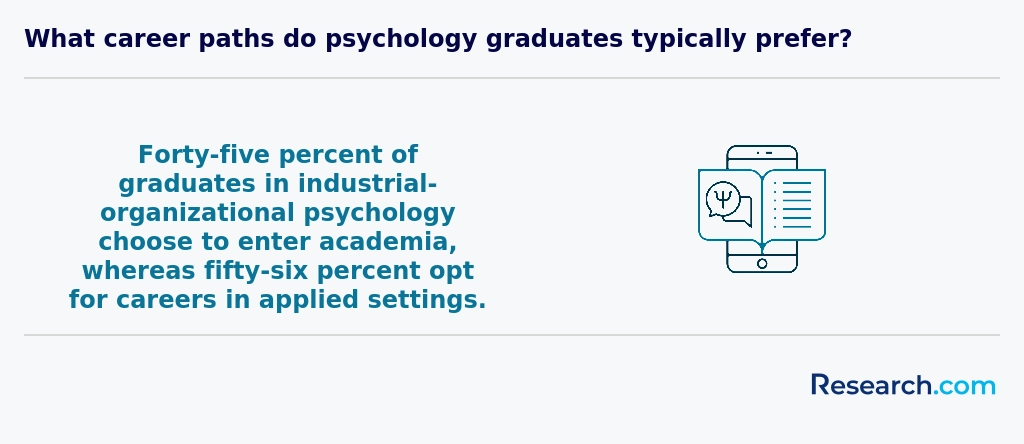
Ensuring your psychology degree program holds the proper accreditation is essential for both professional credibility and licensure eligibility. In Illinois, the State Board of Professional Psychology requires completion of an APA-accredited doctoral program or equivalent, which confirms your training meets nationally recognized standards. Regional accreditation (e.g., Higher Learning Commission) further validates institutional quality and is often a prerequisite for federal financial aid. Key steps to licensure in Illinois: • Earn an APA-accredited doctoral degree or complete a program that meets Illinois’ equivalency criteria. • Accumulate a minimum of 2,000 supervised clinical hours post-degree, including direct client contact. • Pass the Examination for Professional Practice in Psychology (EPPP). • Submit an application to the Illinois Department of Financial and Professional Regulation, including transcripts, supervisor verifications, and exam scores. • Complete any additional state-specific jurisprudence or ethics examinations. Maintaining licensure involves fulfilling continuing education (CE) requirements-30 CE hours every two years-with at least two hours dedicated to ethics. Many graduates leverage flexible study options to balance professional obligations and licensure milestones; for instance, aspiring clinicians often explore online apa accredited psyd programs that combine rigorous coursework with remote practicums. By selecting an accredited program and understanding Illinois’ licensure pathway, you’ll be well-positioned to begin a rewarding career as a licensed psychologist in Chicago’s dynamic mental health landscape.
Diving into a psychology degree in Chicago means embracing a vibrant mix of courses that bring the human mind to life. At universities like Loyola or DePaul, students start with General Psychology, where they unravel the mysteries of behavior and cognition, often sharing "aha" moments during animated class discussions.
Next up, they explore Developmental Psychology, walking alongside the human journey from childhood to old age, imagining the subtle shifts in thought and emotion. Graduates recount how studying Abnormal Psychology gave them a profound empathy for mental health struggles they previously only read about in news stories.
Research courses-Statistics and Research Methods-act like a lab coat and magnifying glass, enabling students to decode real data and design experiments that crack open new insights. Practical experiences, like interning at Chicago-area clinics or helping with community studies, turn theory into heartbeats and human stories.
- Cognitive Psychology
- Social Psychology
- Biopsychology or Neuroscience
- Personality Psychology
- Psychological Assessment and Testing
- Ethics in Psychology
Within Chicago's vibrant academic landscape, psychology degree specializations burst with options that mirror the city's dynamic spirit. Clinical psychology programs at top colleges offer graduates the thrill of transforming lives through therapy and mental health diagnosis, immersing them in real-world healing just blocks from bustling neighborhoods. Others find their passion in industrial-organizational psychology, thriving in Chicago's corporate hubs by boosting employee well-being and productivity, a perfect match for the city's energetic workforce.
Many students drawn to Chicago psychology program concentration options dive into forensic psychology, engaging with the legal system's complexities and experiencing the pulse of justice firsthand. Developmental psychology is another pathway where graduates delight in unraveling the mysteries of human growth across ages, inspired by diverse city communities. The blend of social and educational psychology specialties further equips learners to interpret and improve the intricate fabric of interpersonal and academic environments.
For those searching the city's institutions for specific career guidance, it's worth exploring what can i do with online masters in psychology, highlighting how Chicago's psychology degree specializations shape futures.
Choosing the best psychology degree in Chicago feels like piecing together a vibrant mosaic-each tile representing your passions, wallet size, and dreams. Imagine walking the leafy paths of University of Illinois at Chicago, where graduates glow recalling hands-on research that solidified their clinical skills, or the heartwarming community vibes at Chicago State University that made the hefty tuition tag feel miles away. For many, the quest revolves around finding affordable psychology degree programs in Chicago that don't skimp on quality, balancing cost with rich academic exploration.
Picture yourself diving into robust curricula emphasizing social psychology beneath the towering skyline or accessing career counseling that transforms uncertain futures into clear trajectories. Graduates from Loyola University Chicago often share stories of faculty who turn lecture halls into lively labs of discovery-making psychology more than just textbooks and exams.
To truly elevate your journey, consider exploring online apa accredited psyd programs as flexible companions in your path. This way, your education fits the rhythm of Chicago's vibrant pulse while unlocking new possibilities beyond its borders.
Budget-conscious students hunt for the best psychology colleges in Chicago for tuition cost, weighing fees against internships and living expenses. Such choices shape the unique adventure of becoming a psychologist amidst a city that breathes diversity, opportunity, and growth.
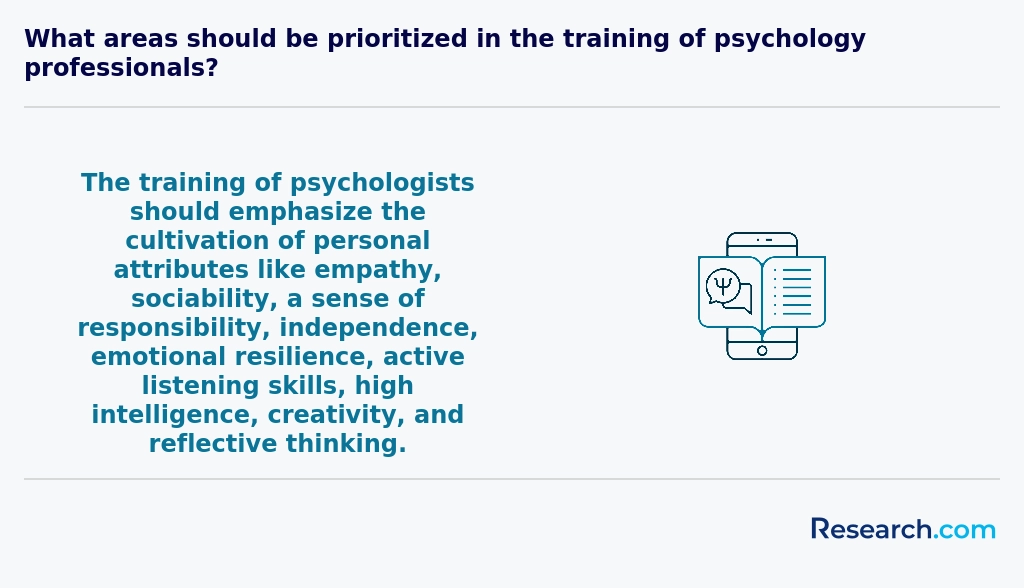
Graduates with a psychology degree in Chicago step into a dynamic cityscape brimming with diverse career paths. Imagine clinical psychologists navigating bustling hospital corridors after doctoral studies at the University of Chicago, turning deep empathy into healing for countless individuals. Meanwhile, education-focused graduates from Northwestern University often find themselves shaping young minds in neighborhood schools, wielding intervention strategies like creative tools to unlock student potential. Those drawn to the thrill of discovery dive into research roles amid Chicago's rich academic hubs, unraveling human behavior mysteries and mental health breakthroughs.
Business-savvy psychology grads weave through Chicago's corporate jungle, optimizing employee experiences and organizational culture with insights honed during their master's programs. Social services magnets tackle real-world challenges, designing community programs that mend lives and foster hope across city neighborhoods. These vivid job opportunities illustrate the tangible rewards and personal growth awaiting anyone curious about psychology careers in Chicago. For students mindful of costs, exploring the Cheapest Psychology Degree Programs Ranking in Utah may spark inspiration for affordable pathways.
Landing a spot in Chicago's bustling psychology scene feels like stepping into a vibrant mosaic of opportunity. Graduates from renowned institutions often share stories of finding roles in dynamic hospital settings or innovative corporate offices where their expertise in workplace behavior sparks real change. The psychology degree job opportunities in Chicago encompass a rich variety of paths-from clinical practice to school psychology, offering both the excitement of direct impact and the stability of growing demand.
Many recent graduates find themselves weaving through Chicago's evolving mental health landscape, drawn by the city's progressive healthcare systems and robust research centers. Salaries here hover around $78,000 for clinical psychologists, a figure that feels encouraging when balanced against the city's educational investments. Those who studied at popular campuses often celebrate how their education prepared them for this market, blending theory with hands-on experiences that employers value.
For anyone plotting a career in this field, exploring the best college degrees for employment linked with psychology can illuminate a pathway forward amid Chicago's exciting possibilities.
2027 Most Affordable Psychology Degree Programs Ranking in Chicago
Investing in your education is a significant decision that can shape your future, and the Research.com team understands the importance of making informed choices. To assist prospective students in Chicago, we have meticulously crafted the "2027 Most Affordable Psychology Degree Programs Ranking in Chicago." Our commitment to quality, credibility, and accuracy is reflected in the extensive research and analysis conducted to compile this ranking.
We utilized the following reputable data sources to ensure a comprehensive evaluation of psychology programs:
By exploring this ranking, readers will gain valuable insights into the most affordable psychology degree programs available in Chicago, helping them make informed decisions about their educational paths. For more details on our methodology, please visit our Research.com methodology page.


# 10 position
St. Augustine College
Bachelor of Arts in Psychology

# 11 position
The Chicago School at Chicago
Master of Science in Psychology

# 12 position
The Chicago School at Chicago
Doctor of Psychology in School Psychology
# 13 position
The Chicago School at Chicago
Bachelor of Arts in Psychology


Frequently Asked Questions About psychology
Psychology degree students in Chicago can enhance their learning by engaging with the city's diverse academic and professional resources. Local universities like the University of Chicago and Loyola University offer research opportunities that expose students to real-world psychological studies.
Internships and volunteer positions within Chicago's extensive mental health network provide valuable hands-on experience. According to the Illinois Department of Human Services, Chicago has over 300 mental health service organizations, making it a prime location for applied learning.
Joining local psychology clubs and attending conferences, such as those hosted by the Illinois Psychological Association, fosters networking and professional growth. Additionally, utilizing Chicago's public libraries and online databases ensures students stay current with emerging psychological research.
The psychology field is evolving rapidly, with new specialties gaining attention in Chicago and beyond. One emerging niche is neuropsychology, which focuses on how brain function affects behavior. This area is growing due to advances in brain imaging technologies and research at institutions like the University of Chicago.
Another notable niche is health psychology, which examines how psychological factors influence physical health. Chicago-based hospitals increasingly employ health psychologists to support chronic illness management and wellness programs.
Additionally, forensic psychology is expanding, especially within the Chicago legal system, where mental health assessments aid criminal cases. The demand for experts in trauma psychology is also rising, addressing urban stressors like violence and poverty.
According to the American Psychological Association, these areas will see significant growth over the next decade.
Preparing for the job market after earning a psychology degree in Chicago involves strategic steps. First, gaining practical experience through internships or volunteer roles is crucial. Chicago offers many opportunities in hospitals, schools, and community centers for hands-on work, which employers highly value.
Networking is also essential. Joining local chapters of organizations like the Illinois Psychological Association helps connect graduates with professionals and job openings. Additionally, staying informed about licensure requirements is vital for clinical or counseling roles, as Illinois mandates specific credentials.
According to the U.S. Bureau of Labor Statistics, psychology-related jobs in Chicago are expected to grow 8% through 2030, supporting a competitive but expanding market.
Employers hiring psychology degree graduates in Chicago prioritize strong communication skills, particularly the ability to explain complex concepts clearly. This is essential for roles in counseling, human services, and organizational settings. Critical thinking and problem-solving are also highly valued, enabling graduates to analyze behaviors and develop effective interventions.
Research skills, including data collection and statistical analysis, are important due to the city's emphasis on evidence-based practices supported by institutions like the University of Chicago and Northwestern University. Additionally, cultural competence is critical in Chicago's diverse population, helping graduates work effectively with clients from various backgrounds. According to the Bureau of Labor Statistics, these skills contribute significantly to employability in the region.
Finding internships in Chicago relevant to a psychology degree involves several strategic steps. Start by connecting with university career centers, which often have partnerships with local hospitals, clinics, and counseling centers. Chicago hosts numerous research institutions, such as the University of Chicago and Northwestern University, that offer internship opportunities in psychological research and clinical practice.
Additionally, the Illinois Psychological Association provides resources and listings for students seeking internships in the state. Use online platforms like Handshake and internships.com to search for local openings specific to psychology.
Volunteering at community mental health organizations or non-profits, such as the Chicago Family Health Center, also provides valuable experience and networking. These internships typically require adherence to HIPAA and ethical guidelines, essential in the psychology field.
A psychology degree in Chicago offers significant advantages for career mobility and advancement. The city's diverse job market, including healthcare, education, and corporate sectors, increasingly values psychology-trained professionals. According to the U.S. Bureau of Labor Statistics, Chicago's metropolitan area projects a 10% growth in employment for psychologists by 2030, higher than the national average.
Graduates with a psychology degree can move into positions such as clinical psychologists, human resources specialists, or social services managers. Advanced degrees are often required for higher-level roles, but even entry-level jobs benefit from the critical thinking and research skills learned in psychology programs.
Many Chicago employers recognize local university credentials, which enhances networking opportunities and local job placement. Additionally, Chicago's professional organizations and internship programs offer practical experience that supports career advancement.
Studying for a psychology degree in Chicago equips students with a broad understanding of human behavior, critical for interdisciplinary roles. Chicago's universities emphasize collaboration with fields like healthcare, social work, and education, reflecting the city's diverse professional landscape.
Programs often include courses in neuroscience, sociology, and public health, preparing graduates to work across sectors. According to the Illinois Board of Higher Education, psychology graduates from Chicago institutions have seen employment growth in multidisciplinary teams, especially in mental health clinics and community agencies.
This interdisciplinary approach is vital as employers increasingly seek professionals who understand complex social and behavioral factors affecting clients and patients.
When choosing between a thesis and a non-thesis psychology degree program in Chicago, consider your career goals first. A thesis program typically involves original research and is suited for students aiming for doctoral studies or research roles. Non-thesis programs usually focus on coursework and practical skills, ideal for those seeking clinical work or immediate employment.
Many Chicago universities offering psychology degrees follow this structure, as reported by the Illinois Board of Higher Education (IBHE, 2023). Thesis students may spend an extra semester on research, extending study time and potentially increasing costs.
Additionally, thesis programs develop critical analysis and writing skills, valued in academia and specialized fields. Non-thesis tracks often emphasize applied training and internships available in Chicago's diverse mental health facilities, helping students gain hands-on experience.
Students based in Chicago who wish to study psychology abroad have several pathways within the US higher education framework. Many universities in Chicago, such as the University of Illinois at Chicago, partner with foreign institutions to offer exchange or study abroad programs focused on psychology. These programs allow students to gain international experience while earning credits toward their degrees.
Additionally, some Chicago-based psychology students opt for accredited online programs from universities abroad, combining flexible study with global perspectives. Resources like the Institute of International Education report that about 10% of US psychology students participate in study abroad annually, offering valuable cultural insights.
Students should verify transfer credits and program accreditation to ensure their foreign study aligns with degree requirements in Chicago institutions.
Students pursuing psychology degrees in Chicago can benefit from various part-time job opportunities that enhance their academic experience. Common roles include research assistants at universities such as the University of Chicago, where students help with data collection and analysis, gaining hands-on experience in experimental psychology.
Additionally, many Chicago hospitals and mental health clinics offer part-time positions as behavioral health aides or support staff. These roles support clinical work and provide practical insight into patient care.
The Chicago area, home to over 30 psychology research labs, offers rich opportunities for internships and assistantships. These jobs complement studies by building skills relevant to licensure and future careers.
Psychology students in Chicago benefit from numerous networking opportunities through local universities, professional organizations, and community events. Institutions like the University of Chicago and DePaul University host career fairs and alumni panels specifically for psychology students. These events allow students to connect with faculty, alumni, and potential employers.
Chicago is home to a chapter of the American Psychological Association (APA), where students can attend workshops, conferences, and volunteer activities to build professional relationships. According to APA Illinois, over 3,000 psychology professionals engage in local networking each year.
Additionally, Chicago hosts several psychology-focused meetups and internship programs in hospitals and research centers, fostering connections between students and practitioners.
Alumni networks offer significant advantages to psychology degree students in Chicago by providing valuable professional connections. In the U.S., strong alumni links often lead to internship and job opportunities within local mental health organizations and research institutes. For example, the Chicago Psychological Association supports networking events that connect current students with experienced alumni.
Such networks also foster mentorship, helping students navigate licensure requirements regulated by Illinois state law. About 70% of psychology graduates in Chicago report that alumni contacts aided their career placement, according to a 2023 Illinois Board of Higher Education study.
Moreover, alumni often share insights about graduate programs and continuing education options in the Chicago area, enhancing students' academic and career decisions.
Customizing a psychology degree program in Chicago allows students to align their education with specific career goals. Many universities offer elective courses and concentrations in areas such as clinical psychology, counseling, forensic psychology, or industrial-organizational psychology. This flexibility helps tailor learning toward roles in mental health, law enforcement, human resources, or research.
Additionally, internships and practicum opportunities in Chicago's diverse healthcare and community settings provide valuable hands-on experience. According to the American Psychological Association, practical training increases job readiness for psychology graduates by over 30%.
Students can also choose between research-focused or applied career paths by selecting appropriate thesis projects or independent studies, enhancing their expertise in a chosen field.
Psychology students in Chicago often face significant challenges related to balancing academic workload and practical experience requirements. Many programs emphasize internships and research, which demand considerable time outside of traditional classes. According to the Chicago Consortium for Higher Education, nearly 70% of psychology students engage in unpaid internships to gain hands-on experience, impacting their financial stability.
Additionally, the rising cost of education in Chicago strains many students. Data from the Illinois Board of Higher Education shows that average annual tuition for psychology programs has increased by 12% over the past five years. This trend makes scholarship and financial aid access critical but competitive.
Students also encounter the difficulty of navigating licensing and accreditation standards for the psychology profession in Illinois. Understanding state requirements for internships and supervised hours is essential but can be confusing for newcomers.
With a psychology degree in Chicago, graduates can pursue several professional certifications to advance their careers. One common path is obtaining licensure as a Licensed Clinical Psychologist (LCP), which requires a doctoral degree, supervised experience, and passing the Examination for Professional Practice in Psychology (EPPP).
Other certifications include Licensed Professional Counselor (LPC) and Licensed Clinical Social Worker (LCSW), both of which are accessible with a master's in psychology or related fields and relevant state licensing exams. The Illinois Department of Financial and Professional Regulation provides details on requirements specific to Chicago.
In addition, graduates can obtain certifications in areas such as school psychology or behavior analysis, including Board Certified Behavior Analyst (BCBA), a credential growing in demand locally due to Chicago's expanding special education services.
Writing a winning application for a psychology program in Chicago requires careful preparation and clear presentation of your interests and achievements. Start by thoroughly researching each program's focus, as schools like the University of Chicago and Loyola University Chicago have distinct specializations within psychology. Highlight any relevant academic achievements, research experience, or volunteer work related to mental health.
Ensure your personal statement clearly explains your motivation for studying psychology, referencing local mental health challenges or community initiatives to show your commitment. According to the Illinois Board of Higher Education, psychology remains one of the top five most popular majors in Chicago-area universities, making applications competitive.
Strong letters of recommendation from professors or professionals familiar with your work are crucial. Additionally, meeting all application deadlines and following instructions precisely can significantly improve your chances.
The field of psychology offers diverse career opportunities worldwide, but global perspectives show notable variations in education and professional practice. In the United States, including Chicago, psychology careers emphasize clinical training, research, and applied practice, supported by strict licensure requirements. According to the American Psychological Association (APA), nearly 175,000 psychologists were licensed in the U.S. as of 2023, with Chicago being a key hub due to its renowned universities and healthcare institutions.
Internationally, career emphasis varies, with some countries focusing more on counseling and social services, while others prioritize academic research or industrial-organizational roles. For Chicago students, understanding these differences can inform specialization choices and future mobility.
Global perspectives also indicate growing demand for culturally competent psychologists skilled in diverse populations, a critical factor in metropolitan areas like Chicago with rich demographic variety (U.S. Bureau of Labor Statistics, 2024).
Gaining practical experience while studying psychology in Chicago is essential for career readiness. Many universities in the city, such as Loyola University Chicago and DePaul University, offer internship programs in local hospitals, mental health clinics, and community organizations. According to the American Psychological Association, internships provide hands-on experience and enhance employability.
Students can also participate in research assistant positions, which are often available through psychology departments. Chicago's diverse population offers unique opportunities to work with varied groups, enriching practical knowledge.
Volunteering and fieldwork are additional methods endorsed by the National Association of School Psychologists to build relevant skills during study.
Choosing the right concentration within a psychology degree program in Chicago requires careful consideration of both your interests and career goals. Psychology programs in Chicago often offer various concentrations, such as clinical, cognitive, developmental, or industrial-organizational psychology. According to the Illinois Board of Higher Education, programs at institutions like the University of Chicago and Loyola University offer specialized tracks tailored to these fields.
Research Chicago's local job market to identify high-demand areas. For example, clinical psychology roles are prevalent in healthcare facilities, while industrial-organizational psychology is growing in corporate sectors. Reviewing course offerings and internship opportunities also helps align studies with professional aspirations.
Engage with academic advisors and local psychologists to gain insight about how different concentrations impact licensure and certification in Illinois, ensuring your chosen path meets state requirements.
- 2027 Most Affordable Psychology Degree Programs Ranking in Notre Dame
- 2027 Most Affordable Psychology Degree Programs Ranking in Fort Wayne
- 2027 Most Affordable Psychology Degree Programs Ranking in Indianapolis
- 2027 Most Affordable Psychology Degree Programs Ranking in Detroit
- 2027 Most Affordable Psychology Degree Programs Ranking in Saint Louis
- 2027 Most Affordable Psychology Degree Programs Ranking in Louisville
- 2027 Most Affordable Psychology Degree Programs Ranking in Saint Paul
- 2027 Most Affordable Psychology Degree Programs Ranking in Minneapolis
- 2027 Most Affordable Psychology Degree Programs Ranking in Kansas City
- 2027 Most Affordable Psychology Degree Programs Ranking in Springfield
See What Experts Have To Say About Studying Psychology
Read our interview with Psychology experts

Catherine Caldwell-Harris, Ph.D.
Psychology Expert
Associate Professor of Psychology
Boston University

Elizabeth L. Jeglic Ph.D.
Psychology Expert
Professor of Psychology
City University of New York

Robin M. Kowalski. Ph.D.
Psychology Expert
Professor of Psychology
Clemson University

- Academic Catalog https://catalog.ccc.edu/transfer-pathways/psychology-associate-arts/
- Sample letters in psychology https://www.mystudies.com/en-in/human-and-social-sciences/psychology/letter-model/
- Know more about thesis vs non- thesis: what is the difference? https://studyfans.com/en/blogs/816
- Psychology - SWPS University https://english.swps.pl/academics/warsaw/ba-programs/psychology
- How To Find Psychology Internships https://www.psychology.org/resources/how-to-find-an-internship/
- How to help students cope with mental health challenges https://www.eaie.org/resource/help-students-cope-mental-health-challenges.html
- Study Psychology Abroad https://astarfuture.co.uk/study_psychology_abroad.html
- Staying connected, made simple: how associations and alumni networks grow with Socie - Socie App https://socie.eu/staying-connected-made-simple-how-associations-and-alumni-networks-grow-with-socie/
- The Chicago School https://www.alleydog.com/chicago-school-of-psychology.php
- A Guide to Psychology Internships | Psychology Degree Guide https://psychologydegreeguide.org/resources/internships/


