
2027 Most Affordable Psychology Degree Programs Ranking in Savannah

Co-Founder and Chief Data Scientist
Choosing the right psychology degree program in Savannah can feel overwhelming, but we're here to help. This article introduces the 2027 Most Affordable Psychology Degree Programs Ranking in Savannah, carefully created by the Research.com team of data scientists to guide you in making an informed decision.
Discover programs that balance quality and affordability, making your educational journey more manageable. Pursuing a psychology degree opens doors to meaningful careers helping others while growing personally. Whether starting or continuing your education, this guide supports your goals with trusted information you can rely on.
Key benefits of getting psychology degree in Savannah
- Psychology graduates in Savannah can expect rewarding salaries with jobs like Marketing Research Analyst earning around $83,190 annually and Human Resources Specialists making about $76,060 per year.
- A psychology degree opens diverse career paths, such as clinical roles, research positions, or community-focused jobs, reflecting the experiences of many successful graduates from local institutions like Savannah State University.
- Online psychology degrees offer flexibility and convenience, allowing students to balance work and study while gaining practical skills, as shown by graduates of Georgia Southern University's online programs.
- 2027 Most Affordable Psychology Degree Programs Ranking in Savannah
- What can I expect from psychology degree in Savannah?
- Where can I work with psychology degree in Savannah?
What can I expect from psychology degree in Savannah?
The average cost of a psychology degree in Savannah varies, with public institutions like Savannah State University offering more affordable tuition rates for in-state students. Many graduates recall feeling relieved by the financial aid and scholarship opportunities specifically targeting psychology majors, which helped them manage expenses without sacrificing academic quality. For example, several students mentioned scholarships awarded based on academic excellence or financial need, making the degree more accessible.
Private colleges may have higher tuition fees, but students often balance this with internships and practical training integrated into their programs, which build valuable experience for future careers. Graduates emphasize that investing in these opportunities can lead to rewarding jobs in counseling or therapy within the Savannah area's growing mental health sector.
Overall, while costs vary, savvy students research available scholarships early and connect with academic advisors at places like Savannah State University to plan their finances effectively, ensuring they can focus on gaining both knowledge and experience in psychology.
Where can I work with psychology degree in Savannah?
Graduates with a psychology degree in Savannah often find rewarding roles within healthcare settings like Memorial Health University Medical Center, where they work as licensed counselors or behavioral health specialists. These positions allow them to make a tangible difference in patients' lives, offering support through mental health clinics and rehabilitation centers. Many students from Savannah State University or Armstrong State share how these opportunities enabled them to engage deeply with community mental health initiatives right after graduation.
Education is another strong career path, with roles available as academic advisors or school counselors in local public and private schools. Graduates feel fulfilled guiding students through personal and academic challenges, applying their psychological expertise to foster well-being in school environments.
Social services also attract psychology graduates eager to create positive community impacts through child welfare and substance abuse programs. The steady demand reported by the Georgia Department of Labor highlights these roles as practical options. Additionally, corporate sectors in Savannah's logistics and manufacturing industries offer human resources and organizational development positions, where psychological principles improve employee satisfaction and productivity.
For those pursuing research, Savannah's universities and private firms provide chances to explore clinical or industrial-organizational psychology, often collaborating with larger Georgia research centers. Graduates appreciate these roles for advancing knowledge while contributing locally.
Graduates from psychology programs at Savannah State University and local colleges often find rewarding roles that reflect their education and skills. Entry-level positions such as childcare workers earn about $32,070 annually, providing a stable start while gaining hands-on experience. Those moving into research-intensive jobs, like clinical research associates or survey researchers, can expect mean salaries around $62,370, which aligns well with Savannah's moderate cost of living.
For psychology graduates stepping into analytical roles, marketing research analyst positions offer higher compensation, averaging $83,190 per year. This path appeals to those interested in combining psychology with business insights, a common route among Savannah graduates seeking versatile career options.
Human resources specialist roles present another promising avenue with average annual wages near $76,060. Many graduates appreciate how this job leverages their understanding of human behavior while enhancing professional skills in diverse industries around Savannah.
These figures demonstrate clear earning potential in Savannah's psychology and related fields, encouraging students to pursue advanced certifications or specialized training to boost income further and career satisfaction.
- Tuition for psychology degrees in Savannah ranges from $7,000 to $12,000 per year at public colleges, while private institutions charge between $20,000 and $30,000 annually.
- Bachelor's, master's, and doctoral psychology programs are available, affecting potential career paths and salary levels.
- Entry-level salaries for psychology graduates average about $40,000 per year, with experienced professionals earning around $70,000 or more.
- The job market includes mental health services, social work, research, education, and human resources, with growing demand expected over the next decade.
- Many programs offer internships through partnerships with local hospitals, schools, and community organizations for practical experience.
- Licensing as a clinical psychologist or counselor requires completing accredited graduate programs and supervised clinical hours in line with Georgia state rules.
A bachelor's degree in psychology in Savannah typically takes four years of full-time study, as experienced by graduates from Armstrong State University and Savannah State University. These students often balance general education and core psychology courses, completing about 120 credit hours over their time. Many find the structured four-year timeline manageable and rewarding as they build foundational knowledge step-by-step.
Graduates pursuing a master's degree in Savannah usually add around two more years to their education. Programs like the Master of Science in Applied Psychology often require 36 to 48 credit hours, combining coursework with practical experiences such as practicums or thesis projects. Part-time study options help working adults stretch this timeline while maintaining steady progress.
Doctoral degrees in psychology, though less common directly in Savannah, take about 5 to 7 years. Students often commute to nearby universities or relocate, engaging deeply in research, clinical work, and dissertation writing. This commitment reflects a passion for advanced expertise and career growth in the field.
According to our Affordable Psychology Degree Programs Ranking in Georgia, the following programs emerged as the most cost-effective options for 2024: 1. Georgia Southern University (Armstrong Campus) • Annual In-State Tuition: $7,150 • Program Format: On-campus with hybrid research seminars • Highlights: Small cohort sizes, dedicated career coaching, internship placements at Memorial Health University Medical Center 2. Savannah State University • Annual In-State Tuition: $8,120 • Program Format: On-campus with service-learning projects • Highlights: Emphasis on community outreach, partnerships with local schools for practicum experience 3. South University – Savannah (Online & On-campus) • Annual Online Tuition: $9,000 • Program Format: Fully online or blended in Savannah campus • Highlights: Flexible scheduling, accelerated eight-week terms, access to 24/7 virtual tutoring 4. University of Phoenix – Savannah Campus • Annual In-State Tuition: $10,200 • Program Format: Primarily online with quarterly start dates • Highlights: Career‐focused curriculum, monthly virtual networking events, veteran support services 5. Savannah Technical College (Psychology Transfer Pathway) • Annual Tuition: $4,800 • Program Format: On-campus associate degree designed for transfer • Highlights: Guaranteed articulation agreements with regional four-year institutions, affordable general education courses Each of these programs balances affordability with quality instruction, practical experience, and support services-empowering you to pursue a psychology degree in Savannah without sacrificing academic excellence.
Choosing between online and on-campus psychology degrees in Savannah depends largely on your lifestyle and career goals. Graduates from Savannah State University often praise the on-campus experience for its direct access to faculty and campus counseling clinics, which foster strong professional connections and hands-on practicum opportunities. This face-to-face learning style helps many stay motivated and feel part of a supportive community.
Alternatively, students enrolling at an online program appreciate the flexibility to balance studies with work or family. For example, a graduate from an accredited online college in Savannah highlighted how video lectures and virtual discussions allowed them to study comfortably from home while managing their job. However, securing practicum placements independently requires advanced planning and networking skills.
Tuition reflects these differences, with on-campus programs at local universities ranging between $7,000 and $15,000 annually, while online options might lower overall expenses by eliminating housing and transportation costs. Checking for APA accreditation remains essential regardless of the format to ensure eligibility for licensure and employment.
Savannah’s universities offer more than excellent academic programs-they provide a vibrant campus culture that plays a key role in student success. Beyond classroom learning, institutions in the area host a variety of student organizations, clubs, and extracurricular activities that foster personal growth, community engagement, and professional networking. Whether you’re interested in joining mental health advocacy groups, research clubs, or multicultural organizations, the dynamic campus environment in Savannah allows you to build lasting connections and develop essential soft skills. Many campuses also offer dedicated support services, including career counseling, mentorship programs, and wellness centers. These resources help students navigate academic challenges and prepare for future careers by hosting workshops, career fairs, and alumni networking events. For prospective students looking to explore a blend of academic and professional development opportunities, consider learning how a business-focused psychology program can complement your studies-for example, check out our insights on bsba psychology. Embracing campus life not only enriches your educational journey but also builds a strong foundation for long-term career success, ensuring that you graduate well-rounded and prepared to thrive in today's competitive job market.
The average cost of a psychology degree in Savannah depends largely on whether you attend a public or private institution. For many students enrolling at Georgia Southern University Armstrong Campus or similar public universities, the median total cost for in-state students is approximately $11,947. This more affordable route makes earning a bachelor's degree in psychology manageable without overwhelming debt, which several recent graduates have praised for allowing them to focus on their studies and practical experiences.
Out-of-state students face higher tuition fees, with the median total cost around $28,264. These figures highlight the importance of considering residency status early when researching affordable psychology degree programs Savannah 2027. Graduates who took the out-of-state path often emphasize the value of scholarships and financial aid in reducing these expenses, reinforcing that careful planning can make a significant difference.
Private universities and colleges tend to have higher costs, sometimes exceeding this median, but they may also offer unique programs or smaller class sizes attractive to some students. It's important to remember additional costs such as textbooks, supplies, and fees typically add around $1,200 to $2,000 annually, which students budget alongside tuition. A few graduates note that exploring ways to economize, like buying used materials or sharing resources, helped them stay on track financially.
For psychology students in Savannah, understanding these cost dynamics is crucial. Exploring local financial aid options and university-specific scholarships can create opportunities to study more sustainably. Students also find value in connecting with alumni from popular programs, who often share tips on balancing expenses while gaining rich academic experiences. For those interested in counseling careers, resources like Oklahoma counseling industry offer useful insights applicable across states.
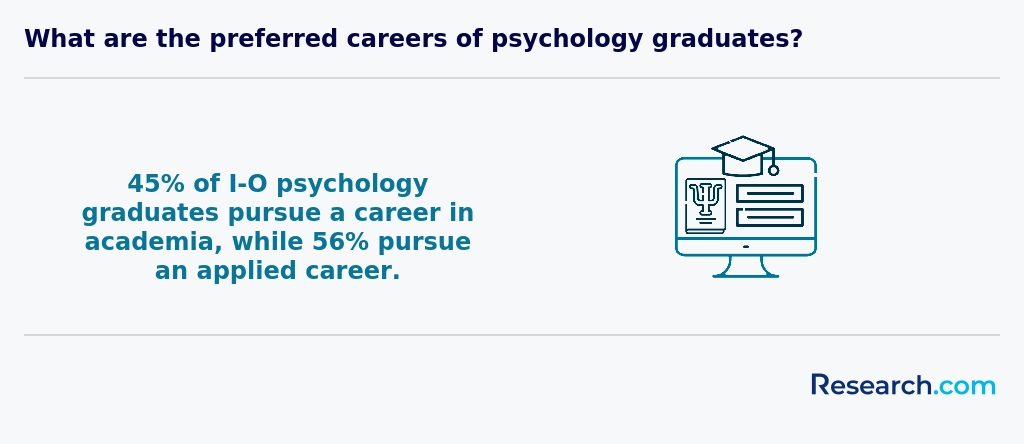
After earning a bachelor’s degree in psychology, many students in Savannah, GA, choose to deepen their expertise through graduate programs that align with their career goals. Whether you aim to conduct cutting-edge research or practice clinically, understanding the differences between a Master’s, PsyD, and PhD is essential. • Master’s Degrees (MA/MS): – Typically 1½ to 2 years, these programs emphasize applied skills in counseling, industrial-organizational psychology, or school psychology. – Coursework often includes advanced research methods, ethical practice, and supervised practicum experiences. – Graduates can pursue licensure as LPCs (Licensed Professional Counselors) or work in human resources and community agencies. • Doctoral Degrees (PhD vs. PsyD): – PhD programs focus on research and academia, usually taking 4–6 years to complete a dissertation that contributes original findings to the field. – PsyD programs emphasize clinical practice and hands-on training, preparing students for licensure as clinical psychologists within 4–5 years. – Both pathways require internships and supervised clinical hours, but PhDs may grant more opportunities for university teaching and grant funding. • Specializing in Neuropsychology: For students passionate about brain-behavior relationships, pursuing a doctoral degree with a neuropsychology concentration can open doors to hospital settings and research labs. Consider exploring our online neuropsychology phd programs to balance flexibility with rigorous training. Many of these programs offer virtual labs, tele-assessment practicums, and mentorship from top neuropsychologists. • Admission Tips and Timeline: – Prepare for the GRE or program-specific assessments at least 6 months before deadlines. – Secure strong letters of recommendation from research professors or supervisors. – Highlight relevant internships or publications to demonstrate your commitment to advanced study. By strategically selecting a pathway that matches your interests-be it research, clinical work, or neuropsychology-you’ll position yourself for a successful, impactful career in psychology.
To finance a psychology degree in Savannah, many students successfully apply for federal aid by completing the FAFSA. This opens doors to Pell Grants, which offer up to $7,395 annually without repayment, a real relief for students managing tight budgets. Graduates from Savannah State University often highlight how combining Pell Grants with affordable in-state tuition (typically $4,000 to $7,000 yearly) made their education feasible.
State programs like the HOPE Scholarship provide up to $4,000 per year to qualifying Georgia public college attendees. At places like Armstrong State, psychology students frequently share stories of how HOPE significantly eased their tuition costs when paired with merit-based scholarships offered on campus.
- Many Savannah schools offer merit scholarships rewarding high GPA and leadership, which psychology students use to cover partial or full tuition.
- Work-study roles linked to psychology departments allow hands-on experience while earning money, making study affordable and practical.
- Military veterans often tap into GI Bill benefits, supporting their psychology education without the stress of finances.
Early FAFSA submission and proactive dialogue with financial aid offices help students uncover every available funding source, turning the challenge of paying for a psychology degree into a manageable, even empowering process.
To find the most affordable psychology programs in Savannah, GA, students should consider various factors, including tuition costs, financial aid options, and the reputation of the institution. For those seeking affordable psychology degree programs, visiting the most affordable psychology schools in georgia can provide valuable insights into budget-friendly options that still offer quality education. By weighing these factors and exploring available resources, prospective students can make informed decisions about their educational pursuits, ensuring they choose a program that fits their academic, career, and financial goals.
To enroll in a psychology degree program in Savannah, you'll first need a high school diploma or equivalent if you're aiming for an undergraduate path. Many graduates from popular local institutions mention how focusing early on biology and social studies helped them grasp core psychological concepts more easily once they started their courses.
Some colleges still request SAT or ACT scores, but many have shifted to test-optional policies. It's best to check each school's website for up-to-date requirements. Writing a strong personal statement is crucial; graduates often say their essays about why they love psychology and their career goals made a big impression during admissions, showing dedication and communication skills.
If you're targeting graduate studies in Savannah, expect to present a relevant bachelor's degree with a competitive GPA, usually around 3.0. Having hands-on experience like internships or research roles in mental health settings-common among successful applicants-demonstrates your commitment and practical understanding, helping you stand out.
Graduating with a psychology degree is the first step; state licensure lets you practice professionally in Georgia. Key requirements include:
- Earn the appropriate degree: a master’s for counseling roles (e.g., LPC) or a doctorate for licensed psychologists.
- Complete supervised experience: typically 3,000+ post-degree hours under a board-approved supervisor.
- Pass required exams: National Counselor Examination (NCE) or NCMHCE for counselors; Examination for Professional Practice in Psychology (EPPP) for psychologists.
- Apply to the correct board: the Georgia Composite Board of Professional Counselors, Social Workers, and Marriage & Family Therapists for counselors or the Georgia Board of Psychology for psychologists.
- Maintain your license through continuing education: usually 35 hours every two years.
For a master’s pathway with licensure-aligned curricula, explore affordable online masters in psychology programs.
Students pursuing a psychology degree in Savannah typically engage with foundational courses like General Psychology, giving them a clear overview of human behavior and mental processes. Graduates from local universities often recall how Developmental Psychology classes helped them understand growth stages from infancy to adulthood, which made everyday interactions feel more meaningful and insightful.
Abnormal Psychology is another core course, where students explore mental health disorders and treatment methods. This practical knowledge helps future counselors and therapists relate better to clients. Research Methods in Psychology and Psychological Statistics equip students with skills to design and analyze experiments-essential for those aiming at further graduate study or research careers.
Programs frequently include specialized courses such as Cognitive Psychology, which dives into memory function and problem-solving strategies, or Social Psychology, addressing interpersonal dynamics, a favorite among many Savannah college students who find these lessons relevant to campus life.
Elective options like Child Psychology or Industrial-Organizational Psychology allow students to tailor their studies toward specific career paths, ensuring a balanced and personalized learning experience.
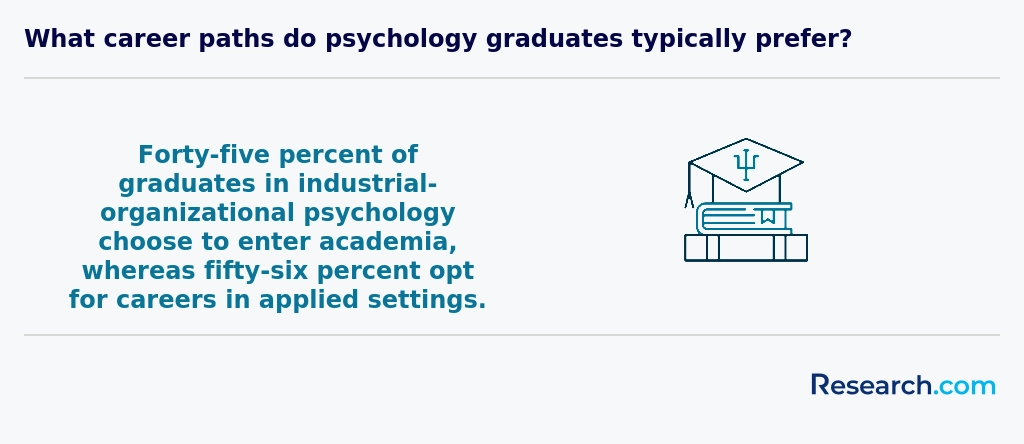
Students pursuing a psychology degree in Savannah typically encounter a range of specialization options that allow them to tailor their studies according to their career goals. Popular concentrations include clinical psychology, where graduates gain hands-on experience assessing and treating mental health issues through local hospital partnerships. Counseling psychology is another common track, focusing on therapeutic techniques to support individuals managing life stresses, an area many Savannah students find deeply fulfilling.
Developmental psychology is ideal for those interested in studying psychological growth across the lifespan, preparing graduates for roles in education and healthcare settings. Industrial-organizational psychology applies psychological principles to workplace challenges such as employee training and organizational behavior, especially relevant as Savannah's business sectors expand.
Other promising avenues include forensic psychology and health psychology, both of which attract graduates eager to blend psychology with legal systems or physical health matters. Universities like Savannah College of Art and Design and Armstrong State University offer these diverse pathways so students can shape their educational journey around Savannah psychology program concentration options. For further insights on comparable programs, consider exploring the benefits of a psychology bachelor's degree in Alabama.
To choose the best psychology degree in Savannah, start by identifying the degree level that suits your career goals-bachelor's degrees open doors to counseling roles, while advanced positions require graduate studies. Graduates from popular local colleges often highlight the value of on-campus experiences combined with internships at community mental health centers, which make learning engaging and practical.
Look for programs accredited by the American Psychological Association or regional commissions to ensure quality education and smoother licensure paths. Several students appreciate programs that offer hybrid or fully online options, providing flexibility without compromising academic standards. For those seeking affordable psychology degree programs in Savannah, investigating scholarships and financial aid at these institutions makes a significant difference in managing costs.
Research faculty expertise and active research opportunities, since many graduates feel more confident entering exams like the EPPP with strong mentorship and clinical partnerships. For further guidance on licensure and educational pathways, explore resources such as psychology education in Ohio, which can offer useful comparisons and insights.
Choosing from the best psychology schools in Savannah 2027 means balancing cost, accreditation, degree options, and local networking opportunities to find a program that meets both your personal and professional aspirations.
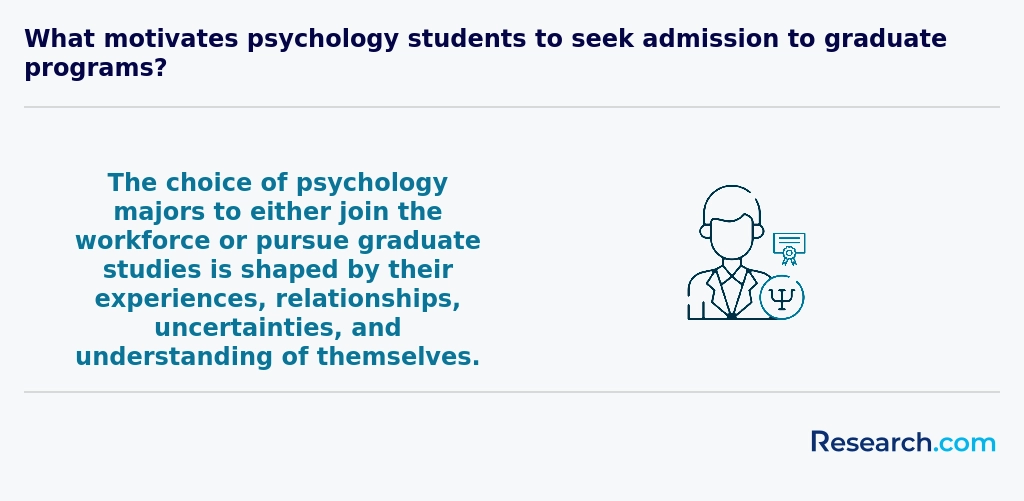
Psychology degree graduates in Savannah enjoy a variety of career paths that leverage their understanding of human behavior. Many find rewarding roles in clinical and counseling psychology within Savannah's healthcare facilities, such as Memorial Health, where they work directly with patients addressing mental health. Graduates from universities like Savannah State University often share how their hands-on experience in local clinics prepared them for these in-demand roles, contributing to a strong job outlook for psychology graduates Savannah.
Others pursue educational psychology careers, supporting student development through positions in Savannah-Chatham County Public Schools as school psychologists or education specialists. Practical internships during their psychology programs help graduates gain confidence and apply theories in real school settings, improving educational outcomes.
In business sectors, psychology degrees open doors to human resources, marketing, and organizational roles, where graduates utilize their skills to improve employee training, recruitment, or market research strategies. Entry-level roles typically start around $45,000 annually, creating encouraging opportunities early on.
For those interested in research, opportunities abound at Savannah's institutions such as Armstrong State, where graduates contribute to behavioral studies or social science projects. To explore counseling career opportunities Washington, graduates often refer to specialized guides like counseling career opportunities Washington, helping them broaden their professional scope beyond Savannah.

Psychology degree job opportunities in Savannah are promising, especially for graduates from local institutions like Savannah State University. Many find roles in healthcare, education, or social services, gaining hands-on experience through internships at nearby hospitals and mental health centers. Graduates often share how these practicum placements directly boost their employment prospects by connecting them to community employers.
While salaries in Savannah may be lower than some national averages, the region's cost of living makes positions more sustainable. Entry-level roles such as psychological assistants typically start around $35,000, and advanced degrees open doors to higher earnings and licensure. Employment outlook for psychology graduates Savannah is strengthened by ongoing growth in healthcare and school counseling sectors. Networking within Savannah's psychological community and earning certifications are common strategies graduates use to stand out.
Students looking for affordable programs appreciate that public universities offer in-state tuition near $4,000 per year. Many choose the most affordable psychology schools in georgia to reduce debt while building a competitive resume.
2027 Most Affordable Psychology Degree Programs Ranking in Savannah
Investing in your education is a significant decision that can shape your future, and the Research.com team understands the importance of making informed choices. To assist prospective students in Savannah, we have meticulously crafted the "2027 Most Affordable Psychology Degree Programs Ranking in Savannah." Our commitment to quality, credibility, and accuracy is reflected in the extensive research and analysis conducted to compile this ranking.
We utilized the following reputable data sources to ensure a comprehensive evaluation of psychology degree programs:
By exploring this ranking, readers will gain valuable insights into the most affordable psychology programs available in Savannah, empowering them to make well-informed decisions about their educational investment. For more details on our methodology, please visit our Research.com methodology page.
# 1 position
South University-Savannah Online
Bachelor of Arts in Psychology

# 2 position
Savannah State University
Bachelor of Arts in Psychology

Frequently Asked Questions About psychology
Psychology degree students in Savannah can enhance their learning by engaging actively in both coursework and practical experiences. Local institutions often offer internships or research opportunities in clinical, educational, or organizational psychology, providing hands-on exposure crucial for skill development. According to the Georgia Board of Psychology, applied experience complements theoretical study, aiding licensure requirements.
Students should also utilize campus resources such as psychology clubs, guest lectures, and workshops to deepen their understanding. Networking with local professionals in Savannah's mental health community helps build career connections. Finally, staying updated with current psychology research through academic journals accessible at nearby university libraries strengthens critical thinking and knowledge application.
The field of psychology continues to expand, with several emerging niches gaining attention among students and professionals in Savannah. One growing area is neuropsychology, which explores the relationship between brain function and behavior. This specialization is important given the increasing prevalence of brain injuries and neurological disorders.
Another niche gaining momentum is forensic psychology, blending legal principles with psychological assessment. Savannah has seen growing demand for professionals in this area due to increased collaboration with law enforcement agencies.
Health psychology, which focuses on how psychological factors affect physical health, is also expanding, especially as Savannah's healthcare sector grows. These emerging fields offer diverse career paths for psychology graduates in the region.
After completing a psychology degree in Savannah, preparing for the job market involves several key steps. First, gaining practical experience through internships or volunteering with local mental health clinics or social service agencies boosts employability. Savannah's growing healthcare sector, including organizations like the Coastal Behavioral Healthcare, offers such opportunities.
Networking is essential; attending local psychology association meetings or career fairs can connect graduates with professionals in the field. Additionally, obtaining relevant certifications such as Certified Alcohol and Drug Counselor (CADC) may improve job prospects.
According to the U.S. Bureau of Labor Statistics, Savannah's demand for psychologists and counselors is expected to grow faster than average through 2030. Keeping skills updated through continuing education is also important in this evolving field.
Employers in Savannah highly value psychology graduates who demonstrate strong communication skills. Being able to clearly explain complex psychological concepts to clients or colleagues is essential. Critical thinking and analytical abilities also rank top, as these skills enable graduates to assess data, conduct research, and apply findings effectively.
Additionally, proficiency in ethical decision-making is crucial, reflecting the emphasis placed by bodies like the American Psychological Association on maintaining professional standards. Research from the Georgia Department of Labor highlights that employers seek candidates with adaptability and teamwork capabilities due to the collaborative nature of many psychology roles in Savannah's health and social service sectors.
Technical skills, including familiarity with psychological assessment tools and software, further enhance employability. Understanding cultural competence is another important aspect, given Savannah's diverse population and the personalized approach psychology professionals must provide.
Finding internships in Savannah relevant to a psychology degree involves exploring local universities and healthcare facilities. Institutions like Armstrong State University and Savannah State University often partner with community organizations to offer internship opportunities in clinical, counseling, and social psychology.
The city's growing healthcare sector, including Memorial Health University Medical Center, provides placements in mental health services. According to the Georgia Department of Labor, internships in psychology-related fields in Savannah grew by 5% over the past two years, reflecting increasing demand.
Networking through academic advisors and attending local psychology association events in Savannah can further connect students with valuable internship openings.
In Savannah, earning a psychology degree significantly enhances career mobility and advancement opportunities. According to the Bureau of Labor Statistics, psychology-related jobs in Georgia are expected to grow by 8% through 2030, slightly above the national average. This growth creates diverse job openings, from counseling to human resources.
A degree in psychology equips graduates with critical skills such as research, communication, and analytical thinking, which employers in Savannah value across multiple sectors. Local mental health services, education, and corporate organizations often seek candidates with such skills for leadership roles.
Additionally, professional licensing, required for many advanced psychology careers in Savannah, encourages graduates to pursue further certifications, which can lead to higher salaries and better positions.
Studying for a psychology degree in Savannah equips students with versatile skills crucial for interdisciplinary roles. Local programs emphasize applied knowledge, integrating psychology with fields such as healthcare, education, and criminal justice. This approach reflects the growing demand in Savannah's workforce for professionals who can collaborate across disciplines.
Savannah State University and other institutions incorporate courses in neuroscience, counseling, and social work, enhancing students' adaptability. According to the Georgia Department of Labor, employment for psychological and counseling professionals in the Savannah area is projected to grow by 14% through 2030, highlighting diverse job opportunities requiring interdisciplinary expertise.
Students also benefit from internships and partnerships with local hospitals and social services, fostering real-world experience in multidisciplinary environments.
Choosing between a thesis and a non-thesis psychology degree program in Savannah depends largely on your academic and career goals. Thesis programs typically require original research, which appeals to students aiming for doctoral studies or research-intensive careers. Non-thesis options focus more on coursework and practical experience, suitable for those targeting professional practice or immediate employment after graduation.
In Savannah, institutions like Georgia Southern University offer both options with varying credit requirements, reflecting national trends where thesis programs often require fewer credits but more time commitment for research. According to the National Center for Education Statistics, around 40% of psychology master's students choose thesis tracks, especially if planning to pursue PhDs.
Consider the time, skills, and future plans before deciding, as thesis paths develop strong research abilities, while non-thesis paths emphasize applied knowledge.
Students based in Savannah who wish to study psychology abroad often explore exchange programs offered by local institutions like Savannah State University and Armstrong State University, which partner with universities in Europe and Asia. These programs typically allow students to complete part of their bachelor's degree overseas while earning credits toward their U.S. degree. According to NAFSA, over 300,000 U.S. students studied abroad in 2022, many in social sciences like psychology.
Additionally, some students take advantage of online psychology degree options from foreign universities, accredited to meet U.S. standards. This flexibility helps Savannah-based learners gain global perspectives without relocating permanently.
Students pursuing psychology degrees in Savannah have several part-time job opportunities that complement their academic learning. Local mental health clinics and community centers often seek part-time assistants to help with patient intake and administrative tasks, providing valuable exposure to clinical settings.
Additionally, research assistant positions at nearby universities like Armstrong State University offer hands-on experience in psychological research methods and data collection. These roles help develop critical skills relevant to future careers in psychology.
School counseling programs in Savannah's public schools sometimes hire teacher aides or behavioral assistants part-time, which allows students to understand developmental and educational psychology in practice.
Psychology students in Savannah benefit from various networking opportunities through local universities like Armstrong State University, which offers student organizations and events focused on psychology. These platforms allow students to connect with peers and faculty, fostering professional relationships early in their careers. Additionally, Savannah hosts chapters of national associations such as Psi Chi, the International Honor Society in Psychology, providing access to conferences and workshops.
Local internships at healthcare facilities, schools, and community centers are common, giving students real-world experience and chances to meet professionals in their field. According to the Georgia Psychological Association, Savannah regularly participates in state-wide networking events, enhancing community engagement for psychology students.
Alumni networks offer significant benefits to psychology degree students in Savannah by providing professional connections and mentorship opportunities. Graduates from local institutions often remain engaged in the community, creating a robust support system for current students.
These networks can help students access internships, job openings, and graduate programs by connecting them with experienced professionals. For psychology students, this is crucial as hands-on experience and guidance often influence career success.
According to data from the National Association of Colleges and Employers, students with active alumni support report a 15% higher employment rate within six months after graduation. In Savannah, universities like Armstrong State University maintain active alumni chapters specifically for psychology majors, enhancing career outcomes locally.
Customizing a psychology degree program in Savannah allows students to align their education with specific career goals. Many local universities offer elective courses in areas such as clinical psychology, counseling, neuropsychology, or industrial-organizational psychology. This flexibility helps students focus on their preferred specialties.
Additionally, Savannah schools often provide internship opportunities at nearby hospitals, mental health clinics, or research centers, offering practical experience critical for career development. Students can also engage in research projects under faculty guidance to deepen their expertise.
Accreditation and program reputation matter; according to the U.S. Department of Education, choosing a regionally accredited program ensures recognized qualifications nationwide.
Psychology students in Savannah often face several challenges while pursuing their degrees. One common issue is managing the rigorous coursework, which typically includes statistics, research methods, and various psychology theories. These classes demand strong analytical and critical thinking skills.
Additionally, many students must balance their studies with part-time or full-time jobs, as the median annual wage for psychology graduates in Georgia is around $60,000, which can lead to financial pressures. Practical experience requirements, such as internships or practicums, can also be difficult to schedule amid these commitments.
Another challenge is access to specialized faculty and research opportunities. While Savannah hosts some reputable institutions, students may find fewer research resources compared to larger metropolitan areas.
According to the National Center for Education Statistics, retention rates for psychology majors in Georgia hover around 57%, reflecting these academic and personal hurdles.
With a psychology degree in Savannah, graduates can pursue several professional certifications to enhance their career prospects. Common certifications include Licensed Professional Counselor (LPC) and Certified Addiction Counselor (CAC), both requiring further supervised experience and passing state exams. Savannah's licensing board follows Georgia's standards, emphasizing supervised clinical hours for these credentials.
Additionally, graduates may seek certification as a Registered Behavior Technician (RBT), especially if interested in applied behavior analysis fields. According to the Georgia Board of Professional Counselors, LPC certification typically requires a master's degree plus 3,000 hours of supervised work. This makes certification attainable for many Savannah psychology graduates focused on clinical or counseling roles.
Crafting a winning application for a psychology program in Savannah requires careful attention to academic performance and relevant experience. Admissions committees typically look for a strong GPA, generally around 3.0 or higher, especially in psychology-related courses. Highlighting volunteer work or internships in mental health settings can significantly strengthen your profile.
Personal statements should clearly explain your motivation for studying psychology, tailored specifically to Savannah's local community and its mental health landscape. According to the National Center for Education Statistics, emphasizing research interests connected to Georgia's mental health initiatives may improve your chances.
Letters of recommendation from professors or professionals familiar with your skills are crucial. Demonstrating your commitment to the field through extracurricular activities related to psychology is also recommended.
Psychology careers in Savannah reflect broader trends seen across the United States and globally. Graduates often find opportunities in clinical, counseling, and industrial-organizational psychology. According to the U.S. Bureau of Labor Statistics, psychology employment is projected to grow 6% from 2021 to 2031, similar to the national average for all occupations.
Internationally, psychology professionals focus on culturally informed practices, emphasizing diversity and inclusion. Savannah's psychology programs incorporate these global perspectives by encouraging students to understand mental health in various cultural contexts.
Local job markets in Savannah benefit from this outlook, particularly in healthcare and education sectors. Institutions like the Georgia Southern University, Savannah Campus, support students with research and internships aligned with global psychological standards.
Gaining practical experience while studying for a psychology degree in Savannah is essential for career readiness. Many local institutions, such as Savannah State University, offer internship programs through partnerships with community mental health centers, schools, and hospitals. These placements allow students to apply classroom knowledge in real-world settings.
Volunteering opportunities also exist with organizations like the Georgia Department of Behavioral Health and Developmental Disabilities, providing exposure to various psychological services. Additionally, students can participate in faculty-led research projects, which help develop analytical skills and offer hands-on involvement in psychological studies.
Data from the National Center for Education Statistics shows that experiential learning increases job placement rates among graduates, emphasizing its importance.
Choosing the right concentration within a psychology degree program in Savannah requires understanding your career goals and the local job market. Common concentrations include clinical, counseling, developmental, and industrial-organizational psychology. Savannah's healthcare sector shows strong demand for clinical psychologists, according to the Georgia Department of Labor. Meanwhile, local businesses increasingly value specialists in industrial-organizational psychology to improve workplace efficiency.
Researching specific program offerings at institutions in Savannah can help you find concentrations aligned with regional opportunities. Accreditation by the American Psychological Association (APA) is also important for certain licensure paths. Additionally, consider internships or practicum options available locally to gain practical experience.
- 2027 Most Affordable Psychology Degree Programs Ranking in Macon
- 2027 Most Affordable Psychology Degree Programs Ranking in Daytona Beach
- 2027 Most Affordable Psychology Degree Programs Ranking in Tallahassee
- 2027 Most Affordable Psychology Degree Programs Ranking in Atlanta
- 2027 Most Affordable Psychology Degree Programs Ranking in Montgomery
- 2027 Most Affordable Psychology Degree Programs Ranking in Birmingham
- 2027 Most Affordable Psychology Degree Programs Ranking in Boca Raton
- 2027 Most Affordable Psychology Degree Programs Ranking in Fort Lauderdale
- 2027 Most Affordable Psychology Degree Programs Ranking in Mobile
- 2027 Most Affordable Psychology Degree Programs Ranking in Miami
See What Experts Have To Say About Studying Psychology
Read our interview with Psychology experts

Joann Farrell Quinn, Ph.D., MBA
Psychology Expert
Director at the College of Medicine Department of Medical Education
Morsani College of Medicine

Elizabeth L. Jeglic Ph.D.
Psychology Expert
Professor of Psychology
City University of New York

Robin M. Kowalski. Ph.D.
Psychology Expert
Professor of Psychology
Clemson University

- Have You Found a Niche? https://www.apaservices.org/practice/business/marketing/building/niche
- Society for the Teaching of Psychology https://teachpsych.org/page-1784686/8675326
- What Certifications Can I Get With A Bachelor's In Psychology? https://www.psychology.org/resources/certification-skills-for-psychology-major-resumes/
- Community Psychology in Global Perspective http://siba-ese.unisalento.it/index.php/cpgp
- What can I do with a psychology degree? https://www.hull.ac.uk/study/undergraduate/courses/psychology-bsc-hons/what-can-i-do-with-a-psychology-degree
- Skills of a Psychology Major - Psychology Department https://wagner.edu/psychology/skills/
- How Psychology Students Can Get Clinical Experience Before Graduating | The Playful Psychologist https://www.theplayfulpsychologist.com/post/students-experience-how-to-get-the-experience-you-need-before-you-graduate
- Study Psychology Abroad https://astarfuture.co.uk/study_psychology_abroad.html
- Psychology | Program Requirements | Mercer University https://liberalarts.mercer.edu/academic-programs/majors-and-minors/psychology/program-requirements/
- Savannah Bachelor in Psychology (BA) Degree | South University https://www.southuniversity.edu/savannah/psychology-ba


