2027 Most Popular Psychology Degree Programs Ranking in New Hampshire

Co-Founder and Chief Data Scientist
Choosing the right psychology degree program in New Hampshire can feel overwhelming. That's why our article offers a clear 2027 Most Popular Psychology Degree Programs Ranking in New Hampshire created by the Research.com team of data scientists. This ranking helps you identify programs that are truly worth considering.
By exploring these options, you can make a confident, informed choice that aligns with your career goals and passion for understanding human behavior. Earning a psychology degree opens doors to meaningful opportunities and personal growth.
Start your journey today with insights you can trust.
Key benefits of getting psychology degree in New Hampshire
- Psychology graduates in New Hampshire can pursue well-paying jobs such as Marketing Research Analyst with an average annual salary of $83,190, or Human Resources Specialist earning around $76,060 per year, offering financial stability and growth.
- Career paths often include roles in clinical research, marketing, or childcare, as seen with graduates from the University of New Hampshire who find diverse and rewarding opportunities in these fields.
- Online psychology degrees from local institutions provide flexible learning schedules, allowing graduates to balance work and study while gaining skills that employers value just as much as those from traditional programs.
- 2027 Most Popular Psychology Degree Programs Ranking in New Hampshire
- What can I expect from psychology degree in New Hampshire?
- Where can I work with psychology degree in New Hampshire?
What can I expect from psychology degree in New Hampshire?
The average cost of pursuing a psychology degree in New Hampshire varies depending on the institution and residency status. At public universities like the University of New Hampshire, in-state students typically pay between $10,000 and $16,000 annually for tuition. Graduates often reflect positively on the affordability combined with quality, appreciating how financial planning was manageable without sacrificing educational rigor. Private institutions, such as Southern New Hampshire University, generally have higher tuition rates, but many students find value in available scholarships and assistantships that help reduce overall expenses.
For example, graduates from Plymouth State University frequently mention that scholarship opportunities and part-time internships provided critical financial relief while enriching their practical experience. This blend of academic learning and support creates a balanced, encouraging environment for students navigating the costs of their education. As a result, psychology students in New Hampshire benefit from accessible tuition options alongside real-world training crucial for their future careers.
Where can I work with psychology degree in New Hampshire?
Graduates with psychology degrees from institutions such as the University of New Hampshire or Saint Anselm College find diverse career opportunities throughout the state's healthcare, education, and social services sectors. Many begin their careers as mental health counselors or behavioral health specialists in hospitals and clinics, addressing real-life challenges faced by individuals and families. These roles allow graduates to apply their skills in assessing and supporting emotional well-being, often leading to rewarding experiences helping community members.
Others enter school districts across New Hampshire as school psychologists or counselors, where they play a vital role in shaping supportive educational environments. Psychology graduates report deep fulfillment from collaborating with teachers and parents to develop intervention plans tailored to student needs, witnessing tangible positive impacts on youth development.
Additional employment paths include working with government agencies or non-profits focused on substance abuse prevention and family services, where graduates engage in case management and program coordination. Those who pursue advanced degrees frequently contribute to research or academic positions at regional universities or healthcare centers, advancing important studies on behavioral health. Licensing requirements vary by position, so graduates often navigate state certification processes specific to their chosen career.
Graduates with a psychology degree from institutions such as the University of New Hampshire or Franklin Pierce University in New Hampshire can anticipate competitive salaries aligned with their chosen career path. Entry-level roles like childcare workers often start around $32,070 annually, reflecting initial experience stages. More specialized positions such as clinical research associates or survey researchers typically earn approximately $62,370 per year, providing a solid foundation for new graduates eager to apply research skills.
For those pursuing careers in human resources or market research analysis, mean annual wages rise to about $76,060 and $83,190 respectively, demonstrating promising financial growth potential. These figures resonate well with many graduates who leverage their psychology training in business or analytic roles across the state.
Many psychology graduates share positive experiences transitioning from academic environments in places like southern New Hampshire University into roles where analytical thinking and understanding human behavior are highly valued. Such employment opportunities not only offer rewarding compensation but also fulfill a strong desire to contribute meaningfully in diverse professional settings.
- Tuition for public in-state psychology programs in New Hampshire ranges from $10,000 to $15,000 per year, while private schools charge between $25,000 and $40,000 annually.
- Entry-level psychology roles typically earn median salaries around $50,000, with experienced professionals making over $80,000 annually.
- The job market for psychology-related fields in New Hampshire is expected to grow by about 10% through the late 2020s.
- Licensing usually requires at least a master's degree and supervised clinical experience; a doctoral degree is needed to become a licensed clinical psychologist.
- Networking and internships in New Hampshire are important for improving job prospects in the competitive psychology field.
Completing a psychology degree in New Hampshire generally aligns with national timelines but offers some flexibility depending on the institution and enrollment status. For example, graduates from the University of New Hampshire typically complete their bachelor's degrees in four years when studying full-time, engaging in a balanced curriculum of core psychology courses and electives. Similarly, students at Plymouth State University share this timeframe, often appreciating the structured yet supportive environment that aids steady progress.
Graduate students pursuing a master's degree in psychology usually invest about two years beyond their bachelor's, with some appreciating part-time options that enable them to maintain work-life balance while advancing their education. Doctoral candidates, often at the University of New Hampshire, experience a lengthier commitment of four to seven years to complete extensive coursework, research, and clinical internships, which many find rewarding despite the challenge.
This varied timeline reflects real-world demands and personal circumstances, reassuring students that the path through psychology in New Hampshire can be as adaptable and enriching as their ambitions require.
In today’s fast-paced world, many prospective students are seeking accelerated pathways to launch their careers sooner. Accelerated programs in psychology are designed to condense coursework into a shorter time frame, without compromising on academic rigor or experiential learning. These programs are ideal for students who have a clear career vision and are eager to enter the job market with enhanced skills and a competitive edge. Moreover, accelerated options often incorporate flexible learning formats such as hybrid or online classes, allowing students to balance studies with personal and professional commitments. For those considering a quicker route, exploring an accelerated bachelor's degree psychology program might be the perfect solution. These programs provide intensive, well-structured curricula that enable students to complete their degrees faster while gaining high-impact experiences, such as hands-on research projects and internships. The focused curriculum is tailored to build critical skills, including analytical thinking, effective communication, and problem-solving, ensuring graduates are well-prepared for diverse roles in mental health, human resources, research, and beyond. Choosing an accelerated program means carefully assessing accreditation status, faculty expertise, and institutional resources to ensure you receive a quality education that meets industry standards. This proactive approach enhances your resume and can significantly reduce the time and cost of entering the workforce, making it a strategic investment in your future.
Online and on-campus psychology degree programs in New Hampshire differ mainly in learning environment and flexibility. On-campus students at institutions like the University of New Hampshire often describe the benefits of direct engagement with professors and peers, which enriches discussions and fosters professional networks. These programs include hands-on lab work and internships, allowing immersive experiences that build practical skills in real time.
Conversely, online psychology students, such as those enrolled at Southern New Hampshire University, appreciate the ability to balance coursework with work or family commitments thanks to flexible schedules and remote access. Digital platforms provide lectures and assignments, though students must proactively arrange local internships or supervised practicums to gain essential real-world experience.
Cost considerations also play a role; online degrees typically reduce expenses like commuting and housing, making them financially appealing while maintaining accredited curricula. Graduates from both formats often express confidence in their education, finding that each path supports different lifestyles and career aspirations within New Hampshire's psychology field.
After earning your psychology degree, obtaining state licensure is essential to practice clinically or call yourself a “psychologist.” In New Hampshire, the Board of Psychological Examiners oversees this process, which typically involves: 1. Education and Supervision - Complete a doctoral degree in psychology from an APA-accredited program. - Accumulate at least 3,000 hours of supervised professional experience, with a minimum of 1,500 post-doctoral hours. 2. Examination - Pass the Examination for Professional Practice in Psychology (EPPP) with a scaled score of 500 or above. - Achieve a passing score on the New Hampshire jurisprudence exam covering state laws and ethical standards. 3. Application and Fees - Submit official transcripts, verification of supervised hours, and exam results to the Board. - Pay the application fee (currently $125) and a biennial license renewal fee (approximately $200). 4. Continuing Education - Complete 40 hours of approved continuing education every two years, including ethics and suicide prevention topics. Meeting these requirements ensures you’re qualified to serve clients, schools, or corporate environments. When evaluating programs, consider not only curriculum strength but also how each institution supports supervised internships and exam preparation. For students comparing tuition and licensure support beyond New Hampshire, our Most Affordable Psychology Degree Programs Ranking in Illinois offers a transparent look at cost-effective alternatives. Ensuring your chosen program aligns with these licensure steps will streamline your path to professional practice and enhance your career prospects.
The average psychology degree cost in New Hampshire reflects a notable distinction between in-state and out-of-state students, with a median total cost of approximately $19,163 for residents and $52,118 for non-residents. Graduates from institutions such as the University of New Hampshire often recall the benefits of investing in their education despite the higher price point compared to national averages. Many experience the balance of rigorous coursework and enriching opportunities that make every dollar worthwhile.
For students pursuing psychology degrees, tuition fees represent only part of the financial commitment. Additional expenses like housing, textbooks, and personal costs can significantly add to the overall outlay. Those enrolled at private universities like Southern New Hampshire University and Rivier University often find more flexible learning options and tailored financial aid packages, which help mitigate the substantial fees associated with specialized psychology programs.
Psychology degree tuition and fees in New Hampshire vary according to program level and residency, but graduate students should also expect per-credit costs ranging between $700 and $1,200. Many master's and doctoral candidates leverage assistantships and scholarships, enhancing both their educational experience and financial well-being.
Prospective students seeking affordable psychology study pathways are encouraged to explore resources on affordable psychology programs in New Hampshire to identify options that align with their budget and academic goals.
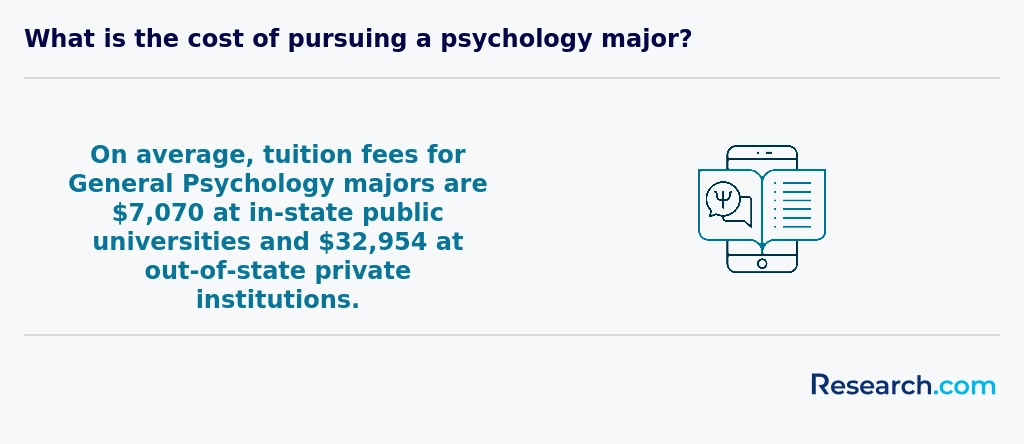
. When considering a psychology degree in New Hampshire, financial planning is a crucial step. Prospective students should explore the various costs associated with their education, including tuition fees, living expenses, and materials. To manage these expenses, students can look into financial aid options such as scholarships, grants, and loans. For instance, the affordable psychology programs in New Hampshire can significantly reduce the financial burden, making it more accessible to pursue a degree in psychology. Additionally, many institutions offer payment plans and counseling services to help students navigate their financial obligations. By understanding the financial aspects of their education, psychology students in New Hampshire can better prepare themselves for the journey ahead and make informed decisions about their academic and professional paths.
Psychology students in New Hampshire benefit from a variety of financial aid options that help ease the burden of tuition and living expenses. Federal Pell Grants provide need-based awards up to $6,895 annually, making a meaningful difference for lower-income undergraduates. For example, psychology students at the University of New Hampshire often rely on these grants to afford their studies without incurring overwhelming debt.
State-specific aid, such as the New Hampshire Scholars Program and the State Grant Program, supports residents attending in-state colleges by rewarding academic achievement and maintaining satisfactory progress. Graduates from local universities frequently share how these grants boosted their confidence and financial stability during challenging semesters.
Competitive departmental scholarships are available to psychology majors demonstrating strong academic records and active research involvement. Many find campus counseling centers or research labs offer work-study jobs that not only provide income but valuable experience directly related to their future careers.
Federal student loans serve as a financial bridge, with limits ranging from $5,500 to $12,500 per year according to academic level. These loans, combined with scholarships and grants, empower psychology students in New Hampshire to pursue their passion while managing expenses responsibly.
In New Hampshire, practicing as a licensed psychologist entails fulfilling rigorous state-mandated criteria designed to uphold professional standards and protect public welfare. First, candidates must earn a doctoral degree (PhD or PsyD) in psychology from an APA-accredited institution or complete equivalent coursework-many aspiring professionals opt for an online masters psychology program to satisfy foundational requirements prior to doctoral study. After graduation, applicants register with the New Hampshire Board of Psychological Examiners and secure a predoctoral supervised experience agreement. Next, candidates complete a minimum of 3,000 hours of supervised practice over at least two years, including 1,500 hours of direct client contact. Supervision must be provided by a board-approved psychologist, ensuring exposure to diverse clinical settings. Applicants then pass the Examination for Professional Practice in Psychology (EPPP) and the New Hampshire jurisprudence exam, which tests knowledge of state laws, ethical codes, and professional conduct. For school psychologists, the Department of Education requires a specialist-level credential (EdS or equivalent), 1,200 hours of supervised internship, and successful performance on the Praxis II School Psychology test. Licensed Mental Health Counselors and Licensed Clinical Social Workers follow separate pathways with distinct supervised hours and examination requirements. Once licensed, psychologists must complete 30 hours of continuing education every two years, including ethics and cultural competence courses. Staying active in professional associations-such as the New Hampshire Psychological Association-provides networking, advanced training, and resources to maintain licensure and advance one’s career.
To enroll in a psychology degree program in New Hampshire, applicants must meet clear academic prerequisites that reflect both state and national standards. For undergraduate programs at well-regarded institutions such as the University of New Hampshire or Keene State College, students typically need a high school diploma or GED, with a focus on core subjects like English and science. Graduates often recall that maintaining a GPA between 2.5 and 3.0 was crucial for acceptance, alongside submitting strong letters of recommendation and personal statements that conveyed genuine enthusiasm for psychology.
Graduate programs demand a completed bachelor's degree, often in psychology or a related field, from accredited colleges within or outside New Hampshire. Many successful candidates shared that a minimum GPA of about 3.0 was required, complemented by research experience or relevant work that demonstrated dedication. Some schools also valued GRE scores or interviews, though recent policy shifts have made these less rigid.
These prerequisites ensure students are well-prepared, fostering confidence and excitement as they embark on their psychology studies in New Hampshire's supportive academic environments.
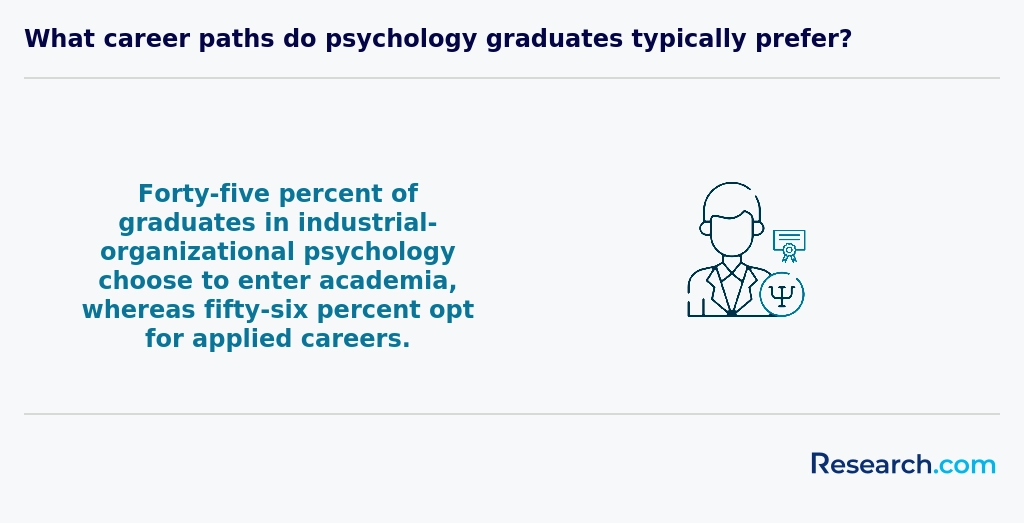
Ensuring your psychology program is accredited and understanding state licensure is essential for a successful career. In New Hampshire, the American Psychological Association (APA) does not accredit bachelor’s programs, but choosing a regionally accredited institution recognized by the New Hampshire Department of Education is crucial. For advanced degrees-master’s and doctoral-look for APA accreditation or candidacy status, which signals that your program meets rigorous standards for curriculum, faculty qualifications, and clinical training. Key steps to licensure in New Hampshire:
- Earn a degree from a regionally or APA-accredited institution.
- Complete 3,000 supervised hours post-degree (1,500 may be pre-doctoral).
- Pass the Examination for Professional Practice in Psychology (EPPP) and the New Hampshire Jurisprudence Exam.
- Submit an application to the New Hampshire Board of Psychological Examiners, including official transcripts and supervisor verification forms. Continuing education is required to maintain licensure: psychologists must complete 45 credit hours every three years, including ethics and cultural competence courses. Many graduates leverage online platforms and workshops to fulfill these requirements without interrupting their practice. Comparing program costs and outcomes can further guide your decision. For example, students interested in affordability often review rankings like the Most Affordable Psychology Degree Programs Ranking in Illinois to benchmark tuition and financial aid options. Always verify accreditation status on institutional websites and consult the New Hampshire Board’s online license lookup to confirm a program’s eligibility for licensure pathways.
Psychology degree programs in New Hampshire commonly require a core curriculum that grounds students in essential psychological principles and research techniques. Courses such as Introduction to Psychology provide a comprehensive overview of major theories and the history of the field, offering a solid foundation for understanding human behavior. Research Methods and Statistics are key components, enabling students to design experiments and analyze data, skills frequently praised by graduates from institutions like Southern New Hampshire University.
Biopsychology or Behavioral Neuroscience courses explore the brain's role in behavior, making the material personally impactful for students who observe real-world applications during internships at the University of New Hampshire. Other core classes, including Cognitive Psychology and Developmental Psychology, invite students to examine mental processes and human growth, enriching their ability to empathize with diverse populations.
Social and Abnormal Psychology courses challenge students to navigate complex interpersonal dynamics and mental health issues, preparing them for careers that involve real-life problem solving and compassionate care. Many graduates reflect positively on how this rigorous coursework has both inspired and equipped them for professional success in mental health and beyond.
Psychology degree specializations in New Hampshire offer diverse paths that prepare students for various professional roles. Graduates from prominent colleges often choose clinical psychology, where they engage in supervised internships that are vital for licensure and gain hands-on experience diagnosing and treating mental health conditions. Counseling psychology is also popular, providing practical skills to support clients' emotional and social wellbeing in schools and community settings.
New Hampshire psychology degree concentration options include neuropsychology, which attracts students fascinated by brain-behavior relationships and requires advanced study at institutions with specialized research facilities. Industrial-organizational psychology is another key option, addressing workplace dynamics and employee assessment, with strong job prospects in the state's growing healthcare and corporate sectors. Developmental psychology appeals to those passionate about working with children or the elderly, focusing on human growth over the lifespan.
Other specializations such as forensic, health, and social psychology enrich the curriculum, broadening career opportunities. Many graduates from New Hampshire universities emphasize the value of aligning their studies with career goals while exploring options like an accelerated bachelor's degree psychology to advance quickly in their field.
Choosing the best psychology degree programs in New Hampshire involves assessing accreditation, curriculum focus, and practical opportunities. Graduates from well-regarded institutions such as the University of New Hampshire highlight the value of programs accredited by NECHE, which ensure rigorous academic standards and bolster graduate school applications. Many students find that the distinction between a Bachelor of Arts and a Bachelor of Science in psychology helps clarify their career path-those aiming for research-intensive roles appreciate the BS's science emphasis.
Prospective students should also consider affordable psychology colleges New Hampshire offers, balancing tuition with quality. Those who have studied at regional universities often praise the accessibility of faculty and the hands-on experiences available through local clinic partnerships, which foster confidence and real-world skills early on.
For students considering advanced degrees, exploring options such as an online masters psychology can provide additional flexibility and specialized training aligned with career goals in clinical or cognitive psychology.

Graduates holding a psychology degree in New Hampshire find diverse career paths reflecting the state's expanding mental health and social services. Many pursue licensure as psychologists by completing doctoral programs at institutions such as the University of New Hampshire and fulfilling state requirements like supervised clinical hours and the EPPP exam. This credential opens doors to clinical practice, where increased awareness of psychological wellbeing drives steady demand.
Additionally, numerous graduates explore roles as licensed clinical social workers or counselors, especially within community health centers and private practices throughout New Hampshire. These careers often require relevant master's degrees and certifications, enabling professionals to engage directly with individuals in need of mental health support. Opportunities in human resources, market research, and organizational behavior also attract psychology graduates, who apply behavioral insights in corporate and governmental settings.
Students aiming to manage educational costs might review the Most Affordable Psychology Degree Programs Ranking in Illinois for comparison and financial planning. The practical skills acquired provide a strong foundation for careers that enrich New Hampshire's communities and workplaces, exemplifying the range of jobs for psychology graduates in New Hampshire.
The psychology degree job opportunities in New Hampshire are promising, with around 3,350 psychologist positions reported in 2023 and steady growth projected over the next decade. Graduates from prominent institutions like the University of New Hampshire and Plymouth State University often find fulfilling roles in clinical, counseling, and school psychology, benefiting from strong community support for mental health services. Many report rewarding experiences working in hospitals, schools, and private practices across the state, where their skills directly improve lives.
The career outlook for psychology graduates in New Hampshire remains positive due to the competitive median salary of approximately $85,000, which is notably above the national average. Students appreciate that the local universities offer relatively affordable tuition costs, making advanced degrees more accessible. Completing licensure alongside these degrees is crucial for clinical roles, a step that has led many graduates to successful professional pathways.
Those weighing education expenses might also explore the highest paying certifications without degree to complement their qualifications and enhance employability in this evolving field.
2027 Most Popular Psychology Degree Programs Ranking in New Hampshire
Investing in your education is a significant decision that can shape your future, and the Research.com team understands the importance of making informed choices. To assist prospective students in New Hampshire, we have meticulously crafted the "2027 Most Popular Psychology Degree Programs Ranking in New Hampshire." Our commitment to quality, credibility, and accuracy is reflected in the extensive research and analysis conducted to compile this ranking.
We utilized the following reputable data sources to ensure a comprehensive evaluation of psychology programs:
By exploring this ranking, readers will gain valuable insights into the most popular psychology degree programs available in New Hampshire, helping them make well-informed decisions about their educational journey. For more details on our methodology, please visit our Research.com methodology page.


Frequently Asked Questions About psychology
Students pursuing psychology degrees in New Hampshire can maximize their learning by actively engaging in research opportunities offered by local universities. Schools like the University of New Hampshire provide access to labs focusing on clinical, social, and developmental psychology, enhancing practical understanding.
Internships and practicum placements within New Hampshire's mental health clinics and community organizations give students real-world experience, crucial for applying theoretical knowledge. Networking through professional groups such as the New Hampshire Psychological Association also supports career growth.
Additionally, taking advantage of workshops and seminars on evidence-based practices helps students stay updated. According to the National Center for Education Statistics, these experiential learning opportunities improve retention and job readiness for psychology graduates in the state.
Emerging niches within psychology are shaping the future of mental health and behavioral sciences, particularly for students in New Hampshire. One growing area is health psychology, which examines how mental, emotional, and social factors affect physical health. With New Hampshire's aging population, demand for this specialization is rising.
Another notable niche is neuropsychology, focusing on brain-behavior relationships. Local hospitals increasingly seek professionals trained to assess and treat brain injuries and cognitive disorders. Industrial-organizational psychology is also expanding, applying psychological principles to workplace productivity and employee wellbeing.
Data from the New Hampshire Department of Labor highlights that these specialties contribute to new job openings, reflecting evolving community health needs and economic trends.
Preparing for the job market after earning a psychology degree in New Hampshire involves a combination of practical experience, networking, and further education. Many employers in the state value internships or practicum experiences obtained during college, which often provide hands-on training in clinics, schools, or social service agencies. According to the Bureau of Labor Statistics, the demand for psychologists in New Hampshire is projected to grow moderately, emphasizing the need for advanced degrees or certifications in specialized fields.
Students should also consider joining professional organizations like the New Hampshire Psychological Association to access job listings and networking events. Additionally, pursuing license requirements through the New Hampshire Board of Mental Health Practice is essential for clinical roles.
Employers in New Hampshire seeking psychology degree graduates prioritize strong analytical and critical thinking skills. Graduates must be able to interpret research data effectively to support evidence-based practices. Communication skills, both written and verbal, are equally important for explaining complex psychological concepts to diverse audiences.
Problem-solving abilities and adaptability are highly valued due to the evolving nature of psychological services. Additionally, ethical awareness and cultural competence rank among the top skills, reflecting the state's diverse populations and its emphasis on responsible professional conduct.
According to the Bureau of Labor Statistics and New Hampshire Department of Employment Security, interpersonal skills and proficiency in statistical software are increasingly important in local psychology careers.
Finding psychology-related internships in New Hampshire involves several strategic steps. Many universities, such as the University of New Hampshire, offer internship placement services through their psychology departments, helping students connect with local hospitals, clinics, and nonprofit organizations. Networking is also key; joining state psychology associations like the New Hampshire Psychological Association can provide access to exclusive internship listings and professional contacts.
Students should explore healthcare facilities in cities such as Concord and Manchester, where demand for mental health support continues to grow. Entry-level internship positions often appear in community mental health centers and educational institutions. Additionally, online platforms specializing in psychology internships can offer up-to-date opportunities statewide, increasing chances to gain practical experience.
A psychology degree in New Hampshire can significantly impact career mobility and advancement. The state's diverse job market includes healthcare, education, and social services, where psychology skills are in demand. According to the U.S. Bureau of Labor Statistics (2023), psychologists in New Hampshire earn an average annual wage of approximately $83,000, higher than the national average, reflecting strong local opportunities.
Graduates with advanced degrees, such as a master's or doctorate, typically access higher-level roles, including clinical psychologist or counselor positions, which require state licensure. Entry-level roles, like case managers or behavioral technicians, often accept bachelor's degree holders, offering initial career steps.
New Hampshire's licensing board supports mobility within the region by recognizing credentials from accredited institutions, promoting easier transitions among related professions. Networking in the local mental health community also aids career progression.
Studying for a psychology degree in New Hampshire offers a solid foundation for interdisciplinary careers by integrating knowledge from social sciences, health, and education. Many degree programs emphasize collaboration with fields like healthcare, social work, and business to address complex human behavior issues. The state's universities, including the University of New Hampshire, often incorporate experiential learning through internships and research projects that partner with local organizations.
According to the National Center for Education Statistics, psychology graduates in New Hampshire benefit from curriculum designs that encourage critical thinking and applied skills. This prepares students to work effectively in teams across various sectors, increasing their employability in government, nonprofit, and private industries.
Choosing between a thesis and a non-thesis psychology degree program in New Hampshire depends on your career goals and learning preferences. Thesis programs typically require original research, appealing to those interested in clinical work, research, or doctoral studies. Non-thesis options focus more on coursework and practical application, fitting students aiming for immediate employment in counseling, social services, or related fields.
New Hampshire universities, such as the University of New Hampshire, offer both choices. According to the National Center for Education Statistics, about 45% of psychology graduates in the state complete a thesis, reflecting a strong research culture here.
Consider your time availability, research interest, and professional plans when deciding.
Students based in New Hampshire who wish to study psychology abroad have several pathways available through exchange programs and study abroad partnerships facilitated by local institutions. Universities like the University of New Hampshire often collaborate with overseas universities, enabling students to complete psychology coursework internationally while earning credits toward their degree.
Additionally, many psychology students explore summer programs or semester-long options in countries such as the United Kingdom, Canada, and Australia, known for their strong psychology departments. These experiences can provide exposure to diverse psychological theories and research methodologies.
Financial aid and scholarships specifically for study abroad are sometimes available, helping to offset costs. According to the Institute of International Education, approximately 10% of U.S. undergraduates participate in study abroad programs, though New Hampshire's numbers tend to be slightly below the national average, reflecting smaller institutional offerings.
Part-time job opportunities in New Hampshire that complement psychology degree education often focus on roles offering practical experience in mental health and human services. Common positions include behavioral health technician, research assistant, or mental health aide at hospitals and community centers. According to the New Hampshire Department of Labor, demand for mental health support workers is expected to grow by 14% through 2030, reflecting a strong job market for psychology students.
Students may also find opportunities in university labs assisting with psychological research, providing valuable hands-on data collection experience. Local nonprofit organizations and social service agencies frequently seek interns or part-time staff to support counseling or outreach programs.
Such roles help develop communication skills, understanding of psychological principles, and real-world application knowledge essential for advanced studies or careers in psychology.
Psychology students in New Hampshire benefit from diverse networking opportunities that support their academic and professional growth. Many universities, including the University of New Hampshire, offer student chapters of the American Psychological Association (APA), where members can connect with peers and professionals. Conferences such as the New England Psychological Association annual meeting attract local and regional psychologists, providing valuable contact points.
Internship programs, often facilitated by colleges, place students in hospitals, clinics, and community agencies throughout New Hampshire. These internships help build practical experience and professional networks. Additionally, local counseling centers and research labs frequently host workshops, creating environments for students to engage with practicing psychologists and faculty experts.
Alumni networks play a significant role for psychology degree students in New Hampshire by providing valuable connections and career support. Graduates often gain access to professional opportunities through networking events and mentorship programs, which can be critical in competitive fields like psychology.
These networks help students navigate internships and job placements by connecting them with experienced alumni working in clinical, counseling, and research roles across the state. According to the New Hampshire Psychological Association, leveraging alumni contacts enhances a student's chances of securing positions in healthcare facilities and educational institutions.
Moreover, alumni networks foster a sense of community, encouraging knowledge sharing and collaboration among current students and past graduates.
Customizing a psychology degree program in New Hampshire involves selecting courses, internships, and research opportunities that align with your career goals. Many universities in the state, such as the University of New Hampshire and Southern New Hampshire University, offer flexible curriculum tracks focusing on areas like clinical, counseling, or industrial-organizational psychology.
Students can often choose electives or minors to deepen expertise, such as child psychology, forensic psychology, or neuroscience. Participating in local internships and research projects helps build practical experience relevant to New Hampshire's job market.
According to the New Hampshire Department of Education, programs accredited by the American Psychological Association provide tailored guidance to support career-focused degree paths.
Psychology students in New Hampshire often face challenges related to limited program availability. Unlike larger states, New Hampshire has fewer universities offering specialized psychology degrees, which can restrict course options and research opportunities. According to the New Hampshire Department of Education, students may need to travel out-of-state or enroll online to access diverse specializations.
Another issue is the competitive nature of clinical internships and practicum placements, essential for hands-on experience. These placements are limited within the state, making it difficult for students to fulfill licensure requirements promptly. Additionally, financial constraints pose challenges, as New Hampshire's average in-state tuition for public universities was approximately $18,000 in 2023, higher than the national average for psychology programs.
These factors combined create a demanding environment for psychology students seeking comprehensive education and timely career progression in New Hampshire.
With a psychology degree in New Hampshire, graduates can pursue several professional certifications to enhance their careers. A common path is obtaining licensure as a Licensed Mental Health Counselor (LMHC) or Licensed Clinical Psychologist, which requires additional graduate education, supervised hours, and passing state exams. The New Hampshire Board of Mental Health Practice oversees these certifications, ensuring candidates meet strict requirements.
Other certifications available include Certified School Psychologist and Certified Alcohol and Drug Counselor, both valuable in specialized fields. According to the New Hampshire Department of Education, demand for certified psychologists and counselors is growing due to increased mental health awareness statewide.
Certification improves job prospects and allows professionals to provide clinical services independently. Staying informed on New Hampshire's specific licensure laws is essential for career planning.
Applying to psychology programs in New Hampshire requires careful preparation to stand out. Start by thoroughly researching the specific program's requirements, as schools like the University of New Hampshire and Southern New Hampshire University may have different prerequisites and deadlines. A strong application highlights relevant academic achievements, especially in psychology or related sciences, as New Hampshire ranks among the states with growing enrollment in behavioral sciences according to the National Center for Education Statistics (NCES).
Crafting a compelling personal statement is essential. Focus on your passion for psychology, relevant experiences, and clear career goals. Include any research, internships, or volunteer work in mental health to demonstrate commitment. Make sure to address how the program's strengths match your interests.
Lastly, secure strong recommendation letters from professors or supervisors familiar with your academic or professional capabilities in psychology. These provide valuable insight beyond test scores and transcripts.
The field of psychology offers diverse career opportunities that extend beyond the United States, reflecting global trends and demands. Internationally, psychology professionals address mental health challenges influenced by cultural, social, and economic factors. In New Hampshire, psychology graduates benefit from a U.S. education system that is widely respected worldwide, supporting careers in research, clinical practice, and counseling.
According to the Bureau of Labor Statistics, the demand for psychologists in the U.S. is projected to grow 8% from 2022 to 2032, which aligns with global growth. New Hampshire's universities provide comprehensive programs that meet international standards, preparing students for both domestic and global roles.
Global perspectives emphasize multidisciplinary approaches and the importance of cross-cultural competence, crucial for psychology professionals aiming to work in diverse settings or with international populations.
Gaining practical experience while studying for a psychology degree in New Hampshire is essential for career readiness. Many institutions in the state offer internship opportunities through partnerships with local hospitals, mental health clinics, and social service agencies. These placements provide hands-on experience in diverse settings, including counseling and research.
Students can also engage in on-campus research projects under faculty supervision, which enhances understanding of psychological theories and methods. According to the New Hampshire Department of Education, over 60% of psychology students participate in internships or practicums during their studies. Volunteering with community organizations focused on mental health is another valuable option to develop skills and professional networks.
Choosing the right concentration within a psychology degree program in New Hampshire involves assessing your career goals and interests. Psychology fields can vary from clinical, counseling, and developmental to forensic and industrial-organizational psychology. Each concentration aligns with different job roles and licensing requirements.
Consider the growing demand in New Hampshire for mental health professionals, where clinical and counseling psychology are prominent, supported by state health workforce data. Research local universities like the University of New Hampshire, which offer diverse concentrations catering to these needs.
Evaluate the curriculum and practicum opportunities, including internships that provide real-world experience. Align your choice with the New Hampshire Licensure Board guidelines if aiming for professional practice, ensuring your concentration matches necessary qualifications.
- 2027 Most Popular Psychology Degree Programs Ranking in Maine
- 2027 Most Popular Psychology Degree Programs Ranking in New York
- 2027 Most Popular Psychology Degree Programs Ranking in Connecticut
- 2027 Most Popular Psychology Degree Programs Ranking in Delaware
- 2027 Most Popular Psychology Degree Programs Ranking in Maryland
- 2027 Most Popular Psychology Degree Programs Ranking in North Carolina
- 2027 Most Popular Psychology Degree Programs Ranking in Michigan
- 2027 Most Popular Psychology Degree Programs Ranking in Georgia
- 2027 Most Popular Psychology Degree Programs Ranking in Florida
- 2027 Most Popular Psychology Degree Programs Ranking in Alabama
See What Experts Have To Say About Studying Psychology
Read our interview with Psychology experts

Elizabeth L. Jeglic Ph.D.
Psychology Expert
Professor of Psychology
City University of New York

Catherine Caldwell-Harris, Ph.D.
Psychology Expert
Associate Professor of Psychology
Boston University

Joann Farrell Quinn, Ph.D., MBA
Psychology Expert
Director at the College of Medicine Department of Medical Education
Morsani College of Medicine

- Student psychological helpline – challenges and (non) ... https://www.archivespp.pl/pdf-205962-131609
- A Guide to Psychology Internships | Psychology Degree Guide https://psychologydegreeguide.org/resources/internships/
- Psychology - SWPS University https://english.swps.pl/academics/warsaw/ba-programs/psychology
- Study Psychology Abroad https://astarfuture.co.uk/study_psychology_abroad.html
- What can I do with a psychology degree? https://www.hull.ac.uk/study/undergraduate/courses/psychology-bsc-hons/what-can-i-do-with-a-psychology-degree
- What Certifications Can I Get With A Bachelor's In Psychology? https://www.psychology.org/resources/certification-skills-for-psychology-major-resumes/
- Employment https://www.nhaspweb.org/employment
- Study Psychology Abroad | Go Overseas https://www.gooverseas.com/study-abroad/psychology
- Society for the Teaching of Psychology https://teachpsych.org/page-1784686/8675326
- Have You Found a Niche? https://www.apaservices.org/practice/business/marketing/building/niche