
2027 Most Popular Psychology Degree Programs Ranking in Fayetteville

Co-Founder and Chief Data Scientist
Choosing the right psychology degree program can feel overwhelming, especially in Fayetteville where options are plentiful. This article introduces the 2027 Most Popular Psychology Degree Programs Ranking in Fayetteville, developed by the Research.com team of data scientists. It aims to guide you through the best choices based on comprehensive data and analysis.
By reading this ranking, you'll gain confidence in selecting a program that aligns with your goals and passions. Pursuing a psychology degree opens doors to meaningful careers and personal growth, making this an exciting step toward your future.
Key benefits of getting psychology degree in Fayetteville
- Salary benefits: Graduates with a psychology degree in Fayetteville can expect roles like Human Resources Specialist earning a mean annual wage of $76,060 or Marketing Research Analyst with $83,190, offering solid financial stability.
- Career paths: Psychology graduates from local universities often find rewarding careers in clinical research, marketing analysis, or childcare, giving flexibility to pursue jobs that match their passion and skills.
- Online degree benefits: Earning a psychology degree online in Fayetteville allows for flexible study schedules and cost savings, making it easier to balance work and education while still achieving a respected qualification.
- 2027 Most Popular Psychology Degree Programs Ranking in Fayetteville
- What can I expect from psychology degree in Fayetteville?
- Where can I work with psychology degree in Fayetteville?
What can I expect from psychology degree in Fayetteville?
The average cost of pursuing a psychology degree in Fayetteville often surprises many prospective students. At the University of Arkansas, the largest institution offering psychology programs locally, tuition for in-state undergraduates hovers around $8,000 to $10,000 per year, excluding fees and living expenses. This investment covers robust coursework like Abnormal Psychology and Neuropsychology, paired with invaluable research labs or internships that bring theory vividly to life.
Graduates often recall how, despite the costs, their hands-on experiences-whether analyzing behavioral patterns in research centers or counseling in local clinics-made every dollar worthwhile. These real-world encounters not only fuel passion but also deepen understanding, setting them apart in a competitive job market.
For those considering graduate psychology programs, costs rise significantly, sometimes doubling, but the commitment aligns with the intensive, specialized training needed for clinical or counseling roles. Many alumni emphasize that Fayetteville's accessible tuition combined with rich experiential learning fosters both financial savvy and professional confidence.
Where can I work with psychology degree in Fayetteville?
A psychology degree in Fayetteville opens doors far beyond textbook definitions. Graduates often find themselves immersed in healthcare environments like Cape Fear Valley Medical Center, where the demand for mental health counselors and behavioral specialists feels urgent and deeply rewarding. Imagine guiding someone through a crisis, knowing your training at Fayetteville State University equipped you with the skills to make a tangible difference.
Beyond hospitals, many psychology graduates step into educational roles within local school districts, directly supporting students' emotional and academic growth-a profoundly impactful experience that challenges stereotypes of clinical work being confined to therapy rooms.
Fayetteville's unique connection to Fort Bragg sets it apart. Working within government or military social services introduces graduates to specialized challenges in trauma counseling and veteran care, blending psychology with a sense of service that fuels personal fulfillment.
Others choose private practice or community organizations, where they witness firsthand the healing power of counseling and rehabilitation. Fayetteville's continuously growing mental health needs create a vibrant job market where meaningful, well-paid careers unfold.
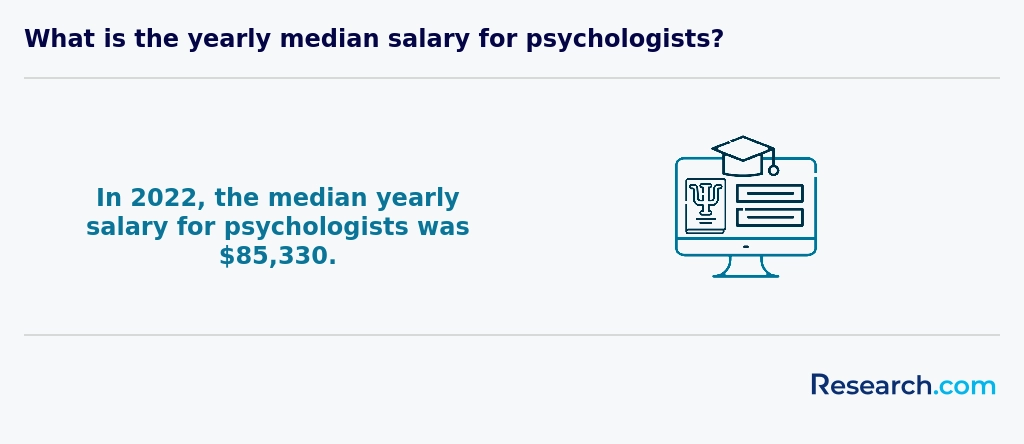
Graduates from psychology programs at institutions like Fayetteville State University often encounter a diverse salary landscape shaped by their chosen career paths. For those stepping into roles such as clinical research associates or survey researchers, the U.S. Bureau of Labor Statistics reports a mean annual wage around $62,370-figures that strongly motivate many to pursue advanced training or certification.
Consider a master's degree graduate working as a human resources specialist, whose mean annual wage reaches approximately $76,060. This career path offers both stability and growth potential within Fayetteville's unique economic environment, enhanced by a cost of living lower than the national average. Similarly, graduates entering marketing research analyst positions enjoy competitive earnings near $83,190 annually, allowing them to leverage psychological insights in corporate settings.
The stories of many Fayetteville psychology alumni highlight the rewarding balance between meaningful work and financial security. These salary ranges challenge the misconception that psychology careers are only modestly compensated, instead reflecting dynamic opportunities available locally after thoughtful educational investment.
- Undergraduate tuition for psychology degrees at public universities in Fayetteville ranges from $7,000 to $10,000 per year for in-state students.
- Private colleges in Fayetteville charge between $15,000 and $25,000 annually for psychology programs.
- Many schools offer scholarships and grants specifically for psychology or social science majors to help lower education costs.
- Starting salaries for entry-level psychology-related jobs are around $45,000 per year, rising to about $70,000 with advanced degrees and experience.
- Key employers include hospitals, schools, mental health clinics, and government agencies, with steady job growth in healthcare and social assistance sectors.
- Graduates from accredited psychology programs in Fayetteville are eligible for state licensure, which is required for clinical and counseling roles.
Completing a psychology degree in Fayetteville often means embracing a journey that extends beyond a fixed timeline. At the University of Arkansas at Fayetteville, undergraduates typically spend about four years immersed in coursework and research, but many find their experiences stretch this timeline. Graduates recall balancing internships, part-time jobs, and passionate research projects that enrich their understanding yet sometimes extend their studies toward six years. This flexibility challenges the notion that a degree is just a rigid four-year path.
Graduate psychology students in Fayetteville face varied timelines that reflect their ambitions. Those pursuing master's degrees invest 2 to 3 years deepening their expertise, while doctoral candidates engage in a rigorous 5 to 7-year process packed with original research, clinical practicums, and comprehensive exams. Graduates often describe this phase as transformative, demanding persistence but deeply rewarding.
The real completion time depends on your unique circumstances and dedication, blending academic milestones with personal growth opportunities in a community keen on clinical training and research innovation.
Graduates must meet state credentials to practice as counselors, psychologists, or school practitioners.
- Licensed Professional Counselor (LPC): Master’s degree (consider an online masters degree psychology for flexibility), 3,000 supervised clinical hours, pass the National Counselor Examination (NCE) and the Arkansas Jurisprudence Exam.
- Licensed Psychologist: Doctoral degree (PhD/PsyD) in psychology, 1,500–2,000 internship hours, successful completion of the Examination for Professional Practice in Psychology (EPPP) and state law exam.
- School Psychologist: Specialist (EdS) or higher in school psychology, 1,200 internship hours in an educational setting, Praxis School Psychologist exam, and Arkansas Department of Education certification.
- Continuing Education: All licensees must complete 20 clock hours of approved continuing education biennially to maintain their credential.
Choosing between online and on-campus psychology degrees in Fayetteville means weighing distinct experiences. On-campus students at popular local institutions find themselves immersed in lively campus life-debating theories face-to-face after class, collaborating in hands-on lab projects, or having spontaneous conversations with professors in the library. These moments often build not just knowledge but lasting professional networks crucial for landing internships at Fayetteville's mental health centers.
Conversely, online students relish unmatched flexibility, juggling work or family while accessing lectures whenever it suits them. While some might question the depth of connection online learners form, many graduates appreciate how virtual discussion boards and video events foster meaningful peer exchanges without sacrificing their personal commitments.
On-campus graduates often recall the warmth of local community events or psychology club meetings enriching their studies beyond textbooks. Meanwhile, online learners emphasize the empowerment of tailoring their education schedules, demonstrating that success in psychology doesn't hinge solely on physical presence but on engagement and dedication.
As the discipline evolves, innovative trends are reshaping career prospects and the ways psychology graduates apply their expertise. Emerging technologies, such as advanced data analytics, artificial intelligence, and virtual reality, are increasingly integrated into psychological research and practice, enhancing the accuracy and reach of mental health interventions. In particular, specialized fields like forensic psychology are gaining traction-demonstrating how psychology intersects with the legal system to solve complex cases. For instance, modern forensic psychology now leverages digital forensics and behavioral analysis techniques to contribute valuable insights in criminal investigations. To delve deeper into this growing niche, explore insights on is the forensic psychology field growing. Moreover, educators are incorporating curriculum updates that focus on ethical considerations in digital practices and interdisciplinary collaborations, ensuring that students are well-prepared for a rapidly changing job market. Staying informed about these trends not only enhances academic growth but also opens doors to lucrative and innovative career paths in the ever-evolving world of psychology.
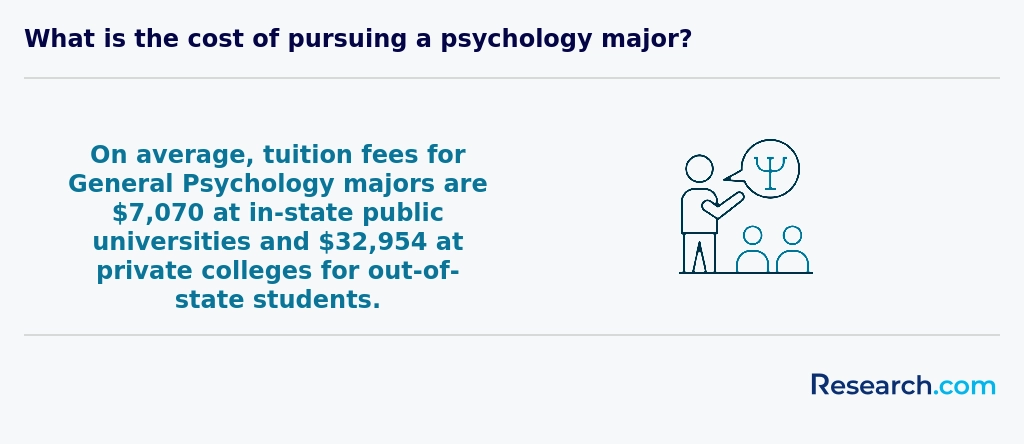
The average cost of a psychology degree in Fayetteville typically centers around $10,104 for in-state students, reflecting a median total cost that balances accessibility with quality education. Graduates from the University of Arkansas and other Fayetteville institutions often recall how manageable tuition fees made it possible for them to focus on their studies without overwhelming financial pressure. However, the cost is notably higher for out-of-state students, with totals climbing substantially, demonstrating that residency status significantly impacts the overall investment in a psychology degree.
Many students pursuing their psychology degree in Fayetteville find that tuition and fees alone don't tell the whole story. Textbooks, specialized courses, and living expenses all contribute to the real-life experience and cost of their education. Stories from recent graduates frequently highlight how budgeting carefully allowed them to thrive both academically and personally while attending popular local colleges. This real-world approach to expenses can help future students assess what to expect beyond just tuition and create a more realistic financial plan.
Considering the average cost of a psychology degree in Fayetteville, financial aid, scholarships, and grants often play a crucial role in lessening the burden. Students who explore these options early often feel empowered knowing they can access resources that make their goals more attainable. For those interested in exploring specific paths within psychology, investigating psychology degree specialization California programs online can provide a useful contrast and broader perspective on costs and specialization options.
Earning a psychology degree in Fayetteville is only the first step toward professional practice-graduates must also secure licensure through the Arkansas Board of Examiners in Psychology (ABEP). To qualify for the Examination for Professional Practice in Psychology (EPPP), candidates need: 1. An APA-accredited doctoral or master’s degree in psychology. 2. A minimum of 2,000 supervised post-doctoral hours (or 3,000 pre-doctoral hours for master’s-level licensure as a Licensed Psychological Examiner). 3. A passing score on the EPPP, administered by the Association of State and Provincial Psychology Boards. After passing the EPPP, applicants submit official transcripts, supervised experience affidavits, and a background check to ABEP. Once licensed, psychologists must complete 18 hours of continuing education every two years, including at least six hours in ethics. Additional certifications-such as school psychology endorsement or health service provider status-require extra coursework and internship hours. For students weighing program costs against licensure outcomes, exploring specialized rankings can be invaluable. For example, those seeking cost-effective pathways might review the Affordable Psychology Degree Programs Ranking in New Orleans, LA, which highlights budget-friendly options with strong licensure support. Understanding these requirements and leveraging accredited, affordable programs ensures a streamlined transition from graduation to licensed practice in Arkansas.
Financial aid for psychology students in Fayetteville often begins with federal support, which many underestimate despite its crucial role. Graduates from the University of Arkansas frequently recall how filling out the FAFSA unlocked Pell Grants-offering up to $7,395 annually without repayment-that significantly eased their financial burden. Beyond grants, federal direct loans with competitive interest rates offer manageable borrowing options, but students are wise to weigh debt carefully as graduate studies can drive balances above $50,000.
State-level aid also matters. The Arkansas Academic Challenge Scholarship is a real game-changer for residents pursuing psychology, bringing tuition costs down and transforming dreams into reality. Local scholarships, particularly those from Fayetteville's psychology departments, reward academic dedication and financial need. These small victories add up, as many students who juggled work-study roles in campus counseling centers found valuable income paired with hands-on experience.
- Private awards from groups like the American Psychological Association recognize both undergraduates and graduate students, proving that psychology's community supports its own
- Employer tuition reimbursement programs in Fayetteville's healthcare sectors can turn current jobs into stepping stones for a degree
To make an informed decision about which psychology program to attend in Fayetteville, AR, it's essential to consider several factors, including accreditation, curriculum, faculty qualifications, and program reputation. Prospective students can start by researching the popular psychology school options in the area, taking note of their unique strengths and specializations. By weighing these factors and considering individual priorities, students can find a program that aligns with their career goals and provides a solid foundation for success in the field of psychology.
Enrolling in a psychology degree program in Fayetteville means embracing more than just meeting basic criteria; it requires a genuine readiness to dive deep into understanding human behavior. Many prospective students find that Fayetteville's University of Arkansas expects a competitive GPA near 3.6, reflecting the earnest commitment needed to thrive. Graduates often recall how their strong foundation in biology and social sciences from high school gave them the confidence to excel in challenging coursework.
It's not just about grades-having hands-on experience or familiarity with research methods can turn academic challenges into opportunities for growth. For example, those who completed introductory psychology and statistics courses before entering found themselves more prepared and excited, not overwhelmed. The emphasis on letters of recommendation and a thoughtful statement of purpose encourages applicants to reflect on their personal motivations and future aspirations.
This blend of academic rigor and personal insight ensures students don't just pass admissions but begin their studies feeling motivated, capable, and eager to contribute meaningfully to psychology's evolving landscape in Fayetteville.

After earning a psychology degree in Fayetteville, AR, many graduates must obtain state licensure or certification to practice professionally. Understanding Arkansas’s requirements ensures you meet all educational, supervised experience, and examination criteria before launching your career. To become a licensed psychologist, candidates need a doctoral degree (PhD or PsyD) from an APA-accredited program, completion of at least 3,000 hours of supervised post-doctoral experience, and a passing score on the Examination for Professional Practice in Psychology (EPPP). Aspiring clinical psychologists often enroll in accredited doctoral programs; for those seeking flexibility, exploring online phd clinical psychology programs can be beneficial, as they combine rigorous coursework with remote supervision options. Those pursuing licensure as a Licensed Professional Counselor (LPC) must hold a master’s degree in counseling or a related field, accrue 2,400 hours of supervised clinical experience, and pass the National Counselor Examination (NCE). Applicants submit official transcripts, verification of supervised hours, and exam scores to the Arkansas Board of Examiners in Counseling. School psychologists in Arkansas require certification through the Department of Education, which involves a specialist-level degree (EdS), completion of a state-approved internship (a minimum of 1,200 hours), and passing the Praxis II School Psychology test. Certification maintenance mandates ongoing professional development, typically 30 continuing education units every three years. Across all psychology disciplines, license renewal in Arkansas occurs biennially, with proof of supervised practice and continuing education credits. Staying current with the Arkansas Psychology Board’s guidelines ensures compliance and supports long-term career growth in clinical, counseling, or educational settings.
Psychology degrees in Fayetteville typically immerse students in courses that stretch far beyond textbook definitions, inviting them to experience human behavior in vivid, tangible ways. At popular local institutions, graduates often reflect on how introductory psychology classes transformed abstract theories into relatable everyday interactions, from understanding a friend's developmental stages to decoding social dynamics at campus events.
Core classes-like abnormal psychology-challenge students to confront real mental health issues, fostering empathy as they explore treatment methods that influence countless lives in their communities. The biological bases of behavior courses invite learners to visualize neural pathways firing during moments of stress or joy, making the connection between mind and body undeniable.
Research methods and statistics, often dreaded, become empowering tools as students design experiments and analyze data, bringing clarity to complex human experiences. Electives like health psychology often resonate deeply with those inspired to impact wellbeing directly, while practicum opportunities provide eye-opening, hands-on encounters in clinics or schools around Fayetteville, sparking profound professional enthusiasm.
These courses collectively cultivate not just knowledge but a passionate, reflective mindset essential for meaningful careers in psychology right here in Fayetteville.
Exploring psychology degree specializations in Fayetteville reveals a rich variety of paths tailored to both regional needs and national trends. Graduates from popular Fayetteville universities often share how clinical psychology drew them in-spurred by a hands-on desire to address mental health in local communities, mirroring a nationwide surge in demand. Counseling psychology also stands out, where students find real fulfillment helping individuals navigate emotional and vocational challenges through internships embedded in Fayetteville's diverse social settings.
Others gravitate toward cognitive and behavioral psychology, appreciating Fayetteville's unique access to research institutions and military bases that fuel experimental studies. Industrial-organizational psychology appeals especially to those fascinated by applying psychological principles to improve workplace dynamics in the city's growing economic sectors. One graduate recalls how this specialization unlocked new insights into employee well-being and productivity right within Fayetteville's businesses.
Students appreciate developmental and forensic psychology for their intriguing blends of theory and practice, often involving close collaboration with local agencies. These Fayetteville psychology program concentration options challenge conventional assumptions by showing that a degree here is not just academic but deeply connected to community impact. For those focused on post-degree careers, considering careers in health psychology serves as an inspiring complement.
Choosing the best psychology degree in Fayetteville means looking beyond mere rankings or price tags. Graduates from local universities often reflect on how accreditation and curriculum depth shaped their confidence, especially when dissecting courses from developmental psychology to hands-on research methods. Think about how a program's format fits your life-those juggling work found online or hybrid options life-changing, a flexibility that made them feel empowered rather than overwhelmed. Fayetteville's unique position near hospitals and nonprofits means real-world internships can transform theory into palpable experience, a factor many alumni say was pivotal in passing licensure exams.
Assessing cost is essential, but so is recognizing scholarships and assistantships designed specifically for psychology students. Affordable psychology degrees Fayetteville offers should align with your financial landscape without compromising quality. For those pursing advanced studies, a master's in psychology online presents an adaptable path, blending rigorous academics with your schedule. Ultimately, imagine yourself thriving amid expert faculty and practical training rather than settling, challenging the notion of a "one-size-fits-all" psychology degree.

Psychology degree careers in Fayetteville are far more diverse than you might expect, challenging the notion that psychology is limited to therapy rooms. Graduates from popular colleges here often find themselves thriving as licensed clinical psychologists or counselors, directly impacting local communities through Fayetteville's healthcare centers. Many share stories of fulfillment in helping families navigate mental health challenges, embodying a commitment to positive change.
Job opportunities with psychology degree Fayetteville are not confined to clinical roles alone. School psychology is another vibrant path, where graduates influence student success in Fayetteville's public and private schools by addressing emotional and behavioral needs. Others venture into industrial-organizational psychology, boosting workforce morale at businesses and Fort Bragg military installations, blending psychology with leadership.
For those pursuing academia or data-driven roles, Fayetteville's research centers provide fertile ground. Some graduates navigate complex certification paths, while others explore cross-state options like the michigan psychology education requirements to expand their credentials, illustrating the dynamic choices available beyond local confines.
- Clinical psychologist or counselor
- School psychologist or educational counselor
- Industrial-organizational psychologist
- Social worker or case manager
- Forensic psychologist
- Researcher or academic professional

The job market for psychology degree holders in Fayetteville challenges the notion that only major metropolitan areas provide rich opportunities. Graduates from local institutions, such as the University of Arkansas, find themselves uniquely positioned amid a community shaped by military presence and diverse social needs. This creates openings not just in traditional clinical roles but also in counseling and social services, reflecting real-world demands that many students hadn't anticipated.
One graduate shared how their psychology degree job opportunities in Fayetteville opened doors to vital positions within military family support programs, where understanding trauma and PTSD is essential. The affordability of earning a degree here, combined with steady demand, makes entering the field both emotionally rewarding and financially viable.
Those aiming for roles like licensed professional counselors benefit from pathways that often include mastering LPC counseling skills, expanding their options in school or community settings.
2027 Most Popular Psychology Degree Programs Ranking in Fayetteville
Investing in your education is a significant decision that can shape your future, and the Research.com team understands the importance of making informed choices. To assist prospective students in Fayetteville, we have meticulously crafted the "2027 Most Popular Psychology Degree Programs Ranking in Fayetteville." Our commitment to quality, credibility, and accuracy is reflected in the extensive research and analysis conducted to compile this ranking.
We utilized the following reputable data sources to ensure a comprehensive evaluation of psychology degree programs:
By exploring this ranking, readers will gain valuable insights into the most popular psychology degree programs available in Fayetteville, helping them make informed decisions about their educational paths. For more details on our methodology, please visit our Research.com methodology page.

Frequently Asked Questions About psychology
Psychology degree students in Fayetteville can maximize their learning experience by actively engaging in both classroom and community opportunities. Fayetteville hosts several institutions offering psychology programs with access to experienced faculty and research facilities. Students should take advantage of internships at local healthcare centers or schools, which provide practical experience and enhance understanding of clinical and developmental psychology.
Joining psychology clubs and organizations at universities helps build professional networks and promotes peer learning. According to the National Center for Education Statistics, hands-on experiences improve retention and career readiness for 65% of psychology undergraduates nationwide.
Additionally, attending Fayetteville-area psychology conferences or workshops introduces students to current research trends and potential mentors in the field.
The field of psychology continues to evolve, with several emerging niches gaining attention in Fayetteville and across the United States. One growing area is neuropsychology, focusing on how brain injuries and neurological conditions affect behavior and cognition. This specialty is expanding as demand increases for professionals in rehabilitation centers and hospitals.
Another rising field is health psychology, which studies how psychological factors influence physical health and illness management. With Fayetteville's emphasis on holistic healthcare, health psychologists are becoming vital team members in medical settings.
Additionally, forensic psychology, which intersects with the criminal justice system, is seeing increased interest locally due to partnerships between universities and law enforcement agencies. These niches offer expanding career options for psychology graduates in Fayetteville.
After earning a psychology degree in Fayetteville, preparing for the job market involves several key steps. Gaining practical experience through internships or volunteering is essential, as Fayetteville offers opportunities in healthcare facilities, schools, and community organizations. Such experience strengthens resumes and professional skills.
Networking is also critical. Joining local psychology associations or attending industry events in Fayetteville can connect graduates with potential employers. According to the U.S. Bureau of Labor Statistics, employment in psychology-related fields is expected to grow by 8% nationally through 2031, underscoring steady demand.
Further education or certifications, such as licensure for counseling, may improve job prospects, especially for clinical roles. Staying informed about local job trends via Fayetteville workforce reports is advisable.
Employers in Fayetteville highly value psychology graduates who possess strong analytical skills combined with effective communication. According to the U.S. Bureau of Labor Statistics, critical thinking and the ability to interpret research data are essential in psychological roles. Local Fayetteville employers also emphasize interpersonal skills, as many psychology positions require direct client interaction, counseling, or teamwork.
Additionally, familiarity with ethical standards and confidentiality practices is crucial, particularly for graduates planning to work in healthcare or social services. Technical skills, including proficiency in statistical software like SPSS or R, boost a candidate's employability.
Fayetteville's growing mental health services sector increasingly looks for adaptability and cultural competence due to the region's diverse population. The University of Arkansas at Fayetteville reports that students trained in these areas tend to have better job prospects locally.
Finding psychology internships in Fayetteville typically begins with connecting to local universities like the University of Arkansas, which often posts opportunities for students on dedicated internship platforms. These internships provide practical experience in clinical settings, research labs, and community mental health centers.
Students can also explore placements through Fayetteville's healthcare facilities, such as the Washington Regional Medical Center, which occasionally offers internships related to psychological services and patient care.
Additionally, networking with faculty and joining psychology student organizations increases access to internship leads and workshops on application techniques. Using USAJobs and state government portals for government internships in behavioral health is a helpful strategy, too.
Earning a psychology degree in Fayetteville can significantly enhance career mobility and advancement opportunities. According to the U.S. Bureau of Labor Statistics, the demand for psychologists and related professionals in Arkansas is expected to grow by 6% from 2022 to 2032, reflecting steady regional job growth. Local healthcare facilities and educational institutions often prefer candidates with psychology degrees, as they offer expertise in human behavior and mental health that is valuable across sectors.
Graduates with a bachelor's degree may start in entry-level roles, but pursuing advanced degrees like a master's or doctorate improves chances for higher-paying positions. Fayetteville's proximity to universities and counseling centers offers networking and internship opportunities that support career development. Overall, psychology credentials provide a competitive edge in the Fayetteville job market.
Studying for a psychology degree in Fayetteville offers students a strong foundation for interdisciplinary roles by combining core psychological theory with practical skills from related fields. Programs often integrate coursework in sociology, biology, and health sciences, reflecting the growing demand for professionals who understand human behavior in diverse contexts.
Local universities emphasize applied research and community engagement, preparing graduates for collaboration with healthcare, education, and social services sectors. According to the U.S. Bureau of Labor Statistics, Fayetteville's expanding healthcare industry supports such interdisciplinary careers.
This holistic education approach equips students to work effectively on teams addressing complex social and mental health challenges, enhancing their career versatility.
When choosing between a thesis and a non-thesis psychology degree program in Fayetteville, students should first consider their career goals. A thesis program requires original research and is often preferred for those planning to pursue doctoral studies or research positions. It involves substantial time for designing, conducting, and writing a research project.
Non-thesis programs typically emphasize coursework and practical experience. These are ideal for students aiming to enter professional roles quickly, such as counseling or human services, without the need for research skills.
In Fayetteville, local universities like the University of Arkansas offer both options, reflecting national trends where about 40% of psychology master's students choose thesis tracks, according to the American Psychological Association.
Students based in Fayetteville seeking to study psychology abroad have several pathways through US higher education programs that offer international exchange opportunities. Universities in Fayetteville, such as the University of Arkansas, often partner with institutions worldwide, enabling psychology majors to gain global perspectives.
Many Fayetteville students participate in established study abroad programs lasting one semester to a full academic year. These programs often include countries with strong psychology research traditions like the United Kingdom, Canada, and Australia. According to the Institute of International Education, approximately 20% of US psychology students engage in study abroad experiences, reflecting growing interest in global mental health issues.
Additionally, Fayetteville students can explore short-term psychology-focused internships and summer courses overseas, which help build practical skills while earning credits. Advisors at local universities typically assist with aligning these experiences to degree requirements, ensuring smooth credit transfers.
Fayetteville offers a variety of part-time job opportunities that complement psychology degree education. Common roles include behavioral health technician positions, which provide hands-on experience in mental health settings. Local hospitals and clinics often seek part-time assistants to support licensed psychologists and counselors.
Additionally, research assistant roles at institutions such as the University of Arkansas allow students to engage directly with experimental psychology projects. These positions help develop critical research skills and familiarity with data analysis software.
Other opportunities include tutoring in psychology subjects for undergraduates or assisting in community outreach programs focused on mental health awareness. According to the Bureau of Labor Statistics, such practical experience increases employability after graduation.
Psychology students in Fayetteville benefit from a variety of networking opportunities that support their academic and professional growth. The city is home to the University of Arkansas, which offers psychology majors access to faculty-led research groups and psychology clubs that connect students with peers and professionals.
Local chapters of national organizations such as the American Psychological Association (APA) provide events and workshops where students can meet licensed psychologists and graduate students. Fayetteville's proximity to regional conferences hosted by institutions in Arkansas and neighboring states further broadens networking possibilities.
Internship placements at Fayetteville's healthcare centers and counseling services allow students to build real-world contacts, which are crucial for future job placements. According to the University of Arkansas Career Center, over 60% of psychology students secure internships through university partnerships with local agencies.
Alumni networks play a significant role in supporting psychology degree students in Fayetteville. These networks provide access to professional connections, mentoring opportunities, and job placements after graduation. Students often benefit from alumni-led workshops and career panels, which help to bridge the gap between academic learning and practical application.
In Fayetteville, universities such as the University of Arkansas boast active psychology alumni groups that facilitate internships and research collaborations. According to the National Association of Colleges and Employers, 85% of students who engage with alumni networks report improved job prospects.
Such networks also encourage ongoing learning through seminars and conferences, which are vital in the evolving field of psychology.
Customizing a psychology degree program in Fayetteville allows students to align their education with specific career goals. Many institutions, including the University of Arkansas Fayetteville, offer flexible coursework options and specialized tracks such as clinical, developmental, or industrial-organizational psychology. Students can choose electives and research opportunities to deepen knowledge in areas relevant to their aspirations.
Internships and practicum experiences in local Fayetteville clinics or organizations provide practical skills and networking potential. According to the Bureau of Labor Statistics, tailoring your degree can improve job prospects in the region's growing mental health sector.
Advisors at Fayetteville institutions guide students in selecting courses that meet licensure or certification requirements for careers like counseling or social work.
Psychology students in Fayetteville often face challenges related to balancing rigorous coursework and practical experience requirements. Many programs emphasize hands-on learning, requiring students to complete internships or research projects, which can be time-consuming alongside classes. According to data from the National Center for Education Statistics, students nationwide report high stress levels, and this also applies locally in Fayetteville.
Additionally, access to mental health resources can impact students' academic success. Fayetteville's campus counseling centers are often busy, limiting availability during peak times. Financial pressures also remain a concern, as students manage tuition and living costs while pursuing demanding degrees.
Another common challenge is staying updated with evolving psychological theories and practices, particularly within the fast-changing healthcare landscape of Arkansas. Students must develop strong time management and adaptability skills to thrive.
With a psychology degree in Fayetteville, graduates have several professional certification options to enhance their careers. One widely recognized credential is the Licensed Professional Counselor (LPC) license, which requires a master's degree, supervised experience, and passing a state exam. Fayetteville follows North Carolina's licensing regulations, overseen by the North Carolina Board of Licensed Professional Counselors.
Another option is certification as a Certified Addiction Counselor (CAC), relevant given Fayetteville's local initiatives addressing substance abuse. This certification requires specific coursework and supervised hours in addiction counseling.
For those interested in school settings, becoming a National Certified School Psychologist (NCSP) is possible, provided you meet national exam and internship requirements. This credential is highly valued in Fayetteville's educational system.
These certifications help psychology graduates expand job prospects in clinics, schools, and community services throughout Fayetteville and the broader North Carolina region.
Applying for a psychology program in Fayetteville requires a clear and focused approach. Start by thoroughly researching local institutions like the University of Arkansas, which offers respected psychology degrees. Ensure your application highlights your academic achievements, especially in relevant courses such as biology and social sciences, as psychology programs often require strong foundational knowledge.
Personal statements should emphasize your passion for psychology and any related experiences, including volunteer work or internships. Fayetteville's competitive programs recommend maintaining a GPA of 3.0 or higher and submitting strong letters of recommendation from professors or professionals familiar with your skills.
Additionally, some programs may require standardized test scores; verify current requirements on university websites. Demonstrating knowledge of psychological research methods and local mental health initiatives can also strengthen your application.
The global perspectives on a psychology career emphasize the growing demand for mental health professionals worldwide, including the United States. In Fayetteville and across the US, psychology careers benefit from strong job growth, with the Bureau of Labor Statistics projecting a 8% increase in psychologist positions from 2022 to 2032. This growth is fueled by rising awareness of mental health issues and increased access to psychological services.
Internationally, psychology practices vary, but the foundational principles remain consistent, allowing graduates from Fayetteville programs to pursue diverse opportunities. According to the American Psychological Association, cross-cultural competence is essential as psychologists increasingly work with multicultural populations. The career also offers paths in research, counseling, education, and healthcare, making it versatile and globally relevant.
Gaining practical experience while studying for a psychology degree in Fayetteville is essential for building skills and improving job prospects. Many universities in Fayetteville encourage students to participate in internships at local clinics, hospitals, or community mental health centers. These opportunities allow hands-on work with diverse populations under supervision.
Students can also join research projects led by psychology faculty to gain experience in data collection and analysis. For example, the University of Arkansas often offers such opportunities, connecting students with active studies.
Volunteer work with nonprofits or school counseling programs in Fayetteville also provides valuable experience and networking. According to the Bureau of Labor Statistics, practical experience increases graduate employability by nearly 20% in mental health fields.
Choosing the right concentration within a psychology degree program in Fayetteville depends on your career goals and interests. Psychology programs in the area often offer various specializations such as clinical, counseling, developmental, or industrial-organizational psychology. Researching local job market trends can help; for example, Fayetteville has growing demand for clinical psychologists due to regional healthcare developments, according to the U.S. Bureau of Labor Statistics.
Additionally, consider program curricula and internship opportunities available at Fayetteville institutions. Selecting a concentration with practical experience components can enhance employability. Speak with academic advisors and attend informational sessions to understand how each specialization aligns with your professional aspirations.
- 2027 Most Popular Psychology Degree Programs Ranking in Springfield
- 2027 Most Popular Psychology Degree Programs Ranking in Tulsa
- 2027 Most Popular Psychology Degree Programs Ranking in Saint Louis
- 2027 Most Popular Psychology Degree Programs Ranking in Lincoln
- 2027 Most Popular Psychology Degree Programs Ranking in Hattiesburg
- 2027 Most Popular Psychology Degree Programs Ranking in Birmingham
- 2027 Most Popular Psychology Degree Programs Ranking in Mobile
- 2027 Most Popular Psychology Degree Programs Ranking in Montgomery
- 2027 Most Popular Psychology Degree Programs Ranking in Cincinnati
- 2027 Most Popular Psychology Degree Programs Ranking in Atlanta
See What Experts Have To Say About Studying Psychology
Read our interview with Psychology experts

Catherine Caldwell-Harris, Ph.D.
Psychology Expert
Associate Professor of Psychology
Boston University

Joann Farrell Quinn, Ph.D., MBA
Psychology Expert
Director at the College of Medicine Department of Medical Education
Morsani College of Medicine

Elizabeth L. Jeglic Ph.D.
Psychology Expert
Professor of Psychology
City University of New York

- What can I do with a psychology degree? https://www.hull.ac.uk/study/undergraduate/courses/psychology-bsc-hons/what-can-i-do-with-a-psychology-degree
- How To Find Psychology Internships https://www.psychology.org/resources/how-to-find-an-internship/
- How Long Does It Take to Get a Psychology Degree? | Psychology Degree Guide https://psychologydegreeguide.org/resources/psychology-degree-timeline/
- Ontario Psychological Association - Networking and Community Resources https://www.psych.on.ca/become-a-member-(1)/member-services/networking-and-community-resources
- Society for the Teaching of Psychology https://teachpsych.org/page-1784686/8675326
- Study Psychology Abroad https://astarfuture.co.uk/study_psychology_abroad.html
- Fayetteville State University Psychology, General Major | 81% Acceptance Rate, ROI 64/100 https://www.gradgpt.com/fayetteville-state-university/bachelors/psychology-general
- Have You Found a Niche? https://www.apaservices.org/practice/business/marketing/building/niche
- Study Psychology Abroad | Go Overseas https://www.gooverseas.com/study-abroad/psychology
- Alumni Perspectives - Meet Our FPN Alumni https://www.aanmelder.nl/alumni-perspectives-june-2023


