
2027 Most Popular Psychology Degree Programs Ranking in Mississippi

Co-Founder and Chief Data Scientist
Choosing the right psychology degree program can shape your future career and personal growth. For students in Mississippi, this article offers valuable guidance by presenting the 2027 Most Popular Psychology Degree Programs Ranking in Mississippi. Created by the Research.com team of data scientists, this ranking helps you make informed decisions based on data-driven insights.
Reading this article will give you a clear understanding of which programs stand out, so you can pursue a degree that fits your goals. Embracing a psychology degree opens doors to meaningful work and personal fulfillment.
Key benefits of getting psychology degree in Mississippi
- Salary for psychology degree graduates: Graduates can expect competitive earnings with roles like Marketing Research Analysts earning a mean annual wage of $83,190 and Clinical Research Associates around $62,370 in Mississippi. These salaries offer financial stability and rewarding opportunities in diverse psychology-related fields.
- Career paths: A psychology graduate from the University of Mississippi often pursues careers in research, counseling, or organizational roles, showcasing the degree's versatile applicability across industries. This flexibility allows for personalized career growth aligned with your passions.
- Benefits of online degrees: Earning a psychology degree online from Mississippi institutions provides scheduling flexibility and access to quality education without commuting, ideal for balancing work and studies. Many online graduates report high satisfaction due to this convenience and supportive learning communities.
- 2027 Most Popular Psychology Degree Programs Ranking in Mississippi
- What can I expect from psychology degree in Mississippi?
- Where can I work with psychology degree in Mississippi?
What can I expect from psychology degree in Mississippi?
The average cost of pursuing a psychology degree in Mississippi varies significantly depending on the institution and residency status. Public universities like the University of Mississippi and Mississippi State University offer in-state tuition rates generally ranging from $8,000 to $10,000 per year, making them an affordable choice for many students. Graduates often reflect on the value of this investment, emphasizing how the combination of accessible tuition and quality education enabled them to focus on hands-on learning experiences without excessive financial stress.
Conversely, private institutions typically charge higher tuition, sometimes exceeding $20,000 annually, which can impact overall educational expenses. However, many psychology students find relief through scholarships specifically aimed at those entering mental health fields, as well as financial aid programs tailored to Mississippi residents. For example, psychology students at the University of Southern Mississippi mention that securing targeted scholarships eased their path, allowing greater dedication to clinical training and research.
These cost dynamics highlight the importance of evaluating both tuition fees and available financial support when planning for a psychology degree in Mississippi, ensuring students can maximize both educational quality and affordability.
Where can I work with psychology degree in Mississippi?
Graduates with a psychology degree in Mississippi frequently find employment in hospitals, rehabilitation centers, and community mental health agencies, especially those holding bachelor's degrees who often work as mental health technicians or case managers. The U.S. Bureau of Labor Statistics projects growth in healthcare support roles related to psychology within the state, increasing entry-level job availability.
Those earning advanced degrees from institutions such as the University of Mississippi or Jackson State University commonly enter clinical practice. Licensed psychologists provide therapy, psychological testing, and counseling across private practices, schools, and government programs, meeting strict standards set by the Mississippi Board of Psychology.
School psychologists with master's degrees are in demand throughout K-12 schools statewide, helping students develop academically and emotionally. Research positions at universities and nonprofits, including collaborations with the University of Mississippi Medical Center, offer roles focusing on behavioral science studies.
Mississippi psychology graduates also apply their skills in corporate settings like human resources and marketing, where understanding human behavior boosts organizational success, making these careers rewarding and growth-oriented.
Graduates holding psychology degrees from well-known Mississippi institutions often find diverse earning opportunities within the state's job market. Entry-level roles such as childcare workers typically earn a mean annual wage of about $32,070, reflecting positions that many recent graduates might accept while gaining experience. Those pursuing roles aligned with research, like clinical research associates or survey researchers, see mean annual wages near $62,370, indicating a significant step up and a stable career path in clinical or market research sectors.
Human resources specialists, a common alternative career choice for psychology graduates, can expect higher mean annual earnings of approximately $76,060. Meanwhile, marketing research analysts-often a good match for psychology graduates interested in data and consumer behavior-earn even more, with wages around $83,190 per year. These figures highlight how graduates from universities such as the University of Mississippi and Mississippi State can translate their degrees into lucrative roles across various fields.
Understanding these salary ranges helps graduates from Mississippi to envision rewarding career pathways that combine their academic training with practical job markets, fueling optimism about future income and professional growth.
- Psychology degrees in Mississippi are available at the bachelor's, master's, and doctoral levels.
- In-state tuition for bachelor's programs at public universities typically ranges from $7,000 to $9,000 per year, while private schools often charge more than $15,000 annually.
- Bachelor's degree holders can expect entry-level salaries between $40,000 and $45,000, with advanced degree holders earning between $70,000 and $90,000 annually.
- Mississippi's job market for psychology professionals is growing, especially in rural areas where mental health services are in demand.
- Licensure requires completing an accredited graduate program, supervised clinical experience, and passing national and state exams to practice independently.
Completing a psychology degree in Mississippi commonly follows timelines similar to the national average but varies by degree level. Undergraduate students at popular institutions like the University of Mississippi or Mississippi State University typically spend about four years earning a Bachelor of Arts or Science in Psychology. Graduates often describe the experience as a focused yet manageable journey, especially given the supportive campus environments.
At the graduate level, completing a Master's degree in psychology usually takes between two to three years. Many students at institutions such as the University of Southern Mississippi note how practicum and internship opportunities extend learning but also enrich hands-on experience, adding value beyond textbooks.
Doctoral candidates pursuing PhD or PsyD programs in Mississippi anticipate a commitment of five to seven years. This timeframe accommodates coursework, comprehensive exams, research, and supervised clinical hours. The extended period can feel demanding, but recent graduates express pride in developing expertise through extensive practical training, which is attainable at well-regarded schools in the state.
Mississippi psychology graduates boast strong career outcomes, with recent data showing that over 90% of bachelor’s and master’s degree holders secure relevant employment or graduate school admission within six months of graduation. The average starting salary for psychology alumni in Mississippi is approximately $48,000 annually, rising to $62,000 after five years in the field. Clinical and counseling psychology specialists often exceed these figures, reflecting the high demand for mental health services statewide. When evaluating return on investment (ROI), consider both the total cost of attendance and long-term earning potential. The average in-state tuition for public institutions is $7,070 per year, while private colleges average $32,954. Graduates report an average student debt of $24,000 for bachelor’s degrees and $38,000 for master’s degrees. Based on current salary trajectories, most alumni recoup their undergraduate tuition within five years and master’s expenses within seven years, making psychology a financially viable choice for dedicated students. For prospective students prioritizing affordability without sacrificing quality, exploring comparative rankings can be invaluable. In addition to the programs highlighted here, you may find our Affordable Psychology Degree Programs Ranking in Rochester, NY useful for identifying cost-effective pathways to a strong ROI. By weighing program costs against employment outcomes and average salaries, you can make an informed decision that balances passion, quality, and financial sustainability.
Online psychology degrees in Mississippi offer significant flexibility, enabling students to complete coursework asynchronously from any location with internet access. This is particularly advantageous for working adults or parents balancing family commitments. Graduates from online programs at institutions like Mississippi State University often highlight the ability to study at their own pace as a source of motivation and reduced stress.
Conversely, on-campus programs provide structured schedules and face-to-face interactions, which many students at the University of Mississippi find beneficial for building strong networks with professors and peers. Access to campus resources such as counseling centers and research labs enhances hands-on learning, crucial for fields like clinical psychology.
Cost differences also impact decisions. In-state tuition averages about $10,000 annually for public universities, with online options sometimes lowering expenses due to reduced facility fees. Students pursuing internships often value the proximity of campus programs, although online learners can arrange local practical experiences.
Mississippi psychology programs emphasize real-world learning through structured internships and practicums that bridge classroom theory with hands-on experience. Students can apply for placements in community mental health centers, local school districts, university research labs, and nonprofit organizations. For example, the University of Southern Mississippi partners with Gulf Coast Behavioral Health Services to offer a semester-long practicum, while Mississippi State University coordinates internship rotations at Riley Hospital for Children. Practicum experiences typically span 100–300 hours and are supervised by licensed psychologists, ensuring students develop competencies in client assessment, intervention planning, and ethical practice. Many programs also integrate fieldwork into capstone projects, enabling students to design and implement research protocols in collaboration with faculty mentors. Online learners are not left behind: several institutions, including the University of Mississippi’s online counseling track, arrange virtual field placements and telehealth practicums. Prospective graduate students exploring advanced training should consider programs offering the cheapest online masters degree in psychology, which often include virtual practicums and broad clinical supervision networks. Key tips for securing the best internship:
- Begin outreach early by attending campus career fairs and contacting the university’s internship coordinator.
- Customize your resume to highlight relevant coursework and volunteer experiences.
- Prepare a professional portfolio, including case study summaries and evidence of research involvement. By leveraging these opportunities, students not only fulfill licensure requirements but also build professional networks that enhance employability upon graduation.
The average cost of a psychology degree in Mississippi varies notably between in-state and out-of-state students. The median in-state total cost for completing a psychology degree is approximately $10,100, making public universities like the University of Mississippi and Mississippi State University appealing options for local students seeking affordable tuition. Graduates from these institutions often share positive reflections about managing their education expenses while benefiting from quality academic programs tailored to psychology fields.
Out-of-state students face a higher financial commitment, with a median total cost near $29,453. This substantial difference is a crucial consideration for those planning to study psychology in Mississippi but living elsewhere. Many students moving to Mississippi report that the investment aligns well with their professional goals due to the state's reputable psychology training and supportive campus environments. Private colleges in Mississippi typically exceed these costs, yet they offer extensive financial aid opportunities that some students find beneficial when budgeting for their degrees.
When reviewing Mississippi psychology degree tuition and fees, it is important for prospective students to account for additional expenses such as textbooks, living costs, and fees beyond tuition. Practical insights from graduates at popular psychology programs highlight that carefully comparing total expenses helps manage finances effectively. For students focused on cost efficiency, resources like the cheapest psychology school in Mississippi provide valuable data to reinforce informed decision-making.
As the landscape of psychology education continues to evolve in Mississippi, institutions are increasingly integrating innovative teaching methods, digital technology, and experiential learning opportunities to stay ahead in a competitive market. Emerging trends such as virtual simulations, tele-therapy training, and collaborative online research projects are reshaping the learning experience, allowing students to engage with complex psychological concepts in dynamic, real-world scenarios. These advancements are bolstering the quality of education, enhancing student engagement, and expanding career prospects in both traditional and emerging fields. In keeping with these developments, many forward-thinking programs now offer hybrid models that combine on-campus instruction with flexible online coursework-perfect for those seeking an online psychology degree that meets diverse lifestyle needs. Additionally, increased collaboration between universities and local businesses is creating robust internship programs, bridging the gap between academic theory and practical application. Embracing these trends not only prepares students for a rapidly shifting job market but also reinforces the value of lifelong learning and continuous professional development in the field of psychology.
Psychology students in Mississippi typically rely on a mix of federal, state, and institutional financial aid to manage costs, which for in-state public universities ranges from $8,000 to $12,000 annually. Many secure federal aid by completing the FAFSA, unlocking access to need-based Pell Grants that cover significant tuition portions without requiring repayment. For example, graduates from the University of Mississippi note how Pell Grants eased their financial burden during coursework years.
State programs like the Mississippi Tuition Assistance Grant (MTAG) provide up to $1,250 per year for eligible psychology students attending Mississippi colleges, including Mississippi State University. Foster care youth benefit from the Mississippi Tuition Incentive Program, which supports tuition repayments, helping to alleviate funding gaps.
Institutional scholarships bolster affordability, with top universities awarding merit- and need-based scholarships. Psychology graduates often share how these awards, combined with private scholarships from organizations like the Mississippi Psychological Association, made advanced study possible. Additionally, graduate students frequently assist in research or teaching roles, gaining stipends or tuition waivers that soften financial strains and enrich their academic experience.
Earning a psychology degree in Mississippi is only the first step toward a rewarding career; obtaining state licensure and certification ensures you’re qualified to practice. In Mississippi, aspiring psychologists typically pursue one of two credentials: Licensed Professional Counselor (LPC) or Licensed Clinical Psychologist (LCP). Both paths require a master’s or doctoral degree from a regionally accredited institution, completion of supervised clinical hours, and passing a standardized exam. To become an LPC, graduates must accumulate at least 3,000 hours of supervised experience over a minimum of two years, including 100 hours of direct supervision by a board-approved supervisor. After meeting these experience requirements, candidates sit for the National Counselor Examination (NCE) or the National Clinical Mental Health Counseling Examination (NCMHCE). Once licensure is granted by the Mississippi Board of Examiners for Licensed Professional Counselors, professionals must complete 30 continuing education hours every two years to maintain their credential. For those aiming to practice as an LCP, the journey involves earning a doctoral degree in clinical or counseling psychology, completing 1,500 hours of pre-doctoral supervised experience and 1,500 post-doctoral hours under a licensed psychologist, and passing the Examination for Professional Practice in Psychology (EPPP). The Mississippi Board of Examiners for Psychology reviews applications, educational transcripts, supervision logs, and EPPP scores before issuing a license. Licensed Clinical Psychologists must also fulfill continuing education requirements-40 hours every two years-to stay current with evolving best practices. While Mississippi offers robust training and clear licensure pathways, prospective students may also explore alternative programs to compare affordability and certification outcomes. For example, our Affordable Psychology Degree Programs Ranking in Rochester, NY highlights cost-effective options that align with licensure standards in other states, providing valuable context for evaluating return on investment.
Enrolling in psychology degree programs in Mississippi typically requires applicants to have completed a high school diploma or GED, with a strong foundation in English, mathematics, and science. For instance, students admitted to universities like the University of Mississippi often share that their solid academic background in these subjects helped them confidently tackle early coursework in research methods and statistics.
Mississippi public institutions usually expect a minimum GPA between 2.5 and 3.0 for bachelor's programs. Graduates recall that maintaining a competitive GPA was essential for acceptance, especially at schools like Mississippi State University where published GPA cutoffs guide admissions.
While many colleges have embraced test-optional policies, applicants who submitted strong SAT or ACT scores found their applications strengthened, aiding entry into more selective psychology tracks.
Additional prerequisites include personal statements and letters of recommendation. Students report that these materials were crucial in highlighting their passion and communication skills, qualities valued by admission committees.
For graduate psychology programs in Mississippi, candidates must possess a related bachelor's degree and typically a GPA of at least 3.0. Coursework in statistics and psychology is often required, preparing students for the advanced study and research demanded by these programs.

When considering the vast array of psychology programs available in Mississippi, it's crucial for prospective students to weigh their options carefully, taking into account factors such as program reputation, curriculum, and cost. Choosing the right program can significantly impact a student's educational journey and future career prospects. For instance, those looking for the cheapest psychology school in Mississippi can find valuable information to inform their decision. By exploring this information, students can make informed choices that align with their academic and professional goals, ultimately leading to a fulfilling career in psychology.
Psychology degree programs in Mississippi typically include core courses designed to build a comprehensive understanding of human behavior and mental processes. Students at institutions like Mississippi University for Women and the University of Southern Mississippi often engage with foundational subjects such as Introduction to Psychology, which covers basic concepts and applications relevant to everyday life.
Graduates frequently highlight the value of courses like Research Methods in Psychology, where they learn how to design experiments and analyze data-skills they found practical in both academic projects and internships. Other essential courses include Biopsychology, focusing on the biological systems behind behavior, and Developmental Psychology, which vividly explains how people evolve from childhood to adulthood.
- Social Psychology: Understanding how group dynamics influence individual thoughts and actions.
- Cognitive Psychology: Exploring memory, learning, and decision-making processes.
- Abnormal Psychology: Study of psychological disorders and treatment methods.
Students appreciate electives such as ethics in psychology and statistical analysis, which prepare them for real-world challenges. Overall, the curriculum in Mississippi emphasizes practical knowledge and ethical awareness, reflecting the positive feedback from recent graduates who feel well-prepared for both advanced study and entry-level roles.
Psychology degree specializations in Mississippi typically include clinical psychology, counseling psychology, experimental psychology, developmental psychology, and industrial-organizational psychology. Graduates from Mississippi universities often praise the clinical track for its strong focus on mental health assessment and evidence-based therapies, which prepare them well for licensure as professional counselors or psychologists. Counseling psychology programs equip students with techniques to support clients through everyday challenges, a sought-after skill in the state's healthcare system.
Experimental psychology offers rigorous training in scientific methods and human behavior research, attracting students interested in academia or applied research roles. Developmental psychology programs emphasize lifespan growth with practical applications in education and community settings, reflecting local demographic needs. Industrial-organizational psychology specialization is recognized for its relevance to businesses aiming to improve employee productivity and management practices in Mississippi's growing market.
Students exploring concentration options benefit from the affordable tuition at public institutions across the state. Many also consider pursuing an online psychology degree that maintains these diverse Mississippi psychology program concentration options while offering flexible learning pathways.
When choosing the best psychology degree programs in Mississippi, focus first on degree level and accreditation. Graduates from universities such as the University of Mississippi or Mississippi State University note that attending accredited programs, especially those recognized by the American Psychological Association or regional bodies like SACSCOC, greatly enhanced their licensure eligibility and career prospects. The blend of traditional campus and flexible online formats available across Mississippi allows students to select programs fitting their life commitments and learning preferences.
Cost is a vital data point: public four-year institutions in Mississippi average $8,000 annually for in-state tuition, helping many students manage expenses well below the national public average. Graduates often advise factoring in total costs, including fees and living expenses. For those seeking more affordable options, the cheapest online masters degree in psychology can be a strategic choice.
Curriculum strength and faculty expertise are crucial. Students from popular colleges mention how specialized courses aligned with their interests, from clinical psychology to developmental studies, positively impacted their engagement and confidence in their field. Evaluating post-graduation data like job placement and exam pass rates provides measurable insights to guide your decision on affordable psychology degrees in Mississippi.
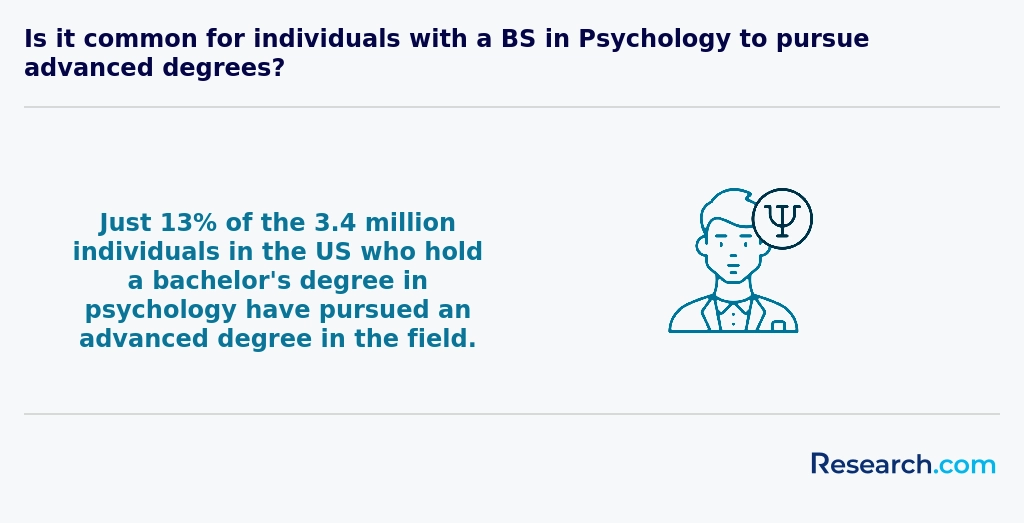
Graduates from psychology programs in Mississippi often pursue diverse career paths aligned with their degree level and professional interests. Licensed psychologists in the state, typically holding doctoral degrees from institutions like the University of Mississippi, provide clinical services in hospitals and private practices after obtaining state licensure. Those with bachelor's or master's degrees frequently find fulfilling roles as mental health counselors or case managers in social service agencies, where demand is expected to grow by 23% between 2020 and 2030, reflecting strong job prospects for psychology graduates Mississippi.
School psychology is another prominent option, requiring certification alongside a specialist-level degree, enabling professionals to support K-12 students' emotional well-being within Mississippi's educational system. Additionally, industrial-organizational psychology attracts graduates interested in enhancing workplace dynamics in local companies. Many also engage in research roles at public institutions, focusing on behavioral studies and health disparities, leveraging data skills gained during their psychology education.
Mississippi students benefit from affordable tuition rates, which make advanced degrees more accessible, supporting long-term career development. Many graduates recommend exploring the Affordable Psychology Degree Programs Ranking in Rochester, NY to compare cost-effective program options beyond the state.
The job market for psychology degree graduates in Mississippi presents steady opportunities, especially for those with advanced degrees. Around 1,250 psychologists are employed statewide, earning an average of $72,000 annually, which is below the national average but corresponds with Mississippi's lower living costs. Graduates from universities like the University of Mississippi and Mississippi State University often find rewarding roles in mental health and substance abuse treatment facilities, benefiting diverse populations through licensed clinical positions.
Career opportunities for psychology graduates in Mississippi extend into educational roles, including school psychologists serving K-12 students, and positions in healthcare organizations where psychologists provide patient assessments and therapy. Social service agencies also employ many graduates to support child welfare and community programs. Many psychology students appreciate that local in-state graduate tuition rates are more affordable compared to national averages, encouraging them to pursue higher qualifications that increase job prospects.
Those exploring the best accelerated programs in Mississippi often report positive experiences balancing studies with internships, contributing to steady growth in demand for psychology professionals throughout the state.
2027 Most Popular Psychology Degree Programs Ranking in Mississippi
Investing in your education is a significant decision that can shape your future, and the Research.com team understands the importance of making informed choices. To assist prospective students in Mississippi, we have meticulously crafted the "2027 Most Popular Psychology Degree Programs Ranking in Mississippi." Our commitment to quality, credibility, and accuracy is reflected in the extensive research and analysis conducted to compile this ranking.
We utilized the following reputable data sources to ensure a comprehensive evaluation of psychology degree programs:
By exploring this ranking, readers will gain valuable insights into the most popular psychology degree programs available in Mississippi, helping them make confident and well-informed decisions about their educational paths. For more details on our methodology, please visit our Research.com methodology page.


Frequently Asked Questions About psychology
Psychology degree students in Mississippi can maximize their learning experience by engaging in diverse academic and practical opportunities. Enrolling in accredited programs ensures access to quality coursework aligned with the American Psychological Association's standards. Students are encouraged to participate in research projects, which enhances critical thinking and familiarity with scientific methods.
Internships and volunteer roles in local mental health centers offer valuable hands-on experience. Mississippi hosts several such facilities, providing real-world exposure essential for professional growth. Joining campus psychology clubs and attending statewide conferences further broadens understanding of current trends.
According to the Mississippi Institutions of Higher Learning, students who combine classroom learning with practical engagement report higher job placement rates after graduation.
Emerging niches within the psychology field in Mississippi reflect broader national trends, focusing on areas with growing demand and specialized expertise. One such niche is neuropsychology, which explores brain-behavior relationships and caters to Mississippi's increasing need for services related to traumatic brain injury and aging populations. According to the Mississippi Department of Mental Health, demand for cognitive and neurological assessment is rising.
Another fast-growing area is health psychology, addressing how behavior impacts physical health. With Mississippi having higher rates of chronic diseases, psychologists skilled in this niche contribute to integrated healthcare teams.
Additionally, forensic psychology is gaining attention, supporting the state's judicial system through assessment and expert testimony.
Preparing for the job market after earning a psychology degree in Mississippi requires strategic planning. Graduates should consider gaining relevant experience through internships or practicum placements offered by universities or local organizations. This hands-on work is crucial, especially since many psychology roles demand supervised training before licensure.
Mississippi requires licensure for careers like clinical psychologists, which involves passing the Examination for Professional Practice in Psychology (EPPP) and completing supervised hours. Familiarity with state-specific requirements, available from the Mississippi Department of Health, helps graduates navigate this process.
Networking with professionals through local associations, such as the Mississippi Psychological Association, can provide job leads and mentorship. Additionally, enhancing skills in research, data analysis, and communication improves employability in clinical, counseling, or academic settings.
Employers in Mississippi seeking psychology degree graduates prioritize a blend of interpersonal and research skills. Strong communication abilities are essential, as psychologists often work closely with diverse populations. According to the Bureau of Labor Statistics, effective communication enhances client rapport and supports treatment outcomes.
Analytical skills are highly valued, enabling graduates to interpret behavioral data and develop evidence-based interventions. Mississippi employers also emphasize proficiency in ethical decision-making and cultural competence due to the state's diverse communities.
Additionally, familiarity with statistical software and research methodology is crucial, reflecting the increasing importance of data-driven psychology practices in the region's healthcare settings.
Finding psychology internships in Mississippi requires a proactive approach. Start by exploring university career centers, as many institutions offer dedicated support and maintain partnerships with local mental health clinics, hospitals, and nonprofit organizations.
Mississippi's Department of Mental Health website lists approved internship sites, providing valuable leads for students. According to recent data, approximately 40% of psychology internships in the state are linked to healthcare facilities, emphasizing clinical experience opportunities.
Networking is vital; attending state psychology association events, such as those hosted by the Mississippi Psychological Association, can connect students with professionals offering internships.
Lastly, check online job boards specific to Mississippi, like the Mississippi State Board of Examiners for Licensed Professional Counselors, for updated internship postings tailored to psychology students.
A psychology degree in Mississippi offers significant advantages for career mobility and advancement. Graduates commonly find opportunities in counseling, social services, education, and healthcare sectors, fields that show steady growth in the state according to the Mississippi Department of Employment Security. Earning a bachelor's degree can open entry-level positions, while advanced degrees such as master's or doctoral programs lead to more specialized roles and higher salaries.
Licensure requirements in Mississippi often necessitate graduate education, particularly for clinical psychologists or licensed counselors. The Bureau of Labor Statistics reports that psychology professionals in Mississippi earn a median annual wage close to the national average, enhancing career potential. Overall, a psychology degree provides a strong foundation for professional growth and diverse job pathways within the state.
Studying for a psychology degree in Mississippi equips students with skills essential for interdisciplinary roles by integrating knowledge from various fields such as biology, sociology, and education. Many programs emphasize applied learning, which fosters collaboration with healthcare, social work, and criminal justice sectors. According to the Mississippi Institutions of Higher Learning, psychology graduates frequently engage in combined roles addressing mental health within community services.
Courses often include research methods, cognitive science, and developmental psychology, providing a broad understanding required across disciplines. This diversity prepares students to work effectively in settings like schools, hospitals, and government agencies.
Mississippi's focus on experiential learning and internships encourages practical experience in multidisciplinary teams, strengthening adaptability and communication abilities vital for complex problem-solving.
Choosing between a thesis and a non-thesis psychology degree program in Mississippi depends on your career goals and interests. A thesis program requires students to conduct original research and write a detailed paper, which is ideal if you plan to pursue a PhD or a research-focused career. According to the Mississippi Institutions of Higher Learning, about 40% of psychology master's programs in the state offer thesis options.
Non-thesis programs focus more on coursework and practical skills, suitable for those aiming for clinical or counseling roles. These programs often require a comprehensive exam instead of a thesis. The U.S. Bureau of Labor Statistics projects a 14% growth in psychologist jobs in the southern U.S., highlighting varied opportunities for both paths.
Consider your affinity for research, time availability, and long-term plans before deciding. Consulting academic advisors at Mississippi State University or the University of Mississippi can provide program-specific guidance.
Students based in Mississippi who wish to study psychology abroad have several options through U.S. university partnerships and exchange programs. Many institutions in Mississippi, such as the University of Mississippi and Mississippi State University, offer study abroad opportunities through their international offices, often including psychology-focused programs in Europe, Canada, and Asia.
The U.S. Department of Education reports that nearly 40% of American students interested in psychology participate in study abroad programs, gaining valuable cross-cultural perspectives. Programs often range from short summer courses to full semester exchanges, allowing students to experience diverse psychological practices globally while earning credits transferable to their Mississippi degrees.
Additionally, scholarships and financial aid are frequently available for psychology students pursuing study abroad, supported by organizations like the Gilman Scholarship Program. Interested students should consult their school's study abroad office early to explore options aligned with their academic goals.
Students pursuing psychology degrees in Mississippi can enhance their education by working part-time in roles that offer practical experience. Common opportunities include research assistant positions in university psychology departments, which allow students to support ongoing studies and develop data analysis skills. According to the Mississippi Institutions of Higher Learning, many universities encourage such assistantships to build academic careers.
Another option is working as a behavioral technician or mental health aide in local clinics or community health centers. These roles provide valuable exposure to patient care and therapeutic techniques. The Mississippi Department of Mental Health reports steady demand for support staff, which benefits psychology students gaining field experience.
Internships at nonprofit organizations focused on counseling or social services also complement classroom learning. These part-time jobs improve interpersonal skills and deepen understanding of diverse populations - crucial for psychology careers in Mississippi's evolving job market.
Psychology students in Mississippi benefit from various networking opportunities that help connect them with professionals and peers. Many universities, such as the University of Southern Mississippi and Mississippi State University, host psychology clubs and honor societies where students can meet like-minded individuals and engage in professional events.
Students also have access to state-level organizations like the Mississippi Psychological Association, which offers conferences, workshops, and internships. These events enable students to build relationships with licensed psychologists and potential employers. According to the association, over 200 psychology professionals participate annually, highlighting a robust local network.
Additionally, Mississippi's universities often collaborate with local hospitals and clinics, providing students with practical experiences and opportunities to meet practicing clinicians. Internship placements and research symposiums foster important professional connections early in education.
Alumni networks play a significant role in supporting psychology degree students in Mississippi. These networks connect students with graduates who have firsthand experience navigating Mississippi's job market and professional requirements. According to the Mississippi Department of Education, mentoring from alumni can increase job placement rates in educational and clinical psychology roles by up to 15% within the state.
In addition to mentorship, alumni networks offer valuable internship and research opportunities. Many Mississippi institutions encourage alumni to partner with current students for local community projects, enhancing practical training. This hands-on experience is crucial in a state where clinical psychology demand grows steadily.
Strong alumni connections can also provide guidance on licensure and certification pathways specific to Mississippi's counseling and therapy professions. Overall, these networks enrich academic and career success for psychology students across the state.
Customizing your psychology degree program in Mississippi allows you to align your education with specific career goals. Many universities in the state offer elective courses and specialized tracks, such as clinical, counseling, or industrial-organizational psychology. These options help tailor your studies toward roles in healthcare, business, or research. Additionally, internship and research opportunities available through Mississippi institutions provide practical experience, enhancing your resume.
Advisors at schools like the University of Mississippi or Mississippi State University can guide you in selecting courses that match your interests. According to the Mississippi Institutions of Higher Learning, psychology remains a top choice, with growing demand in mental health services.
Psychology students in Mississippi often face several challenges throughout their academic journey. One major issue is limited access to diverse research opportunities, as many universities in the state have smaller psychology departments compared to national averages. This can affect hands-on experience crucial for career readiness.
Financial constraints also pose difficulties. According to the National Center for Education Statistics, Mississippi has one of the highest percentages of students relying on financial aid, which may increase stress and impact academic performance.
Additionally, students may struggle with balancing fieldwork requirements and coursework, as internships in rural areas are fewer and often require travel. This logistical challenge can delay graduation or reduce practical exposure.
A psychology degree from an institution in Mississippi opens pathways to several professional certifications. Graduates can pursue licensure as a Licensed Professional Counselor (LPC) or Licensed Clinical Social Worker (LCSW), depending on additional training and coursework. The LPC credential is particularly popular and regulated by the Mississippi Board of Examiners for Licensed Professional Counselors.
For those interested in clinical practice, obtaining certification as a Certified Alcohol and Drug Counselor (CADC) is a common choice, especially given Mississippi's focus on addressing substance abuse disorders. The Mississippi Department of Mental Health provides detailed requirements for this certification.
Additionally, psychology graduates can consider certifications in school psychology, such as the Nationally Certified School Psychologist (NCSP), which is recognized in Mississippi school districts. These credentials enhance employability and reflect specialized expertise in mental health services.
To write a winning application for a psychology program in Mississippi, begin by highlighting your academic achievements, especially in science and social science courses. Most Mississippi schools look for a minimum GPA around 3.0, but aiming higher improves your chances. Include a strong personal statement explaining your interest in psychology and how the program aligns with your career goals. Be sure to mention any local volunteer work or internships related to mental health, as practical experience strengthens your profile. Letters of recommendation from professors or professionals familiar with your skills also carry significant weight. Finally, carefully follow each school's specific application requirements for deadlines and materials.
The psychology profession is increasingly recognized worldwide for its role in addressing mental health, education, and workplace challenges. In the United States, including Mississippi, psychology careers offer diverse opportunities in clinical, counseling, and research fields. According to the U.S. Bureau of Labor Statistics (2023), employment of psychologists is projected to grow 8% from 2022 to 2032, reflecting steady demand.
Globally, psychology practices vary, but American-trained professionals often lead research and clinical innovations. Mississippi's psychology programs align with national licensing standards, enabling graduates to pursue careers both locally and abroad.
Exposure to multicultural perspectives and evidence-based practices is essential for students, as global mental health awareness rises. This trend encourages Mississippi psychology graduates to engage in international collaborations and culturally sensitive care.
Gaining practical experience while studying for a psychology degree in Mississippi is essential for building relevant skills and enhancing employability. Many universities in the state, such as the University of Mississippi and Mississippi State University, offer internship programs in collaboration with local hospitals, schools, and mental health clinics. These internships often provide hands-on experience with patient assessments and therapeutic techniques.
Additionally, students can participate in research projects led by faculty members. Engaging in such projects helps develop critical thinking and data analysis skills.
Volunteering with organizations like the Mississippi Department of Mental Health is another way to gain experience and network professionally. According to the Bureau of Labor Statistics, practical experience significantly improves job prospects in psychology careers across Mississippi.
Choosing the right concentration within a psychology degree program in Mississippi involves understanding both your personal interests and local career opportunities. Psychology concentrations often include clinical, counseling, forensic, and developmental psychology, among others. According to the Mississippi Department of Employment Security, jobs in clinical and counseling psychology show steady growth, reflecting ongoing demand for mental health services in the state.
Research local university programs to identify concentrations they offer and consider how these align with your career goals. For example, the University of Mississippi provides research opportunities in developmental psychology, while Mississippi State University highlights clinical psychology tracks. Understanding licensure requirements for psychologists in Mississippi is also crucial, as some concentrations may better prepare you for state certification exams.
Networking with local professionals and attending psychology-related events can provide insights into which concentrations have strong job placement rates. Reviewing Mississippi's workforce data and program-specific outcomes helps ensure your concentration choice supports both academic interests and future employment prospects.
- 2027 Most Popular Psychology Degree Programs Ranking in Louisiana
- 2027 Most Popular Psychology Degree Programs Ranking in Alabama
- 2027 Most Popular Psychology Degree Programs Ranking in Arkansas
- 2027 Most Popular Psychology Degree Programs Ranking in Florida
- 2027 Most Popular Psychology Degree Programs Ranking in Georgia
- 2027 Most Popular Psychology Degree Programs Ranking in Oklahoma
- 2027 Most Popular Psychology Degree Programs Ranking in North Carolina
- 2027 Most Popular Psychology Degree Programs Ranking in Iowa
- 2027 Most Popular Psychology Degree Programs Ranking in Minnesota
- 2027 Most Popular Psychology Degree Programs Ranking in Michigan
See What Experts Have To Say About Studying Psychology
Read our interview with Psychology experts

Robin M. Kowalski. Ph.D.
Psychology Expert
Professor of Psychology
Clemson University

Catherine Caldwell-Harris, Ph.D.
Psychology Expert
Associate Professor of Psychology
Boston University

Elizabeth L. Jeglic Ph.D.
Psychology Expert
Professor of Psychology
City University of New York

- Society for the Teaching of Psychology https://teachpsych.org/page-1784686/8675326
- What Certifications Can I Get With A Bachelor's In Psychology? https://www.psychology.org/resources/certification-skills-for-psychology-major-resumes/
- Mississippi Psychology Schools | Psychology Degree Guide https://psychologydegreeguide.org/state/mississippi/
- Psychology (B.A., B.S.) https://www.mc.edu/academics/departments/psychology/undergraduate-programs/psychology-major
- Study Psychology Abroad https://astarfuture.co.uk/study_psychology_abroad.html
- Have You Found a Niche? https://www.apaservices.org/practice/business/marketing/building/niche
- Alumni Perspectives - Meet Our FPN Alumni https://www.aanmelder.nl/alumni-perspectives-june-2023
- Study Psychology Abroad | Go Overseas https://www.gooverseas.com/study-abroad/psychology
- How to help students cope with mental health challenges https://www.eaie.org/resource/help-students-cope-mental-health-challenges.html
- What can I do with a psychology degree? https://www.hull.ac.uk/study/undergraduate/courses/psychology-bsc-hons/what-can-i-do-with-a-psychology-degree


