
2027 Fastest Online Psychology Degree Programs Ranking in Boston, MA

Co-Founder and Chief Data Scientist
Choosing the right psychology degree program is an exciting step toward a fulfilling career in helping others. If you're in Boston and looking for a fast, reputable online option, this article is here to guide you.
The 2027 Fastest Online Psychology Degree Programs Ranking in Boston, MA was created by the Research.com team of data scientists to help you make an informed decision.
Discover programs that fit your pace and goals while opening doors to new opportunities in psychology. Your future starts here.
Key benefits of getting online psychology degree in Boston
- Salary benefits: Graduates with a psychology degree can earn competitive salaries, such as a Human Resources Specialist averaging $76,060 annually or a Marketing Research Analyst earning about $83,190 per year, reflecting strong financial prospects in Boston's job market.
- Career paths: Psychology graduates from Boston University often pursue diverse fields like clinical research, child services, or survey analysis, offering dynamic opportunities to make a meaningful impact on community well-being.
- Online degree advantages: Earning a psychology degree online from schools like Northeastern University allows flexible study schedules and quicker entry into the workforce, making it ideal for busy adults balancing work and family.
- 2027 Fastest Online Psychology Degree Programs Ranking in Boston, MA
- What can I expect from online psychology degree in Boston?
- Where can I work with online psychology degree in Boston?
What can I expect from online psychology degree in Boston?
The average cost of an online psychology degree in Boston varies depending on the institution, but students often see tuition ranging from $15,000 to $30,000 per year for accredited programs. Graduates from popular local universities have found managing this cost feasible by combining financial aid options with flexible part-time study schedules. Many programs at Boston colleges provide opportunities to apply for scholarships specifically geared toward Massachusetts residents, significantly easing the financial burden.
One graduate recalled balancing evening coursework with a part-time job while benefiting from digital resources and virtual support services offered by their university. This practical flexibility allows students in Boston to keep work and family commitments intact while progressing steadily toward their degree.
Additionally, Boston schools often offer a mix of fully online and hybrid options. For instance, some students have shared that clinical placements arranged locally not only enriched their learning but also eliminated the need for costly out-of-town travel, keeping overall expenses reasonable. Weighing these factors can help prospective students plan a budget aligned with their lifestyle and goals.
Where can I work with online psychology degree in Boston?
Graduates with an online psychology degree in Boston often find a variety of practical job options by aligning their degree level with local industry needs. Those with bachelor's degrees typically start in entry-level roles like psychiatric technicians or case managers at community health centers or hospitals such as Boston Medical Center. These roles offer valuable hands-on experience, which many graduates from Boston University or Northeastern University have found essential for advancing their careers.
Students holding a master's or doctoral degree can pursue licensed roles, including clinical or counseling psychologist positions at renowned hospitals like Massachusetts General Hospital. These jobs require state licensure and supervised clinical hours, but they offer rewarding opportunities to make a real impact on mental health care.
Another common path is working in Boston's educational sector. Graduates often support student mental health as school psychologists in public schools, a role many online learners from institutions such as Boston College have embraced with success. The city's active research environment also presents openings as research assistants at Harvard or local private centers, ideal for those balancing study and work.
Graduates with an online psychology degree in Boston often find practical entry-level roles such as clinical research associates, survey researchers, or childcare workers. According to recent data, clinical research associates and survey researchers earn around $62,370 annually, while childcare workers generally make about $32,070. These positions provide valuable real-world experience and are common first steps toward higher-paying roles.
Those aiming for careers in human resources or marketing research can expect higher salaries. Human resources specialists in Boston earn a mean annual wage near $76,060, while marketing research analysts earn about $83,190 per year. Many graduates from institutions like Boston University or Northeastern University have reported securing such roles by leveraging their psychology background combined with internships.
Success at these levels often comes from combining degree knowledge with practical skills, such as data analysis or counseling techniques. For example, a graduate focusing on behavioral health from a well-regarded Boston college improved job offers by gaining certification alongside their online degree. This proactive approach reflects the competitive Boston job market and its emphasis on credentials as key to unlocking higher salaries.
- Online psychology degrees in Boston cost between $15,000 and $40,000 for bachelor's programs and $20,000 to $50,000 for master's programs.
- The average starting salary for psychology graduates in Boston is about $48,000 per year, with experienced professionals earning up to $85,000 annually.
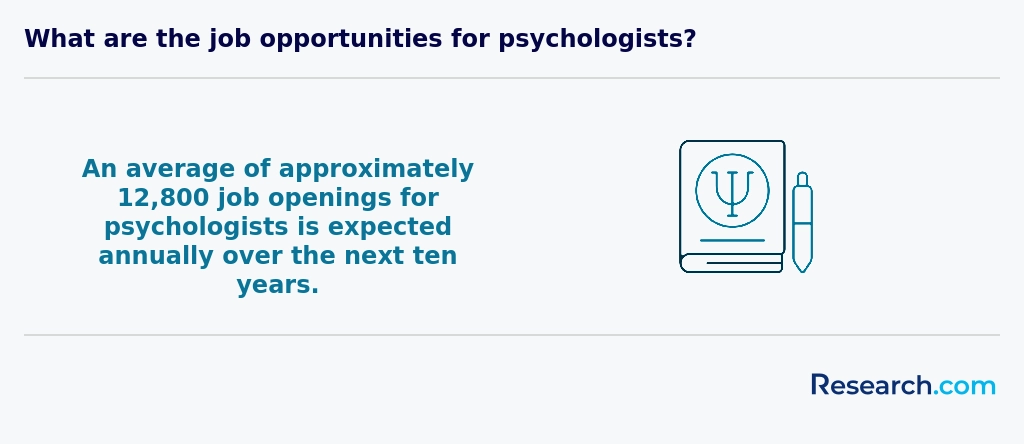
- Boston's job market for psychologists is expected to grow 6-8% over the next decade, reflecting strong local demand.
- Licensing in Massachusetts requires an accredited degree, supervised clinical experience, and passing the EPPP exam.
- Online programs must be accredited and aligned with state licensing requirements to ensure eligibility for professional practice.
- Boston offers many nearby clinical sites for internships and practical experience, essential for licensure and training.
Completing an online psychology degree in Boston generally takes about four years for an undergraduate program like a BA or BS in Psychology when studied full-time. Students at well-known Boston colleges often find flexible pacing options that let them finish faster, sometimes in three years, or spread out studies over more than four years to accommodate busy work or family lives.
For graduate degrees, such as a Master's in Psychology, plan for two to three years depending on if you study full or part-time and whether you must complete a thesis or practicum. Many graduates from Boston-area universities appreciate accelerated tracks that helped them finish in under two years while juggling jobs.
Doctoral programs, including PhDs and PsyDs, often involve hybrid formats combining online and in-person work. These take about four to seven years due to dissertation and clinical requirements. Students balancing these demands have praised flexible scheduling that fits their lifestyles.
Consider options to transfer credits, which helped some graduates finish sooner. Boston's flexible programs and supportive policies make it realistic to tailor your timeline.
If you're weighing an online versus on-campus psychology degree in Boston, start by considering how much in-person interaction you want. Graduates from Boston University praise the easy access to professors and lab work on campus, which helped them hone hands-on skills vital for clinical psychology careers. On the other hand, graduates from Northeastern highlight the flexibility of online courses, allowing them to balance work and family while progressing at their own pace.
Cost is another practical factor. On-campus programs in Boston typically cost between $30,000 and $55,000 annually, with extra expenses like commuting and housing. Online degrees may offer a more affordable route by cutting those living costs and sometimes providing accelerated timelines.
Networking feels naturally stronger on campus, where face-to-face mentorships form easily. But many Boston students taking online routes find that virtual networking platforms are improving, opening doors to professional connections, albeit differently.
Whichever way you choose, ensure your program is APA-accredited-especially important if you aim for clinical work. Both Boston University and Northeastern online offerings meet these standards, so verifying accreditation early saves headaches later.
The average cost of an online psychology degree in Boston typically centers around $22,200, making it a practical choice compared to some on-campus alternatives. Graduates from Boston University and Northeastern University often share how the investment felt reasonable considering the flexibility of online courses and the quality of education they received. While private universities in Boston can charge upwards of $40,000, regional public schools such as the University of Massachusetts Boston offer more affordable options closer to the median cost, allowing students to balance education expenses with personal budgets.
When analyzing affordable online psychology programs Boston MA offers, it helps to consider the tuition range in conjunction with personal circumstances. For example, students who require more schedule freedom frequently find online programs at these price points economically manageable without the added cost or time of commuting. Financing tools like scholarships, employer tuition assistance, and financial aid often bridge the gap between sticker price and what students actually pay.
Additional fees for technology or course materials occasionally apply, but many graduates reflect positively on the overall clarity of costs before they enrolled. Those exploring the field might also consider looking into the easiest bachelor's degree to earn options related to psychology, which some Boston programs highlight to help reduce time and cost commitments while still maintaining academic rigor.
Students pursuing an online psychology degree in Boston can tap into several financial aid avenues to ease tuition costs. For example, graduates from well-known Boston colleges often start by completing the FAFSA to qualify for federal aid like Pell Grants, which can cover up to $7,395 annually and don't need repayment. Many find Federal Direct Loans helpful for bridging gaps without overwhelming interest rates.
Graduate students in psychology appreciate specialized options such as the Federal Graduate PLUS Loan and, later, loan forgiveness programs if they serve in public mental health roles. Local aid is equally important-Massachusetts residents enrolled in online programs at institutions like Boston University or Northeastern University frequently benefit from the MASSGrant, providing need-based state funds to reduce expenses.
Psychology students also explore scholarships from the American Psychological Association and Boston nonprofit groups, which often reward academic focus and community involvement. With such layered support, many find managing online tuition achievable, allowing focus on courses without financial stress.
To enroll in an online psychology degree program in Boston, most undergraduates must have a high school diploma or GED and a GPA typically between 2.5 and 3.0. Graduates from Boston University and Boston College often share how meeting or exceeding these GPA benchmarks eased their admission process. Some programs suggest prior coursework in biology or statistics, which practical learners found helped them grasp core psychology concepts faster once classes began.
For those pursuing graduate degrees, holding a relevant bachelor's degree with a minimum GPA around 3.0 is essential. Many successful applicants describe submitting strong letters of recommendation, a clear statement of purpose, and detailing hands-on work or research experience-factors that really make an application stand out at institutions like Northeastern University or Suffolk University.
While GRE scores are becoming less common, check each program's requirements carefully. Those targeting licensure in Massachusetts appreciate programs aligned with state board standards, ensuring their degree will support future career steps.
Online psychology degree programs in Boston typically include core courses that provide a solid foundation in both theory and practical skills. You'll start with an introduction to psychology covering essential principles and key subfields like cognitive, social, and developmental psychology. Graduates often recall how these basics helped them relate complex concepts to real-world behavior, whether analyzing social dynamics in Boston's diverse workplaces or understanding developmental milestones relevant to community health initiatives.
Most programs also require statistics and research methods courses, crucial for learning how to design studies, interpret data, and critically assess scientific findings. Students from well-regarded Boston colleges highlight how mastering these skills made them confident navigating research projects or clinical case evaluations online.
Additional classes often include abnormal psychology focusing on mental health disorders, biopsychology exploring brain-behavior links, and social psychology examining group influences. Other electives might cover industrial-organizational or forensic psychology, providing specialized knowledge aligned with local industry opportunities.
Online psychology degree specializations in Boston typically include clinical, counseling, and educational psychology, allowing students to focus on diagnosing mental health disorders, therapeutic techniques, or learning environments. Graduates from popular Boston colleges often share how clinical psychology prepared them to meet the region's growing demand for mental health professionals, while those who chose counseling psychology found direct alignment with Boston's extensive social service networks. For students seeking workplace-focused skills, industrial-organizational psychology is a common choice, reflecting Boston's vibrant business scene.
Some students prefer cognitive psychology, which deals with processes like memory and problem-solving, or forensic psychology, linking mental health with legal systems-essential in a city with many legal and correctional institutions. Health psychology and neuropsychology online programs are growing too, thanks to Boston's strength in biomedical research. When choosing your best psychology degree focus areas Boston MA, consider how each specialization matches your career goals and licensing plans. For practical guidance on program difficulty, many students explore easiest masters degrees to find fits that balance workload and career aspirations.
Start by verifying program accreditation, especially from recognized bodies like the New England Commission of Higher Education, to ensure your degree holds value locally in Boston. Graduates from prominent Boston colleges often emphasize how accreditation helped with smooth credit transfers and securing financial aid. Check program curricula closely-Boston's online psychology degree options vary widely, from clinical approaches to specialized tracks like behavioral neuroscience. Students at popular institutions appreciate courses that integrate real-world applications and virtual internships, making study more engaging and practical.
Cost matters significantly when selecting affordable psychology programs Boston MA residents consider. Some public universities around Boston offer reduced in-state tuition for online programs, easing budget concerns. Graduates recall comparing scholarship opportunities and flexible payment plans to balance work and study without stress. Look for programs offering accelerated or part-time tracks that fit your schedule, a feature praised by busy professionals in the Boston area.
Faculty expertise shapes your learning experience. Programs connected with Boston's research community provide access to professors active in cognitive psychology or behavioral neuroscience, enriching discussions and mentoring. Also, if your goal is licensure, ensure the program meets Massachusetts' requirements, including practicum hours. Many students find consulting resources like the American Psychological Association vital for confirming this.
Lastly, tap into student reviews and local online platform support to avoid common pitfalls. Many Boston graduates highlight how responsive technical support made their study journey smooth and rewarding. For those unsure about program difficulty, exploring the easiest degree to get might provide insights on balancing ambition with feasibility.

Graduates with an online psychology degree in Boston discover a variety of career options due to the region's strong healthcare and academic presence. Many pursue clinical or counseling psychologist roles, offering vital therapy services at local hospitals and community clinics, while others find rewarding work as school psychologists, supporting children and educators in public and private schools around Boston.
Some graduates enter human resources or organizational behavior roles, applying psychology principles to enhance workplace well-being in Boston's thriving corporate sector. Others gain hands-on experience as research assistants at universities, advancing studies in mental health or behavioral science. Social work support and case management positions are also common, especially for those passionate about helping at-risk populations through Boston's social service agencies.
These paths benefit from Boston's educational ecosystem, with graduates from well-known colleges praising both the flexibility of online programs and local opportunities for licensed training. Many also explore the easiest phd to get options to advance their credentials.
For anyone considering online psychology degree careers in Boston, these diverse roles offer practical routes to meaningful work and professional growth.
The job market for online psychology degree jobs Boston is promising, especially for graduates from well-known institutions like Boston University or Northeastern University. Many graduates find rewarding roles in hospitals, mental health clinics, and educational settings across the city. Employers value candidates who combine online learning flexibility with local licensure and practical experience. For example, graduates often start as research assistants or case managers before advancing to licensed clinical positions.
Boston's strong demand for mental health services supports steady growth, with salaries above the national average, making it a lucrative place for psychology career opportunities Boston MA. The average psychologist salary here reaches about $105,000 annually, reflecting the city's competitive healthcare market. Graduates who obtained online degrees appreciate how these credentials open doors in applied behavioral analysis and digital mental health roles.
Costs for online programs can vary-public universities typically offer residents lower tuition, while private institutions charge more. For students looking to accelerate their education, exploring options like the fastest associates degree pathways can reduce time and expense while maintaining strong career prospects.
2027 Fastest Online Psychology Degree Programs Ranking in Boston, MA
Investing in your education is a significant decision that can shape your future, and the Research.com team understands the importance of making informed choices. To assist prospective students in Boston, MA, we have meticulously crafted the "2027 Fastest Online Psychology Degree Programs Ranking." Our commitment to quality, credibility, and accuracy is reflected in the extensive research and analysis conducted to compile this ranking.
We utilized the following reputable data sources to ensure a comprehensive evaluation of psychology programs:
By exploring this ranking, readers will gain valuable insights into the fastest online psychology degree programs available in Boston, helping them make informed decisions about their educational journeys. For more details on our methodology, please visit our Research.com methodology page.

# 2 position
UMassOnline
Master of Family Therapy

Frequently Asked Questions About psychology
Students pursuing online psychology degrees in Boston can enhance their learning by actively engaging with course materials and utilizing local resources. Boston is home to numerous research institutions like Harvard and Boston University, which provide valuable online seminars and public lectures accessible to students. Participating in virtual study groups or local psychology clubs helps build practical skills and professional networks.
Time management is crucial; creating a consistent study schedule aligns with research that shows structured routines improve retention. Additionally, many Massachusetts psychology programs incorporate accredited practicum opportunities, enabling students to gain hands-on experience within Boston's diverse clinical settings.
Emerging niches within the psychology field reflect evolving societal needs and technological advances. One rapidly growing area is neuropsychology, which studies brain-behavior relationships, often linked to Boston's strong medical research institutions like Massachusetts General Hospital.
Another promising niche is health psychology, focusing on how psychological factors affect physical health. Boston's aging population increases demand for experts in this area.
Additionally, forensic psychology, which applies psychological principles to legal issues, is expanding due to rising interest in criminal justice reform nationwide.
Lastly, digital mental health is gaining traction as teletherapy and mental wellness apps become mainstream, especially following the COVID-19 pandemic's impact on healthcare delivery.
After completing an online psychology degree in Boston, preparing for the job market involves multiple strategic steps. First, gaining hands-on experience through internships or volunteer work in local mental health clinics or research centers is vital. Boston's robust healthcare and education sectors offer diverse opportunities for practical training.
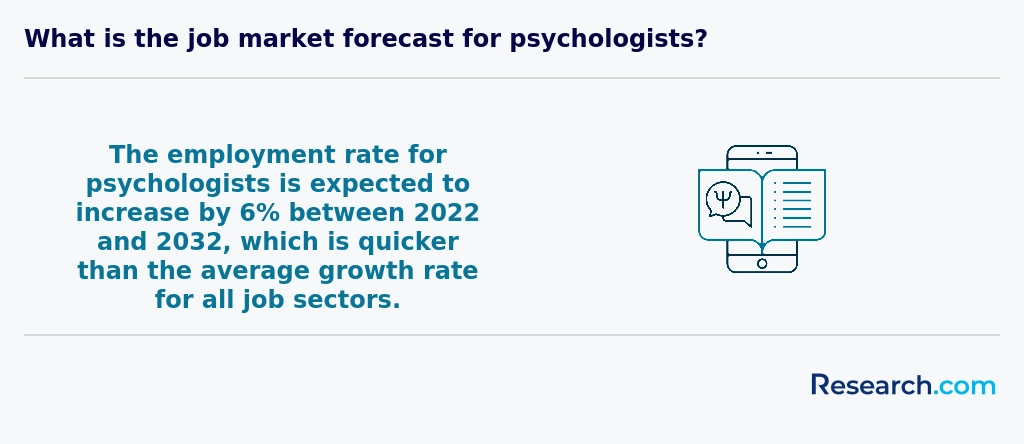
Networking is equally important; join local chapters of professional organizations like the Massachusetts Psychological Association. According to the U.S. Bureau of Labor Statistics, the demand for psychologists in Massachusetts is projected to grow 8% from 2022 to 2032, slightly faster than the national average.
Additionally, consider obtaining relevant certifications or pursuing licensure as a Licensed Mental Health Counselor (LMHC) to increase employability.
Employers in Boston seek psychology graduates with strong analytical and research skills. Proficiency in data interpretation and familiarity with statistical software like SPSS or R is especially valued, as reported by the Boston Career Institute.
Effective communication is another critical skill. Graduates must be able to clearly convey complex psychological concepts to diverse audiences, including clients and interdisciplinary teams.
Boston's healthcare and educational sectors emphasize ethical judgment and cultural competence due to the city's diverse population. Graduates trained in understanding cultural differences tend to perform better in local institutions.
Problem-solving and critical thinking abilities are consistently highlighted in regional hiring surveys, reflecting the need for adaptable professionals in dynamic psychological roles.
Finding internships in Boston relevant to a psychology degree involves leveraging local resources and networks. Many universities and online programs encourage students to use the Boston Public Health Commission and Massachusetts Psychological Association, both offering listings of internship opportunities. Additionally, Boston hosts numerous hospitals and clinics, such as Massachusetts General Hospital and Boston Children's Hospital, which provide internships in clinical psychology and research.
Students should also explore nonprofit organizations focused on mental health services. The U.S. Bureau of Labor Statistics notes that psychology internships often emphasize practical experience, so contacting local licensed psychologists for shadowing or assistant roles is beneficial.
Obtaining an online psychology degree in Boston can significantly enhance career mobility and advancement opportunities within the city's competitive job market. Boston is home to numerous healthcare institutions, research centers, and educational facilities that value accredited psychology credentials, including those earned online through regionally accredited schools.
According to the U.S. Bureau of Labor Statistics, employment for psychologists in Massachusetts is projected to grow about 8% from 2022 to 2032, which is faster than average. An online degree provides flexibility for working professionals while meeting licensure requirements in Massachusetts, facilitating entry into roles such as clinical psychologist, counselor, or behavioral analyst.
Many employers in Boston recognize reputable online psychology degrees similarly to traditional degrees, especially when candidates possess relevant internships or supervised experience. This recognition supports upward mobility into higher-paying positions or leadership roles in mental health programs, academic settings, or corporate wellness.
Boston's online psychology degree programs emphasize interdisciplinary education essential for today's diverse career settings. These programs integrate knowledge from neuroscience, education, social work, and healthcare, fostering skills relevant beyond traditional psychology roles. For instance, Boston University's online curriculum includes coursework in behavioral science and research methods that apply across multiple fields.
Graduates are prepared to collaborate with professionals in medicine, law, and technology, reflecting Boston's strong healthcare and research industries. According to the Massachusetts Department of Higher Education, nearly 40% of psychology graduates in the state pursue interdisciplinary careers.
This approach equips students with adaptable problem-solving abilities and broad perspectives, meeting evolving workplace demands in Boston and nationwide.
When choosing between a thesis and a non-thesis online psychology degree program in Boston, consider your career goals first. A thesis track typically involves original research and is suited for those planning to pursue doctoral studies or research roles. Boston's universities, known for strong research programs, often require theses for advanced psychology licensure and academic roles.
Non-thesis programs focus more on practical skills and coursework, ideal for students aiming for clinical practice or counseling. They may be completed faster, appealing to working professionals.
According to the Boston Psychological Association, about 60% of local graduate students choose the thesis option to meet research-heavy career demands.
Students based in Boston seeking online psychology degrees with an international focus have several pathways to consider. While Boston offers numerous local options, those interested in studying psychology abroad often choose exchange programs or online partnerships with foreign universities accredited in the US. Many US institutions, including some in Massachusetts, collaborate with global universities to offer joint online psychology courses. According to the National Center for Education Statistics, about 5% of psychology undergraduates in the US participate in study abroad or international online learning.
These options allow Boston students to gain cross-cultural perspectives without relocating. Additionally, some online programs incorporate international research projects, enhancing global competency in psychology.
In Boston, part-time jobs that complement an online psychology degree often involve roles in mental health support and research assistance. Many psychology students find employment as behavioral health technicians or aides in hospitals and community clinics, where they gain practical experience working with patients.
Additionally, Boston's numerous research institutions, including those affiliated with universities like Harvard and Boston University, offer part-time research assistant positions. These roles provide valuable hands-on experience with data collection and analysis in psychology studies.
Job opportunities in local schools as teacher's aides or counseling assistants also allow psychology students to apply developmental and educational psychology theories.
The Massachusetts Department of Labor highlights healthcare and education as leading Boston job sectors, supporting these part-time options.
Online psychology students in Boston have numerous networking opportunities despite studying remotely. Many local universities, like Boston University and Northeastern University, offer virtual networking events and workshops accessible to online learners. These events connect students with faculty, peers, and psychology professionals, fostering valuable relationships.
Boston also hosts active professional organizations, such as the Massachusetts Psychological Association, which provides online seminars, conferences, and mentorship programs that are open to students statewide. Additionally, Boston's rich community of research institutes presents chances for online students to engage through virtual internships or collaborative projects.
Statistics from the Bureau of Labor Statistics show Boston ranks highly in psychology job growth, underlining the importance of strong local networks for career advancement.
Alumni networks offer significant benefits to online psychology degree students in Boston by providing valuable professional connections. Graduates can access a pool of experienced psychologists, researchers, and educators who can offer guidance and mentorship. According to the Boston Psychological Association, networking through alumni groups increases job placement rates by nearly 20% among psychology graduates in the city.
These networks often facilitate exclusive workshops, seminars, and career fairs tailored to the Boston mental health community. Students can stay updated on local industry trends and licensing requirements.
Such connections are especially important in Boston, where the demand for licensed psychologists is growing by 6% annually, per the Bureau of Labor Statistics.
Customizing an online psychology degree in Boston often begins with selecting elective courses that align with your career goals. Many programs offer specializations such as clinical psychology, counseling, or organizational psychology, allowing students to tailor their education.
In Boston, accredited institutions frequently provide flexible scheduling and internships with local mental health organizations, enhancing practical experience. According to the Boston Foundation's 2023 report, internships and practicum placements are vital for licensure and employment in psychology-based careers.
Additionally, students can engage in research projects or capstone courses focusing on areas like neuropsychology or developmental psychology, further refining their expertise.
Choosing programs with strong faculty and resources in your interest area supports professional growth and networking within the Boston psychology community.
Online psychology students in Boston face several common challenges. One significant issue is maintaining motivation and time management without the structure of in-person classes. According to the National Center for Education Statistics, about 40% of online students nationwide report difficulty balancing coursework with work and family obligations.
In Boston, limited access to local research facilities can hinder practical experience opportunities, which are crucial for psychology students aiming for licensure. Additionally, some students struggle with fewer direct interactions with professors and peers, impacting networking and mentorship possibilities.
Technical issues and the need for reliable internet also affect many learners, especially given Boston's mix of urban and suburban living conditions.
With an online psychology degree, you can pursue several professional certifications that enhance your career prospects in Boston and beyond. Common certifications include the Licensed Mental Health Counselor (LMHC) and Certified Alcohol and Drug Counselor (CADC). Both require state-specific exams and supervised clinical experience.
The Massachusetts Board of Registration of Allied Mental Health and Human Services Professionals oversees licenses like the LMHC, ensuring practitioners meet rigorous standards. The Boston labor market reports a growing 12% increase in demand for licensed counselors by 2028, according to the Bureau of Labor Statistics.
Additional credentials such as Certified School Psychologist or Board Certified Behavior Analyst (BCBA) can be pursued, depending on your career focus and further education.
Writing a winning application for an online psychology program in Boston begins with a clear demonstration of your academic readiness and motivation. Boston is home to numerous reputable institutions, making competition for spots fierce. Highlight your undergraduate GPA, especially in psychology or related fields, as many programs prefer a minimum GPA of 3.0. Including relevant experience, such as research or internships, strengthens your profile. Be sure to craft a focused personal statement that explains your interest in psychology and outlines your career goals. According to the Massachusetts Department of Higher Education, programs value candidates who show commitment to both academic success and practical application.
Additionally, obtaining strong letters of recommendation from professors or professionals familiar with your work in psychology increases your chances. Demonstrating familiarity with Boston's diverse psychological community or specific online learning platforms can also set your application apart. Finally, ensure all application materials are submitted before deadlines, which typically fall between December and March for fall admission in Boston-area schools.
Psychology is a globally respected career with diverse opportunities across many countries. In the United States, including Boston, psychology professionals are in steady demand, with the Bureau of Labor Statistics projecting a 10% growth rate for psychologists from 2022 to 2032. This growth reflects a worldwide increase in mental health awareness and services.
Boston, known for its strong academic environment, hosts several institutions offering accredited online psychology degrees that meet U.S. standards and prepare students for licensure. Graduates in psychology often find employment in clinical, counseling, research, and educational roles both locally and internationally.
Globally, psychology careers emphasize evidence-based practices and cultural competence, which Boston programs incorporate into their curriculum to ensure graduates are competitive worldwide.
Gaining practical experience while pursuing an online psychology degree in Boston is essential for career readiness. Many programs incorporate practicum or internship components, even for remote learners. Students often partner with local clinics, hospitals, or social service agencies to fulfill these requirements.
Boston's rich healthcare and research environment offers numerous opportunities. According to the Massachusetts Department of Higher Education, about 70% of psychology students in the region complete supervised fieldwork. Additionally, some universities provide virtual simulations and telehealth practicum options to accommodate remote students.
Networking through Boston-based professional organizations such as the Massachusetts Psychological Association can also help students find volunteer or part-time roles that build valuable experience.
Choosing the right concentration within an online psychology degree in Boston involves understanding your career goals and local industry needs. Popular concentrations include clinical, counseling, and industrial-organizational psychology, reflecting demand in Massachusetts' healthcare and corporate sectors. According to the Massachusetts Department of Labor, employment for psychologists is projected to grow by 8% through 2030, with the highest demand in mental health services and human resources.
Consider your interests and research each concentration's curriculum. Clinical psychology focuses on therapy and diagnosis, counseling emphasizes client support and development, while industrial-organizational psychology applies psychological principles to workplace challenges.
Many Boston-based employers require specialized skills. Reviewing Massachusetts Board of Registration of Psychologists' licensure requirements can guide your choice, especially for clinical or school psychology tracks.
Additionally, seek programs accredited by the American Psychological Association (APA) to ensure quality education and improved job prospects.
See What Experts Have To Say About Studying Psychology
Read our interview with Psychology experts

Elizabeth L. Jeglic Ph.D.
Psychology Expert
Professor of Psychology
City University of New York

Joann Farrell Quinn, Ph.D., MBA
Psychology Expert
Director at the College of Medicine Department of Medical Education
Morsani College of Medicine

Catherine Caldwell-Harris, Ph.D.
Psychology Expert
Associate Professor of Psychology
Boston University

- Scholarships For Psychology Majors (2025) https://www.psychology.org/scholarships/
- Online Psychology Degrees | University of Phoenix https://www.phoenix.edu/online-psychology-degrees.html
- 2025 Most Popular Online Psychology Degrees in Massachusetts https://www.onlineu.com/degrees/psychology/massachusetts
- Best Massachusetts Psychology Degrees Updated for 2025, Online Included https://www.psychologydegrees.org/state/massachusetts
- Study Psychology Abroad https://astarfuture.co.uk/study_psychology_abroad.html
- Online Psychology Degree Salary by Career Path: What the Data Actually Shows in 2026 https://www.collegetransitions.com/blog/online-psychology-degree-salary-by-career-path/
- Community Psychology in Global Perspective http://siba-ese.unisalento.it/index.php/cpgp
- Ontario Psychological Association - Networking and Community Resources https://www.psych.on.ca/become-a-member-(1)/member-services/networking-and-community-resources
- Why Get a Psychology Degree Online? | University of Bridgeport https://www.bridgeport.edu/news/reasons-to-get-your-psychology-degree-online/
- A Guide to Psychology Internships | Psychology Degree Guide https://psychologydegreeguide.org/resources/internships/


