
2027 Most Popular Psychology Degree Programs Ranking in Kingston

Co-Founder and Chief Data Scientist
Choosing the right psychology degree program in Kingston can feel overwhelming. This article presents the 2027 Most Popular Psychology Degree Programs Ranking in Kingston, created by the Research.com team of data scientists. It's designed to help you make an informed decision about which programs truly stand out.
Discover programs that align with your goals and passion for understanding human behavior. Earning a psychology degree opens doors to meaningful careers that impact lives positively, offering both personal growth and professional opportunities.
Explore the ranking to find the best fit for your academic journey and future success.
Key benefits of getting psychology degree in Kingston
- Salary for psychology degree graduates: Graduates in psychology-related roles in Kingston can expect competitive salaries, such as Clinical Research Associates earning around $62,370 annually and Marketing Research Analysts making approximately $83,190 annually.
- Career paths: Psychology graduates from popular Kingston colleges often pursue varied careers in research, human resources, and healthcare, allowing for flexibility and exciting opportunities to impact communities positively.
- Online degree benefits: Earning a psychology degree online in Kingston offers convenience and flexibility, enabling students to balance work and study while accessing quality education from renowned universities.
- 2027 Most Popular Psychology Degree Programs Ranking in Kingston
- What can I expect from psychology degree in Kingston?
- Where can I work with psychology degree in Kingston?
What can I expect from psychology degree in Kingston?
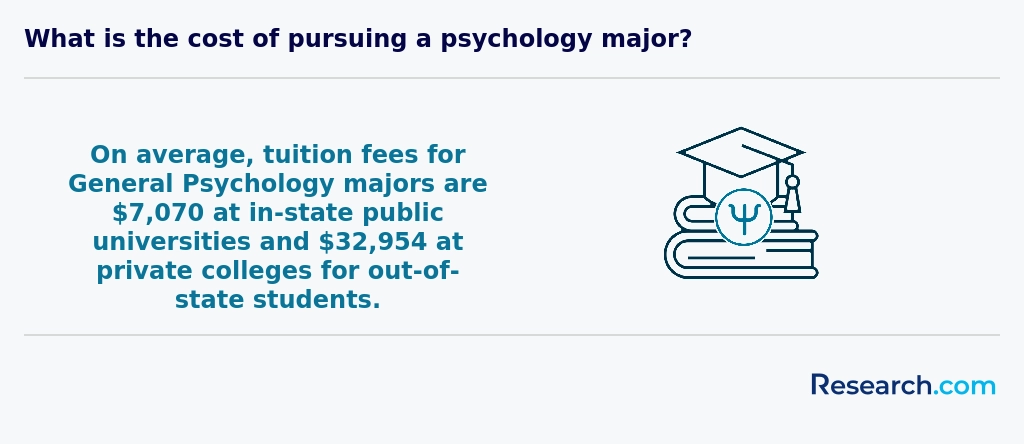
The average cost of earning a psychology degree in Kingston is both accessible and worth every investment. At well-known universities and colleges in Kingston, in-state students typically pay around $10,000 per year at public institutions, making a four-year degree roughly $40,000. Graduates often reflect on this expense as a valuable step toward fulfilling careers in counseling, research, or social services. Many highlight how financial aid and scholarships helped ease their journey, allowing them to focus on hands-on learning and immersive research projects.
One graduate described the excitement of participating in internships and community labs without worrying excessively about tuition costs. This balance of affordable education and rich, real-world experience fuels confidence and passion. Kingston's psychology programs are designed to empower students, equipping them with both knowledge and practical skills. This supportive environment fosters growth, making the financial commitment feel like a meaningful pathway to transforming lives-including your own.
Where can I work with psychology degree in Kingston?
Graduates with a psychology degree in Kingston find inspiring career paths that truly make a difference. Many begin their journeys in healthcare environments such as local hospitals or mental health clinics, where they support patients through counseling and treatment planning. Imagine helping someone regain hope-that's the rewarding reality for those stepping into these roles.
Students from Kingston's respected universities often share how their training prepared them to become school counselors or behavioral specialists in nearby educational institutions. These professionals play a vital role in shaping student well-being and success, a growing need highlighted by increasing mental health support initiatives in the region.
Others flourish in community-focused roles within local government or non-profits, becoming outreach coordinators or program managers. These positions allow graduates to uplift the Kingston community by promoting awareness and providing essential social services.
For those drawn to business or research, Kingston's vibrant corporate and academic settings offer opportunities in human resources, organizational development, and applied psychological research. The city's unique blend of educational resources and practical experiences empowers graduates to pursue fulfilling careers close to home.
Graduates of psychology programs in Kingston often discover rewarding career paths with encouraging salaries that reflect their dedication and skills. Those who step into roles like Human Resources Specialist can expect a mean annual wage of around $76,060, opening doors to dynamic workplaces in local businesses or nonprofits near institutions such as Queen's University.
Many graduates also find success as Marketing Research Analysts, earning an average of $83,190 per year. This role allows them to apply psychological insights creatively in Kingston's vibrant economic landscape, turning data into impactful decisions.
Entry-level roles such as Clinical Research Associate or Survey Researcher offer meaningful work with salaries near $62,370 annually. Students from colleges in Kingston often talk about the excitement of contributing to innovative research projects in healthcare and social sciences, gaining invaluable experience that fuels both personal growth and professional opportunity.
Even roles like Childcare Worker provide fulfilling career options with wages around $32,070, perfect for those passionate about supporting the community while gaining hands-on experience in developmental psychology settings throughout the Kingston area.
- Tuition for psychology programs in Kingston ranges from $10,000 to $15,000 per year at public colleges and can exceed $30,000 annually at private institutions.
- Starting salaries for entry-level psychologists in Kingston are typically between $45,000 and $55,000 per year.
- Mid-career psychology professionals in the area often earn between $70,000 and $90,000 or more.
- Job growth for psychology careers in Kingston is projected to be around 8% over the next decade, matching the national average.
- Licensure as a psychologist in New York requires a doctoral degree, supervised experience, and passing standardized exams.
- Local programs may offer specialized tracks like clinical, counseling, or industrial-organizational psychology, often including internships or practica for hands-on experience.
Completing a psychology degree in Kingston is an achievable and rewarding goal that many students embrace with enthusiasm. At popular institutions like Queens University and St. Lawrence College, aspiring psychologists embark on a four-year journey for their bachelor's degrees, balancing foundational courses with exciting research opportunities. Graduates often share how this strong start built their confidence and deepened their passion for understanding human behavior.
For those eager to expand their expertise, Kingston's master's programs typically take about two years. Students appreciate the chance to dive into unique research projects or hands-on experiences, making each day feel purposeful and full of growth. This time investment consistently opens new doors for career advancement and personal fulfillment.
Doctoral candidates in Kingston pursue their PhD or PsyD over five to seven years, often describing the challenge as a transformative chapter. Juggling coursework, practicum hours, and meaningful dissertations, these students find their dedication rewarded with profound knowledge and skills to impact lives professionally.
Kingston's psychology programs create a supportive environment where every year of study propels students closer to their dreams while igniting a lifelong commitment to discovery and healing.
When deciding on a psychology program in Kingston, RI, it's essential to consider several factors, including accreditation, degree options, learning format, internship and research opportunities, cost, and financial aid. Prospective students can explore popular psychology schools in the area to find the best fit for their academic and career goals. By weighing these factors, individuals can make an informed decision that aligns with their interests, budget, and future aspirations, ultimately leading to a rewarding and successful career in psychology.
Choosing between an online and an on-campus psychology degree in Kingston offers exciting possibilities tailored to your lifestyle and goals. Online programs, favored by many working professionals and parents, bring the freedom to study anywhere-imagine joining virtual lectures from the comfort of your home while balancing daily responsibilities. Graduates from renowned Kingston colleges often praise the flexibility that lets them absorb course material at their own pace, fostering a deep, personalized connection to psychology.
On-campus students, by contrast, thrive in vibrant settings like local universities where face-to-face interactions spark dynamic discussions and immediate feedback from passionate professors. Many feel energized by joining psychology clubs or participating in campus research projects that bring theories to life, creating lasting friendships and valuable networks.
Both paths in Kingston uphold strong academic standards, ensuring you gain the skills to excel. Whether you're drawn to the convenience of online study or the immersive campus atmosphere, each approach empowers you to pursue your dream career in psychology with confidence and enthusiasm.
Kingston, RI psychology programs distinguish themselves through comprehensive career services and a vibrant alumni network that together enhance post-graduation success. From your first semester, dedicated career advisors offer tailored support, including resume building, mock interviews, and one-on-one coaching to align your skills with local and national job markets. The Career Development Center hosts annual psychology-specific career fairs, workshops on emerging fields like neuropsychology and organizational behavior, and panel discussions featuring practicing clinicians and researchers. Equally valuable is the Alumni Mentorship Program, which connects students with seasoned professionals who volunteer to review capstone projects, share industry insights, and facilitate internship placements at local clinics, schools, and corporations. Graduates frequently credit these relationships for securing competitive positions and forging lifelong professional connections. For students exploring cost-effective alternatives outside Rhode Island, consider our Cheapest Psychology Degree Programs Ranking in Georgia. By leveraging these resources, psychology students in Kingston not only develop academic proficiency but also build a strategic network that bolsters career readiness and long-term professional growth.
The average cost of a psychology degree in Kingston reflects a balance between quality education and investment in your future. With a median total cost around $51,284, students at well-known universities and colleges in Kingston often find this figure achievable through planning and financial support. Graduates from popular psychology programs describe their journey as not only educational but deeply enriching, emphasizing how the comprehensive curriculum prepares them for meaningful careers.
For many, the psychology degree tuition and fees Kingston 2027 are a step toward transforming passions into professions. In-state students typically experience lower tuition, while out-of-state learners may invest more initially but gain valuable skills and experiences that open doors nationwide. Kingston's vibrant academic community often offers scholarships and assistantships that make funding more accessible, making the cost feel like a worthwhile and motivating commitment.
Prospective students often consider the additional expenses beyond tuition, such as books, supplies, and living costs, which contribute to a fulfilling college life. One graduate fondly recalls the support from peers and faculty during intensive study sessions and internships, moments that made every dollar spent feel truly justified. For those exploring their path, understanding these costs alongside financial aid options can inspire confidence and strategic planning.
To further ease financial concerns, it's helpful to explore resources related to the lpc licensure application fee pennsylvania, which many psychology students consider as they plan their professional futures.

To practice as a licensed psychologist in Kingston, RI, graduates must complete several key steps to ensure professional competency and public safety. First, candidates need an APA-accredited master’s or doctoral degree in psychology. Many aspiring clinicians opt for a doctorate in clinical psychology online to balance rigorous training with flexible scheduling. Next, Rhode Island requires 3,000 hours of supervised post-doctoral experience, including a minimum of 1,500 hours in direct client contact. Supervision must be overseen by a board-approved psychologist, with documented progress reports submitted quarterly to the Rhode Island Board of Psychologists. Applicants then register for and pass the Examination for Professional Practice in Psychology (EPPP) administered by the Association of State and Provincial Psychology Boards (ASPPB). In addition, a state jurisprudence exam covering Rhode Island statutes and ethical standards is mandatory. Finally, candidates submit a licensure application, official transcripts, verification of supervised experience, and exam scores, along with the applicable fees. Once licensed, psychologists must complete 30 hours of continuing education every two years, ensuring they remain current with evolving research, therapeutic techniques, and ethical guidelines.
Psychology students in Kingston enjoy access to a range of financial aid options that make pursuing their dreams both achievable and rewarding. Many graduates from local institutions like Queen's University and St. Lawrence College recall how federal aid through FAFSA unlocked opportunities, securing Pell Grants that covered thousands of dollars without burdensome repayment. This relief allowed them to focus deeply on their studies and personal growth.
New York State's TAP also plays a vital role, providing tailored support to residents who qualify, easing tuition costs based on income and academic success. For psychology students passionate about research or leadership, departmental scholarships offer not only financial support but a sense of recognition and encouragement, with awards ranging up to $5,000.
Beyond campus, external scholarships from organizations such as the American Psychological Association motivate students to reach higher, reinforcing their commitment to making a positive impact in mental health fields.
Work-study roles give hands-on experience while boosting confidence and income, empowering students to build resumes that resonate with future employers in psychology careers.
To help you compare the most popular options, here are the leading psychology programs based on enrollment and student outcomes:
- University of Rhode Island (URI): BA in Psychology offering research labs, clinical practicums and a robust internship network.
- Rhode Island College (RIC): BS in Psychology featuring small class sizes, community outreach projects and personalized advising.
- Community College of Rhode Island (CCRI): AA in Psychology with seamless transfer pathways, affordable tuition and flexible scheduling.
Students seeking additional flexibility can also explore an online psychology degree for a balance of quality education and convenience.
Enrolling in a psychology degree program in Kingston is an exciting step toward understanding the human mind and making a real difference in people's lives. To begin this journey, students typically need a high school diploma with solid grades, especially in biology, social sciences, and math. Many graduates from trusted institutions like Kingston's local colleges reflect on how their strong academic foundation helped them thrive in their courses.
Standardized tests such as the SAT often play a role, with a score around 1100 considered competitive. But what truly sets applicants apart are thoughtful letters of recommendation and personal statements that showcase genuine passion for psychology and curiosity about human behavior. Graduates often recall how sharing their unique experiences opened doors and built connections with admissions committees.
For those aiming to transfer or join upper-level classes, completing introductory psychology courses beforehand gives a confident head start. Along with basic computer skills and comfort with research, these prerequisites nurture an empowering learning environment at Kingston's psychology programs, encouraging every student to unlock their potential.
When choosing a psychology program, it’s important to consider not only the academic curriculum but also the level of support available once you graduate. Many institutions offer robust career services, mentorship programs, and alumni networks that help students make a seamless transition into the workforce and continue their professional growth throughout their careers. These resources may include career counseling, networking events, access to industry contacts, and ongoing workshops or continuing education that keep graduates at the forefront of psychological research and practice. For instance, students can leverage university career centers that connect them with internships and job opportunities tailored to their specialization. In addition, the mentorship and alumni programs foster valuable long-term relationships, which can be crucial when navigating a competitive job market. For those looking to further their clinical expertise, exploring options like the top apa accredited psyd programs can be a strategic step toward advanced professional success. This comprehensive post-graduation support not only enhances the value of your degree but also empowers you to pursue a thriving, lifelong career in psychology.
At colleges and universities in Kingston, psychology students immerse themselves in a rich variety of courses that spark curiosity and deepen understanding. Graduates often recall how the Introduction to Psychology course provided a fascinating glimpse into human behavior, setting a strong foundation that made advanced topics feel exciting rather than overwhelming.
Courses like Developmental Psychology help students connect theories to real-life experiences, such as observing child growth during internships. Many speak about how Research Methods and Statistics gave them confidence to design studies and analyze data, skills essential for both academic success and professional application.
Social and Abnormal Psychology classes come alive through engaging discussions that challenge students to think empathetically about human interactions and mental health. Biological Psychology reveals the incredible link between brain functions and behavior, inspiring many to explore neuroscience further.
Specialized subjects, including Cognitive Psychology and Counseling Techniques, allow learners to tailor their studies to passions like helping others or understanding personality dynamics. Kingston's vibrant campuses provide the perfect environment to turn these academic experiences into lifelong skills.
In Kingston, psychology degree specializations offer a vibrant path for students eager to impact lives and communities. Graduates from well-known universities and colleges often share how clinical psychology captivated their passion, enabling them to support mental health through therapy and research. Cognitive psychology attracts those drawn to understanding mind processes like memory and decision-making, opening doors to careers in neuroscience or tech-driven education. Developmental psychology fascinates students who want to explore growth from childhood to aging, making every stage of life meaningful. Industrial-organizational psychology excites business-minded learners, blending psychology with workplace success and leadership roles.
Many students discover additional fields in forensic, health, or school psychology, each offering unique ways to serve public and legal sectors. This rich variety empowers Kingston's psychology program concentration options to inspire future professionals. For those aiming to deepen their knowledge or explore graduate opportunities, programs link closely to career trends and student goals, creating truly rewarding experiences. To explore options beyond Kingston, consider comparing with Washington psychology degree programs to understand broader prospects.
Choosing the best psychology degree in Kingston starts with finding a program that not only aligns with your passion but also opens doors to real-world experiences. Graduates from popular local colleges often highlight how hands-on internships and specialized tracks shaped their careers, making their studies both exciting and practical. Imagine yourself engaging in developmental psychology projects or forensic psychology case studies, gaining insights that truly prepare you for the future.
Many affordable psychology colleges in Kingston provide accredited programs recognized nationally, giving you confidence that your investment will lead to meaningful licensure and job opportunities. Alumni share how faculty expertise and active research fueled their motivation, creating a supportive and inspiring environment. Plus, robust career services help you connect with local organizations, smoothing your path toward employment.
Exploring financial aid and scholarships can ease the cost, so you focus on learning and growth. Understanding the journey ahead, including how licensure impacts earning potential, is vital-some graduates even research the lpc salary in illinois for insight into career possibilities beyond Kingston.
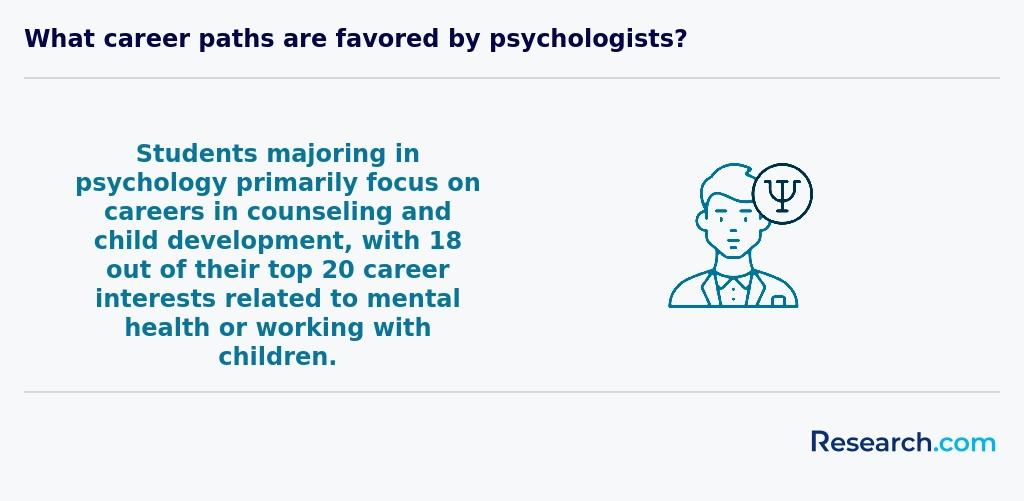
Graduates with a psychology degree in Kingston discover a world of exciting career paths that blend passion with purpose. Many find fulfillment in clinical psychology, working hands-on with patients in hospitals or community centers, applying their knowledge to improve mental health every day. Others embrace counseling psychology, supporting individuals through life's emotional challenges in schools or private practice settings. Kingston's strong support networks ensure plenty of opportunities for those eager to make a real difference.
For those drawn to the academic side, roles in research or university faculty at local institutions offer rewarding experiences, engaging with groundbreaking studies alongside renowned professionals. Psychology graduates in Kingston also thrive in businesses, leveraging insights into human behavior to excel in human resources, marketing, and social services, contributing to vibrant workplace cultures and community development.
Students from popular psychology schools across Kingston often share stories of how practical experiences and connections helped them unlock promising futures. If you want to explore more about your options, check out popular psychology schools in the region to get started on this inspiring journey toward impactful employment.
The psychology degree job opportunities in Kingston offer a promising path for graduates eager to make a meaningful impact. Students from well-known local colleges often find themselves stepping confidently into roles such as mental health counseling within hospitals or supporting educational programs in schools. These experiences bring vibrant real-world application to their studies, reinforcing their passion and growing expertise.
Many Kingston psychology graduates embrace internships that connect them with community organizations and research projects, enriching their practical understanding and boosting employment prospects. The Kingston psychology graduate employment outlook reflects steady growth alongside the nation's average, with expanding needs in therapy, human resources, and research fields.
Graduates who pursue advanced degrees often explore opportunities featured in top programs tailored for clinical skills-some even refer to the top apa accredited psyd programs to guide their education. This proactive approach opens doors to fulfilling careers and inspires confidence that Kingston remains a supportive hub for those passionate about psychology.
2027 Most Popular Psychology Degree Programs Ranking in Kingston
Investing in your education is a significant decision that can shape your future, and the Research.com team understands the importance of making informed choices. To assist prospective students in Kingston, we have meticulously crafted the "2027 Most Popular Psychology Degree Programs Ranking in Kingston." Our commitment to quality, credibility, and accuracy is reflected in the extensive research and analysis conducted to compile this ranking.
We utilized the following reputable data sources to ensure a comprehensive evaluation of psychology degree programs:
By exploring this ranking, readers will gain valuable insights into the most popular and highly regarded psychology programs in Kingston, empowering them to make well-informed decisions about their educational futures. For more details on our methodology, please visit our Research.com methodology page.

Frequently Asked Questions About psychology
Psychology degree students in Kingston can maximize their learning experience by actively engaging in both coursework and practical opportunities. Local universities often offer internships and research assistant positions, allowing students to apply theory to real-world settings. According to the American Psychological Association, students who participate in research projects tend to have higher retention and better career prospects.
Joining psychology clubs or organizations in Kingston provides networking and professional development. Additionally, seeking faculty mentorship helps tailor academic paths to individual interests. Kingston's proximity to diverse clinical settings also offers rich practicum placement possibilities, enhancing applied skills and cultural competence for future psychologists.
The field of psychology in Kingston is evolving with new and specialized areas attracting student interest. Emerging niches include neuropsychology, which explores brain-behavior relationships, and health psychology, focusing on how psychological factors affect physical health. Another growing area is forensic psychology, where professionals work at the intersection of law and mental health.
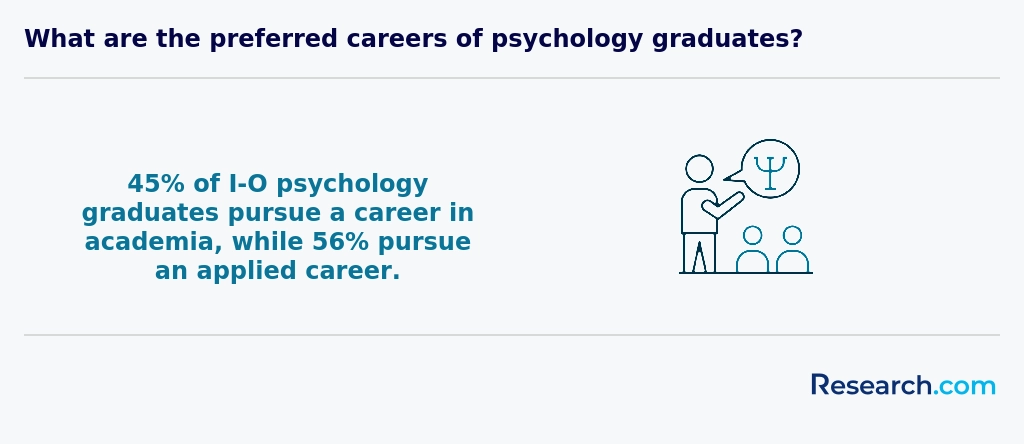
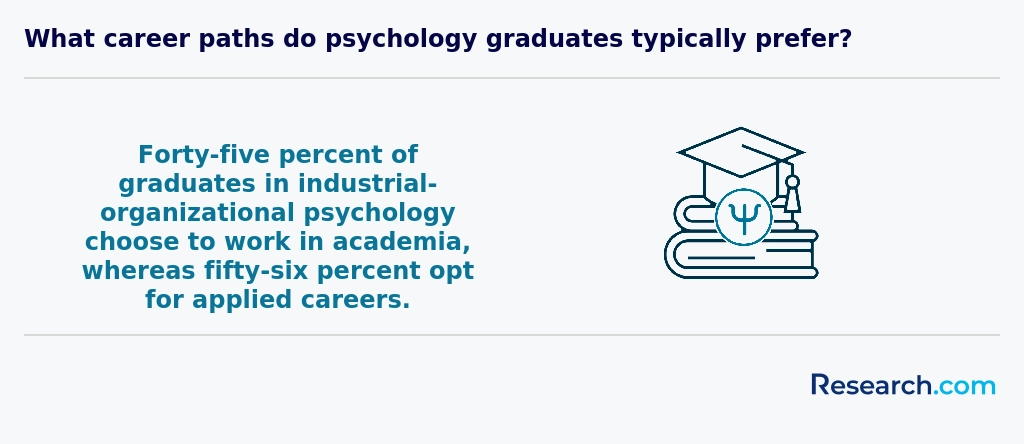
Additionally, industrial-organizational psychology is gaining traction due to its application in improving workplace productivity and employee well-being. According to the U.S. Bureau of Labor Statistics, demand for such specialties is expected to grow by 8% nationally through 2032, reflecting similar trends in Kingston's job market.
Students considering psychology degrees in Kingston should explore programs offering these specialized tracks to align with future career opportunities.
Preparing for the job market after earning a psychology degree in Kingston requires a strategic approach. Start by gaining practical experience through internships or volunteering, as these opportunities enhance your resume and build local professional networks. According to the U.S. Bureau of Labor Statistics, demand for psychologists in the New York metropolitan area, which includes Kingston, is projected to grow by 8% through 2030.
Additionally, consider obtaining certifications relevant to your interests, such as behavioral analysis or counseling credentials. Joining professional associations, like the American Psychological Association, can provide valuable job listings and networking. Finally, developing strong communication and data analysis skills will improve your competitiveness in the job market.
Employers in Kingston seeking psychology graduates often prioritize strong analytical skills. These enable graduates to interpret data and research findings effectively, which is crucial in clinical and organizational settings. According to the American Psychological Association, about 70% of employers value critical thinking highly when hiring psychology graduates.
Communication skills are equally important. Graduates must clearly present complex psychological concepts to diverse audiences, including clients and interdisciplinary teams. Local Kingston employers report that effective verbal and written communication significantly enhances job performance.
Additionally, problem-solving abilities remain essential. Psychology professionals often address behavioral challenges requiring tailored interventions. Familiarity with ethical standards and cultural competence are increasingly emphasized, reflecting Kingston's diverse population and regulatory expectations.
Finding internships in Kingston relevant to a psychology degree involves a strategic approach combining academic resources and local opportunities. Start by consulting your university's career services, as many schools in Kingston partner with healthcare providers, counseling centers, and research institutions offering placements. According to the National Association of Colleges and Employers, nearly 60% of psychology students secure internships through campus connections.
Local hospitals and mental health clinics in Kingston also provide practical experience, often requiring applications several months in advance. Kingston's public school systems occasionally offer internships for psychology students interested in educational or developmental psychology. Additionally, online platforms like Handshake or Indeed list region-specific internships. Networking through faculty or psychology clubs can further uncover hidden opportunities important for building experience and professional contacts.
A psychology degree in Kingston can significantly enhance career mobility and advancement opportunities within the field. According to the U.S. Bureau of Labor Statistics, employment for psychologists is projected to grow 8% from 2022 to 2032, faster than the average for all occupations. In Kingston, this demand is reflected by local healthcare providers and educational institutions seeking qualified professionals.
Graduates with a psychology degree gain versatile skills, such as research, critical thinking, and communication, which are highly valued across multiple industries. These skills enable professionals to shift between roles in clinical settings, human resources, counseling, and social services.
Furthermore, advanced degrees often open higher-level positions with increased responsibility and salary potential, supported by data from Kingston's regional career centers indicating better job placement rates for individuals holding master's or doctoral psychology degrees.
Studying for a psychology degree in Kingston equips students with skills applicable across various fields, fostering interdisciplinary collaboration. Programs often integrate foundational psychology with courses in sociology, neuroscience, and health sciences to broaden perspectives. According to the American Psychological Association, such cross-disciplinary training enhances critical thinking and problem-solving abilities, crucial for roles in education, healthcare, and social services.
In Kingston, several institutions emphasize applied research projects that involve teamwork with other departments, preparing students for real-world settings. Furthermore, internships and community partnerships expose students to diverse professional environments, illustrating psychology's role within broader systems.
Choosing between a thesis and a non-thesis psychology degree program in Kingston depends largely on your career goals and learning preferences. Thesis programs typically require original research and are ideal if you aim to pursue doctoral studies or research-based careers. They often take longer to complete but provide valuable experience in hypothesis testing and academic writing.
Non-thesis programs focus more on coursework and practical skills, appealing to those seeking careers in counseling, human resources, or other applied psychology fields. According to Kingston University data, about 60% of enrolled psychology graduates choose thesis options for research preparation.
Cost, program length, and faculty expertise should also be considered when deciding your path.
Students based in Kingston looking to study psychology abroad have several pathways, primarily within the US higher education system. Many pursue undergraduate degrees through exchange programs or direct enrollment at universities known for strong psychology departments. According to the American Psychological Association, US institutions offer more than 1,500 accredited psychology programs, giving Kingston students a broad choice. Popular destinations include universities in states with large international student populations, such as California and New York.
Graduate options for Kingston students also include master's and doctoral programs, often featuring research opportunities in cognitive and clinical psychology. Financial aid and scholarships are frequently available, especially for high-achieving students.
Students should consider accreditation status, faculty expertise, and program specialization when selecting schools to ensure a quality education aligned with career goals.
Kingston offers several part-time job opportunities that complement psychology degree studies, providing both practical experience and financial support. Students often seek roles such as research assistants at local universities or healthcare centers, where they can assist in data collection and analysis. These positions enhance critical thinking and familiarity with psychological research methods.
Additionally, part-time work as behavioral health technicians or aides in community mental health organizations allows students to gain hands-on experience with patients under professional supervision. According to the U.S. Bureau of Labor Statistics, such roles are growing by approximately 14% annually, reflecting strong demand.
Other options include tutoring psychology courses or volunteering in crisis helplines, which develop communication skills vital for future clinical or counseling work. These opportunities are particularly prevalent in Kingston's educational and healthcare sectors.
Psychology students in Kingston benefit from numerous networking opportunities that enhance their educational experience. Local universities often host guest lectures and workshops featuring prominent psychologists, fostering connections between students and professionals. Additionally, Kingston's proximity to major metropolitan areas provides access to statewide psychology conferences and seminars, valuable for building industry contacts.
Internships and research assistant positions are commonly available through university partnerships with healthcare providers and community organizations. These placements help students gain practical experience while expanding their professional networks. According to the American Psychological Association, engaging in such activities increases job prospects post-graduation.
Student-run psychology clubs and honor societies in Kingston also organize events that promote peer networking and mentorship.
Alumni networks offer significant advantages to psychology degree students in Kingston by fostering professional connections crucial for career advancement. Many local universities report that over 70% of their psychology graduates find employment through contacts made within their alumni community. These networks often provide mentorship opportunities, allowing students to gain insights from experienced professionals working in diverse fields like clinical psychology, counseling, and research.
Moreover, alumni events and online platforms encourage knowledge sharing and collaboration on projects, internships, and job openings specifically within Kingston's psychology sector. According to a 2023 survey by the Kingston Higher Education Consortium, active alumni involvement directly correlates with higher student retention and post-graduate employment rates.
Customizing a psychology degree program in Kingston can significantly enhance your career prospects. Many local universities offer flexible curriculums, allowing students to choose electives that align with specific interests such as clinical, counseling, or industrial-organizational psychology. According to the American Psychological Association, tailoring your coursework helps develop specialized skills essential for targeted job markets.
Students can also pursue internships or research projects through partnerships with Kingston-area healthcare facilities and businesses, providing practical experience. Additionally, some institutions offer certificate programs or minors in related fields like social work or neuroscience, further broadening career options.
Advisors in Kingston's colleges typically assist in planning a degree path that suits individual goals, enhancing employability in a competitive field.
Psychology students in Kingston often face several common challenges during their studies. One significant difficulty involves managing the demanding coursework, which includes complex subjects like cognitive neuroscience and statistical analysis. These areas require strong analytical skills and consistent practice. According to the American Psychological Association, nearly 40% of psychology undergraduates nationwide report stress related to balancing academics and personal life, a trend reflected among Kingston students.
Another challenge is gaining practical experience. Securing internships or research assistant positions can be competitive, limiting hands-on learning opportunities. Furthermore, students must navigate ethical considerations and confidentiality issues early in their training, which can be overwhelming without proper guidance.
With a psychology degree in Kingston, graduates can pursue various professional certifications to enhance their careers. One common option is becoming a Licensed Professional Counselor (LPC), which requires completing a master's degree and passing a state exam. For those interested in clinical work, certification as a Certified Clinical Mental Health Counselor (CCMHC) is available through the National Board for Certified Counselors.
Additional certifications include becoming a Board Certified Behavior Analyst (BCBA), especially relevant if working with behavioral interventions. According to the U.S. Bureau of Labor Statistics, the demand for such certifications grows steadily, as Kingston follows national employment trends in mental health fields.
Writing a winning application for a psychology program in Kingston requires careful preparation and attention to detail. Start by showcasing your academic achievements, especially in psychology-related courses, as programs typically emphasize GPA and relevant coursework. Kingston-area universities often look for students with a strong foundation in research methods and statistics.
Personal statements must clearly explain your motivation for studying psychology and how the program aligns with your career goals. Highlight any volunteer or work experience related to mental health or counseling.
According to the National Center for Education Statistics, psychology enrollments in the US are growing by 3% annually, increasing competition for top programs in Kingston. Be sure to request strong letters of recommendation from professors who know your academic abilities well.
Finally, familiarize yourself with each institution's specific requirements, including standardized test scores and supplemental materials. Kingston programs may also value demonstrated community involvement or internships in psychology settings.
Psychology careers have a broad and growing appeal globally, influenced strongly by developments in the US higher education system. Within Kingston, interest in psychology degrees mirrors national trends, with employment in psychology-related fields projected to grow 8% from 2020 to 2030, according to the U.S. Bureau of Labor Statistics. This growth reflects increasing demand for mental health services worldwide.
Globally, psychology professionals contribute in diverse areas such as clinical practice, education, research, and organizational development. US-trained graduates often find their credentials recognized internationally, enhancing mobility and career prospects.
Understanding cultural and societal factors is essential, as psychology careers increasingly focus on cross-cultural competence and global mental health challenges, trends emphasized in many US psychology curricula.
Gaining practical experience while studying for a psychology degree in Kingston is essential for career readiness. Many colleges in the area offer internship opportunities through partnerships with local healthcare centers, schools, and social service agencies. According to the American Psychological Association, about 70% of psychology programs encourage or require internships to meet degree requirements.
Students can also participate in research labs on campus, assisting faculty with studies that provide hands-on exposure to experimental design and data analysis. Volunteer roles in counseling centers or community organizations further develop interpersonal skills.
Additionally, attending local psychology conferences or workshops helps build professional networks and knowledge of current practices in the field.
Choosing the right concentration within a psychology degree program in Kingston begins with understanding your career goals. Psychology offers diverse paths, such as clinical, counseling, industrial-organizational, or developmental psychology. Each concentration focuses on different skills and work environments. For example, clinical psychology often involves therapy and mental health treatment, while industrial-organizational psychology centers on workplace behavior and productivity. Reviewing program offerings at local institutions and consulting the U.S. Bureau of Labor Statistics can clarify demand trends; clinical psychologists in New York State hold an average annual wage of approximately $80,000. Researching faculty expertise and internship opportunities in Kingston helps ensure practical experience aligns with your interests.
- 2027 Most Popular Psychology Degree Programs Ranking in Worcester
- 2027 Most Popular Psychology Degree Programs Ranking in Boston
- 2027 Most Popular Psychology Degree Programs Ranking in Amherst
- 2027 Most Popular Psychology Degree Programs Ranking in Bronx
- 2027 Most Popular Psychology Degree Programs Ranking in Queens
- 2027 Most Popular Psychology Degree Programs Ranking in New York
- 2027 Most Popular Psychology Degree Programs Ranking in Albany
- 2027 Most Popular Psychology Degree Programs Ranking in Rochester
- 2027 Most Popular Psychology Degree Programs Ranking in Buffalo
- 2027 Most Popular Psychology Degree Programs Ranking in Cleveland
See What Experts Have To Say About Studying Psychology
Read our interview with Psychology experts

Catherine Caldwell-Harris, Ph.D.
Psychology Expert
Associate Professor of Psychology
Boston University

Robin M. Kowalski. Ph.D.
Psychology Expert
Professor of Psychology
Clemson University

Elizabeth L. Jeglic Ph.D.
Psychology Expert
Professor of Psychology
City University of New York

- Have You Found a Niche? https://www.apaservices.org/practice/business/marketing/building/niche
- Know more about thesis vs non- thesis: what is the difference? https://studyfans.com/en/blogs/816
- Kingston University London - Psychology BSc (Hons) https://studentconnect.org/courses/kingston-university-london-psychology-bsc-hons
- How To Find Psychology Internships https://www.psychology.org/resources/how-to-find-an-internship/
- Quick Links https://www.alfabetaglobal.com/schools/kingston-university-london/programs/bachelor-of-science-in-psychology-with-sociologyhons-638983a9-ceee-4829-a882-1cd0e34e5eec
- Psychology Degree Entry Requirements https://universitycompare.com/advice/student/psychology-degree-entry-requirements
- BSc (Hons) Psychology with Counselling, Kingston University https://www.studysmarter.co.uk/s/degrees/universities/kingston-university/bsc-psychology-with-counselling-part-time/
- Careers in Psychology https://www.queensu.ca/psychology/undergraduate-program/careers-psychology
- Financial Aid https://kingston-university.us/
- BSc (Hons) Psychology at Kingston University | Course Options https://courseoptions.com/uk/course/kingston-uni/bsc-hons-psychology-kingston-uni


