
2027 Most Valuable Psychology Degree Programs Ranking in Austin

Co-Founder and Chief Data Scientist
Choosing the right psychology degree program in Austin can shape your future career and personal growth. This article introduces the 2027 Most Valuable Psychology Degree Programs Ranking in Austin, created by the Research.com team of data scientists to help you make an informed decision.
By exploring this ranking, you'll gain insight into programs that offer strong academic value and career potential. Pursuing a psychology degree not only deepens understanding of human behavior but also opens doors to rewarding opportunities.
Take a confident step toward a meaningful education that fits your goals and passions.
Key benefits of getting psychology degree in Austin
- Psychology degree graduates in Austin can expect rewarding salaries, such as Marketing Research Analysts earning a mean annual wage of $83,190 and Human Resources Specialists about $76,060, providing strong financial motivation.
- Career paths are diverse, ranging from Clinical Research Associates to Survey Researchers, allowing graduates from local universities like the University of Texas at Austin to explore roles in research, healthcare, and human resources.
- Obtaining a psychology degree online offers flexibility and convenience, ideal for busy Austin residents, as seen with graduates of online programs who balance work and study while still pursuing meaningful, well-paid careers.
- 2027 Most Valuable Psychology Degree Programs Ranking in Austin
- What can I expect from psychology degree in Austin?
- Where can I work with psychology degree in Austin?
What can I expect from psychology degree in Austin?
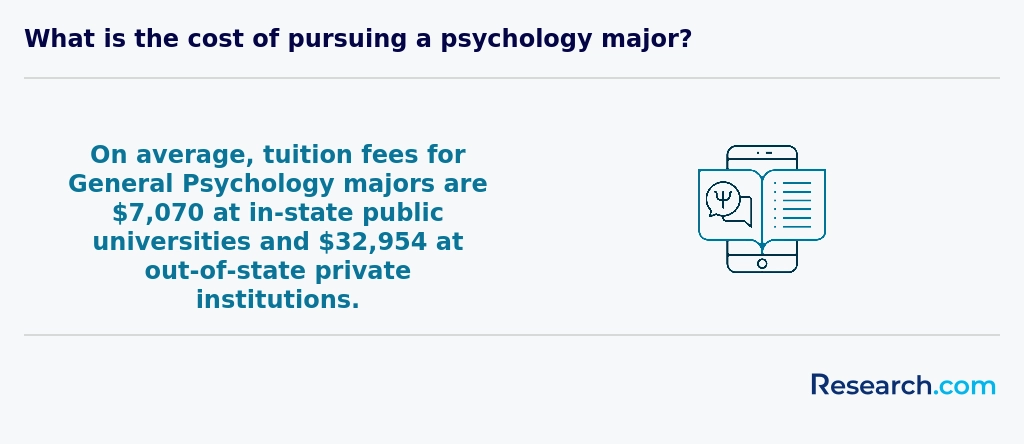
The average cost of a psychology degree in Austin varies depending on the institution and degree level. At the University of Texas at Austin, tuition for in-state undergraduates is typically more affordable, averaging around $10,000 per year. Many students find this manageable through scholarships or part-time work, balancing study and income. Graduates often mention how UT Austin's strong reputation and research opportunities add value beyond cost, making their investment worthwhile.
Out-of-state students can expect higher tuition, sometimes exceeding $38,000 annually, but programs frequently offer assistantships or research positions that help offset expenses. Some local colleges provide more affordable options with strong community ties, which appeal to working professionals pursuing online or hybrid psychology degrees.
Graduates emphasize that the practical experience gained from internships or research projects in Austin's mental health sector often leads to rewarding job prospects, making the financial commitment feel purposeful and motivating. Careful budgeting combined with Austin's job growth in psychology helps many students view their education as a solid investment in their future.
Where can I work with psychology degree in Austin?
Psychology graduates in Austin find diverse work opportunities spanning healthcare, education, tech, and government sectors. Many secure positions in hospitals and mental health clinics, often collaborating with institutions like Dell Medical School at the University of Texas. These roles let grads apply clinical skills to help people manage anxiety, depression, or substance abuse, creating a rewarding impact on their community.
School psychologists and counselors are frequently hired by the Austin Independent School District or private schools, supporting student mental wellness daily. Universities including the University of Texas employ psychology graduates as research assistants or lecturers, allowing them to grow in academia while contributing to cutting-edge studies.
Others leverage psychology skills in Austin's booming tech scene, working in startups or established companies on market research, UX design, or organizational development. Graduates often mention how these roles combine psychology with innovation, enhancing workplace culture and user experiences. Government health departments and social service agencies also hire grads to design behavioral programs, providing meaningful public service careers tailored to Austin's needs.
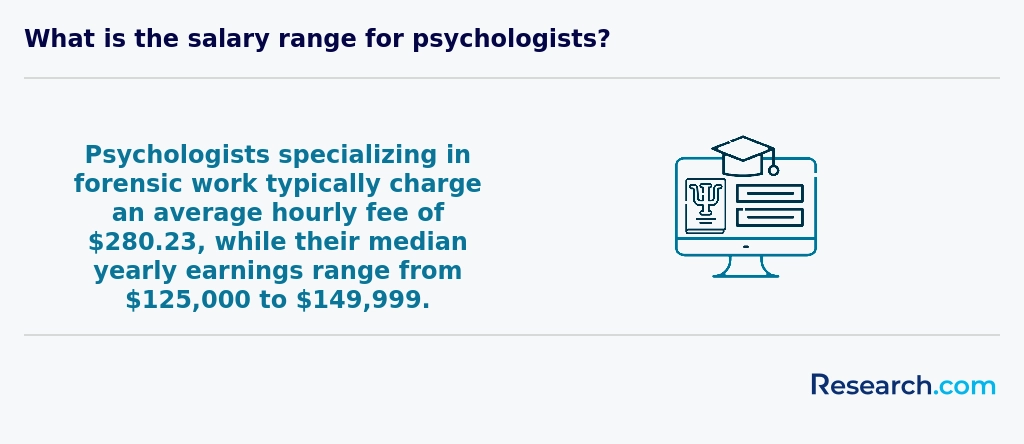
Graduates with a psychology degree in Austin can expect varied earning potentials depending on their chosen career path and level of education. For example, those stepping into roles as Human Resources Specialists-common for bachelor's degree holders-earn a mean annual wage of about $76,060. This salary reflects positions that blend psychology knowledge with workplace dynamics, often found in Austin's tech companies and corporate offices near the University of Texas at Austin.
Marketing Research Analyst roles, which appeal to psychology graduates interested in consumer behavior, offer an average annual wage of $83,190. Graduates working in these positions often find themselves equipped to handle the growing demand for data-driven insights in Austin's vibrant startup scene.
Those pursuing clinical research may take positions as Clinical Research Associates or Survey Researchers, each earning a mean salary near $62,370 annually. Graduates from Austin's prominent psychology programs appreciate how these roles provide valuable experience in healthcare and social science research settings while offering a solid entry salary.
Overall, Austin's thriving job market and strong university programs provide an encouraging environment where psychology graduates can build rewarding careers with competitive salaries right after graduation.
- Austin offers psychology programs at multiple universities, including the University of Texas at Austin, which provides undergraduate and graduate degrees.
- In-state tuition at public universities in Austin averages around $11,842 per year, while private institutions can exceed $30,000 annually.
- Entry-level psychology graduates in Austin typically earn about $50,000 per year, with mid-career salaries ranging from $70,000 to $90,000.
- The job market for psychologists in Austin is growing at a rate of 8% over the next decade, faster than the average for all occupations.
- Common careers include clinical psychologist, school counselor, and research analyst, with advanced degrees and certifications increasing job prospects.
- Practical training through internships and supervised clinical hours is essential for licensure, especially in counseling and clinical psychology fields.
Completing a psychology degree in Austin typically takes about four years for a bachelor's degree when attending full-time. Graduates from institutions like the University of Texas at Austin often appreciate the balanced pace, allowing them to engage fully in coursework and on-campus activities without feeling rushed. This timeframe offers enough space to build a strong foundation while preparing for employment or further studies.
For those pursuing a master's degree, expect an additional two to three years. Many Austin students find part-time options helpful to manage work or personal commitments alongside their studies, especially in specialized areas such as clinical or counseling psychology. These flexible schedules make advanced degrees more accessible and practical for busy lives.
Doctoral programs in Austin, particularly at UT Austin, usually require five to seven years after the bachelor's degree. Graduates express satisfaction in spending this time deeply involved in research and internships, key for real-world readiness and licensing. Choosing full-time enrollment can shorten the journey, while part-time study allows for balancing other responsibilities effectively.
Factors like enrollment status, program focus, and internship demands significantly influence completion time. Planning ahead by consulting advisors at local universities can help you select a path that fits your lifestyle and goals, ensuring a rewarding psychology education in Austin.
When evaluating the true value of a psychology degree in Austin, TX, it’s essential to consider the return on investment (ROI)-the balance between tuition costs and post‐graduation earnings. On average, a bachelor’s degree in psychology from in-state public universities in Texas carries a tuition of approximately $23,158 per year, while graduates report mean starting salaries near $50,000. This suggests a break-even period of roughly four to five years for full-time professionals such as Human Resources Specialists or Clinical Research Associates. Factoring in living expenses and student loan interest, students who minimize debt through scholarships or work-study programs can accelerate their ROI and enter the workforce with greater financial stability. Prospective students should also compare regional tuition rates and cost-of-living metrics to identify programs that optimize both affordability and quality. For example, Hawaii’s universities offer competitive tuition structures paired with strong post-graduation outcomes. To explore cost-effective alternatives beyond Texas, review our Affordable Psychology Degree Programs Ranking in Hawaii, which highlights institutions where graduates see high salary trajectories relative to lower average tuition. By conducting a comprehensive ROI analysis-examining average debt loads, expected salary growth, and program accreditation-students can make informed decisions that align their educational investment with long-term career goals and financial wellness.
Choosing between an online or on-campus psychology degree in Austin depends on your lifestyle and learning preferences. On-campus programs at universities like the University of Texas at Austin offer hands-on experiences with labs, group projects, and easy access to local internships at hospitals or schools. Graduates often share how face-to-face interaction with professors and peers boosted their confidence and helped build professional networks.
In contrast, online programs provide flexibility ideal for working adults or those balancing family commitments, letting you study from home with digital lectures and virtual discussions. Many local students appreciate that well-known Austin colleges offering online psychology maintain rigorous standards and sometimes require weekend residencies or local practicum placements to meet Texas licensure rules.
Online learners often mention the development of strong self-motivation and time management skills, while on-campus students enjoy the social engagement that drives their motivation daily. Both paths can lead to rewarding careers in psychology in Austin's vibrant healthcare and education sectors.
When considering a psychology degree, one of the most important decisions is choosing the right location for your studies. Austin, TX, stands out as a vibrant city that offers a unique blend of academic excellence, cultural diversity, and professional opportunities. For those interested in pursuing a career in psychology, Austin provides an ideal environment, with numerous institutions offering valuable psychology schools in Texas. The city's thriving healthcare and education sectors, combined with its growing tech industry, create a dynamic job market with diverse opportunities for psychology graduates. Whether you're interested in clinical psychology, counseling, or research, Austin's psychology degree programs are designed to equip you with the theoretical knowledge, practical skills, and networking opportunities necessary to succeed in your chosen career path.
The average cost of a psychology degree in Austin varies significantly depending on residency status and institution type. For in-state students attending public universities like the University of Texas at Austin, the median total cost is approximately $23,500. This figure includes tuition, fees, and additional educational expenses, providing a manageable pathway for many local students pursuing psychology degrees in Austin. Out-of-state students, on the other hand, can expect median total costs near $60,596, reflecting the higher tuition rates typical for non-residents.
Graduates who completed their psychology degrees at Austin's public institutions often highlight the support available through scholarships and assistantships, which helped ease financial pressures. Private colleges in the area tend to be more costly, with tuition and fees reaching upward of $30,000 annually. Yet, these schools sometimes offer valuable networking opportunities and specialized programs that can make the investment worthwhile.
Students managing the average cost of psychology degree in Austin TX benefit from careful budgeting, taking into account not only tuition but living expenses such as housing and textbooks. Many find that joining student organizations, applying for grants early, and connecting with campus advisors opens doors to financial aid programs. Exploring options at the valuable psychology schools in Texas can reveal targeted scholarships and resources suited to your academic goals as well.
Graduates must choose programs accredited by the American Psychological Association (APA) or regionally recognized agencies to qualify for state licensure and the EPPP exam.
- Verify APA accreditation status or regional accreditation recognized by the Council for Higher Education Accreditation.
- Confirm curriculum includes supervised practicum and internship hours required by your state board.
- Review program data on EPPP pass rates and internship placement outcomes.
- Select capstone, thesis, or comprehensive exam tracks that meet state research and exam prerequisites.
For students seeking a streamlined path, an accelerated psychology degree can deliver full accreditation and licensure alignment in an accelerated timeframe.
A psychology student at the University of Texas at Austin shared how federal Pell Grants were essential in covering part of their tuition, letting them focus more on studies than finances. Pell Grants, which can award up to $7,395 for the 2023-2024 year, do not need repayment and are awarded based on financial need. Many students also rely on Direct Subsidized and Unsubsidized Loans, which offer manageable interest rates and flexible repayment plans, making it easier to handle graduate fees that can reach up to $20,000 annually.
State aid is another important resource. For example, psychology students often benefit from the Texas Public Education Grant and the Texas Educational Opportunity Grant (TEOG) if they qualify as in-state residents. These grants reward academic achievement and assist low-income students, common among Austin community college attendees who later transfer to major universities.
Merit-based scholarships provided by psychology departments at Austin Community College and the University of Texas allow students to reduce reliance on loans. Graduates report feeling motivated knowing their academic efforts can ease financial stress. Additionally, federal and state work-study programs provide valuable hands-on experience in mental health organizations, paying wages that help with day-to-day expenses while building a strong resume.
Ensuring that a psychology program holds proper accreditation is critical for both educational quality and future licensure. In Austin, top institutions typically maintain regional accreditation through the Southern Association of Colleges and Schools Commission on Colleges (SACSCOC) while doctoral and master’s programs often carry American Psychological Association (APA) accreditation. This dual recognition guarantees that curricula meet rigorous standards in research methodology, ethical practice, and clinical training. Students should verify that their chosen institution’s psychology department undergoes regular external reviews and publishes clear outcomes for graduation rates, licensure exam pass rates, and job placement. Programs without APA or regionally recognized accreditation may limit eligibility for internships, graduate study, and state licensure-key factors in career advancement. For example, Texas state licensing boards require degrees from APA-accredited programs for clinical and counseling psychologist credentials. For those seeking flexibility, an accredited online psychology degree combines the convenience of remote learning with the integrity of accredited coursework. These online tracks follow identical accreditation criteria, ensuring that virtual internships and practicum experiences adhere to the same ethical and professional guidelines as on-campus offerings. By prioritizing accreditation and transparent quality metrics, students can confidently invest in programs that support both academic excellence and seamless progression into licensure and practice.
To enroll in a psychology degree program in Austin, students typically need a strong academic foundation. Graduates from the University of Texas at Austin often reflect on how excelling in science and math courses during high school boosted their confidence and readiness. While no specific psychology courses are strictly required at the bachelor's level, showing solid performance in related subjects helps your application stand out.
For graduate psychology programs in Austin, it's crucial to have completed a bachelor's degree, preferably in psychology or a related field such as sociology or biology. Many students shared that having taken foundational classes like Introduction to Psychology, Statistics or Research Methods, Biological Bases of Behavior, Cognitive Psychology, and Developmental Psychology proved invaluable. Hands-on experiences, such as internships or assisting in research labs, also enhance your application by demonstrating genuine passion and practical skills.
Applicants often mention how submitting thoughtful letters of recommendation and a clear personal statement helped highlight their dedication. Checking specific prerequisites at local universities and leveraging advising centers in Austin can make this process smoother and more tailored to your goals.

For many students, earning a psychology degree in Austin, TX is just the beginning of a lifelong learning journey. As the field evolves with emerging research and innovative methodologies, many graduates choose to build on their foundations with advanced studies to boost their expertise and career potential. Pursuing further education through specialized graduate programs can open doors to more competitive roles, improved salary prospects, and leadership positions in both clinical and research settings. For instance, many educational institutions now offer flexible learning options, including masters in psychology online texas, which cater to working professionals seeking to enhance their qualifications while managing busy schedules. By integrating advanced curriculum elements, hands-on projects, and collaboration with industry professionals, these programs not only strengthen academic credentials but also emphasize practical skills that are highly valued in today's job market. Emphasizing continuous professional development reinforces the importance of staying current with industry trends and best practices, thereby ensuring graduates are well-equipped to meet the demands of a rapidly changing workforce.
Students pursuing psychology degrees in Austin, particularly at the University of Texas at Austin, engage in a curriculum that balances theory with practical application. Typical courses include Introduction to Psychology, where graduates recall their first eye-opening lessons about human behavior and mental processes that ignited their passion for the field. Research Methods and Statistics classes equip students with essential tools to design studies and interpret data, skills highlighted by many graduates as crucial when working on real-world projects or internships in local healthcare settings.
Courses like Biological Psychology demonstrate how the brain influences behavior, often involving interactive labs that make the material come alive, enhancing understanding beyond textbooks. Cognitive and Developmental Psychology deepen insight into thought processes and human growth, preparing students to connect theory with client experiences they encounter during practicum placements in Austin's diverse communities. Social and Abnormal Psychology further challenge students to analyze interpersonal dynamics and mental health disorders, skills described by graduates as invaluable for counseling and social service roles throughout the city.
These core courses, supplemented by electives such as clinical or industrial-organizational psychology, help Austin students build a versatile foundation. Hands-on seminars and labs commonly integrated by top universities in Austin ensure graduates feel confident and ready to contribute meaningfully to psychology-related professions in the region.
Psychology degree specializations in Austin typically include clinical psychology, counseling psychology, and developmental psychology, all of which equip students for diverse career paths. Graduates from the University of Texas at Austin often share how clinical psychology helped them feel confident diagnosing and treating mental health disorders, while counseling psychology prepared others to support clients through personal challenges. Developmental psychology is another popular choice, focusing on growth across the lifespan, which appeals to those interested in working with children or the elderly.
Other specializations available in local programs highlight Austin's dynamic job market, such as neuropsychology, industrial-organizational psychology, and forensic psychology. For example, students attracted to Austin's tech scene have found industrial-organizational psychology rewarding, applying psychological insights to enhance workplace productivity. Those fascinated by law and justice appreciate forensic psychology's real-world relevance.
Many students take advantage of interdisciplinary studies, combining psychology with neuroscience or business to boost employability. For flexible learning, some explore options like masters in psychology online texas, allowing them to balance education with work or family.
To choose the best psychology degree in Austin, start by verifying program accreditation, as graduates often highlight how accredited programs at institutions like the University of Texas at Austin helped them qualify for licensure and find rewarding jobs. Next, consider curriculum focus-some students found that programs emphasizing clinical psychology prepared them better for counseling roles, while others appreciated schools offering strong research opportunities aligned with cognitive neuroscience or industrial-organizational psychology. Exploring faculty expertise and hands-on research options can deepen your learning and boost career readiness.
Affordability is key when searching for the best affordable psychology degree Austin offers. Public universities usually have lower tuition compared to private colleges, but financial aid and scholarships can make private options more accessible. Many students also researched and chose accredited online psychology degree programs to balance cost and flexibility.
Finally, prioritize programs connected to Austin's growing mental health job market, offering internships and career counseling. Graduates often praise these local ties for smoothing their transition into rewarding psychology careers.
Graduates from psychology programs in Austin enjoy diverse career opportunities shaped by the city's dynamic healthcare and tech sectors. Many find rewarding roles as mental health counselors or clinical psychologists, leveraging training gained at popular institutions like the University of Texas at Austin. These graduates often share how fulfilling it is to support local communities, especially amid rising demand for mental wellness services.
The tech industry's rapid growth fuels roles in user experience (UX) research and organizational development. Psychology degree job prospects Austin include positions where understanding human behavior improves product design and workplace culture, providing a stimulating environment for those interested in applied psychology within corporate settings.
Education and research are also common routes. Graduates speak highly of working as school counselors or educational psychologists, roles where their knowledge directly impacts student success. Pursuing academic research through Austin's expanding university system offers chances to contribute to meaningful studies.
- Mental health counselor or clinical psychologist
- User experience (UX) researcher or designer
- Human resources specialist
- School counselor or educational psychologist
- Academic or applied researcher
- Rehabilitation specialist
For students exploring cost-effective options, consulting the Affordable Psychology Degree Programs Ranking in Hawaii can provide insights into managing tuition expenses while pursuing these promising career paths.
The psychology degree job outlook Austin is promising, driven by a 15% projected growth in psychologist employment over the next decade, outpacing the national average. Graduates from well-known Austin universities often find opportunities quickly in mental health clinics and hospitals, benefiting from the city's rising awareness of mental health needs. Many report gaining meaningful experience working alongside licensed psychologists, which enhances their practical skills and confidence in clinical roles.
Career opportunities for psychology graduates in Austin extend to schools and corporate environments as well. School psychologists are increasingly in demand to support student development, while corporations seek experts in organizational psychology to improve workplace culture and productivity. Graduates frequently share how internships in these areas during their studies opened doors to full-time positions after graduation.
Those considering shorter or supplemental education options may explore 6-month certificate programs that pay well, which some psychology students in Austin use to boost their credentials and enter the workforce faster, adapting to the competitive local job market.
2027 Most Valuable Psychology Degree Programs Ranking in Austin
Investing in your education is a significant decision that can shape your future, and the Research.com team fully understands the importance of making well-informed choices. To support aspiring students in Austin, we have carefully developed the "2027 Most Valuable Psychology Degree Programs Ranking in Austin." Our dedication to quality, credibility, and accuracy is demonstrated through rigorous analysis and thorough research behind this ranking.
We utilized the following reputable data sources to ensure a comprehensive evaluation of psychology degree programs:
By exploring this ranking, readers will obtain valuable insights into the most valuable psychology degree programs in Austin, equipping them to make confident and informed educational decisions. For more details on how this ranking was created, please visit our Research.com methodology page.


Frequently Asked Questions About psychology
Psychology degree students in Austin can maximize their learning by actively engaging with local research opportunities. Austin hosts multiple institutions like The University of Texas at Austin, known for its strong psychology department ranked among the top 20 nationwide by U.S. News & World Report (2023).
Participating in internships or assistantships within Austin's diverse mental health organizations helps students apply theoretical concepts firsthand. According to the American Psychological Association, practical experience significantly enhances skill development and job readiness.
Furthermore, joining psychology-related student groups and attending local conferences promotes networking and exposes students to emerging trends in the field.
Utilizing state-funded resources such as Austin Community College's counseling programs also broadens learning beyond the classroom.
The psychology field is rapidly evolving, with several emerging niches gaining attention in Austin and across the U.S. One growing area is neuropsychology, which explores how brain function affects behavior. Austin's healthcare and research institutions support this specialty with advanced facilities and funding.
Another expanding niche is health psychology, focusing on how psychological factors influence physical health. According to the U.S. Bureau of Labor Statistics, demand for health psychologists is expected to grow by 8% through 2030, reflecting broader healthcare trends.
Additionally, industrial-organizational psychology is gaining traction in Austin's tech-driven economy, helping companies improve workplace culture and productivity. This niche offers promising career opportunities in corporate settings and consulting.
After earning a psychology degree in Austin, preparing for the job market involves several important steps. First, gaining practical experience through internships or volunteering with local mental health clinics or research centers strengthens your resume. According to the Texas Workforce Commission, Austin's demand for psychology-related roles is growing faster than the national average. Networking within Austin's active psychology community, including attending events hosted by organizations like the Texas Psychological Association, can open job opportunities. Additionally, obtaining relevant certifications or considering advanced degrees can improve employment prospects. Developing skills in data analysis and counseling is also valuable in this competitive market.
Employers in Austin highly value psychology degree graduates who demonstrate strong analytical and critical thinking skills. These abilities are essential for interpreting research data and applying psychological principles in real-world settings.
Communication skills, both written and verbal, are also crucial. Graduates must effectively convey complex ideas to diverse audiences, including clients and interdisciplinary teams.
According to the Texas Workforce Commission (2023), problem-solving and interpersonal skills rank among the top competencies for psychology roles in Austin's growing healthcare and social services sectors.
Additionally, proficiency in ethical decision-making and cultural competence is increasingly sought after to navigate Austin's diverse population responsibly.
Finding psychology internships in Austin involves several practical steps supported by local resources. Start by exploring internship offerings at major universities such as The University of Texas at Austin, which hosts a psychology department with established connections to local clinics and research labs. These internships often provide hands-on experience in clinical, counseling, or research settings.
Additionally, Austin's growing healthcare sector offers internships through hospitals like Dell Seton Medical Center and mental health clinics. The Texas Psychological Association and local chapters of national organizations can also be valuable for networking and finding opportunities.
Online platforms like Handshake and internships.com frequently list psychology internships specific to Austin and Texas. According to the Bureau of Labor Statistics, internships improve employability by nearly 20% among psychology graduates, highlighting the importance of gaining experience early in your career.
A psychology degree in Austin significantly enhances career mobility and advancement opportunities. Graduates gain foundational knowledge in human behavior, which is highly valued across diverse fields such as healthcare, education, social services, and business. According to the U.S. Bureau of Labor Statistics, employment of psychologists in Texas is projected to grow by 14% from 2022 to 2032, faster than the national average. This growth supports increased demand for professionals with psychology expertise in Austin's expanding healthcare and tech industries.
Possessing a degree allows entry into specialized roles, including counseling, research, or human resources. Advanced degrees often lead to higher salaries and leadership positions. Indeed, the Austin metropolitan area reports a median psychologist salary above $90,000 annually, reflecting strong local demand. Networking within Austin's academic and professional communities further aids career development.
Studying for a psychology degree in Austin equips students with skills useful across multiple disciplines. Programs often combine psychological theory with practical applications in healthcare, education, business, and technology. This interdisciplinary approach reflects Austin's diverse economy, including its growing tech sector and healthcare facilities.
Local universities emphasize hands-on experiences such as internships and research projects that encourage collaboration with other departments like neuroscience, sociology, and data science. According to the Texas Higher Education Coordinating Board, over 60% of psychology graduates in Texas engage in interdisciplinary roles within five years of graduation.
These programs foster critical thinking, quantitative analysis, and communication skills, making graduates adaptable in varied professional environments.
Choosing between a thesis and a non-thesis psychology degree program in Austin depends largely on your career goals and learning preferences. Thesis programs typically require original research and a written dissertation, ideal for students aiming for academic, research, or doctoral study paths. According to the American Psychological Association, students completing a thesis gain valuable research skills sought after in research roles.
Non-thesis programs focus more on coursework and practical applications, often preferred by professionals seeking to enter clinical settings or applied psychology quickly. The University of Texas at Austin offers both options, reflecting a national trend where about 60% of psychology master's students opt for non-thesis tracks to expedite graduation.
Consider your future plans carefully: thesis options can extend study time by 6 to 12 months but enhance scholarly expertise, while non-thesis programs typically last 1.5 to 2 years and emphasize hands-on experience.
Students in Austin seeking to study psychology abroad have several pathways through partnerships and exchange programs offered by local universities, such as the University of Texas at Austin (UT Austin). UT Austin, which enrolls over 10,000 psychology majors and minors, provides study-abroad options in countries including the United Kingdom, Australia, and Germany. These programs allow students to earn credits transferable toward their psychology degree while gaining international research and cultural experience.
Additionally, many U.S. institutions participate in programs like ISEP and CIEE, which facilitate placements worldwide in psychology-related courses. Students should consult their home university's study abroad office to explore options that suit their academic goals and ensure coursework aligns with APA accreditation standards.
In Austin, students pursuing psychology degrees can find various part-time jobs that enrich their academic experience. Opportunities such as research assistants at institutions like the University of Texas at Austin allow students to gain hands-on experience in psychological studies. These positions often involve data collection and analysis, directly complementing coursework.
Additionally, local healthcare settings frequently seek part-time behavioral health technicians or psychiatric aides, providing exposure to clinical environments. According to the Bureau of Labor Statistics, these roles offer practical experience relevant to many psychology careers.
Volunteer roles in community mental health organizations are also valuable, enhancing interpersonal skills and cultural competence, important in psychology practice. Austin's expanding mental health services sector supports numerous such openings.
Psychology students in Austin benefit from numerous networking opportunities that enhance their academic and professional growth. Universities like the University of Texas at Austin offer access to psychology clubs and honor societies, fostering connections among peers and faculty. Local chapters of national organizations, such as the American Psychological Association (APA), provide students with workshops, conferences, and volunteer opportunities within the city.
Austin's growing healthcare and research sectors also host networking events, where students can meet licensed psychologists, clinicians, and researchers. According to the Texas Workforce Commission, the demand for psychology professionals in the Austin metro area is expected to grow 15% by 2030, highlighting the value of these connections.
Internships available through local hospitals and community centers further support building practical networks. Overall, Austin offers a rich environment for psychology students seeking to develop professional relationships early in their careers.
Alumni networks offer significant benefits to psychology degree students in Austin by providing valuable professional connections. Many local universities, such as the University of Texas at Austin, maintain active alumni groups that help students access internships and job opportunities. According to the Texas Psychological Association, nearly 60% of psychology graduates find employment through networking within the first year after graduation.
These networks also offer mentorship programs where experienced alumni guide students in career planning and graduate school applications. Furthermore, alumni events and online platforms facilitate knowledge sharing about developments in psychology fields relevant to Austin's diverse population.
Such connections enhance students' chances of gaining practical experience and can improve outcomes in a competitive job market.
Customizing a psychology degree program in Austin starts with choosing electives that align with your career goals. Many local universities offer specialized courses such as clinical psychology, neuropsychology, or industrial-organizational psychology.
Internship opportunities are vital to tailoring your degree. Austin's growing healthcare and tech sectors provide diverse settings for practical experience, which helps build relevant skills.
Students can also often select research projects or thesis topics that focus on areas like mental health trends in Texas, supported by resources such as the Texas Psychological Association.
Additionally, some programs offer flexible schedules or part-time options, accommodating working professionals aiming to advance in specific psychology fields.
Psychology students in Austin commonly face several significant challenges during their studies. One primary difficulty is managing the rigorous academic workload, especially in courses requiring extensive reading, research, and data analysis. According to the American Psychological Association, students often report high stress linked to balancing coursework with clinical practicum hours.
Another challenge is securing quality internships and fieldwork opportunities. Austin's competitive market means students must be proactive in networking to gain relevant experience essential for licensure. Additionally, rising tuition costs at Texas universities can create financial strain, compounded by the limited availability of psychology-specific scholarships.
Mental health is a notable concern as well; students studying psychology frequently encounter personal stressors while learning about complex emotional disorders. Local counseling centers report increased demand from psychology students seeking support.
With a psychology degree in Austin, graduates can pursue several professional certifications that enhance career opportunities. One common certification is the Licensed Professional Counselor (LPC), which requires both a master's degree and supervised clinical experience. The Texas Behavioral Health Executive Council oversees this license, important for those wishing to practice counseling in the state.
Another certification is the Board Certified Behavior Analyst (BCBA), valuable in fields like developmental disabilities and autism support. Candidates must complete graduate coursework and pass a national exam.
For those interested in school psychology, the National Certified School Psychologist (NCSP) credential is available after completing an approved program and internship. These certifications improve your job prospects in Austin's growing mental health sector, which according to the U.S. Bureau of Labor Statistics, expects a 17% employment increase for counselors in Texas by 2030.
To write a winning application for a psychology program in Austin, start by clearly demonstrating your passion for the field. Admissions committees typically look for applicants with strong academic records; aim for a GPA of 3.5 or higher, especially in relevant coursework like biology, statistics, and psychology.
Highlight practical experience, such as internships or volunteer work in mental health settings, which improves your chances. Schools like the University of Texas at Austin emphasize research involvement, so mentioning any participation in psychology research is valuable.
Prepare a compelling personal statement that explains your goals and why you chose Austin. According to the American Psychological Association, applicants who show clear career objectives tend to stand out.
Also, secure strong letters of recommendation from professionals familiar with your academic and personal qualities. Finally, ensure your standardized test scores, if required, meet or exceed program averages.
The global perspective on a psychology career emphasizes its growing importance in understanding human behavior and mental health worldwide. In the U.S., including Austin, psychology professionals are increasingly involved in diverse fields such as healthcare, education, and business. According to the U.S. Bureau of Labor Statistics, psychology jobs are expected to grow 8% from 2021 to 2031, faster than the average for all occupations.
International collaboration in psychology research enhances cultural competence, a critical skill in Austin's diverse population. Universities here often incorporate global views into their curricula to prepare students for these challenges.
Students pursuing psychology degrees in Austin can gain practical experience through internships and research assistant positions, which are often integrated into degree programs. Universities such as the University of Texas at Austin offer access to labs and community clinics where students can apply theoretical knowledge. According to the American Psychological Association, participating in supervised internships enhances skill development and employability.
Additionally, many local organizations, including mental health clinics and nonprofit agencies, welcome psychology students for volunteer roles. This helps students build hands-on experience working with diverse populations while networking professionally. Austin's growing healthcare sector provides numerous opportunities for meaningful internships relevant to psychology careers.
Students should consult their academic advisors and career centers for placement guidance. Joining psychology clubs and attending conferences can also deepen exposure to real-world practice and research trends.
Choosing the right concentration within a psychology degree program in Austin starts with understanding your career goals. Psychology offers various tracks such as clinical, counseling, industrial-organizational, and neuropsychology. Each leads to different job opportunities and further specialization. For example, clinical psychology is popular among Austin students aiming to become licensed therapists, reflecting national trends reported by the American Psychological Association.
Consider also the resources and faculty expertise available locally. The University of Texas at Austin, a major research center, emphasizes cognitive and behavioral psychology, which can influence your choice based on research interests.
Additionally, explore internship and practicum options in Austin, as hands-on experience strongly impacts employability.
- 2027 Most Valuable Psychology Degree Programs Ranking in Baton Rouge
- 2027 Most Valuable Psychology Degree Programs Ranking in Tulsa
- 2027 Most Valuable Psychology Degree Programs Ranking in Hattiesburg
- 2027 Most Valuable Psychology Degree Programs Ranking in Springfield
- 2027 Most Valuable Psychology Degree Programs Ranking in Mobile
- 2027 Most Valuable Psychology Degree Programs Ranking in Birmingham
- 2027 Most Valuable Psychology Degree Programs Ranking in Montgomery
- 2027 Most Valuable Psychology Degree Programs Ranking in Saint Louis
- 2027 Most Valuable Psychology Degree Programs Ranking in Lincoln
- 2027 Most Valuable Psychology Degree Programs Ranking in Denver
See What Experts Have To Say About Studying Psychology
Read our interview with Psychology experts

Catherine Caldwell-Harris, Ph.D.
Psychology Expert
Associate Professor of Psychology
Boston University

Joann Farrell Quinn, Ph.D., MBA
Psychology Expert
Director at the College of Medicine Department of Medical Education
Morsani College of Medicine

Elizabeth L. Jeglic Ph.D.
Psychology Expert
Professor of Psychology
City University of New York

- Call for papers https://www.hogrefe.com/us/journal/international-perspectives-in-psychology-research-practice-consultation
- Financial Aid at Austin College | Sherman, TX https://www.austincollege.edu/admission/financial-aid
- Psychology… at The University of Texas at Austin | Vaia https://www.vaia.com/s/degree/the-university-of-texas-at-austin/psychology-general-bachelors-award-unknown/
- How To Find Psychology Internships https://www.psychology.org/resources/how-to-find-an-internship/
- Austin Bachelor in Psychology (BA) Degree | South University https://www.southuniversity.edu/austin/psychology-ba
- Search | Texas Psychological Association https://careers.texaspsyc.org/jobs
- How to help students cope with mental health challenges https://www.eaie.org/resource/help-students-cope-mental-health-challenges.html
- Know more about thesis vs non- thesis: what is the difference? https://studyfans.com/en/blogs/816
- Psychology - SWPS University https://english.swps.pl/academics/warsaw/ba-programs/psychology
- Society for the Teaching of Psychology https://teachpsych.org/page-1784686/8675326


