
2027 Most Valuable Psychology Degree Programs Ranking in Denver

Co-Founder and Chief Data Scientist
Choosing the right psychology degree program can feel overwhelming, especially with so many options in Denver. This article introduces the 2027 most valuable psychology degree programs ranking in Denver, created by the Research.com team of data scientists. It's designed to help you make informed decisions based on reliable data.
Reading this ranking will give you clear insights into programs that offer strong potential for your future career. Pursuing a psychology degree is rewarding and opens doors to meaningful opportunities in understanding human behavior and helping others thrive.
Key benefits of getting psychology degree in Denver
- Salary for psychology degree graduates: Graduates can earn competitive wages, such as $62,370 annually for Clinical Research Associates or Survey Researchers, and up to $83,190 for Marketing Research Analysts, reflecting strong earning potential in related fields.
- Career paths: Psychology graduates in Denver often find rewarding roles in research, human resources, or clinical settings, with options to work in healthcare or corporate environments that value interpersonal skills and data analysis.
- Benefits of online degrees: Pursuing a psychology degree online offers flexibility for busy students, allowing them to balance work and study while gaining practical knowledge from respected Denver-based universities without commuting stress.
- 2027 Most Valuable Psychology Degree Programs Ranking in Denver
- What can I expect from psychology degree in Denver?
- Where can I work with psychology degree in Denver?
What can I expect from psychology degree in Denver?
The average cost of pursuing a psychology degree in Denver feels like an investment in both your future and your community. Graduates from the University of Denver often share how their in-state undergraduate tuition landed between $7,000 and $15,000 per year, a figure that feels manageable when balanced against rich hands-on experiences and vibrant campus connections. Metropolitan State University of Denver students echo this, appreciating how their tuition aligns with the immersive internships and practicum work embedded in the programs.
For those diving into graduate studies, the price tag rises, but many find joy in the support systems available-financial aid, scholarships, and assistantships that soften the tuition blow while unlocking doors to clinical practice and licensure.
Imagine walking through downtown Denver, knowing your education cost has paved the way to contribute meaningfully at local hospitals or schools, where the demand for compassionate psychologists grows as steadily as the city itself. This investment isn't just dollars; it's the foundation for a career that touches lives every day.
Where can I work with psychology degree in Denver?
Graduates from the University of Denver or the University of Colorado Denver often find themselves thriving in diverse roles that stretch far beyond textbooks. Imagine a graduate walking the halls of a bustling mental health clinic in Denver, offering real healing and hope, where their psychology degree transforms into a lifeline for those facing challenges.
Others seamlessly slip into the rhythm of urban schools, becoming pillars of support as school psychologists or counselors, shaping brighter futures for children navigating city life. Denver Public Schools' growing need for these specialists makes this a thriving path.
Some adventures lead into government agencies or social service roles, working behind the scenes on programs that genuinely uplift Denver's communities-turning research into real-world impact. Picture the satisfaction of crafting policy that changes lives, fueled by knowledge gained through local research internships.
And the corporate world? Psychology grads dive into dynamic human resources roles, using behavioral insights to boost morale and spark innovation in Denver's vibrant business scene. It's a playground for applying science to people, right in your backyard.
These paths show that a psychology degree in Denver is not just a credential-it's a passport to meaningful work in places where passion meets purpose.
Picture this: a recent psychology graduate from the University of Denver steps into the job market and lands a role as a Human Resources Specialist, earning around $76,060 per year. It's not just theory and textbooks-this is real-life money fueling rent, coffee runs, and weekend getaways. Or consider a peer from Metropolitan State University climbing into a Marketing Research Analyst position, basking in an average salary of $83,190, blending psychological savvy with market insights to shape business decisions.
For those drawn to research roles, graduates often pivot into becoming Clinical Research Associates or Survey Researchers, both fetching an average yearly wage near $62,370. Imagine analyzing behavioral data for a health startup in Denver's tech-happy ecosystem, contributing to breakthrough mental health solutions while funding your passion.
Childcare roles also beckon psychology grads, with earnings around $32,070 annually, offering hands-on experience in developmental psychology. Think of nurturing young minds in a bustling Denver preschool-where your psychology degree creates a ripple of impact and steady paycheck.
Denver's vibrant blend of universities and a growing healthcare sector lets psychology grads craft careers that mix meaning with money, right in the heart of the Rockies.
- Tuition for psychology programs in Denver ranges from $10,000 to $15,000 per year at public in-state universities and $30,000 to $45,000 at private colleges.
- Starting salaries for entry-level psychology jobs in Denver typically range between $40,000 and $50,000 annually.
- Graduates with advanced degrees in psychology can expect median salaries around $70,000 within five years after graduation.
- Licensed psychologists in Denver earn an average salary exceeding $90,000 per year.
- Employment in psychology-related fields in Denver is projected to grow about 13% over the next decade, faster than the national average.
- Licensure in Colorado requires completing an accredited degree, supervised clinical hours, and passing professional exams, which may add time and cost beyond the degree program.
Imagine walking through the vibrant campuses of the University of Denver or Metropolitan State University of Denver, where a bachelor's in psychology typically unfolds over a spirited four years. Graduates often share how the rhythm of classes, research projects, and late-night study sessions create a memorable journey that aligns perfectly with national standards yet feels deeply personal.
For those diving deeper at the University of Colorado Denver, the master's degree extends the adventure by around two years-sometimes three or four if juggling work and life. Alumni recall balancing focused graduate seminars with hands-on practicums, savoring the blend of theory and real-world practice that shapes their professional confidence.
Doctoral candidates embark on an odyssey lasting anywhere from four to seven years, weaving through intense research, clinical training, and dissertation milestones. Denver's universities provide a dynamic backdrop for this transformation, inspiring students to thrive despite challenges.
These timelines flex with part-time studies and personal circumstances, but the optimistic pulse of the Denver psychology community keeps students motivated, turning challenges into stepping stones toward achievement.
In Denver, CO, psychology graduates must meet specific licensure and certification requirements to practice legally and advance their careers. For those aiming to become licensed psychologists, the Colorado Board of Psychologist Examiners mandates a doctoral degree in psychology, completion of 2,000 hours of supervised professional experience, and successful passage of the Examination for Professional Practice in Psychology (EPPP). Many students explore flexible pathways by enrolling in online psy d programs, which combine rigorous coursework with virtual practicum opportunities. Aspiring school psychologists should pursue the Nationally Certified School Psychologist (NCSP) credential and a valid Colorado Department of Education License. This typically involves completing a specialist-level degree (EdS), accumulating at least 1,200 internship hours in K-12 settings, and passing the Praxis School Psychologist examination. Earning the NCSP not only enhances employability in Denver’s public and private schools but also demonstrates adherence to national standards of practice. For clinical social workers and licensed professional counselors-roles often filled by psychology majors-Colorado requires a master’s degree in the respective field, 3,000 hours of supervised clinical experience, and passage of the Association of Social Work Boards (ASWB) or National Counselor Examination (NCE). Maintaining licensure necessitates 40 hours of continuing education every two years, emphasizing ethics, diversity, and trauma-informed care. Navigating licensure in Colorado involves detailed application procedures, background checks, and verification of supervised hours. Prospective practitioners should consult the Colorado Office of Behavioral Health’s online portal for up-to-date forms and fee schedules. By understanding these requirements early, Denver psychology graduates can streamline their journey toward professional practice and ensure compliance with state regulations.
Picture a psychology student at the University of Denver, strolling through packed lecture halls, engaging in heated debates just outside Taylor Hall, and sipping coffee while forming study groups on campus lawns. That's the heartbeat of on-campus life-where nuanced theories come alive through face-to-face interaction, spontaneous conversations, and hands-on clinical placements nestled in local Denver counseling centers.
Now imagine a learner enrolled online through Metropolitan State University of Denver, logging in after the kids are asleep or between shifts, savoring the freedom to pause a lecture mid-thought or rewind to better grasp cognitive therapy principles. Flexibility becomes their superpower as they weave coursework seamlessly into chaotic days.
Graduates from both paths often speak of validation-the on-campus peers who share late-night study anxiety, and the virtual classmates scattered across Colorado whose diverse experiences spark rich discussions via chat forums. State authorization ensures online programs honor Denver's local licensing standards, so these students don't miss out on professional doors just because they learned differently.
- On-campus fosters deep-rooted connections through physical presence and real-time collaborations
- Online amplifies autonomy, enabling self-paced mastery within Denver's vibrant rhythms
Graduates of Denver’s psychology programs not only experience a transformative education but also join a thriving network of alumni whose success illustrates the lasting impact of their studies. Many former students have secured influential roles in clinical practice, organizational consulting, and research, reinforcing the reputation of local programs for producing dedicated professionals. Alumni success stories often highlight smooth transitions into advanced roles and continuous professional growth. For instance, some graduates furthered their expertise by enrolling in the best psyd programs online, capitalizing on opportunities to deepen their clinical skills and expand their career horizons. Additionally, robust career services and mentorships provided by these programs help new graduates navigate competitive job markets, while post-graduation surveys consistently reflect high satisfaction rates regarding professional readiness, job placement, and long-term career advancement. This focus on alumni outcomes not only validates the quality of education offered but also motivates prospective students to envision a future defined by success and meaningful contributions to the field of psychology.
The average cost of a psychology degree in Denver carries a weight that feels both substantial and promising. Many graduates from public universities like CU Denver recall the balance between affordable tuition-averaging around $28,732 for residents-and the excitement of immersing themselves in the vibrant psychology community. With this investment, students tap into a rigorous curriculum and valuable connections that often lead to fulfilling careers. On the other hand, private institutions push the price tag higher, bringing total costs closer to $56,026, yet many who walk those halls praise the personalized attention and diverse research opportunities that make their tuition feel well spent.
Imagine a student navigating the challenge of deciding between public affordability and private prestige while considering total expenses for psychology degree Denver programs. The scene might include applying for scholarships, budgeting for textbooks, and weighing part-time work to keep the dream alive. These everyday decisions underscore the financial choreography that shapes the academic journey.
Prospective psychology majors also benefit from exploring the valuable psychology schools in Colorado, where tailored programs and financial aid shine a light on paths that align with both passion and pocketbook. The story of each psychology degree candidate in Denver is as distinctive as the minds they strive to understand, with costs reflecting a blend of ambition and opportunity.
Pursuing a psychology degree from one of the valuable psychology schools in Colorado can be a highly rewarding decision, offering students a comprehensive education that blends theoretical foundations with practical experiences. This combination not only enhances employability but also fosters a deep understanding of human behavior, preparing graduates for a wide range of careers in fields such as mental health, education, and social services. By choosing a valuable psychology school, students can leverage the institution's reputation, academic resources, and network of professionals to launch their careers with confidence and clarity.
Imagine a psychology student at the University of Denver, scrolling nervously through tuition bills that hover between $12,000 and $15,000 annually. Relief arrives in the form of federal aid-the golden key unlocked by FAFSA. Pell Grants sparkle like unexpected treasures, offering up to $7,395 a year without the shadow of repayment. Nearby, federal loans whisper promises of low-interest support, while work-study gigs transform campus jobs into lifelines balancing books and bills.
At Metropolitan State University of Denver, residents tap into state-specific grants like the Colorado Graduate Grant Program, easing the financial weight with targeted scholarships. Graduate students often find sanctuary in assistantships, where teaching or research swaps for tuition waivers and stipends feel like earned rewards rather than handouts.
Beyond campus, the American Psychological Association waves its banner, offering scholarships and fellowships that feel like nods of recognition from the broader professional family. Many find unexpected gems in private scholarships or employer tuition reimbursements, sourcing tools from Fastweb or the College Board's Scholarship Search to weave together a financial tapestry supporting their dreams in Denver's dynamic psychology landscape.
Licensure to practice psychology in Colorado involves several clear steps:
- Graduate from an APA‐accredited doctoral program (PhD or PsyD).
- Complete at least 3,000 hours of supervised postdoctoral experience.
- Pass the Examination for Professional Practice in Psychology (EPPP).
- Pass the Colorado Jurisprudence and Ethics Examination.
- Submit an application with official transcripts, supervision verification, and required fees.
Maintaining licensure requires:
- 40 hours of approved continuing education every two years.
- At least 3 hours in ethics and 1 hour in Colorado laws per renewal cycle.
For budget‐minded students, consider the cheapest psychology degree online to fulfill educational prerequisites affordably.
To step into the vibrant world of psychology in Denver, imagine the foundation as a sturdy bridge built from high school achievements and curious minds. Graduates from the University of Denver often recall how their solid background in biology and social sciences wasn't just a checkbox but a spark that ignited their passion for understanding human behavior.
Metropolitan State University of Denver students find that meeting prerequisites means more than just submitting test scores; it's about demonstrating enthusiasm through heartfelt personal statements and glowing letters of recommendation. These tell the story behind the grades, painting a picture of eagerness and dedication.
For those aiming at graduate programs, the journey shifts gears. Holding a bachelor's degree with core classes like statistics and research methods completed becomes essential. Many feel this rigor shapes their mindset, turning abstract concepts into real tools used in labs and clinics across Denver's academic spaces.
So, preparing to enroll in psychology here feels like collecting keys-each course, each test, a step unlocking doors to deeper understanding and rewarding experiences within Denver's dynamic campuses.
After earning your degree, securing licensure is essential to practice professionally in Colorado. Understanding state requirements and certification pathways ensures a smooth transition from classroom to clinic. 1. Educational Credentials • Bachelor’s Degree: Entry-level roles (e.g., psychiatric technician) may only require a bachelor’s. • Master’s or Doctoral Degree: Clinical, counseling, and school psychologists must complete an APA-accredited master’s or doctoral program. Graduates seeking cost-effective programs should explore Inexpensive Online Master's in Psychology Degree Programs to meet educational requirements affordably. 2. Supervised Experience • Psychologist Licensure (LP): Colorado requires 2,000–3,000 hours of supervised practice under a licensed psychologist. • Licensed Professional Counselor (LPC): Master’s graduates must complete 2,000 hours of supervised counseling experience. 3. Examination Requirements • EPPP (Examination for Professional Practice in Psychology): All psychologist applicants must pass this national exam. • Colorado Jurisprudence Exam: Tests knowledge of state laws and ethical standards for psychologists and counselors. 4. Application Process • Submit official transcripts, verification of supervised hours, exam scores, and background check to the Colorado State Board of Licensed Psychologists. • Pay application and renewal fees; renew every two years with proof of continuing education (20 credits for psychologists, 24 for LPCs). 5. Continuing Education • Maintain licensure by completing approved workshops or coursework on ethics, diversity, and clinical advances. Navigating these steps early in your academic career maximizes your timeline for full professional practice in Denver’s dynamic mental health landscape.
Imagine diving into General Psychology at a bustling Denver university, where graduates recall being captivated by the mysteries of the mind-like uncovering why emotions spark in the Rockies' crisp air. Then comes the rigors of Research Methods in Psychology and Statistics, where learners transform into data detectives, crafting experiments and decoding numbers that illuminate human behavior across Denver's diverse communities.
In classes on Biopsychology or Neuroscience, students feel the pulse of brainwaves, linking biology with everyday actions like hiking or urban living. Those fascinated by growth stories gravitate to Developmental Psychology, imagining how Denver kids evolve amid mountain adventures and city culture.
Clinical skills are honed through Abnormal Psychology, with graduates reflecting on engaging case studies rooted in local mental health contexts. Meanwhile, Cognitive and Social Psychology paint vibrant pictures of memory games and neighborhood influences, making theory feel like a walk down Denver's streets.
Electives like Industrial-Organizational Psychology connect psychology to Denver's booming business scene, inspiring dreams of boosting workplace culture amid climbing startups. This blend of courses makes studying psychology in Denver a dynamic journey blending science, soul, and community.
Diving into psychology degree specializations in Denver feels like stepping into a vivid mosaic of human experience, where every path leads to discovery. Imagine a graduate from a local university, energized by hands-on clinical internships at Denver's bustling hospitals, mastering the art of healing through the Clinical Psychology track. Or picture a Counseling Psychology student weaving empathy with evidence, helping clients navigate emotional storms while thriving amidst Denver's supportive community networks.
Another popular concentration option thrives in Industrial-Organizational Psychology, where students experiment with motivation theories inside fast-growing Denver businesses, applying psychology to real-world challenges of productivity and culture. Meanwhile, Forensic Psychology draws those intrigued by the shadowy intersection of mind and law, working closely with legal professionals in the city's unique judicial environment.
Back on campus, lecturers focus on Developmental Psychology, guiding students fascinated by human growth stages, from curious children to wise elders, all amid research-rich settings at Denver's top colleges. For those dreaming bigger, exploring the best psyd programs online offers access to niche expertise beyond city boundaries, connecting ambition with innovation.
These Denver psychology program concentration options don't just shape careers-they ignite passions by blending theory with vibrant local realities.
Picking the best psychology degree in Denver feels like navigating a vibrant maze of possibilities, where each turn represents a unique blend of passion, budget, and future dreams. Imagine a graduate from Metropolitan State University, who found joy not only in rigorous classroom theory but in the buzzing energy of Denver's mental health clinics just a subway ride away. They highlight how local internship opportunities create a bridge from textbook concepts to real-life healing, a must-have for anyone seeking best psychology degree programs in Denver.
At the University of Denver, another graduate recalls juggling intensive research and flexible evening classes, emphasizing how hybrid and online programs change the game for working students. Balancing life while diving into specialized clinical psychology tracks sparked confidence and kept ambitions alive.
Don't overlook the financial side-affordable psychology colleges Denver Colorado offer peace of mind. Knowing tuition ranges and aid options means less worry and more focus on growth. For those aiming even higher, exploring online psy d programs can unlock paths beyond traditional walls, fitting learning seamlessly into your life's puzzle.

Graduates holding a psychology degree from universities like the University of Denver or Metropolitan State University of Denver find themselves stepping into a vibrant spectrum of career paths right in the heart of the city. Clinical psychologist roles in bustling hospitals or private practices blend science with compassion, where professionals help rebuild minds and lives. Other grads gravitate towards school psychologist roles within Denver Public Schools, shaping the emotional and social well-being of tomorrow's leaders. Exploring jobs with psychology degree Denver often leads to industrial-organizational positions in dynamic corporate offices, where enhancing employee well-being is the daily mission.
Some graduates dive into research assistant or coordinator roles at local universities, sparking innovation through studies that ripple across communities. Social workers and community outreach coordinators enrich nonprofit agencies, transforming local lives with empathy and action. Those curious about cost-effective education paths might explore options like Inexpensive Online Master's in Psychology Degree Programs while savoring Denver's unique blend of urban growth and heartfelt service, ensuring psychology career opportunities in Denver pulse with possibility.
The psychology degree job outlook in Denver radiates promise, driven by a swelling population attuned to mental wellness. Graduates from local institutions often find roles weaving through hospitals, schools, and corporate hubs, reflecting the city's vibrant economic fabric. Picture a recent graduate from a Denver-based university eagerly stepping into a school district role, crafting strategies to support students' mental health, while another thrives in a healthcare facility expanding its behavioral services. With job openings linked to licensed therapy and organizational psychology, hitting the market here feels like planting seeds in fertile ground.
The Denver psychology career and salary prospects shimmer positively; starting salaries hover around $91,000 annually-higher than the national average-fueling optimism among graduates. Aspiring professionals often balance the choice between gaining a bachelor's or master's degree and possibly pursuing a doctorate, noting that programs at local universities can be affordable and accessible. For those eyeing quicker routes, exploring one year masters options can also help fast-track entry into this growing field.
2027 Most Valuable Psychology Degree Programs Ranking in Denver
Investing in your education is a significant decision that can shape your future, and the Research.com team understands the importance of making informed choices. To assist prospective students in Denver, we have meticulously crafted the "2027 Most Valuable Psychology Degree Programs Ranking in Denver." Our commitment to quality, credibility, and accuracy is reflected in the extensive research and analysis conducted to compile this ranking.
We utilized the following reputable data sources to ensure a comprehensive evaluation of psychology degree programs:
By exploring this ranking, readers will gain valuable insights into the most valuable psychology degree programs offered in Denver, empowering them to make well-informed decisions about their educational paths. For more details on our methodology, please visit our Research.com methodology page.


# 9 position
Colorado State University Global
Master of Science in Psychology

Frequently Asked Questions About psychology
Psychology degree students in Denver can maximize their learning experience by actively engaging in both academic and practical opportunities. Many Denver institutions, such as the University of Denver and Metropolitan State University of Denver, offer internships and research projects that provide hands-on experience, which is crucial in psychology education.
Students should also take advantage of Denver's diverse community for fieldwork, gaining exposure to various cultural and psychological perspectives. According to the American Psychological Association, practical experience enhances employment prospects, with nearly 70% of graduates securing jobs within six months.
Additionally, joining local psychology associations or attending regional conferences in Colorado can broaden professional networks and keep students updated on industry trends. Utilizing campus resources like tutoring and counseling centers can further strengthen understanding of complex psychological concepts.
The psychology field is rapidly evolving, with several emerging niches gaining attention among students and professionals in Denver. One growing area is neuropsychology, focusing on brain-behavior relationships, which aligns well with Denver's increasing investment in healthcare research.
Another niche is forensic psychology. Denver's legal and criminal justice sectors show rising demand for experts who apply psychological principles in legal contexts. Additionally, health psychology is expanding, aiming to improve patient outcomes through behavioral science.
Industrial-organizational psychology also presents opportunities, especially in Denver's thriving tech and business sectors, emphasizing workplace wellness and productivity.
Local labor data from the Bureau of Labor Statistics (2023) indicates a 12% growth in related roles, reflecting these trends.
After earning a psychology degree in Denver, preparing for the job market involves several key steps. Start by gaining practical experience through internships or volunteer work in local clinics, schools, or mental health organizations. The Colorado Psychological Association highlights that networking with professionals in Denver's psychology community can significantly enhance job prospects.
Additionally, consider obtaining relevant certifications or licenses, such as becoming a Licensed Professional Counselor (LPC), which is essential for clinical positions. According to the U.S. Bureau of Labor Statistics, jobs for psychologists in Colorado are expected to grow by 12% through 2031, emphasizing the value of well-prepared candidates.
Building a strong resume with research, internships, and part-time jobs in psychology-related fields is crucial. Also, attending local career fairs and workshops offered by Denver universities can provide helpful job search skills. Staying informed about local employer demands will position graduates advantageously in Denver's competitive psychology job market.
Employers in Denver consistently seek psychology graduates who demonstrate strong analytical and communication skills. According to the Colorado Department of Labor and Employment, nearly 70% of psychology positions in the area require graduates to effectively interpret data and apply evidence-based practices.
Interpersonal skills are also highly valued, as many roles involve working directly with clients or collaborating within healthcare teams. Additionally, proficiency in research methods and statistical software, such as SPSS or R, is essential for graduates aiming to enter clinical or counseling psychology fields.
Critical thinking and ethical decision-making abilities rank among the top competencies, ensuring professionals can navigate complex cases accurately and responsibly. These skills align with expectations set by the American Psychological Association for accredited programs, many of which are offered by Denver institutions.
Finding internships in Denver relevant to a psychology degree involves leveraging local resources and institutions. Many universities in Denver have partnerships with healthcare centers, mental health clinics, and nonprofit organizations, offering internships focused on clinical, counseling, or research psychology. Students should utilize their school's career services and faculty networks to access these opportunities.
Denver's growing mental health sector offers varied internship options. According to the Colorado Department of Labor and Employment, healthcare and social assistance employment grew by 5.4% in the Denver metropolitan area from 2018 to 2023, expanding internship possibilities. Exploring organizations like the Denver Health Mental Health Services or local chapters of the American Psychological Association can be beneficial.
Online platforms such as Handshake or Internships.com also list Denver-based psychology internships. Early application and targeted resumes emphasizing relevant coursework and skills improve chances in competitive placements.
A psychology degree in Denver significantly enhances career mobility by opening opportunities in diverse fields such as healthcare, education, social services, and business. According to the U.S. Bureau of Labor Statistics, the Denver metropolitan area has seen a 12% growth in psychology-related jobs from 2020 to 2030, higher than the national average. This growth reflects increased demand for mental health professionals and counselors.
A degree provides foundational knowledge and credentials that qualify graduates for entry-level roles, enabling progression to specialized or leadership positions. For example, licensed psychologists or counselors often advance to supervisory or administrative roles within healthcare organizations across Denver.
Furthermore, many psychology graduates in Denver benefit from the city's expanding network of clinics and community programs, which offer practical experience to improve job prospects. The Colorado Department of Labor confirms that professionals with advanced psychology degrees earn a median annual salary approximately 15% above the state average, highlighting career advancement potential within the region.
Studying for a psychology degree in Denver offers strong preparation for interdisciplinary roles by integrating diverse academic fields. Denver's universities emphasize collaboration between psychology, neuroscience, social work, and health sciences, reflecting the city's growing healthcare and tech industries.
Programs often include coursework in data analysis, behavioral health, and communication skills, which are crucial for interdisciplinary teamwork. According to the Colorado Department of Higher Education, nearly 30% of psychology graduates in Denver work in fields requiring collaboration across disciplines, such as public health and education.
This approach equips students with versatile expertise to address complex societal issues in varied professional settings.
Choosing between a thesis and a non-thesis psychology degree program in Denver depends on your career goals and learning preferences. Thesis programs typically require conducting original research and writing a detailed paper, which suits students interested in pursuing doctoral studies or research roles. Non-thesis programs often focus on coursework and practical skills, better for those aiming to enter professional practice or counseling.
Data from the Colorado Department of Higher Education shows that Denver offers several accredited programs with both options, allowing flexibility based on your academic interests. Additionally, thesis tracks may take longer due to research commitments.
Consider your time availability and whether mentorship from faculty on research projects appeals to you. Employers in Denver's psychology field often value research experience, but clinical roles may prioritize applied skills found in non-thesis programs.
Students based in Denver interested in studying psychology abroad have several pathways through their local universities. Institutions like the University of Denver and Metropolitan State University of Denver offer study abroad programs specifically tailored for psychology majors. These programs often include partnerships with universities in Europe, Australia, and Asia, enabling students to earn credits that count toward their degrees.
Many programs focus on cross-cultural psychology and research methods, providing practical experience in diverse settings. According to NAFSA, approximately 45% of U.S. students studying abroad choose courses in social sciences, including psychology.
Additionally, students can participate in faculty-led trips, internships, or exchange programs, which are usually facilitated through advising offices to ensure academic alignment and credit transfer.
Denver offers a variety of part-time job opportunities that effectively complement psychology degree education. Roles such as behavioral health technician, psychiatric aide, or counseling assistant provide practical experience in clinical settings. These positions allow students to apply psychological theories and develop interpersonal skills.
Additionally, research assistant jobs at local universities like the University of Denver give hands-on exposure to experimental psychology and data analysis. According to the Colorado Department of Labor & Employment, healthcare support roles in Denver are projected to grow 14% through 2030, indicating expanding opportunities for psychology students seeking employment.
Working in local nonprofits or crisis centers also helps build relevant skills while serving vulnerable communities.
Psychology students in Denver have access to diverse networking opportunities through local universities and professional organizations. The University of Denver and Metropolitan State University of Denver both host psychology clubs and events that connect students with professors and peers. Additionally, Denver is home to the Colorado Psychological Association, which frequently offers workshops, conferences, and networking mixers for students and professionals.
Internships and practicum placements in Denver's hospitals and mental health clinics further enhance connections with experienced practitioners. Such practical experiences often lead to valuable professional relationships. According to the Bureau of Labor Statistics, Denver's growing healthcare sector supports rising demand for clinical psychology roles.
Alumni networks play a crucial role for psychology degree students in Denver by providing valuable connections and professional support. Graduates from local institutions often form strong communities that help current students find internships and job openings in Colorado's mental health sector. According to the American Psychological Association, networking improves employment outcomes by up to 20%, especially within specialized fields like psychology.
Denver's tight-knit alumni groups frequently organize events, workshops, and mentoring programs that enhance practical learning beyond the classroom. These networks give students access to experienced professionals who offer guidance on licensing requirements and emerging research trends relevant to Colorado.
Moreover, alumni connections can facilitate collaborative research opportunities, which are essential for advancing a psychology career in Denver's competitive market. Universities such as the University of Denver and Regis University support active alumni chapters dedicated to psychology, reinforcing these resources for students and graduates alike.
In Denver, students pursuing psychology degrees can tailor their programs by selecting specialized courses aligned with career goals such as clinical, counseling, or industrial-organizational psychology. Many institutions offer electives, internships, and research opportunities to enhance practical skills. For example, Regis University and the University of Denver provide options for applied psychology focuses and practicum experiences. According to Colorado Department of Higher Education data, this flexibility helps students meet licensure requirements or prepare for graduate studies.
Students may also engage in faculty-led research projects or community partnerships, which are valuable for building relevant experience. Local organizations often collaborate with universities, creating pathways for students to customize their learning around mental health services and human behavior analysis.
Psychology students in Denver face several common challenges that affect their academic progress. One major issue is balancing rigorous coursework with practical experience. Many programs require internships or clinical hours, which can be difficult to schedule alongside classes. According to the Colorado Department of Higher Education, about 35% of psychology undergraduates in Denver report stress related to managing these demands.
Additionally, the cost of education is a persistent challenge. While some public universities offer in-state tuition rates, out-of-state students often face higher fees. The rising cost of living in Denver further impacts students financially. Mental health concerns are also prominent, with surveys showing nearly 40% of psychology students experiencing anxiety or depression during their studies, highlighting a need for robust campus support services.
With a psychology degree in Denver, graduates can pursue several professional certifications that enhance their career opportunities. Common certifications include Licensed Professional Counselor (LPC) and Licensed Psychologist, both requiring postgraduate education and supervised experience. The LPC license is popular in Colorado and allows practice in various settings, including schools and clinics. Another option is Certified Addiction Counselor (CAC), which addresses substance abuse treatment. According to the Colorado Department of Regulatory Agencies, these certifications require passing state exams and completing specific hours of supervised work. Obtaining credentials can increase job prospects and salary potential in Denver's growing mental health field.
Applying for a psychology program in Denver requires careful preparation and clear presentation of your academic background and goals. Start by researching programs accredited by the American Psychological Association (APA), as Denver hosts several such programs known for quality education. Admissions committees value applicants with strong undergraduate GPAs, typically above 3.0, and relevant experience.
Highlight any volunteer work or internships related to psychology, as local agencies often provide these opportunities. Craft a personal statement that connects your interests to Denver's community needs, demonstrating awareness of regional mental health issues. Finally, secure letters of recommendation from professors or professionals familiar with your psychological skills or research potential, which remain critical for acceptance.
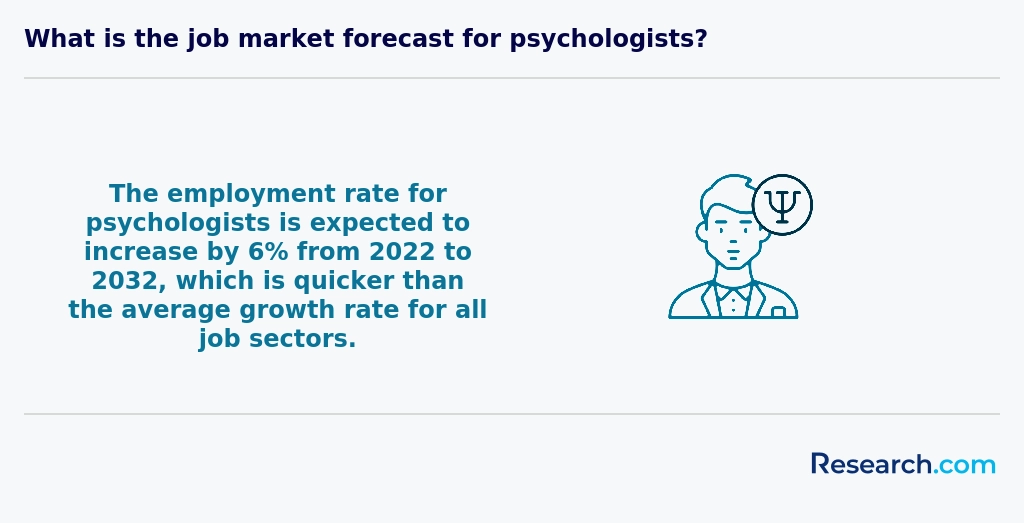
The field of psychology is recognized worldwide, but career opportunities and educational paths often vary by country. In the United States, including Denver, a psychology degree provides diverse options across research, clinical practice, and counseling. According to the Bureau of Labor Statistics, employment for psychologists in the U.S. is projected to grow 6% from 2021 to 2031, indicating steady demand.
Global perspectives emphasize cultural competence, a skill especially relevant in Denver's diverse population. Students trained here often engage with various communities, preparing them for work in multicultural settings.
Furthermore, U.S. psychology programs tend to focus on evidence-based practices and licensure requirements, aligning well with global professional standards.
Gaining practical experience while studying psychology in Denver is crucial for career readiness. Many universities in the area offer internship programs that connect students with local mental health clinics, hospitals, and community organizations. For example, the University of Denver provides access to field placements where students can work directly with clients under supervision.
Additionally, Denver's growing network of behavioral health services offers opportunities for volunteer roles or research assistant positions. According to the Colorado Department of Higher Education, approximately 60% of psychology students in Denver participate in internships before graduation.
These experiences allow students to apply classroom knowledge in real-world settings and build valuable professional skills.
Choosing the right concentration within a psychology degree program in Denver requires understanding your career goals and interests. Psychology offers diverse paths such as clinical, counseling, industrial-organizational, and developmental psychology. Denver's growing healthcare and business sectors particularly value clinical and industrial-organizational specializations, with the Colorado Department of Labor projecting a 13% growth in psychology jobs locally by 2030.
Consider the type of work environment you prefer-whether it's direct client interaction, research, or corporate settings. Research each Denver institution's faculty expertise and internship opportunities to align with your focus. Accreditation by the American Psychological Association is important for certain paths like clinical psychology.
- 2027 Most Valuable Psychology Degree Programs Ranking in Boulder
- 2027 Most Valuable Psychology Degree Programs Ranking in Lincoln
- 2027 Most Valuable Psychology Degree Programs Ranking in Tulsa
- 2027 Most Valuable Psychology Degree Programs Ranking in Phoenix
- 2027 Most Valuable Psychology Degree Programs Ranking in Springfield
- 2027 Most Valuable Psychology Degree Programs Ranking in Minneapolis
- 2027 Most Valuable Psychology Degree Programs Ranking in Saint Paul
- 2027 Most Valuable Psychology Degree Programs Ranking in Riverside
- 2027 Most Valuable Psychology Degree Programs Ranking in Saint Louis
- 2027 Most Valuable Psychology Degree Programs Ranking in Irvine
See What Experts Have To Say About Studying Psychology
Read our interview with Psychology experts

Elizabeth L. Jeglic Ph.D.
Psychology Expert
Professor of Psychology
City University of New York

Robin M. Kowalski. Ph.D.
Psychology Expert
Professor of Psychology
Clemson University

Joann Farrell Quinn, Ph.D., MBA
Psychology Expert
Director at the College of Medicine Department of Medical Education
Morsani College of Medicine

- Student Finances | University of Colorado Denver https://www.cudenver.edu/student-finances
- Best Types Of Online Psychology Degrees 2025 https://www.psychology.org/degrees/
- Mental Health Challenges Faced by Psychology Students | The Healthcare Guys https://healthcareguys.com/2023/11/23/mental-health-challenges-faced-by-psychology-students/
- Alumni Network - https://efpsa.org/alumni-network/
- Society for the Teaching of Psychology https://teachpsych.org/page-1784686/8675326
- A Guide to Psychology Internships | Psychology Degree Guide https://psychologydegreeguide.org/resources/internships/
- What Can You Do with a Bachelor’s Degree in Psychology? A Guide to Potential Career Paths https://www.coloradotech.edu/degrees/studies/business-and-management/articles/what-can-you-do-with-a-bachelors-degree-in-psychology
- Have You Found a Niche? https://www.apaservices.org/practice/business/marketing/building/niche
- Sample letters in psychology https://www.mystudies.com/en-in/human-and-social-sciences/psychology/letter-model/
- Psychology - SWPS University https://english.swps.pl/academics/warsaw/ba-programs/psychology


