
2027 Best Psychology Degree Programs Ranking in Notre Dame

Co-Founder and Chief Data Scientist
Choosing the right psychology degree program is an important step toward a rewarding career in understanding human behavior. This article presents the 2027 Best Psychology Degree Programs Ranking in Notre Dame, developed by the Research.com team of data scientists to guide you in making an informed decision.
By exploring this ranking, you'll discover programs that stand out for quality and opportunities. Pursuing psychology can open doors to meaningful work and personal growth. We're here to support your journey toward a bright future.
Key benefits of getting psychology degree in Notre Dame
- Salary advantages: Graduates with a psychology degree can earn competitive salaries, such as Human Resources Specialists averaging $76,060 annually and Marketing Research Analysts earning about $83,190 per year, offering strong financial motivation.
- Diverse career options: A psychology graduate from Notre Dame might pursue roles in clinical research, survey analysis, or child development, reflecting the versatile and fulfilling job opportunities available locally.
- Flexibility of online learning: Earning a psychology degree online through Notre Dame's programs allows students to balance life and study, gaining skills efficiently while enjoying the same respected credential as traditional degrees.
- 2027 Best Psychology Degree Programs Ranking in Notre Dame
- What can I expect from psychology degree in Notre Dame?
- Where can I work with psychology degree in Notre Dame?
What can I expect from psychology degree in Notre Dame?
The average cost of pursuing a psychology degree at universities in Notre Dame, such as the University of Notre Dame itself, generally aligns with the broader tuition expenses of private institutions in the area. Graduates often recall balancing the high tuition-frequently exceeding $50,000 per year-with various financial aid opportunities, scholarships, and campus jobs that help ease the burden. While this investment might seem steep upfront, many students emphasize how the comprehensive curriculum, research experiences, and career services made the cost feel worthwhile over time.
For example, psychology students reflect on participating in faculty-led research, which not only deepened their understanding but also connected them with local internships and job networks, forming invaluable practical skills. These experiences made their educational expenses feel more like investments in future earning potential and professional growth, rather than just tuition costs. Still, it's wise for prospective students to thoroughly evaluate personal finances and available aid, as costs can vary significantly between public and private colleges in Notre Dame.
Where can I work with psychology degree in Notre Dame?
Graduates with psychology degrees from universities in Notre Dame often find diverse employment opportunities across the city's healthcare, education, and social service sectors. Many who studied at well-known local colleges share how they secured roles in nearby hospitals like Memorial Hospital of South Bend, working as clinical or counseling psychologists. These positions involve supporting patients coping with anxiety, depression, or trauma, offering rewarding experiences as they witness real progress in mental health care.
Others describe working in educational settings where psychology graduates support student well-being and learning strategies, often employed by both public and private schools surrounding Notre Dame. Their work in designing interventions or behavioral programs makes an immediate difference in classrooms, which many find deeply fulfilling.
Additionally, some graduates choose social service agencies, helping with substance abuse counseling or community mental health. The hands-on nature of case management and advocacy taps into their passion for societal impact.
Research opportunities at the University of Notre Dame also attract grads eager to deepen their understanding of cognitive or social psychology, contributing to meaningful academic advancements while preparing for advanced careers.
Graduates from psychology programs in Notre Dame often find entry-level roles such as clinical research associates or survey researchers, with median salaries around $62,370 annually according to the U.S. Bureau of Labor Statistics. For instance, a recent graduate from the University of Notre Dame working as a clinical research associate might expect this earning range, which provides a solid start in health-related research fields.
Those pursuing careers in human resources or marketing research, common paths for psychology majors diversifying their applications, can anticipate higher mean salaries. Human resources specialists average $76,060 per year, while marketing research analysts earn closer to $83,190, reflecting the robust job market in South Bend and surrounding areas. Graduates capitalizing on analytical skills gained during their studies frequently appreciate these opportunities.
Careers in child-related services, such as childcare workers, typically offer lower salaries averaging $32,070 annually but can be personally rewarding and foundational steps for many psychology students exploring developmental psychology. The variety in compensation across these roles highlights the importance of aligning career choices with both financial goals and personal passion, especially in a university town where educational and healthcare sectors thrive.
- Tuition for a bachelor's degree in psychology at Notre Dame can exceed $60,000 per year, with total costs including housing and fees reaching about $75,000 annually.
- Entry-level jobs for graduates typically pay between $40,000 and $50,000 per year, with mid-career salaries ranging from $70,000 to $90,000.
- Psychology programs focus on research, internships, and community engagement, offering strong ties to hospitals and mental health agencies in Indiana.
- Courses commonly include statistics, research methods, and human development, while licensure for clinical practice requires graduate study and supervised experience.
- The demand for mental health professionals in Notre Dame is growing, reflecting an increased focus on psychological well-being nationally.
Completing a psychology degree at the University of Notre Dame typically takes about four years for full-time undergraduate students pursuing a Bachelor of Arts or Bachelor of Science. Graduates often recall balancing foundational courses like introductory psychology and statistics with specialized electives, which creates a dynamic yet manageable workload. Many enjoy participating in research projects or internships, gaining real-world skills without necessarily extending their time to graduation.
However, some students find their timelines vary. For instance, those transferring credits or attending part-time may take longer, while others enrolled in accelerated or combined degree options might finish sooner. The university's strong faculty mentorship and access to diverse courses usually help students stay on track, although limited course availability can occasionally delay progress.
Graduate-level psychology degrees at Notre Dame, such as master's or doctoral programs, add substantial time-ranging from two years for a master's to four to seven years for doctoral studies. While this requires a significant commitment, many students reflect positively on these experiences, appreciating the depth of knowledge and clinical training that prepares them well for future careers.
Earning licensure is a pivotal step for psychology graduates aiming to practice clinically in Indiana. First, candidates must complete a regionally accredited master’s or doctoral program in psychology, often requiring 60 semester hours for master’s-level licensure. Students seeking cost-effective pathways may explore the cheapest online master’s in psychology to fulfill academic prerequisites while balancing work and study. After degree completion, applicants register with the Indiana Behavioral Health and Human Services Licensing Board and submit official transcripts along with a supervised experience plan. Indiana requires a minimum of 1,750 hours of supervised clinical practice for master’s-level practitioners and 3,400 hours for doctoral candidates. Supervision must occur under a licensed psychologist or licensed clinical social worker, with documentation of client contact hours and supervisor evaluations. Next, candidates prepare for and pass the Examination for Professional Practice in Psychology (EPPP), administered by the Association of State and Provincial Psychology Boards (ASPPB). A passing score in Indiana currently aligns with national benchmarks, reinforcing consistent standards of competence. Upon passing the EPPP, graduates apply for provisional licensure, during which they complete any remaining supervised hours. Once fully licensed, Indiana psychologists must fulfill continuing education requirements to maintain certification: 40 hours of approved coursework every two years, including at least six hours in ethics. Workshops, conferences, and online courses through the Indiana Psychological Association count toward these credits. Understanding and navigating these licensure stages ensures psychology graduates in Notre Dame can confidently transition from academic programs to professional practice, upholding high standards of care across clinical, school, and organizational settings.
Choosing between an online and on-campus psychology degree in Notre Dame often comes down to how you want to experience your education. Graduates from the University of Notre Dame's on-campus program frequently describe the energizing environment of attending classes in historic halls, engaging in lively discussions with professors, and accessing hands-on labs that deepen their understanding of psychological theories.
In contrast, those who pursued online degrees appreciate the freedom to study at their own pace, balancing coursework with jobs or family life. A graduate from a local college highlights how this flexibility allowed them to continue working while completing their degree, though they note missing the instant camaraderie and informal mentorship found on campus.
Financially, on-campus programs at private institutions in Notre Dame can be costly-often exceeding $50,000 annually-while online options may reduce expenses by cutting campus fees and commuting. Still, some students feel the traditional college experience, with its networking and immersive activities, enriches personal growth beyond academics, an element harder to replicate online.
Ultimately, both paths offer accredited curricula aligned with APA standards, but prospective students should weigh how much they value direct interaction and practical skills versus convenience and affordability.
The average cost of a psychology degree in Notre Dame typically centers around a median total of $84,175, with little variation between in-state and out-of-state students. For those pursuing psychology at the University of Notre Dame, a prestigious private institution, tuition is notably higher, reflecting the university's reputation and resources. Graduates often report that while the financial commitment is substantial, the quality of education and access to top faculty make the investment worthwhile. One graduate described the experience as transformative, emphasizing how the environment fostered both academic growth and personal discovery despite the high expenses.
On the other hand, public institutions near Notre Dame offer more affordable options. Psychology degree tuition fees in Notre Dame at schools like Indiana University South Bend are significantly lower, especially for in-state students, with total costs closer to $65,000. Many students appreciate the lower financial burden and have shared that this made accessing quality psychology education more manageable, allowing them to focus on internships and research opportunities. However, non-resident students should be mindful that costs increase substantially.
Costs beyond tuition, such as textbooks and living expenses, add another layer to the psychology degree expense. Students often find creative ways to manage these, from sharing textbooks to seeking scholarships. For those weighing different programs, exploring the most affordable psychology programs in Indiana can provide valuable insights into planning finances effectively.
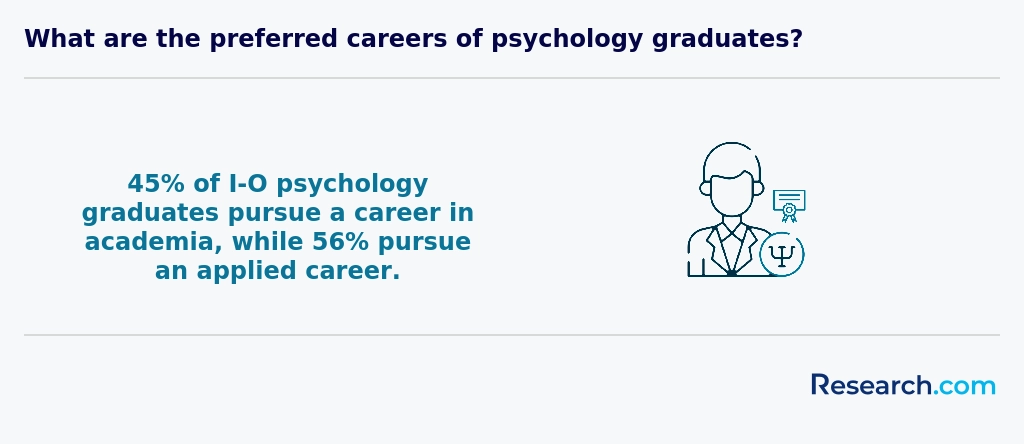
When considering a psychology degree program in Notre Dame, IN, one crucial factor to evaluate is the cost. The financial investment in a psychology degree can vary widely depending on the institution, program, and location. To make informed decisions, prospective students should research the average cost of psychology degree programs in Indiana, weighing factors such as tuition, fees, and living expenses. For those looking to minimize costs, exploring most affordable psychology programs in Indiana can provide valuable insights into budget-friendly options without compromising on the quality of education. Understanding the financial aid options available, such as scholarships, grants, and work-study programs, is also essential for managing the cost of a psychology degree. By carefully considering these cost factors and exploring affordable program options, students can pursue their passion for psychology while maintaining a manageable financial burden.
Many psychology students at the University of Notre Dame find that financial aid is essential due to the high tuition, which was about $63,000 per year recently. One common avenue is federal aid through FAFSA, which can qualify students for Pell Grants up to $7,395, easing the financial burden without creating debt.
Merit-based scholarships are another significant option; these awards consider academic achievements and involvement, and several Notre Dame psychology students have noted how such scholarships transformed their ability to focus fully on studies rather than financial stress.
For graduate students, assistantships and fellowships offer valuable support, combining tuition remission with stipends in exchange for teaching or research work. Many find this trade-off rewarding as it also enriches their academic experience.
Outside the university, psychology students often explore private scholarships from organizations like the American Psychological Association, which specifically target mental health fields. Engaging with these options early and consulting Notre Dame's financial aid office can make a meaningful difference in funding one's education journey.
Choosing a psychology degree program with recognized accreditation ensures the quality of education, eligibility for licensure, and competitive advantage in the job market. In Notre Dame, most institutions hold regional accreditation from the Higher Learning Commission (HLC), which verifies that the university meets rigorous academic standards. For students aiming to practice clinically, it’s essential to enroll in programs accredited by the American Psychological Association (APA), as state licensing boards often require a master’s or doctoral degree from an APA-accredited program. Key accreditation considerations: • Regional Accreditation: Confirms overall institutional quality and allows for smooth credit transfer between colleges. • APA Accreditation: Indicates that doctoral programs meet criteria for clinical training, faculty qualifications, and research opportunities. • CACREP Accreditation: Relevant for counseling psychology tracks, ensuring licensure-aligned curricula and supervised practicum experiences. Before applying, verify each program’s accreditation status on official university websites and through the APA Directory of Accredited Programs. An accredited curriculum typically includes supervised clinical practicum, ethics coursework, and research methodology-components crucial for state licensure exams and competitive graduate school applications. For students balancing budget and quality, comparing affordable yet accredited options can be challenging. To explore cost-effective programs that still meet accreditation standards, consider our Affordable Psychology Degree Programs Ranking in Virginia, which highlights institutions with strong accreditation credentials and lower tuition rates.
Enrolling in a psychology degree program in Notre Dame involves meeting a combination of academic and practical prerequisites that ensure students are prepared for the demands of rigorous study. For undergraduates, strong high school performance in science, social studies, and mathematics is crucial, alongside competitive SAT or ACT scores. Graduates from universities known for psychology, such as those in Notre Dame, often recall how foundational courses like introductory psychology, statistics, and research methods were essential before advancing to graduate levels.
Many psychology students find the GPA requirement of around 3.0 to 3.5 a motivating benchmark that reflects genuine competence rather than arbitrary selectivity. This standard aligns with expectations at local institutions, where supportive environments help students meet these challenges positively, emphasizing growth rather than pressure.
Beyond academics, the application process demands thoughtful personal statements and letters of recommendation, which provide a chance to express genuine passion for psychology. Some programs even include interviews, offering a relatable experience for applicants to showcase their motivation.
Financially, students planning to study at Notre Dame's prestigious colleges often face costs on the higher side ($20,000 to $50,000 annually), prompting proactive financial planning. Finally, residency status may influence admissions or tuition, especially in public universities, highlighting the importance of understanding local policies early on.
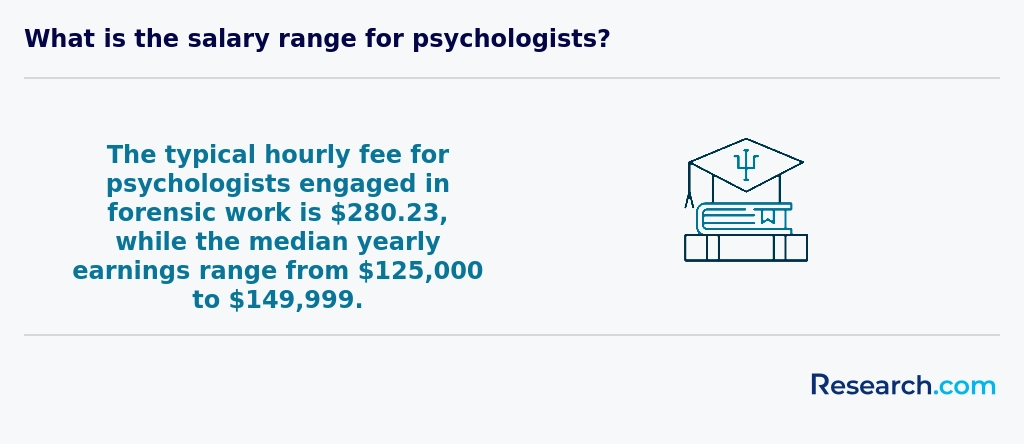
Students pursuing a psychology degree in Notre Dame, IN, benefit from a vibrant campus life that perfectly complements the academic rigor of their programs. Campuses here offer dynamic environments where engaging student organizations, interactive research labs, and community events foster personal growth and professional networking. Many institutions host regular guest lectures, workshops, and mentorship sessions that connect students with renowned professionals in the field, enhancing both their academic and practical understanding of psychology. Additionally, a bustling campus culture encourages participation in diverse clubs and community service initiatives, which can be instrumental in building soft skills and lifelong relationships. For those looking to explore alternative accelerated pathways, you might also consider rankings of the best accelerated psychology degree programs online that merge flexible learning with comprehensive curricula. Overall, the blend of rigorous studies and an enriching student life experience in Notre Dame not only prepares graduates for a successful career but also cultivates a thriving community built on mutual growth and support.
Psychology students at Notre Dame typically begin with foundational courses covering basic principles, development, and research methods. Graduates often reflect on how these early classes clarified the complexities of human behavior, equipping them with a solid base to build upon. Core courses such as cognitive psychology, social psychology, biological bases of behavior, and abnormal psychology provide practical insights into brain function, social interactions, and mental health disorders-subjects frequently cited by alumni as both challenging and rewarding in understanding real-world dynamics.
Research methods and statistics are essential components at Notre Dame, where students learn to design experiments and analyze data rigorously. Many graduates recall how mastering these skills boosted their confidence in tackling evidence-based questions, a critical advantage in today's psychology field. The opportunity to engage in hands-on research fosters a deeper connection between theory and practice, a feature highly praised by those who have experienced Notre Dame's program.
Upper-level courses offer a chance to explore specialized fields like developmental or clinical psychology, neuroscience, and industrial-organizational psychology. Electives in health psychology or counseling techniques allow students to customize their studies, resonating strongly with those aiming for careers aligned with their personal interests and professional goals.
Students enrolled in psychology programs at Notre Dame often encounter a range of specialized tracks tailored to various interests and career goals. Typical psychology degree specializations in Notre Dame include Clinical Psychology, Cognitive Psychology, Developmental Psychology, Social Psychology, and Industrial-Organizational Psychology. Graduates from prominent colleges in the area frequently express enthusiasm about Clinical Psychology due to its direct impact on mental health treatment and research, which resonates deeply in light of growing mental health awareness.
Another popular choice is Cognitive Psychology, where students explore mental processes like memory and decision-making, sparking curiosity and analytical thinking reminiscent of experiences shared by alumni. Developmental Psychology appeals to those aiming to understand psychological growth over the lifespan, often inspiring a commitment to educational or healthcare fields within local communities. As students evaluate Notre Dame psychology program concentration options, Social Psychology offers practical insights into human behavior in social contexts, while Industrial-Organizational Psychology leverages the proximity to Indianapolis's corporate sector for valuable internships.
It is important to consider that while these specializations are typical, emerging fields such as neuropsychology and forensic psychology, though in demand, may not be readily available at the undergraduate level. Prospective students should carefully review program details. For further guidance, reviewing the rankings of the best accelerated psychology degree programs online can help identify options that align with personal interests and career aspirations.
Choosing the best psychology degree programs in Notre Dame requires weighing curriculum focus, faculty expertise, and research opportunities carefully. For instance, graduates from the University of Notre Dame often highlight how involvement in cutting-edge social behavior and cognitive neuroscience labs enriched their understanding beyond textbooks, fueling a genuine passion for psychology. Still, not every program prioritizes research equally; some may emphasize clinical or counseling psychology, which better suits students interested in direct human services rather than academic careers.
Affordability plays a crucial role too. While Notre Dame's tuition aligns with national private institution averages, prospective students should consider affordable psychology colleges Notre Dame offers, including public universities nearby with lower costs but perhaps fewer specialized resources. Balancing quality with expense is key, and exploring scholarships or financial aid will ease this burden. Some graduates recommend comparing options thoroughly, noting that affordable programs can still provide strong outcomes.
It's also wise to consult peers or alumni to grasp real experiences with program support and career placement. Students often praise access to practical internships through Notre Dame's partnerships with local clinics. For those considering further study, exploring the cheapest online master's in psychology can be a strategic next step in building a meaningful career.

Graduates pursuing a psychology degree in Notre Dame often explore diverse career paths that reflect the city's strong academic and clinical environment. Many find rewarding roles in clinical psychology, working as therapists or counselors to support individuals facing mental health challenges. Such positions frequently require further graduate training, an experience that alumni from the University of Notre Dame describe as both demanding and deeply fulfilling. Those interested in psychology degree careers in Notre Dame also highlight research and academia as significant avenues, leveraging opportunities at renowned institutions to engage in cognitive and social psychology projects that shape contemporary understanding of human behavior.
Beyond these traditional domains, job opportunities for psychology graduates Notre Dame include work in human resources, educational support, forensic psychology, and health psychology. Graduates often share how these roles offer practical ways to apply psychological principles in real-world settings, from helping organizations improve workplace dynamics to supporting legal processes or promoting well-being. Considering the costs of studying here, many advise consulting financial aid resources and reviewing rankings like the Affordable Psychology Degree Programs Ranking in Virginia to balance quality and expense.
The job market for psychology degree graduates in Notre Dame benefits from steady regional demand and a growing healthcare sector. Students from prominent local institutions often find roles in mental health facilities, schools, and social service agencies in South Bend and surrounding counties. These graduates typically experience starting salaries ranging from $40,000 to $55,000 annually, reflecting the common entry-level positions available. While this range may seem modest compared to other metropolitan areas, the diversity of career prospects for psychology graduates Notre Dame offers includes roles such as counselors, human resource specialists, and research assistants.
Many graduates emphasize the value of internships and career services provided by Notre Dame and other colleges, which create tangible connections to employers. Such experiences improve confidence and resume strength, making job acquisition smoother. However, those aiming for clinical roles may face lengthy additional education and licensing requirements. For prospective students weighing costs, it is worth noting that public psychology programs average about $11,000 annually for in-state tuition, while private institutions can exceed $60,000. Considering this investment alongside the job market outlook, exploring career certifications that pay well can be a practical complement to a psychology degree job opportunities in Notre Dame.
2027 Best Psychology Degree Programs Ranking in Notre Dame
Investing in your education is a significant decision with lasting impact, and the Research.com team recognizes the importance of making well-informed choices. To support aspiring students interested in psychology, we have carefully developed the "2027 Best Psychology Degree Programs Ranking in Notre Dame." Our dedication to quality, credibility, and accuracy is demonstrated through thorough research and detailed analysis in assembling this ranking.
We utilized the following reputable data sources to ensure a comprehensive evaluation of psychology programs:
By reviewing this ranking, readers will obtain valuable insights into the top psychology degree programs available in Notre Dame, empowering them to make confident and informed decisions about their educational future. For further information on how this ranking was created, please visit our Research.com methodology page.

# 4 position
Saint Mary's College
Bachelor of Science in Psychology


Frequently Asked Questions About psychology
Students pursuing psychology degrees in Notre Dame can enhance their learning by engaging deeply with both coursework and research opportunities. The University of Notre Dame offers robust undergraduate and graduate psychology programs, emphasizing empirical research and applied practice. Participating in faculty-led research projects allows students to gain hands-on experience and develop critical analytical skills.
Additionally, students should take advantage of internships and community-based programs in the South Bend area, which provide practical exposure to psychological services. Joining psychology-focused student organizations and attending professional conferences also helps in networking and staying updated on recent developments.
According to the American Psychological Association, involvement in research and internships significantly improves graduate employability and academic success.
The psychology field is evolving with several emerging niches gaining importance in recent years. In Notre Dame and across the U.S., areas like neuropsychology, health psychology, and cultural psychology are expanding rapidly. Neuropsychology focuses on brain-behavior relationships and is essential as neurological conditions become more prevalent.
Health psychology explores how psychological factors affect physical health, a field growing due to increased interest in holistic care. Cultural psychology investigates how culture impacts mental processes, reflecting America's diverse population.
Data from the American Psychological Association indicates job growth in these specialties outpaces general psychology roles, signaling strong demand for focused expertise.
Preparing for the job market after completing a psychology degree in Notre Dame involves several strategic steps. Graduates should seek internships and research assistant positions during their studies, as hands-on experience is highly valued by employers. According to the Bureau of Labor Statistics, psychology-related jobs are expected to grow by 8% from 2022 to 2032 nationwide, emphasizing the importance of practical skills.
Networking is crucial; joining local chapters of professional organizations, such as the American Psychological Association, can provide invaluable connections. Additionally, many Notre Dame students benefit from career services that offer resume workshops and interview preparation tailored to psychology fields.
Finally, pursuing relevant certifications or graduate studies can enhance employability in competitive areas such as clinical psychology or counseling.
Employers seeking psychology graduates in Notre Dame prioritize strong analytical skills and the ability to interpret behavioral data accurately. According to the American Psychological Association, graduates with competence in research methods and statistical analysis are in greater demand nationwide, which applies to the local job market as well.
Effective communication is another top skill, as professionals often must explain complex psychological concepts to clients or interdisciplinary teams. Additionally, critical thinking and problem-solving abilities are highly valued for developing treatment plans or conducting assessments.
Notre Dame employers also look for emotional intelligence and ethical judgment, essential in clinical and counseling settings. Practical experience through internships or lab work often distinguishes candidates in this competitive field.
Finding internships in Notre Dame relevant to psychology degrees involves using university resources and local opportunities. The University of Notre Dame's psychology department often partners with local clinics, research centers, and hospitals to provide internship placements for students.
Students should start by consulting their academic advisors and the career services office, which typically offer listings of available internships and workshops on resume writing and interview skills. Networking through faculty-led research projects is also valuable, as many professors connect students with internships in clinical and experimental psychology.
Additionally, local organizations such as the South Bend Center for Hope, Ivy Tech Community College, and nearby mental health facilities often have internship openings for psychology students. National databases like Handshake and the APA (American Psychological Association) internship directory can also supplement local searches.
A psychology degree in Notre Dame can significantly enhance career mobility and advancement opportunities. Graduates often find roles in counseling, social services, human resources, and research, fields that show steady local demand. According to the U.S. Bureau of Labor Statistics, employment for psychology-related occupations in Indiana is projected to grow about 8% from 2022 to 2032, reflecting healthy job market prospects.
Local employers value the critical thinking and interpersonal skills developed during psychology studies, which are transferable across industries. Notre Dame's proximity to healthcare and nonprofit sectors provides additional networking and internship possibilities, increasing chances for career advancement.
Many graduates pursue advanced degrees to boost qualifications, with master's and doctoral programs strongly influencing promotions and specialized roles in the region.
Studying psychology in Notre Dame offers strong preparation for interdisciplinary roles by integrating coursework across fields such as neuroscience, sociology, and health sciences. Programs often emphasize research methods and critical thinking skills that apply broadly beyond psychology alone. For example, the University of Notre Dame's Department of Psychology collaborates with other departments to encourage cross-disciplinary projects, enhancing students' ability to work in diverse professional environments.
According to recent data from the university, nearly 40% of psychology undergraduates engage in dual majors or minors related to biology, data science, or business, highlighting the program's flexibility. This multidisciplinary approach equips graduates with versatile skills valued in sectors like healthcare, education, and technology.
The emphasis on applied research and community engagement also prepares students to contribute effectively in roles requiring collaboration among multiple fields. By fostering communication skills and integrating practical experience, the Notre Dame psychology degree supports graduates pursuing varied career paths.
When choosing between a thesis and a non-thesis psychology degree program in Notre Dame, consider your career goals and learning preferences. A thesis option is ideal for students interested in research or pursuing a PhD, as it involves conducting original research and writing a substantial academic paper. This path can enhance critical thinking and analytical skills but requires strong self-motivation and time management.
Alternatively, a non-thesis program typically includes more coursework and practical experience, suiting those aiming for professional practice or immediate employment in psychology fields. According to the National Center for Education Statistics, around 40% of psychology master's graduates in Indiana choose thesis tracks, reflecting demand for research-oriented roles.
Understanding your long-term plans and the style of learning that fits you best will guide your decision effectively.
Students based in Notre Dame who wish to study psychology abroad have several pathways through exchange programs and study abroad opportunities affiliated with local universities. The University of Notre Dame, for example, offers partnerships with international institutions where psychology coursework can be completed. These programs allow students to experience diverse cultural perspectives in psychology while earning credits toward their degree.
According to the Institute of International Education, nearly 1.7 million U.S. students studied abroad in 2022, with fields such as psychology growing in popularity. Notre Dame students can participate in semester-long programs in countries like the United Kingdom, Ireland, and Spain, which have strong psychology faculties.
Many programs emphasize research collaboration and fieldwork, providing practical experience alongside theoretical learning. Academic advisors at Notre Dame typically assist psychology students in selecting programs aligned with their career goals.
Students pursuing psychology degrees in Notre Dame have access to a variety of part-time jobs that reinforce their academic knowledge while providing practical experience. Campus-based research assistant positions are common, allowing students to collaborate on psychology studies under faculty supervision. According to the National Center for Education Statistics, about 30% of psychology undergraduates engage in research roles before graduation.
Local healthcare facilities and counseling centers often offer part-time roles such as mental health aide or behavioral technician, giving students exposure to clinical environments. Additionally, tutoring services for psychology courses are in demand, providing opportunities to deepen subject mastery while earning.
Volunteer positions with community organizations also enhance interpersonal skills crucial for psychologists.
Psychology students in Notre Dame have access to diverse networking opportunities that can enhance their academic and professional growth. The University of Notre Dame's Department of Psychology offers regular events such as guest lectures and research symposiums, creating chances to connect with faculty experts and visiting professionals. Local chapters of national organizations like Psi Chi, the International Honor Society in Psychology, provide students with workshops and networking events specifically tailored to psychology majors.
Additionally, nearby institutions including Saint Mary's College and Indiana University South Bend host collaborative conferences, fostering regional networking. Internships and research assistant positions in local clinics and hospitals further support students in building practical connections within the field. According to the American Psychological Association, such networking is crucial for career advancements and graduate school opportunities.
Alumni networks offer significant advantages to psychology degree students in Notre Dame. These networks provide access to a vast community of graduates who can share career advice, internship opportunities, and mentorship. According to the National Association of Colleges and Employers (NACE), students engaged with alumni connections have a 20% higher chance of securing relevant positions post-graduation.
Notre Dame's psychology alumni often work in diverse fields such as clinical psychology, research, and counseling, providing students with varied perspectives. Through events and online platforms, students can connect with professionals who understand the specific demands of psychology careers in the U.S. education system.
Moreover, alumni involvement frequently leads to opportunities for collaborative research and guidance on graduate school applications, a critical step for many psychology students aiming to specialize.
Students pursuing psychology degrees in Notre Dame can tailor their programs by selecting from various electives and specializations that align with their career objectives. Many institutions in Notre Dame offer concentrations such as clinical, developmental, cognitive, or social psychology, providing focused knowledge in those areas.
Internships and research opportunities are also key to customization. Engaging in hands-on projects or collaborating with faculty members enables students to gain practical experience applicable to fields like counseling or neuropsychology. According to the American Psychological Association, experiential learning enhances employability in psychology careers.
Additionally, Notre Dame-area schools often allow students to combine psychology with complementary disciplines such as biology or education. This interdisciplinary approach broadens skill sets and adapts to diverse career paths. Academic advisors play a crucial role in helping students design personalized study plans that best suit their professional goals.
Psychology students in Notre Dame often face rigorous academic challenges due to the demanding curriculum, which typically includes statistics, research methods, and diverse psychological theories. A key difficulty is managing time effectively, as many courses require extensive reading and practical assignments.
Another common challenge is gaining access to quality internships and research opportunities within the city. While Notre Dame institutions offer some placements, competition is high and positions are limited, which can impact hands-on learning essential for future careers.
Mental health issues are also significant, with national surveys indicating that approximately 40% of psychology undergraduates report symptoms of anxiety or depression during their studies, influencing their academic performance.
Finally, understanding the ethical and cultural aspects of psychology requires students to develop critical thinking and empathy, skills that demand continuous reflection and engagement throughout their education.
With a psychology degree from Notre Dame, graduates have several professional certification options available to enhance their career prospects. Common certifications include becoming a Licensed Professional Counselor (LPC), Certified Substance Abuse Counselor (CSAC), or a Board Certified Behavior Analyst (BCBA). These certifications typically require additional supervised experience and passing state or national exams.
The LPC credential is widely recognized in Indiana, where Notre Dame is located, allowing graduates to provide clinical mental health services. The BCBA certification is valuable for those interested in behavior analysis, often used in educational or healthcare settings.
Certification requirements vary, so prospective students should consult Indiana's professional licensing boards for precise guidelines. According to the Indiana Professional Licensing Agency, these certifications can significantly improve job opportunities and earning potential in psychology-related fields.
Writing a successful application for a psychology program in Notre Dame begins with strong academic credentials. Aim for a high GPA, ideally above 3.5, as competitive programs often look for excellent scholastic performance. Highlight relevant coursework in biology, statistics, and social sciences.
Craft a compelling personal statement that reflects your passion for psychology and your career goals. Use clear examples of experiences such as internships, research projects, or volunteer work related to mental health or behavioral science.
Obtaining strong letters of recommendation from professors or professionals familiar with your skills in psychology is crucial. These endorsements should emphasize your academic strengths and commitment to the field.
Many programs also value standardized test scores like the GRE, though some have become test-optional. Check each program's specific requirements on their official websites for the most current admissions criteria, including those at University of Notre Dame and surrounding institutions.
Psychology careers offer diverse global perspectives, especially for students pursuing degrees in places like Notre Dame. In the United States, psychology professionals benefit from a strong emphasis on research, clinical practice, and applied fields such as counseling and industrial-organizational psychology. According to the Bureau of Labor Statistics, employment in psychology-related jobs is projected to grow 8% from 2021 to 2031, reflecting steady demand.
Notre Dame's psychology programs align with these trends, preparing graduates for both domestic and international opportunities. Psychology is increasingly recognized worldwide as a vital field addressing mental health, education, business, and human behavior.
Many careers require advanced degrees, with licensure standards varying by state but recognized broadly across regions. U.S. psychology degrees, including those from Notre Dame institutions, offer a reputable foundation attractive in global academic and professional markets.
Gaining practical experience while studying for a psychology degree in Notre Dame is essential for developing key skills. Many local universities, including the University of Notre Dame, offer internship opportunities through partnerships with nearby hospitals, schools, and community centers. These placements allow students to work directly with clients under supervision, enhancing clinical and research skills.
Students can also participate in on-campus research labs, contributing to studies on behavior and cognition. According to the American Psychological Association, hands-on research experience improves graduate school prospects and job readiness. Volunteer work in mental health organizations within Notre Dame is another valuable option to apply academic knowledge.
Choosing the right concentration within a psychology degree program in Notre Dame requires careful consideration of your career goals and interests. Psychology programs typically offer tracks like clinical, cognitive, developmental, or social psychology, each focusing on different aspects of the field. For example, the University of Notre Dame emphasizes research opportunities and offers strong support in cognitive and developmental psychology, according to its latest departmental information.
It is essential to review faculty expertise and available courses at local institutions. Additionally, consider internships or community partnerships Notre Dame programs might provide, which are crucial for hands-on experience. According to the American Psychological Association, about 65% of psychology undergraduates pursue specialized concentrations to better align with graduate studies or employment opportunities.
Assess your long-term plans, whether graduate school, counseling, or research jobs, as different concentrations will prepare you differently for these paths. Checking accreditation and program outcomes in Notre Dame will help ensure a quality education tailored to your ambitions.
- 2027 Best Psychology Degree Programs Ranking in Fort Wayne
- 2027 Best Psychology Degree Programs Ranking in Chicago
- 2027 Best Psychology Degree Programs Ranking in Indianapolis
- 2027 Best Psychology Degree Programs Ranking in Detroit
- 2027 Best Psychology Degree Programs Ranking in Louisville
- 2027 Best Psychology Degree Programs Ranking in Saint Louis
- 2027 Best Psychology Degree Programs Ranking in Saint Paul
- 2027 Best Psychology Degree Programs Ranking in Minneapolis
- 2027 Best Psychology Degree Programs Ranking in Kansas City
- 2027 Best Psychology Degree Programs Ranking in Springfield
See What Experts Have To Say About Studying Psychology
Read our interview with Psychology experts

Robin M. Kowalski. Ph.D.
Psychology Expert
Professor of Psychology
Clemson University

Elizabeth L. Jeglic Ph.D.
Psychology Expert
Professor of Psychology
City University of New York

Joann Farrell Quinn, Ph.D., MBA
Psychology Expert
Director at the College of Medicine Department of Medical Education
Morsani College of Medicine

- Psychology at University of Notre Dame https://www.vaia.com/en-us/degrees/universities/university-of-notre-dame/psychology-at-university-of-notre-dame/
- Society for the Teaching of Psychology https://teachpsych.org/page-1784686/8675326
- Psychological Sciences, Bachelor of Arts - PSYC https://catalog.saintmarys.edu/undergraduate/programs/psychological-sciences/psychology-bachelor-arts/
- How To Find Psychology Internships https://www.psychology.org/resources/how-to-find-an-internship/
- 5 Best Places to Study Abroad for Psychology https://www.ciee.org/go-abroad/college-study-abroad/blog/5-best-places-study-abroad-psychology
- Study Psychology Abroad | Go Overseas https://www.gooverseas.com/study-abroad/psychology
- Psychology - SWPS University https://english.swps.pl/academics/warsaw/ba-programs/psychology
- Sample letters in psychology https://www.mystudies.com/en-in/human-and-social-sciences/psychology/letter-model/
- Financial Aid for Psychology Students https://www.onlinepsychologydegrees.com/financial-aid/
- Why Get a Psychology Degree Online? | University of Bridgeport https://www.bridgeport.edu/news/reasons-to-get-your-psychology-degree-online/


