2027 Best Psychology Degree Programs Ranking in New York

Co-Founder and Chief Data Scientist
Choosing the right psychology degree program can be challenging, especially in a vibrant place like New York. This article presents the 2027 Best Psychology Degree Programs Ranking in New York, crafted by the Research.com team of data scientists to guide you toward the best options.
By exploring this ranking, you'll gain valuable insights about top programs that fit your goals and interests. Pursuing a psychology degree opens doors to meaningful careers and personal growth. Reading this article can help you feel confident in your educational journey ahead.
Key benefits of getting psychology degree in New York
- A psychology degree opens doors to jobs like Human Resources Specialist with a mean annual wage of $76,060, Marketing Research Analyst earning about $83,190, and Clinical Research Associate at $62,370, offering solid financial prospects.
- Graduates from New York universities often explore diverse careers such as counseling, research, or social services, providing exciting and rewarding opportunities to make a difference.
- Online psychology degrees offer flexible schedules and lower costs, making it easier for busy New Yorkers to advance their education while balancing life and work.
- 2027 Best Psychology Degree Programs Ranking in New York
- What can I expect from psychology degree in New York?
- Where can I work with psychology degree in New York?
What can I expect from psychology degree in New York?
When it comes to the cost of a psychology degree in New York, it really depends on where you go. Graduates from public schools like those in the SUNY system often mention how affordable tuition felt, especially if you're a New York resident. They've shared that paying in-state rates made it way easier to handle expenses while focusing on classes and internships. On the flip side, students from private colleges sometimes talk about the bigger price tag but also rave about the top-notch research opportunities and smaller class sizes, which helped them feel super supported throughout their studies.
For example, one graduate from a private university in New York City appreciated the deeper dive into counseling and clinical psychology, and while their tuition was higher, scholarships and campus jobs helped ease the financial burden. Overall, many students find balancing cost with the rich hands-on experiences-like internships at local hospitals or clinics-makes the investment feel totally worth it.
Where can I work with psychology degree in New York?
With a psychology degree in New York, you've got tons of exciting paths to explore. Picture graduates from Columbia or NYU jumping right into hospitals or mental health clinics, offering counseling and support to people who really need it. The city's demand for psychologists is huge, so finding a job helping others feels pretty rewarding.
Some grads take their skills into schools as counselors or advisors, where they make a real difference in students' lives. Imagine walking the halls of a bustling NYC school, helping kids navigate their challenges-that's a real vibe for a lot of psychology majors.
Others dive into corporate roles, working on ways to boost employee happiness and team spirit at major companies in Manhattan or Albany. They help shape workplace culture, which is super important and often overlooked.
Plus, if you're into research, there are tons of labs and projects at big universities where grads can get hands-on with psychological studies-adding to science and discovering cool new insights. And don't forget about forensic psychology jobs in the criminal justice system, offering a unique way to use psychology in real cases. It's a wide, exciting world out there for psychology students in New York!
If you're graduating with a psychology degree in New York, your earning potential can vary depending on the job you land. For example, many grads from schools like NYU or Hunter College find themselves working as human resources specialists, where the mean annual wage is about $76,060. That's a solid paycheck when starting out!
Others who jump into roles such as marketing research analysts can expect to make around $83,190 a year on average. Imagine applying your psychology skills to understand consumer behavior-that's a real-world way your degree pays off.
Some New York grads choose work as clinical research associates or survey researchers, with salaries close to $62,370 annually. These jobs offer a great mix of research and hands-on experience, often through internships or projects tied to their university programs.
Even graduates who take on entry-level roles like childcare workers can earn roughly $32,070 a year, which is a nice stepping stone while you build your experience and consider advanced degrees.
- Annual tuition for psychology programs in New York ranges from $7,000 to $10,000 at public colleges like CUNY, and $30,000 to $60,000 at private universities.
- Entry-level salaries for psychology graduates with a bachelor's degree typically fall between $45,000 and $55,000 per year.
- Advanced degree holders, such as those with master's or doctorates, often earn over $80,000 annually in clinical or counseling roles.
- Employment for psychologists in New York is projected to grow by about 6% from 2022 to 2032, matching the national average.
- Licensure to practice psychology requires a doctorate, supervised experience, and passing the EPPP exam in New York State.
If you're thinking about a psychology degree in New York, expect to spend about four years on a bachelor's if you're studying full-time, just like many grads from places like NYU or SUNY. These four years pack in general courses, core psych classes, and electives, usually totaling around 120 credits. Some students manage to speed things up with accelerated bachelor's programs, wrapping up in about three years, which is awesome if you want to jump into the field sooner.
Want to go deeper? Most folks aiming for a master's degree spend another two years on top of that. It can take longer if you're part-time, but that flexible pace works well for those balancing work or life.
And if you're dreaming of a PhD or PsyD, get ready for 5 to 7 years of intense study, research, and hands-on practice-common at top schools like Columbia or Fordham. Many graduates say it's a challenging journey but super rewarding, especially when they finally land that clinical internship or finish their dissertation.
Before committing to a psychology program in New York, NY, verifying accreditation and understanding licensure requirements is essential for ensuring both educational quality and eligibility to practice. The American Psychological Association (APA) is the gold-standard accreditor for doctoral programs in clinical, counseling, and school psychology; graduates from APA-accredited institutions are more competitive for licensure and employment. At the master’s level, look for Regional Accreditation (e.g., Middle States Commission on Higher Education) and, where applicable, programmatic accreditation by the Association for Behavioral and Cognitive Therapies (ABCT) or the Council for Accreditation of Counseling and Related Educational Programs (CACREP). New York State licensure is overseen by the Office of the Professions within the State Education Department (NYSED). To become a Licensed Psychologist (LP), candidates must: • Earn a doctoral degree in psychology from an APA-accredited program or one that meets NYSED’s substantial equivalence criteria. • Complete at least 3,500 hours of supervised experience, including a pre-doctoral internship and post-doctoral supervised practice. • Pass the Examination for Professional Practice in Psychology (EPPP) and the New York State Jurisprudence Examination. For those pursuing careers as Licensed Mental Health Counselors (LMHC) or Licensed Clinical Social Workers (LCSW), identifying programs with CACREP or CSWE accreditation respectively will streamline the licensure process and ensure coverage of required coursework-such as legal/ethical issues and multicultural counseling. Online learners should confirm that distance programs adhere to the same accreditation standards as on-campus offerings. Prospective students balancing cost and credibility may also explore our Inexpensive Online Psychology Degree Programs Ranking in Columbia, MO to compare tuition and accreditation before applying. Proper accreditation not only impacts eligibility for licensure but also influences federal financial aid, transfer credits, and employer recognition-making it a foundational element of any psychology education decision.
If you're weighing your options between an online and an on-campus psychology degree in New York, the biggest difference is how you experience learning. Imagine studying at a place like SUNY or Fordham-on-campus means you're right there, joining lively class discussions, doing lab work, and getting hands-on during internships at nearby hospitals. Graduates often talk about how these face-to-face moments built strong friendships and gave them real-time feedback from professors.
On the flip side, online programs offer flexibility that's perfect if you're juggling a job or family. Many New Yorkers enrolled online appreciate being able to watch lectures on their own schedule and connect through forums or virtual office hours. But some grads mention missing out on the buzz of campus life and instant chats with classmates.
Both online and on-campus routes get you a legit psychology degree recognized in New York. Just keep in mind, especially for internships or licensing, getting clinical hours nearby is key-so check how your program supports that step.
Ensuring your psychology degree program holds proper accreditation is essential for academic quality and future licensure. In the United States, the American Psychological Association (APA) is the gold-standard accreditor for doctoral programs in clinical, counseling, and school psychology, while the Psychological Clinical Science Accreditation System (PCSAS) reviews research-oriented Psy.D. and Ph.D. programs. Attending an APA-accredited program not only guarantees adherence to rigorous educational standards but also streamlines the path to state licensure, a requirement for practicing as a clinical psychologist in New York and beyond. Licensure requirements typically include completing a specified number of supervised clinical hours, passing the Examination for Professional Practice in Psychology (EPPP), and fulfilling state-specific jurisprudence exams or ethical training. For instance, New York State mandates at least 1,500 post-doctoral supervised hours and successful completion of both the EPPP and the New York State Psychology Licensing Examination. Staying informed about these criteria early on helps you select a program that integrates practicum placements and internships aligned with licensure prerequisites. If flexibility and affordability are priorities, consider exploring online options that maintain high accreditation standards. For example, you may find cost-effective, fully accredited curricula through our Inexpensive Online Psychology Degree Programs Ranking in Columbia, MO, which highlights programs that balance academic rigor with lower tuition. By choosing an accredited institution and mapping out licensure steps from day one, you’ll be well-positioned to achieve both your educational and professional goals in the field of psychology.
The average cost of a psychology degree in New York usually lands around $51,800 for in-state students, which feels manageable for many considering the quality of education received. Out-of-state students can expect to pay about $67,800, reflecting that typical price hike when coming from outside New York. Graduates from popular schools like SUNY campuses often share how the tuition fees fit nicely within their budget, helping them avoid overwhelming debt while still gaining solid psychological training.
Many students find the balance appealing, especially when they can attend a public university with a reputation for great psychology programs. But private colleges in New York can be a different story, with tuition often pushing way beyond that median number. For those aiming at graduate school, the variation can be even bigger. Graduate students sometimes mention paying up to $65,000 annually at prestigious programs in the city, but others get lucky with cheaper options closer to $10,000 to $20,000, especially within the SUNY system.
Besides tuition, it's smart to factor in all the other expenses that come with studying psychology in New York, like books, supplies, and living costs, which can really add up in the city. Many graduates recall budgeting carefully for internships and practicum placements too, important stepping stones in clinical psychology careers. If you're hunting for an affordable psychology school in New York, planning these total expenses for psychology programs NY can save you stress down the road.
To make the most informed decision when choosing a psychology program in New York, understanding the costs and available financial aid is crucial. Prospective students often find themselves comparing tuition fees, weighing the benefits of in-state versus out-of-state tuition, and exploring scholarship opportunities. For those looking for an affordable psychology school in New York, it's essential to consider not just the sticker price, but also the return on investment, including potential salaries and career advancement opportunities. By meticulously reviewing the financial aspects and support systems in place for psychology students, individuals can set themselves up for success, both academically and professionally, in one of the most vibrant and demanding fields today.
If you're diving into a psychology degree in New York, you'll find plenty of financial aid options to help ease the sticker shock. Graduates from places like CUNY often credit the New York State Tuition Assistance Program (TAP) for making their studies affordable, as it offers grants based on need that can cover a big chunk of tuition. Meanwhile, students at big-name schools like Columbia or NYU frequently rely on federal aid-think Pell Grants and low-interest loans accessed through FAFSA-to chip away at those heftier costs.
Many psych students share how scholarships aimed specifically at mental health fields helped them feel recognized and supported, not just financially but personally, boosting their confidence. Graduate students typically find assistantships and research gigs invaluable, as these roles often come with stipends or tuition perks, which means less stress about bills and more focus on learning.
Overall, tapping into these opportunities can turn the financial headache of studying psychology in New York into a manageable, even rewarding journey.
In today's competitive educational landscape, accelerated programs offer a dynamic alternative for motivated students eager to transition swiftly from academics to professional practice. These programs condense traditional course loads into a streamlined curriculum that emphasizes core competencies and hands-on experiences, enabling you to gain vital skills in a shorter period. For instance, if you're looking to advance your education quickly, you may want to explore an accelerated master's in psychology online option, which balances rigorous coursework with real-world application. By opting for an accelerated path, you'll not only reduce time-to-degree but also potentially lower tuition expenses and benefit from enhanced networking opportunities, internships, and immediate exposure to emerging trends in psychology. This fast-track approach is designed for individuals determined to fast-forward their careers while still receiving a comprehensive and authoritative education in the field.
If you're aiming for a psychology degree in New York, getting your foot in the door means ticking a few important boxes first. Most undergrads start by focusing on science and social science classes in high school-think biology, chemistry, and psychology if your school offers it. A solid GPA, usually above 3.0, really helps, especially if you're shooting for competitive colleges like those in New York City or the SUNY system.
Many NY schools ask for SAT or ACT scores, but some have gone test-optional lately, which takes a little pressure off. A killer personal statement talking about why you love psychology and what you want to do can set you apart. Graduates often say taking intro psych classes beforehand showed admissions they were serious about the field.
If you're thinking bigger, like grad school, you'll need a bachelor's degree with courses in psychology, stats, and research methods. GRE scores might be required, though some places have dropped that since COVID. Real-world experience like volunteering at mental health clinics can make your application shine-something grads from top NY colleges always mention as a game-changer.
Navigating the application process for psychology degree programs in New York, NY involves several key steps and deadlines that can vary by institution. To help you stay organized and improve your chances of acceptance, follow this general timeline: 1. Research and Program Selection (12–10 months before enrollment) - Identify programs that match your career goals and preferred learning format. - Review each school’s specific prerequisites, tuition costs, and financial aid options. - If cost is a major concern, you may also want to compare our list of the most affordable online masters degree in psychology programs. 2. Standardized Tests and Prerequisites (10–8 months before enrollment) - Register for and complete any required tests (e.g., GRE, TOEFL) well in advance. - Ensure you have completed prerequisite courses such as biology, statistics, or introductory psychology. - Request official transcripts from all previous institutions; allow 4–6 weeks for processing. 3. Application Preparation (8–6 months before enrollment) - Draft and refine your personal statement or statement of purpose, highlighting your passion for psychology and New York’s unique opportunities. - Secure 2–3 letters of recommendation from professors or supervisors who can speak to your academic and professional strengths. - Update your résumé to reflect relevant research experience, internships, or volunteer work. 4. Submission and Follow-Up (6–4 months before enrollment) - Submit your completed applications before the earliest deadlines, typically between December and February for fall admission. - Pay attention to supplemental materials such as portfolios or writing samples, if required. - Confirm receipt of all application components by logging into each school’s admissions portal. 5. Interviews and Decisions (4–2 months before enrollment) - Prepare for potential interviews by reviewing common questions about your research interests and career goals. - Attend virtual or on-campus open houses to connect with faculty and current students. - Expect admission decisions between March and May; once accepted, compare offers based on financial aid packages, internship placements, and program reputation. 6. Final Steps (2–1 months before enrollment) - Submit your enrollment deposit by the deadline, usually May 1st for fall programs. - Complete housing applications and orientation registration. - Plan your move to New York City or set up your online learning environment for remote coursework. By following this structured timeline and staying proactive about each component, you’ll streamline your path to securing a spot in a top psychology degree program in New York, NY.
If you're diving into a psychology degree in New York, expect to get hands-on with a mix of courses that really build your understanding from the ground up. Graduates from schools like NYU or Hunter College often talk about how classes like Introduction to Psychology gave them the big-picture view-kind of like unlocking a new way to see human behavior in everyday life.
Research Methods and Statistics can feel tricky at first, but students find it exciting once they start designing experiments and analyzing real data. Imagine figuring out what makes people tick through surveys and brain studies-that's the kind of stuff they do at places like Fordham.
Biopsychology courses bring the brain into focus, exploring how neurons fire and influence everything you do, which adds depth to what you learn in Cognitive or Developmental Psychology. Graduates often say studying Social Psychology helped them make sense of group dynamics, whether in college clubs or just hanging out with friends.
Plus, lots of programs mix in electives like clinical or forensic psychology, so you get to chase your own interests while getting practical experience through internships across New York City.
When you dive into psychology degree specializations in New York, you'll find a bunch of cool options that let you really focus on what excites you. Lots of students at well-known schools like NYU or Columbia love exploring clinical psychology, where they learn how to diagnose and treat mental health issues-perfect if you want to be hands-on helping people. Others are drawn to counseling psychology, which is all about supporting people through life's ups and downs. Then there's developmental psychology, great for those interested in how we grow and change over time.
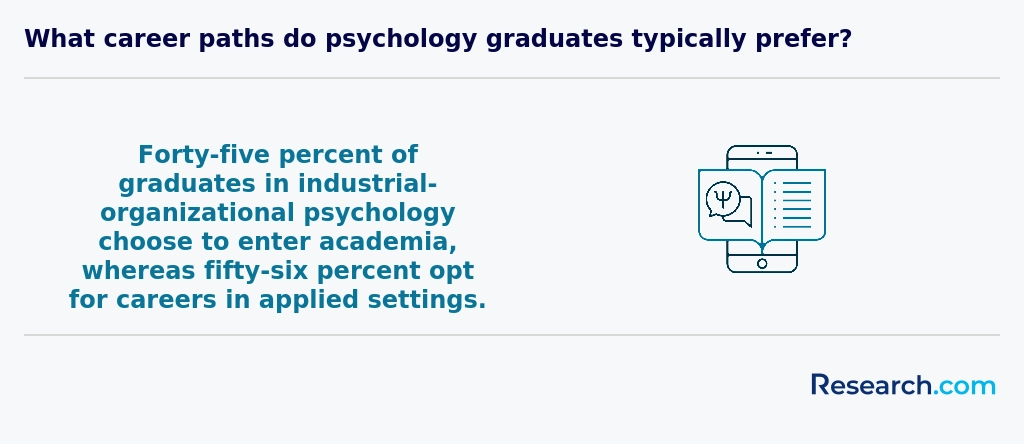
For students interested in business vibes, New York's strong economy means industrial-organizational psychology is super popular. Graduates often share stories about using what they learned to boost employee happiness and productivity locally. You'll also find forensic psychology, linking psychology to the legal system, and neuropsychology, focused on brain behavior. Choosing the right New York psychology program concentration options can totally shape your future. For a faster route, some opt for an accelerated master's in psychology online, balancing study with life.
Choosing the best psychology degree programs in New York means really thinking about what fits your goals and lifestyle. Graduates from popular schools in NYC often mention how important it was to pick a program with strong accreditation, like those approved by the American Psychological Association, because it directly impacted their ability to get licensed and find good jobs.
Also, consider what kind of psychology you want to study-whether it's clinical, research-based, or something like industrial-organizational. Some students who enrolled in well-known New York colleges loved having access to city internships, which made their learning way more hands-on and exciting. On the flip side, others appreciated flexible options that allowed them to balance work and study, especially if they chose an online masters degree in psychology.
Don't ignore the cost either-tuition can vary widely between public and private schools in New York. Many grads highlight how looking into financial aid early helped keep their stress low and focus high. So, figuring out which program fits your passion, schedule, and budget is key when deciding how to choose psychology schools New York.

If you're diving into psychology in New York, there's a bunch of exciting career paths waiting for you. Clinical psychology is a big one-graduates from popular schools often share how rewarding it is to work in hospitals or private practices, helping people tackle mental health issues. Many find joy in becoming licensed through the state, which opens doors to well-paying jobs around $97K a year, thanks to New York's high demand for these pros.
But it's not just about clinical work. Plenty of grads head into counseling or become licensed mental health counselors, supporting those facing emotional struggles. With a master's degree and licensure, these roles are booming, especially in busy urban areas of New York. Looking for something different? Industrial-organizational psychology is perfect if you want to boost workplace vibes and productivity in the bustling city environment.
For those who love research or teaching, universities in New York offer great chances to explore human behavior or developmental psychology. Plus, school psychology and forensic psychology are other solid options if you enjoy working with kids in school systems or within the legal realm. Considering costs? Public colleges like SUNY make the journey affordable. If you want to compare programs, check out the Inexpensive Online Psychology Degree Programs Ranking in Columbia, MO for some ideas.
Exploring psychology career opportunities in New York is exciting because the state's got a rich variety of jobs with psychology degree in New York that actually make a difference in peoples' lives.
The job market for psychology degree holders in New York is pretty solid, especially if you're looking at areas like healthcare, education, or research. Graduates from popular schools in New York often find themselves working in crowded hospitals or bustling school districts where there's a real demand for mental health support. Those with a clinical degree often mention how rewarding it feels to help patients in need, while others working in universities love the chance to contribute to groundbreaking research. If you're thinking about career opportunities for psychology graduates NY offers, know that it's competitive but rewarding, with salaries typically above the national average-around $89,000 annually for many psychologists in the state.
Many grads share how crucial it was to understand licensure requirements; some roles need doctoral degrees and state exams, while others just require a master's and certification. For those eager to start sooner, exploring options like the best accelerated associate degrees can be a smart move to get into the workforce faster.
2027 Best Psychology Degree Programs Ranking in New York
Investing in your education is a significant decision that can shape your future, and the Research.com team understands the importance of making informed choices. To assist prospective students interested in psychology in New York, we have meticulously crafted the "2027 Best Psychology Degree Programs Ranking in New York." Our commitment to quality, credibility, and accuracy is reflected in the extensive research and analysis conducted to compile this ranking.
We utilized the following reputable data sources to ensure a comprehensive evaluation of psychology programs:
By exploring this ranking, readers will gain valuable insights into the best psychology degree programs available in New York, helping them make informed decisions about their educational paths. For more details on our methodology, please visit our Research.com methodology page.

# 3 position
Columbia University in the City of New York
Master of Arts in Psychology in Education (Clinical Psychology)


# 11 position
Touro University
Bachelor of Arts in Psychology

# 12 position
Touro University
Master of Arts in Psychology


Frequently Asked Questions About psychology
Psychology degree students in New York can maximize their learning by engaging in internships and research opportunities offered by local universities and mental health organizations. New York is home to top institutions like Columbia University and New York University, which provide access to cutting-edge labs and clinical practices. According to the New York State Education Department, participating in supervised internships enhances practical skills and improves employability.
Additionally, joining psychology-related student organizations and attending conferences in the city can broaden professional networks. Utilizing resources at public libraries and online databases also supports academic growth. Balancing coursework with hands-on experience ensures a well-rounded education in psychology.
The psychology field is expanding into several emerging niches that reflect evolving societal needs and research advancements. In New York, areas such as neuropsychology and health psychology are growing rapidly, driven by increased awareness of brain health and chronic disease management. According to the New York State Education Department, jobs in neuropsychology are projected to grow by 14% over the next decade.
Another key niche is forensic psychology, which intersects with the state's robust legal system and criminal justice reforms. Industrial-organizational psychology also gains traction, focusing on improving workplace productivity and employee well-being within New York's diverse business landscape.
Additionally, digital mental health interventions and telepsychology are becoming critical, especially after the COVID-19 pandemic accelerated telehealth adoption.
After earning a psychology degree in New York, preparing for the job market involves strategic steps. Graduates should build practical experience through internships or volunteer work in clinical settings, schools, or social service agencies. According to the New York State Education Department, many psychology-related jobs require licensure or certification, particularly for counseling roles, making it vital to understand state-specific requirements early.
Networking is another key factor. Joining professional organizations like the New York State Psychological Association can provide connections and job leads. Additionally, enhancing skills in data analysis and research methods increases employability, as about 15% of psychology roles in New York demand strong quantitative skills (Bureau of Labor Statistics, 2023).
Finally, graduates should tailor their resumes and prepare for interviews by emphasizing both academic knowledge and hands-on experiences relevant to New York's diverse job market.
Employers in New York seek psychology degree graduates with strong analytical and communication skills. Graduates must be able to interpret complex data and present findings clearly, essential for roles in clinical, counseling, or research settings. According to the New York State Education Department, proficiency in ethical decision-making and cultural competence is also highly valued due to the diverse population.
Critical thinking and problem-solving abilities enable graduates to tailor interventions and support for various clients effectively. Familiarity with statistical software like SPSS or R is increasingly required for research-related positions. Additionally, interpersonal skills are crucial for collaboration within multidisciplinary teams found in hospitals and social services.
Finding internships in New York relevant to a psychology degree involves a proactive approach focused on both academic and community resources. Many New York universities, such as Columbia and NYU, offer dedicated career services that connect students to local hospitals, mental health clinics, and research institutions.
Additionally, organizations like the New York State Psychological Association provide internship listings and networking events specifically for psychology students. According to the National Association of Colleges and Employers, about 60% of psychology students who complete internships improve their job prospects significantly.
Online platforms such as Handshake and Glassdoor also list psychology-focused internships in New York City and surrounding areas, often including unpaid, paid, and research-based options.
A psychology degree in New York can significantly enhance career mobility and advancement opportunities. According to the U.S. Bureau of Labor Statistics, New York has one of the largest concentrations of psychologists in the country, which fosters a competitive job market with diverse roles. Graduates with a bachelor's or master's degree often find entry points in social services, education, and healthcare, while doctoral degrees are typically required for licensed clinical practice.
Many employers in New York value psychology graduates for their understanding of human behavior, critical thinking, and research skills. This can open doors to leadership roles in counseling centers, research institutions, and corporate environments. Additionally, New York's strong network of professional organizations supports continuing education and career advancement.
Studying for a psychology degree in New York offers extensive preparation for interdisciplinary roles by integrating diverse academic fields. Many programs emphasize collaboration with disciplines such as neuroscience, social work, education, and health sciences. This approach reflects the growing demand for psychologists to work alongside professionals in medicine, public policy, and technology.
New York's universities often incorporate practical experiences, including internships and research projects, that involve cross-departmental teamwork. According to data from the National Center for Education Statistics, over 30% of psychology undergraduates in New York participate in interdisciplinary research or clinical placements, enhancing their versatility.
This multidimensional training equips graduates with critical thinking and communication skills crucial for varied professional environments, from healthcare settings to corporate and community services.
When choosing between a thesis and a non-thesis psychology degree program in New York, consider your career goals and learning preferences. Thesis programs typically involve conducting original research and writing a formal thesis, which is ideal if you plan to pursue a PhD or research position. Non-thesis programs focus on coursework and practical skills, suited for those aiming to enter clinical practice or industry immediately after graduation.
In New York, many universities offer both options with similar curricula but differing in research requirements. According to the New York State Education Department, about 40% of psychology master's students opt for thesis tracks, reflecting growing research interest. Knowing your long-term plans helps determine the best path.
Students based in New York seeking to study psychology abroad have several pathways through university exchange programs and affiliated partnerships. Many New York institutions, such as New York University and Columbia University, offer study abroad opportunities with universities in Europe, Asia, and Australia, where psychology curricula align with US standards.
Credit transfer agreements enable students to maintain progress toward their degree while experiencing diverse psychological theories and practices. The American Psychological Association advises verifying that foreign courses meet accreditation standards recognized in New York to ensure eligibility for licensure later.
Financial aid and scholarships for study abroad are available, often through the home institution or external organizations like Benjamin A. Gilman International Scholarship. Students must also consider visa regulations and health compliance for their destination countries.
Students pursuing psychology degrees in New York have various part-time job options that complement their academic training. Common roles include research assistant positions at universities or institutes like the New York State Psychiatric Institute, where students gain hands-on experience in psychological studies.
Additionally, working as a behavioral health technician or mental health aide in hospitals and community clinics offers exposure to clinical environments, enhancing practical skills. According to the New York State Education Department, such roles often require only a high school diploma but provide valuable field experience.
Another opportunity is tutoring psychology or related subjects, leveraging academic knowledge while improving communication skills vital for psychology careers.
Psychology students in New York have access to a wide range of networking opportunities due to the state's concentration of universities, research institutions, and professional organizations. Schools such as New York University and Columbia University often host events, workshops, and guest lectures featuring leading psychologists. These events allow students to connect with faculty and professionals actively working in the field.
The New York State Psychological Association (NYSPA) offers membership to students, providing access to conferences, networking mixers, and mentorship programs. Attending the annual NYSPA convention enables students to meet psychologists from clinical, academic, and research backgrounds, enhancing career prospects.
Internships and research assistantships in hospitals and clinics across New York City also serve as critical networking platforms, linking students with practitioners and supervisors who can offer guidance and professional references.
According to the Bureau of Labor Statistics, New York employs the highest number of psychologists in the United States, increasing the potential for local contacts and job placements.
Alumni networks offer significant benefits to psychology degree students in New York by providing valuable professional connections. Graduates from New York institutions often access established networks that include practicing psychologists, researchers, and faculty. This access can lead to internship opportunities, mentorship, and job placements in highly competitive fields such as clinical psychology or counseling.
According to the New York State Psychological Association, involvement in alumni groups increases job placement rates by up to 20% for psychology graduates. These networks also facilitate workshops and continuing education events, helping students stay current with licensure requirements set by the New York State Office of the Professions.
Furthermore, alumni connections promote collaboration on research projects, which can bolster a student's resume and academic profile. Overall, alumni networks serve as an essential resource for career development and growth within New York's psychology field.
Customizing a psychology degree program in New York involves selecting courses, specializations, and experiential opportunities aligned with your career goals. Many New York universities offer concentrations in clinical, cognitive, developmental, or industrial-organizational psychology, allowing you to focus on areas such as mental health, research, or workplace behavior.
Internships and research apprenticeships, often available through partnerships with local hospitals and organizations, provide practical experience. According to the New York State Education Department, practical training is essential for licensure as a psychologist in the state.
Additionally, you can tailor your program by choosing electives in counseling, neuropsychology, or forensic psychology to prepare for specific jobs.
Flexible scheduling and online options at several New York colleges accommodate working professionals seeking to expand their expertise.
Psychology students in New York often face intense competition due to the state's numerous prestigious universities offering psychology programs. According to the New York State Education Department, rigorous academic standards require students to balance demanding coursework with research and internships. Many students struggle with high living costs in urban areas like New York City, which can impact their ability to focus on studies. Additionally, securing clinical placements is a common challenge, as these opportunities are limited and highly sought after in New York's dense population. Time management and mental health concerns also frequently affect psychology students, reflecting broader national trends reported by the American Psychological Association.
With a psychology degree in New York, you can pursue various professional certifications that enhance your career opportunities. Common certifications include Licensed Mental Health Counselor (LMHC) and Licensed Clinical Social Worker (LCSW), both regulated by the New York State Education Department. Becoming an LMHC requires a master's degree in psychology or a related field, plus supervised clinical experience and passing the national exam.
Other certifications include Certified School Psychologist and Board Certified Behavior Analyst (BCBA). According to the New York State Office of Mental Health, demand for licensed professionals grew by 12% between 2018 and 2023. These certifications improve credibility and employment prospects statewide.
Applying to psychology programs in New York requires attention to both academic achievements and personal motivation. Most competitive programs expect a strong GPA, particularly in psychology and science courses, with averages often above 3.5. Highlighting research experience or internships relevant to psychology can greatly enhance your application.
Crafting a compelling personal statement is crucial. Clearly explain your interest in psychology and how the program aligns with your career goals. Use specific examples, such as volunteer work or relevant projects, to show commitment.
Letters of recommendation should come from professors or professionals familiar with your academic or research abilities. According to the New York State Education Department, psychology programs often weigh these highly during the selection process.
Psychology careers in New York reflect a growing global demand for mental health professionals. According to the U.S. Bureau of Labor Statistics, the employment of psychologists in New York is projected to grow by 10% from 2022 to 2032, mirroring trends in many developed countries. Globally, psychology is recognized as a versatile field, with professionals working in clinical, academic, and organizational settings.
International collaboration in psychological research and practice is increasing, supported by organizations such as the American Psychological Association and the International Union of Psychological Science. Graduates in New York often benefit from diverse population exposure, enhancing cultural competence critical for global practice.
New York's universities offer programs aligned with international accreditation standards, enabling graduates to pursue careers worldwide. Licensing requirements vary by country, but U.S. degrees are generally respected globally, facilitating professional mobility.
Gaining practical experience while studying for a psychology degree in New York is essential for career readiness. Many universities offer internship opportunities at hospitals, schools, and community agencies. These placements allow students to apply theoretical knowledge in real-life settings. Additionally, research assistant positions are commonly available, helping students participate in ongoing studies and learn scientific methods.
Volunteer work in mental health clinics or nonprofit organizations throughout New York City provides valuable exposure to diverse populations. Networking events and psychology clubs can also connect students with professionals. According to the New York State Education Department, supervised clinical hours are required for licensure, making these practical experiences crucial.
Choosing the right concentration within a psychology degree program in New York requires understanding your career goals and interests. New York offers diverse options such as clinical, counseling, industrial-organizational, and developmental psychology. The New York State Education Department reports that clinical psychology is among the most common specializations due to high demand for licensed practitioners.
Researching program accreditation and faculty expertise is essential. Schools like Columbia University and New York University provide different tracks emphasizing research or applied work. Consider whether you want a path toward licensure, which typically involves clinical or counseling concentrations meeting state requirements.
Additionally, reflect on internship and practical training opportunities in New York City's extensive healthcare and corporate sectors. According to the American Psychological Association, hands-on experience significantly improves job placement rates for graduates.
- 2027 Best Psychology Degree Programs Ranking in New Haven
- 2027 Best Psychology Degree Programs Ranking in Springfield
- 2027 Best Psychology Degree Programs Ranking in Albany
- 2027 Best Psychology Degree Programs Ranking in Amherst
- 2027 Best Psychology Degree Programs Ranking in Worcester
- 2027 Best Psychology Degree Programs Ranking in Baltimore
- 2027 Best Psychology Degree Programs Ranking in Cambridge
- 2027 Best Psychology Degree Programs Ranking in Boston
- 2027 Best Psychology Degree Programs Ranking in Washington
- 2027 Best Psychology Degree Programs Ranking in Detroit
See What Experts Have To Say About Studying Psychology
Read our interview with Psychology experts

Joann Farrell Quinn, Ph.D., MBA
Psychology Expert
Director at the College of Medicine Department of Medical Education
Morsani College of Medicine

Catherine Caldwell-Harris, Ph.D.
Psychology Expert
Associate Professor of Psychology
Boston University

Elizabeth L. Jeglic Ph.D.
Psychology Expert
Professor of Psychology
City University of New York

- Career & Networking Fair | Psychology Student Association https://www.psaatuci.com/cnf
- Licensure Requirements For Psychologists In New York https://www.psychology.org/psychology/licensure/new-york/
- Ontario Psychological Association - Networking and Community Resources https://www.psych.on.ca/become-a-member-(1)/member-services/networking-and-community-resources
- Society for the Teaching of Psychology https://teachpsych.org/page-1784686/8675326
- Alumni Network - https://efpsa.org/alumni-network/
- How to Change Your Career from Psychology to UX Design https://ixdf.org/literature/article/how-to-change-your-career-from-psychology-to-ux-design
- Psychology Degree Online Programs in New York https://www.onlinepsychologydegrees.com/states/new-york/
- CLINICAL PSYCHOLOGY (THESIS / NON-THESIS) - Lisansüstü Eğitim Enstitüsü https://lee.nisantasi.edu.tr/en/clinical-psychology-thesis-non-thesis/
- Psychology B.A / B.S. / Minor https://manhattan.edu/academics/programs/psychology
- A Guide to Psychology Internships | Psychology Degree Guide https://psychologydegreeguide.org/resources/internships/