
2027 Most Affordable Psychology Degree Programs Ranking in New York

Co-Founder and Chief Data Scientist
Choosing the right psychology degree program in New York can feel overwhelming, especially when budget matters. To simplify this, the Research.com team of data scientists has created the 2027 Most Affordable Psychology Degree Programs Ranking in New York.
This article helps you explore affordable options without compromising quality. It's designed to guide you toward programs that fit your goals and finances.
Getting a psychology degree opens doors to meaningful careers and personal growth. Dive in to find the best path for your future.
Key benefits of getting psychology degree in New York
- Salary for psychology degree graduates: Graduates can earn a mean annual wage of $62,370 as Clinical Research Associates or Survey Researchers, or up to $83,190 as Marketing Research Analysts, offering solid financial prospects in New York's job market.
- Career paths: A psychology graduate from a popular New York college may explore roles in human resources, research, or clinical settings, enjoying diverse opportunities that make the degree versatile and rewarding.
- Online degree benefits: Earning a psychology degree online from a respected New York university allows flexibility with scheduling and location, empowering busy students to balance work and study without sacrificing quality.
- 2027 Most Affordable Psychology Degree Programs Ranking in New York
- What can I expect from psychology degree in New York?
- Where can I work with psychology degree in New York?
What can I expect from psychology degree in New York?
When diving into a psychology degree in New York, students quickly discover that tuition costs vary widely depending on the school they choose. Public universities often provide more budget-friendly options, with annual tuition typically ranging from $7,000 to $15,000. On the other hand, private colleges, known for their smaller class sizes and specialized faculty, might charge anywhere from $30,000 up to $50,000 per year. Imagine a graduate from a well-known public university sharing how affordable tuition allowed them to focus on engaging fully with hands-on internships at nearby hospitals and community centers without drowning in debt.
Another student from a top private college emphasizes the value found in financial aid packages and scholarships aimed specifically at psychology majors, which made the steeper costs manageable. These funds opened doors to research projects that sparked excitement and deepened their understanding of cognitive psychology.
In essence, whether at a bustling city university or a charming private college, the financial investment in a New York psychology degree reflects a spectrum of possibilities tailored to adventurous learners ready to explore psychology's many pathways.
Where can I work with psychology degree in New York?
With a psychology degree in New York, the pathways open wide and exciting. Graduates from universities like Columbia or NYU often find themselves diving into healthcare roles as licensed mental health counselors, therapists, or clinical psychologists, helping people navigate life's toughest moments. Imagine supporting a patient through recovery at a bustling NYC clinic-that's the kind of hands-on impact many grads cherish.
Others take their passion for the mind into schools, becoming certified school psychologists who foster resilience and learning in K-12 students. They often share how rewarding it feels to empower children and families, especially within diverse city classrooms. Meanwhile, research enthusiasts thrive at major institutions conducting cutting-edge studies in cognitive science or behavioral health, contributing to breakthroughs that ripple far beyond the city limits.
Business-savvy grads report thrilling experiences transforming workplace culture as organizational psychologists, boosting employee wellbeing in top Manhattan firms. Social service agencies also beckon, where psychology pros support communities in recovery and growth. Whether in a classroom, lab, office, or clinic, New York offers a vibrant stage for psychology careers full of purpose and discovery.
Graduates with a psychology degree in New York embark on an exciting journey where earnings reflect both passion and expertise. For example, many who start in roles like Clinical Research Associates find themselves earning around $62,370 annually, a rewarding step after studying at renowned institutions like New York University or Hunter College. Others, passionate about understanding human behavior in the workplace, discover opportunities as Human Resources Specialists, earning approximately $76,060 per year. This role offers a dynamic blend of psychology and business-perfect for those eager to apply their knowledge in corporate settings.
Marketing Research Analysts, often emerging from programs at Columbia University, meld psychology with data insights, earning close to $83,190 annually. These figures paint an adventurous picture of what lies ahead in New York's diverse job market. The thrill of this path is fueled by combining academic learning with real-world impact, exploring careers where every day brings new challenges and growth.
Whether working in a bustling city hospital or a vibrant research lab, graduates embrace the positive momentum of rewarding salaries alongside career satisfaction, nurturing the sense of discovery that comes with applying psychology in exciting, influential ways.
- Psychology degrees in New York are offered at undergraduate and graduate levels, including Bachelor's, Master's, and Doctoral programs.
- Annual tuition costs range from $7,000 to $10,000 for in-state students at public universities and $30,000 to $50,000 at private institutions.
- Starting salaries for psychology graduates typically fall between $40,000 and $55,000 per year, with experienced psychologists earning about $90,000 annually.
- Licensing in New York requires completing an accredited graduate program, supervised clinical hours, and passing the EPPP exam.
- The job market for psychologists in New York is expected to grow by 8% over the next decade, driven by increasing demand for mental health services.
Embarking on a psychology degree adventure in New York typically takes about four years if you dive straight into a bachelor's program at renowned public schools like those in the State University of New York (SUNY) system. Imagine a graduate who balanced lively campus events and deep study sessions, steadily completing 120 credit hours that mix psychology theories with stats and research methods. This steady pace lets them graduate right on schedule, fully immersed in their studies.
For those feeling the pull toward deeper knowledge, a master's journey adds around two more years, with 36 to 54 credit hours, depending on the specialization. Many NYC area graduates describe these years as a whirlwind of discovery, blending coursework with hands-on experiences that sharpen their skills and perspectives.
Then there's the doctoral quest-4 to 7 years of intense exploration involving research, clinical work, and real-world internships. Graduates from top New York universities often recount balancing part-time jobs while advancing their expertise, making this period both challenging and richly rewarding.
Investing in a psychology degree involves more than tuition-it requires careful consideration of long-term financial outcomes. On average, New York students graduate with $35,000 in debt for a bachelor’s degree in psychology, while private institution attendees may borrow up to $50,000. By comparing these figures against median starting salaries of $52,000 for entry-level roles and $73,080 for human resources specialists, students can estimate a break-even point of roughly five to seven years. Key factors driving ROI:
- Total Cost of Attendance: Includes tuition, fees, living expenses, and loan interest. Public in-state tuition averages $23,158, while private colleges exceed $40,000 per year.
- Earnings Trajectory: Graduates with master’s or doctoral degrees often see a 20–30% salary increase within three years, reducing the debt pay-off window.
- Repayment Plans: Income-driven repayment and federal forgiveness programs can lower monthly payments to 10–15% of discretionary income. To optimize ROI, consider:
- Accelerated Programs: Finishing in less time cuts living costs and tuition.
- Part-Time Work or Assistantships: Graduate assistantships can cover up to 50% of tuition.
- Cross-State Comparisons: For students weighing alternative locations, our Cheapest Psychology Degree Programs Ranking in Montana offers insights into even lower-cost options: Cheapest Psychology Degree Programs Ranking in Montana. By evaluating your potential debt against realistic salary projections and repayment strategies, you can make an informed decision that balances educational quality with financial sustainability.
Imagine walking the bustling halls of a university like NYU or Columbia, engaging in lively discussions during a psychology lab, feeling the thrill of hands-on experiments that bring theories to life. This is the essence of an on-campus psychology degree in New York-where direct interaction with passionate professors and fellow students enriches your learning adventure. Graduates often recall the vibrant energy of face-to-face debates and the ease of networking that paved the way for internships at renowned local clinics.
On the flip side, envision studying at your own pace from a cozy corner of your Brooklyn apartment through a flexible online program offered by SUNY. Online degrees open doors for those balancing work or family, offering recorded lectures and virtual discussions that anyone can access anytime. While some online students cherish this freedom, they also navigate occasional campus visits for essential practicums to earn licensure.
Whether it's the collaborative buzz on campus or the adaptable comfort of digital classrooms, both paths in New York craft unique, exciting journeys into psychology.
Aspiring psychologists in New York must navigate a structured licensure process to ensure clinical competency and legal compliance. To become a Licensed Psychologist, candidates typically need a doctoral degree in psychology, completion of at least 3,500 supervised hours, and successful passage of the Examination for Professional Practice in Psychology (EPPP). For those aiming to work as Licensed Mental Health Counselors (LMHC) or School Psychologists, a master’s degree paired with 2,000–3,000 supervised clinical hours and state-specific exams is required. Many accredited master in psychology online programs include coursework tailored to state licensure requirements, such as ethics, multicultural counseling, and advanced assessment techniques. After fulfilling educational prerequisites, candidates must: 1. Apply to the New York State Office of the Professions for a license application form. 2. Document supervised experience under a licensed supervisor, ensuring all clinical hours meet the state’s guidelines. 3. Schedule and pass the EPPP, administered by the Association of State and Provincial Psychology Boards (ASPPB). 4. Complete any additional New York State jurisprudence or ethics exams if required. Continuing education is mandatory for license renewal, typically requiring 36 hours every three years, covering topics like child abuse identification, cultural competency, and best practices in teletherapy. Understanding these licensing pathways early can streamline career planning and ensure graduates transition smoothly into practice, safeguarding both their professional trajectory and client welfare.
The journey to a psychology degree in New York often comes with a price tag that sparks curiosity. On average, the total cost hovers around $50,651, with in-state students typically paying closer to $39,338. Graduates from well-known institutions like those in the SUNY system often share stories of balancing affordable tuition with enriching experiences, while those attending private universities marvel at the unique opportunities despite higher costs that sometimes soar beyond $50,000 annually.
Imagine navigating the vibrant campus life of a private college in New York City, where tuition might be steep, but access to cutting-edge research and clinical internships is a thrilling advantage. Conversely, students enrolled at SUNY schools often celebrate the blend of quality education and more manageable expenses, a perfect match for those seeking affordable psychology degree programs New York residents can rely on.
Many students emphasize the excitement of discovering financial aid options, which soften the financial load and make the dream feel even more attainable. For those looking to explore more budget-friendly options without sacrificing quality, checking out the cheapest online psychology schools in New York can open doors to flexible pathways.

While the article thoroughly reviews traditional psychology degree programs and their associated outcomes, it can further enhance its depth by exploring alternative career pathways for those passionate about mental health but who may not follow the conventional academic route. Many individuals are increasingly interested in how skills in counseling and therapy can be acquired through non-traditional methods, certificate programs, or even through rigorous internship and self-study opportunities. For example, some professionals take advantage of apprenticeships and mentorships that provide practical, hands-on experience in therapeutic settings without the need for a full psychology degree. In today’s evolving educational landscape, questions often arise about whether formal academic credentials are the only way to succeed in the mental health field. For those curious about alternative approaches, is becoming a therapist without a degree in psychology possible remains an important discussion point. This section offers insight into non-traditional educational resources, vocational training, and real-world experiences that can empower aspiring therapists to pursue fulfilling careers while adapting to their personal circumstances and financial constraints.
Imagine walking through the bustling campus of a SUNY or CUNY college in New York, knowing that the Excelsior Scholarship might cover your tuition because of your residency and academic achievements. Many psychology students kickstart their financial journey with federal aid like Pell Grants, offering up to $7,395 a year-no strings attached. It's like stumbling upon a hidden treasure chest that helps ease the strain of soaring tuition fees, which can exceed $40,000 at private institutions.
Graduates from these programs often share how TAP, New York State's Tuition Assistance Program, felt like a financial lifeline, covering up to $5,665, allowing them to focus more on absorbing psychology theories than worrying about bills. Graduate students dive into research assistantships too, working on fascinating projects while receiving stipends and tuition coverage-turning their schoolwork into both a passion and paycheck.
Scholarships from the American Psychological Association are another beacon for students juggling costs, often alleviating expenses for textbooks and fees. Exploring all these options early can transform the hefty price tag of studying psychology in New York into an exciting challenge rather than a barrier.
Becoming a licensed psychologist in New York involves several key steps designed to ensure competence, ethical practice, and ongoing professional development. 1. Educational Prerequisites • Earn a Doctoral Degree (Psy.D. or Ph.D.) in Psychology from a regionally accredited institution. • Ensure your program meets New York State Education Department (NYSED) standards, including coursework in assessment, intervention, ethics, and research methodology. 2. Supervised Experience • Complete at least 3,500 hours of supervised practice: – 1,750 hours prior to the doctoral degree (predoctoral internship) – 1,750 hours postdoctoral supervised practice under a NYSED-approved supervisor • Document all hours using NYSED Form 4 and Form 5, verifying direct client contact and supervision. 3. Examinations • Pass the Examination for Professional Practice in Psychology (EPPP) administered by the Association of State and Provincial Psychology Boards (ASPPB). • Pass the NY State Jurisprudence and Professional Ethics Examination, covering state laws and ethical standards. 4. Application and Fees • Submit a completed application to NYSED Office of the Professions, including official transcripts, verification of supervised hours, exam scores, and character references. • Pay the licensure fee (currently $318 for first-time applicants) and any national exam processing fees. 5. Continuing Education (CE) • Renew your license biennially, completing 36 hours of CE, including at least 3 hours in professional ethics. • Maintain records of CE credits and audit notifications for up to six years. By understanding these requirements and planning early-whether you’re enrolling in a New York program or exploring affordable options elsewhere such as our Cheapest Psychology Degree Programs Ranking in Montana-you’ll streamline your path to professional licensure and a successful psychology career.
To embark on a psychology degree journey in New York, you'll first need a high school diploma or GED, a starting point many graduates from SUNY or Fordham University recall fondly as the gateway to their academic adventure. A solid GPA-often around 2.5 or higher-is commonly expected, reflecting the dedication it takes to balance exams, projects, and real-life challenges. Imagine walking through the bustling campuses of these institutions, where achieving that GPA feels like unlocking new chapters filled with exciting psychological theories and discoveries.
While standardized tests like the SAT or ACT traditionally opened doors, many New York schools now welcome test-optional applicants, making the path more accessible and less stressful, especially in recent years. Some psychology undergrads remember this shift as a relief, letting them focus more on coursework and personal growth.
For those chasing graduate dreams, the adventure deepens with requirements like a relevant bachelor's degree, glowing letters of recommendation, and sometimes GRE scores. Practical experiences through internships or clinical hours, common at places like St. John's or NYU, bring theory alive, fueling both passion and real-world skills.
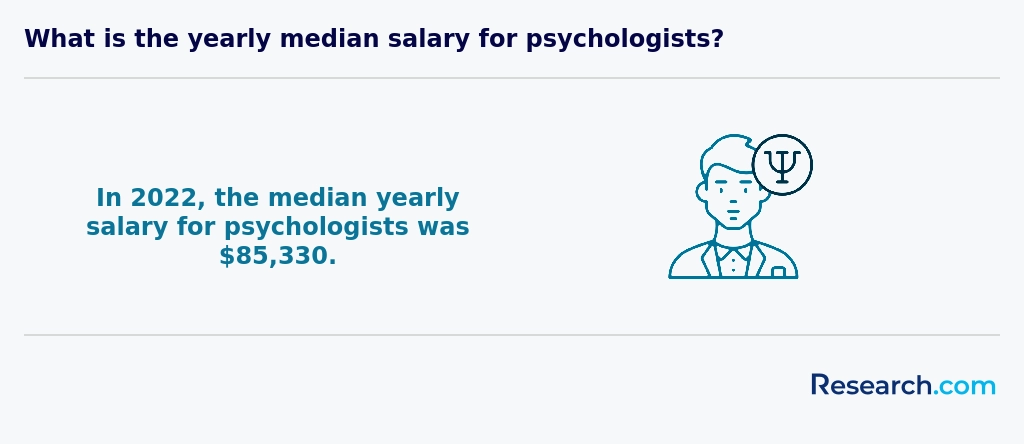
. For students looking to pursue a psychology degree in New York without the constraints! of traditional classroom settings, online programs offer a flexible and often more affordable alternative. When exploring these options, it's essential to consider factors such as accreditation, curriculum, and support services. Prospective students can find valuable information on cheapest online psychology schools in New York, which can help them make informed decisions about their educational investments. By weighing the benefits of online education, including reduced commuting time and potentially lower tuition rates, against the needs for self-discipline and technological access, students can determine if an online psychology program is the right fit for their academic and career goals.
Diving into a psychology degree in New York means embarking on a journey through fascinating courses that shape your understanding of the human mind. Many graduates from renowned institutions like NYU or Fordham recall how courses such as Introduction to Psychology opened their eyes to the basics of behavior and research methods, igniting a passion for exploration.
Students also find Developmental Psychology captivating, as it reveals the incredible transformations people experience throughout their lives. Imagine discussing real case studies in class, like how infants develop attachment or seniors cope with memory changes, making the theories come alive.
Other popular courses include Abnormal Psychology, where learners delve into mental health disorders, often reflecting on clinical stories shared by professors with firsthand experience in New York's bustling hospitals.
Classes like Cognitive Psychology encourage a hands-on approach to understanding memory and perception-skills that many graduates applied during internships in city research labs.
Moreover, specialized electives such as social or industrial-organizational psychology let students customize their studies, preparing them for the diverse career paths New York's psychology landscape offers.
Exploring psychology degree specializations in New York reveals an exciting spectrum of paths, each crafted to fit diverse passions and career dreams. Graduates from top institutions like NYU and Columbia often rave about immersing themselves in clinical psychology, a highly valued specialization, especially given New York's high demand for licensed experts who diagnose and treat mental health conditions. Picture working in bustling city clinics, where every day brings a new challenge and fulfillment.
Others find their calling in counseling psychology, using empathy and wellness strategies to support New York's dynamic communities through life's ups and downs. Industrial-organizational psychology stands out too, attracting graduates keen on transforming workplace culture in the heart of New York's corporate world. If your curiosity leans toward courts and justice, forensic psychology offers a captivating intersection of law and behavior, a specialization thriving within New York's vast legal network.
For those drawn to human development, options abound in developmental psychology, perfect for researchers at renowned New York universities. And for anyone wondering is becoming a therapist without a degree in psychology possible, understanding these specializations can clarify your next steps. Affordability also plays a role; students often seek affordable psychology programs with specialization options New York uniquely offers, striking a balance between cost and comprehensive learning.
Choosing the best psychology degree in New York is an exciting journey that starts with knowing what you want. Graduates from popular schools like CUNY often recall how identifying their career goals-whether clinical practice or research-helped them pick the right level of degree, from bachelor's to doctorate.
Exploring affordable psychology degree programs in New York opens doors to quality education without breaking the bank. Many have praised CUNY's programs for blending affordability with hands-on experience in vibrant New York City settings, where internships and research come alive.
Accreditation is another compass on this adventure. Graduates from APA-accredited programs at institutions such as Columbia University feel confident their degrees meet licensure demands and push their careers forward.
For those juggling jobs or personal life, hybrid and online options offer flexibility without sacrificing quality. Some students choose master in psychology online programs to keep progressing without pausing their busy lives.
Ultimately, the best psychology programs offer rich faculty expertise, strong graduation rates, and financial aid opportunities, letting you explore your passion while building a future in New York's dynamic mental health landscape.

Imagine stepping out of a vibrant New York City campus armed with a psychology degree and a palette full of career possibilities. Graduates from universities like CUNY often land in clinical psychology, becoming licensed professionals through state licensure and doctoral training, drawn by rewarding roles that combine science and empathy. If counseling resonates more, the path to becoming a licensed mental health counselor or marriage and family therapist offers fulfilling ways to make a difference, with salaries rising as experience deepens. The landscape of psychology career opportunities in New York stretches further, inviting graduates into research settings bustling with innovation at institutions and nonprofits throughout the city. Some find joy in roles as research assistants or coordinators, immersing themselves in discovery and earning steady entry-level wages. Others gravitate toward organizational psychology or human resources, where they shape workplace culture and employee well-being in New York's corporate world, blending psychology with leadership.
For those weighing the adventure, cost matters. Public options like CUNY's psychology programs provide affordable paths, while private colleges offer more costly but specialized experiences. Exploring financial investment alongside career goals is critical; students curious about savings may look into the Cheapest Psychology Degree Programs Ranking in Montana for comparison. Each journey is unique, fueled by passion, curiosity, and a commitment to understanding people in one of the country's most stimulating environments.
The psychology job outlook in New York reveals a dynamic landscape where graduates from popular universities find opportunities in hospitals, schools, and private clinics across bustling cities like New York and Buffalo. Many graduates marvel at how their degree opens doors to meaningful roles in clinical and counseling psychology, creating real impact in mental health services. For instance, a graduate working in a Manhattan hospital shares how their hands-on experience during studies directly translated into a rewarding career helping diverse patient populations.
Employment opportunities for psychology graduates New York are not just limited to traditional paths; some find exciting niches in industrial-organizational psychology, collaborating with businesses to enhance employee wellbeing in major corporations. Others dive into research roles at renowned institutions, fueled by curiosity and the thrill of discovery. The median salary around $100,000 reflects the value placed on these specialists, though new graduates often start between $60,000 and $75,000, offering a realistic glimpse into early career journeys.
To manage education costs, students often compare options, including public universities known for competitive tuition. Graduates often recommend exploring affordable pathways and even prioritizing the top associate degree in 6 months online accredited before advancing, which helps ease financial pressures while entering this vibrant field.
2027 Most Affordable Psychology Degree Programs Ranking in New York
Investing in your education is a significant decision that requires careful consideration, and the Research.com team recognizes the importance of providing reliable information to support this process. To assist prospective students in New York, we have developed the "2027 Most Affordable Psychology Degree Programs Ranking in New York." Our dedication to quality, credibility, and accuracy is demonstrated through thorough research and rigorous analysis.
We utilized the following reputable data sources to ensure a comprehensive evaluation of psychology degree programs:
By consulting this ranking, readers will gain valuable guidance in identifying affordable and quality psychology programs in New York, empowering them to make well-informed educational decisions. For more details on how this ranking was created, please visit our Research.com methodology page.



# 8 position
SUNY at Fredonia
Bachelor of Arts in Psychology




# 18 position
State University of New York at Plattsburgh
School Psychology Master's & Certificate of Advanced Study

Frequently Asked Questions About psychology
Psychology degree students in New York can maximize their learning by engaging actively in both theoretical and practical experiences. New York hosts numerous accredited institutions offering access to research labs and internships, which are critical for skill development. According to the New York State Education Department, participation in supervised internships increases job placement rates by over 20% for psychology graduates.
Students should also take advantage of the state's diverse mental health facilities and community centers for hands-on experience. Networking with local professionals through organizations like the New York State Psychological Association can provide mentorship and career guidance. Additionally, staying updated on evolving psychological research by accessing resources from New York academic libraries enhances understanding and application of knowledge.
The psychology field continues to evolve rapidly, especially within New York's diverse cultural and economic landscape. Emerging niches include neuropsychology, focusing on brain-behavior relationships, driven by advancements in brain imaging technology. Another fast-growing area is health psychology, addressing how psychological factors impact chronic illness management. Additionally, forensic psychology is expanding due to increased demand for expert testimony in legal cases.
According to the New York State Education Department, psychology jobs in specialized areas are projected to grow by over 10% through 2030. Child and adolescent psychology also remains vital, reflecting New York's broad youth population. These niches offer promising career paths for students.
After completing a psychology degree in New York, preparing for the job market requires several practical steps. First, gaining relevant experience through internships or volunteering in mental health clinics or research facilities is essential. New York offers numerous opportunities in hospitals and nonprofit organizations specializing in psychological services.
Networking is also critical. Joining local chapters of professional groups such as the New York State Psychological Association can connect graduates with mentors and job openings. Additionally, graduates should consider obtaining licensure if aiming for clinical roles, with requirements regulated by the New York State Office of the Professions.
Continuing education and certifications enhance employability. Many employers value experience with evidence-based therapies and data analysis skills commonly taught in higher education psychology programs. According to the U.S. Bureau of Labor Statistics, employment for psychologists in New York is projected to grow 6% between 2022 and 2032, highlighting steady demand.
Employers in New York highly value psychology graduates who demonstrate strong critical thinking and analytical skills. These abilities allow graduates to interpret complex behavioral data and apply research findings effectively. Communication skills, both written and verbal, are also crucial since many roles require interaction with clients, interdisciplinary teams, or presenting findings clearly.
Knowledge of ethical standards guided by the American Psychological Association (APA) is essential, especially given New York's stringent regulations on mental health practices. Additionally, familiarity with statistical software and data analysis is increasingly in demand. According to the New York State Education Department, practical experience through internships significantly enhances employability in local settings.
Finding internships in New York relevant to a psychology degree involves several strategic steps. Many universities in the state have partnerships with local hospitals, mental health clinics, and nonprofit organizations where students can gain practical experience. According to the New York State Education Department, securing an internship aligned with your psychology specialization enhances both academic and professional development.
Students should also utilize resources such as the American Psychological Association's (APA) internship database and New York-based job portals that list psychology-related positions. Networking through university career centers and local psychology associations, like the New York State Psychological Association, significantly increases internship opportunities.
In New York City alone, over 30 major hospitals and research centers offer internships in clinical, counseling, and developmental psychology, making it a robust environment for experiential learning.
A psychology degree in New York significantly enhances career mobility and advancement opportunities. Holding this degree opens doors to various roles in healthcare, education, social services, and business sectors. According to the New York State Department of Labor, employment for psychologists in the state is projected to grow 9% through 2030, faster than the average for all occupations. This growth creates new chances for professionals to move into specialized or leadership roles.
Furthermore, earning a degree from an accredited New York institution often meets licensure requirements essential for clinical positions. Advanced degrees, such as a master's or doctorate, increase earning potential and eligibility for higher-level jobs. Networking opportunities available through New York colleges also support career progression within the competitive job market.
Studying for a psychology degree in New York equips students to engage in interdisciplinary roles by combining rigorous psychology coursework with opportunities in related fields such as social work, neuroscience, and public health. Many New York institutions emphasize collaboration across departments, preparing students to apply psychological principles in diverse professional contexts.
New York's workforce demands professionals who understand mental health within broader social and biological frameworks. According to the New York State Education Department, psychology graduates often work alongside healthcare providers, educators, and policymakers, highlighting the need for cross-disciplinary skills.
Programs also offer internships in various settings, including hospitals and community agencies, fostering practical experience that bridges multiple disciplines.
Choosing between a thesis and a non-thesis psychology degree program in New York depends on your career goals and academic interests. Thesis programs emphasize research, requiring students to conduct original studies and write a detailed paper. This path suits those aiming for doctoral studies or research jobs.
Non-thesis programs focus more on coursework and practical experience, ideal for students targeting immediate employment or professional roles like counseling or human services. According to the New York State Education Department, many top psychology programs in New York offer both options, with about 40% of students choosing thesis tracks.
Consider time commitment: thesis programs often take longer to complete due to research demands.
Students based in New York seeking to study psychology abroad have several structured pathways available. Many New York universities have exchange programs or partnerships with institutions overseas, enabling students to spend a semester or year abroad while earning credits toward their psychology degree. According to the Institute of International Education, over 15% of New York college students participate in study abroad annually, reflecting growing interest.
Popular destinations for psychology studies include the United Kingdom, Canada, and Australia, where curriculum parallels U.S. standards. Students should ensure programs are accredited and align with American Psychological Association (APA) requirements for licensure. Additionally, New York's State Education Department provides resources on credential evaluation for degrees earned abroad, which is essential for postgraduate work or clinical practice in New York.
Students pursuing psychology degrees in New York have several part-time job opportunities that complement their studies. Roles such as research assistants at local universities or hospitals provide hands-on experience with data collection and analysis, essential for psychology majors. According to the New York State Education Department, many institutions offer part-time positions in mental health clinics, allowing students to assist licensed professionals and observe therapeutic practices.
Additionally, tutoring psychology underclassmen or assisting in community outreach programs related to mental health are common options. These jobs enhance communication skills and deepen understanding of psychological theories.
The U.S. Bureau of Labor Statistics highlights that these experiences help build competitive resumes for graduate programs or entry-level psychology roles in New York's competitive job market.
Psychology students in New York have access to numerous networking opportunities critical for career development. Universities such as New York University and Columbia offer student psychology associations where members connect through events, workshops, and guest lectures. These associations frequently collaborate with the New York State Psychological Association (NYSPA), providing exposure to licensed professionals and researchers.
Additionally, New York City hosts several annual psychology conferences and symposiums, which attract experts from various specialties. Students benefit by presenting research and attending sessions to build relationships.
Internships and volunteer placements at renowned institutions like Bellevue Hospital and the NYC Department of Mental Health further expand networks. According to NYSPA, students engaged in professional groups have a 30% higher chance of securing relevant employment post-graduation.
Alumni networks play a vital role for psychology degree students in New York by providing valuable career connections and mentorship opportunities. Many New York universities, such as Columbia and NYU, have extensive alumni communities working in clinical, research, and counseling roles across the state.
Research from the Higher Education Research Institute shows that active alumni networks increase graduate employment rates by up to 15%. For psychology students, this can mean easier access to internships at New York-based mental health clinics or research centers, which boosts practical experience.
Furthermore, alumni often host workshops and networking events, helping students stay informed about job market trends unique to New York's diverse population. These connections are especially beneficial in competitive urban job markets.
Customizing a psychology degree program in New York involves selecting concentrations, electives, and experiential opportunities that align with your career goals. Many New York colleges offer specialized tracks such as clinical, counseling, forensic, or industrial-organizational psychology. According to the New York State Education Department, students can tailor their coursework to meet licensure requirements if they plan to become licensed psychologists or counselors.
Internships and research projects are key options for customization, providing practical experience and networking within local mental health agencies or research centers. Schools like CUNY and SUNY emphasize flexible programs to accommodate working professionals. Choose advisor guidance carefully to match coursework with future career pathways.
Psychology students in New York face several common challenges during their studies. One significant issue is the cost of education; New York ranks among the states with higher average tuition fees, often exceeding $10,000 per year for public in-state institutions, according to the College Board.
Additionally, students must balance rigorous coursework with practical experience. Clinical placements and internships, crucial for psychology majors, can be competitive and time-consuming to secure in a densely populated state.
Another challenge is the high demand for graduate programs. The New York State Education Department reports that admission rates for advanced psychology degrees are highly selective, making progression difficult for many.
With a psychology degree in New York, you can pursue several professional certifications that enhance career opportunities. Common certifications include Licensed Mental Health Counselor (LMHC) and Licensed Psychologist, both regulated by the New York State Office of the Professions. The LMHC credential requires completing a master's degree, supervised experience, and passing the National Clinical Mental Health Counseling Examination.
Other certifications of interest involve Certified Rehabilitation Counselor (CRC) and Board Certified Behavior Analyst (BCBA), useful in fields like rehabilitation and applied behavior analysis. Certifications often increase employability and may lead to higher salaries. The U.S. Bureau of Labor Statistics notes that employment for psychologists in New York is projected to grow 4% from 2022 to 2032.
Writing a winning application for a psychology program in New York requires clear focus and careful preparation. Start by highlighting your academic achievements, especially courses in psychology, biology, and statistics. Many New York institutions, such as Columbia University and SUNY schools, look for applicants with strong research experience or internships in mental health settings.
Craft a compelling personal statement that explains your passion for psychology and your career goals. Be specific about why you want to study in New York, referencing local opportunities like the rich diversity of populations and numerous clinical settings.
Additionally, secure strong letters of recommendation from professors or professionals who can attest to your skills. According to the New York State Education Department, well-rounded applicants who combine academic excellence with practical experience have higher admission chances.
The global perspectives on a psychology career emphasize diverse opportunities and growing demand, particularly in the U.S. and New York. The American Psychological Association (APA) highlights a steady increase in employment for psychologists, with a projected 8% growth nationally from 2021 to 2031. New York State, home to one of the largest populations, offers abundant roles in clinical, counseling, and research psychology. Globally, psychology careers focus on mental health, education, and human behavior in various cultural contexts, but U.S. degrees often provide a strong foundation for international work due to rigorous accreditation standards and research emphasis. Understanding global mental health trends also benefits New York students looking to work abroad or with diverse communities locally.
Gaining practical experience while studying for a psychology degree in New York is essential for career readiness. Many accredited programs incorporate internships or practicum placements into their curriculum. These opportunities allow students to work directly with clients or research teams under professional supervision.
Students can also seek volunteer positions at local hospitals, mental health clinics, or nonprofit organizations such as the New York Psychological Association, which supports internships and networking. Additionally, some universities partner with the New York State Office of Mental Health to facilitate hands-on training.
According to the American Psychological Association, over 60% of psychology students in New York participate in supervised fieldwork, which bolsters employment prospects upon graduation.
Choosing the right concentration in a psychology degree program in New York depends largely on your career goals and interests. Common concentrations include clinical, counseling, developmental, and forensic psychology. According to the New York State Education Department, clinical and counseling psychology are among the most in-demand fields, especially as mental health services grow across the state.
Consider the types of populations or issues you want to work with, such as children, adults, or criminal justice clients. Research program curriculum and faculty expertise at schools like CUNY or SUNY, which offer diverse psychology tracks. Also, review licensure requirements for psychology careers in New York, as different concentrations may require distinct credentials or supervised hours.
Job outlook data from the Bureau of Labor Statistics shows a 10% growth for psychologists in New York through 2030, emphasizing the importance of specialization aligned with regional needs. Finally, explore internships and research opportunities available within concentrations to ensure practical experience aligns with your educational path.
- 2027 Most Affordable Psychology Degree Programs Ranking in New Jersey
- 2027 Most Affordable Psychology Degree Programs Ranking in Pennsylvania
- 2027 Most Affordable Psychology Degree Programs Ranking in Vermont
- 2027 Most Affordable Psychology Degree Programs Ranking in Rhode Island
- 2027 Most Affordable Psychology Degree Programs Ranking in New Hampshire
- 2027 Most Affordable Psychology Degree Programs Ranking in Virginia
- 2027 Most Affordable Psychology Degree Programs Ranking in West Virginia
- 2027 Most Affordable Psychology Degree Programs Ranking in North Carolina
- 2027 Most Affordable Psychology Degree Programs Ranking in South Carolina
- 2027 Most Affordable Psychology Degree Programs Ranking in Tennessee
See What Experts Have To Say About Studying Psychology
Read our interview with Psychology experts

Joann Farrell Quinn, Ph.D., MBA
Psychology Expert
Director at the College of Medicine Department of Medical Education
Morsani College of Medicine

Robin M. Kowalski. Ph.D.
Psychology Expert
Professor of Psychology
Clemson University

Elizabeth L. Jeglic Ph.D.
Psychology Expert
Professor of Psychology
City University of New York

- A Guide to Psychology Internships | Psychology Degree Guide https://psychologydegreeguide.org/resources/internships/
- Sample letters in psychology https://www.mystudies.com/en-in/human-and-social-sciences/psychology/letter-model/
- Psychology - SWPS University https://english.swps.pl/academics/warsaw/ba-programs/psychology
- Society for the Teaching of Psychology https://teachpsych.org/page-1784686/8675326
- Financial Aid for Psychology Students https://www.onlinepsychologydegrees.com/financial-aid/
- Study Psychology Abroad | Go Overseas https://www.gooverseas.com/study-abroad/psychology
- Have You Found a Niche? https://www.apaservices.org/practice/business/marketing/building/niche
- Why Get a Psychology Degree Online? | University of Bridgeport https://www.bridgeport.edu/news/reasons-to-get-your-psychology-degree-online/
- Community Psychology in Global Perspective http://siba-ese.unisalento.it/index.php/cpgp
- Scholarships For Psychology Majors (2025) https://www.psychology.org/scholarships/


