
2027 Most Affordable Psychology Degree Programs Ranking in South Carolina

Co-Founder and Chief Data Scientist
Choosing the right psychology degree program in South Carolina can feel overwhelming. To help students navigate this important decision, the Research.com team of data scientists has created the 2027 Most Affordable Psychology Degree Programs Ranking in South Carolina. This ranking offers a clear overview of programs that combine quality education with affordability.
By exploring this article, you'll find valuable insights to guide your choices, making it easier to pursue a fulfilling career in psychology. Earning your degree is not only a smart investment in your future but also a step toward understanding and helping others.
Key benefits of getting psychology degree in South Carolina
- Salary for psychology degree graduates: Graduates can expect competitive salaries such as $62,370 annually for Clinical Research Associates and Survey Researchers, and up to $83,190 for Marketing Research Analysts, reflecting rewarding financial prospects.
- Potential career paths: Psychology graduates from institutions like the University of South Carolina often pursue diverse roles including human resources, clinical research, and marketing analysis, showing excellent flexibility and job opportunities.
- Benefits of an online psychology degree: Earning a degree online from universities such as Clemson University allows flexibility to balance work and study, often leading to the same rewarding careers without geographic constraints and with personalized pacing.
- 2027 Most Affordable Psychology Degree Programs Ranking in South Carolina
- What can I expect from psychology degree in South Carolina?
- Where can I work with psychology degree in South Carolina?
What can I expect from psychology degree in South Carolina?
The average cost of earning a psychology degree in South Carolina varies, but many students find it manageable, especially at public universities. For instance, in-state tuition at the University of South Carolina is around $12,000 per year, which helps students focus on their studies without overwhelming financial stress. Graduates from this institution often share how this affordability enabled them to dedicate time to internships and research projects, enriching their learning experience.
Private colleges like the College of Charleston may have higher tuition, but students report that scholarships and financial aid options specifically for psychology majors make pursuing their degrees more accessible. Many students leverage these resources to balance education costs with gaining valuable hands-on experience in local labs or community programs.
Considering tuition alongside practical training opportunities, psychology students in South Carolina feel optimistic and supported in their path toward careers in counseling, social services, or research. Careful budgeting combined with available aid can make the investment in a psychology degree a rewarding, achievable goal in the state.
Where can I work with psychology degree in South Carolina?
With a psychology degree in South Carolina, you can pursue careers across mental health, education, business, and public sectors, offering diverse paths based on your interests and further training. Many graduates from Clemson University or the University of South Carolina start as counselors or behavioral specialists in hospitals and community mental health centers, gaining hands-on experience that builds confidence and expertise.
Others leverage connections made during research projects at these universities to work as academic advisors or research assistants, contributing to important psychological studies while expanding their professional networks. If you enjoy workplace dynamics or consumer behavior, positions in human resources or market research firms in South Carolina provide practical opportunities to apply your psychology knowledge in a thriving business environment.
Graduates interested in public service often find fulfilling roles with state agencies focused on social services or juvenile justice, where they support rehabilitation and community programs. Those aiming to become licensed psychologists usually continue education with advanced degrees and licensure steps, enabling them to work in private practices, schools, or treatment centers across the state, turning their passion for helping others into rewarding careers.
Graduates with a psychology degree from institutions like the University of South Carolina or Clemson University often find entry-level roles such as childcare workers earning around $32,070 annually in South Carolina. This can be a realistic starting salary while gaining valuable experience in the mental health field. Many early-career professionals also pursue positions as clinical research associates or survey researchers, with mean annual wages near $62,370 according to national data, which aligns well with opportunities available locally.
For those aiming higher, roles like human resources specialists or marketing research analysts offer attractive salary prospects, averaging $76,060 and $83,190 per year respectively, reflecting the versatility of a psychology degree in South Carolina's evolving job market. Graduates sharing their journeys often highlight the benefits of combining their degree with internships or certifications, which significantly boost employability and income potential.
By strategically targeting these roles and leveraging networking within South Carolina's universities and professional circles, psychology graduates can maximize their earnings while contributing to communities across urban and rural areas.
- South Carolina offers psychology degrees at all levels, including associate, bachelor's, master's, and doctoral programs at public and private institutions.
- The average total cost for a bachelor's degree at a public university is about $25,000 for in-state students, while private colleges often exceed $40,000 for the entire program.
- Graduate degrees cost between $12,000 and over $30,000 per year depending on the program and institution.
- Starting salaries for psychology bachelor's graduates are around $40,000 annually, while licensed clinical psychologists earn between $70,000 and $90,000 per year.
- The job market shows 3-5% projected growth over the next decade, with demand in healthcare, education, social services, and private practice.
- Licensure requires completing an accredited doctoral program, supervised experience, and passing the EPPP exam in South Carolina.
Completing a psychology degree in South Carolina typically takes about four years for an undergraduate program at universities like the University of South Carolina or Clemson University. Graduates often share that balancing general education and core psychology courses feels manageable within this timeframe when enrolled full-time. For many, this solid foundation opens doors to rewarding internships and research opportunities locally.
Graduate studies add more time, with most master's programs in South Carolina spanning two to three years. Students at institutions such as Winthrop University find that structuring their studies around thesis projects or part-time work helps keep progress steady and stress low. This flexible pacing lets them build confidence while gaining valuable experience.
Doctoral degrees take longer-about five to seven years-especially when including research, internships, and clinical hours. Graduates from programs like those at the Medical University of South Carolina recall feeling proud as they balanced demanding coursework with hands-on practice, knowing each step brought them closer to licensure and fulfilling careers.
Graduates who wish to practice as professional psychologists in South Carolina must navigate a multi-step licensure process designed to ensure competence and public safety. Whether you enroll in a classroom-based program or choose an online psychology master, confirming your program’s accreditation is the first crucial step. Key steps to licensure:
- Earn a degree from an APA-accredited doctoral program or an ACPE-approved master’s program (for counseling/therapy tracks).
- Complete supervised experience: • Pre-doctoral internship (1,500–2,000 hours) for doctoral candidates. • Post-master’s supervised practice (2,000+ hours) under a licensed psychologist or LPC supervisor.
- Pass the Examination for Professional Practice in Psychology (EPPP) with a scaled score of 500 or higher.
- Succeed on the South Carolina jurisprudence and ethics exam administered by the SC Board of Examiners in Psychology.
- Submit a completed application, official transcripts, supervisor evaluations, and required fees to the South Carolina Department of Labor, Licensing and Regulation (LLR).
- Fulfill continuing education requirements: 40 hours every two years, including ethics and child abuse reporting. Special certifications:
- Licensed Professional Counselor (LPC)
- Certified School Psychologist (requires SC DOE endorsement)
- Substance Abuse Specialist (additional state-approved training) Understanding these requirements early ensures you select the right psychology degree in South Carolina and map out your path to becoming a licensed psychologist or counselor, ultimately enhancing your career prospects and credibility.
Choosing between online and on-campus psychology degrees in South Carolina depends largely on your lifestyle and learning preferences. On-campus programs at schools like the University of South Carolina and Clemson University offer direct interaction with professors and classmates, creating a dynamic classroom atmosphere. Graduates often highlight the value of hands-on practicum experiences, which are essential for careers in clinical or counseling psychology and are more structured and accessible on-campus.
On the other hand, online degrees provide flexibility perfect for students juggling work or family. Many online programs maintain the same rigorous curriculum, though practical experiences may require extra effort to arrange independently. Students report feeling empowered by the freedom to study remotely while saving on housing and commuting costs.
Consider these differences: on-campus offers immediate access to campus labs and counseling centers, while online may require travel for internships. South Carolina's affordable in-state tuition and growing job market make both options viable paths-choose the one that fits your real-life needs and future goals.
Investing in a psychology degree requires evaluating both upfront costs and long-term earnings. On average, in-state tuition for a bachelor’s in psychology is $9,580 per year, leading to a total investment of approximately $38,320 over four years. With a mean entry-level salary of $49,340 and a mid-career wage around $73,080, graduates typically recoup their tuition within three to five years post-graduation, depending on their specialization and employment sector. Students seeking to optimize their ROI can compare on-campus and online formats. Online pathways often reduce ancillary expenses like commuting and housing. For a curated list of the most budget-friendly options, consider our Low Cost Online Bachelor's in Psychology Degree Programs Ranking in the South, which highlights programs with annual tuition under $7,000. Beyond tuition, factors such as financial aid, scholarships, and part-time work opportunities further influence net cost. Recipients of the Federal Pell Grant and state-based need grants can lower their price tag by up to 60%, accelerating the break-even point. Additionally, many graduates secure graduate assistantships or internships that include stipends, reducing reliance on loans. When assessing ROI, it’s also critical to account for career advancement. Psychology alumni who earn a master’s or doctorate can see their lifetime earnings increase by 30–50%, making initial postgraduate costs a worthwhile investment. By balancing program affordability with robust career support services, prospective students can ensure a psychology degree in South Carolina delivers both personal fulfillment and financial returns.
The average cost of a psychology degree in South Carolina typically revolves around $15,554 for in-state students, while out-of-state students face higher expenses closer to $40,720. These figures reflect the total cost, including tuition and fees, and help you realistically budget your educational journey. Graduates from public universities like Clemson University have often mentioned how affordable in-state tuition made pursuing their psychology degree a manageable investment, allowing them to focus on gaining hands-on experience and connecting with professors.
For many students seeking affordable psychology degree programs South Carolina offers, attending a public university is an advantageous choice. Programs at schools such as the University of South Carolina provide a balance of cost-effectiveness and strong academic reputation, enabling students to graduate with less financial strain. Meanwhile, private institutions or graduate-level studies usually come with higher price tags but attract students desiring specialized programs or smaller class sizes.
Students often share personal stories of navigating these costs by applying for scholarships, assistantships, and financial aid to supplement their budgets, easing the burden of additional expenses like textbooks and living costs. Exploring options early can open doors to resources that make paying for a psychology degree less daunting.
If you want to explore the best psychology programs in South Carolina to find options that suit your budget and academic goals, consider visiting best psychology programs in South Carolina.
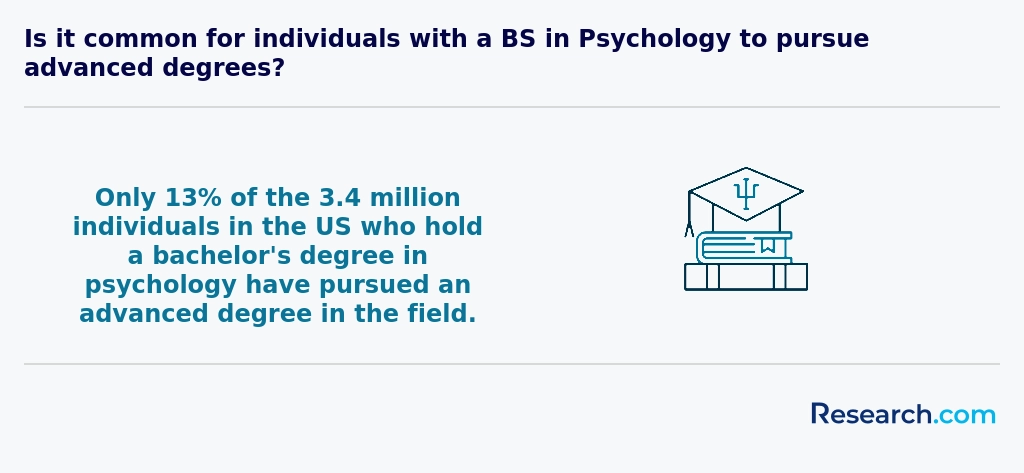
Choosing a psychology program with APA accreditation is crucial for graduates aiming to pursue licensure and clinical practice in South Carolina. Accredited programs adhere to rigorous standards set by the American Psychological Association, ensuring that coursework, faculty qualifications, and practicum experiences meet national benchmarks. Most accredited bachelor’s programs include foundational courses in ethics, assessment, and intervention strategies, all designed to prepare students for graduate-level licensure pathways. In South Carolina, licensure as a Licensed Psychologist requires completion of an APA-accredited doctoral program, supervised practicum hours, and successful passage of the Examination for Professional Practice in Psychology (EPPP). Prospective students should verify each institution’s practicum partnerships with local clinics and mental health centers, as well as average student pass rates on the EPPP. Programs that offer dedicated licensure exam prep workshops, mock EPPP simulations, and faculty mentorship often yield higher success rates and smoother transitions to supervised postdoctoral work. For undergraduates seeking affordable pathways that lay the groundwork for licensure, exploring accredited online options can be advantageous. Our Low Cost Online Bachelor's in Psychology Degree Programs Ranking in the South highlights programs that balance affordability with APA-aligned curricula, allowing students to complete prerequisite courses and practicum placements while managing work or personal commitments. When evaluating a program’s licensure preparation:
- Confirm APA accreditation status and state licensure alignment.
- Review practicum placement networks and average supervised hour completion times.
- Assess support services such as EPPP prep sessions, licensure advising, and alumni licensure outcomes. By prioritizing APA accreditation and comprehensive licensure support, students in South Carolina can pursue their professional goals with confidence, knowing their education meets industry standards and state requirements.
Psychology students in South Carolina can access various financial aid options tailored to ease their education expenses. Completing the FAFSA is essential to unlock federal aid like Pell Grants, which average around $4,500 annually for qualifying psychology undergraduates. Many graduates from Clemson University recall how these grants significantly lowered their tuition burden, allowing them to focus on studies rather than finances.
State scholarships, particularly the LIFE Scholarship from the South Carolina Commission on Higher Education, offer up to $5,000 yearly for eligible in-state students. Psychology majors at the University of South Carolina often benefit from this aid, boosting affordability through academic excellence.
Institutions also provide merit-based scholarships specific to psychology, rewarding both academic achievement and financial need. Private scholarships from organizations such as the South Carolina Psychological Association or Psi Chi supplement these resources, motivating students to maintain strong GPAs and active involvement in psychology activities.
Loans remain an option, with federal Direct Loans favored for their lower interest rates and flexible repayment options, giving graduates peace of mind as they prepare for their futures in psychology careers.
Pursuing a psychology degree in South Carolina can be a rewarding and challenging experience that offers numerous benefits. To make an informed decision, it is essential to understand the various aspects of psychology programs in the state. The best psychology programs in South Carolina provide students with a comprehensive education, preparing them for diverse career paths. By exploring the curriculum, specializations, and career opportunities, prospective students can determine if a psychology degree in South Carolina aligns with their goals and aspirations. With its rich history, vibrant culture, and growing demand for mental health professionals, South Carolina offers a unique environment for students to grow and develop as future psychologists.
To enroll in a psychology degree program in South Carolina, start by securing a high school diploma or GED with a competitive GPA, ideally around 2.5 or above. For example, students at the University of South Carolina often mention how maintaining solid grades early on helped smooth their admission process. Many schools, including the College of Charleston, require standardized test scores like the SAT or ACT, though some have adopted test-optional policies recently. Double-check the requirements of each university before applying.
Personal statements matter greatly. Graduates recall how sharing their genuine interest in psychology through essays made their applications stand out and connected them with admissions committees.
If pursuing graduate studies, having a bachelor's degree with foundational psychology courses-such as statistics and research methods-is essential. Letters of recommendation and relevant experience in mental health settings boost admission chances. While GRE scores might still be requested, some programs have waived this, making the path more accessible.

Embarking on a psychology degree is as much about academic mastery as it is about developing practical skills and a resilient mindset. Here are some actionable strategies to help you thrive throughout your program: • Plan Ahead and Stay Organized: Begin by mapping out application deadlines, exam schedules, and extracurricular opportunities. Using digital calendars and planning tools helps maintain a balanced study-life routine, reducing stress during peak periods. • Leverage Campus Resources: Most universities in South Carolina offer tutoring centers, counseling services, and workshops specifically tailored for psychology students. Engage with these resources early to enhance both your academic performance and personal growth. • Network and Build Relationships: Establishing strong connections with peers, professors, and industry professionals can lead to mentorship opportunities and internships. For instance, students interested in alternative paths might explore options such as becoming a therapist without a degree in psychology, which can offer a unique career perspective. • Emphasize Practical Experience: Participate in research projects, volunteer opportunities, and internships to apply theoretical concepts to real-world scenarios. This hands-on approach not only reinforces learning but also builds your resume for a competitive job market. • Seek Feedback and Reflect: Regularly consult with professors and peers to gain constructive feedback. Reflecting on this advice can help you improve study habits, hone research skills, and ultimately transform challenges into opportunities for growth. By integrating these strategies into your academic journey, you can maximize your educational investment and set a strong foundation for a successful career in psychology.
Psychology degree programs in South Carolina typically include courses that build a strong foundation and practical skills. Students at popular institutions such as the University of South Carolina often start with core classes like Introduction to Psychology, which covers essential theories and the history of the field. This helps students quickly grasp how psychology applies to everyday life, making learning engaging and relevant.
Courses in Developmental Psychology let students explore how people grow and change from infancy through old age, often complemented by real classroom examples shared by recent graduates. Biopsychology or Physiological Psychology dives into the brain's role in shaping behavior, a favorite among those curious about the science behind mental processes.
Many programs emphasize Research Methods and Statistics, equipping students with the skills to design studies and analyze data-crucial for hands-on work in labs or internships at South Carolina State University. Electives like Clinical and Social Psychology offer practical knowledge and personal growth, often shared enthusiastically by alumni who found internships in local hospitals or counseling centers highly rewarding.
Psychology degree specializations in South Carolina typically include clinical psychology, counseling psychology, industrial-organizational psychology, developmental psychology, and forensic psychology. Graduates from popular universities in the state often share how clinical psychology helped them confidently diagnose and treat mental health disorders through hands-on practicums. Counseling psychology programs emphasize patient well-being, preparing students to support people navigating life's challenges. Industrial-organizational psychology is especially relevant as local businesses seek experts to improve workplace culture and productivity, a specialization appreciated by graduates entering corporate roles.
Developmental psychology students frequently describe their rewarding experiences studying human growth across the lifespan, a valuable focus for careers in education or healthcare within South Carolina. Forensic psychology offers a unique path intersecting psychology and the legal system, attracting students eager to work in criminal justice settings. Exploring these options helps clarify South Carolina psychology career paths and can inform your choice.
Some institutions offer research specialization, giving students a chance to strengthen their profiles for advanced roles. Those unsure about traditional routes might consider becoming a therapist without a degree in psychology as an alternative pathway.
Choosing the best psychology degree in South Carolina starts with ensuring the program's accreditation, such as from SACSCOC, which guarantees respected quality recognized by employers and graduate schools. Graduates from institutions like the University of South Carolina often praise how well their programs prepared them, especially with faculty mentorship in specialized fields like clinical or counseling psychology.
Cost is a key factor. Many students seeking affordable psychology degree programs South Carolina find public universities more manageable financially, with annual tuition around $10,000 to $12,000. Private colleges can be costly, but scholarships help. Students balancing work and study appreciate flexible formats; some universities offer excellent online or hybrid options to fit busy schedules. For those interested in advancing, exploring options like an online psychology master can be a practical step.
Look closely at graduate outcomes too. Successful alumni from Clemson University often highlight strong job placement and licensure pass rates. Visiting campus events or talking to current students can provide personal insights and help you feel confident in choosing a program that matches your career goals and lifestyle.
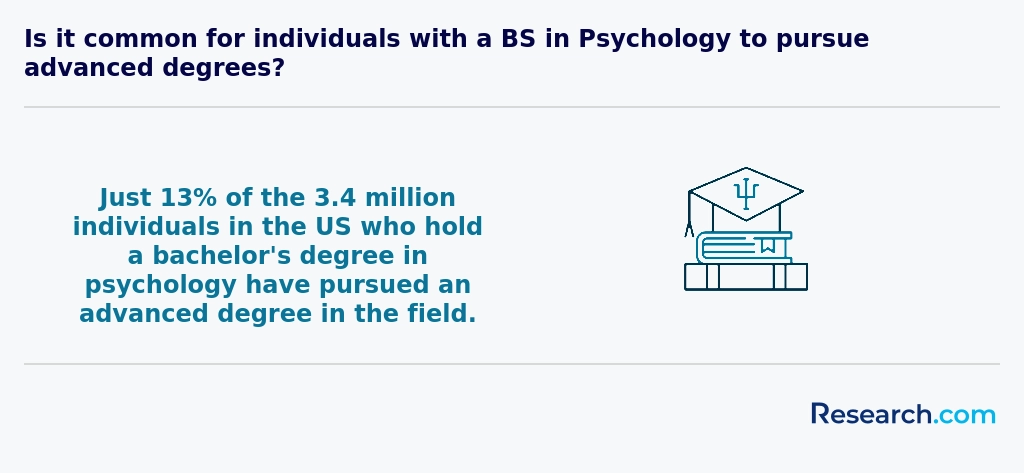
Graduates with a psychology degree in South Carolina find career paths that address regional healthcare and educational needs. Many start in human services as case managers or rehabilitation specialists, gaining practical experience while deciding whether to pursue graduate licensure. Those attending universities like the University of South Carolina or Coastal Carolina University often share how internships in local hospitals or clinics enhanced their skills and confidence.
Jobs with a psychology degree in South Carolina also include roles as school psychologists supporting K-12 students, industrial-organizational psychologists improving workplace dynamics, and researchers studying behavioral trends in communities. Licensed clinical psychologists, after completing state requirements regulated by the South Carolina Board of Examiners in Psychology, frequently work in mental health clinics, thriving on deeply rewarding patient connections.
To stretch educational investment wisely, prospective students often explore options like the Low Cost Online Bachelor's in Psychology Degree Programs Ranking in the South. This can help manage tuition costs while opening doors to diverse psychology career opportunities in South Carolina.
The job market for psychology degree graduates in South Carolina is growing, particularly in healthcare and social services. Public universities like the University of South Carolina and Clemson University attract students who find rewarding careers in clinical psychology, school psychology, and counseling within local hospitals, schools, and community centers. Graduates often share positive experiences about employment stability and meaningful impact, especially with expanding mental health programs in rural areas.
Starting salaries for psychologists average around $75,000 annually, which is strong given the state's affordable education costs. School psychologists earn about $63,000 yearly, reflecting steady demand in education. Those pursuing counseling roles will find opportunities but should plan on obtaining at least a master's degree and supervised experience to meet South Carolina licensure requirements.
Students aiming to maximize their career potential benefit from exploring certifications that make good money. Graduates from popular South Carolina colleges often recommend balancing education costs with local demand to build a fulfilling psychology career.
2027 Most Affordable Psychology Degree Programs Ranking in South Carolina
Investing in your education is a significant decision that can shape your future, and the Research.com team understands the importance of making informed choices. To assist prospective students in South Carolina, we have meticulously crafted the "2027 Most Affordable Psychology Degree Programs Ranking in South Carolina." Our commitment to quality, credibility, and accuracy is reflected in the extensive research and analysis conducted to compile this ranking.
We utilized the following reputable data sources to ensure a comprehensive evaluation of psychology programs:
By exploring this ranking, readers will gain valuable insights into the most affordable psychology degree programs in South Carolina, empowering them to make well-informed decisions about their educational investments. For more details on our methodology, please visit our Research.com methodology page.
# 2 position
Voorhees University
Bachelor of Arts in Psychology



Frequently Asked Questions About psychology
Psychology degree students in South Carolina can enhance their learning by engaging actively in both academic and practical experiences. Enrolling in internships or practicum placements through their universities, such as Clemson or University of South Carolina, offers valuable real-world exposure. South Carolina's psychology programs often emphasize research, so participating in faculty-led projects helps deepen understanding and build critical thinking skills. According to the South Carolina Commission on Higher Education, experiential learning improves graduate outcomes significantly.
Students should also consider joining local psychology associations or campus clubs to network and access mentorship opportunities. Additionally, using state resources like the South Carolina Behavioral Health Services can provide insights into regional mental health challenges, enriching classroom knowledge.
Emerging niches within the psychology field in South Carolina reflect broader national trends while addressing local community needs. One rapidly growing area is telepsychology, which has expanded due to increased access to digital technology and the COVID-19 pandemic's impact on mental health services. The South Carolina Department of Mental Health supports telehealth initiatives to reach rural populations effectively.
Another expanding field is forensic psychology. With South Carolina's legal system emphasizing rehabilitation and mental health assessment, forensic psychologists are increasingly in demand. The U.S. Bureau of Labor Statistics predicts a steady growth rate of 8% for psychologists through 2030, with specialized roles like neuropsychology also gaining traction locally.
Additionally, industrial-organizational psychology is becoming popular as businesses seek to improve workforce well-being and productivity. South Carolina's growing industries benefit from experts skilled in employee motivation and organizational behavior.
Graduates with a psychology degree in South Carolina can strengthen their job prospects by gaining relevant work experience through internships or research assistant positions. South Carolina offers various opportunities at universities and mental health organizations where students can build practical skills. According to the U.S. Bureau of Labor Statistics, employment of psychologists in South Carolina is projected to grow by 8% through 2031, signaling expanding opportunities.
Licensing is crucial for clinical psychology careers. Graduates should consider pursuing a master's or doctorate to meet South Carolina Board of Examiners in Psychology requirements. Networking through state professional groups like the South Carolina Psychological Association can also help in job placement.
Familiarity with local healthcare regulations and employer expectations enhances readiness. Additionally, honing skills in data analysis and counseling techniques aligns with job market demands. Graduates should explore continuing education to remain competitive in this evolving field.
Employers in South Carolina seeking psychology degree graduates often prioritize strong communication skills. Clear and empathetic communication is essential for roles involving client interaction or research collaboration. Critical thinking and analytical abilities also rank highly, as graduates must interpret complex behavioral data accurately.
Additionally, organizational skills and attention to detail are important, particularly for research and clinical positions. According to the South Carolina Department of Employment and Workforce, interpersonal skills and cultural competence have become increasingly valued due to the state's diverse population. Familiarity with ethical considerations and confidentiality protocols remains foundational for successful employment in psychology fields.
Finding internships in South Carolina relevant to a psychology degree involves several practical steps. Many universities in the state, such as the University of South Carolina and Clemson University, maintain strong connections with local healthcare facilities, schools, and research centers.
Students should begin by consulting their psychology department's internship coordinator, who can provide listings and personalized assistance. South Carolina's Department of Mental Health and local hospitals often offer internship opportunities in clinical and counseling psychology.
Networking through professional organizations like the South Carolina Psychological Association can also lead to valuable placements. Additionally, online platforms such as Handshake or the National Association of School Psychologists' internship board frequently list openings specifically within the state.
According to the U.S. Bureau of Labor Statistics, internships help build essential skills and increase employability in psychology-related fields.
A psychology degree in South Carolina can significantly enhance career mobility and advancement. Graduates often qualify for various roles in mental health, education, social services, and human resources. According to the U.S. Bureau of Labor Statistics, jobs for psychologists in South Carolina are expected to grow by about 6% between 2022 and 2032, which mirrors the national outlook.
Holding a degree-especially a bachelor's or higher-in psychology can open doors to entry-level positions with opportunities for promotion. Advanced degrees enable licensure as licensed professional counselors or clinical psychologists, improving salary potential and job stability.
Many employers in South Carolina value the critical thinking and communication skills psychology graduates bring, which aids career advancement across fields.
Studying for a psychology degree in South Carolina equips students with skills essential for interdisciplinary roles by emphasizing collaboration across fields like healthcare, social work, and education. Many programs in South Carolina incorporate coursework in research methods, statistics, and behavioral science, which provide a strong analytical foundation useful beyond traditional psychology careers.
Universities often partner with local hospitals, schools, and community organizations, offering practical experience in diverse environments. According to the South Carolina Commission on Higher Education, these partnerships help students develop flexible skills applicable in multidisciplinary teams, vital in today's job market.
The integration of applied psychology with public health and social services in the state further enhances students' readiness for roles requiring cross-sector knowledge. This blend trains graduates to address complex societal challenges through psychological expertise combined with insights from allied fields.
When choosing between a thesis and a non-thesis psychology degree program in South Carolina, consider your career goals and learning preferences. Thesis programs emphasize research, requiring students to conduct original studies and write a substantial paper. This path suits those aiming for doctoral studies or research careers. Non-thesis options focus more on coursework and practical skills, ideal for students wanting to enter clinical work or industry roles quickly.
South Carolina institutions like Clemson University and the University of South Carolina offer both tracks, with thesis options often extending program length by a semester. According to the National Center for Education Statistics, approximately 40% of psychology graduate students nationwide choose thesis tracks, reflecting a strong research interest.
Consider faculty expertise and available resources in your preferred school, as quality mentorship is crucial for successful thesis completion. Non-thesis programs may provide more internship opportunities, valuable in applied settings. Ultimately, evaluate program structure, personal goals, and professional requirements when deciding between these two paths.
Students in South Carolina seeking to study psychology abroad have several pathways facilitated by their home institutions. Many universities in South Carolina, including the University of South Carolina and Clemson University, offer established study abroad programs with partner universities in Europe and Asia, providing psychology coursework that aligns with U.S. degree requirements. These programs often include credit transfer agreements ensuring academic progress while gaining international experience.
Additionally, students can participate in faculty-led short-term international psychology courses, which provide exposure to global psychological practices and research.
According to the Institute of International Education, approximately 2,000 South Carolina students study abroad annually, with growing interest in psychology-related fields.
Financial aid and scholarships specifically for study abroad are increasingly available, helping reduce barriers for psychology students eager to enhance their global perspective.
Students pursuing psychology degrees in South Carolina can find valuable part-time jobs that enhance their academic experience and build professional skills. Common opportunities include working as research assistants at universities such as the University of South Carolina, where students support ongoing psychology studies by collecting data and managing experiments.
Additionally, part-time roles in behavioral health facilities and community centers offer practical exposure to counseling and client interaction. According to the South Carolina Department of Mental Health, these settings increasingly seek interns and aides knowledgeable in psychological principles.
Positions like tutor or peer mentor in psychology departments also help reinforce subject mastery while developing communication skills. These roles frequently pay hourly wages between $10 and $15, providing financial support alongside education.
Engaging in these part-time jobs helps students gain relevant experience, which is highly valued for graduate studies and future employment in the state's growing mental health sector.
Psychology students in South Carolina have access to various networking opportunities that support their academic and professional growth. Many universities, such as Clemson University and the University of South Carolina, host psychology clubs and honor societies like Psi Chi, which regularly organize events for student networking and mentorship.
Local chapters of national organizations, including the South Carolina Psychological Association (SCPA), offer student memberships. These provide chances to attend conferences, workshops, and connect with practicing psychologists across the state.
Internships and research collaborations facilitated by university faculty often introduce students to professionals in healthcare, education, and social services.
According to the SCPA, active participation in these networks increases job placement rates for graduates in the region.
Alumni networks play a vital role for psychology degree students in South Carolina by fostering professional connections and mentorship opportunities. Graduates from institutions like the University of South Carolina and Clemson benefit from these networks, which often link students to internships, job openings, and research projects across the state. According to the South Carolina Psychological Association, 65% of psychology professionals report that alumni connections helped them find employment after graduation.
These networks also offer access to continuing education and local conferences, essential for staying updated with evolving psychological practices. For students, involvement in alumni events can enhance career readiness and provide a supportive community within South Carolina's competitive job market.
Customizing a psychology degree program in South Carolina allows students to align their education with specific career goals. Many state universities offer concentrations such as clinical psychology, counseling, or industrial-organizational psychology, enabling tailored coursework. For example, the University of South Carolina provides options to focus on research, applied psychology, or developmental studies. Elective classes and internships also play a vital role, as they provide practical experience in specialized areas.
Students can consult academic advisors to design a path that fits goals like becoming a licensed counselor or pursuing graduate studies. According to the South Carolina Commission on Higher Education, choosing relevant practicum sites strengthens local professional networks, a key advantage in this state's job market.
Psychology students in South Carolina often face several challenges during their studies. One common issue is managing the balance between rigorous coursework and practical experience requirements. Many programs require internships or practicum hours, which can be difficult to organize alongside classes.
Another challenge involves limited research opportunities compared to larger states, affecting students aiming for competitive graduate programs. According to the South Carolina Commission on Higher Education, funding for psychology research remains modest, impacting hands-on training.
Additionally, students must navigate varying licensure regulations within the state. South Carolina requires specific supervised hours post-graduation to become licensed psychologists, which can delay career progress if not planned early.
With a psychology degree in South Carolina, several professional certifications are available to enhance your career opportunities. One popular certification is becoming a Licensed Professional Counselor (LPC), which requires completing a master's degree, supervised clinical hours, and passing the National Counselor Examination. LPCs can work in mental health clinics, schools, and private practice.
Another option is certification as a Certified Addiction Counselor (CAC), important in South Carolina given the state's focus on addressing substance abuse issues. The South Carolina Board of Addiction and Prevention Professionals oversees this credential.
For those interested in research or higher education, certification through the American Board of Professional Psychology may be pursued. It is essential to verify specific requirements, as South Carolina typically requires a doctoral degree for licensed psychologists.
Writing a winning application for a psychology program in South Carolina requires clear focus and preparation. Begin with a strong personal statement that outlines your passion for psychology and your career goals. Be specific about why you want to study in South Carolina, highlighting any relevant local research opportunities or faculty interests.
Ensure your academic records demonstrate solid performance, especially in psychology and related sciences. Many programs look for a minimum GPA around 3.0. Include meaningful volunteer or work experience in psychology settings to show practical commitment.
Letters of recommendation should come from professors or professionals who can vouch for your abilities and dedication. Finally, follow each program's unique application requirements carefully to increase your chances of acceptance.
Psychology careers have a broad global relevance, influenced by diverse cultural and healthcare systems. In the United States, including South Carolina, psychology professionals benefit from well-established licensure standards and growing demand. According to the U.S. Bureau of Labor Statistics, jobs for psychologists are expected to grow by 8% nationally from 2021 to 2031, reflecting steady interest worldwide.
South Carolina reflects this trend, with an increasing need for mental health services driven by both rural and urban populations. The South Carolina Department of Labor reports that clinical, counseling, and school psychologists' roles are expanding locally due to heightened awareness of mental wellness.
Globally, psychology careers emphasize cross-cultural competence, with many U.S. programs in South Carolina incorporating international research and practice standards to prepare graduates for diverse environments.
Gaining practical experience while studying psychology in South Carolina is crucial for career readiness. Many universities in the state, such as the University of South Carolina and Clemson University, offer internship opportunities in counseling centers, hospitals, and community agencies. These internships provide hands-on experience under professional supervision.
Students can also pursue research assistant positions, often available within psychology departments, allowing involvement in data collection and analysis. Volunteering at mental health organizations or crisis hotlines can enhance applied skills.
Participation in practicum courses, which combine coursework with real-world experience, is common. According to the South Carolina Board of Examiners in Psychology, such experiences are often required for licensure, emphasizing their importance.
Choosing the right concentration within a psychology degree program in South Carolina starts with understanding your career goals and interests. Psychology offers various specializations such as clinical, counseling, industrial-organizational, and developmental psychology, each leading to different job paths. For example, clinical psychology focuses on diagnosing and treating mental illness, while industrial-organizational psychology applies psychological principles to the workplace.
Researching local demand is beneficial; the South Carolina Department of Employment reports growth in mental health services, which may influence concentration choice. Additionally, accredited programs by the American Psychological Association (APA) ensure quality education. Consider internships and faculty expertise at South Carolina schools to align your concentration with practical experience and future licensure requirements.
- 2027 Most Affordable Psychology Degree Programs Ranking in North Carolina
- 2027 Most Affordable Psychology Degree Programs Ranking in Tennessee
- 2027 Most Affordable Psychology Degree Programs Ranking in Virginia
- 2027 Most Affordable Psychology Degree Programs Ranking in Mississippi
- 2027 Most Affordable Psychology Degree Programs Ranking in West Virginia
- 2027 Most Affordable Psychology Degree Programs Ranking in Pennsylvania
- 2027 Most Affordable Psychology Degree Programs Ranking in New Jersey
- 2027 Most Affordable Psychology Degree Programs Ranking in Texas
- 2027 Most Affordable Psychology Degree Programs Ranking in Rhode Island
- 2027 Most Affordable Psychology Degree Programs Ranking in New York
See What Experts Have To Say About Studying Psychology
Read our interview with Psychology experts

Elizabeth L. Jeglic Ph.D.
Psychology Expert
Professor of Psychology
City University of New York

Robin M. Kowalski. Ph.D.
Psychology Expert
Professor of Psychology
Clemson University

Catherine Caldwell-Harris, Ph.D.
Psychology Expert
Associate Professor of Psychology
Boston University

- Alumni Perspectives - Meet Our FPN Alumni https://www.aanmelder.nl/alumni-perspectives-june-2023
- What Certifications Can I Get With A Bachelor's In Psychology? https://www.psychology.org/resources/certification-skills-for-psychology-major-resumes/
- Know more about thesis vs non- thesis: what is the difference? https://studyfans.com/en/blogs/816
- Ontario Psychological Association - Networking and Community Resources https://www.psych.on.ca/become-a-member-(1)/member-services/networking-and-community-resources
- Call for papers https://www.hogrefe.com/us/journal/international-perspectives-in-psychology-research-practice-consultation
- Psychology https://uscupstate.edu/academics/college-of-arts-humanities-and-social-science/psychology/
- Why Get a Psychology Degree Online? | University of Bridgeport https://www.bridgeport.edu/news/reasons-to-get-your-psychology-degree-online/
- Tuition & Cost | Columbia College https://www.columbiasc.edu/tuition-aid/tuition-cost
- Alumni Network - https://efpsa.org/alumni-network/
- A Guide to Psychology Internships | Psychology Degree Guide https://psychologydegreeguide.org/resources/internships/


