
2027 Best Psychology Degree Programs Ranking in Alaska

Co-Founder and Chief Data Scientist
Considering a psychology degree in Alaska? This article introduces the 2027 Best Psychology Degree Programs Ranking in Alaska, carefully crafted by the Research.com team of data scientists. Their analysis helps you understand which programs stand out, making it easier to choose the best fit for your goals.
Exploring these top programs can open doors to meaningful careers that impact lives. Whether you're starting fresh or advancing your education, discovering quality options can inspire confidence and excitement about your future path.
Key benefits of getting psychology degree in Alaska
- Salary for psychology degree graduates: Graduates in Alaska can expect competitive salaries, such as a Clinical Research Associate earning about $62,370 annually and a Marketing Research Analyst making around $83,190. These roles offer solid financial rewards for skills developed through a psychology degree.
- Career paths: A psychology graduate from the University of Alaska Anchorage can pursue varied roles like Human Resources Specialist, Childcare Worker, or Survey Researcher, providing diverse options that fit different interests and strengths. This flexibility makes a psychology degree truly valuable.
- Online degree benefits: Earning a psychology degree online from Alaska Pacific University allows for a flexible schedule and learning at your own pace, ideal for balancing work or family. Many online graduates feel empowered by the convenience and supportive learning environment, enhancing their confidence to succeed.
- 2027 Best Psychology Degree Programs Ranking in Alaska
- What can I expect from psychology degree in Alaska?
- Where can I work with psychology degree in Alaska?
What can I expect from psychology degree in Alaska?
If you're wondering about the average cost of getting a psychology degree in Alaska, you're probably thinking about schools like the University of Alaska Anchorage (UAA), which many students choose for their psych studies. For in-state students, tuition tends to hover around $8,000 to $10,000 a year. So, if you're budgeting, that's a solid ballpark for undergrad costs.
Many grads look back and say the investment felt worth it, especially because programs here focus on real-world skills tailored to Alaska's unique communities. Scholarships and state financial aid are pretty common, too, which can ease the sticker shock and make the whole college journey a bit less stressful financially.
Plus, with hands-on internships at local clinics or schools, students not only pay for classes but also gain valuable experience that really lights up their resumes. So, while costs aren't tiny, they're balanced with these practical chances that help turn your passion for psychology into a meaningful career right here in Alaska.
Where can I work with psychology degree in Alaska?
If you're studying psychology in Alaska, you'll find some pretty cool job options waiting for you. Graduates from places like the University of Alaska Anchorage often land roles in mental health clinics or hospitals, helping people in Anchorage or even smaller communities. Imagine working with counselors or social workers, supporting folks through tough times-it's rewarding and really makes a difference.
Many also branch into schools, becoming school psychologists who help kids tackle learning challenges or behavioral issues. This is a big deal in Alaska's public schools, where support can feel life-changing for students.
Some grads dive into research or social services through government or tribal agencies, focusing on culturally sensitive programs especially important in Alaska's diverse communities. You might even start your own clinic offering telepsychology to reach people in remote areas-with Alaska's vast spaces, that's a unique way to connect!
Others find joy working with nonprofits, helping with addiction recovery or youth support programs. Overall, Alaska offers a range of meaningful paths where your psychology degree turns into real, positive impact.
If you're wrapping up a psychology degree in Alaska, you're probably wondering what kind of paycheck to expect. Graduates often land roles like human resources specialists or marketing research analysts, which have decent salaries here. For example, human resources specialists make around $76,060 a year, while marketing research analysts pull in about $83,190 annually. That's pretty solid for starting out in the field.
Some grads get gigs as clinical research associates or survey researchers, both earning roughly $62,370 yearly. Not bad for jobs that often involve hands-on research experience gained during studies at places like the University of Alaska Anchorage or Alaska Pacific University. These roles are great stepping stones while you decide whether to pursue further education.
Childcare worker jobs also attract some psychology grads, though the pay's a bit lower at around $32,070 a year. Still, many find the work fulfilling because of the real impact on families and communities, especially in Alaska's tight-knit areas.
Overall, psychology graduates in Alaska enjoy good opportunities, with salaries that reflect the mix of urban and remote locations. So if you're passionate about helping people and curious about human behavior, Alaska's got some solid options for you with rewarding pay.
- Psychology degrees in Alaska are mainly offered at the University of Alaska Anchorage and University of Alaska Fairbanks, with options for bachelor's and graduate programs.
- Undergraduate tuition for in-state students at public universities is about $7,900 per year, while out-of-state students pay around $25,500 annually.
- Graduate psychology programs typically cost between $10,000 and $15,000 per year for in-state students, varying by program and credits.
- The average annual salary for psychologists in Alaska is approximately $95,000, with entry-level roles paying $60,000 to $75,000 and experienced professionals earning over $100,000.
- There is steady demand for psychology professionals due to a shortage of mental health specialists, with better job prospects for those holding master's or doctoral degrees and proper licensure.
- Internships and clinical experience are important for licensure and improving employment chances in Alaska's healthcare and social service sectors.
If you're thinking about studying psychology in Alaska, most folks find that a bachelor's degree takes about four years of full-time classes, which is pretty standard everywhere. For example, students at the University of Alaska Anchorage (UAA) often wrap up their Bachelor of Arts in Psychology in that timeframe, balancing coursework with hands-on experiences that make the study feel real and engaging.
After that, if you want to dive deeper, a master's degree usually adds around two more years. Many grads from the University of Alaska Fairbanks (UAF) share how those extra couple of years really sharpened their skills, whether in counseling or experimental psych.
Going for a PhD or PsyD means committing about five to seven years after your bachelor's, and that's often the path if you're aiming for clinical work or teaching roles. Since Alaska's doctoral options are limited, many students consider online programs or heading out-of-state to finish up.
Overall, the journey varies depending on if you're juggling work, internships, or classes part-time, but local universities truly support students who want to make psychology their career.
Accreditation should be verified before enrolling in any psychology program. Regional accreditation helps ensure that credits are more likely to transfer, financial aid eligibility is protected, and graduate schools or employers recognize the degree. In Alaska, students should confirm institutional accreditation from the Northwest Commission on Colleges and Universities (NWCCU). Students pursuing clinical practice should also review whether the relevant graduate program has American Psychological Association (APA) accreditation when applicable.
Licensure requirements depend on the specific credential and career path. A bachelor’s degree in psychology can support many non-licensed roles, but it does not qualify graduates for independent practice as a psychologist. Students aiming for clinical, counseling, or assessment roles should plan for graduate education, supervised experience, examinations, and board approval.
After completing a bachelor’s or master’s program, licensure in Alaska generally requires:
- Completion of a graduate degree from an accredited institution.
- A minimum of 3,000 hours of supervised professional experience, including internships or practicums approved by the Alaska Board of Psychologist and Psychological Associate Examiners.
- Passing the Examination for Professional Practice in Psychology (EPPP) and any state-specific jurisprudence or ethics exams.
- Submission of official transcripts, supervisor evaluations, and application fees to the state licensing board.
Maintaining licensure also involves fulfilling continuing education requirements-typically 40 hours every two years-to stay current with emerging research and ethical standards. Students interested in behavioral analysis credentials can also review bcba programs that align with relevant certification goals.
Before choosing a program, contact the school and the Alaska licensing board to confirm current requirements. Licensure rules can be detailed, and students who plan early are less likely to discover later that a program, practicum, or supervision arrangement does not meet board expectations.
Choosing between an online and on-campus psychology degree in Alaska really comes down to your lifestyle and learning preferences. If you enjoy meeting people face-to-face and want the buzz of being on a campus like the University of Alaska Anchorage or UAF, the on-campus route is pretty great. Graduates often talk about how easy it was to jump into hands-on internships and chat with professors right after class, plus having access to on-site resources like counseling centers made a big difference in their learning.
On the flip side, if you're juggling work or family, or live far from campus, going online might feel like a lifesaver. Online programs give you the freedom to study at your own pace using video lectures and digital assignments, which a lot of Alaska students appreciate. They still get practical experience by arranging local internships, but from the comfort of home. Plus, online usually costs a bit less, which helps stretch out the budget without losing quality. It's all about what fits your world best.
Licensure is the step that separates general psychology education from independent professional practice. In Alaska, the requirements vary by credential, so students should identify their intended role before selecting a degree program. A student preparing for licensed psychologist status will follow a different path than a student preparing for licensed professional counseling, research, human services, or business roles.
Core licensure areas to review
- Education. Licensed Psychologist candidates need a doctoral degree (Ph.D. or Psy.D.) in psychology from an APA-accredited program. Licensed Professional Counselor (LPC) candidates need a master’s degree in counseling or psychology, accredited by CACREP or equivalent.
- Supervised experience. Psychologists must complete at least 1,500 post-doctoral supervised hours under a board-approved supervisor. LPC candidates need a minimum of 2,000 supervised clinical hours (no fewer than 100 per month), with at least 100 hours of direct client contact.
- Examinations. Psychologists sit for the Examination for Professional Practice in Psychology (EPPP) and the Jurisprudence and Ethics Examination administered by the Alaska Board of Psychologist and Psychological Associate Examiners. LPC applicants take the National Counselor Examination (NCE) or the National Clinical Mental Health Counseling Examination (NCMHCE).
- Application and fees. Applicants submit official transcripts, verification of supervised experience, exam scores, and background check documentation. They also pay application, examination, and renewal fees as specified on the Alaska Division of Corporations, Business and Professional Licensing website.
- Continuing education. Psychologists must complete 20 clock hours of continuing education every two years. LPCs require 24 clock hours biennially, including at least 6 hours in ethics.
Students should plan practicum and supervision requirements early, especially if they live outside Anchorage or Fairbanks and need placements in smaller communities. If you are comparing flexible online options for prerequisite or elective coursework, you can also review the Affordable Online Psychology Degree Programs Ranking in Texas while confirming whether any credits or programs fit Alaska’s requirements.
When you look at the average cost of a psychology degree in Alaska, it really depends on whether you're attending as an in-state or out-of-state student. For those living in Alaska, the in-state total cost for a psychology degree can be around $8,700, which makes public universities a pretty affordable choice compared to private schools or moving out of state. Many graduates from popular schools in Anchorage and Fairbanks say that balancing cost with quality was a big relief, especially knowing they could focus more on their studies than stressing over huge bills.
If you're considering programs beyond your bachelor's, like a master's or even a doctorate, expect costs to rise, but the investment is worth it for those passionate about psychology. Psychology degree tuition and fees Alaska students face reflect both the quality of education and the unique setting, where living costs can be a little higher than in the lower 48 states. Still, there are ways to make it manageable, especially if you tap into scholarships or financial aid offered locally.
Some students recommend checking out the affordable psychology schools in Alaska to find programs that blend a solid education with reasonable expenses. Graduates often share how this balance helped them enjoy college life without overwhelming debt, landing jobs and feeling prepared to start their careers in psychology right at home. It's all about knowing your options and planning smartly!

A psychology degree from a regionally accredited institution is the safest starting point for transferability, graduate admission, and professional recognition. Many undergraduate programs in Alaska are connected to institutions accredited by the Northwest Commission on Colleges and Universities (NWCCU). At the graduate level, students should pay close attention to programmatic accreditation, especially American Psychological Association (APA) accreditation for clinical psychology or Council for Accreditation of Counseling and Related Educational Programs (CACREP) accreditation for counseling-related pathways.
For students who intend to become licensed, accreditation affects more than reputation. It can determine whether a degree meets board expectations, whether supervised practice will count, and whether graduates can sit for required exams. Before enrolling, request written confirmation from the program about licensure alignment in Alaska.
After graduation, aspiring psychologists must obtain licensure through the Alaska Board of Psychologists and Psychological Associate Boards. Requirements include:
- Completion of an APA- or CACREP-accredited doctoral or master’s program.
- At least 3,000 hours of supervised post-degree experience for doctoral candidates or 1,500 hours for psychological associates.
- Passing scores on the Examination for Professional Practice in Psychology (EPPP) and the Alaska Jurisprudence Exam.
- Submission of official transcripts and supervisor evaluations to the state board.
Maintaining licensure requires ongoing professional development: Alaska mandates 40 hours of continuing education every two years, with at least three hours in ethics. Specializations such as school psychology or industrial-organizational psychology may have additional certification paths, depending on the setting and job title.
Students comparing lower-cost online pathways should make sure national accreditation standards and state licensure requirements align. One resource to review is the Affordable Online Psychology Degree Programs Ranking in Texas, but Alaska students should verify transferability and licensure fit before relying on any out-of-state program.
If you're diving into a psychology degree in Alaska, you've got some solid financial aid options to help ease the load. At schools like the University of Alaska Anchorage or the University of Alaska Fairbanks, many students rely on federal aid like Pell Grants, which don't need to be paid back and can cover a big chunk of tuition-up to $7,395 a year! It's a huge relief for those juggling tuition fees that can hit around $7,500 to $10,500 annually.
Then there's the Alaska Performance Scholarship (APS), perfect if you graduated from a local high school and want to stay in-state. It rewards you with up to $4,000 a year toward your tuition, which many psychology students have found super helpful when budgeting their expenses.
On top of that, don't forget to check out scholarships through the Alaska Psychological Association or your university's social science department. They often hook up students with a few hundred to a few thousand dollars annually-great for covering books or even some lab fees. Plus, lots of students work part-time through federal work-study programs, earning money while gaining hands-on experience in psychology labs or local mental health centers. That combo of aid, scholarships, and work-study really makes a difference for many grads.
Affordability is one of the most important factors when comparing psychology programs in Alaska, especially for students who plan to continue into graduate school. A bachelor’s degree can qualify graduates for entry-level roles in social services, research support, business, education, and human resources, but independent clinical practice typically requires advanced study and licensure. Keeping undergraduate costs manageable can make that longer pathway easier to finance.
Students should compare more than tuition alone. Fees, housing, transportation, textbook costs, online course charges, and the availability of transfer credits can all affect the final price of a degree. Public universities may be especially attractive for Alaska residents, while private colleges or out-of-state options may require a closer look at aid packages before enrollment.
When reviewing affordable psychology schools in Alaska, focus on programs that balance cost with academic support, research opportunities, internship access, and clear transfer or graduate-school preparation. The lowest-cost option is not always the best value if it lacks advising, field experience, or courses needed for your intended career path.
- Best for cost control: public in-state programs, community college transfer pathways, and programs with strong scholarship availability.
- Best for working adults: online or hybrid formats that reduce travel and housing expenses.
- Best for graduate preparation: programs with research methods, statistics, faculty mentorship, and practicum opportunities.
- Best for career flexibility: programs that connect psychology with business, health, education, social services, or data analysis.
If you're thinking about studying psychology in Alaska, you'll want to know what's needed to get in. For undergrads, most schools like University of Alaska Anchorage or University of Alaska Fairbanks ask for a high school diploma or GED, along with decent GPA and test scores like the SAT or ACT. A graduate from UAA once shared how having solid grades in English and science helped paint a strong application, and that really comes through in Alaska's competitive programs.
Moving on to grad programs, they usually require a bachelor's degree. It doesn't always have to be psychology, but having taken some psych courses, stats, or research classes definitely gives you an edge. Some students mention that submitting GRE scores and well-crafted recommendation letters made a real difference, especially for doctoral applicants.
- Getting your personal statement right where you express your genuine passion is key.
- Showing any hands-on experience, even volunteering in related fields, can boost your chances.
Since requirements can vary, checking each university's website is a smart move. But coming prepared with these basics puts you on solid ground to join Alaska's welcoming psych community.
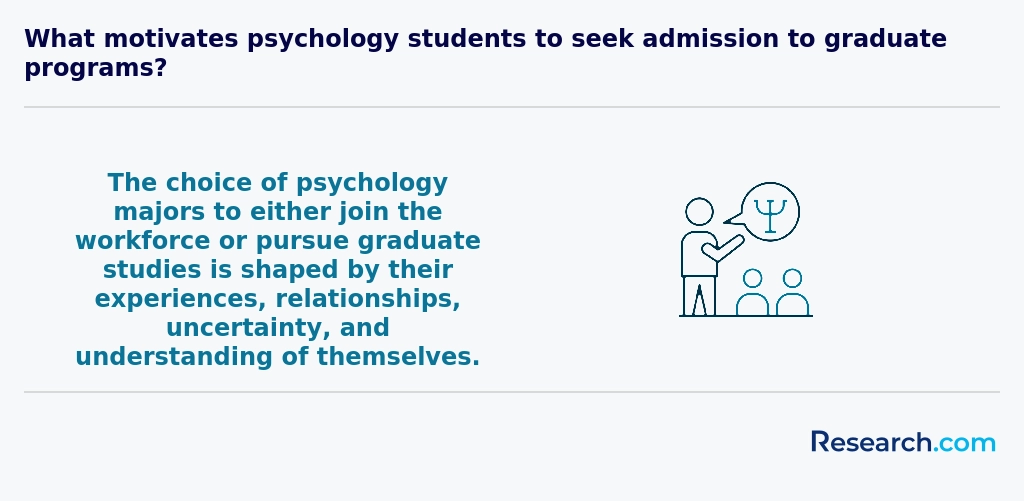
Psychology education in Alaska is shaped by geography, culture, and community need. Students may study mental health access in remote regions, behavioral health in rural clinics, trauma-informed care, substance use prevention, telehealth delivery, and culturally responsive services for Alaska Native communities. These topics are not abstract; they reflect real workforce needs across the state.
Programs that build connections with community organizations, schools, health agencies, tribal organizations, and local research initiatives can give students a stronger understanding of how psychology is applied outside the classroom. Fieldwork and internships are especially valuable in Alaska because many communities face service gaps, travel barriers, and workforce shortages.
Students should ask how each program helps them build applied experience. Useful questions include whether the department supports undergraduate research, whether practicum sites are available near the student’s location, whether online students can complete local fieldwork, and whether coursework includes cultural competence, ethics, and rural behavioral health topics.
For learners who need a faster or more flexible route, an accelerated online psychology degree may be worth comparing with Alaska-based options. The key is to confirm that any online program fits your academic goals, transfer needs, and future licensure plans before enrolling.
Alaska’s educational environment can be a major advantage for students who want to work in community mental health, public service, education, research, or culturally responsive care. The strongest programs help students turn that environment into practical training, not just background context.
If you're diving into a psychology degree in Alaska, expect to get a solid grasp on courses that cover everything from the basics of human behavior to some pretty deep stuff like mental health disorders. At places like the University of Alaska Anchorage, grads often mention how classes like developmental psychology really clicked-they could relate what they learned to the kids and elders they saw around them in their community. It's not just theory either; courses like research methods and statistics give you the tools to actually analyze what's going on in people's minds, which feels empowering once you get the hang of it.
Biopsychology is another favorite-imagine understanding how your brain's wiring affects your mood or actions. And social psychology classes help you see how groups and culture shape who we are, which is super relevant in Alaska's close-knit towns. Plus, the ethics course helps you figure out how to handle real-world dilemmas responsibly, something every graduate values when they move into practical roles.
Many students also love the chance to get hands-on experience through internships or practicum, which makes that future job feel a lot less scary. Overall, courses in Alaska aren't just about hitting the books-they're about understanding the people around you and making a real impact.
If you're looking at psychology degree specializations in Alaska, you'll find plenty of cool options that really fit the unique vibe of the state. Many students at the University of Alaska, for example, dive into clinical psychology because it's super relevant here, with so many remote communities needing mental health support. Graduates often say it feels rewarding to help people who might otherwise struggle to get care.
Counseling psychology is another popular choice, where you learn ways to support folks dealing with stress and isolation - something Alaska residents know all too well. Educational psychology is a hit, too, especially for those who want to shape how kids learn in local schools. Some students from Anchorage campus describe it as eye-opening to connect theory with real classroom challenges.
You'll also see industrial-organizational psychology and special education psychology options that speak to Alaska's workforce and diverse community needs. If you want to speed things up, some grads recommend checking out the accelerated online psychology degree options for a quicker path.
These Alaska psychology graduate program options let you tailor your studies in meaningful ways to match both your goals and the unique needs of the state.
Picking the best psychology degree in Alaska means thinking about what fits your goals and lifestyle. Graduates from popular schools here often mention how important it was to find programs offering real-world experiences that connect to Alaska's unique culture and environment-like internships in behavioral science or clinical settings. Many talked about the flexibility of hybrid or online options, which made balancing family and work a lot easier. If you're looking at affordable psychology colleges in Alaska, comparing tuition costs and available scholarships can really ease the financial stress, especially since graduate programs can get pricey.
Also, check whether the program has proper accreditation, especially for those aiming at clinical roles. Regional accreditations like NWCCU or APA approval for doctoral tracks can make a big difference when it comes to licensure and job prospects. Some grads found great value in programs that let them dive into specializations like forensic psychology or counseling.
And if you want to explore flexible learning paths, don't miss looking at bcba programs that combine quality with convenience.
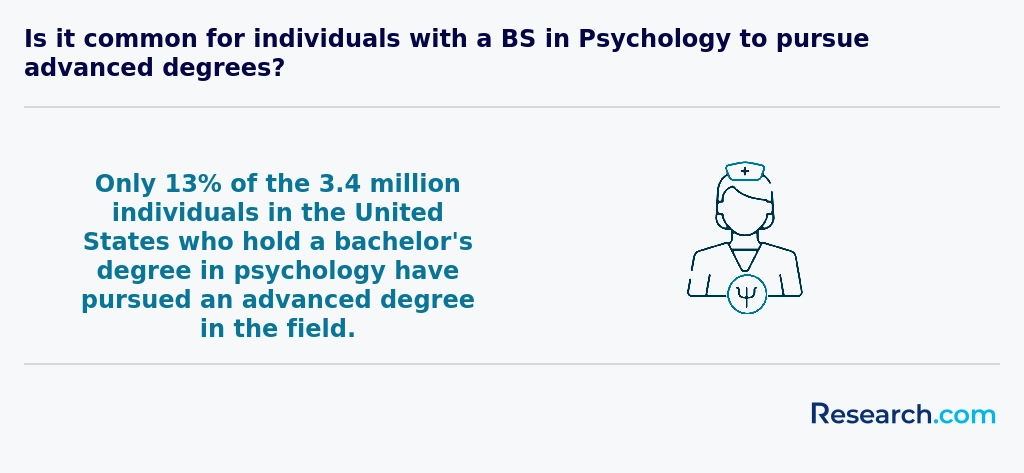
If you're exploring psychology degree career opportunities in Alaska, there's a lot to be excited about. Graduates from schools like the University of Alaska Anchorage often step into roles as licensed psychologists, where they help people through therapy and practical support. Getting licensed usually means going for a master's or a doctorate, but it's totally worth it when you see the impact you can make in clinics or schools.
Job prospects for psychology graduates Alaska-wide also shine in counseling, especially as Licensed Professional Counselors or Clinical Social Workers. Graduates share stories of working in community centers or healthcare facilities, where demand is booming-some say it's growing by more than 20% through 2030. Plus, if you're interested in education, becoming a school psychologist or counselor is a solid path, with some extra certifications.
Many grads even branch into substance abuse counseling, which is critical here, given the state's focus on public health. Others find rewarding opportunities in human resources or rehab services, putting those psychology skills to good use. If you're curious about affordable ways to study, check out Affordable Online Psychology Degree Programs Ranking in Texas-it's helped some Alaska residents balance quality and cost while aiming for these careers.
The job market for psychology degree graduates in Alaska offers steady opportunities, especially if you're looking to work in places like Anchorage or smaller rural communities. Graduates from well-known Alaskan universities often find jobs in mental health clinics, schools, and government programs that focus on culturally sensitive care for Native populations. This demand for psychology pros means you're stepping into a field that's growing at about the same rate as the rest of the country, which is reassuring if you're wondering about career stability in our state.
Many students who study psychology in Alaska appreciate that the starting salaries tend to be higher than the national average-around $103,000 yearly on average-thanks to the local cost of living and the need for qualified specialists. Plus, for those worried about tuition, there are options to help, whether it's financial aid or in-state tuition. If you're curious about which majors have bright futures, check out this list of the best college majors for the future. Overall, Alaska's psychology career opportunities are solid, especially if you want to make a real difference where help is needed most.
2027 Best Psychology Degree Programs Ranking in Alaska
Investing in your education is a significant decision that can shape your future, and the Research.com team understands the importance of making informed choices. To assist prospective students in Alaska, we have meticulously crafted the "2027 Best Psychology Degree Programs Ranking in Alaska." Our commitment to quality, credibility, and accuracy is reflected in the extensive research and analysis conducted to compile this ranking.
We utilized the following reputable data sources to ensure a comprehensive evaluation of psychology programs:
By exploring this ranking, readers will gain valuable insights into the best psychology degree programs available in Alaska, helping them make informed decisions about their educational paths. For more details on our methodology, please visit our Research.com methodology page.


Frequently Asked Questions About psychology
Psychology degree students in Alaska can maximize their learning by engaging with the state's unique cultural and environmental context. Alaska offers diverse populations, including indigenous communities, providing rich opportunities for applied learning and research relevant to cross-cultural psychology. The University of Alaska Anchorage and University of Alaska Fairbanks both offer accredited psychology programs emphasizing practical experience.
Students should seek internships in local clinics, schools, and social service agencies to gain hands-on experience. According to the Alaska Department of Labor, psychology-related jobs are expected to grow by 13% through 2031, making practical skills highly valuable.
Participation in research projects and networking with professionals through organizations such as the Alaska Psychological Association can further enhance understanding and career prospects.
The field of psychology is adapting to new societal needs, creating emerging niches for students in Alaska. One growing area is Indigenous mental health, focusing on culturally sensitive therapies tailored to Alaska Native communities. This niche addresses historical trauma and promotes community healing. Another expanding specialty is telepsychology, which uses digital platforms to provide mental health services remotely across Alaska's vast and rural regions. Forensic psychology also sees increased demand, working with the legal system in criminal and civil cases. Additionally, environmental psychology is gaining attention, studying how Alaska's unique natural surroundings affect mental well-being. These niches offer promising career paths for psychology graduates.
After completing a psychology degree in Alaska, preparing for the job market involves several key steps. Graduates should consider obtaining licensure if they plan to become practicing clinicians, as Alaska requires a state license to provide psychological services. The Alaska Board of Psychologist and Psychological Associate Examiners provides guidelines and requirements for licensure.
Networking within the state is crucial. Joining local professional organizations like the Alaska Psychological Association can offer access to job listings, mentorship, and professional development. Additionally, gaining experience through internships or entry-level roles in Alaska's mental health agencies increases employability.
Keep in mind that Alaska's demand for mental health professionals is growing, with the U.S. Bureau of Labor Statistics projecting a 10% job growth for psychologists nationwide through 2031, which aligns with Alaska's expanding healthcare needs.
Employers in Alaska value psychology graduates who demonstrate strong critical thinking and analytical skills. These abilities help professionals assess behavioral patterns and develop effective treatment plans. Communication skills are also essential, as psychologists must clearly explain complex concepts to clients and collaborate with other healthcare providers.
In addition, cultural competence is increasingly important in Alaska's diverse communities. According to the Alaska Department of Labor and Workforce Development, understanding local cultural contexts improves patient outcomes. Employers seek graduates familiar with ethical standards and confidentiality practices established by the American Psychological Association.
Finally, practical experience, such as internships or research, enhances job prospects by showing readiness to apply psychology theories in real-world settings.
Finding internships in Alaska relevant to a psychology degree involves targeting local organizations that offer practical experience in mental health and behavioral sciences. Many psychology students seek placements at hospitals, community health centers, and nonprofit agencies. For example, the Alaska Psychiatric Institute and Providence Alaska Medical Center provide clinical environments for internships. The Alaska Department of Health and Social Services also offers internship programs focused on public mental health.
Students should connect with university career centers like those at the University of Alaska Anchorage, which maintain updated lists of available internships. According to the Alaska Workforce Investment Board, demand for behavioral health professionals is projected to grow by over 10% through 2030, making internships crucial for hands-on training.
Networking with licensed psychologists and attending local psychology conferences can increase chances of placement. Additionally, online platforms like Handshake and the Alaska Mental Health Board website list relevant internship opportunities in the region.
Obtaining a psychology degree in Alaska can significantly impact career mobility and advancement within the state's growing mental health sector. According to the U.S. Bureau of Labor Statistics (BLS), Alaska expects a 14% growth in psychologist employment from 2022 to 2032, outpacing the national average. This growth opens opportunities for degree holders to advance into clinical, counseling, or educational roles.
Employers in Alaska often prefer candidates with at least a master's degree due to licensure requirements for clinical positions. Higher degrees like a PsyD or PhD can lead to leadership roles or specialized fields such as neuropsychology. The state's rural challenges also increase demand for telepsychology experts, offering unique advancement pathways.
Studying for a psychology degree in Alaska offers unique preparation for interdisciplinary roles due to the state's diverse social and environmental contexts. Programs often emphasize collaboration with fields such as social work, healthcare, and education to address complex community needs. For instance, the University of Alaska Anchorage integrates hands-on experiences that involve mental health, public health, and Indigenous studies, preparing students for varied professional environments.
Alaska's workforce demands professionals who understand cultural competence and rural health challenges, skills emphasized in psychology curricula here. According to the Alaska Department of Labor, psychology-related jobs are expected to grow by 12% through 2030, many requiring cross-disciplinary knowledge.
This interdisciplinary focus equips graduates to work effectively in settings ranging from clinics to schools, making them versatile contributors in Alaska's evolving health and social services sectors.
When choosing between a thesis and a non-thesis psychology degree program in Alaska, students should consider their career goals. A thesis option involves conducting original research and is ideal for those aiming to pursue further graduate study or careers in research. According to the National Center for Education Statistics, many master's degree holders in psychology seek thesis programs to prepare for Ph.D. studies.
Non-thesis programs typically focus on practical skills and coursework, suited for students targeting applied roles within Alaska's growing behavioral health field, where therapy and counseling jobs increased by 15% from 2019 to 2029 (BLS data).
Thesis programs often require more time and intensive mentorship, while non-thesis programs may be completed faster but usually require a comprehensive exam or project instead.
Students in Alaska interested in studying psychology abroad have a variety of options through US-based exchange programs and accredited foreign universities. Many Alaskan institutions partner with programs like the Gilman Scholarship, which supports study abroad opportunities for American students. Psychology majors can explore programs in Canada, Europe, and Australia, where curricula often align with US accreditation standards.
According to the Institute of International Education, over 10,000 American students study abroad annually in social sciences, including psychology. Alaskan students benefit from this trend as they often can receive transfer credits toward degrees from the University of Alaska system.
These international experiences frequently enhance postgraduate opportunities in clinical or research psychology, providing exposure to diverse methodologies and cultural perspectives.
In Alaska, part-time jobs that complement psychology degree education often involve roles in social services, healthcare, and education sectors. Positions such as behavioral health aide, mental health technician, or case manager assistant provide practical experience alongside academic studies.
According to the Alaska Department of Labor and Workforce Development, behavioral health occupations are expected to grow by over 10% through 2030, reflecting increasing demand. Working part-time in tribal health organizations or community mental health centers offers exposure to diverse populations and cultural competencies important for psychology students.
Additionally, research assistant roles at universities like the University of Alaska Anchorage allow students to engage in data collection and analysis, enhancing research skills crucial to the field.
Psychology students in Alaska have several networking opportunities that support their academic and professional growth. Universities such as the University of Alaska Anchorage offer student chapters of national organizations like the American Psychological Association (APA). These chapters provide access to conferences, workshops, and mentorship programs, connecting students with practicing psychologists.
The Alaska Psychological Association also hosts annual meetings and events where students can meet licensed professionals, learn about job openings, and engage in continuing education. Additionally, internship placements in Alaska's healthcare systems and community organizations encourage collaboration and networking.
Such opportunities are essential in Alaska's smaller, close-knit psychology community, helping students build professional relationships early in their careers.
Alumni networks offer valuable support for psychology degree students in Alaska by connecting them to experienced professionals and recent graduates. These networks facilitate mentorship opportunities, helping students navigate career paths in clinical, counseling, or research psychology. According to the Alaska Psychological Association, networking through alumni can increase job placement rates by providing access to regional internships and job openings tailored to Alaska's unique communities.
Students benefit from shared insights on licensing requirements in Alaska, which are crucial for practicing psychologists. Alumni also often organize workshops and seminars that enhance professional development and local industry knowledge, bridging the gap between academic training and practical experience.
In Alaska, students pursuing psychology degrees can tailor their programs to meet specific career objectives by selecting from various specializations such as clinical, counseling, or industrial-organizational psychology. Many universities allow elective courses and research projects aligned with personal interests. For example, the University of Alaska Anchorage offers opportunities to focus on substance abuse, rural mental health, or indigenous populations, reflecting local community needs.
Internships and practicum placements in Alaska provide practical experience and networking within state agencies and healthcare organizations. According to the Alaska Department of Labor, the demand for mental health professionals in the state is expected to grow by 14% through 2030, increasing opportunities for specialized roles.
Additionally, some programs incorporate online course options, enabling students to balance work while gaining advanced credentials relevant to Alaska's workforce.
Psychology students in Alaska often face unique challenges due to the state's vast geography and remote communities. Access to in-person clinical internships and practicum opportunities can be limited, with many programs requiring students to travel long distances or relocate temporarily.
Another key challenge is the limited number of higher education institutions offering degrees specifically in psychology. According to the Alaska Commission on Postsecondary Education, only a few universities provide comprehensive psychology programs, which may restrict options for students seeking specialized areas of study.
Costs associated with education can also be a hurdle. While Alaska offers some financial aid options, the overall expense of tuition combined with travel and housing in urban centers like Anchorage or Fairbanks can be significant.
Finally, students must prepare to address diverse cultural needs, including working with indigenous populations, which requires specialized training and sensitivity that not all programs emphasize equally.
With a psychology degree in Alaska, graduates can pursue various professional certifications that enhance career prospects. Licensed Professional Counselor (LPC) certification is common, requiring a master's or doctoral degree and supervised clinical experience. The Alaska Board of Professional Counselors approves this license, enabling licensed practice in mental health settings.
Other certifications include Certified Alcohol and Drug Counselor (CADC), important for work in addiction services. Requirements involve specific coursework and field experience, overseen by the Alaska Certification Board and Substance Abuse and Mental Health Services Administration.
For those interested in school psychology, certification through the Alaska Department of Education allows work as a school psychologist. National certifications such as the National Certified Counselor (NCC) are also recognized and valued in Alaska's mental health field.
To write a winning application for a psychology program in Alaska, start by thoroughly researching the specific requirements of each institution. Emphasize your academic achievements, including strong grades in psychology and related courses. Many Alaskan schools value experience with research or community involvement, so highlight internships or volunteer work related to mental health. According to the Bureau of Labor Statistics, psychology roles in Alaska are growing steadily, which shows a promising future in this field.
Submit a clear and concise personal statement that explains your motivation and career goals. Letters of recommendation from professors or professionals who know your dedication can strengthen your application. Lastly, meet all deadlines and provide all requested materials carefully to improve your chances of admission.
Psychology careers in Alaska align closely with broader trends seen across the United States, reflecting a growing demand for mental health professionals worldwide. According to the U.S. Bureau of Labor Statistics, employment of psychologists is projected to grow 8% nationally from 2021 to 2031, driven by increased awareness of mental health issues. In Alaska, remote and rural communities particularly benefit from psychological services, highlighting the importance of cultural competence and adaptability for professionals.
Globally, psychology is recognized as a versatile field, with opportunities in clinical, counseling, organizational, and research roles. U.S. degrees, including those earned in Alaska, are often valued internationally, providing graduates with options beyond domestic practice.
Training in Alaska often emphasizes trauma-informed care and indigenous mental health, reflecting local needs and contributing unique perspectives to the global psychology community. This specialized knowledge can enhance career mobility and impact.
Gaining practical experience while studying psychology in Alaska is essential for career readiness. Many Alaska universities, such as the University of Alaska Anchorage, offer internship opportunities connecting students with local mental health clinics, schools, and social service agencies. These internships often provide hands-on experience under licensed professionals' supervision.
Students can also participate in research projects, which are frequently available through university psychology departments. Engaging in research helps develop analytical skills crucial for psychology careers.
Additionally, volunteer work at community organizations or behavioral health centers in Alaska supplements formal education. According to the Alaska Mental Health Trust Authority, such experiences improve job prospects in the state's growing behavioral health sector.
Choosing the right concentration within a psychology degree program in Alaska depends largely on your career goals and interests. Common concentrations include clinical, counseling, developmental, and industrial-organizational psychology. Alaska's unique demographic and geographic factors make fields like rural mental health and indigenous psychology particularly relevant.
When selecting a concentration, consider the demand for specific specialists in Alaska. According to the U.S. Bureau of Labor Statistics, clinical and counseling psychologists are expected to grow by 8% through 2030, reflecting steady job opportunities statewide. Research local healthcare facilities and organizations to see which expertise they seek.
Additionally, review program curricula and practicum options offered by Alaskan universities. Practical experience in community or remote settings can be vital. Finally, verify that your chosen specialization aligns with Alaska's licensing requirements for psychologists, as these can vary by concentration and influence your professional path.
- 2027 Best Psychology Degree Programs Ranking in Washington
- 2027 Best Psychology Degree Programs Ranking in Hawaii
- 2027 Best Psychology Degree Programs Ranking in Idaho
- 2027 Best Psychology Degree Programs Ranking in Arizona
- 2027 Best Psychology Degree Programs Ranking in Colorado
- 2027 Best Psychology Degree Programs Ranking in Kansas
- 2027 Best Psychology Degree Programs Ranking in Iowa
- 2027 Best Psychology Degree Programs Ranking in Louisiana
- 2027 Best Psychology Degree Programs Ranking in Illinois
- 2027 Best Psychology Degree Programs Ranking in Indiana
See What Experts Have To Say About Studying Psychology
Read our interview with Psychology experts

Joann Farrell Quinn, Ph.D., MBA
Psychology Expert
Director at the College of Medicine Department of Medical Education
Morsani College of Medicine

Elizabeth L. Jeglic Ph.D.
Psychology Expert
Professor of Psychology
City University of New York

Catherine Caldwell-Harris, Ph.D.
Psychology Expert
Associate Professor of Psychology
Boston University

- Alaska Psychology Degrees https://www.psychologydegrees.org/state/alaska
- Scholarships For Psychology Majors (2025) https://www.psychology.org/scholarships/
- A Guide to Psychology Internships https://psychologydegreeguide.org/resources/internships/
- Verifying that you are not a robot... https://www.mastersinpsychology.com/programs-by-state/alaska/
- Study Psychology Abroad | Go Overseas https://www.gooverseas.com/study-abroad/psychology
- How to Become a Psychologist in Alaska | Steps to Take in AK | Psychologist-License.com https://www.psychologist-license.com/psychologist-requirements/alaska-psychologist/
- How to help students cope with mental health challenges https://www.eaie.org/resource/help-students-cope-mental-health-challenges.html
- Job Listings (Alaska) http://www.akschoolpsych.org/job-listings-alaska.html
- Alaska Psychology Licensure Requirements https://www.psychologydegree411.com/licensure/alaska/
- Sample letters in psychology https://www.mystudies.com/en-in/human-and-social-sciences/psychology/letter-model/


