
2027 Best Psychology Degree Programs Ranking in Springfield

Co-Founder and Chief Data Scientist
Choosing the right psychology degree program is an important step toward a fulfilling career in Springfield. This article introduces the 2027 Best Psychology Degree Programs Ranking in Springfield, developed by the Research.com team of data scientists to help you make an informed decision.
By exploring this ranking, you'll discover programs that offer quality education and valuable opportunities. Pursuing a psychology degree opens doors to understanding human behavior and making a positive impact in communities. We hope this guide inspires confidence as you take the next step in your academic journey.
Key benefits of getting psychology degree in Springfield
- Salary for psychology degree graduates: Jobs like Marketing Research Analyst offer a mean annual wage of $83,190, while Human Resources Specialists earn about $76,060. Clinical Research Associates and Survey Researchers also have solid salaries around $62,370, showing great earning potential.
- Career paths in Springfield: Graduates from Springfield University often pursue roles in research, counseling, and human resources, giving them flexibility and exciting opportunities in diverse fields. This variety allows you to find a career that fits your passions and strengths.
- Benefits of an online psychology degree: Online graduates from Springfield State College enjoy flexible schedules and the ability to balance work and study, making education accessible and convenient. This approach can help you gain skills quickly while maintaining other life priorities.
- 2027 Best Psychology Degree Programs Ranking in Springfield
- What can I expect from psychology degree in Springfield?
- Where can I work with psychology degree in Springfield?
What can I expect from psychology degree in Springfield?
The average cost of a psychology degree in Springfield varies depending on the institution and level of study but generally reflects a reasonable investment in your future. Graduates from schools like Drury University and the University of Missouri-Springfield often recall balancing tuition fees alongside living expenses, internships, and supplies, which collectively can range from moderate to somewhat high compared to other regions.
Many report that the value of hands-on experiences, such as internships at local clinics or community agencies, significantly enriches their educational journey, making the financial commitment feel worthwhile. For undergraduates, tuition tends to be more affordable, with opportunities for scholarships and assistantships that help manage costs. Graduate students investing in specialized areas, particularly those involving research and practicum components, might face higher expenses but also greater access to supervised experiential learning that prepares them well for licensure and professional roles.
Despite the costs, students often express satisfaction in Springfield's supportive academic environment and the real-world readiness the programs foster, underscoring that careful financial planning paired with these opportunities leads to rewarding outcomes.
Where can I work with psychology degree in Springfield?
Graduates from Springfield's leading universities often find themselves drawn to mental health services, where their psychology degrees open doors to roles like licensed counselors and clinical psychologists. Many share how rewarding it feels to support patients through challenging times at local healthcare providers such as Mercy Springfield and CoxHealth, knowing their work makes a real difference.
Others embark on careers in educational settings, joining Springfield Public Schools as counselors or behavioral specialists. Experienced graduates describe the fulfillment of helping students navigate learning difficulties and emotional hurdles, using insights gained during their studies at Springfield-area colleges.
Social services agencies provide another vibrant avenue. Graduates appreciate engaging directly with diverse and vulnerable populations, managing programs that uplift children or elderly residents. Their community outreach work often creates a profound sense of purpose within Springfield's supportive nonprofit and government sectors.
In the business world, psychology graduates apply their understanding of human behavior to enhance employee well-being and market strategies. Many find excitement in partnering with Springfield companies eager to leverage psychological expertise, blending science with real-world impact in their careers.
Graduates from psychology programs at Springfield's well-regarded colleges often find their starting salaries reflect the diverse career paths available. For example, those entering roles like Human Resources Specialist can expect mean annual wages around $76,060, offering a solid foundation to build financial stability while utilizing key skills developed during their studies.
Others who move into more specialized research positions, such as Marketing Research Analysts, may see higher earnings near $83,190 annually, a testament to the value employers place on analytical expertise honed in psychology courses. Meanwhile, Clinical Research Associates and Survey Researchers typically earn about $62,370, which suits graduates interested in contributing to scientific progress while gaining experience.
Many graduates also find opportunities as Childcare Workers, earning roughly $32,070, providing a meaningful way to apply psychological principles in nurturing environments. Springfield students often share how internships and community projects at their universities offer a glimpse into these roles, sparking enthusiasm and confidence.
These varied salary experiences show that a psychology degree in Springfield opens doors to rewarding work with incomes that grow with deeper expertise and experience.
- Tuition at public universities for a bachelor's in psychology in Springfield ranges from $9,000 to $15,000 per year.
- Private schools often charge over $25,000 annually, while community colleges average about $4,000 per year for the first two years.
- Entry-level psychology jobs offer starting salaries between $40,000 and $50,000 per year.
- Mid-career professionals with advanced degrees earn between $65,000 and $85,000, with licensed psychologists often making over $90,000.
- Licensure in Illinois requires supervised clinical hours and passing national exams, especially for counselors and therapists.
Completing a psychology degree in Springfield typically unfolds over several years, shaped by the level of study and the unique circumstances of each student. Many graduates from Springfield's well-regarded universities recall the solid four-year journey to earn their bachelor's degree, balancing coursework with campus activities and internships that brought the theories to life.
For those pursuing deeper expertise, master's degrees usually add about two more years, often blending evening or part-time classes to accommodate working adults. Graduates appreciate the flexibility that Springfield's colleges offer, allowing them to pursue advanced education without pausing their careers.
The path to a doctorate, whether a PhD or PsyD, extends further-ranging from four to seven years beyond undergraduate studies. Alumni often reflect on this period as both challenging and rewarding, filled with research, internships, and the excitement of contributing new knowledge to psychology.
In Springfield, the blend of traditional and innovative program formats helps diverse students progress at their own pace, making the dream of a psychology degree both achievable and fulfilling.
Graduates aiming to practice psychology in Springfield, MA, must obtain licensure from the Massachusetts Board of Registration of Psychologists. To qualify, candidates need a doctoral degree in psychology from an accredited institution or a master’s degree plus additional supervised experience when pursuing certain certifications. Applicants must complete a minimum of 3,150 hours of supervised professional practice-typically spread over two years-and pass the Examination for Professional Practice in Psychology (EPPP). Before enrolling, students should consider how program costs align with licensure expenses. When evaluating the cost of masters in psychology, factor in application fees (currently $125), criminal background checks, and the EPPP testing fee (approximately $687). Additionally, many employers require malpractice insurance and continuing education credits, which incur separate annual costs. After passing the EPPP, candidates submit their application, official transcripts, supervised practice verification, and exam scores to the Board. Upon approval, they receive a provisional license allowing independent practice under supervision. Full licensure follows successful completion of all supervised hours and any jurisprudence requirements. Familiarity with these steps ensures that aspiring psychologists can confidently navigate the path from graduation to professional practice in Massachusetts.
Choosing between an online and on-campus psychology degree in Springfield often comes down to how you prefer to engage with your studies and life commitments. Graduates from local institutions like Drury University frequently praise the hands-on experience gained through in-person access to labs and community-based projects, which deeply enriches their understanding of clinical practice.
Conversely, online students appreciate the freedom to study at their own pace, fitting coursework around work or family. This flexibility proves invaluable for many balancing Springfield's dynamic lifestyles, though success requires strong self-motivation without the immediate presence of professors or peers.
Cost also plays a tangible role; while some online programs reduce expenses by eliminating housing fees, tuition can remain comparable to on-campus private colleges if the program is highly accredited. Considering Springfield's accredited options, verifying APA recognition is essential to ensure future licensure and professional opportunities.
Both paths yield the same qualification, but the choice hinges on your learning style, personal circumstances, and career ambitions within Springfield's unique academic environment.
Understanding the path to licensure is essential for psychology graduates aiming to practice professionally in Springfield and throughout Massachusetts. Below are the key steps and requirements: 1. Degree and Accreditation • Clinical and counseling psychologists must hold a doctoral degree (PhD/PsyD) from a program accredited by the American Psychological Association (APA) or regionally accredited institutions. • School psychologists require a specialist-level degree (EdS or equivalent) approved by the Massachusetts Department of Elementary and Secondary Education (DESE). • For those seeking a master’s-level credential, explore programs like the Inexpensive Online Master’s in Psychology Degree Programs Ranking in the West to balance cost with quality. 2. Supervised Experience • Clinical Psychologists: Complete at least 1,500 post-doctoral supervised hours under a licensed psychologist. • Licensed Mental Health Counselors (LMHC): Accumulate 1,000 supervised clinical hours post-master’s. • School Psychologists: Fulfill internship requirements as specified by DESE, typically totaling 1,200 hours. 3. Examinations • All psychologists must pass the Examination for Professional Practice in Psychology (EPPP), administered by the Association of State and Provincial Psychology Boards (ASPPB). • Massachusetts requires an additional jurisprudence exam covering state laws and ethical standards. 4. State Board Application • Submit official transcripts, verification of supervised experience, examination scores, and a completed application to the Massachusetts Board of Registration of Psychologists. • Pay applicable fees and undergo a criminal background check. 5. Continuing Education • Licensed psychologists must complete a minimum of 36 continuing education credit hours every two years, including ethics and diversity training, to renew their license. By planning ahead for these licensure milestones, graduates can transition smoothly from academic study to professional practice, ensuring compliance with Massachusetts regulations and enhancing their credibility in the field.
The average cost of a psychology degree in Springfield reflects a mix of factors, including whether you attend a public or private institution and your residency status. Graduates from local public universities often share how their in-state tuition helped keep overall expenses manageable, with the median in-state total cost around $45,174. This makes pursuing a psychology degree an attainable goal for many Springfield residents. Conversely, those coming from out of state face higher costs, with a median total reaching approximately $57,230, which aligns with the average cost of psychology degree in Springfield reported by several alumni.
Students who chose private colleges in Springfield recall the investment felt steeper, yet many found significant value in the smaller class sizes and personalized mentorship they received. These experiences often justify the higher expense, as private institutions tend to offer a range of scholarships that can ease the financial burden considerably. Negotiating financial aid and planning carefully can greatly influence the net price paid. Those researching their options might find it helpful to explore the most affordable psychology schools in Massachusetts, which includes some strong contenders in Springfield.
From master's students to those pursuing doctoral degrees in Springfield, the nuances in psychology degree tuition and fees Springfield can be felt deeply during budgeting. As one graduate reflected, beyond tuition, additional costs like books and clinical fees must be factored into the total commitment. Recognizing these elements early helps future students feel more prepared and confident as they embark on their psychology studies.

In addition to rigorous academics, thriving in a psychology program in Springfield, MA also means embracing a vibrant student life that enhances overall success. Campuses here often provide a rich array of extracurricular activities-including psychology clubs, peer mentoring, mental health workshops, and student-led research groups-that create a tightly knit community of learners. These resources not only foster academic growth but also support personal development and career readiness through networking events and internship fairs. Many institutions offer specialized tutoring, career counseling, and stress-management programs that prepare students for the dynamic field ahead. For instance, if you’re looking for a faster track to your career goals, consider exploring our accelerated bachelor's degree psychology options, which combine quality education with the flexibility of modern, experiential learning. Such initiatives ensure that students experience both personal and professional enrichment, laying a strong foundation for lifelong success in psychology.
Many psychology students in Springfield find federal student aid to be a crucial resource. Grants like the Pell Grant, which can cover up to $7,395 annually, offer relief without the burden of repayment. Graduates from local institutions such as the University of Illinois Springfield often recall how this grant helped them focus on studies rather than financial stress.
State aid through Illinois' Monetary Award Program (MAP) also plays a significant role. These grants, tailored for residents attending state-approved schools, make higher education more accessible. Psychology majors at Springfield colleges have shared how MAP lessened their tuition load, allowing them to engage more deeply with coursework and campus life.
Scholarships, whether from local universities or national bodies like the American Psychological Association, provide both financial support and motivational boosts. Many students remember the encouragement it brought, fueling their passion for psychology.
Work-study positions related to psychology offer hands-on experience in research labs or counseling centers, transforming financial support into growth opportunities.
Earning a psychology degree is only the first step toward practice; graduates must also navigate Massachusetts’ licensure and certification process to work as professional psychologists. In Springfield, MA, aspiring practitioners typically follow these key steps: 1. Education and Degree Accreditation: • Complete an APA-accredited doctoral program (PhD or PsyD) in psychology or an equivalent master’s degree if pursuing limited-scope practice (e.g., school psychology). • For cost-effective degree options, consider programs featured in our Inexpensive Online Master’s in Psychology Degree Programs Ranking in the West, many of which meet state educational requirements. 2. Supervised Professional Experience: • Accumulate 1,500 hours of supervised practicum during your graduate program. • After graduation, complete a minimum of 1,500 additional post-doctoral supervised hours under a licensed psychologist. • Supervision must align with the Massachusetts Board of Registration of Psychologists’ guidelines, ensuring exposure to diverse clinical populations and settings. 3. Examination Requirements: • Pass the Examination for Professional Practice in Psychology (EPPP), administered by the Association of State and Provincial Psychology Boards (ASPPB). • Satisfy the Massachusetts Jurisprudence and Ethics Examination, demonstrating knowledge of state laws, regulations, and ethical standards. 4. Application and Fees: • Submit a licensure application to the Massachusetts Board of Registration of Psychologists, including official transcripts, verification of supervised hours, and proof of examination scores. • Pay the non-refundable application fee (currently $150) and separate exam fees as required. 5. Continuing Education and Renewal: • Maintain licensure through biennial renewal, completing at least 20 hours of continuing education (CE) per renewal cycle. • CE topics must include ethics, cultural competency, and advanced clinical methods to stay current with evolving practice standards. By understanding and fulfilling these requirements, Springfield graduates can transition smoothly from academic programs to licensed professionals, ensuring they deliver high-quality psychological services across clinical, educational, and organizational settings.
To enroll in a psychology degree program in Springfield, you must first meet certain foundational criteria that ensure readiness for this engaging field. For example, many undergraduates who successfully gained admission to Springfield's well-regarded colleges had at least a high school diploma or equivalent, coupled with a GPA around 2.5 or higher. These benchmarks provide confidence that students can handle coursework that blends science and human behavior.
Graduates often recall starting with prerequisite classes in biology and social sciences at community colleges here, which helped them build a solid base before transferring to universities. These courses were vital in making complex psychological theories accessible and meaningful.
For those pursuing graduate studies, the expectations sharpen. A bachelor's degree with strong performance-typically above a 3.0 GPA-is essential, alongside letters of recommendation and a thoughtful statement of purpose. Many found that sharing personal research experiences or relevant work helped admissions committees see their passion and potential.
In Springfield, while GRE scores may still be requested, flexibility has grown recently, reflecting a trend toward more holistic reviews. Financial planning is also key, as tuition can range broadly, so students often explore scholarships early to ease that burden.
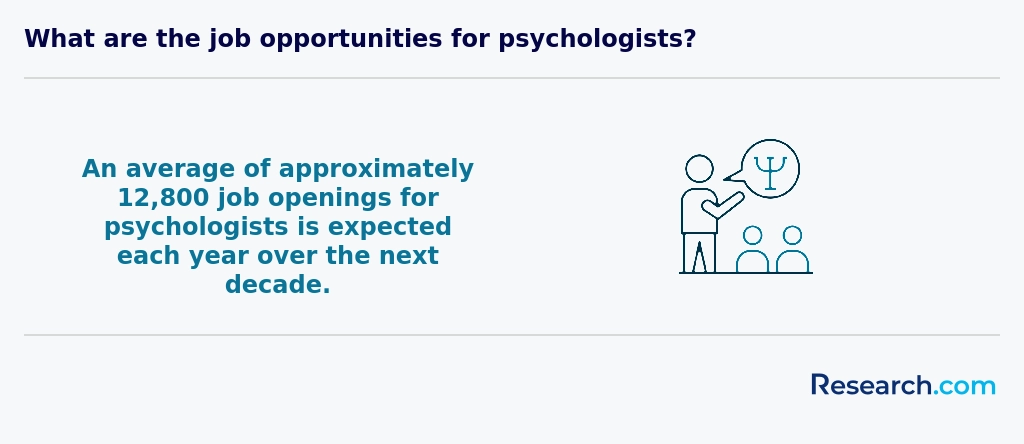
For students pursuing a psychology degree in Springfield, MA, affordability is a critical factor in choosing the right program. Many institutions in the area offer competitive pricing without compromising on the quality of education. To find the most affordable psychology schools in Massachusetts, students can explore options such as most affordable psychology schools in Massachusetts, which provides a comprehensive list of schools that balance cost with academic excellence. By considering these factors, prospective students can make informed decisions about their educational paths, ensuring they receive a valuable education that prepares them for successful careers in psychology.
Psychology degree programs in Springfield typically begin with foundational courses such as Introduction to Psychology, which lays the groundwork by exploring key theories and research methods. Graduates often recall how this course sparked their curiosity by connecting textbook concepts to everyday behaviors, making the subject feel alive.
Students then move on to essential classes like Developmental Psychology, where they gain a profound appreciation for human growth from infancy to adulthood, often sharing stories about observing family members or friends through this lens. Courses in Biological Psychology help learners grasp how brain functions influence actions, which many find enlightening when linking theory to mental health scenarios they encounter during internships at local Springfield clinics.
Core topics such as Cognitive Psychology, Social Psychology, and Research Methods and Statistics form a vital trio, offering practical insights. Graduates from Springfield's universities frequently express how mastering statistics empowered them to confidently interpret real research data, enhancing their critical thinking.
Electives like Health Psychology or Forensic Psychology allow students to tailor their studies, often leading to engaging experiences in community programs or legal settings that enrich their education far beyond lectures.
Psychology degree specializations in Springfield reflect both the depth and versatility of the field. Graduates from well-regarded Springfield colleges often share how clinical psychology shaped their understanding of mental health challenges, preparing them to provide compassionate care through evidence-based treatments like cognitive-behavioral therapy. Others describe their passion growing through counseling psychology, where they learned to support wellness and help individuals navigate everyday struggles, often within local schools or community centers. These real-world experiences highlight the value of Springfield psychology program concentration options that emphasize practical engagement alongside theory.
Developmental psychology frequently attracts students eager to explore human growth, from infancy to old age. Graduates recall impactful research projects and internships that deepened their empathy and informed careers in child welfare or education. Forensic psychology also gains interest, especially from those drawn to the intersection of mental health and the legal system, working with criminal justice agencies in Springfield.
For students considering flexible pathways, exploring an accelerated bachelor's degree psychology can be a strategic decision, allowing for focused study in one of these engaging specializations.
Choosing the best psychology degree in Springfield means looking beyond just the degree title. Graduates from popular Springfield colleges often highlight how programs with APA accreditation gave them confidence in clinical licensure, opening doors to rewarding careers. Think about what interests you most; for example, some enjoy practicum placements in local clinics, which bring classroom theory to life and make learning feel deeply personal and fulfilling.
Affordability is a common concern among students pursuing the best psychology degree programs in Springfield. Many found that public universities not only offer strong faculty but also keep tuition competitive, making it easier to focus on studies without overwhelming debt. Exploring cost of masters in psychology options helped them navigate financial decisions effectively.
Also, consider the program's flexibility. Hybrid or online courses at Springfield institutions have given working students a welcoming path to continue education without sacrificing income or family time. Graduates appreciate how these options made the degree feel more accessible and manageable, reinforcing their motivation to succeed.
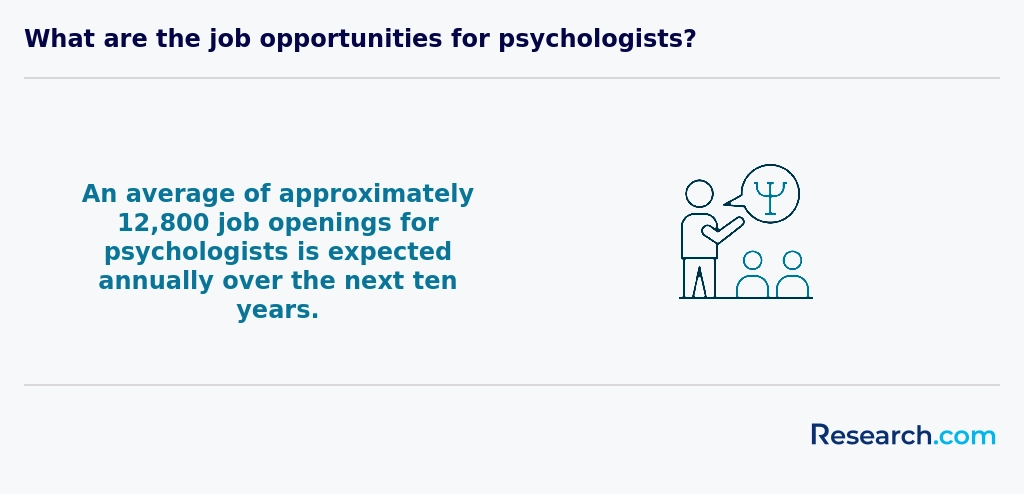
Graduates with a psychology degree in Springfield find themselves at a crossroads of diverse and fulfilling career paths. Many pursue clinical or counseling psychology, working in local hospitals, private practices, or mental health clinics, applying their knowledge to help individuals navigate emotional and behavioral challenges. Those coming from universities well-regarded in Springfield often share how hands-on experience in community-based settings deepens their commitment to this rewarding work. For others, jobs with psychology degree Springfield open doors in education, where roles like school psychologists or academic advisors allow them to directly support student success in Springfield Public Schools.
Beyond traditional paths, psychology graduates tap into Springfield's growing business scene, contributing to human resources and organizational development by enhancing workplace culture and training programs. Some choose to advance in research, benefiting from affordable programs that build strong analytical skills. For those seeking guidance on financial pathways, the Inexpensive Online Master's in Psychology Degree Programs Ranking in the West offers valuable options that align with academic and professional goals.
The job market for psychology degree holders in Springfield offers steady opportunities, blending local demand with national trends. Graduates from Missouri State University and other institutions often find fulfilling roles in clinical and school psychology, where they apply their skills directly to support community well-being. Many report satisfaction in contributing to mental health services within hospitals or public schools, reflecting the city's ongoing need for qualified professionals.
Springfield's psychology degree job opportunities in Springfield extend beyond traditional therapy. Graduates also thrive in industrial-organizational psychology, helping companies improve workplace culture, or in research roles linked to university projects. This variety creates hopeful prospects for students exploring different career paths.
Several graduates have noted that balancing practical experience with academic training was key to entering the workforce smoothly. For those weighing education costs and timelines, exploring associate degrees in 6 months online offers an alternative for quicker entry into related fields, allowing time to build professional networks in the city.
Springfield's relative affordability combined with rising mental health awareness creates a welcoming environment for new psychology professionals to build meaningful careers in the years ahead, supporting a positive Springfield psychology career outlook 2027.
2027 Best Psychology Degree Programs Ranking in Springfield
Investing in your education is a significant decision that can profoundly impact your future, and the Research.com team recognizes the importance of making well-informed choices. To support prospective students in Springfield, we have carefully developed the "2027 Best Psychology Degree Programs Ranking in Springfield." Our dedication to quality, credibility, and accuracy is demonstrated through thorough research and detailed analysis in compiling this ranking.
We utilized the following reputable data sources to ensure a comprehensive evaluation of psychology degree programs:
By exploring this ranking, readers will gain valuable insights into the top psychology degree programs in Springfield, empowering them to make confident and informed educational decisions. For more information on how the ranking was created, please visit our Research.com methodology page.


Frequently Asked Questions About psychology
Psychology degree students in Springfield can enhance their learning by engaging actively in both academic and practical experiences. Participating in internships at local clinics or community mental health centers offers hands-on exposure to real-world psychology applications. According to the Illinois Board of Higher Education, Springfield hosts several accredited institutions with strong internship partnerships, providing valuable fieldwork opportunities.
Students should also utilize campus resources like psychology labs and research centers to deepen theoretical understanding. Attending workshops and seminars led by professionals in the Springfield area helps build networks and stay current with emerging psychology trends.
Finally, joining student psychology organizations encourages peer collaboration and skill development beyond the classroom.
The field of psychology is expanding rapidly with several emerging niches gaining prominence, especially in regions like Springfield. One growing area is neuropsychology, which explores how brain injuries and diseases affect behavior. This specialization aligns well with Springfield's increasing focus on healthcare innovations.
Another niche is health psychology, examining how psychological factors influence physical health and recovery. Given Springfield's investment in community health initiatives, experts predict increased demand for professionals trained in this area.
Industrial-organizational psychology also shows promise, focusing on improving workplace productivity and employee well-being. Local businesses in Springfield are actively seeking such expertise.
Finally, digital and cyberpsychology, studying human interaction with technology, is emerging due to the region's expanding tech sector. According to the Bureau of Labor Statistics, psychology-related jobs in Springfield could grow by 12% over the next decade, reflecting these trends.
After completing a psychology degree in Springfield, preparing for the job market requires a strategic approach. First, gaining practical experience through internships or volunteer positions in local mental health clinics or social services can significantly enhance employability. According to the Bureau of Labor Statistics, psychology-related jobs are expected to grow by 8% nationally through 2031, with regional demand stable in Springfield's healthcare sector. Networking with faculty and attending local psychology association events is also crucial. Additionally, many entry-level positions may require certification or further education, so considering graduate studies or obtaining credentials like a Licensed Professional Counselor (LPC) can open more opportunities.
Employers in Springfield seeking psychology degree graduates prioritize a combination of technical and interpersonal skills. Critical thinking tops the list, enabling graduates to analyze complex behavioral data effectively. According to the Springfield Workforce Development Council (2023), 78% of local employers value strong research and data analysis capabilities.
Communication skills are equally essential. Graduates must convey findings clearly to both clients and multidisciplinary teams. Emotional intelligence is highly regarded, helping professionals manage sensitive situations.
Additionally, proficiency with psychological assessment tools and familiarity with ethical standards are vital. Employers also seek adaptability and teamwork experience, reflecting the collaborative nature of many roles in Springfield's mental health and counseling sectors.
Finding internships in Springfield relevant to a psychology degree involves a combination of university resources, local organizations, and networking. Many Springfield colleges and universities with psychology programs have dedicated career centers that connect students with internship opportunities. For example, institutions often partner with local clinics, schools, and social service agencies to provide placements.
Additionally, Springfield hosts several mental health facilities and nonprofit organizations offering practical experience. According to the Springfield Chamber of Commerce, over 20 organizations actively seek psychology interns each year. Students should also explore online platforms like Handshake and Indeed, filtered for local openings.
Networking with professors and attending psychology-related events can reveal hidden internship options, increasing a student's chances of gaining hands-on experience. Early application and professionalism are crucial in this competitive field.
A psychology degree in Springfield significantly enhances career mobility and advancement opportunities. According to recent data from the U.S. Bureau of Labor Statistics and local Springfield employment reports, psychology graduates often find roles in mental health services, education, and business sectors. The demand for trained psychologists and counselors is projected to grow by 8% nationally through 2030, with Springfield showing similar trends.
Graduates with a bachelor's degree in psychology can enter entry-level positions, such as case managers or social service assistants. Pursuing a master's or doctoral degree increases eligibility for licensure, which is essential to advance into clinical or counseling roles. Licensed psychologists in Springfield typically earn higher salaries and hold leadership positions in agencies and healthcare settings.
Studying for a psychology degree in Springfield offers strong preparation for interdisciplinary roles by integrating knowledge from related fields such as biology, sociology, and education. Local programs emphasize collaboration across disciplines, reflecting the demands of modern workplaces where psychological expertise complements healthcare, social services, and business sectors.
Springfield's universities often include courses on research methods and statistics, equipping students with skills essential for data-driven decision-making in various industries. According to the National Center for Education Statistics, interdisciplinary skills increase graduate employability by up to 28% in the region.
Additionally, internships and community partnerships provide practical experience alongside professionals in public health, counseling, and human resources, strengthening interdisciplinary teamwork abilities.
When choosing between a thesis and a non-thesis psychology degree program in Springfield, students should consider their career goals and learning preferences. Thesis programs typically involve conducting original research and writing a detailed paper, which suits those interested in research, academia, or pursuing a PhD.
Non-thesis programs focus more on coursework and practical applications, ideal for students aiming for clinical, counseling, or applied psychology roles without engaging in research.
According to the National Center for Education Statistics, about 40% of psychology graduates nationally choose thesis options, reflecting a preference for research training, but local Springfield institutions vary in their emphasis.
Cost and program duration may also differ; thesis programs often take longer due to research requirements. Prospective students should consult Springfield colleges' specific curricula and speak with academic advisors to align choices with professional objectives.
Students based in Springfield seeking to study psychology abroad have several options within the US higher education system. Many universities participate in study abroad programs that facilitate semester or year-long exchanges with international institutions, allowing psychology majors to gain global perspectives.
Springfield students often partner with programs in Canada, the United Kingdom, and Australia, where psychology curricula align closely with US standards. According to the Institute of International Education (2023), psychology ranks among the top five majors studied abroad by American students.
Additionally, some Springfield-based colleges offer dual-degree or joint programs with foreign universities, providing a structured path for students interested in international psychology research and practice.
Financial aid and scholarships specifically for study abroad in psychology can significantly reduce costs, making these opportunities more accessible.
In Springfield, students pursuing psychology degrees can find several part-time job opportunities that enhance both academic learning and practical skills. Positions such as mental health technician or behavioral aide are commonly available in local clinics and hospitals, providing hands-on experience with patient care. According to the Bureau of Labor Statistics, gaining work experience in these roles can improve future job prospects in psychology fields. Additionally, research assistant roles at regional universities allow students to engage with psychological studies, offering insight into experimentation and data analysis. Volunteering at community organizations focused on mental health offers valuable interaction with diverse populations and case management.
Psychology students in Springfield benefit from a variety of networking opportunities designed to enhance their academic and professional growth. Local universities often host psychology clubs and honor societies, which provide student members with access to guest lectures, workshops, and peer mentoring programs. Springfield also has several active chapters of national psychology organizations, such as the American Psychological Association's Division 17 (Counseling Psychology), allowing students to connect with practicing professionals and researchers.
Moreover, Springfield's community mental health centers frequently offer internship and volunteer positions, giving students practical experience and valuable professional contacts. Annual conferences like the Missouri Psychological Association's state meeting often take place nearby, providing further chances to meet industry experts and explore career paths within the state.
Alumni networks provide valuable support for psychology degree students in Springfield by connecting them with former graduates who have established careers in the field. These networks often offer mentorship opportunities, helping students gain insights into job markets and practical skills beyond the classroom. According to a 2023 Springfield Higher Education Report, 67% of psychology graduates found internships or job placements through alumni contacts.
Additionally, alumni events and online platforms promote professional networking, which is essential for psychology students seeking positions in clinical, counseling, or research settings. Access to this community enables students to stay informed about new trends and licensure requirements in psychology. Overall, alumni networks in Springfield significantly enhance career prospects and professional development for psychology students.
In Springfield, customizing a psychology degree to match your career goals begins with selecting electives aligned to your interests, such as clinical, counseling, or industrial-organizational psychology. Many local universities offer flexible course options and internship placements, allowing students to gain practical experience in settings like hospitals or businesses.
Advisors play a crucial role by helping tailor your academic plan to meet licensure requirements for careers such as licensed clinical social worker or school psychologist. According to the Springfield Education Board (2023), over 65% of psychology programs here provide practicum opportunities enhancing employability.
Additionally, pursuing certifications in areas like behavioral analysis can be integrated within degree programs, supporting specialization.
Psychology students in Springfield face several common challenges during their studies. A notable difficulty is balancing rigorous coursework while meeting practical training requirements. Many programs in Springfield demand extensive internships or research projects, which can be time-consuming alongside classes.
Additionally, access to specialized resources may be limited compared to larger metropolitan areas, impacting students' ability to engage in diverse clinical experiences. According to recent data from the Springfield Education Board, about 45% of psychology students report stress related to managing both academic and fieldwork demands.
Financial pressure is also significant; tuition costs combined with unpaid internships contribute to students seeking part-time jobs, affecting study time and focus.
With a psychology degree in Springfield, graduates can pursue various professional certifications to enhance their careers. One common path is becoming a Licensed Professional Counselor (LPC), which requires passing a state licensing exam and completing supervised clinical hours.
Additionally, certifications like Certified Alcohol and Drug Counselor (CADC) are available for those interested in substance abuse treatment. The American Psychological Association also recognizes specialties such as school psychology, which requires additional credentials.
Springfield professionals often seek certifications aligned with state requirements, promoting better employment prospects in local healthcare and educational settings. For accurate licensing details, state boards and the National Board for Certified Counselors provide current information.
Crafting a strong application for a psychology program in Springfield begins with a clear demonstration of your academic readiness. Most programs require a minimum GPA of around 3.0, so highlighting your grades is essential.
Next, emphasize relevant experience such as internships, research, or volunteer work in mental health settings. Springfield hosts several community clinics and research projects where applicants can gain valuable exposure.
Personal statements should articulate your passion for psychology and specific career goals, reflecting local issues like community mental health challenges. According to Springfield educational data, focusing on practical impact boosts application strength.
Finally, secure strong letters of recommendation from professors or supervisors familiar with your academic and personal qualities. This balanced approach aligns with admissions trends in regional psychology programs.
The global perspective on a psychology career increasingly values cross-cultural understanding and diverse approaches to mental health. In the U.S., including Springfield, psychology programs emphasize evidence-based practices aligned with international standards. According to the American Psychological Association (APA), 75% of psychology graduates seek careers in clinical, counseling, or research roles, reflecting trends seen worldwide.
Worldwide demand for qualified psychologists is growing due to increased recognition of mental health's role in overall well-being. Springfield's institutions offer curricula that prepare students for licensure exams applicable across many states, supporting mobility within the US and beyond.
Studies show that graduates with global competencies in psychology have better employment prospects, expanding opportunities in healthcare, education, and business sectors. Local universities collaborate on research aligned with global mental health initiatives, further enhancing student exposure to international psychology practices.
Gaining practical experience while studying for a psychology degree in Springfield is essential for building relevant skills and improving job prospects. Many local colleges partner with community agencies, hospitals, and schools to offer internship opportunities that allow students to apply theoretical knowledge.
Students can also participate in research projects under faculty supervision, enhancing their understanding of experimental methods. According to the National Association of Colleges and Employers, nearly 75% of psychology graduates who interned secure employment within six months of graduation.
Volunteer work at Springfield mental health centers or counseling services is another effective way to gain hands-on experience. These options provide valuable exposure to real-world psychological practices while fulfilling academic requirements.
Choosing the right concentration within a psychology degree in Springfield requires understanding your career goals and interests. Common specializations include clinical, counseling, developmental, and industrial-organizational psychology. Springfield's universities often reflect local job market trends, with strong demand for clinical and counseling psychologists, driven by regional healthcare needs (U.S. Bureau of Labor Statistics, 2023).
Consider practical experience opportunities such as internships or research projects offered by programs. For instance, programs partnered with Springfield's healthcare centers provide exposure valuable for clinical paths. Reviewing faculty expertise and course offerings can help you align your choice with your aspirations.
Lastly, researching licensure requirements in Missouri and local employment rates can guide your selection. The Missouri Department of Higher Education reports increasing growth in mental health professions locally, suggesting promising prospects for focused study.
- 2027 Best Psychology Degree Programs Ranking in Amherst
- 2027 Best Psychology Degree Programs Ranking in Worcester
- 2027 Best Psychology Degree Programs Ranking in New Haven
- 2027 Best Psychology Degree Programs Ranking in Albany
- 2027 Best Psychology Degree Programs Ranking in Cambridge
- 2027 Best Psychology Degree Programs Ranking in Boston
- 2027 Best Psychology Degree Programs Ranking in New York
- 2027 Best Psychology Degree Programs Ranking in Baltimore
- 2027 Best Psychology Degree Programs Ranking in Washington
- 2027 Best Psychology Degree Programs Ranking in Detroit
See What Experts Have To Say About Studying Psychology
Read our interview with Psychology experts

Catherine Caldwell-Harris, Ph.D.
Psychology Expert
Associate Professor of Psychology
Boston University

Elizabeth L. Jeglic Ph.D.
Psychology Expert
Professor of Psychology
City University of New York

Robin M. Kowalski. Ph.D.
Psychology Expert
Professor of Psychology
Clemson University

- MAPP Alum https://mappalum.org/
- Study Psychology Abroad | Go Overseas https://www.gooverseas.com/study-abroad/psychology
- Know more about thesis vs non- thesis: what is the difference? https://studyfans.com/en/blogs/816
- Society for the Teaching of Psychology https://teachpsych.org/page-1784686/8675326
- How Long Does It Take to Get a Psychology Degree? | Psychology Degree Guide https://psychologydegreeguide.org/resources/psychology-degree-timeline/
- Have You Found a Niche? https://www.apaservices.org/practice/business/marketing/building/niche
- Why Get a Psychology Degree Online? | University of Bridgeport https://www.bridgeport.edu/news/reasons-to-get-your-psychology-degree-online/
- Alumni Perspectives - Meet Our FPN Alumni https://www.aanmelder.nl/alumni-perspectives-june-2023
- Graduate Costs and Fees https://springfield.edu/financial-aid/graduate/cost-and-fees
- Financial Aid for Psychology Students https://www.onlinepsychologydegrees.com/financial-aid/


