
2027 Best Psychology Degree Programs Ranking in Baltimore

Co-Founder and Chief Data Scientist
Choosing the right psychology degree program in Baltimore can feel overwhelming. To help, this article introduces the 2027 Best Psychology Degree Programs Ranking in Baltimore, carefully created by the Research.com team of data scientists.
By exploring this ranking, you'll discover programs that match your goals and interests, making your decision easier and more confident.
Studying psychology opens doors to understanding human behavior and making a positive impact. This article serves as a trusted guide to support your educational journey and future success.
Key benefits of getting psychology degree in Baltimore
- Psychology degree graduates can earn competitive salaries, with roles like Marketing Research Analyst averaging $83,190 annually and Human Resources Specialist earning about $76,060 per year.
- Graduates from local universities, such as Johns Hopkins, often pursue diverse careers including clinical research, counseling, or human resources, offering exciting and meaningful job opportunities.
- Online psychology degrees from institutions like Towson University provide flexible learning schedules, perfect for balancing work and life while still opening doors to rewarding careers.
- 2027 Best Psychology Degree Programs Ranking in Baltimore
- What can I expect from psychology degree in Baltimore?
- Where can I work with psychology degree in Baltimore?
What can I expect from psychology degree in Baltimore?
Students pursuing psychology degrees in Baltimore can expect tuition costs that vary depending on the institution and degree level. Bachelor's programs typically span four years and often come with competitive tuition rates compared to other regions. For example, graduates from Towson University highlight manageable costs paired with strong academic support, making their investment feel worthwhile.
Master's programs, generally lasting two years, may come with higher tuition but offer specialized training that students appreciate for its depth and practical applications. Those who studied at Loyola University Maryland often mention how their financial planning aligned well with the school's pricing, helping them focus fully on immersive learning experiences.
Doctoral degrees, pursued by many at Johns Hopkins University, require substantial time and financial commitment. However, students feel inspired by the university's rich research opportunities and collaborations with local hospitals, making every dollar spent an investment in a promising career. Overall, Baltimore's psychology programs balance quality education with fair pricing, empowering students to achieve their goals without undue financial stress.
Where can I work with psychology degree in Baltimore?
With a psychology degree in Baltimore, exciting career paths open up across the city's vibrant healthcare, education, and social service sectors. Graduates from Towson University and Coppin State University often find themselves thriving in clinical settings like Johns Hopkins Hospital or the University of Maryland Medical Center, where they help individuals overcome challenges through counseling and behavioral therapy.
Many psychology alumni feel fulfilled working in schools, supporting students' mental well-being and academic growth as dedicated school psychologists or counselors. Their hands-on roles foster meaningful connections and create lasting positive impacts within Baltimore's diverse educational community.
Others channel their passion into social services, joining organizations that uplift vulnerable populations by designing tailored support programs. Local agencies such as Baltimore Crisis Response provide rewarding opportunities where psychology graduates contribute directly to community healing and empowerment.
For those drawn to government or criminal justice, roles in forensic psychology or behavioral analysis at agencies like the Maryland Department of Juvenile Services offer the chance to drive change and protect public safety. Each path invites graduates to harness their skills and make a real difference in Baltimore's dynamic landscape.
Graduates with a psychology degree in Baltimore often step into rewarding careers with promising salaries. For example, human resources specialists, a common path for psychology majors, earn a mean annual wage of $76,060, offering a solid foundation for early career growth. Many recent graduates from universities like Johns Hopkins or Loyola University Maryland find this role fulfilling, applying their understanding of human behavior to support workplace dynamics.
Others pursue roles as marketing research analysts, where analytical skills learned during psychology studies pay off handsomely, with average salaries around $83,190 per year. This career blends psychology and business insight, opening doors in Baltimore's booming market research industry.
For those drawn to research, positions such as clinical research associates and survey researchers both have mean wages near $62,370 annually. Graduates appreciate how these roles allow them to contribute directly to advancing scientific knowledge while earning well.
Even those entering childcare-related fields benefit, with mean wages of $32,070 annually, securing a meaningful start in the helping professions within Baltimore's supportive communities. Overall, Baltimore's robust job market and university resources empower psychology graduates to thrive financially and professionally.
- Undergraduate tuition for psychology degrees in Baltimore ranges from about $10,000 to $35,000 per year depending on the institution.
- Entry-level psychologists with bachelor's or master's degrees typically earn between $45,000 and $55,000 annually in Baltimore.
- Experienced psychologists with PhD or PsyD degrees can earn a median salary between $75,000 and $90,000 in the area.
- The Baltimore metropolitan area employs over 3,000 psychology professionals, with a job growth rate near 6-8% projected through the late 2020s.
- Licensing for clinical psychologists in Maryland requires completing accredited graduate programs and about 3,000 hours of supervised experience before the licensing exam.
- Many Baltimore schools provide internships and practical training at hospitals and community organizations to support career development.
Completing a psychology degree in Baltimore is a rewarding journey that typically spans about four years for a bachelor's program when attending full-time. Many graduates from schools like Johns Hopkins University or the University of Maryland, Baltimore County find this timeline perfectly balances immersive learning and personal growth. Imagine walking across campus each semester, diving deeper into human behavior with a supportive community.
For those advancing to master's degrees, such as at Loyola University Maryland, most finish within two to three years. These students often describe the experience as an exciting blend of coursework and hands-on research that fuels their passion for making a real difference.
Doctoral programs, offering deep expertise and licensure paths, usually take five to seven years in Baltimore. Graduates recall the meaningful challenges of internships and dissertation work, knowing their commitment shapes them into confident, skilled psychologists ready to change lives.
With dedication and the right support, your psychology degree in Baltimore is within inspiring reach.
Accreditation is a critical factor when evaluating psychology programs in Baltimore, MD, as it ensures that your degree will be recognized by employers, graduate schools, and state licensing boards. Prospective students should verify that their chosen institution holds regional accreditation from the Middle States Commission on Higher Education (MSCHE) and programmatic accreditation from the American Psychological Association (APA) if they plan to pursue clinical or counseling psychology. APA-accredited programs meet rigorous standards for curriculum, faculty qualifications, and student outcomes, which can directly impact eligibility for licensure and professional credibility. In Maryland, obtaining a license to practice psychology typically involves: 1. Earning a doctoral or specific master’s degree from an accredited program. 2. Completing at least 3,500 hours of supervised post-doctoral experience under a licensed psychologist. 3. Passing the Examination for Professional Practice in Psychology (EPPP) administered by the Association of State and Provincial Psychology Boards (ASPPB). 4. Satisfying any additional state requirements, such as the Maryland jurisprudence exam or oral interview with the Maryland Board of Examiners of Psychologists. Students concerned about balancing cost and accreditation standards can explore affordable yet reputable options, such as those featured in our Low Cost Psychology Degree Programs Ranking in Rochester, NY. By choosing an accredited program and understanding the Maryland licensing pathway, you’ll be equipped to transition seamlessly from the classroom to clinical practice or research roles, ensuring both professional competence and legal compliance.
Choosing between online and on-campus psychology degrees in Baltimore opens exciting paths tailored to your lifestyle and goals. On-campus programs at respected institutions like Johns Hopkins University offer vibrant, face-to-face experiences where students engage directly with professors and peers. Imagine being part of dynamic classroom discussions or accessing specialized libraries and counseling centers that enrich your learning journey. Hands-on practicum work and labs provide invaluable real-world skills, creating a supportive community that uplifts your passion for psychology.
Meanwhile, online degrees provide remarkable flexibility, especially for those balancing work or family. Graduates share how studying remotely allowed them to craft schedules that fit their busy lives while still meeting rigorous APA standards. Baltimore-based students can connect with respected local supervisors for practicum placements, blending convenience with professional growth. This format empowers self-driven learners to thrive, offering a personalized approach without sacrificing quality.
Both options in Baltimore inspire confidence and growth, making psychology degrees accessible and fulfilling no matter your path.
For many psychology graduates in Baltimore, exploring advanced degree options is the next step toward launching or elevating a rewarding career. Beyond the traditional pathway of a bachelor’s or standard master’s degree, a growing number of students are turning their attention to accelerated degree programs. These programs are designed to help professionals complete their studies in a shorter timeframe while acquiring the specialized skills needed in today’s competitive job market. Accelerated learning models often combine flexible online courses with intensive, focused curricula, ensuring that students not only progress faster but also gain real-world expertise. For those looking to fast-track their education, programs such as the accelerated master's in psychology online offer a compelling option, blending convenience with rigorous academic training. In addition to saving time, these programs are tailored for working professionals who seek an immediate return on their educational investment through practical, career-driven coursework. They emphasize emerging research, innovative therapeutic techniques, and leadership skills, all of which are essential in addressing contemporary psychological challenges. Embracing these opportunities can open doors to advanced clinical roles, research positions, and leadership opportunities within academic or healthcare environments, thereby fostering significant professional growth.
The average cost of a psychology degree in Baltimore reflects a balanced mix between public and private institutions, making it accessible to many aspiring students. With a median total cost of around $50,921, many graduates from local universities, such as Loyola University Maryland and Johns Hopkins University, find the investment well worth the transformative educational experience. In contrast, in-state students attending public schools like the University of Maryland, Baltimore County typically benefit from a more moderate median in-state total cost near $13,256, allowing them to pursue their passion for psychology with manageable tuition fees.
Many students find joy and purpose in their studies, driven by the idea that their degree opens doors to careers in counseling, research, or mental health advocacy. These students often share how the community atmosphere on campuses, combined with strong academic programs, inspires them to push through challenges, knowing their tuition payments are an investment in their future impact. For those weighing options, understanding Baltimore psychology degree tuition fees gives confidence to map out finances wisely and consider scholarships or work-study programs to lessen the cost burden.
Exploring the most affordable psychology programs in Maryland is a helpful step many local students take. They appreciate how these opportunities bring quality education within reach, nurturing their dreams without overwhelming debt. This blend of affordability and excellence makes Baltimore a vibrant place to start a path in psychology, motivating students to embrace learning and growth with enthusiasm.

When considering a psychology degree in Baltimore, MD, affordability is a crucial factor that can significantly influence a student's decision. The cost of tuition, living expenses, and other fees can vary widely among institutions, making it essential for prospective students to weigh their options carefully. For those looking for affordable alternatives, exploring the most affordable psychology programs in Maryland can be a valuable step in finding a program that fits their budget. Many students rely on financial aid, including federal and state grants, scholarships, and loans, to help cover these costs. Understanding the average cost of a psychology degree in Baltimore and the available financial aid options can empower students to make informed decisions about their educational journey, ensuring they embark on a fulfilling career path without undue financial burden.
Many Baltimore psychology students find financial aid a powerful ally in their educational journey. Graduates from institutions like Johns Hopkins University and Loyola University Maryland often share how completing the FAFSA opened doors to Pell Grants and Federal Work-Study programs, helping them balance work and study without overwhelming debt.
State aid is another bright option. Maryland residents pursuing psychology locally can benefit from grants such as the Maryland Part-Time Grant or the Delegate Scholarship, which reduce tuition costs and lighten financial pressure. Imagine attending Bowie State University with such support-it transforms the dream of earning a degree into an achievable reality.
Beyond federal and state aid, Baltimore universities frequently offer scholarships tailored to psychology majors. These awards, whether merit or need-based, empower students to focus more on their passion and less on finances. Many students also tap into funding from professional psychology organizations, boosting their academic and research pursuits.
For those working while studying, employer tuition assistance through local healthcare and social service agencies in Baltimore provides an encouraging pathway. These programs highlight how community support directly invests in your future as a psychology professional.
Becoming a licensed psychologist or counselor in Maryland requires careful planning and adherence to state regulations. After earning a bachelor’s degree, many students choose to advance through accredited masters of psychology programs to meet academic prerequisites for licensure. Here’s what you need to know: 1. Graduate Degree Requirements • Licensed Graduate Professional Counselor (LGPC): Master’s in counseling or psychology with a clinical focus. • Licensed Clinical Professional Counselor (LCPC): Completion of LGPC status plus additional supervised clinical hours. • Licensed Psychologist: Doctoral degree (Ph.D. or Psy.D.) in psychology from an APA-accredited program. 2. Supervised Experience • LGPC applicants must complete at least 3,000 hours of supervised clinical work under a board-approved supervisor. • LCPC candidates accrue an additional 1,500 hours post-LGPC. • Psychologists pursue 3,500 hours of supervised professional experience, including pre- and post-doctoral internships. 3. Examination Requirements • National Counselor Examination (NCE) for LGPC. • National Clinical Mental Health Counseling Examination (NCMHCE) for LCPC. • Examination for Professional Practice in Psychology (EPPP) for psychologists. 4. Application Process • Submit official transcripts, supervision verification, and exam scores to the Maryland Board of Examiners. • Pay application and licensing fees. • Undergo background checks and provide letters of recommendation. 5. Continuing Education & Renewal • LGPC and LCPC: 40 hours of CE every two years. • Licensed Psychologist: 40 hours of CE every two years, with specific ethics credits. • Renewal deadlines are December 31st of odd-numbered years. Navigating licensure in Maryland ensures you can ethically practice, maximize employability, and ultimately deliver high-quality care to clients across clinical, educational, and organizational settings.
Enrolling in a psychology degree in Baltimore starts with a strong academic foundation-graduates from popular local universities often share how meeting the prerequisites gave them confidence to thrive. For undergraduate programs, holding a high school diploma with solid coursework in English, math, and science opens the door to understanding the diverse methods psychology requires. Many students recall how maintaining a GPA around 2.5 to 3.0 helped them qualify, demonstrating steady dedication that paid off.
Standardized tests like the SAT or ACT may still enhance your application, even as some Baltimore schools shift to test-optional policies. Graduate programs build on this by expecting a relevant bachelor's degree and sometimes GRE scores, alongside heartfelt personal statements and strong recommendation letters that highlight your passion and goals in psychology.
Financial planning is key in Baltimore, where tuition can range from $10,000 to $30,000 yearly. Many successful students connect their research and volunteer experiences to their applications, showing readiness to engage deeply with psychology's hands-on nature at esteemed local institutions.
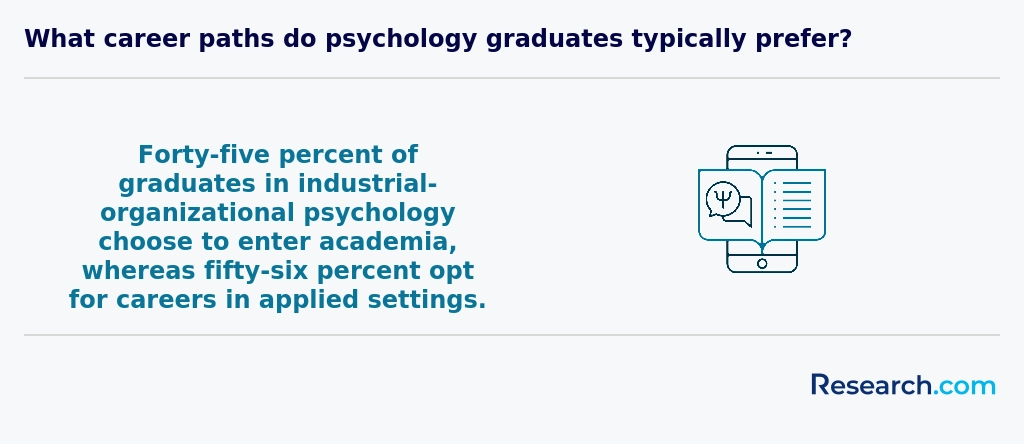
Investing in a psychology degree requires weighing tuition costs against potential earnings to determine true value. On average, a bachelor’s program in Baltimore ranges from $28,280 (in-state public) to $131,816 (private), while graduates report entry-level salaries between $29,570 (childcare roles) and $73,080 (human resources). By calculating the payback period-total tuition divided by expected annual income-you’ll find that many Baltimore graduates recoup their investment within 4–6 years, depending on financial aid and living expenses. Factoring in scholarships, grants, and work-study opportunities can shorten this timeline significantly. Beyond Baltimore, students seeking the best balance of cost and quality may compare programs in other regions. For instance, exploring our Low Cost Psychology Degree Programs Ranking in Rochester, NY can reveal tuition savings of up to 30% while maintaining rigorous accreditation standards. Such comparisons help prospective students set realistic budget expectations and identify programs that offer the highest return on investment. To maximize ROI: • Secure financial aid early by applying for FAFSA and institutional scholarships. • Leverage part-time internships or graduate assistantships to offset tuition and gain marketable experience. • Research average starting salaries for your desired specialization-clinical, counseling, or I-O psychology-to project long-term earnings. With a strategic approach to funding and career planning, Baltimore psychology students can achieve both professional fulfillment and financial stability.
Psychology degrees in Baltimore immerse students in a diverse range of courses designed to inspire curiosity and foster deep understanding of human behavior. Graduates from respected institutions like Johns Hopkins University and Towson University often recall how foundational classes such as Introduction to Psychology opened their eyes to the fascinating theories that explain everyday emotions and actions.
Core courses like Research Methods and Statistics equip students with essential skills to design experiments and analyze data, empowering them to contribute to meaningful discoveries. Imagine exploring the intricate workings of the brain through Biological Psychology or understanding how memories shape identity in Cognitive Psychology-courses that many Baltimore students describe as both challenging and deeply rewarding.
Social Psychology classes bring real-life relevance, revealing how our interactions influence communities, while Psychopathology courses provide vital insights into mental health challenges, preparing students to make a difference in clinical settings. Many graduates treasure practicum opportunities offered locally, where hands-on experience turns theory into heartfelt, impactful practice.
Baltimore offers an exciting range of psychology degree specializations that empower students to explore their passions and prepare for meaningful careers. Graduates from Johns Hopkins University and Towson University often share how clinical psychology inspired them through hands-on patient work, directly addressing mental health needs in their communities. Counseling and school psychology tracks provide powerful tools to support individuals in personal growth or educational success, making a tangible difference in daily lives.
For those fascinated by brain science, cognitive and neuropsychology specializations at select Baltimore programs unlock the mysteries of behavior and neurological function, sparking curiosity and wonder. Industrial-organizational psychology attracts students eager to enhance Baltimore's vibrant workplaces, making a lasting impact on employee wellness and productivity. Developmental psychology graduates often describe fulfilling journeys into research or healthcare, fueled by a deep enthusiasm for human growth.
Students exploring Baltimore psychology graduate program options also appreciate the flexibility available, including opportunities like an accelerated master's in psychology online, matching diverse lifestyles and ambitions.
Choosing the best psychology degree in Baltimore means aligning your passion with a program that supports your ambitions. Graduates from popular Baltimore colleges often share how selecting the right degree-whether bachelor's, master's, or doctoral-shaped their career paths in vibrant local settings. Imagine diving into classes where faculty are deeply involved in cutting-edge research, and intimate class sizes allow you to form strong connections and receive personalized mentorship.
Consider the balance between quality education and affordability. Baltimore is home to some of the most affordable psychology schools, where public universities offer excellent value, especially for in-state students. Many graduates highlight the relief and opportunity that come with affordable tuition combined with scholarships and assistantships specific to Maryland.
Don't overlook flexible options either. Working professionals thriving in Baltimore appreciate hybrid and online courses that fit their busy lives. Exploring masters of psychology programs available online can open doors without sacrificing quality.
Remember, graduates often speak proudly about strong program outcomes, including high licensure pass rates and meaningful internships through partnerships with prominent local hospitals and clinics. Choosing a program with these connections empowers you to grow confidently within Baltimore's supportive mental health community and beyond.
Keep these elements in mind as you decide your path toward one of the best psychology degree programs Baltimore offers.
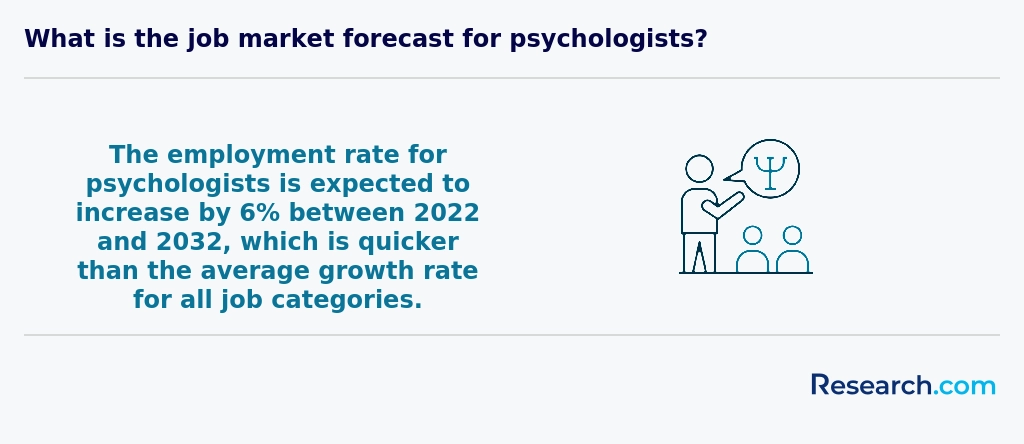
Psychology graduates in Baltimore find exciting career paths that match their passions and skills. Many step confidently into clinical and counseling roles at respected institutions like Johns Hopkins Medicine or the University of Maryland Medical Center, where they provide vital mental health support. Others thrive working as school psychologists in Baltimore's public schools, helping students overcome challenges and succeed academically. These relatable roles empower graduates to make a lasting difference in their communities, fueling their sense of purpose.
For those interested in workplace dynamics, industrial-organizational psychology offers opportunities in Baltimore's thriving corporate and nonprofit sectors, improving employee well-being and productivity. Graduates from local universities celebrate the chance to engage in groundbreaking research on behavioral science and neuroscience, connecting their studies to real-world health improvements. Exploring diverse psychology career opportunities in Baltimore strengthens their professional journey.
Additional avenues include social work, forensic psychology, and health psychology, each offering rewarding, meaningful careers. Prospective students eager to balance costs and aspirations may explore options through the Low Cost Psychology Degree Programs Ranking in Rochester, NY, inspiring practical steps toward their goals.
The psychology degree job outlook Baltimore is vibrant and full of potential, especially for graduates from well-regarded institutions like Johns Hopkins University and Loyola University Maryland. Many graduates find rewarding careers in hospitals and community centers, supported by Baltimore's expanding mental health services. These roles often include clinical psychologists, school counselors, and human resources positions in local companies eager for professionals trained in psychological principles.
Graduates often describe their first jobs as deeply fulfilling, working alongside compassionate teams that make real differences in people's lives. The city's increasing awareness around mental health has created new avenues for those passionate about therapeutic and social services careers. Entry-level positions may require additional certifications or advanced degrees, but there are also exciting options for those exploring 6 month certifications that pay well online to enhance their skillset quickly.
With Maryland's psychologist salaries above the national average, Baltimore psychology career opportunities encourage students to envision a future where their hard work and empathy are both valued and rewarded.
2027 Best Psychology Degree Programs Ranking in Baltimore
Investing in your education is a significant decision that can shape your future, and the Research.com team understands the importance of making informed choices. To assist prospective students in Baltimore, we have meticulously crafted the "2027 Best Psychology Degree Programs Ranking in Baltimore." Our commitment to quality, credibility, and accuracy is reflected in the extensive research and analysis conducted to compile this ranking.
We utilized the following reputable data sources to ensure a comprehensive evaluation of psychology programs:
By exploring this ranking, readers will gain valuable insights into the best psychology degree programs available in Baltimore, helping them make informed decisions about their educational journeys. For more details on our methodology, please visit our Research.com methodology page.


Frequently Asked Questions About psychology
Psychology degree students in Baltimore can maximize their learning experience by combining classroom studies with practical experiences. Baltimore hosts several accredited institutions offering hands-on internships and research opportunities, essential for grasping psychological concepts.
Engaging with local mental health organizations such as the Johns Hopkins Department of Psychiatry allows students to apply theory to real-world cases. According to the American Psychological Association, experiential learning significantly enhances skill development in clinical settings.
Networking with faculty and attending psychology-related workshops or conferences in Baltimore can also broaden understanding and professional connections. Utilizing facilities like the Maryland Psychiatric Research Center adds valuable exposure to cutting-edge research.
Emerging niches within the psychology field offer promising opportunities for students pursuing degrees in Baltimore. One fast-growing area is neuropsychology, which explores brain-behavior relationships and is in demand due to advances in brain imaging technology. Additionally, health psychology focuses on how mental, emotional, and social factors affect physical health, a field expanding alongside Baltimore's healthcare industry. Another developing specialty is forensic psychology, useful in legal settings and supported by Maryland's robust judicial system. According to the American Psychological Association, careers in these niches can grow by over 10% in the next decade, reflecting both national and local demand.
After earning a psychology degree in Baltimore, preparing for the job market involves strategic steps to enhance employability. Graduates should seek internships or practicum opportunities locally, as Baltimore houses numerous healthcare facilities and research centers that welcome psychology students, such as Johns Hopkins Hospital.
Networking is essential; joining local chapters of professional organizations like the Maryland Psychological Association can connect graduates with employers and mentors. Developing skills in data analysis and familiarity with software like SPSS or R increases competitiveness in research roles.
According to the U.S. Bureau of Labor Statistics, the demand for psychologists in Maryland is projected to grow 12% from 2022 to 2032, supporting the need for relevant practical experience and certifications. Building a professional online presence can also attract hiring managers.
Employers in Baltimore seeking psychology degree graduates prioritize a combination of analytical, interpersonal, and practical skills. Critical thinking and the ability to interpret psychological research are essential, enabling graduates to assess data effectively and contribute to evidence-based practices. Strong communication skills, both written and verbal, help professionals collaborate with clients and multidisciplinary teams.
Understanding cultural diversity and demonstrating empathy are also highly valued, given Baltimore's diverse population. According to the Bureau of Labor Statistics and local industry reports, proficiency in ethical decision-making and knowledge of psychological assessment tools further enhance employability in clinical, counseling, or research roles. These core competencies align with the needs of Baltimore's growing mental health and social services sectors.
Finding psychology internships in Baltimore involves leveraging both academic and community resources. Many local universities, such as Johns Hopkins University and the University of Maryland, Baltimore County, offer internship placement assistance or maintain partnerships with healthcare facilities and research centers.
Students should explore opportunities at prominent institutions like the Maryland Psychiatric Research Center and Sheppard Pratt Health System, which frequently host psychology interns. According to the Maryland Higher Education Commission, internships significantly enhance practical skills and employability in this competitive field.
Additionally, joining professional organizations like the Maryland Psychological Association provides networking opportunities and updates on internship openings throughout Baltimore.
A psychology degree in Baltimore offers notable advantages for career mobility and advancement. The city's growing healthcare and social services sectors increasingly value professionals with specialized psychological training. According to the U.S. Bureau of Labor Statistics, Maryland's employment of psychologists is projected to grow by 14% from 2022 to 2032, faster than the national average.
Graduates with a bachelor's or master's degree often find opportunities in counseling, social work, and human resources, while doctoral degrees can lead to higher-level clinical or research positions. Baltimore's local hospitals and community agencies frequently seek psychology professionals for leadership roles, improving advancement prospects.
Additionally, professional licensure in Maryland enhances job stability and salary potential. The city's network of universities offers strong internship and networking connections that further support career growth.
Baltimore's psychology degree programs uniquely equip students for interdisciplinary roles by integrating knowledge from diverse fields such as healthcare, education, and social work. Many local universities emphasize collaboration with medical centers and community organizations, reflecting the city's healthcare infrastructure. According to the Maryland Higher Education Commission, approximately 60% of Baltimore's psychology graduates engage in roles that require cross-disciplinary skills.
Courses often include training in research methods, behavioral science, and applied psychology, fostering analytical and communication skills. This broad foundation helps students work effectively alongside professionals in fields like nursing, public health, and criminal justice. Baltimore's growing network of interdisciplinary research projects further enhances practical learning experiences.
When choosing between a thesis and a non-thesis psychology degree program in Baltimore, students should consider their long-term academic and career goals. Thesis programs emphasize research and typically prepare students for doctoral studies or roles requiring strong analytical skills. Non-thesis programs focus more on coursework and practical applications, appealing to those aiming for professional practice or immediate employment.
In Baltimore, graduate programs such as those at Johns Hopkins University offer both options, with thesis tracks often involving 6-12 months of research under faculty supervision. According to the National Center for Education Statistics, thesis students invest additional time but gain valuable research experience.
Students should also evaluate time commitment, financial considerations, and whether they prefer conducting original research versus applied learning.
Students in Baltimore interested in studying psychology abroad have several pathways supported by many local universities. Institutions like Johns Hopkins University and the University of Maryland often offer study abroad programs in partnership with European and Asian universities, allowing psychology majors to gain international experience while earning credits.
Programs commonly focus on comparative psychology, mental health systems, and cultural perspectives in psychology. These opportunities typically last a semester or summer and include locations such as the United Kingdom, Ireland, and Italy.
According to the Institute of International Education's 2022 data, psychology ranks among the top five fields for U.S. students studying abroad, reflecting robust interest and available support.
Financial aid and scholarships specific to study abroad can help offset costs, and students should consult their university's global education office for tailored advice on program options and credit transfer policies.
In Baltimore, part-time job opportunities that complement psychology degree education are diverse and accessible. One common role is working as a research assistant in institutions like Johns Hopkins University, where students can gain hands-on experience in psychological studies. According to the National Center for Education Statistics, practical research experience significantly enhances graduate school applications for psychology programs.
Additionally, students may find roles as behavioral health technicians at local hospitals or community mental health centers. These positions offer direct exposure to patient care and psychological assessment techniques. The Maryland Department of Labor reports steady demand for such positions due to increased mental health awareness statewide.
Other opportunities include tutoring psychology courses or working in crisis hotlines managed by nonprofit organizations, which develop critical communication skills relevant to psychology careers.
Psychology students in Baltimore have access to a variety of networking opportunities that can enhance their academic and professional growth. Local universities such as Johns Hopkins and the University of Maryland, Baltimore, host regular events like psychology club meetings, guest lectures, and research symposiums.
Additionally, Baltimore's proximity to several hospitals and mental health centers offers students chances for internships and connections with practicing psychologists. The Maryland Psychological Association actively supports student membership, providing access to workshops, conferences, and a statewide professional network.
These resources collectively help students build valuable contacts and gain insights into their future careers in psychology.
Alumni networks play a significant role in supporting psychology degree students in Baltimore. These networks connect current students with graduates who have firsthand experience in the local job market. According to the National Association of Colleges and Employers, up to 85% of jobs are filled through networking, making alumni connections critical for career opportunities.
In Baltimore, strong alumni networks from universities like Johns Hopkins and Loyola provide mentorship, internships, and job leads within healthcare, research, and community services. These connections help students navigate Baltimore's competitive psychology field more effectively.
Additionally, alumni often host workshops or panels, offering insights into evolving psychology practices and licensure requirements in Maryland, strengthening students' professional readiness.
Customizing a psychology degree program in Baltimore involves selecting courses and experiences that align with your career goals. Many local universities offer specialized tracks such as clinical, counseling, or industrial-organizational psychology. By focusing on these areas, students can tailor their education to match specific job markets.
Internships and research opportunities are critical for hands-on experience. Baltimore hosts diverse clinical facilities and government agencies where students can apply classroom knowledge.
Additionally, pursuing certifications or graduate studies in collaboration with nearby institutions enhances credentials. According to the Maryland Higher Education Commission, over 30% of Baltimore psychology graduates engage in internships during their studies, improving employability.
Psychology students in Baltimore often face several challenges unique to their academic and local environment. One significant issue is balancing rigorous coursework with practical experience demands, such as internships or research projects. These hands-on opportunities are crucial but can be limited due to competition and availability, as noted by the Maryland Higher Education Commission. Additionally, students frequently navigate financial pressures, with the average annual tuition for psychology programs in Maryland ranging between $10,000 and $30,000, according to the National Center for Education Statistics.
Another common challenge involves meeting the state licensing requirements for psychologists, which require extensive supervised clinical hours. This creates a bottleneck, as placements can be scarce in Baltimore's mental health facilities. Furthermore, many students struggle to stay current with rapidly evolving research, emphasizing the need for continual learning. Overall, these factors highlight the complex landscape psychology students must manage to succeed in Baltimore's academic and professional settings.
With a psychology degree in Baltimore, several professional certifications are accessible to enhance your career. Common options include becoming a Certified Alcohol and Drug Counselor (CADC), which is valuable given Maryland's focus on substance abuse treatment. The National Certified Counselor (NCC) credential is another option, recognized nationwide and useful for licensure as a Licensed Professional Counselor (LPC) in Maryland.
Psychology graduates may also pursue certification as a Certified Rehabilitation Counselor (CRC), supporting people with disabilities. For those interested in school settings, becoming a Certified School Psychologist through the Maryland State Department of Education is possible.
These certifications often require additional supervised experience and exams.
Writing a winning application for a psychology program in Baltimore requires careful preparation and attention to detail. Start by maintaining a strong undergraduate GPA, ideally above 3.5, since competitive programs often prioritize academic performance. Highlight relevant experience, such as internships or volunteer work in mental health settings, which demonstrates commitment to the field.
Craft a compelling personal statement that clearly explains your motivation for studying psychology and your career goals. Baltimore's universities, including Johns Hopkins and Towson University, value applicants who emphasize community engagement and research interests.
Be sure to secure strong letters of recommendation from professors familiar with your academic and research skills. Finally, prepare thoroughly for the GRE, if required, aiming for scores in the 75th percentile or higher to enhance your candidacy.
Psychology careers in the United States, including Baltimore, are shaped by global trends emphasizing mental health awareness and interdisciplinary research. The U.S. Bureau of Labor Statistics projects a 8% growth in psychologist jobs nationally from 2022 to 2032, reflecting rising demand worldwide for mental health services.
Internationally, psychology integrates cultural competence, multicultural counseling, and global mental health initiatives. Baltimore's diverse population provides students unique exposure to varied psychological practices influenced by global perspectives.
According to the American Psychological Association, U.S. programs often incorporate cross-cultural training, preparing graduates for careers addressing worldwide issues like trauma, addiction, and developmental disorders.
Studies show Baltimore's psychology graduates have opportunities in research, clinical settings, and education, mirroring global demands for evidence-based practice and culturally informed care.
Gaining practical experience while studying for a psychology degree in Baltimore is essential for building career-ready skills. Many universities in the area offer internship programs in collaboration with local hospitals, mental health clinics, and community organizations. For example, Johns Hopkins University partners with several Baltimore-based facilities where students can earn fieldwork credits.
Additionally, students can participate in research assistant roles, often available through university psychology departments, to gain hands-on experience in studies and data analysis. According to the Maryland Higher Education Commission, nearly 40% of psychology students in the state engage in internships during their degree programs.
Volunteering at nonprofit centers or counseling services in Baltimore is another valuable way to apply theory to practice while networking with professionals in real settings.
Choosing the right concentration in a psychology degree program in Baltimore begins with understanding your career goals. Popular concentrations include clinical, counseling, developmental, and industrial-organizational psychology. Clinical psychology often leads to licensure and direct patient care roles, while industrial-organizational focuses on workplace behavior and HR applications.
Research local job market trends in Baltimore, where healthcare and social services demand strong clinical and counseling professionals. According to the U.S. Bureau of Labor Statistics, Maryland's psychology-related jobs are growing about 8% through 2030, higher than the national average. This growth may influence your concentration choice.
Many Baltimore institutions offer practical internships linked to the community, which can shape your experience in a specific area of psychology. Consider also the availability of faculty expertise and resources aligned with your interests.
- 2027 Best Psychology Degree Programs Ranking in Washington
- 2027 Best Psychology Degree Programs Ranking in New York
- 2027 Best Psychology Degree Programs Ranking in New Haven
- 2027 Best Psychology Degree Programs Ranking in Albany
- 2027 Best Psychology Degree Programs Ranking in Springfield
- 2027 Best Psychology Degree Programs Ranking in Amherst
- 2027 Best Psychology Degree Programs Ranking in Worcester
- 2027 Best Psychology Degree Programs Ranking in Cambridge
- 2027 Best Psychology Degree Programs Ranking in Boston
- 2027 Best Psychology Degree Programs Ranking in Detroit
See What Experts Have To Say About Studying Psychology
Read our interview with Psychology experts

Robin M. Kowalski. Ph.D.
Psychology Expert
Professor of Psychology
Clemson University

Elizabeth L. Jeglic Ph.D.
Psychology Expert
Professor of Psychology
City University of New York

Joann Farrell Quinn, Ph.D., MBA
Psychology Expert
Director at the College of Medicine Department of Medical Education
Morsani College of Medicine

- Professional Networking For Psychologists | Psychology.org https://www.psychology.org/resources/professional-networking/
- Psychology - SWPS University https://english.swps.pl/academics/warsaw/ba-programs/psychology
- 10 High-Paying Jobs with a BS in Psychology | University of Bridgeport https://www.bridgeport.edu/news/high-paying-jobs-with-a-bachelors-in-psychology-degree/
- College Financial Aid Resources https://bsfa.org/academics/college-counseling/paying-for-college
- How to help students cope with mental health challenges https://www.eaie.org/resource/help-students-cope-mental-health-challenges.html
- Ontario Psychological Association - Networking and Community Resources https://www.psych.on.ca/become-a-member-(1)/member-services/networking-and-community-resources
- Tuition and Fees | University of Baltimore https://www.ubalt.edu/admission-and-aid/tuition-and-fees/index.cfm
- Study Psychology Abroad | Go Overseas https://www.gooverseas.com/study-abroad/psychology
- Alumni Perspectives - Meet Our FPN Alumni https://www.aanmelder.nl/alumni-perspectives-june-2023
- From the Classroom to Your Career: How a Psychology Degree Opens Doors https://www.torontomu.ca/arts/undergraduate/bachelor-of-arts-degree/from-the-classroom-to-your-career-how-a-psychology-degree-opens/


