
2027 Fastest Online Bachelor's in Psychology Degree Programs Ranking in Massachusetts

Co-Founder and Chief Data Scientist
Choosing the right online psychology degree can feel overwhelming, especially with so many options available. To help students in Massachusetts, the Research.com team of data scientists created the 2027 Fastest Online Bachelor's in Psychology Degree Programs Ranking in Massachusetts.
This article highlights the fastest programs, making it easier to find quality education that fits your timeline. Earning a psychology degree opens doors to meaningful careers and personal growth. Explore this guide to make an informed choice toward a rewarding future in psychology.
Key benefits of getting online psychology degree in Massachusetts
- Graduates with a psychology degree in Massachusetts can pursue rewarding careers such as Clinical Research Associate, earning a mean annual wage of $62,370, or Marketing Research Analyst, with an average salary of $83,190, highlighting strong financial prospects.
- Career paths include roles in healthcare, research, marketing, and human resources, as seen in graduates from institutions like Boston University who use their knowledge to support mental health and organizational success.
- Online psychology degrees offer flexibility and accessibility, allowing graduates from schools like the University of Massachusetts Online to balance work and study while gaining accredited credentials that employers value.
- 2027 Fastest Online Bachelor's in Psychology Degree Programs Ranking in Massachusetts
- What can I expect from online psychology degree in Massachusetts?
- Where can I work with online psychology degree in Massachusetts?
What can I expect from online psychology degree in Massachusetts?
The average cost of an online psychology degree in Massachusetts can vary significantly depending on the institution, residency status, and program format. Graduates from well-known schools such as Boston University or University of Massachusetts report tuition costs ranging from approximately $15,000 to $30,000 per year for their online bachelor's degrees, although in-state residents often benefit from reduced rates. Many students appreciate having access to financial aid and scholarships, which can alleviate these expenses, making the investment feel more manageable.
One common experience shared among students is navigating transfer policies and residency requirements that directly impact the total cost. For instance, a student transferring credits from a community college may save both time and money, but must confirm acceptance policies carefully. Some graduates highlight the value of paying slightly higher tuition in exchange for programs offering strong faculty expertise and access to virtual internships, which prepare them effectively for future careers.
Despite the price variation, students often express satisfaction with the balance of cost and quality, especially when programs include practical components like virtual labs tied to Massachusetts healthcare settings, helping justify the expense through real-world application.
Where can I work with online psychology degree in Massachusetts?
Graduates with an online psychology degree in Massachusetts often find varied employment paths, though expectations must be realistic given the state's licensure requirements for clinical psychologists. Many secure roles in healthcare settings-hospitals and community clinics commonly hire bachelor's holders as case managers or behavioral health specialists, responding to the state's growing mental health awareness. Graduates from institutions like Boston University or UMass Amherst report rewarding experiences working alongside licensed professionals, gaining practical insights while making meaningful impacts.
Educational environments offer another promising avenue. Schools and childcare programs across Massachusetts frequently employ psychology graduates as academic advisors or youth counselors. These roles demand empathy and adaptability-qualities nurtured through coursework and internships at colleges such as Northeastern University. Graduates often describe the satisfaction of supporting student development firsthand.
Additionally, some find opportunities in corporate or research settings; human resources departments appreciate psychology backgrounds for employee training and recruitment, while universities occasionally engage bachelor's holders as research assistants. However, graduates recognize these positions often require persistence and additional certifications to advance.
Overall, an online psychology degree from a Massachusetts school opens diverse doors, especially when complemented by real-world experience and networking within the state's robust healthcare and educational sectors.
Graduates from online psychology programs in Massachusetts, such as those from Northeastern University or Boston University, often find entry-level roles like human resources specialists, where the mean annual wage is around $76,060. This salary reflects not only academic preparation but also the regional demand for professionals skilled in behavioral and organizational psychology.
Others may pursue roles as clinical research associates or survey researchers, both earning approximately $62,370 annually. These positions commonly appeal to graduates seeking to combine psychology with research, offering practical experience while maintaining competitive salaries within Massachusetts' evolving job market.
Some graduates might enter marketing research analyst positions, which boast a higher mean annual wage of about $83,190. This role often involves applying psychological principles to consumer behavior, a field growing rapidly around metropolitan areas like Boston.
While salaries vary depending on education level, certification, and specific job roles, many graduates appreciate the opportunity to work in diverse fields that value psychology knowledge, such as human services or organizational development, embracing both the financial and personal growth aspects of these careers.
- Massachusetts offers regionally accredited online bachelor's programs in psychology covering core subjects like developmental and abnormal psychology.
- Annual tuition for in-state public universities ranges from $15,000 to $20,000, while private institutions may charge over $35,000 per year.
- Entry-level psychology graduates can expect average salaries around $50,000, with experienced professionals earning $75,000 to $90,000 annually.
- The state projects a 10% growth in psychology-related job opportunities over the next decade, exceeding the national average.
- Licensure to practice as a psychologist in Massachusetts requires graduate degrees beyond the bachelor's level, making the online bachelor's a foundation for advanced study.
The time it takes to complete an online psychology degree in Massachusetts commonly spans about four years for full-time students, reflecting a standard undergraduate timeline at institutions like Boston University or UMass Amherst. Graduates from these programs often mention the steady pace of completing roughly 15 credits each semester, which balances coursework with personal and professional responsibilities.
Some students share how accelerated programs at certain Massachusetts colleges, utilizing summer sessions or intensive courses, enabled them to finish their degrees in closer to three years. This intensive approach appeals to those eager to enter the workforce sooner but requires careful time and stress management.
Others pursuing part-time study, often due to work or family commitments, report taking five years or more to graduate. They appreciate flexible schedules yet acknowledge the challenge of maintaining motivation over longer periods.
Transfer credits can significantly shorten the journey, especially for those with prior college experience, helping students avoid repeating material and stay engaged. Overall, Massachusetts online psychology students find the duration varies with life circumstances and program design, emphasizing the value of aligning study plans with personal goals.
Ensuring your online bachelor’s in psychology is accredited by a recognized agency is crucial for licensure and graduate school admission. In Massachusetts, the American Psychological Association (APA) sets the standard for doctoral programs, while regional accreditation-such as by the New England Commission of Higher Education (NECHE)-validates bachelor’s-level curricula. When reviewing online options, look for programs with NECHE or equivalent recognition to guarantee transferable credits and compliance with state licensing boards. Most state licensing boards require completion of a master’s or doctoral degree from an APA-accredited institution, passing the Examination for Professional Practice in Psychology (EPPP), and a specified number of supervised practice hours. For example, Massachusetts mandates 2,000 hours of supervised clinical experience post-degree, in addition to passing both the EPPP and the Massachusetts oral exam. Details on these steps can be verified on the Massachusetts Board of Registration of Psychologists website, ensuring you meet all statutory requirements without delay. If you’re exploring the fastest pathways to licensure, consider programs that integrate practicum placements or internship arrangements directly into the online coursework. Such embedded experiences not only streamline the licensure timeline but also enhance hands-on learning under licensed supervisors. For a curated list of accredited options that balance speed, cost, and quality, refer to our comprehensive guide on best psychology online degrees. Finally, alumni reporting and board pass rates offer valuable insight into a program’s effectiveness. Programs publishing high EPPP pass rates and timely licensure achievements demonstrate robust curriculum alignment with professional standards. When narrowing your choice, request program-specific data on accreditation status, board exam performance, and supervised hour placement success to make an informed, future-proof decision.
Online and on-campus psychology degrees in Massachusetts offer distinct learning experiences that cater to different student needs. Graduates from Springfield College emphasize the value of face-to-face interaction on campus, benefiting from immediate feedback and access to campus labs and counseling centers. This direct engagement fosters a sense of community and supports hands-on learning, often leading to strong professional networks early in a student's career.
Conversely, students who pursued online degrees from Fitchburg State University appreciate the flexibility to balance studies with work and family. These graduates highlight how virtual lectures and discussion boards enable them to tailor their schedules without sacrificing academic rigor. Practical requirements like internships are typically arranged locally, helping maintain real-world experience despite remote study.
Both formats require commitment, but online learners in Massachusetts often develop greater self-discipline, motivated by the freedom to study from anywhere. Understanding these experiential differences can help you decide which path aligns best with your personal and professional goals.
The average cost of an online psychology degree in Massachusetts typically centers around $45,600 in total tuition, a figure that reflects a balance between public and private institutions' pricing. This median cost underscores the affordability of several public universities in the state, such as the University of Massachusetts system, which offers online psychology programs at rates close to this average. Graduates often share that attending such programs allowed them to maintain a positive outlook on their education expenses, appreciating the accessibility without compromising quality.
Massachusetts online bachelor's in psychology tuition fees can vary widely, however, depending on factors like residency status, institutional policies, and additional fees. For example, some private universities may charge significantly higher rates, paired with extra technology fees or required campus visits that can increase overall expenses. Still, many students find these programs appealing due to the extensive resources and personalized support, which make their investment feel worthwhile.
Prospective students should also consider that financial aid, scholarships, and employer tuition reimbursement are common and can help lower the net cost dramatically. Exploring opportunities tied to the Massachusetts Office of Student Financial Assistance may increase affordability. For those aiming to enter high-paying jobs with a college major, choosing the right program financially and academically is essential to long-term satisfaction and success.

Online psychology programs in Massachusetts should hold both regional and programmatic accreditation to ensure quality and eligibility for licensure. Most reputable institutions are accredited by the New England Commission of Higher Education (NECHE), and bachelor’s curricula designed for clinical pathways ideally follow guidelines set by the American Psychological Association (APA). Although the APA only accredits doctoral programs, aligning undergraduate coursework with its competencies-such as ethics, research methods, and cultural diversity-sets a solid foundation for graduate study. To pursue state licensure as a psychologist in Massachusetts, candidates must:
- Hold a doctoral degree in psychology from an APA-accredited program or its equivalent.
- Complete at least 3,000 hours of supervised experience (pre- and post-doctoral).
- Pass the Examination for Professional Practice in Psychology (EPPP) and the Massachusetts Jurisprudence Exam.
- Maintain continuing education (CE) credits as stipulated by the Massachusetts Board of Registration of Psychologists. Graduates seeking specialized roles-such as pediatric mental health support-often complement their degree with a child life specialist degree, which adheres to standards set by the Association of Child Life Professionals and expands career prospects in hospital and community settings.
Students pursuing online psychology degrees in Massachusetts often tap into a variety of financial aid options tailored to their needs. Federal Pell Grants, which can provide up to $7,395 annually, are a significant relief for many undergraduates, especially those attending public universities like the University of Massachusetts Amherst. Graduates recall how these grants eased tuition burdens without adding debt, reinforcing their positive academic experience.
State-specific programs such as the Massachusetts No Interest Loan Program (NILP) offer unique advantages by providing interest-free loans, making education more affordable for residents. Several students from institutions like Boston University report benefiting from NILP to balance costs while managing work and study.
Institutional scholarships, often merit- or need-based, are another crucial resource. For example, learners at Northeastern University describe how specialized scholarships for psychology majors helped them pursue their passion without financial strain. Additionally, federal work-study jobs related to counseling or research offer hands-on experience and income, aligning well with students' career aspirations.
Finally, professional organizations in Massachusetts support networking and scholarships, which some graduates found invaluable for both funding and career growth opportunities.
The importance of accreditation in online psychology degree programs cannot be overstated, as it ensures that the program meets the standards set by the American Psychological Association, which is necessary for licensure in Massachusetts. Accreditation is a critical factor to consider when selecting an online psychology degree program, as it can impact the quality of education, licensure, and career opportunities. The American Psychological Association (APA) is the primary accrediting agency for psychology programs in the United States, and it provides a framework for evaluating the quality of online psychology degree programs. Some key benefits of attending an accredited online psychology degree program include:
- Increased likelihood of licensure: Accreditation is often a requirement for licensure, and attending an accredited program can increase the chances of obtaining a license to practice psychology.
- Improved career opportunities: Accreditation can enhance career opportunities, as many employers require or prefer candidates who have graduated from accredited programs.
- Enhanced quality of education: Accreditation ensures that the program meets certain standards, which can result in a higher quality of education and better preparation for a career in psychology.
- Access to financial aid: Accreditation can impact access to financial aid, as some forms of financial aid may only be available to students attending accredited programs. When evaluating online psychology degree programs, it's essential to check for accreditation from the APA or other recognized accrediting agencies, such as the Council for Accreditation of Counseling and Related Educational Programs (CACREP) or the Masters in Psychology and Counseling Accreditation Council (MPCAC). By attending an accredited online psychology degree program, students can ensure that they receive a high-quality education that prepares them for a successful career in psychology.
Enrolling in an online psychology degree program in Massachusetts typically requires a high school diploma or GED, which sets a clear baseline. Graduates from well-known institutions like UMass Amherst have shared how meeting this simple requirement opened doors to further study without unnecessary hurdles. Many programs expect a GPA around 2.5 to 3.0, reflecting a need for solid academic foundation rather than perfection, which helps maintain accessibility for diverse learners.
Some students found that submitting SAT or ACT scores was optional, as test-optional policies are increasingly common at schools like Boston University, allowing applicants to focus more on their passions and experience. Transcripts verifying prior coursework are essential, particularly if transferring credits, ensuring students are prepared for rigorous subjects like biology or statistics often required by programs such as those at Northeastern University.
Applicants aiming for graduate-level study usually need a relevant bachelor's degree and may have to provide letters of recommendation and personal statements. Many feel encouraged by the opportunity to highlight relevant research or clinical experience, which resonates with their dedication to psychology in Massachusetts' competitive environment.

A crucial consideration for any online psychology degree in Massachusetts is institutional accreditation. Prospective students should verify that their program is regionally accredited by a U.S. Department of Education–recognized agency (such as NECHE or MSCHE) to ensure coursework eligibility for federal financial aid, credit transfer, and graduate study. Additionally, programs with American Psychological Association (APA) accreditation for specific tracks-particularly those focused on clinical or counseling psychology-offer a clear pathway to licensure. State licensure in Massachusetts typically requires: • A master’s or doctoral degree from an APA-accredited program • Completion of 1,500–3,000 hours of supervised professional experience • Passing the Examination for Professional Practice in Psychology (EPPP) • Adherence to Massachusetts Board of Registration’s ethical and continuing education requirements Because licensing requirements vary by state, students planning to relocate or practice across state lines should confirm reciprocity agreements and additional state exams. For comparative insights into tuition and accreditation status in neighboring regions, see our Low Cost Online Psychology Degree Programs Ranking in Pennsylvania. Purchasing a program from a fully accredited institution not only safeguards academic quality but also streamlines your journey to becoming a licensed psychologist, counselor, or school psychologist.
Online psychology degree programs in Massachusetts typically include a range of foundational and specialized courses that graduates find both challenging and rewarding. For instance, students at well-known institutions like UMass Amherst often start with classes covering psychological science fundamentals, human behavior, and research methods, which build critical thinking skills through analyzing real research studies.
Core topics usually feature developmental psychology, cognitive psychology, social psychology, and abnormal psychology. Graduates recall how studying developmental psychology helped them better understand how people change emotionally and mentally over time-something they found applicable in many real-life settings, such as counseling or education.
Cognitive and social psychology courses, often emphasized at schools like Boston University, encourage students to reflect on mental processes and group dynamics, providing insights useful in workplaces or community programs. Abnormal psychology introduces complex issues around mental health, a topic that many graduates describe as eye-opening and essential for ethical psychological practice.
Ethics and statistics are also key components, ensuring students grasp the responsibilities and analytical skills needed for credible research and professional conduct. Electives in areas like forensic or health psychology add flexibility, letting students tailor their studies to personal career goals, a fact appreciated by learners balancing busy lives in Massachusetts.
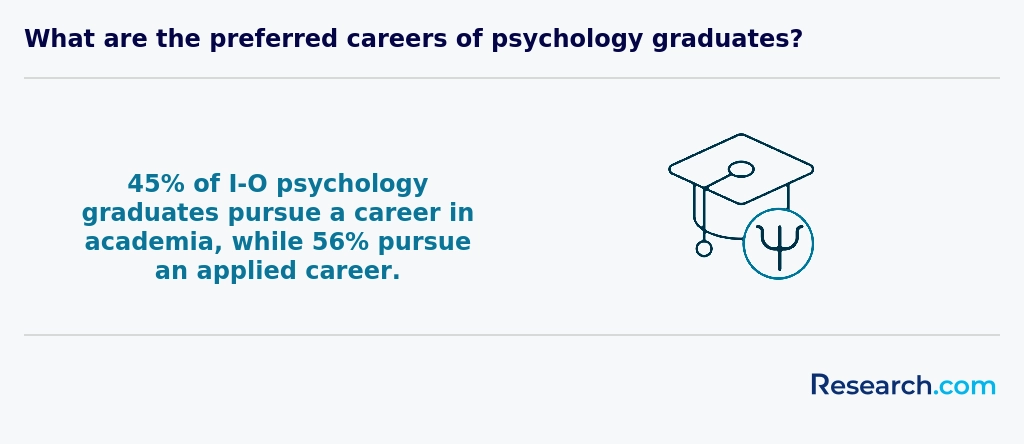
Online psychology degree specializations Massachusetts programs commonly include clinical psychology, counseling psychology, forensic psychology, developmental psychology, and industrial-organizational psychology. Graduates from popular institutions like the University of Massachusetts and Boston College often highlight how clinical psychology helped them meaningfully support mental health, especially given the increasing need in cities like Boston and Worcester. Counseling psychology graduates share enthusiasm about applying therapeutic skills directly in schools and community centers, finding fulfillment in real-world crisis intervention.
Forensic psychology appeals to students intrigued by the legal system, often drawing those who wish to work with correctional facilities or law enforcement in Massachusetts. Some have expressed how this specialization feels especially relevant given the state's strong intersection between psychology and criminal justice careers. Others pursuing developmental psychology appreciate tracking human growth stages, seeing practical value in roles within healthcare or education. Industrial-organizational psychology students enjoy the tangible impact on workplace wellbeing among Massachusetts businesses.
Choosing among these specializations requires attention to personal interests and local career trends. Many students also explore related career pathways, such as those detailed in the Texas psychologist career path, to understand licensing and job opportunities broadly across states.
Choosing the best online psychology degree Massachusetts offers means prioritizing accreditation and curriculum relevance while weighing costs realistically. Graduates from well-regarded programs in Massachusetts, such as those at large public universities, often highlight the value of regional accreditation, which assures quality and eases transfer or licensure processes. A student who deeply valued practical experience found that programs offering a balance between foundational theory and applied skills better prepared them for counseling roles. Yet, some face financial challenges, underscoring the importance of exploring affordable psychology bachelor's programs Massachusetts institutions provide, including scholarships or in-state tuition benefits.
Equally important is assessing faculty expertise and accessible student services. Graduates commonly praise faculty who bring real-world psychological practice into online discussions, enriching learning despite distance. Another graduate emphasized how career counseling helped clarify career pathways, especially when paired with data on program outcomes like graduation rates. Those uncertain about future steps benefit from exploring linked fields; for example, information on criminology degree careers can open unexpected doors beyond traditional psychology roles.
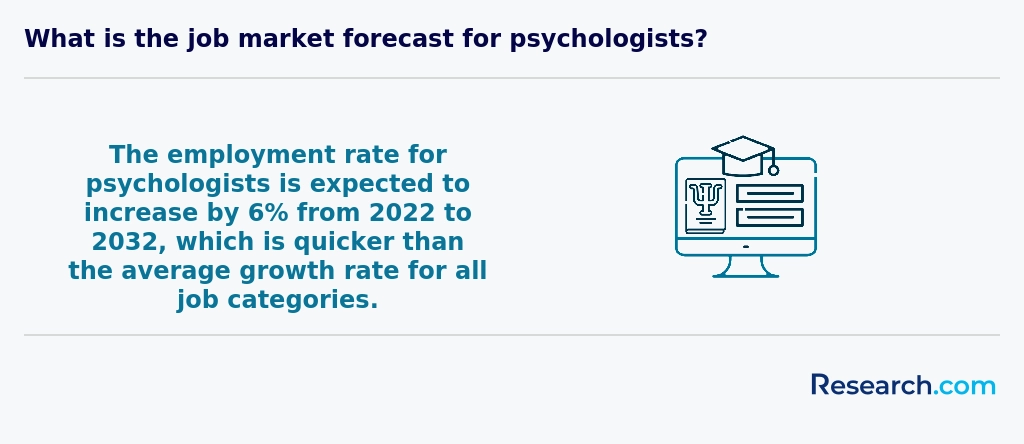
Graduates with an online psychology degree in Massachusetts often find a variety of career paths available, though these paths require careful consideration of local industry demands and educational prerequisites. Many graduates from institutions like Boston University or Northeastern University begin in entry-level roles such as behavioral health technician or case manager, which provide valuable hands-on experience within hospitals and community clinics. These positions help build confidence and practical skills while also illustrating the state's strong job market for psychology professionals.
Some alumni highlight how their degree unlocked opportunities in human resources or market research, where understanding organizational behavior and consumer psychology proved especially useful. However, these roles may not fully utilize clinical training, leading others to pursue graduate studies and licensure through the Massachusetts Board of Registration of Psychologists to expand career options into counseling or therapy. This step is crucial for those who want to practice independently, a common aspiration among many who studied at popular colleges.
Understanding of career versatility is important when exploring online psychology degree careers Massachusetts offers. Some graduates reflect on the valuable flexibility gained by attending online programs, which allowed them to balance work while pursuing advanced credentials or even explore specific fields like forensic psychology, aligning with industry trends through programs linked to forensic psychology industry trends.

The job market for graduates with an online psychology degree in Massachusetts remains strong, driven by the state's extensive healthcare infrastructure and increasing awareness of mental health. Graduates from institutions like Boston University or the University of Massachusetts find that this degree opens doors not only in clinical roles but also in related areas such as education and social services. The Massachusetts psychology career opportunities online are particularly promising given the state's median psychologist salary of around $101,000, significantly higher than the national average, reflecting local demand and cost of living.
Many graduates report feeling encouraged by the state's steady 10% growth forecast in psychology-related jobs, citing experiences at both urban research centers and rural mental health programs. However, licensing requirements often involve additional steps beyond an online bachelor's degree, such as doctoral studies and supervised experience. For example, those aiming for clinical roles typically pursue further credentialing, while others leverage the degree for roles in counseling or human resources. Prospective students might explore programs like those available at Brandeis University, balancing online convenience with solid academic training.
The relatively affordable tuition of $20,000 to $40,000 in Massachusetts makes this investment appealing, though students should consider long-term goals carefully. Some graduates also look into specialized pathways, such as the LPC schools South Carolina, to complement their studies and broaden career options beyond Massachusetts. Overall, the online psychology degree jobs Massachusetts landscape is nuanced but filled with valuable opportunities for motivated individuals.
2027 Fastest Online Bachelor's in Psychology Degree Programs Ranking in Massachusetts
Investing in your education is a significant decision that can shape your future, and the Research.com team understands the importance of making informed choices. To assist prospective students in Massachusetts, we have meticulously crafted the "2027 Fastest Online Bachelor's in Psychology Degree Programs Ranking in Massachusetts." Our commitment to quality, credibility, and accuracy is reflected in the extensive research and analysis conducted to compile this ranking.
We utilized the following reputable data sources to ensure a comprehensive evaluation of psychology degree programs:
By exploring this ranking, readers will gain valuable insights into the fastest online bachelor's programs in psychology, enabling them to make well-informed decisions for their educational and career goals. For more details on our methodology, please visit our Research.com methodology page.


Frequently Asked Questions About psychology
Students pursuing online psychology degrees in Massachusetts can enhance their learning by actively engaging with course materials and participating in virtual discussions. Massachusetts hosts several accredited institutions offering psychology programs, so verifying accreditation ensures quality education recognized by employers and licensing boards.
Connecting with faculty during virtual office hours and joining online study groups helps deepen understanding and fosters a sense of community. According to the Massachusetts Department of Higher Education, psychology remains a popular major, reinforcing the value of collaboration among peers.
Additionally, applying theory through internships or volunteer roles in local mental health organizations can provide practical experience, essential for future licensure in Massachusetts.
Emerging niches within the psychology field reflect evolving societal needs and technological advances. In Massachusetts, areas such as neuropsychology and health psychology are gaining traction, supported by the state's robust healthcare and biotech industries. According to the Bureau of Labor Statistics, jobs for neuropsychologists are projected to grow faster than average nationwide, benefiting Massachusetts' academic and medical research centers.
Another developing niche is cyberpsychology, which studies the impact of digital technology on human behavior. With Massachusetts being a technology hub, interest in this specialty is increasing, especially among online psychology students. Additionally, forensic psychology continues to expand due to growing demand in legal and criminal justice settings.
After completing an online psychology degree in Massachusetts, preparing for the job market involves strategic planning and skill development. Graduates should pursue internships or volunteer opportunities to gain practical experience, which employers highly value. According to the Massachusetts Department of Higher Education, psychology-related jobs in the state are expected to grow by 6% from 2022 to 2032, highlighting the importance of experience.
Networking with local professionals through organizations like the Massachusetts Psychological Association can open doors. Additionally, obtaining certifications, such as the Licensed Mental Health Counselor (LMHC), increases employability in clinical settings. Staying updated with Massachusetts' licensing requirements is essential for career advancement.
Employers in Massachusetts seeking psychology degree graduates prioritize several key skills. Critical thinking and analytical abilities are essential, as graduates often interpret complex behavioral data and develop treatment plans. Strong communication skills, both written and verbal, are highly valued because psychologists must clearly convey findings and work collaboratively with clients and colleagues.
Additionally, proficiency in research methods and statistical analysis is crucial; the Massachusetts Department of Higher Education highlights the growing emphasis on data-driven practice. Ethics and cultural competence are also important, reflecting the state's diverse population.
Adaptability and problem-solving skills support work in various settings, from clinical to organizational roles.
Finding internships related to psychology in Massachusetts starts with exploring opportunities offered by local universities, hospitals, and mental health organizations. Many online psychology programs require or recommend internships, and schools often have partnerships with institutions in the state to help students gain practical experience.
The Massachusetts Psychological Association and organizations like the Massachusetts Department of Mental Health frequently post internship openings suitable for undergraduate psychology students. These internships provide valuable experience in clinical, research, and community settings.
Additionally, students should check listings on university career centers and statewide portals such as the Massachusetts Internship Program. Networking with faculty and joining professional groups can increase chances of securing internships. According to the Bureau of Labor Statistics, Massachusetts employs over 10,000 psychologists, creating a range of internship possibilities statewide.
Obtaining an online psychology degree in Massachusetts can significantly enhance career mobility and advancement opportunities. The state's growing demand for mental health professionals, noted by the Massachusetts Executive Office of Labor and Workforce Development, projects a 12% increase in psychology-related jobs through 2030. Online degrees provide flexibility, allowing students to balance work and study while gaining credentials recognized by employers across the state.
Graduates with a bachelor's in psychology often qualify for entry-level roles in social services, counseling support, or human resources. Many also pursue advanced degrees, which are required for licensure as clinical psychologists in Massachusetts. The state's licensing board stresses the need for accredited education, which reputable online programs provide, ensuring graduates can pursue professional credentials and higher-paying positions.
Studying for an online psychology degree in Massachusetts equips students with skills that extend beyond traditional psychology roles. Programs often integrate coursework in biology, sociology, and statistics, reflecting the interdisciplinary nature of modern psychological practice. This broad educational base prepares graduates for diverse fields such as healthcare, education, and business. Massachusetts institutions emphasize critical thinking and research methods, aligning with the state's strong biomedical and technological sectors.
According to the Massachusetts Department of Higher Education, interdisciplinary collaboration is a growing focus in many psychology curricula to meet workforce needs. Students gain familiarity with data analysis and mental health policy, useful in various professional settings.
Choosing between a thesis and a non-thesis psychology degree program in Massachusetts depends largely on your career goals and academic interests. Thesis programs generally require original research and are ideal for students planning to pursue graduate study or research careers. Non-thesis options often focus more on coursework and practical skills, suiting those aiming for direct entry into the workforce.
Massachusetts is home to several institutions offering these paths, with varying formats available online. According to the Massachusetts Department of Higher Education, research-focused programs may demand an additional semester, impacting time and cost.
Consider your learning style and professional objectives carefully before deciding.
Students in Massachusetts seeking to study psychology abroad online have several viable pathways. Many accredited U.S. institutions offer transfer-friendly online psychology programs with study abroad components, allowing learners to combine international experience with domestic degree credits. Though fully foreign-based online psychology degrees recognized in Massachusetts are limited, partnerships between Massachusetts universities and overseas institutions provide opportunities for virtual cross-cultural learning.
According to the Massachusetts Department of Higher Education, about 15% of psychology students participate in study abroad or exchange programs, often supplementing their online curriculum. Students should verify program accreditation to meet Massachusetts licensure requirements for psychology careers.
Part-time job opportunities in Massachusetts that complement psychology degree education include roles such as behavioral health technician, research assistant, and mental health aide. These positions provide practical experience working with clients or supporting research projects, which is valuable for students enrolled in online psychology programs.
Massachusetts hosts multiple research institutions and hospitals, creating demand for research assistants in psychology studies, especially in Boston's academic hubs. According to the Massachusetts Department of Labor, the healthcare and social assistance sectors are among the fastest-growing, reflecting increasing opportunities.
Additionally, working in community service organizations or crisis centers can enhance skills in counseling and client interaction. These experiences can strengthen applications for graduate programs or licensure in psychology fields.
Online psychology students in Massachusetts have access to diverse networking opportunities that enhance their academic and professional growth. Many state universities offer virtual events and webinars where students can connect with faculty, alumni, and peers. For example, institutions like UMass Amherst provide online platforms tailored to encourage student interaction.
The Massachusetts Psychological Association regularly hosts conferences and workshops, which are often accessible to online students, fostering connections with licensed professionals. Additionally, Massachusetts' proximity to major research hubs like Boston allows students to engage virtually with local psychology research groups and internships.
Professional networking sites, including psychology-specific groups on LinkedIn, also prove valuable for students building their careers in the state.
Alumni networks offer significant advantages to students pursuing online psychology degrees in Massachusetts. These networks provide access to professionals working in diverse psychology fields, helping students build meaningful connections early. Given Massachusetts' strong healthcare and academic sectors, alumni often share job openings and internships specific to local institutions, such as Massachusetts General Hospital or Boston University.
Networking through alumni also fosters mentorship opportunities, which can improve academic progress and career guidance. According to the Massachusetts Psychological Association, graduates connected to active alumni groups report faster transitions into employment within the state. This local focus enhances students' understanding of Massachusetts-specific licensing requirements and industry trends.
Customizing an online psychology degree in Massachusetts allows students to align their studies with specific career goals. Many programs offer concentration options such as clinical psychology, developmental psychology, or industrial-organizational psychology. Choosing relevant electives and internship opportunities helps tailor learning experiences to desired fields.
Students can also select courses focusing on research methods or applied psychology, which can enhance qualifications for different jobs. Massachusetts' educational institutions often provide access to local mental health agencies for practicum placements, giving practical experience.
According to the Massachusetts Department of Higher Education, graduates with specialized psychology training are more competitive in the state's growing behavioral health job market.
Online psychology students in Massachusetts often face challenges related to balancing rigorous coursework with personal and professional responsibilities. Many learners struggle with limited opportunities for hands-on experience, which is crucial for fields like psychology. The state's licensure requirements, governed by the Massachusetts Board of Registration of Psychologists, also pose difficulties, as students must ensure their online programs meet strict criteria for clinical hours and supervised training.
Furthermore, access to reliable technology and stable internet can be a barrier, especially in rural areas. According to U.S. Census data, about 7% of Massachusetts households lack broadband, impacting online learning effectiveness. Lastly, maintaining motivation and connecting with peers remotely can hinder student engagement and success.
With an online psychology degree from Massachusetts, you can pursue several professional certifications to enhance your career. For example, the Massachusetts Board of Registration of Psychologists requires a doctoral degree and supervised experience for licensure as a Licensed Psychologist.
However, bachelor's degree holders commonly seek certifications such as Certified Alcohol and Drug Counselor (CADC) or Behavioral Health Technician credentials. These can lead to roles in substance abuse treatment or mental health support.
Nationally recognized certifications like the Certified Psychiatric Rehabilitation Practitioner (CPRP) are also available and valued in Massachusetts.
Obtaining these certifications often requires specific coursework, supervised hours, and passing standardized exams, depending on the credential.
Employment data from the U.S. Bureau of Labor Statistics highlights a growing demand for mental health professionals in Massachusetts, reinforcing the value of certification.
Writing a winning application for an online psychology program in Massachusetts requires clear focus and preparation. Start by ensuring your academic records reflect strong performance in psychology and related subjects, as programs often look for candidates with a solid foundation in social sciences. Highlight any relevant experience, such as internships or volunteer work in mental health settings, to demonstrate your practical commitment.
Massachusetts values research skills, so mention any involvement in psychology research or relevant projects. According to the Massachusetts Department of Higher Education, highlighting your familiarity with evidence-based practices can strengthen your application.
Craft a personal statement that explains your motivation for studying psychology online and your career goals, emphasizing how the program aligns with your aspirations. Finally, secure strong recommendation letters from academic or professional references who can attest to your abilities and character.
Psychology is a globally recognized field, with careers spanning clinical work, research, education, and business. In Massachusetts, the demand for psychology professionals aligns with national trends, showing steady growth driven by increasing mental health awareness. According to the U.S. Bureau of Labor Statistics, employment of psychologists is projected to grow 8% from 2022 to 2032.
Globally, psychology careers emphasize cultural competence and diverse approaches to mental health, which enhances opportunities for graduates in settings with varied populations, such as Boston's metropolitan area. Online psychology degrees in Massachusetts prepare students for these evolving roles by incorporating global perspectives and evidence-based practices.
Many Massachusetts institutions are accredited by recognized bodies like the APA, which supports graduates seeking licensure or advanced study. This accreditation reflects the state's commitment to maintaining quality education that meets international professional standards.
Gaining practical experience while pursuing an online psychology degree in Massachusetts is essential for career readiness. Many programs incorporate supervised internships or practicum placements approved by the Massachusetts Board of Registration of Psychologists. Students can seek placements in hospitals, mental health clinics, and social service agencies across the state.
Additionally, some universities partner with local organizations to help online students find relevant experience. The Massachusetts Psychological Association offers resources and networking opportunities to connect students with professionals.
Because Massachusetts hosts a growing mental health sector, students often find diverse opportunities in both urban and suburban settings. Engaging in research projects under faculty supervision is another common method to gain hands-on skills.
Choosing the right concentration within an online psychology degree program in Massachusetts begins with understanding your career goals. Psychology offers diverse fields such as clinical, counseling, forensic, and industrial-organizational psychology. Each specialization prepares you for different roles in Massachusetts's growing mental health sector, which is expected to grow by 17% from 2020 to 2030, according to the U.S. Bureau of Labor Statistics.
Research program accreditation and faculty expertise related to your concentration of interest. Massachusetts hosts multiple accredited institutions offering specialized courses, ensuring academic quality. Also, consider practical opportunities such as internships or connections to local health services, vital in applying theoretical knowledge.
- 2027 Fastest Online Bachelor's in Psychology Degree Programs Ranking in New York
- 2027 Fastest Online Bachelor's in Psychology Degree Programs Ranking in Pennsylvania
- 2027 Fastest Online Bachelor's in Psychology Degree Programs Ranking in Virginia
- 2027 Fastest Online Bachelor's in Psychology Degree Programs Ranking in Ohio
- 2027 Fastest Online Bachelor's in Psychology Degree Programs Ranking in Illinois
- 2027 Fastest Online Bachelor's in Psychology Degree Programs Ranking in Florida
- 2027 Fastest Online Bachelor's in Psychology Degree Programs Ranking in Alabama
- 2027 Fastest Online Bachelor's in Psychology Degree Programs Ranking in Missouri
- 2027 Fastest Online Bachelor's in Psychology Degree Programs Ranking in Iowa
- 2027 Fastest Online Bachelor's in Psychology Degree Programs Ranking in Kansas
See What Experts Have To Say About Studying Psychology
Read our interview with Psychology experts

Catherine Caldwell-Harris, Ph.D.
Psychology Expert
Associate Professor of Psychology
Boston University

Joann Farrell Quinn, Ph.D., MBA
Psychology Expert
Director at the College of Medicine Department of Medical Education
Morsani College of Medicine

Elizabeth L. Jeglic Ph.D.
Psychology Expert
Professor of Psychology
City University of New York

- Scholarships For Psychology Majors (2025) https://www.psychology.org/scholarships/
- Best Massachusetts Psychology Degrees Updated for 2025, Online Included https://www.psychologydegrees.org/state/massachusetts
- Financial Aid for Psychology Students https://www.onlinepsychologydegrees.com/financial-aid/
- 2025 Most Popular Online Psychology Degrees in Massachusetts https://www.onlineu.com/degrees/psychology/massachusetts
- Alumni Perspectives - Meet Our FPN Alumni https://www.aanmelder.nl/alumni-perspectives-june-2023
- Ontario Psychological Association - Networking and Community Resources https://www.psych.on.ca/become-a-member-(1)/member-services/networking-and-community-resources
- Top Online Psychology Degrees in Massachusetts https://www.degreesforgood.org/online-degrees/psychology-programs/massachusetts-ma/
- Why Get a Psychology Degree Online? | University of Bridgeport https://www.bridgeport.edu/news/reasons-to-get-your-psychology-degree-online/
- Psychologist Salary and Career Outlook https://teach.com/online-ed/psychology-degrees/online-masters-in-psychology/career-outlook/
- Online Psychology Degrees | University of Phoenix https://www.phoenix.edu/online-psychology-degrees.html


