
2027 Fastest Online Bachelor's in Psychology Degree Programs Ranking in Virginia

Co-Founder and Chief Data Scientist
If you're considering pursuing a psychology degree in Virginia, finding the right program can feel overwhelming. This article introduces the 2027 Fastest Online Bachelor's in Psychology Degree Programs Ranking in Virginia, created by Research.com's expert data scientists to guide you toward the best options.
By exploring this ranking, you'll discover programs that offer flexible, accelerated paths to earn your degree while balancing life's demands. A psychology degree not only opens doors to meaningful careers but also deepens your understanding of human behavior, making it a rewarding and impactful choice.
Key benefits of getting online psychology degree in Virginia
- Graduates with a psychology degree can expect strong salary prospects, such as Marketing Research Analysts earning a mean annual wage of $83,190 and Human Resources Specialists making about $76,060 per year, highlighting rewarding financial opportunities.
- Career paths are diverse, ranging from clinical roles to research and human resources, similar to graduates from the University of Virginia who explore multiple fields using their psychology training.
- Online degrees, like those offered by Liberty University, provide flexibility to balance work and study, making it easier for busy Virginians to earn a respected credential without relocating or pausing their careers.
- 2027 Fastest Online Bachelor's in Psychology Degree Programs Ranking in Virginia
- What can I expect from online psychology degree in Virginia?
- Where can I work with online psychology degree in Virginia?
What can I expect from online psychology degree in Virginia?
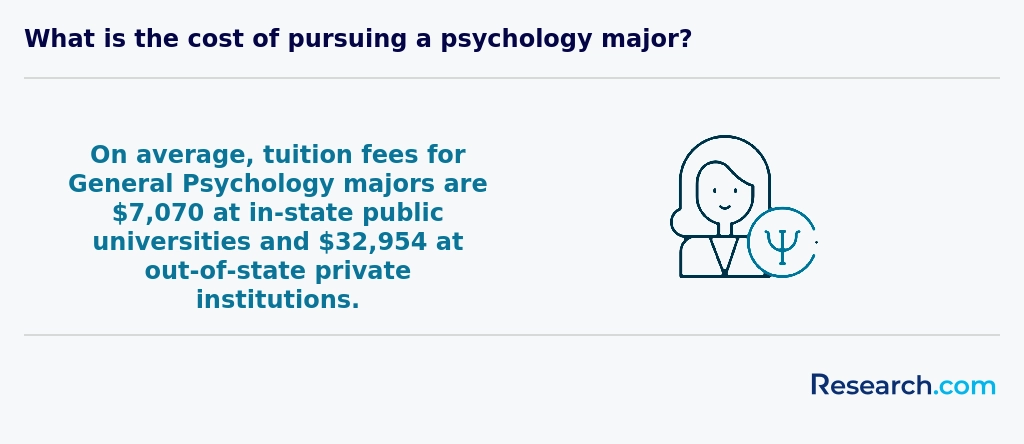
The average cost of an online psychology degree in Virginia can really depend on where you study, but most students find public universities to be more budget-friendly, especially if you're an in-state student. For example, graduates from well-known Virginia schools often mention that paying in-state tuition saved them a lot compared to private colleges, where fees can be much higher. Many students feel relieved knowing they can access federal financial aid or scholarships to help cover costs, which makes pursuing their psychology dreams feel more doable without overwhelming debt.
One graduate from a popular Virginia university shared how employer tuition assistance helped ease the financial burden, making online learning both flexible and affordable. This mix of options means you don't have to break the bank while earning a degree that prepares you for exciting careers in mental health. So, whether you're balancing work and study or looking for cost-effective routes, Virginia's online programs offer some great ways to keep expenses manageable while staying on track.
Where can I work with online psychology degree in Virginia?
With an online psychology degree in Virginia, you've got plenty of places to take your career. Graduates from popular schools like George Mason University or James Madison University often find themselves landing jobs in mental health support, working as behavioral health technicians or case managers in hospitals and community centers around the state.
Many grads mention how rewarding it feels to support folks in rehab centers or assisted living facilities, helping licensed professionals provide care. Some even move into schools, stepping up as behavioral specialists or counselors after gaining the right certifications - which means you can impact kids' lives directly in your own community.
And if you were thinking business, that's a great move too. Psychology knowledge is gold in HR and recruitment roles, especially at Virginia-based companies looking for employees who get human behavior. The flexibility of these jobs makes it easier to balance work and life, something many online grads appreciate.
Plus, Virginia's growing healthcare scene means job openings that keep expanding, so plenty of chances to start fresh and grow your career right at home.
If you've earned-or are thinking about earning-an online psychology degree from schools like Virginia Commonwealth University or George Mason University, you might be wondering what kind of paycheck to expect. For many grads stepping into roles like Human Resources Specialist, the average annual wage in Virginia is around $76,000. That's pretty solid for starting out!
Some grads lean into research roles, such as Clinical Research Associates or Survey Researchers, where the salary averages about $62,000 a year. It might not be superstar money at first, but many find these roles rewarding and a great way to build experience.
Graduates who take paths like Marketing Research Analyst often see even better numbers-about $83,000 per year-which shows how versatile a psychology degree can be beyond traditional clinical roles. Many Virginia grads share how the connection between their degree and these varied jobs really helped them thrive professionally in places like Fairfax or Richmond.
Plus, with Virginia's growing job market, there's plenty of room to move up and boost your earnings as you gain experience and additional certifications. It's exciting to think about where your psychology degree can take you!
- Most online psychology degrees in Virginia come from regionally accredited schools, ensuring recognition by employers and ease of credit transfer.
- Tuition ranges from $8,000 to $20,000 per year, with public universities offering lower rates for in-state online students.
- Entry-level psychology graduates in Virginia earn around $45,000 per year, while experienced professionals can make over $70,000 annually.
- Licensure as a psychologist in Virginia generally requires a doctoral degree, but bachelor's holders can work in supportive roles.
- Online programs cover the same courses as on-campus ones, including developmental psychology and counseling, often with virtual internships available.
Getting your online psychology degree in Virginia usually takes about four years if you're going the traditional full-time route. Most students at popular schools like Virginia Commonwealth University or Old Dominion University follow this timeline and find it pretty manageable, balancing classes with life's everyday hustle. You'll typically need to complete around 120 to 130 credits, mixing general education with your core psych classes and electives.
Some graduates mention how transferring credits from previous college work helped them speed things up. If you're working part-time or juggling family, you might stretch it out beyond four years, which is totally okay. On the flip side, a few students at schools offering accelerated programs say they wrapped things up in three years by loading up on courses and studying through summer terms. It's encouraging to know there's flexibility depending on how fast you want to go!
Plus, most of these programs are regionally accredited, so you're getting quality education that employers respect. That's a big win when you're thinking about the time you invest.
Ensuring your online psychology degree in Virginia comes from an accredited institution is the first step toward a credible credential and a smooth path to professional licensure. Regionally accredited schools-typically approved by the Southern Association of Colleges and Schools Commission on Colleges (SACSCOC)-guarantee that coursework meets rigorous academic standards. For programs with counseling or clinical emphases, look for specialized accreditation such as the Council for Accreditation of Counseling and Related Educational Programs (CACREP) or American Psychological Association (APA) approval, which can be essential for certain licensure boards. Before enrolling, verify accreditation status on your institution’s website or via the U.S. Department of Education’s Database of Accredited Postsecondary Institutions and Programs. This not only protects you from diploma mills but also ensures eligibility for federal financial aid and state licensure boards. An accredited curriculum typically covers required competencies in ethics, assessment, and intervention-knowledge areas mandated by the Virginia Board of Counseling or the Virginia Board of Psychology. To become a licensed professional-such as a Licensed Professional Counselor (LPC) or Licensed Psychological Associate (LPA)-graduates must hold at least a master’s degree, complete supervised clinical hours (often 3,000–4,000), and pass state examinations (e.g., the National Counselor Examination). While a bachelor’s degree lays the groundwork, planning for graduate-level licensure requirements early can streamline your career trajectory. For students aiming to specialize further, consider advanced programs like the neuropsychology online degree, which combines rigorous neurobiological training with clinical practice to meet both accreditation and licensure standards in specialized fields.
Choosing between an online and an on-campus psychology degree in Virginia mostly comes down to how you want to learn and live your college life. Online programs, like those at George Mason University, give you the freedom to study from your couch or coffee shop, which is perfect if you're juggling work or family. Graduates often share how this flexibility helped them stay motivated without giving up their day jobs.
On the flip side, going to a campus like Old Dominion means you get face-to-face time with professors and classmates. Students often talk about how those spontaneous hallway chats and hands-on labs made the subject come alive and boosted their confidence. Plus, on-campus folks find internships easier to land nearby, which is huge for getting real-world experience.
Both online and in-person paths require local practicum work, so online learners still get out there and build connections in Virginia. Also, tuition tends to be similar, but online students save on commuting and housing costs, which feels like a sweet bonus. Whichever you pick, you're supported-just in different ways!
Ensuring your online psychology program holds the proper accreditation is vital for professional credibility and eligibility for state licensure. In Virginia, prospective graduates must choose programs accredited by the Southern Association of Colleges and Schools Commission on Colleges (SACSCOC) or institutions with regional accreditation recognized by the U.S. Department of Education. Additionally, if you aim to pursue clinical practice or counseling licensure, completion of an American Psychological Association (APA)–accredited curriculum is often a prerequisite for state board examination eligibility. Licensure in Virginia typically requires:
- A graduate degree in psychology from an accredited institution.
- Completion of supervised clinical hours (usually 1,500–2,000 hours).
- Passing the Examination for Professional Practice in Psychology (EPPP).
- Compliance with state-specific jurisprudence and ethics examinations. Before enrolling, verify that your online program’s practicum and internship components meet Virginia Board of Psychology standards for supervised experience. Many students also compare tuition and support services across states; for example, you can explore affordability elsewhere in our Affordable Psychology Degree Programs Ranking in New Hampshire to gauge cost-effective alternatives. Accreditation not only influences licensure but also affects transfer credits, employer recognition, and opportunities for federal financial aid. Always consult your state board and program advisors to confirm that coursework, clinical placements, and post-graduate support align with Virginia’s licensure pathways-laying the foundation for a smooth transition from student to practicing professional.
When it comes to the average cost online psychology degree Virginia students can expect, the numbers usually hover around $43,200 for in-state students. Out-of-state learners tend to pay a bit more, usually around $48,840. Many psychology graduates from popular Virginia schools mention they appreciated having a clear flat tuition rate per credit, which made budgeting easier and less stressful. For a bachelor's degree, you can expect to pay roughly between $300 and $450 per credit hour, depending on whether you're in-state or out-of-state.
Virginia's public universities are often the go-to for students looking for more affordable online bachelor's in psychology tuition fees, with tuition usually lower than private options by thousands of dollars. Graduates from these programs often talk about how this allowed them to focus more on their studies and less on financial worries. However, it's also common to find additional costs like fees for technology and course materials, so it's wise to keep those in mind when planning your budget.
If you want to find the cheapest psychology school in Virginia, there are several options worth checking out. Some students mention that the flexibility of online programs combined with financial aid options made pursuing their degree much more manageable. Even with some variation in costs, the overall affordability helps many students stay motivated and confident about earning their online psychology degrees in Virginia.

Most Virginia universities offering accelerated online psychology bachelor’s degrees follow one of three annual start terms. To ensure you meet all requirements, plan around these common deadlines:
- Fall Term (August–December): Applications due by July 1; priority deadlines often in May
- Spring Term (January–May): Applications due by December 1; priority deadlines often in October
- Summer Term (May–July): Applications due by April 1; fewer seats, so apply early
Key steps and timing:
- 4–6 months before deadline: request official transcripts and letters of recommendation
- 2–3 months before deadline: complete the online application and submit essays or personal statements
- 1 month before deadline: verify receipt of test scores (if required) and financial aid forms
Note rolling admissions programs accept applications year-round until cohorts fill. Always confirm exact dates with your chosen school’s admissions office. After earning your bachelor’s, explore pathways to graduate study through the best online masters in psychology.
If you're diving into an online psychology degree in Virginia, there's good news-financial aid options are pretty solid to help keep costs down. Many students I've heard from at schools like George Mason University or Virginia Commonwealth University have found federal aid super helpful. Filling out the FAFSA opens doors to grants like the Pell Grant, which for some can mean up to $7,395 a year that doesn't need to be paid back-definitely a relief when tuition bills come in.
On top of that, Virginia offers state-specific perks like the Virginia Tuition Assistance Grant for part-time students, and the Virginia Commonwealth Award, helping to ease tuition costs further. Lots of colleges here also have institutional scholarships-whether it's for great grades or just because you show real passion for psychology. A few psychology grads I know combined these with private scholarships or even employer tuition reimbursement, making juggling work and school way less stressful.
Navigating an online psychology program successfully requires effective time management, proactive engagement, and smart utilization of available resources. Students benefit from establishing a dedicated study space free from distractions and setting a realistic schedule that balances coursework, professional obligations, and personal commitments. Regularly participating in discussion boards, video conferences, and online study groups not only enriches the learning experience but also builds a supportive academic community that can be a vital source of encouragement and assistance. Leveraging digital tools such as productivity apps, online calendars, and academic planning platforms can further optimize the study process and help manage deadlines. It’s also important to actively communicate with instructors and academic advisors; they can provide guidance tailored to online learners and recommend additional resources, such as tutoring or technical support, when necessary. For students looking to broaden their expertise and enhance their career prospects, considering a complementary focus might be beneficial. For instance, integrating insights from both psychology and business can offer a competitive edge in various fields. You might explore opportunities and program details by checking out psychology and business degree. By developing disciplined study habits and embracing available support services, online learners can overcome challenges and build a strong foundation for long-term academic and professional success.
If you're thinking about diving into an online psychology degree in Virginia, you'll want to know the basics they expect before you start. Most undergraduate programs here ask for a high school diploma or GED. Graduates from places like George Mason University say having at least a 2.5 to 3.0 GPA on your transcript really helps, and while some schools want your SAT or ACT scores, many have dropped that requirement-making it easier to apply.
One grad shared that sending official transcripts was a simple step but super important, showing the school you're ready for college-level work. Some programs also suggest you finish introductory psychology or stats courses beforehand, which can make your online experience smoother and more fun.
For master's programs in Virginia, like at Virginia Commonwealth University, you'll usually need a bachelor's degree-sometimes in psychology, but other related fields can work too. A 3.0 to 3.5 GPA is common, along with letters of recommendation and a personal statement that lets schools see who you really are.

When considering online psychology programs in Virginia, affordability is a crucial factor. Prospective students should research programs that offer competitive pricing without compromising on quality. For instance, students looking for the cheapest psychology school in Virginia can find options that fit their budget while still providing a comprehensive education. Understanding the total cost of attendance, including tuition, fees, and additional expenses, is essential for making an informed decision. Many institutions in Virginia offer financial aid, scholarships, and payment plans to help make online psychology programs more accessible. By weighing the costs against the potential benefits, including career opportunities and personal growth, students can choose a program that aligns with their financial situation and academic goals.
If you're diving into an online psychology degree in Virginia, you'll find the courses cover a variety of fascinating topics that really bring psychology to life. For example, at places like Old Dominion University or Liberty University, graduates often mention how courses like Developmental Psychology made it exciting to understand how people grow and change throughout their lives - it feels like getting a front-row seat to human nature.
Another favorite is Abnormal Psychology, where students learn about different mental health disorders and treatments, which helps make the subject feel relevant and practical. Social Psychology is also a common course, showing how our behavior can change based on who we're around, something students often say helped them see everyday interactions in a whole new light.
Research Methods and Statistics are key, too, because they teach you to analyze data and conduct studies - skills that really boost your confidence if you want to pursue research or advanced study after graduation.
Plus, courses like Biopsychology dig into how the brain and nervous system work, making the science behind behavior fascinating and tangible. These courses combined give you a strong foundation to apply psychology in real-world situations, which many Virginia students find super rewarding and motivating.
If you're looking into an online psychology degree in Virginia, you'll find some cool specializations that really match up with what you want to do later on. Graduates from popular Virginia colleges often share how focusing on areas like clinical psychology gave them hands-on skills to work in mental health, or how counseling psychology helped them connect with people facing life's ups and downs. Others found industrial-organizational psychology a great pick, especially for those interested in improving workplaces or diving into human resources.
Many students love how Virginia's psychology programs offer options to tailor your study path. Whether you're into research, the brain's mysteries with cognitive psychology, or more real-world stuff like developmental psychology, these choices make the learning feel personal and practical. It's part of what makes pursuing an online psychology degree in Virginia feel so relatable and exciting.
Plus, some grads discovered that combining their psychology courses with a psychology and business degree opened up even more doors, blending understanding of people with solid business know-how.
The variety of Virginia psychology bachelor's program concentrations means you can really hone in on your passion and career goals while studying flexibly online.
Picking the best online psychology degree in Virginia boils down to a few key things. First off, make sure the school is regionally accredited-that's a big deal for getting your degree recognized by employers and grad schools. Graduates from popular colleges in Virginia often mention how accreditation gave them confidence in their education. Next, think about what area of psychology you want to focus on; some programs offer cool specializations like clinical or counseling psychology, which can help you zero in on your passion.
Cost always comes up, especially for those hunting affordable online psychology bachelor's Virginia options. Many students find that online programs at local universities save them money and still deliver top-notch teaching. Another big plus? Look for courses taught by faculty actively involved in research or clinical work so you feel connected and supported.
If you're curious about advanced studies, some grads swear by programs that prepare them well for licensure in Virginia's job market. For those diving deeper, consider checking out the neuropsychology online degree which a few alumni have praised for its flexibility and real-world approach.
If you're earning an online psychology degree in Virginia, you'll find plenty of career paths waiting for you. Many graduates from popular schools like James Madison University or Virginia Commonwealth University jump into roles as case managers or behavioral health technicians, where they really get to make a difference working with clients day-to-day. Some even become psychiatric aides, supporting licensed professionals directly.
For those thinking bigger, like becoming licensed psychologists or counselors, your bachelor's degree from a Virginia college is just the start. You'll want graduate study and supervise experience next, which is required in Virginia to get credentialed professionally. The job market here is buzzing, especially since employment for mental health counselors is expected to grow by 17% through 2030, making this a smart move.
Other grads find joy working as social services coordinators, research assistants at universities, or substance abuse counselors. And if you're curious about workplace psychology, there's human resources and even marketing roles to explore. If you want tips on saving money while studying, check out the Affordable Psychology Degree Programs Ranking in New Hampshire for some ideas on managing costs.
Overall, online psychology degree careers Virginia grads embark on are diverse and rewarding, blending community impact with exciting growth opportunities.
If you're eyeing an online psychology degree job prospects Virginia offers some solid opportunities, especially if you're studying at well-known schools like James Madison University or George Mason University. Graduates often jump into roles like behavioral health technicians or case managers, gaining hands-on experience in clinics or social service organizations around the state. Many find the work rewarding and feel motivated knowing their efforts directly support people's mental health.
Virginia's growing population and focus on healthcare mean there's a steady demand for psychology graduates. Those with an online degree can start with entry-level jobs earning around $37,000 annually, with room to grow by earning certifications or pursuing graduate education. Plus, the state's emphasis on internships and practical experience helps grads build confident, real-world skills.
For those curious about diversifying career options, it's worth exploring trades too - check out the trades that pay well list for alternatives with good salaries. Overall, Virginia's psychology career opportunities online graduates find are encouraging, especially if you're ready to gain experience and keep learning as you grow.
2027 Fastest Online Bachelor's in Psychology Degree Programs Ranking in Virginia
Investing in your education is a significant decision that can shape your future, and the Research.com team understands the importance of making informed choices. To assist prospective students seeking fast online bachelor's degrees in psychology in Virginia, we have meticulously crafted the "2027 Fastest Online Bachelor's in Psychology Degree Programs Ranking in Virginia." Our commitment to quality, credibility, and accuracy is reflected in the extensive research and analysis conducted to compile this ranking.
We utilized the following reputable data sources to ensure a comprehensive evaluation of psychology programs:
By exploring this ranking, readers will gain valuable insights into accelerated online psychology programs in Virginia, enabling them to select the best options to advance their careers efficiently. For more details on our methodology, please visit our Research.com methodology page.



# 5 position
Mary Baldwin University
Bachelor of Psychology

Frequently Asked Questions About psychology
Students pursuing an online psychology degree in Virginia can enhance their learning by actively engaging with course materials and participating in virtual discussions. Research shows that interaction with peers and instructors improves comprehension and retention in online settings. Virginia has several accredited universities offering psychology programs, and students should verify accreditation through the Southern Association of Colleges and Schools Commission on Colleges (SACSCOC).
Utilizing the state's robust mental health resources for internships or volunteer opportunities can provide valuable practical experience alongside academic work. Additionally, students should take advantage of digital libraries and research databases available through their institutions to access the latest psychological studies.
Time management and setting a consistent study schedule are critical, especially given that many online learners balance education with work or family. According to the Virginia Department of Behavioral Health and Developmental Services, over 1.5 million Virginians seek mental health support annually, underscoring a growing demand for well-trained psychologists in the state.
The psychology field is expanding rapidly, with several emerging niches gaining interest among Virginia students pursuing online degrees. One notable area is neuropsychology, where experts study brain-behavior relationships, an important focus as Virginia hosts leading research centers such as the Virginia Tech Carilion Research Institute.
Another growing niche is forensic psychology, driven by increasing demand for professionals who apply psychological principles within legal contexts. According to the U.S. Bureau of Labor Statistics, Virginia expects a 14% growth in related mental health occupations by 2030.
Additionally, health psychology is rising as awareness grows around mental health's role in chronic illness management, making it a promising specialty for online learners seeking careers in hospitals or community health programs.
After earning an online psychology degree in Virginia, preparing for the job market involves targeted steps. Virginia's demand for psychology professionals is growing, with the Bureau of Labor Statistics projecting a 10% increase in clinical and counseling psychologist roles by 2031.
First, graduates should seek internships or supervised experience to meet Virginia's licensure requirements, essential for many psychology careers. Networking with local psychology associations, such as the Virginia Psychological Association, can provide connections and job leads.
Additionally, obtaining relevant certifications or pursuing graduate education further enhances employability. Keeping abreast of Virginia's specific licensing board regulations helps in planning career pathways effectively.
Employers in Virginia highly value psychology graduates who demonstrate strong analytical and critical thinking skills. These skills help professionals interpret research data and apply psychological theories effectively in diverse settings.
Communication abilities are also crucial; graduates must clearly explain complex concepts to clients and colleagues. According to the Virginia Department of Labor, skills in interpersonal communication increase job placement chances in psychology-related roles by over 20%.
Moreover, ethical judgment and cultural competence are essential due to the region's diverse population. Understanding confidentiality and ethical standards under Virginia law is critical for professional success.
Many employers in Virginia also seek familiarity with evidence-based practices and proficiency in statistical software commonly used in psychology research.
Finding psychology internships in Virginia begins with exploring partnerships between online degree programs and local organizations. Many accredited universities maintain connections with hospitals, mental health clinics, and research centers where students can gain hands-on experience. The Virginia Department of Behavioral Health and Developmental Services offers resources and listings for internship opportunities, which often require students to register early.
Additionally, students should utilize online platforms like Handshake and the Virginia Community College System's career services. These sites provide listings specific to psychology roles in Virginia.
Networking through Virginia Psychological Association events can also help connect students with internships. According to the Bureau of Labor Statistics, Virginia employs over 7,000 psychologists, creating multiple practical opportunities statewide.
Obtaining an online psychology degree in Virginia can significantly enhance career mobility and advancement opportunities. Virginia's growing healthcare and social services sectors increasingly demand professionals with psychology expertise. According to the Bureau of Labor Statistics, psychology-related jobs in Virginia are projected to grow faster than the national average, supporting increased job openings.
Online degrees offer flexible access to accredited programs recognized by state licensing boards, enabling graduates to pursue roles such as licensed counselors or behavioral health specialists. Many employers in Virginia value the practical skills and theoretical knowledge that come from accredited online psychology programs, facilitating upward mobility.
Graduates often find opportunities in schools, healthcare settings, and private practices, with competitive salaries influenced by advanced credentials. The Virginia Board of Psychology requires licensed practitioners to hold a master's or doctoral degree, making online bachelor's degrees a foundational step toward future licensure and higher-paying roles.
Studying for a psychology degree in Virginia offers strong preparation for interdisciplinary roles by combining foundational psychology theories with courses from fields like sociology, education, and health sciences. Virginia's online psychology programs often emphasize collaboration skills and practical applications, reflecting workforce demands.
According to the Virginia Employment Commission, careers in mental health services and social assistance are projected to grow by over 10% through 2030, underscoring the need for professionals who can work across sectors. Online programs frequently integrate training in data analysis, communication, and ethical decision-making, all valuable for interdisciplinary teamwork.
This approach equips students not only with understanding human behavior but also with skills to contribute in education, healthcare, and social services, enhancing their versatility in Virginia's diverse job market.
When choosing between a thesis and a non-thesis psychology degree program in Virginia, students should consider their career goals and learning preferences. Thesis programs typically require original research and a formal written document, preparing students for graduate studies or research-intensive roles. Non-thesis programs often emphasize coursework and practical skills, which may be better suited for those aiming for direct employment in counseling, social services, or human resources.
In Virginia, universities like Old Dominion and George Mason offer both options, reflecting common trends in US higher education. According to the Virginia Department of Education, roughly 40% of psychology undergraduates pursue thesis work to strengthen graduate applications. Time commitment also differs: thesis tracks usually take longer due to research obligations.
Students should assess their interest in research, availability to commit extra time, and long-term academic plans before deciding.
Students based in Virginia seeking to study psychology abroad through online programs have limited direct options, as most American universities focus on domestic accreditation and regional standards. However, some US institutions offer partnerships with international universities, allowing students to earn credits with global exposure while completing degrees accredited in the United States.
Virginia residents can explore online psychology degrees that include study-abroad components or virtual international collaborations. The Virginia Department of Education emphasizes ensuring schools meet national accreditation, which is crucial for licensure and professional recognition in psychology.
While fully foreign online psychology degrees are rare for US students, studying at Virginia-based schools with global networks provides a practical alternative. The American Psychological Association (APA) offers guidelines on ensuring program quality and transferability relevant to international study. Ultimately, verifying accreditation and licensure compatibility remains essential for Virginia students looking to study abroad online.
Part-time job opportunities in Virginia that complement online psychology degrees often involve roles focused on human services and data collection. Positions such as behavioral health technician assistants, which are available in hospitals and outpatient clinics statewide, provide practical exposure to clinical settings.
Virginia's Department of Behavioral Health and Developmental Services reports consistent demand for support roles aiding mental health professionals, ideal for students to gain relevant experience. Additionally, research assistant positions at universities such as Virginia Commonwealth University offer valuable opportunities to engage with psychological studies and data analysis.
Other options include crisis hotline volunteers and social service aides, where students apply communication skills and psychological knowledge in community support settings. These roles support both academic growth and the development of essential professional competencies relevant to psychology careers in Virginia.
Online psychology students in Virginia have several valuable networking opportunities despite studying remotely. Many Virginia universities offering online psychology degrees encourage participation in virtual student organizations and psychology clubs, which foster peer connections.
Students can also attend local workshops, seminars, and conferences hosted by professional associations like the Virginia Psychological Association. These events provide chances to engage with practicing psychologists and faculty experts.
Additionally, Virginia's strong healthcare and research sectors create internship and volunteer options for online students seeking practical experience and professional contacts within the state.
Some institutions partner with regional organizations to facilitate virtual career fairs and mentoring programs tailored for psychology students.
Alumni networks offer valuable benefits to students pursuing online psychology degrees in Virginia. These networks connect current students with graduates who have experience in the local job market. For psychology students, this means access to mentors familiar with Virginia's licensure requirements and employment opportunities.
In Virginia, where psychology is a regulated profession, knowing alumni working in clinical, counseling, or research roles can provide insights that improve career readiness. According to the Virginia Psychological Association, networking within this community helps graduates' employment rates, which currently stand around 72% within six months of graduation.
Additionally, alumni often share job openings, internships, and continuing education resources, which are crucial for ongoing professional development in psychology.
Customizing an online psychology degree program in Virginia to match your career goals begins with selecting appropriate electives and concentrations. Many Virginia universities offer options such as clinical psychology, counseling, or industrial-organizational psychology.
Some programs allow students to choose internships or practicum placements that provide hands-on experience in specific fields. This practical training can be crucial for roles in mental health or human services.
Additionally, schools accredited by the American Psychological Association (APA) or regionally accredited institutions ensure quality education recognized by employers and licensing boards in Virginia.
Consult academic advisors to tailor course selections and career support services toward your ambitions.
Online psychology students in Virginia commonly face challenges related to balancing coursework with personal and professional responsibilities. Many learners juggle full-time jobs and family duties, which can limit the time available for studying and participating in online discussions.
Access to hands-on experience is another hurdle. Psychology programs often require internships or practicum hours, which can be difficult to arrange remotely without local partnerships.
Students may also encounter technology barriers, including unreliable internet connections and limited familiarity with virtual learning platforms, which can affect their academic performance.
Furthermore, Virginia's strict state licensure requirements for psychology careers add pressure to complete specific accredited programs, making program selection critical (Virginia Board of Psychology, 2023).
With an online psychology degree in Virginia, you can pursue several professional certifications to enhance your career options. One common path is becoming a Licensed Professional Counselor (LPC), which requires a master's degree and supervised experience beyond the bachelor's level. However, a bachelor's in psychology is a crucial first step.
Other certifications available with a bachelor's degree include Certified Alcohol and Drug Counselor (CADC) or Certified Psychiatric Rehabilitation Practitioner (CPRP). These credentials can improve job prospects in social services and mental health support roles.
The Virginia Board of Psychology oversees licensure and certification, ensuring candidates meet state requirements. According to the Virginia Department of Behavioral Health, certifications significantly improve employment chances in this expanding field.
Writing a winning application for an online psychology program in Virginia requires careful preparation and attention to detail. Start by thoroughly researching the specific program's requirements, which typically include a minimum GPA of around 3.0, official transcripts, and letters of recommendation. Highlight relevant experience such as volunteer work or internships in mental health settings.
Virginia is home to accredited institutions with robust psychology curricula, so emphasize your understanding of program offerings and career goals. Craft a clear, compelling personal statement that aligns your aspirations with the program's strengths.
Meeting deadlines and submitting all materials as requested by Virginia's State Council of Higher Education is crucial.
Psychology careers offer diverse opportunities globally, reflecting the growing recognition of mental health's importance. In the United States, including Virginia, the Bureau of Labor Statistics (BLS) projects a 6% growth in psychologist employment from 2022 to 2032, aligning with worldwide trends.
Internationally, psychology roles vary due to cultural and healthcare system differences. However, foundational knowledge in assessment, therapy, and research is consistent. Online psychology degrees in Virginia equip students with skills recognized both nationally and abroad, making them competitive in a global job market.
According to the Virginia Department of Health Professions, demand for licensed psychologists continues rising, paralleling a global push for better mental health services.
Gaining practical experience while pursuing an online psychology degree in Virginia is essential for career readiness. Many programs incorporate supervised internships or practicum placements in local clinics, schools, or mental health facilities. These hands-on opportunities provide real-world exposure and fulfill licensure requirements.
Students can also volunteer with Virginia-based organizations such as community health centers or nonprofit groups focused on mental health. The Virginia Department of Behavioral Health and Developmental Services website offers resources to help locate relevant programs.
Additionally, some universities partner with nearby institutions to facilitate research assistant roles, giving students valuable experience in data collection and analysis. Engaging in these activities complements academic learning and improves employment prospects in Virginia's growing psychological services sector.
Choosing the right concentration within an online psychology degree program in Virginia involves assessing your career goals and areas of interest. Popular concentrations include clinical, counseling, developmental, and industrial-organizational psychology. Each focuses on different skills and job paths.
Virginia's employment outlook for psychology-related roles is strong, with the Virginia Employment Commission projecting a 14% growth in psychologist jobs from 2020 to 2030, faster than the national average. This highlights the importance of aligning your concentration with in-demand specialties.
Consider program accreditation and faculty expertise, as well as opportunities for internships or practicum experiences specific to Virginia's healthcare system and regulations.
- 2027 Fastest Online Bachelor's in Psychology Degree Programs Ranking in Pennsylvania
- 2027 Fastest Online Bachelor's in Psychology Degree Programs Ranking in Ohio
- 2027 Fastest Online Bachelor's in Psychology Degree Programs Ranking in New York
- 2027 Fastest Online Bachelor's in Psychology Degree Programs Ranking in Florida
- 2027 Fastest Online Bachelor's in Psychology Degree Programs Ranking in Alabama
- 2027 Fastest Online Bachelor's in Psychology Degree Programs Ranking in Massachusetts
- 2027 Fastest Online Bachelor's in Psychology Degree Programs Ranking in Missouri
- 2027 Fastest Online Bachelor's in Psychology Degree Programs Ranking in Illinois
- 2027 Fastest Online Bachelor's in Psychology Degree Programs Ranking in Iowa
- 2027 Fastest Online Bachelor's in Psychology Degree Programs Ranking in Kansas
See What Experts Have To Say About Studying Psychology
Read our interview with Psychology experts

Elizabeth L. Jeglic Ph.D.
Psychology Expert
Professor of Psychology
City University of New York

Joann Farrell Quinn, Ph.D., MBA
Psychology Expert
Director at the College of Medicine Department of Medical Education
Morsani College of Medicine

Catherine Caldwell-Harris, Ph.D.
Psychology Expert
Associate Professor of Psychology
Boston University

- Why Get a Psychology Degree Online? | University of Bridgeport https://www.bridgeport.edu/news/reasons-to-get-your-psychology-degree-online/
- Financial Aid for Psychology Students https://www.onlinepsychologydegrees.com/financial-aid/
- Study Psychology Abroad https://astarfuture.co.uk/study_psychology_abroad.html
- Alumni Perspectives - Meet Our FPN Alumni https://www.aanmelder.nl/alumni-perspectives-june-2023
- Scholarships For Psychology Majors (2025) https://www.psychology.org/scholarships/
- Sample letters in psychology https://www.mystudies.com/en-in/human-and-social-sciences/psychology/letter-model/
- Know more about thesis vs non- thesis: what is the difference? https://studyfans.com/en/blogs/816
- A Guide to Psychology Internships | Psychology Degree Guide https://psychologydegreeguide.org/resources/internships/
- To Address Shortage, University of Virginia Will Train School Psychologists https://edprepmatters.aacte.org/to-address-shortage-university-of-virginia-will-train-school-psychologists/
- Ontario Psychological Association - Networking and Community Resources https://www.psych.on.ca/become-a-member-(1)/member-services/networking-and-community-resources


