2027 Most Popular Psychology Degree Programs Ranking in Tacoma

Co-Founder and Chief Data Scientist
Choosing the right psychology degree program is a big step toward a rewarding future. This article presents the 2027 Most Popular Psychology Degree Programs Ranking in Tacoma, carefully created by the Research.com team of data scientists. It's designed to help you make an informed decision about which programs stand out in quality and opportunity.
Reading this guide will provide clarity and confidence as you explore your options. Earning a psychology degree can open doors to meaningful careers, personal growth, and the chance to make a real difference in people's lives.
Key benefits of getting psychology degree in Tacoma
- Salary for psychology degree graduates: Careers such as Marketing Research Analyst offer a mean annual wage of $83,190, while Human Resources Specialists earn around $76,060 yearly, showing strong earning potential in Tacoma.
- Potential career paths: Graduates from Tacoma community colleges often find roles in healthcare, research, or counseling, allowing a fulfilling career helping others or working in dynamic industries.
- Benefits of online psychology degrees: Completing a degree online from Tacoma institutions provides flexibility to balance work and study, making education more accessible and tailored to busy lifestyles.
- 2027 Most Popular Psychology Degree Programs Ranking in Tacoma
- What can I expect from psychology degree in Tacoma?
- Where can I work with psychology degree in Tacoma?
What can I expect from psychology degree in Tacoma?
The average cost of a psychology degree in Tacoma dances around the regional norm, often nestling between $10,000 to $25,000 per academic year, depending on whether you choose a public college or a private university. Imagine a graduate who walked the halls of the University of Puget Sound, noting how tuition was balanced carefully with scholarships and community aid, turning financial stress into manageable steps. Meanwhile, another graduate from Tacoma Community College recalls how affordable entry-level tuition offered a gateway to foundational courses in cognitive and social psychology without breaking the bank.
These price tags reflect more than numbers-they're investments in vibrant learning spaces where theory meets real-world practice through internships at local clinics or research projects with Tacoma's social service agencies. Students often share how financial support cushions the journey, letting passion for psychology flourish amid the city's unique blend of urban energy and close-knit community vibes. Tacoma's programs thoughtfully combine affordability with rich, applied experiences to fuel your future career.
Where can I work with psychology degree in Tacoma?
Graduates from Tacoma's universities and colleges with psychology degrees often dive into vibrant roles that touch lives daily. Imagine stepping into bustling mental health clinics or hospital wards, helping people navigate storms of anxiety or trauma-that's a common reality for many local grads. Some join Tacoma's trusted healthcare giants, supporting therapy and rehabilitation, feeling the deep fulfillment that comes from healing others.
Others find their calling within Tacoma Public Schools, where they become anchors for students in need of counseling and emotional support. These roles blend psychology with education, creating true community impact. Picture a fresh graduate guiding a high schooler through challenges, witnessing growth firsthand-that's the heart of these careers.
Beyond that, some psychology students choose paths in nonprofits or government bodies like Tacoma-Pierce County Human Services, championing causes like homelessness and substance abuse. Their work transforms lives behind the scenes, providing a resilient safety net for vulnerable populations.
Not to be overlooked, business roles also beckon-psych grads advising corporations on employee wellbeing, unlocking productivity through keen psychological insight. Tacoma's diverse economy makes these unconventional careers as thrilling as traditional mental health work.
With a psychology degree from a Tacoma university, imagine stepping into roles where your passion for understanding minds translates into a solid paycheck. Graduates becoming human resources specialists in Tacoma often see mean annual wages around $76,060, turning empathy into a valuable skill for companies seeking talent management. Those diving into marketing research analysis tap into both creativity and data, earning approximately $83,190 a year, making their work a vibrant blend of psychology and business intelligence.
Clinical research associate roles invite recent grads into the world of scientific exploration, with salaries near $62,370, perfect for those intrigued by study design and patient care without the lengthy doctoral route. Survey researchers in Tacoma earn similar wages, about $62,370 annually, fueling careers that unearth trends and public opinions through the lens of behavioral science.
Even entry-level positions, like childcare workers, provide meaningful work and an income around $32,070, often embraced by graduates passionate about early childhood development. Tacoma's academic atmosphere, boosted by universities with strong psychology programs, shapes these career paths, blending education with real-world impact and financial reward.
- In Tacoma, in-state tuition for a bachelor's degree in psychology at public universities ranges from $6,000 to $9,000 per year, while private schools can charge up to $15,000 annually.
- Psychology graduates with a bachelor's degree typically earn around $47,000 per year locally, with master's or doctoral holders earning between $70,000 and $90,000 depending on their specialization.
- The job market for psychology professionals in Tacoma is growing at about 8% over the next decade, reflecting increased demand for mental health services.
- Tacoma has limited accredited psychology programs, so many students consider nearby universities or online options for specialized graduate training.
- State licensing requires completing accredited education, supervised clinical hours, and passing Washington State exams for practice in psychology-related fields.
In Tacoma, diving into a psychology degree feels like embarking on a personal quest through the human mind, typically stretching four years of dedicated full-time study for a bachelor's. Graduates from the University of Puget Sound often recall balancing textbooks and coffee-fueled late nights, soaking up around 120 semester credits blending core psychology courses with electives that spark curiosity.
For those craving deeper understanding, the journey extends into graduate studies. Many who linger in the Seattle-Tacoma area for a master's walk a two-to-three-year path, choosing between thesis battles or non-thesis treks, shaping their timeline and enriching their research tales.
Doctoral adventurers accept a longer voyage-five to seven years weaving coursework, research, and clinical training into their story. Tacoma's limited local doctoral options send seekers to neighboring cities, mirroring national rhythms endorsed by the American Psychological Association. Part-time warriors and online learners often take scenic detours, stretching timelines but gifting flexibility and new perspectives.
Ensuring your psychology degree program is properly accredited is the first step toward a successful career in Washington. Accredited programs demonstrate adherence to high academic standards and are often required for licensure. In Tacoma, look for regional accreditation from the Northwest Commission on Colleges and Universities (NWCCU) and, for graduate clinical training, American Psychological Association (APA) approval. Graduates from APA-accredited master’s or doctoral programs gain streamlined eligibility for supervised practice hours and licensure exams. Washington State licensure for psychologists is overseen by the Department of Health’s Psychology Board. Key requirements include: • Educational Credentials: A doctoral degree in psychology from an APA-accredited institution or equivalent doctoral program recognized by the Board. • Supervised Experience: At least 3,000 hours of supervised practice, including a minimum of 1,500 post-doctoral hours under a licensed psychologist. • Examination: Successful completion of the Examination for Professional Practice in Psychology (EPPP) and the Washington State Jurisprudence Exam. • Continuing Education: Licensed psychologists must complete 36 hours of continuing education every two years, covering ethics, assessment, and intervention techniques. If you’re exploring cost-effective programs or distance-learning options, also consider our Inexpensive Online Psychology Degree Programs Ranking in New York for benchmarks in affordability and accreditation standards. Meeting both accreditation and licensure criteria ensures your degree not only prepares you for competent practice but also enhances your competitiveness in Tacoma’s thriving mental health field.
Choosing between online and on-campus psychology degrees in Tacoma feels like picking your own adventure. Imagine a busy professional juggling family and work, enrolling in a University of Puget Sound online program-logging in late at night, sipping coffee, and diving into complex theories without the commute. The flexibility sparks joy, turning study into a seamless part of life's rhythm.
Contrast that with a Tacoma Community College graduate who thrives amid lively campus chatter, exchanging ideas face-to-face during a lab on research methods. The tactile energy of a classroom, the spontaneous debates, and hands-on clinical training foster a deep connection to psychology's practical realms.
Tuition whispers another story: community colleges offer affordability around $7,000 a year, balancing budgets while private universities reach over $20,000. Online programs might shave some costs, yet the true value bubbles where personal growth and access to internships unfold-campus or virtual.
Ultimately, Tacoma's psychology journey is a dance between convenience and connection, shaped by your lifestyle and learning heartbeat.
To practice psychology in Tacoma and beyond, graduates must obtain state licensure by completing educational, experiential, and examination requirements. Many candidates pursue doctoral-level training-consider accredited options such as psyd programs online-to satisfy the degree criterion.
- Earn a doctoral degree (Ph.D. or Psy.D.) in psychology from a regionally accredited institution.
- Complete at least 3,000 hours of supervised postdoctoral experience under a licensed psychologist.
- Pass the national Examination for Professional Practice in Psychology (EPPP).
- Pass the Washington State Psychology Law and Ethics Examination.
- Submit the licensure application and fees to the Washington State Department of Health.
- Maintain licensure with 40 hours of continuing education every two years.
Paying for a psychology degree in Tacoma often feels like navigating a winding path through a forest-challenging but rewarding. The average cost of a psychology degree here hovers around $52,254 for in-state students and can reach about $66,047 for those coming from out of state. These numbers include the total price tag, offering a clearer picture than just tuition alone. Imagine a student at the University of Washington Tacoma, balancing coursework, part-time jobs, and moments of inspiration in late-night study sessions-knowing that their investment is more manageable than at many private universities nationwide.
Many graduates recall starting at Tacoma Community College, where tuition runs closer to $5,000 annually for in-district students, making that initial step into psychology more accessible and less intimidating. These students often feel the thrill of transferring credits seamlessly to four-year programs and dreaming big without drowning in debt. In Tacoma, the average cost of psychology degree in Tacoma reflects this balanced, student-friendly environment where quality education meets affordability.
Beyond tuition, graduates mention the hidden costs like textbooks or practicum fees, though local living expenses, gentler than Seattle's bustling streets, soften the financial load. Scholarships and grants bloom as lifelines, adding to the hopeful atmosphere. Fresh minds in Tacoma are encouraged to explore financial aid through FAFSA and also consider local pathways to professional licensure; for example, those curious about psychologist supervision California can learn more through specialized resources and programs that guide future psychologists toward their goals.

Imagine starting your psychology journey at the University of Puget Sound or Tacoma Community College, knowing your financial worries are eased by smart aid choices. Federal aid, unlocked by completing the FAFSA, can shower you with Pell Grants-up to $7,395 a year-that feel like a supportive friend covering tuition without expecting a dime back. Many grads recall how these grants turned late-night study sessions into stress-free moments.
Washington's very own College Grant steps in like a hometown hero, lightening the tuition load for local students chasing psychology dreams right here in Tacoma. Beyond the state and federal embrace, scholarships whispered about in campus corridors-merit-based or fueled by leadership-offer gems that psychology students eagerly hunt for.
Part-time work, especially research assistant roles or counseling help on campus, not only pads wallets but sharpens skills, making the academic grind feel like a fulfilling mission. Graduates often smile reflecting on these jobs as bridges between classroom theory and real-world impact.
Loans exist, yes, but Tacoma's students learn to treat them cautiously-borrowing only what's vital, choosing federal options with kinder terms. Blending these resources weaves a safety net, allowing Tacoma's psychology students to thrive without the weight of overwhelming debt.
To delve deeper into the world of psychology, it's essential to consider the various specializations available, as each caters to different interests and career goals. Psychology degree programs in Tacoma, WA, offer a range of specializations, including clinical psychology, counseling psychology, and industrial-organizational psychology, among others. When choosing a specialization, prospective students should consider their passions and the career paths they wish to pursue. For instance, those interested in clinical psychology might explore the most popular psychology degree programs in Tacoma, which can provide valuable insights into the best options available. By understanding the different specializations and their applications, students can make informed decisions about their educational journey, ultimately leading to a fulfilling career in psychology.
Picture yourself stepping into a sunlit classroom at the University of Washington Tacoma, the excitement of beginning your psychology journey buzzing in the air. Before that moment arrives, you'll need to have your academic toolkit ready: a high school diploma or GED, solid grades-usually a GPA hovering around 2.5 to 3.0-and a foundation built on core subjects like English and science. Graduates often share how clearing these initial hurdles felt like unlocking the first door in a vast mental maze.
Undergraduates at Tacoma Community College found that diving into general education courses-introductory psychology, biology, and statistics-felt like assembling puzzle pieces to reveal the bigger picture of human behavior. For those aiming higher, say a graduate degree, the path grows more vivid and intricate: a completed bachelor's in psychology or a kindred field is a must, along with prerequisite courses that sharpen your analytical lens, such as research methods and abnormal psychology.
Alongside transcripts, letters of recommendation and personal statements often become your compass, guiding admissions to see your passion and potential. Many Tacoma students recall how these steps transformed nerves into confidence, fueling their excitement as they stood on the threshold of understanding the mind's depths.
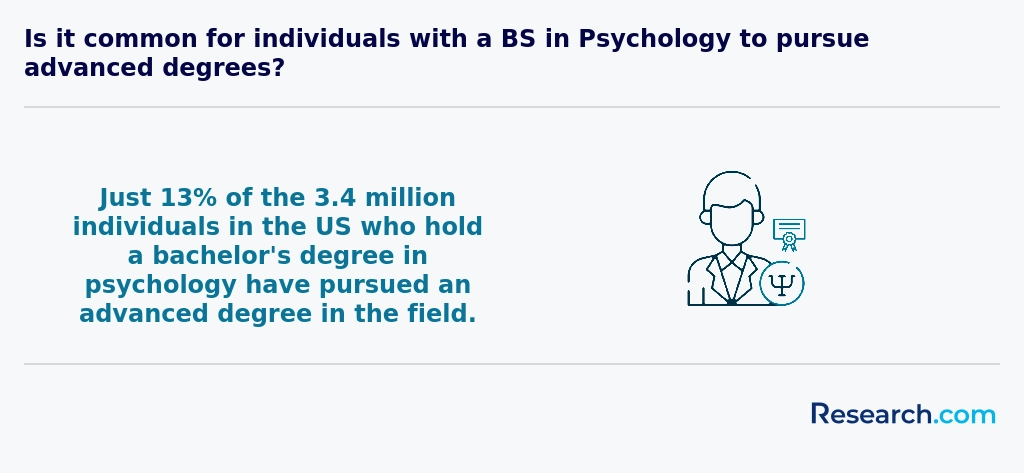
After earning your psychology degree, follow these key steps to become licensed in Washington State:
- Complete an accredited graduate program (master’s or doctoral level) in your chosen specialization.
- Accumulate 3,000 hours of supervised clinical experience under a licensed supervisor.
- Pass the national Examination for Professional Practice in Psychology (EPPP) and Washington’s jurisprudence exam.
- Submit your application, transcripts, supervisor verification forms and exam scores to the Washington State Department of Health.
- Fulfill continuing education requirements-typically 30 hours every two years-to renew your license.
To compare affordable accredited counseling programs online, see cheapest cacrep-accredited programs online.
Walking through the vibrant halls of Tacoma's universities, psychology students find themselves immersed in a tapestry of courses that reveal the many shades of the human mind. Imagine diving into Introduction to Psychology classes where theories come alive through lively discussions about behavior you observe on campus. Graduates recall how Developmental Psychology opened their eyes to the subtle changes in friends from freshman year to senior year, making the theory deeply personal.
In Cognitive Psychology, students explore memory tricks that help ace exams, while Biopsychology connects brain biology to the moods felt during Pacific Northwest rains. At Tacoma institutions known for strong psychology programs, such as those near downtown, Social Psychology feels like a backstage pass to understanding every coffee shop debate or group project dynamic.
Courses in Research Methods and Statistics often spark excitement and a sense of discovery, as students design experiments that sometimes impact local communities. Abnormal Psychology challenges perceptions, encouraging empathy for mental health struggles witnessed in city life, a highlight often cited by recent grads.
These core classes are supplemented by electives tailored to Tacoma's unique community needs, creating a psychology degree experience that's both rigorous and warmly connected to the city's pulse.

In Tacoma, diving into a psychology degree opens doors to a kaleidoscope of specializations that transform curiosity into craft. Imagine walking the halls of University of Washington Tacoma or Tacoma Community College, where students engross themselves in clinical psychology, mastering the art of healing minds through counseling and testing-ready to embrace Washington's licensure pathways with confidence. Others drift into developmental psychology, unraveling the mysteries of human growth, from playful childhood years to graceful aging, often inspired by real-world cases they explore during their studies.
Those captivated by the enigma of thought and memory, immersed in cognitive psychology, relish experimenting with perception and decision-making, honing skills that echo in tech labs and neuroscience hubs around Tacoma. Applied fields like industrial-organizational psychology attract driven students aiming to reshape workplaces, bolstered by the city's vibrant business scene and local internships.
Health psychology pulls at the heartstrings, connecting mind and body-students witness firsthand how mental wellness influences physical health in Tacoma's healthcare environments. Graduates often reflect that these focused paths within a psychology degree specializations Tacoma offer a tailored, dynamic voyage rather than a one-size-fits-all journey.
For those curious about navigating beyond Washington, following the Texas psychologist application process can open exciting cross-state possibilities.
Imagine walking the vibrant grounds of the University of Puget Sound, where graduates recall the thrill of blending theory with real-world practice through internships at Tacoma's local mental health agencies. Choosing the best psychology degree programs in Tacoma isn't just about picking a school; it's about diving into programs that offer hands-on research opportunities and practicum placements that ignite your passion and sharpen your skills. One graduate reflects on how the hybrid courses at Tacoma Community College let them balance work and study, lighting up their path to counseling careers without financial strain.
Cost matters, especially when your budget leans toward affordable psychology colleges Tacoma WA. Graduates mention how Tacoma Community College's lower tuition-often under $5,000 annually-made dreams feel reachable, while still gaining access to dedicated faculty support. With a thriving psychology community nearby, you'll find that choices here align with your unique ambitions, whether you seek to engage in local agencies or explore broader research options near Seattle.
To see how these fit your journey, explore the most popular psychology degree offerings in Tacoma, where student stories paint a vivid picture beyond the classroom walls.
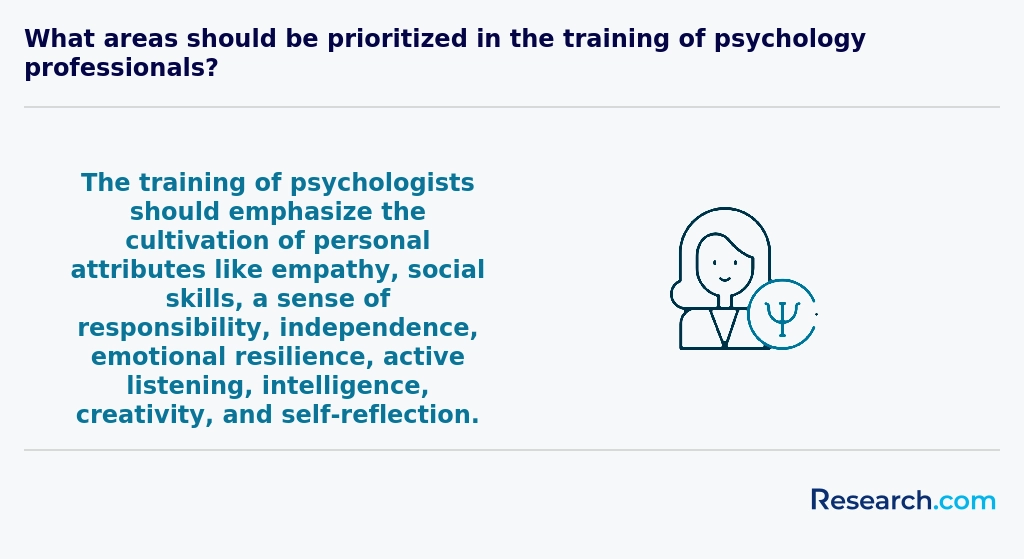
Graduates stepping into the world of psychology career opportunities in Tacoma find themselves at a fascinating crossroads where science meets heartfelt human connection. Imagine working in busy counseling centers around Tacoma's vibrant neighborhoods, helping individuals untangle the knots of their minds with the same empathy and dedication that local graduates from well-known psychology departments bring. Clinical and counseling roles blossom here, reflecting the city's rising mental health awareness and creating fulfilling journeys for those who crave genuine impact.
Others chart paths through Tacoma's growing business scenes, employing industrial-organizational psychology to transform workplace dynamics-graduates from Tacoma colleges vividly recalling internships that turned theory into real influence. School psychology and community-driven roles also beckon, where graduates support young lives navigating educational challenges or engage in research roles at nearby facilities, fueling future innovations. For those eager to explore further, it's worth considering the apa-accredited hybrid psyd programs that local students pursue, marrying flexibility with top-tier education. These jobs for psychology graduates Tacoma-wide resonate with passion and purpose, rooted deeply in the community's heartbeat.

Imagine graduating from a Tacoma-area college with a fresh psychology degree and stepping into a job market buzzing with opportunities. The psychology degree jobs Tacoma scene is vibrant, fueled by Pierce County's growing healthcare and social services landscape. Graduates often find themselves embraced by local hospitals and community clinics, transforming textbook theories into real-world impact as mental health technicians or case managers.
One graduate from the University of Puget Sound shares how clinical and counseling psychology roles aligned perfectly with her passion for serving diverse populations thriving in Tacoma. The employment outlook for psychology graduates Tacoma shows steady growth of about 8%, mirroring national trends, making the city a fertile ground for careers beyond the bachelor's, including positions demanding master's or doctoral degrees.
With average psychologist salaries ranging from $70,000 to $95,000 and affordable local tuition, Tacoma nurtures both ambition and accessibility. Students exploring affordable options might also consider checking Inexpensive Online Psychology Degree Programs Ranking in New York to compare pathways.
2027 Most Popular Psychology Degree Programs Ranking in Tacoma
Investing in your education is a significant decision that can shape your future, and the Research.com team understands the importance of making informed choices. To assist prospective students in Tacoma, we have meticulously crafted the "2027 Most Popular Psychology Degree Programs Ranking in Tacoma." Our commitment to quality, credibility, and accuracy is reflected in the extensive research and analysis conducted to compile this ranking.
We utilized the following reputable data sources to ensure a comprehensive evaluation of psychology programs:
By exploring this ranking, readers will gain valuable insights into the most popular psychology degree programs available in Tacoma, enabling them to make well-informed decisions about their educational futures. For more details on our methodology, please visit our Research.com methodology page.


Frequently Asked Questions About psychology
Psychology degree students in Tacoma can enhance their learning by engaging actively in both academic coursework and practical experiences. Tacoma's colleges often offer opportunities for internships or volunteer work at local mental health clinics, which provide valuable real-world exposure. According to the Washington Student Achievement Council, experiential learning greatly improves job readiness for psychology majors.
Students should also take advantage of research opportunities available through Tacoma institutions, as hands-on involvement in studies deepens understanding of psychological concepts. Additionally, joining student organizations or study groups encourages collaboration and networking with peers and professionals.
Utilizing campus resources like tutoring centers and counseling services can support academic success and personal growth, contributing to a well-rounded educational experience.
The field of psychology continues to evolve, with several emerging niches gaining attention, particularly in Tacoma and the broader US. One growing area is neuropsychology, which focuses on how brain injuries or diseases affect behavior and cognitive functions. This specialization is increasingly in demand due to advancements in brain imaging technology.
Another expanding niche is health psychology, where professionals study how psychological factors impact physical health. Tacoma's healthcare sector supports this growth, as chronic illness management and patient wellbeing become priorities.
Additionally, forensic psychology is rising, integrating psychology with the legal system. Tacoma's criminal justice agencies often seek experts in this field for assessments and consultations.
After earning a psychology degree in Tacoma, preparing for the job market involves combining education with practical experience. Students should seek internships or volunteering opportunities at local clinics, schools, or social service agencies. Hands-on experience is crucial to strengthen resumes and develop key skills. Tacoma's labor market data from the U.S. Bureau of Labor Statistics indicates a growing demand for mental health counselors and social workers in the region through 2030.
Networking through professional organizations, such as the Washington Psychological Association, can open doors to job opportunities. Additionally, graduates must consider earning relevant licenses or certifications required for clinical roles in Washington State. Developing skills in data analysis and research can also improve employability in academic or organizational psychology fields.
Employers in Tacoma seeking psychology degree graduates prioritize a blend of interpersonal and analytical skills. Strong communication abilities are essential, as psychologists often work closely with clients, requiring empathy and clear verbal expression. According to the U.S. Bureau of Labor Statistics, critical thinking and problem-solving are highly valued, as graduates must interpret complex behavioral data.
Local Tacoma employers also emphasize cultural competence due to the city's diverse population. Familiarity with research methods and statistical analysis tools remains important, especially for roles in clinical or research settings. Adaptability and ethical judgment are similarly crucial, ensuring professionals can navigate various scenarios responsibly.
Finding internships in Tacoma relevant to a psychology degree involves leveraging local resources and institutions. Tacoma is home to several hospitals, community mental health centers, and nonprofit organizations that frequently offer psychology-related internships. For example, MultiCare Health System and Franciscan Health provide clinical internship opportunities for students.
University career services in Tacoma also list local internships and can assist psychology students with placements. Networking through Tacoma-area professional groups like the Washington Psychological Association can connect students with potential supervisors.
It is important to start the search early and tailor applications to demonstrate your interest and skills in psychology.
A psychology degree in Tacoma can significantly enhance career mobility by opening opportunities across various sectors, including healthcare, education, and human resources. According to the U.S. Bureau of Labor Statistics, Tacoma's demand for mental health specialists is projected to grow by 14% through 2030, faster than the national average. This growth creates a strong job market for psychology graduates looking to advance their careers locally.
Additionally, many Tacoma employers prefer candidates with advanced degrees or specialized certifications, making further education a strategic move. Graduates often transition into supervisory or specialist roles, benefiting from Tacoma's expanding network of clinics and counseling centers. Overall, a psychology degree supports both vertical advancement and lateral mobility within the region's workforce.
Studying for a psychology degree in Tacoma equips students with diverse skills applicable across multiple fields. Tacoma colleges emphasize interdisciplinary coursework, blending psychology with sociology, biology, and health sciences. This approach reflects workforce demands, as about 22% of Tacoma's psychology graduates work in healthcare or social services according to the Puget Sound Economic Forecaster.
Programs often include collaborative projects and internships in local hospitals, schools, and community agencies. These experiences develop communication, research, and critical thinking skills crucial for roles in counseling, education, and human resources.
Seattle-Tacoma's growing emphasis on integrated mental health care further supports graduates pursuing interdisciplinary careers, preparing them to work effectively in varied professional environments.
When choosing between a thesis and a non-thesis psychology degree program in Tacoma, students should consider their career goals and learning preferences. Thesis programs typically require original research and a formal written document, which prepares students for further academic study or research roles. In Tacoma, universities like the University of Puget Sound offer thesis options aimed at students planning to pursue doctoral degrees.
Non-thesis programs focus more on practical coursework and may include a comprehensive exam or project instead of a research thesis. They suit students aiming for immediate employment in counseling, social services, or human resources.
According to the National Center for Education Statistics, about 40% of psychology graduate students in Washington state select thesis tracks, reflecting the region's emphasis on both research and applied psychology.
Costs, available faculty expertise, and local internship opportunities in Tacoma should also influence the decision, as hands-on experience is valuable in psychology careers.
Students based in Tacoma who wish to study psychology abroad have several options within the US higher education framework. Many Washington State universities, including the University of Washington, offer exchange programs or partnerships with international institutions where psychology students can spend a semester or year abroad. These programs expose students to diverse psychological perspectives and research methodologies.
According to the Institute of International Education, about 2% of US psychology undergraduates participate in study abroad programs, which often include placements in Europe, Canada, and Australia. Tacoma students can benefit from nearby ports and airports that facilitate travel.
Additionally, some Tacoma-area colleges provide advising services to help psychology students navigate visa requirements, credit transfers, and cultural adjustments when studying internationally.
Part-time job opportunities in Tacoma that complement psychology degree education are diverse and offer practical experience. Many students find roles as behavioral health technicians or mental health aides in local clinics, hospitals, and community centers. These roles provide direct exposure to client interaction and therapeutic techniques.
Additionally, research assistant positions at universities like the University of Washington Tacoma allow students to engage in psychological studies and data analysis. According to the Bureau of Labor Statistics, jobs in psychological research and support are projected to grow by 8% nationally by 2030.
Other options include peer counseling and crisis hotline volunteering, which develop communication skills crucial for psychologists. Tacoma's nonprofit sector also offers roles in support services relevant to social psychology and counseling.
Psychology students in Tacoma can access a range of valuable networking opportunities through local universities such as the University of Puget Sound and Tacoma Community College. These institutions frequently host speaker events, workshops, and psychology club meetings that connect students with faculty and professionals in the field. Additionally, Tacoma's proximity to Seattle expands access to regional psychology conferences and organizations, such as the Washington Psychological Association.
Internship programs affiliated with Tacoma's healthcare facilities and non-profits offer hands-on experience and important professional contacts. According to the University of Puget Sound's 2023 data, over 60% of psychology undergraduates participate in internships, enhancing their career networks. Moreover, student chapters of national psychology organizations provide further avenues for professional growth.
Alumni networks in Tacoma offer psychology degree students valuable connections that can enhance their educational and professional journeys. Graduates often share job leads, internship opportunities, and advice that are not always publicly available. According to the National Association of Colleges and Employers, 85% of jobs are filled through networking, highlighting the importance of these connections.
In Tacoma, psychology students benefit from local alumni who understand the specific demands of the regional mental health field. These networks provide mentorship, career guidance, and sometimes even collaborative research opportunities with established professionals.
Furthermore, alumni events and online groups help students stay informed about industry trends in Washington State. This access to firsthand experience can be crucial for securing positions in competitive clinical or counseling roles.
Customizing a psychology degree program in Tacoma allows students to align their studies with specific career goals. Many local institutions offer elective courses in areas such as clinical psychology, counseling, or industrial-organizational psychology, which help build targeted skills. Internships or practicum placements, often available through Tacoma community agencies or health centers, provide practical experience tailored to interests.
Tacoma students can also choose research projects or thesis topics that focus on issues relevant to the Pacific Northwest population, enhancing regional expertise. According to the Washington Student Achievement Council, involvement in specialized coursework and hands-on training increases job readiness for psychology careers in the area.
Additionally, pursuing certifications in related fields like behavioral analysis or mental health counseling can complement the degree. Seeking academic advising early helps students design a personalized study plan that fits evolving professional objectives.
Psychology students in Tacoma commonly face several challenges during their academic journey. One major difficulty is balancing rigorous coursework with practical experience requirements, such as internships or research projects, which are essential for accreditation and future employment. According to the Washington Student Achievement Council, many students struggle with managing time effectively between these demands.
Another challenge relates to financial pressures. Tuition and living expenses in Tacoma can be significant, and some students rely on part-time jobs, impacting study time. Additionally, access to local mental health resources for personal support can be limited, affecting student well-being and academic performance.
Finally, psychology students encounter intense competition for limited local internship placements and research opportunities. This scarcity often requires early planning and strong networking skills to secure meaningful positions.
With a psychology degree in Tacoma, you can pursue various professional certifications to enhance your career opportunities. Common options include becoming a Certified Alcohol and Drug Counselor (CADC), which is valuable given Washington State's strong support for behavioral health services. Another well-regarded certification is the National Certified Counselor (NCC), which can help open doors in clinical and counseling roles. For those interested in school settings, the Licensed Mental Health Counselor (LMHC) or Licensed Marriage and Family Therapist (LMFT) certifications allow for advanced practice. Tacoma's proximity to Seattle offers access to professional workshops and exams, supporting certification attainment.
When applying to psychology programs in Tacoma, begin by carefully researching each institution's admission requirements. Many local schools, including the University of Puget Sound, emphasize a strong academic record with completed coursework in psychology and related sciences. Your personal statement should clearly articulate your passion for psychology and specific interests, showing how they align with the program's strengths.
Including relevant volunteer or work experience in mental health can set your application apart. According to the Washington State Workforce Training and Education Coordinating Board, hands-on experience is valued for its role in preparing students for clinical and research careers.
Letters of recommendation should ideally come from professors familiar with your academic abilities and character. Finally, ensure all materials are submitted by the deadlines, typically no later than early spring for fall admission.
Psychology careers have a broad global appeal, but the U.S. higher education system remains a key destination for students seeking advanced degrees, including those in Tacoma. According to the American Psychological Association, the demand for psychology professionals in the U.S. is expected to grow by 14% through 2032, reflecting growing awareness of mental health. Tacoma's universities offer programs aligned with national accreditation standards, ensuring graduates can pursue licensure not only locally but across many states and internationally.
Worldwide, psychology careers often emphasize clinical, counseling, or research roles. In the U.S., including Tacoma, the Bureau of Labor Statistics reports median psychologist salaries around $81,040 annually, higher than many countries, which can influence global student interest. Moreover, Tacoma's diversity supports studying psychological practices adapted to multicultural populations, mirroring global trends towards culturally competent care.
Gaining practical experience while studying psychology in Tacoma is essential for career readiness. Many local colleges and universities encourage students to participate in internships, which are often available through partnerships with community mental health centers, hospitals, and social service agencies. For example, Tacoma offers opportunities at facilities like MultiCare Tacoma General Hospital.
Students can also engage in research assistant positions at their institutions, helping faculty with ongoing psychology projects. This hands-on experience supports understanding of experimental methods and data analysis.
Volunteer work with local nonprofits or counseling centers is another common route, allowing students to practice communication and client interaction skills. According to the Washington State Board of Psychology, practical experience is a crucial step for licensure after graduation.
Choosing the right concentration within a psychology degree program in Tacoma involves considering your career goals and interests. Popular specializations include clinical psychology, counseling, and industrial-organizational psychology. Each path has distinct career outcomes and licensing requirements.
Research local job market trends; according to the Washington State Employment Security Department, Tacoma has a growing demand for mental health counselors and social workers. Align your concentration with occupations showing strong growth and competitive salaries.
Additionally, investigate Tacoma-area colleges' program offerings and faculty expertise. Some institutions offer concentrations in neuropsychology or child psychology, which may align with your passion and job prospects.
Take advantage of internships and volunteer opportunities in Tacoma's healthcare and community organizations to gain practical experience before deciding.
- 2027 Most Popular Psychology Degree Programs Ranking in Portland
- 2027 Most Popular Psychology Degree Programs Ranking in Eugene
- 2027 Most Popular Psychology Degree Programs Ranking in San Francisco
- 2027 Most Popular Psychology Degree Programs Ranking in Santa Barbara
- 2027 Most Popular Psychology Degree Programs Ranking in Pasadena
- 2027 Most Popular Psychology Degree Programs Ranking in Los Angeles
- 2027 Most Popular Psychology Degree Programs Ranking in Claremont
- 2027 Most Popular Psychology Degree Programs Ranking in Irvine
- 2027 Most Popular Psychology Degree Programs Ranking in Riverside
- 2027 Most Popular Psychology Degree Programs Ranking in Denver
See What Experts Have To Say About Studying Psychology
Read our interview with Psychology experts

Robin M. Kowalski. Ph.D.
Psychology Expert
Professor of Psychology
Clemson University

Elizabeth L. Jeglic Ph.D.
Psychology Expert
Professor of Psychology
City University of New York

Catherine Caldwell-Harris, Ph.D.
Psychology Expert
Associate Professor of Psychology
Boston University

- How To Find Psychology Internships https://www.psychology.org/resources/how-to-find-an-internship/
- Ontario Psychological Association - Networking and Community Resources https://www.psych.on.ca/become-a-member-(1)/member-services/networking-and-community-resources
- Financial Resources for K–12 Students - Tacoma Housing Authority https://www.tacomahousing.org/resources/student-financial-resources/
- Washington Psychology Schools | Psychology Degree Guide https://psychologydegreeguide.org/state/washington/
- How to help students cope with mental health challenges https://www.eaie.org/resource/help-students-cope-mental-health-challenges.html
- Have You Found a Niche? https://www.apaservices.org/practice/business/marketing/building/niche
- Tacoma Community College Catalog https://catalog.tacomacc.edu/pages/BRq1IRrL9DFsG5KiyqpU
- Sample letters in psychology https://www.mystudies.com/en-in/human-and-social-sciences/psychology/letter-model/
- Best Psychology Internships Abroad 2026 & 2027 | Intern Abroad HQ https://www.internhq.com/blog/best-psychology-internships-abroad/
- Alumni Perspectives - Meet Our FPN Alumni https://www.aanmelder.nl/alumni-perspectives-june-2023