
2027 Most Popular Psychology Degree Programs Ranking in Santa Barbara

Co-Founder and Chief Data Scientist
Choosing the right psychology degree program can shape your future in meaningful ways. If you're considering studying psychology in Santa Barbara, this article is here to guide you.
The 2027 Most Popular Psychology Degree Programs Ranking in Santa Barbara was created by the Research.com team of data scientists to help you make an informed decision. It highlights programs worth considering based on reliable data.
By exploring this ranking, you'll feel more confident about your options and inspired to pursue a rewarding education in psychology.
Key benefits of getting psychology degree in Santa Barbara
- Salary potential: Graduates with a psychology degree in roles like Human Resources Specialist earn a mean annual wage of $76,060, while Marketing Research Analysts can make around $83,190, offering rewarding financial opportunities.
- Career paths: A psychology graduate from the University of California, Santa Barbara, can explore diverse fields such as clinical research, marketing analysis, or childcare, each providing meaningful and impactful work experiences.
- Online degree benefits: Completing a psychology degree online through a respected institution like California State University Channel Islands offers flexibility and convenience, helping students balance studies with life commitments while still earning a credible degree.
- 2027 Most Popular Psychology Degree Programs Ranking in Santa Barbara
- What can I expect from psychology degree in Santa Barbara?
- Where can I work with psychology degree in Santa Barbara?
What can I expect from psychology degree in Santa Barbara?
The average cost of pursuing a psychology degree in Santa Barbara, particularly at the University of California, Santa Barbara (UCSB), is approximately $14,000 per year for resident undergraduates, excluding fees and living expenses. Graduates often recall balancing tuition payments with the moderately high cost of living in this scenic coastal city, making budgeting a key part of their college experience. Many recommend exploring scholarships and financial aid options targeted at psychology majors to lighten the financial load.
Students describe how participating in faculty-led research not only enriched their education but also strengthened their applications for financial support. Living expenses, including housing, meals, and local transportation, tend to add a significant but manageable expense. Graduates emphasize that these investments opened doors to practicum and internship opportunities in Santa Barbara's thriving mental health community, which are essential for professional licensing and career growth. Planning ahead financially can transform challenges into rewarding experiences in this nurturing academic environment.
Where can I work with psychology degree in Santa Barbara?
Graduates with a psychology degree in Santa Barbara often find rewarding entry-level roles in schools, social service agencies, and community health organizations. Many recent graduates from UCSB share how working with local nonprofits allowed them to apply classroom knowledge to support real community mental wellness initiatives, fueling a strong sense of purpose and connection.
Those pursuing advanced degrees can secure specialized positions in clinical or school psychology. Santa Barbara's healthcare providers like Cottage Health and Sansum Clinic hire licensed therapists where graduates gain hands-on experience treating clients, which is both professionally fulfilling and essential for licensure. Many also highlight the supportive learning environment that ties academic work directly to impactful patient care.
Research enthusiasts find opportunities at UCSB and other local institutions, contributing to studies on social and environmental psychology. This allows students to engage in meaningful projects while building skills applicable in academic or applied settings.
Additionally, psychology graduates leverage their skills in human resources and marketing roles across Santa Barbara's diverse economy, improving organizational culture and customer relations. Practical experience in these areas often opens unexpected career paths and long-term satisfaction.
Graduates with a psychology degree in Santa Barbara can expect a range of earning opportunities depending on their chosen career path. For example, entry-level roles related to psychology often include jobs such as clinical research associates or survey researchers, both averaging around $62,370 annually according to the US Bureau of Labor Statistics. These positions are common starting points for psychology students from institutions like the University of California, Santa Barbara, who gain valuable research experience during their studies.
Those who pursue careers in human resources or marketing research benefit from higher average salaries, with human resources specialists earning about $76,060 and marketing research analysts around $83,190 per year. Graduates leveraging psychology insights in these fields find their skills highly sought after in Santa Barbara's diverse economic landscape.
For example, a graduate working as a human resources specialist at a local company often enjoys the blend of psychology knowledge and interpersonal skills gained through campus internships. These roles offer a practical path to solid income while building experience for advanced certifications or master's programs, which can unlock even greater earning potential in Santa Barbara's competitive job market.
- Santa Barbara offers psychology degrees at undergraduate and graduate levels, including Bachelor's, Master's, and PhD programs.
- In-state tuition at the University of California, Santa Barbara (UCSB) is about $14,000 per year, while out-of-state tuition can exceed $44,000 annually.
- Total yearly costs including books, housing, and personal expenses can reach over $30,000 for students in Santa Barbara.
- Average starting salary for psychology graduates with a Bachelor's degree is around $45,000 per year in the region.
- Advanced degrees and specialized certifications can lead to salaries of $70,000 or more, especially in clinical or counseling roles.
- The job market includes opportunities in healthcare, education, social services, and private practices, with expected growth in mental health services.
Completing a psychology degree in Santa Barbara typically takes about four years for a bachelor's degree when attending full-time, as experienced by many graduates from the University of California, Santa Barbara (UCSB). These students often balance core psychology courses with electives and general education, sometimes speeding up their timeline by enrolling in summer classes or extra courses each semester.
For those pursuing a master's degree in psychology locally, expect around two to three years to finish. Graduates share that choosing between thesis-based and coursework-intensive programs influences this timing, and part-time options can offer flexibility but extend the overall duration.
Doctoral programs usually require five to seven years, involving deep research and practica. Santa Barbara's limited local doctoral options lead many students to nearby universities with specialized programs, allowing them to stay connected to the community while advancing their careers. Part-time studies, internships, and research opportunities may add time but enrich practical skills and professional networks.
For many aspiring professionals, the conventional route of a psychology degree is just one of several pathways to entering the therapy field. In today’s evolving mental health landscape, alternative routes have gained recognition, enabling determined individuals to build fulfilling careers without strictly following the traditional college pathway. These alternatives often emphasize practical experience, certification programs, and specialized training that focus on developing core therapeutic skills such as empathy, active listening, and crisis intervention. For example, several accredited certification programs and workshops provide hands-on training and mentorship opportunities, making it possible to enter the mental health arena with a robust skill set even if you don’t hold a traditional degree. Such pathways not only offer flexibility but also empower those with diverse experiences to thrive in therapy careers. For more insights into these innovative approaches, you can explore how to be a therapist without college, which highlights various non-degree routes, success stories, and practical steps that can help you kickstart your journey in mental health services.
Choosing between online and on-campus psychology degrees in Santa Barbara comes down to your lifestyle and learning preferences. On-campus programs at places like Santa Barbara City College offer direct access to campus labs, counseling centers, and face-to-face mentorship, which many graduates say helped them build strong professional networks. They also appreciate the structured environment, making it easier to stay on track with coursework and access local internships that build practical skills.
Conversely, online degrees provide the flexibility to study around work or family commitments. Graduates from online programs highlight the convenience of saving on commuting and managing their own schedules, which is especially valuable given Santa Barbara's high living costs. Local virtual labs and discussion boards simulate engagement, and many programs help arrange local internship placements to ensure hands-on experience.
When picking your format, consider how important in-person interaction is to you versus the flexibility you need. Both on-campus and online options in Santa Barbara maintain accredited standards, so focus on which setting fits your daily life and career goals best.
Becoming a licensed psychologist in California involves a multi-step process that extends beyond earning your degree, ensuring you meet the state’s rigorous standards for professional practice. First, you must complete the required educational credentials-typically a doctoral degree (Ph.D. or Psy.D.) for full licensure, or a master’s degree for associate and limited licenses-in an APA-accredited program. Coursework must include ethics, multicultural competency, assessment, intervention, and supervised practicum experiences. After graduation, aspiring doctoral-level psychologists must accumulate at least 3,000 hours of supervised professional experience, with a minimum of 1,500 hours obtained post-degree under a licensed psychologist’s supervision. You’ll then register with the California Board of Psychology, submit official transcripts, and pass the Examination for Professional Practice in Psychology (EPPP) as well as the California Psychology Laws and Ethics Examination. For detailed timelines and application forms, refer to the Board’s website. Master’s-level graduates who wish to practice under titles such as Licensed Professional Clinical Counselor (LPCC), Licensed Marriage and Family Therapist (LMFT), or Licensed Clinical Social Worker (LCSW) follow similar paths but with tailored hour requirements and examinations. For example, LPCC candidates need 3,000 hours of post-degree supervised experience and must pass the National Clinical Mental Health Counseling Examination (NCMHCE) plus California-specific law and ethics tests. Each license has distinct renewal cycles and continuing education mandates-often 36 hours every two years-to maintain active status. To fulfill the academic prerequisites for these licensure tracks, many students opt for flexible programs that blend online and on-campus coursework. Prospective applicants should consider enrolling in an online masters degree in psychology accredited by CA-approved bodies, which can streamline your path to licensure while accommodating work or personal commitments. Finally, planning ahead is key. Begin your application for a psychology license at least six months before graduation to ensure timely processing. Connect with faculty advisors, join state psychological associations for mentorship, and keep detailed records of practicum and supervised hours. By understanding each licensure requirement upfront, you’ll transition smoothly from student to licensed professional, ready to serve Santa Barbara’s diverse communities.
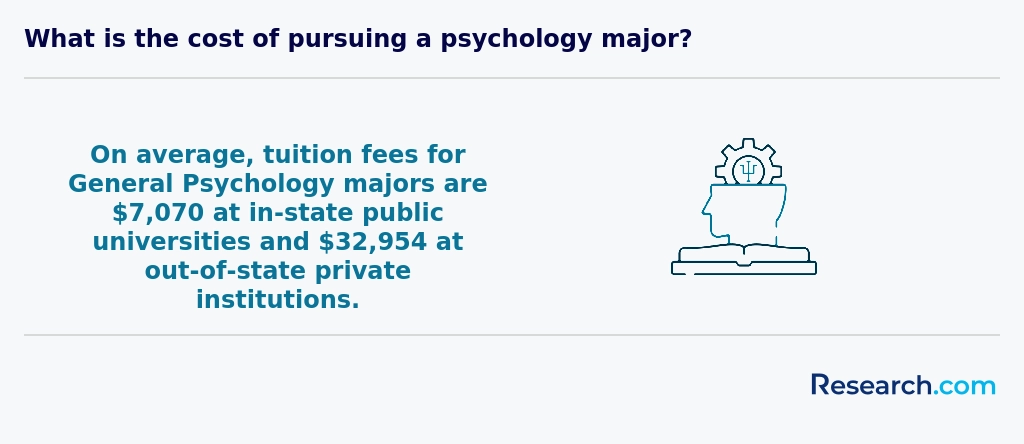
The average cost of a psychology degree in Santa Barbara varies mainly based on residency and institution choice. For in-state students attending the University of California, Santa Barbara, the median total cost stands near $16,414, making it an accessible option for local residents. Out-of-state students, however, face significantly higher expenses, with the median total cost around $69,042, reflecting tuition, fees, and living expenses combined.
Graduates from UCSB often share how budgeting carefully for housing and daily expenses was key to managing the overall cost. Many found that living with roommates or choosing nearby community colleges before transferring helped reduce expenses substantially. Since the average cost of psychology degree in Santa Barbara also includes these living and personal costs, being proactive about finding affordable housing and meal plans can alleviate financial pressure while studying.
Private colleges near Santa Barbara tend to charge between $30,000 and $50,000 annually, which can quickly add up over four years. However, students often describe the strong community and tailored faculty support at UCSB and other local schools as valuable, making the investment worthwhile for their mental health and career potential. For those considering options, checking resources such as financial aid offices and government information can make a significant difference in planning.
Prospective students looking for a clear picture of costs and options should explore popular psychology programs and financial plans, such as those found among popular psychology schools in California. This strategic approach can help ensure a fulfilling academic journey without unexpected financial burdens.

Accreditation is a critical factor for ensuring that a Psychology degree from Santa Barbara, CA meets professional standards and qualifies graduates for licensure. The American Psychological Association (APA) accreditation is the gold standard for doctoral and internship programs in clinical, counseling, and school psychology. Prospective students should verify that their chosen institution holds regional accreditation (e.g., WSCUC for California schools) and, if applicable, specific APA approval for advanced training tracks. This guarantees that coursework in ethics, assessment, and evidence-based practice aligns with state board requirements. After completing an accredited bachelor’s, master’s, or doctoral program, graduates must navigate California’s licensing process, which typically involves: 1. Supervised Experience: Accumulating 3,000–6,000 hours of supervised practice under a licensed psychologist, depending on degree level and specialization. 2. Examinations: Passing the Examination for Professional Practice in Psychology (EPPP) and the California Psychology Laws and Ethics Exam. 3. Application and Fees: Submitting a licensure application to the California Board of Psychology, along with official transcripts and verification of supervised hours. For students exploring affordable online alternatives that still meet accreditation standards, it’s helpful to compare program costs and approval status. For instance, many candidates consult rankings such as Low Cost Online Psychology Degree Programs Ranking in Virginia to gauge value and accreditation compliance before making enrollment decisions. Ensuring your program’s credentials will smooth the transition to professional practice and maximize your employability across California’s diverse psychology landscape.
Psychology students in Santa Barbara can tap into multiple financial aid sources that ease their path through costly degree programs. Graduates from UCSB often share how Pell Grants and Direct Subsidized Loans formed the backbone of their funding, with Pell Grants offering up to $7,395 annually without the burden of repayment. This financial relief made focusing on coursework less stressful and more rewarding.
State aid like Cal Grant A is a game-changer for many California residents attending UCSB, covering full tuition and lightening the financial load significantly. Community college students, such as those at Santa Barbara City College, benefit from lower tuition and targeted scholarships that reward academic merit or research interests in psychology.
Work-Study jobs also offer practical experience and income, helping students cover living costs while gaining skills. Local scholarships from UCSB's psychology department and alumni associations further reduce out-of-pocket expenses, making a degree feel attainable rather than overwhelming.
Early FAFSA submission and exploring private scholarships through platforms provide additional funding opportunities, turning the dream of a Santa Barbara psychology degree into a manageable investment.
Choosing an APA-accredited program is essential for ensuring your psychology degree meets the standards set by the American Psychological Association and is recognized by the California Board of Psychology. Accreditation not only validates the quality of instruction and curriculum but also streamlines the path to licensure. In California, aspiring clinical psychologists must: 1. Graduate from an APA-accredited doctoral program or an equivalent that meets state requirements. 2. Complete a minimum of 3,000 supervised professional experience hours, including at least 1,500 pre-doctoral and 1,500 post-doctoral hours. 3. Pass the Examination for Professional Practice in Psychology (EPPP) and the California Psychology Law and Ethics Examination (CPLEE). 4. Submit proof of supervised experience and exam results to the California Board of Psychology for licensure. For those considering alternative or supplemental pathways, especially if you’re weighing online options outside California, our Low Cost Online Psychology Degree Programs Ranking in Virginia highlights affordable, accredited programs that can bolster your credentials and fit varied learning styles. Ensuring your program’s accreditation and understanding state licensure steps early will position you for success in both academic and professional arenas.
To enroll in a psychology degree in Santa Barbara, you'll first need a high school diploma or a GED, with strong grades in English, math, and science. For example, many students aiming for UCSB focus on maintaining a GPA around 3.0 or higher to stay competitive. One recent graduate shared that balancing extracurriculars with academic performance, like joining psychology clubs and volunteering, made a strong impression during UCSB's admission process.
Community colleges like Santa Barbara City College offer a practical route where you complete foundational courses in psychology and general education, making transfer to a four-year program smoother. Graduates often recommend focusing on meeting deadlines and maintaining good grades in core classes to secure transfer eligibility.
For graduate psychology programs in Santa Barbara, having a bachelor's in psychology or a related field is essential. Applicants should prepare by taking courses in research methods and statistics, gathering strong letters of recommendation, and preparing a personal statement outlining their research interests. Many find that early engagement with professors and research projects boosts their application's strength and confidence.
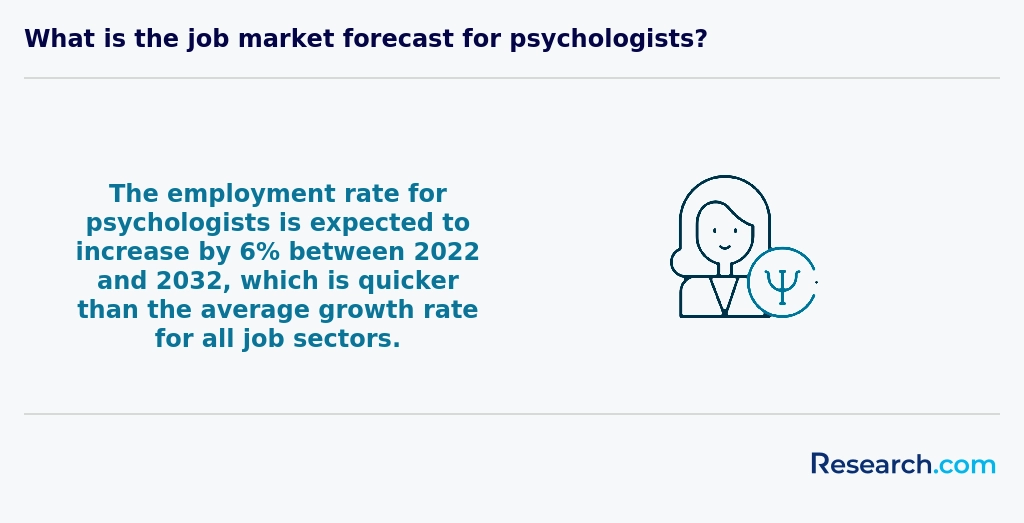
. Pursuing a psychology degree in Santa Barbara, CA, offers a unique blend of academic rigor and personal growth, set against the backdrop of a vibrant community that values education and mental health. By studying psychology in this beautiful coastal city, students not only gain a deeper understanding of human behavior but also develop essential skills in critical thinking, empathy, and communication. For those interested in exploring the best educational institutions for psychology, visiting popular psychology schools can provide invaluable insights into the most sought-after programs in the region. The combination of theoretical knowledge and practical experience, often gained through internships and fieldwork, prepares graduates for a wide range of careers, from clinical psychology to organizational behavior, where they can apply their understanding of psychological principles to make a positive impact. Whether students are drawn to the theoretical aspects of psychology or its practical applications, studying in Santa Barbara, CA, offers a transformative educational experience that can shape not only their careers but also their personal lives.
Psychology degree programs in Santa Barbara feature a well-rounded curriculum that prepares students for diverse career paths. Typical courses include Introduction to Psychology, where students grasp the basics of how people think and behave, and Developmental Psychology, which tracks human growth from infancy through adulthood. Graduates often recall hands-on classes like Biopsychology or Neuroscience, which link brain function to behavior, making complex theories relatable through real-life experiments.
Research Methods and Statistics are essential courses, equipping students with skills to design studies and analyze data-skills highly valued in the local job market. Social Psychology offers insights into human interactions, while Abnormal Psychology introduces students to diagnosing and treating psychological disorders, often sparking a passion for mental health careers. At UCSB and other Santa Barbara colleges, many students find electives in cognitive neuroscience or counseling techniques especially rewarding because these allow customization of their educational journey.
Engaging in lab work or research projects gives students practical experience, boosting confidence and readiness for either graduate study or immediate employment in psychology fields.
Psychology degree specializations in Santa Barbara typically include Clinical Psychology, Counseling Psychology, Developmental Psychology, Social Psychology, and Neuropsychology. For example, graduates from CSU Channel Islands have shared how hands-on practicum experiences in local clinics helped them confidently diagnose and support clients with mental health disorders. Others have found that Counseling Psychology courses prepared them well for therapeutic roles in community health centers. Many students appreciate how Developmental Psychology covers growth across the lifespan, relating directly to practical work with children or elderly populations in regional schools and care facilities.
Santa Barbara's unique setting also encourages specializations in health psychology and environmental psychology, where students study stress reduction and mindfulness in real-world contexts. The best psychology concentrations Santa Barbara offers balance research opportunities with applied learning, supporting career-ready skills. For anyone exploring alternative pathways, there is also valuable guidance available on how to be a therapist without college, broadening access beyond traditional degree routes.
Focus first on program accreditation and faculty expertise when choosing a psychology degree in Santa Barbara. Graduates from well-known institutions like the University of California, Santa Barbara appreciate how access to experienced professors engaged in innovative research helped shape their career paths. Evaluate if the program offers specializations that match your interests, such as clinical or cognitive psychology, which makes learning more relevant and exciting.
Consider cost carefully, especially with Santa Barbara's higher living expenses. Public universities, including UCSB, provide competitive in-state tuition rates that appeal to many seeking affordable psychology schools Santa Barbara. Balancing tuition with potential scholarships or financial aid can ease financial stress.
Research opportunities and internships are crucial. Many students benefit from hands-on experiences collaborating with local healthcare providers, enhancing both skills and resumes. Also, check post-graduation success rates, as graduates often secure advanced studies or jobs swiftly.
For those looking beyond traditional options, exploring an online masters degree in psychology might offer flexibility and affordability without sacrificing quality.
Graduates holding a psychology degree in Santa Barbara have diverse career paths available that align with their interests and skills. Many find fulfilling roles in mental health, becoming licensed counselors, therapists, or clinical psychologists after pursuing advanced degrees and licensure. Working in community mental health centers or private practices allows them to support local residents facing emotional or substance abuse challenges, creating impactful change close to home.
Research and academia are also strong options, especially at institutions like the University of California, Santa Barbara. Graduates often gain practical experience as research assistants or advance to teaching roles, contributing to cutting-edge psychological studies. These opportunities offer a rewarding blend of intellectual challenge and community contribution, making psychology careers in Santa Barbara both meaningful and progressive.
For those interested in education, roles as school psychologists or counselors help students manage emotional and learning difficulties, a vital service in growing school programs. Additionally, psychology graduates can leverage their understanding of behavior in business fields like human resources and marketing, enhancing team dynamics and consumer insights.
Considering education costs can help plan your career journey effectively. For affordable options, see the Low Cost Online Psychology Degree Programs Ranking in Virginia to explore alternative study pathways that complement local opportunities.
The job market for psychology degree graduates in Santa Barbara remains encouraging, particularly for those with advanced degrees. Graduates from local institutions often find opportunities in mental health clinics, schools, and healthcare facilities. For example, school psychologists and counselors are in demand at universities like UCSB, where several graduates have moved into roles supporting student well-being. Employment opportunities for psychology graduates Santa Barbara span government programs and nonprofits dedicated to community health, reflecting a growing local need for mental health services.
Many students report positive outcomes when pursuing state licensure and advanced certifications, which unlock higher-paying clinical or counseling careers. Entry-level roles, such as research assistants, are available but generally require a bachelor's degree combined with related experience. Additionally, some students reduce time-to-degree and costs by exploring online accelerated associate's degree options before transferring to four-year programs to boost their qualifications efficiently.
Overall, a psychology degree job outlook Santa Barbara reveals a stable demand with promising salary potential, aligning with broader California trends and making the investment in education worthwhile.
2027 Most Popular Psychology Degree Programs Ranking in Santa Barbara
Investing in your education is a significant decision that can profoundly impact your future, and the Research.com team fully recognizes the importance of making well-informed choices. To support prospective students in Santa Barbara, we have carefully developed the "2027 Most Popular Psychology Degree Programs Ranking." Our dedication to ensuring quality, credibility, and accuracy is demonstrated through rigorous research and analysis conducted throughout the creation of this ranking.
We utilized the following reputable data sources to guarantee a comprehensive evaluation of psychology degree programs:
By exploring this ranking, readers will gain valuable insights to help them identify the most suitable psychology programs in Santa Barbara, facilitating informed educational decisions. For a detailed explanation of our ranking process, please visit our Research.com methodology page.


# 5 position
Antioch University-Santa Barbara
Master of Arts in Clinical Psychology

Frequently Asked Questions About psychology
Psychology degree students in Santa Barbara can maximize their learning experience by combining academic study with practical exposure. Enrolling in local universities like the University of California, Santa Barbara (UCSB), which offers strong research programs, allows students to engage with ongoing studies in areas such as cognitive neuroscience and social psychology. Participating in internships or volunteer opportunities at nearby mental health clinics or community organizations enhances real-world understanding.
Students should also take advantage of UCSB's research labs, where collaboration with faculty can provide hands-on experience. According to the UCSB Department of Psychological & Brain Sciences, nearly 70% of undergraduates participate in research projects, improving critical thinking and professional skills.
Networking through academic conferences and local psychology groups further enriches learning and career prospects in Santa Barbara's psychology community.
Emerging niches within the psychology field reflect changes in society and technology that impact mental health and human behavior. In Santa Barbara, interest is growing in areas like neuropsychology, which studies brain-behavior relationships, and health psychology, focusing on how psychology influences physical well-being.
Another expanding niche is forensic psychology, where professionals apply psychological principles to the legal system. Given Santa Barbara's proximity to larger metropolitan areas, internships and training in this field are accessible.
Environmental psychology, which explores the connection between people and their surroundings, is also gaining traction locally due to the region's strong environmental focus and community wellness initiatives.
According to the Bureau of Labor Statistics, clinical and counseling psychologists, particularly those specializing in these emerging fields, are expected to see a 10% job growth nationally by 2032, which is above the average for all occupations.
After completing a psychology degree in Santa Barbara, preparing for the job market involves gaining practical experience. Internships or volunteer roles with local mental health clinics or research centers can enhance your resume. According to the U.S. Bureau of Labor Statistics, psychology-related jobs in California are expected to grow 11% from 2022 to 2032, which is faster than average.
Networking is also key. Joining professional organizations such as the California Psychological Association can provide access to job listings and mentorship. Additionally, Santa Barbara's proximity to major employment hubs like Los Angeles can broaden opportunities.
Consider further certification or graduate studies for clinical roles, as many positions require advanced degrees. Finally, developing strong communication and research skills increases employability in multiple psychology fields.
Employers in Santa Barbara value psychology degree graduates who demonstrate strong analytical and critical thinking skills. These abilities enable graduates to assess varied psychological data and apply theory effectively in clinical or research settings.
Communication skills are also essential, as psychology professionals often work as part of interdisciplinary teams or directly with clients. Employers expect graduates to express complex ideas clearly and show empathy.
Additionally, familiarity with research methodologies and statistical software is highly sought. According to the Bureau of Labor Statistics and local job market analyses, proficiency in tools like SPSS or R increases employment prospects.
Finally, adaptability and ethical judgment remain key, reflecting the sensitive nature of psychological work in healthcare and community services in Santa Barbara.
Finding internships in Santa Barbara for psychology students involves leveraging local educational institutions and community resources. The University of California, Santa Barbara (UCSB) offers dedicated internship placement through its Department of Psychological & Brain Sciences, connecting students with clinical, research, and counseling opportunities.
Additionally, students can explore hospital programs like those at Cottage Health, where mental health internships are available. Community mental health agencies and nonprofit organizations also frequently offer psychology-related internships. Websites like Handshake and UCSB's Career Services platform provide updated listings tailored to students.
Networking through faculty and local psychology associations, such as the Santa Barbara County Psychological Association, is also valuable. According to UCSB data, approximately 65% of psychology undergraduates secure internships before graduation, improving job prospects significantly.
A psychology degree in Santa Barbara offers significant career mobility and advancement opportunities. Graduates often find work in diverse fields such as healthcare, education, social services, and business. The city's expanding healthcare sector, including mental health services, provides growing demand for professionals with psychology backgrounds.
According to the U.S. Bureau of Labor Statistics, employment for psychologists is projected to grow 8% nationwide from 2022 to 2032, which aligns with regional trends in California and Santa Barbara. Local employers value advanced degrees and relevant certifications, which can accelerate promotion prospects in clinical and counseling roles.
Additionally, Santa Barbara's proximity to research institutions supports career advancement for psychology graduates interested in academic or scientific roles. Networking opportunities and internships through local universities further enhance job prospects and upward mobility within the community.
Studying for a psychology degree in Santa Barbara prepares students for interdisciplinary roles by offering a curriculum that integrates biological, social, and behavioral sciences. Local institutions emphasize collaboration with fields such as neuroscience, sociology, and education, reflecting the demand for versatile professionals.
For example, the University of California, Santa Barbara (UCSB) provides research opportunities combining psychology with cognitive science and environmental studies. This interdisciplinary approach helps graduates understand complex human behaviors in diverse contexts.
According to the National Center for Education Statistics, UCSB awarded over 150 psychology bachelor's degrees in 2022, fueling the regional workforce with well-rounded experts.
Engaging in internships and community projects further equips students to work across sectors including healthcare, education, and technology, broadening career prospects beyond traditional psychology roles.
Choosing between a thesis and a non-thesis psychology degree program in Santa Barbara depends on your career goals and learning preferences. Thesis programs typically require original research and a written thesis, which can be essential if you plan to pursue a PhD or a research-oriented career.
Non-thesis programs usually focus more on coursework and practical experience, appealing to those aiming for clinical practice or professional roles outside academia. According to the University of California, Santa Barbara's Psychology Department, about 40% of graduate students opt for a thesis option to strengthen their research skills.
Cost and time commitment also differ; thesis tracks might extend program length due to research demands. Evaluating your interest in research versus applied psychology can help direct your choice.
Students based in Santa Barbara interested in studying psychology abroad have several paths within the US higher education framework. Many local institutions, including the University of California, Santa Barbara (UCSB), offer study-abroad programs that partner with universities worldwide, allowing psychology majors to gain international experience while earning credits.
Additionally, students can participate in exchange programs or third-party study-abroad providers that specialize in psychology-focused courses. These opportunities often include placements in countries with strong psychology research traditions, such as the UK, Canada, or Australia.
The Institute of International Education reported that nearly 20% of US students studying abroad in 2022 chose social sciences, including psychology. UCSB's Education Abroad Program is notable for facilitating such exchanges, particularly for psychology students aiming to enhance cultural competence and global perspectives.
Santa Barbara offers several part-time job opportunities that align well with psychology degree studies. Students can work as behavioral health technicians or mental health aides at local clinics and counseling centers, gaining valuable hands-on experience. According to data from the Bureau of Labor Statistics, roles in mental health support are expected to grow by 15% nationally through 2032, reflecting increasing demand.
Additionally, research assistant positions at UCSB or nearby institutions provide exposure to experimental psychology projects and data analysis techniques. Jobs in social services or community outreach programs also help students develop client interaction and case management skills valuable for future careers.
Psychology students in Santa Barbara have access to a variety of valuable networking opportunities that can support their academic and professional development. The University of California, Santa Barbara (UCSB) offers psychology majors chances to connect through student organizations like Psi Chi, the International Honor Society in Psychology. These clubs often host guest lectures, workshops, and networking events featuring local professionals.
Moreover, Santa Barbara's close-knit community includes several research institutes and clinics where students can volunteer or intern, creating direct links to working psychologists and researchers. Events organized by the California Psychological Association's local chapters also provide professional interaction opportunities.
According to UCSB Career Services, participating in internships and attending psychology conferences in the region can significantly enhance connections, leading to internships or jobs post-graduation.
Alumni networks play a significant role in supporting psychology degree students in Santa Barbara. Graduates from local universities often maintain strong connections through these networks, which provide valuable access to job opportunities in clinical, counseling, and research fields. According to the University of California's Career Center data, students leveraging alumni contacts have a 30% higher employment rate within six months after graduation.
These networks also offer mentorship programs, guiding current students through academic challenges and career planning. Moreover, alumni-hosted workshops and seminars provide insights into emerging psychology trends specific to the Santa Barbara area.
Active engagement in these networks often enhances students' professional development and local community integration.
In Santa Barbara, students can tailor their psychology degree programs by selecting electives that align with specific career interests, such as clinical, cognitive, or developmental psychology. Many local institutions offer flexible course options and opportunities for internships within the community, aiding practical experience.
Choosing a concentration helps focus your studies; for example, UCSB provides research opportunities in neuroscience and behavioral studies, essential for advanced psychology careers. Additionally, students can enhance their resumes through participation in laboratory work or field studies, often accessible through faculty-led projects.
Advising services at Santa Barbara colleges assist in mapping your academic plan to fit goals, ensuring requirements meet licensure or graduate school prerequisites.
Psychology students in Santa Barbara face several common challenges typical within the U.S. higher education system. These include managing a demanding course load that combines theoretical study with practical research methods. Students often struggle with securing internships and research opportunities due to competition in the region, as Santa Barbara's institutions emphasize hands-on experience.
Financial pressure is another concern. According to the College Board, the average annual tuition for public universities in California exceeds $9,000, creating stress for students balancing education with living costs.
Additionally, mastering complex topics such as neuropsychology and statistics can be difficult without strong academic support. Mental health awareness remains critical as many psychology majors report high stress levels during their studies, a trend reflected nationwide.
With a psychology degree in Santa Barbara, graduates can pursue various professional certifications that enhance career opportunities. For example, becoming a Licensed Professional Clinical Counselor (LPCC) requires a master's degree in psychology or a related field, along with supervised clinical hours and passing a state exam.
Other common certifications include Certified Alcohol and Drug Counselor (CADC) and Board Certified Behavior Analyst (BCBA), which cater to specific therapy and counseling niches. These certifications demand additional training and testing but significantly expand job prospects.
According to the California Board of Psychology, Santa Barbara's growing mental health sector shows increasing demand for these licensed professionals, making certifications valuable for local employment.
To write a winning application for a psychology program in Santa Barbara, start by researching the specific requirements of local institutions such as the University of California, Santa Barbara (UCSB). Admissions committees often look for strong academic performance, particularly in psychology and related coursework.
Highlight relevant experience, including internships, research, or volunteer work in mental health settings. UCSB's psychology department, known for its emphasis on research, values applicants who demonstrate commitment to empirical study and critical thinking.
Craft a clear, focused personal statement explaining your motivation for studying psychology and career goals. Use concise language and provide concrete examples.
Strong letters of recommendation from professors or supervisors familiar with your work can significantly enhance your application. According to UCSB's latest admissions data, competitive applicants typically possess a GPA above 3.5 and relevant experiential learning.
The field of psychology offers diverse global career opportunities that increasingly impact health, education, and business sectors worldwide. In the United States, including Santa Barbara, psychology graduates benefit from a growing job market. The U.S. Bureau of Labor Statistics projects a 8% growth in clinical, counseling, and school psychologists from 2021 to 2031, faster than average for all professions.
Globally, psychology careers emphasize cultural competence and multidisciplinary approaches, key when working in diverse communities like Santa Barbara. Understanding international perspectives enriches a psychologist's ability to address mental health challenges universally.
Santa Barbara's proximity to research institutions and healthcare providers offers students unique exposure to applied psychology fields. According to the California Employment Development Department, demand for mental health counselors is steady in the region, reflecting wider national trends emphasizing well-being.
Gaining practical experience is crucial when pursuing a psychology degree in Santa Barbara. Many local universities offer internship programs, allowing students to work in clinical, research, or community settings under professional supervision. For example, internships at the University of California, Santa Barbara (UCSB) are common, often linked to nearby mental health clinics and research centers. According to UCSB's Psychology Department, about 60% of students engage in hands-on internships before graduation.
Students also have opportunities to participate in faculty-led research projects, enhancing their skills in data collection and analysis. Local organizations, such as nonprofit counseling centers, frequently welcome psychology students for volunteer work, providing direct experience with diverse populations. This combination of internships, research, and volunteer work helps build valuable practical skills during studies.
Choosing the right concentration within a psychology degree program in Santa Barbara depends on your career goals and interests. Common concentrations include clinical, developmental, cognitive, and social psychology. Each offers different paths, such as therapy, research, or human resources. Local institutions, like the University of California, Santa Barbara (UCSB), emphasize research opportunities in cognitive and behavioral neuroscience, reflecting regional strengths.
Consider job market trends; California's Employment Development Department reports that psychology-related jobs in Santa Barbara County are growing faster than the national average. Explore concentrations that align with in-demand skills. Additionally, look into programs offering internships or community partnerships in Santa Barbara, which can enhance practical experience.
- 2027 Most Popular Psychology Degree Programs Ranking in Los Angeles
- 2027 Most Popular Psychology Degree Programs Ranking in Pasadena
- 2027 Most Popular Psychology Degree Programs Ranking in Claremont
- 2027 Most Popular Psychology Degree Programs Ranking in Irvine
- 2027 Most Popular Psychology Degree Programs Ranking in La Jolla
- 2027 Most Popular Psychology Degree Programs Ranking in San Diego
- 2027 Most Popular Psychology Degree Programs Ranking in Riverside
- 2027 Most Popular Psychology Degree Programs Ranking in San Francisco
- 2027 Most Popular Psychology Degree Programs Ranking in Phoenix
- 2027 Most Popular Psychology Degree Programs Ranking in Eugene
See What Experts Have To Say About Studying Psychology
Read our interview with Psychology experts

Joann Farrell Quinn, Ph.D., MBA
Psychology Expert
Director at the College of Medicine Department of Medical Education
Morsani College of Medicine

Catherine Caldwell-Harris, Ph.D.
Psychology Expert
Associate Professor of Psychology
Boston University

Elizabeth L. Jeglic Ph.D.
Psychology Expert
Professor of Psychology
City University of New York

- Psychology at University of California-Santa Barbara https://www.vaia.com/en-us/degrees/universities/university-of-california-santa-barbara/psychology-at-university-of-california-santa-barbara/
- Society for the Teaching of Psychology https://teachpsych.org/page-1784686/8675326
- Sample letters in psychology https://www.mystudies.com/en-in/human-and-social-sciences/psychology/letter-model/
- Study Psychology Abroad | Go Overseas https://www.gooverseas.com/study-abroad/psychology
- Community Psychology in Global Perspective http://siba-ese.unisalento.it/index.php/cpgp
- University of California-Santa Barbara https://www.psychologicalscience.org/observer/university-of-california-santa-barbara
- Clinical Training Opportunities | Santa Barbara County, CA https://www.countyofsb.org/clinical-training-opportunities
- Why Get a Psychology Degree Online? | University of Bridgeport https://www.bridgeport.edu/news/reasons-to-get-your-psychology-degree-online/
- Financial Aid Advising https://www.sbscholarship.org/financial-aid-advising/
- Alumni Perspectives - Meet Our FPN Alumni https://www.aanmelder.nl/alumni-perspectives-june-2023


