2027 Most Popular Psychology Degree Programs Ranking in Pasadena

Co-Founder and Chief Data Scientist
Choosing the right psychology degree program is an exciting step toward a rewarding career. For students in Pasadena, finding a program that fits your goals and interests is essential.
This article presents the 2027 Most Popular Psychology Degree Programs Ranking in Pasadena, developed by the Research.com team of data scientists. It offers clear, data-driven insights to help you explore the best options available locally.
Reading this guide will empower you to make an informed decision and take confident steps toward a meaningful future in psychology.
Key benefits of getting psychology degree in Pasadena
- Psychology degree graduates can expect solid salaries in roles like Human Resources Specialist, earning around $76,060 annually, or Marketing Research Analyst with an average wage of $83,190 per year, offering financial stability in rewarding jobs.
- A psychology degree from a Pasadena college opens doors to diverse careers such as Clinical Research Associate or Survey Researcher, providing exciting opportunities to impact mental health and human behavior.
- Completing a psychology degree online through a Pasadena university offers flexibility and convenience, enabling students to balance studies with life while gaining the same valuable knowledge and skills as traditional programs.
- 2027 Most Popular Psychology Degree Programs Ranking in Pasadena
- What can I expect from psychology degree in Pasadena?
- Where can I work with psychology degree in Pasadena?
What can I expect from psychology degree in Pasadena?
The cost of earning a psychology degree in Pasadena really depends on where you choose to study. For those starting out at places like Pasadena City College, the in-district tuition is pretty reasonable-usually under $2,000 a year. Many grads from there mention how this affordable start made it easier to focus on their studies without stressing too much about money.
If you're aiming for a graduate program at one of the private universities in Pasadena, be ready for a higher price tag. Some programs can run up to $30,000 or more annually. Still, students appreciate the smaller class sizes and hands-on experiences, like internships at local hospitals or schools, which feel totally worth the investment.
Many psychology students here find that financial aid and scholarships help lighten the financial load. Plus, being in Pasadena means access to lots of practicum opportunities, which often give valuable real-world experience without added costs. It's a balance of expense and opportunity that feels manageable for most.
Where can I work with psychology degree in Pasadena?
If you're studying psychology in Pasadena, you'll find plenty of cool job options when you graduate. Many grads land roles in local hospitals and mental health clinics as counselors or behavioral therapists. Since Pasadena is part of Los Angeles County, where mental health jobs are expected to grow around 10% in the next decade, it's a great spot to get your foot in the door.
Others choose to work in schools-think school psychologists or academic advisors. Pasadena's schools, including the Pasadena Unified School District, love hiring psychology pros, especially those with state certification. It's rewarding work, helping kids and teens thrive every day.
Some graduates find themselves in social service agencies, supporting community programs for youth or veterans. Then there's the business world, where psychology grads use their skills in HR or market research to make workplaces better and happier.
Students from Pasadena's top colleges often share how exciting it is to turn class concepts into real careers right here in town-helping people and making a difference feels pretty awesome.
If you're wrapping up a psychology degree in Pasadena, you might be wondering what kind of paycheck to expect. Graduates from local schools often find roles like Human Resources Specialist, where the average salary is about $76,060 a year. It's a solid spot if you like working with people and influencing workplace culture.
Others jump into marketing research analyst jobs, where the mean annual wage hits around $83,190. This can be pretty exciting if you enjoy digging into data and understanding consumer behavior. For those fresh out of school and looking to get hands-on with studies, becoming a Clinical Research Associate or Survey Researcher brings in roughly $62,370 a year. It's a great way to build experience and stay connected to research projects.
One graduate from a Pasadena college mentioned how starting as a Clinical Research Associate helped them build confidence and network, paving the way to higher-paying roles later on. Living in Pasadena means considering the higher cost of living, but with these salaries, many find a good balance between work and lifestyle.
Plus, studying nearby at trusted Pasadena schools means you're often plugged into local employers and internships that boost your chances of landing these roles. So, those with psychology degrees here can feel optimistic about both their career path and paycheck.
- Undergraduate psychology programs in Pasadena cost between $8,000 and $22,000 per year, while graduate programs range from $15,000 to $35,000 annually.
- Additional expenses include books, supplies, and living costs, which should be considered when planning finances.
- Entry-level psychology positions pay around $40,000 to $50,000 per year, with experienced psychologists earning between $75,000 and $120,000 annually.
- Job growth in Pasadena for clinical, counseling, and school psychologists is expected to be moderate over the next decade.
- Becoming a licensed psychologist in California requires supervised hours after graduation and passing state licensing exams.
If you're wondering how long it takes to earn a psychology degree in Pasadena, the typical timeline depends on the level you're aiming for. Most grads from schools like Pasadena City College or those who transfer to a university finish their bachelor's in about four years. That feels just right for balancing classes, part-time work, and maybe some campus clubs.
For those going for a Master's in psychology nearby, expect around two years of coursework and research projects. Graduates often mention feeling proud once they wrap up their thesis-it's a big deal that boosts confidence and skills. And if you're eyeing a PhD or PsyD, especially at larger institutions around LA, the journey is longer, usually five to seven years. It's intense but rewarding, with hands-on clinical work that really shapes your career.
Students love Pasadena City College for easing into the field, saving money, and then moving on to a university. That flexibility helps many finish without burning out or breaking the bank.
When considering a psychology program, it's essential to think about the location and how it can enhance your educational experience. Pasadena, CA, stands out as a hub for psychology education, offering students a unique blend of academic rigor, research opportunities, and community engagement. By attending a psychology program in Pasadena, you not only gain access to renowned institutions like Caltech and Pasadena City College but also become part of a vibrant community that values mental health and well-being. For those interested in exploring the best options for their education, researching popular psychology schools can provide valuable insights into the most reputable programs. This proactive approach to selecting a psychology program can empower you to make informed decisions about your educational journey, ultimately setting you on the path to a fulfilling career in psychology.
If you're thinking about studying psychology in Pasadena, the main difference between online and on-campus programs comes down to how you want to learn and live your daily routine. On-campus students at places like Pasadena City College often talk about the buzz of being around others-joining live discussions, working on group projects, and getting hands-on experience in psychology labs. It's perfect if you thrive on face-to-face mentorship and the campus vibe.
On the flip side, online psychology degrees in Pasadena give you tons of flexibility. Graduates mention how they could watch lectures late at night or squeeze in coursework between family duties or work shifts. This lets you keep your current job while earning your degree, which is a real lifesaver for many.
Tuition tends to be similar either way, but online students save on commuting and housing costs. Both routes offer accredited programs, so whether you're hitting the campus halls or studying from your couch, you're getting solid training to set yourself up for your psychology career.
After earning your psychology degree in Pasadena, CA, obtaining the appropriate licensure and certifications is essential for practice and career advancement. In California, mental health professionals are regulated by the Board of Behavioral Sciences (BBS) and the California Board of Psychology. Here’s what you need to know: 1. Educational Milestones - Bachelor’s Degree: Prepares you for entry-level roles and graduate study. - Master’s Degree: Often required for licensure as an LPCC or LMFT. If you’re planning to pursue graduate study, it’s important to consider factors like tuition and program flexibility-some students explore options to learn how much to get a masters in psychology before applying. - Doctoral Degree (Ph.D. or Psy.D.): Required for full licensure as a Clinical Psychologist. 2. Supervised Experience - Associate Marriage and Family Therapist (AMFT) or Associate Professional Clinical Counselor (APCC): You must complete 3,000 hours of supervised clinical experience, typically over 18–24 months. - Psychological Assistant: For doctoral candidates, 3,000 hours of supervised practice under a licensed psychologist. 3. Examination Requirements - California Law and Ethics Exam: Mandatory for all BBS licenses to ensure familiarity with state regulations. - National Counselor Examination (NCE) or Examination for Professional Practice in Psychology (EPPP): Depending on your chosen license, you’ll need to pass the relevant national board exam. 4. Application and Fees - Submit transcripts, verification of supervised hours, and exam scores to the BBS or Board of Psychology. - Application fees range from $150 to $300; exam fees vary by board ($100–$600). 5. Continuing Education and Renewal - Licensed professionals must complete 36 hours of continuing education every two years, including courses on ethics, cultural competence, and evidence-based practice. - Renewal applications are submitted online through the respective board’s portal. By following these steps and staying current with licensure requirements, Pasadena psychology graduates can confidently transition into roles as licensed counselors, therapists, or psychologists, ensuring both compliance and professional credibility.
If you're wondering about the average cost of a psychology degree in Pasadena, it really depends on where you study. Many students find that public universities offer a pretty reasonable range, usually between $6,000 and $15,000 per year for a bachelor's degree. For example, graduates from Pasadena City College often share how affordable their introductory psychology courses were, typically costing under $5,000 a year if you're an in-state student. This makes starting your journey toward a psychology degree easier on the wallet, especially if you plan to transfer to a four-year university later.
Private schools in and around Pasadena do tend to be on the pricier side, with tuition easily surpassing $30,000 annually. Graduate programs, like a Master's or Doctorate in psychology, can push costs even higher-especially clinical psychology doctorates, which often include extra fees for materials and clinical work. A lot of grads recall the sticker shock but appreciate the hands-on experience those programs offer, making the investment feel worthwhile.
Considering total expenses for psychology degree programs Pasadena students face, it's smart to factor in additional costs like textbooks, testing fees, and memberships in professional associations. Many students in Pasadena also explore financial aid options or check out online counseling degree programs to keep things more manageable financially while still pursuing their passion.
After earning a bachelor’s degree in psychology, graduates aiming to practice clinically or offer counseling services in California must navigate a multi‐step licensure and certification process. First, most roles require an advanced degree-either a master’s (for Licensed Professional Clinical Counselors, LPCCs) or a doctoral degree (for Licensed Psychologists, LPs). Next, candidates must complete supervised experience: LPCC applicants log 3,000 hours under a Board‐approved supervisor, while LP candidates accrue 3,000–6,000 hours, including pre‐ and postdoctoral hours. Both tracks culminate in the Examination for Professional Practice in Psychology (EPPP) and a state jurisprudence exam administered by the California Board of Psychology or the Board of Behavioral Sciences. After passing these exams and meeting educational and ethical requirements, candidates receive licensure and must complete continuing education (CE) every two years to maintain their credentials. To minimize student debt before embarking on graduate training and supervision, many students explore affordable undergraduate pathways. For insights on cost‐effective options, see the Cheapest Online Bachelor's in Psychology Degree Programs Ranking in the West.
When you're aiming for a psychology degree in Pasadena, financial aid can feel like a real lifesaver, especially since tuition at local schools-like Pasadena City College or nearby private universities-can stack up quickly. Many students kick things off by filling out the FAFSA each year. That's your ticket to federal Pell Grants, which can cover a big chunk of costs if you qualify, plus low-interest federal loans that make borrowing a bit gentler.
Lots of grads remember how state and local scholarships, including those from psychology organizations in California, sweetened their budgets. Some even scored funding straight from their university, through merit scholarships or assistantships where they taught or helped with research-earning money and valuable experience at the same time.
And if you're part of the military family, the GI Bill is a huge help, covering tuition and even giving you housing allowances. All these options come together to make pursuing psychology in Pasadena feel a lot more doable.
While our comprehensive ranking and program details offer robust guidance for traditional psychology degree pathways, many aspiring mental health professionals explore alternative routes to build expertise and launch fulfilling careers. These alternative avenues may include certificate programs, vocational training, and certification courses that focus on specialized areas such as counseling, behavioral health, or crisis intervention. Many industry experts stress that engaging in accredited workshops and hands-on training experiences can complement formal education, particularly for those who may not follow the conventional academic route. For instance, some professionals wonder if can you become a therapist without a degree and seek practical certifications that allow them to work in support roles or community mental health settings. This growing trend underscores the importance of lifelong learning and flexible career planning in the evolving landscape of mental health services. As the demand for accessible mental health support expands, these alternative routes allow individuals to gain relevant skills, meet licensing requirements, and ultimately make a significant impact in their communities-all while navigating financial or time constraints that traditional degree programs might impose.
If you're aiming to study psychology in Pasadena, most local programs expect you to have at least a high school diploma or GED. Graduates from Pasadena City College often talk about how keeping a solid GPA-usually around 2.5 to 3.0-really helped them get noticed during admissions. Some schools still ask for SAT or ACT scores, but plenty have gone test-optional lately, especially since COVID shook things up.
If you're transferring, say, to California State University, Los Angeles, expect to have completed some basics like intro to psychology and stats. Graduates mention how these courses set them up perfectly for the tougher classes ahead.
Graduate programs in Pasadena are more intense. You'll need a bachelor's, usually in psych or a related field, with a good GPA-think 3.0 or higher. Plus, many programs want GRE scores, solid recommendation letters, and a personal statement that shows your passion for psychology.
Some students share how having internship or research experience in Pasadena really boosted their applications, making them feel more confident and ready when starting the program.
Choosing a psychology program with proper accreditation is essential to ensure your degree is recognized by employers, graduate schools, and licensure boards. In Pasadena, most reputable institutions hold regional accreditation from the Western Association of Schools and Colleges (WASC). For clinical or counseling psychology, you’ll also want to verify that your bachelor’s program meets the prerequisites for state licensure-this often means completing courses in statistics, research methods, ethics, and specific practicum hours. The American Psychological Association (APA) accredits doctoral programs and internships, but at the bachelor’s level, regional accreditation combined with a curriculum aligned to APA guidelines is key. Graduates aiming for licensure as Licensed Professional Counselors (LPC) or Marriage and Family Therapists (MFT) in California must then complete approved master’s programs, supervised clinical hours, and pass state exams. Pasadena City College and Fuller Theological Seminary both design their course sequences to feed directly into APA-aligned graduate programs, helping you streamline your path from undergraduate studies to professional practice. Financial considerations often influence program choice. Many students also explore online pathways that maintain rigorous accreditation standards while offering cost savings and flexible schedules. For a comprehensive look at affordable, accredited online options, see the Cheapest Online Bachelor's in Psychology Degree Programs Ranking in the West. By confirming accreditation status, understanding California’s licensure requirements, and mapping out the graduate training you’ll need, you can confidently select a Pasadena psychology program that not only enriches your knowledge but also positions you for professional success.
If you're diving into a psychology degree in Pasadena, get ready to explore courses that really paint a full picture of human behavior. Graduates from Pasadena's well-known colleges often share how starting with General Psychology helped them grasp the basics-stuff like how our minds work, emotions, and social interactions. It's pretty cool hearing how this foundation made later classes click better for them.
Most programs here include Developmental Psychology, where you learn about human growth stages from babies to adults, which feels super relatable when you think about people you know. Then there's Abnormal Psychology, tackling mental health disorders, something many find eye-opening and inspiring, especially if you're thinking about counseling or therapy careers.
- Research Methods in Psychology, which really gets you hands-on with designing studies and analyzing results.
- Biopsychology or Neuroscience, diving into what's going on inside the brain that shapes behavior.
- Social Psychology, studying how we influence each other in groups, something that hits home for lots of students.
- Cognitive Psychology, focusing on memory and decision-making-stuff you notice every day.
- Statistics for Psychology, which sounds tricky but is super useful for understanding research.
Plus, Pasadena schools usually add ethics courses to prep you for real-world practice, making sure you're ready to handle the responsibilities of working in psychology. Electives are your chance to chase your interests, like Child Psychology or even Industrial-Organizational Psychology, so you build a degree that matches your goals perfectly.
If you're diving into psychology degree specializations in Pasadena, you'll find plenty of paths to choose from. Graduates from well-known Pasadena colleges have loved focusing on clinical psychology, where they get hands-on experience helping people manage mental health struggles. It's a great option if working as a licensed therapist in California is your goal.
Others have enjoyed counseling psychology, which feels more laid-back and practical, perfect for those interested in school or community work. Students passionate about understanding how the mind works often pick cognitive psychology - they end up exploring memory and decision-making, sometimes working alongside neuroscience projects.
Many Pasadena psychology programs with specializations include forensic psychology too, blending psychology with the legal system, a real eye-opener for grads interested in criminal justice. Industrial-organizational psychology also pops up, gearing students toward improving workplace vibes and boosting employee happiness.
For more options, check out these specialized psychology programs that can inspire your own path at a Pasadena school.
Picking the best psychology degree in Pasadena really comes down to what fits your vibe and goals. Some grads from local colleges say starting with a Bachelor's gives you a solid foundation, whether you want to jump into entry-level roles or keep studying. Others who aimed for clinical work recommend checking if the program is APA-accredited since that's a game-changer for licensing. Around Pasadena, the cost varies a lot-public schools tend to be more affordable, but don't forget about extra expenses like books and living costs, which can add up fast around here.
Students love programs where professors are super involved in research or clinical settings because it makes classes feel real and practical. For those eyeing real-world experience, internships and practicum placements in Pasadena's community are a must. If you want to juggle work and school, some places even offer flexible options like online doctorate degrees that help balance busy lives. Finding the right school means matching what they offer with your personal dreams and needs-especially if you want one of the best psychology degree programs in Pasadena.
Affordable psychology colleges Pasadena often have smaller class sizes and strong support, which many grads say helped them thrive. Graduates also highlight the importance of campus resources like libraries and labs to really feel connected and prepared for their careers.
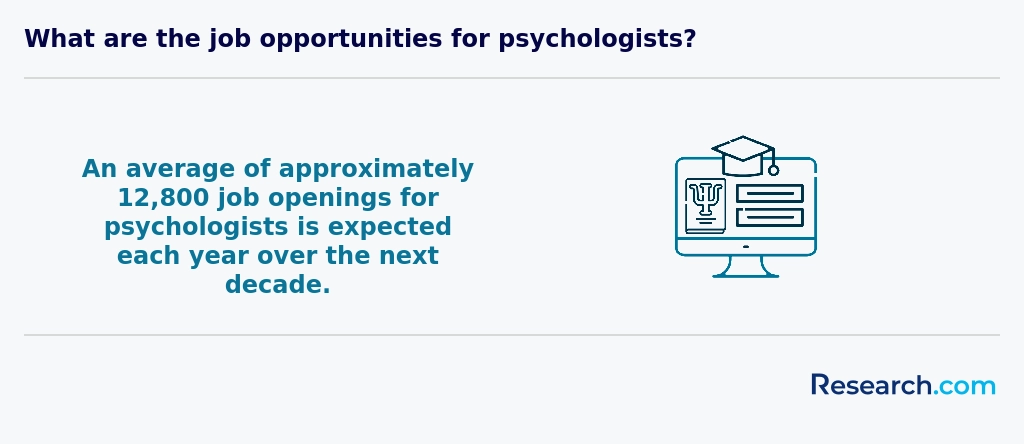
If you're diving into psychology degrees in Pasadena, you'll find loads of career paths waiting for you. Many grads from local colleges land jobs in social services, HR, or mental health admin roles, especially right after earning their bachelor's. It's pretty common for those just starting out to make around $48,000 a year in these spots. But if you're dreaming bigger and want to work directly with clients, getting a master's or doctorate is the way to go. Graduate programs around Pasadena prep students to become licensed counselors, clinical psychologists, or school psychologists, where salaries can top $75,000, sometimes even hitting six figures in California. This variety is part of why psychology career opportunities in Pasadena are so appealing-there's something for almost every interest.
Graduates frequently mention how studying in Pasadena offers a unique advantage thanks to nearby universities and hospitals that connect them with internships and jobs. Many find themselves in roles like forensic psychologists or research assistants, making real impact in criminal justice or academic settings. If you want to know more about working as a counselor, the lpc job outlook pennsylvania is a handy resource to check.
If you're thinking about a psychology degree job outlook Pasadena grads often find is pretty promising, especially if you're studying at one of the well-known local colleges. Many graduates share how easy it was to land roles in nearby healthcare centers or school programs, thanks to Pasadena's diverse community and strong demand for mental health support.
You'll see plenty of chances in clinical work, school psychology, or community services. For example, some recent graduates have jumped right into roles as case managers or research assistants while finishing up advanced degrees. The buzz around Pasadena psychology career opportunities is definitely positive, but most agree that having a master's or doctorate really opens doors. Salaries here tend to reflect California's higher cost of living, with plenty of roles offering $50K+ starting pay.
Many students also consider the investment in their education carefully. Tuition varies, so weighing costs against job potential is smart. If you want to get licensed and work professionally, you might want to check out requirements from the new jersey board of counseling, as an example of what's involved in becoming a counselor.
2027 Most Popular Psychology Degree Programs Ranking in Pasadena
Investing in your education is a significant decision that demands careful consideration, and the Research.com team recognizes the challenges prospective students face when choosing the right psychology program. To aid those in Pasadena, we have meticulously developed the "2027 Most Popular Psychology Degree Programs Ranking in Pasadena." Our dedication to quality, credibility, and accuracy is demonstrated through thorough research and comprehensive analysis.
We utilized the following reputable data sources to ensure a well-rounded evaluation of psychology programs:
By exploring this ranking, readers will access trusted insights to help select the best psychology degree programs in Pasadena, empowering informed decisions for their academic and professional futures. For more information on how this ranking was created, please visit our Research.com methodology page.
# 1 position
Saybrook University
Master of Science in Psychology

# 2 position
Saybrook University
Ph.D. in Psychology
Frequently Asked Questions About psychology
Psychology degree students in Pasadena can maximize their learning by engaging in both theoretical and practical experiences. Participating in local internships or research projects enhances real-world understanding beyond classroom instruction. Pasadena's proximity to research institutions and mental health organizations offers valuable opportunities.
Additionally, students should take advantage of the small class sizes typical at Pasadena colleges, which allow for personalized interaction with faculty experts. Active participation in psychology clubs or workshops also supports networking and deeper subject comprehension.
Data from the National Center for Education Statistics shows that hands-on experiences improve retention and job placement rates by up to 30%. Integrating these strategies can greatly benefit psychology students in Pasadena.
The field of psychology is evolving rapidly, with new niches emerging to address contemporary challenges. In Pasadena, as elsewhere in the US, areas like neuropsychology and health psychology are gaining prominence. Neuropsychology focuses on the relationship between brain function and behavior, benefiting from advances in brain imaging technology.
Health psychology, meanwhile, explores how psychological factors influence physical health, reflecting growing demand for mental health care integrated with medical treatment. Another rising area is forensic psychology, which applies psychological principles in legal settings.
According to the American Psychological Association, employment in these specialized fields is projected to grow faster than average through 2030, highlighting their expanding relevance.
After completing a psychology degree in Pasadena, preparing for the job market involves several strategic steps. Graduates should seek internships and volunteer opportunities within local mental health clinics and community centers to gain practical experience. Pasadena's proximity to Los Angeles offers a range of settings for applied psychology work, including hospitals and schools. Networking is essential; joining professional bodies like the American Psychological Association can connect candidates to mentors and job openings.
Additionally, many roles require state licensure, so planning for the Examination for Professional Practice in Psychology (EPPP) is advisable. According to the U.S. Bureau of Labor Statistics, employment for psychologists is projected to grow 8% from 2021 to 2031, making specialized preparation crucial. Strong communication and research skills further enhance employability in this competitive field.
Employers in Pasadena seeking psychology degree graduates prioritize several key skills. Strong critical thinking and analytical abilities are essential for interpreting research and assessing client needs effectively. Communication skills, both written and verbal, are highly valued as graduates must articulate complex psychological concepts clearly.
Practical skills in data analysis and familiarity with statistical software like SPSS or R are increasingly sought after, given the rise in data-driven decision-making in clinical and organizational settings. According to the U.S. Bureau of Labor Statistics and Pasadena Workforce Partnership, interpersonal skills and cultural competence also rank highly, reflecting the city's diverse population.
Ethical reasoning and the ability to maintain confidentiality are crucial for compliance with professional standards and legal requirements in psychology practice.
Finding internships in Pasadena relevant to a psychology degree involves several strategic steps. Start by exploring opportunities at local universities like California State University, Los Angeles, or community colleges with psychology programs, which often partner with nearby clinics and organizations for internships. The Health and Human Services agencies in Pasadena frequently offer placements focused on mental health support.
Students should also use online platforms such as Handshake or the American Psychological Association's internship database, filtering for Pasadena-based positions. Networking with faculty and attending psychology-related events can lead to internship leads. According to the Pasadena Chamber of Commerce, health services internships have grown by 12% in the past three years, reflecting increased local demand.
A psychology degree in Pasadena can significantly enhance career mobility and advancement. The Los Angeles metropolitan area, which includes Pasadena, reports a steady growth in demand for psychology professionals, with the U.S. Bureau of Labor Statistics projecting an 8% increase in clinical, counseling, and school psychologist roles through 2031. This growth opens doors to diverse sectors such as healthcare, education, and human services.
The degree also serves as a basis for advanced credentials, including licensure as a Licensed Professional Clinical Counselor (LPCC) in California, which is often required for higher-level positions and private practice. Graduates benefit from networking opportunities with local institutions like the California Institute of Technology and nearby universities, supporting career advancement. According to the National Center for Education Statistics, individuals with a bachelor's in psychology have a higher likelihood of career shifts into fields such as social work and organizational leadership, facilitating upward mobility in Pasadena's competitive job market.
Studying for a psychology degree in Pasadena equips students with interdisciplinary skills essential in diverse professional settings. Programs in this region often integrate coursework from biology, sociology, and cognitive science, reflecting national trends emphasizing cross-disciplinary knowledge in psychology education.
Pasadena's proximity to research institutions like Caltech enables psychology students to engage in collaborative projects, fostering abilities in data analysis, neuroscience, and behavioral studies. According to the American Psychological Association, graduates with interdisciplinary training have a broader range of career opportunities.
Additionally, local healthcare and social service organizations frequently offer internships, helping students apply psychological theories in multidisciplinary teams. This hands-on experience cultivates adaptability valuable in fields such as counseling, education, and public health.
When choosing between a thesis and a non-thesis psychology degree program in Pasadena, students should consider their career goals and learning preferences. A thesis program emphasizes original research and is often preferred by those planning to pursue graduate study or research careers. Pasadena schools like the California State Polytechnic University offer such options, where students develop strong analytical skills through research projects.
Non-thesis programs focus more on coursework and practical skills, appealing to those aiming for immediate employment in counseling or human services. According to the National Center for Education Statistics, about 40% of psychology master's students nationwide choose non-thesis paths for faster completion and applied learning.
Prospective students should also consider faculty expertise and program flexibility within local Pasadena institutions before deciding.
Students based in Pasadena interested in studying psychology abroad have several pathways through their local institutions. Pasadena City College and nearby California State University, Los Angeles, offer study abroad programs that include psychology-focused courses in countries such as the UK, Australia, and Spain. These programs typically last a semester or summer session, enabling students to gain international experience without delaying their degree progress. According to the Institute of International Education, about 10% of US psychology students participate in study abroad annually, highlighting growing interest. Additionally, Pasadena students can explore programs approved for credit transfer, ensuring their coursework aligns with US degree requirements.
Students pursuing psychology degrees in Pasadena can benefit from various part-time job opportunities that complement their studies. Positions such as research assistants at local institutions like the California Institute of Technology allow hands-on experience with psychological research methods. Additionally, roles in mental health clinics or community centers provide valuable exposure to counseling and case management.
Other relevant jobs include working as behavioral health technicians or crisis hotline volunteers. According to the U.S. Bureau of Labor Statistics, Pasadena hosts numerous healthcare and social assistance employers, creating diverse openings in psychology-related roles. These jobs help develop practical skills and enhance resumes for graduate programs or careers in psychology.
Psychology students in Pasadena have access to various networking opportunities that can enhance their academic and professional growth. Local universities, such as Pasadena City College and institutions in the greater Los Angeles area, often host psychology clubs and workshops where students meet peers and faculty members.
Moreover, Pasadena's proximity to downtown Los Angeles provides students with chances to join professional organizations like the California Psychological Association and attend regional conferences. These events allow students to connect with licensed psychologists and researchers.
Internships through Pasadena hospitals and community centers also offer practical experience and valuable professional contacts, often leading to mentorships and job referrals. According to the Bureau of Labor Statistics, networking plays a significant role in psychology career advancement across California.
Alumni networks provide valuable support for psychology degree students in Pasadena by connecting them with professionals who have established careers in the field. These networks offer mentorship opportunities that help new graduates navigate job searches and graduate school applications more effectively.
Participation in alumni events allows students to build relationships that can lead to internships, job placements, or research collaborations. According to the National Association of Colleges and Employers, 85% of jobs are filled through networking, highlighting the practical benefits of these connections.
Local Pasadena universities, such as California State University, Los Angeles, maintain active alumni groups that focus on mental health career development, providing students access to current trends and regional employment data. This local focus helps students understand the Pasadena job market specifically, offering relevant guidance for career planning.
Customizing a psychology degree in Pasadena allows students to align their education with specific career goals. Local institutions typically offer various elective courses in areas like clinical psychology, counseling, neuropsychology, or industrial-organizational psychology. By selecting electives and internships that fit your interests, you can gain practical experience and specialized knowledge. Pasadena students also benefit from partnerships with nearby mental health clinics and research centers, providing opportunities for hands-on learning.
Choosing between Bachelor's, Master's, or Doctoral levels further tailors your career path, with advanced degrees often required for licensure or specialized roles.
Consulting academic advisors about course sequencing and certification prep is recommended to ensure alignment with professional requirements in California.
Psychology students in Pasadena often face several common challenges during their studies. One frequent issue is balancing rigorous coursework with practical experience requirements, such as internships and research projects. This can be demanding, especially at institutions with competitive programs. According to the National Center for Education Statistics, psychology majors nationwide typically spend over 20 hours per week on study and assignments, which can contribute to stress and time management difficulties.
Additionally, students sometimes encounter limited local internship opportunities in specialized fields like clinical or counseling psychology. Pasadena's proximity to Los Angeles expands options, but competition remains high. Access to mental health resources and supervision for practicum can vary between institutions, impacting the quality of hands-on learning experiences.
Finally, funding and affordability can be challenges. Pasadena's higher education costs have risen, with average tuition for public colleges in California increasing by approximately 3% annually over the past five years, creating financial pressure for many students pursuing advanced psychology degrees.
With a psychology degree, you can pursue several professional certifications to advance your career. Common options include becoming a Licensed Professional Counselor (LPC) or a Licensed Marriage and Family Therapist (LMFT), both requiring a master's degree and supervised clinical hours. In Pasadena, the California Board of Behavioral Sciences oversees these licenses.
Additionally, graduates may seek certification as a Certified Alcohol and Drug Counselor (CADC), which involves specific coursework and exam requirements. For those interested in school settings, the Pupil Personnel Services Credential allows you to work as a school counselor.
Advanced certifications like becoming a Board Certified Behavior Analyst (BCBA) are also options, especially if you complete relevant graduate programs. The U.S. Bureau of Labor Statistics projects 22% job growth for psychologists through 2031, highlighting strong demand.
To write a winning application for a psychology program in Pasadena, start by thoroughly researching the programs offered by local institutions like Pasadena City College and Azusa Pacific University. Emphasize your passion for psychology and your understanding of its applications in real-world settings. Highlight any relevant volunteer work or research experience, as Pasadena programs often value practical involvement.
A strong personal statement should clearly explain your career goals and how the program aligns with them. Make sure to include your academic achievements, especially in psychology and related sciences. According to the National Center for Education Statistics, psychology is among the top five majors in California, increasing competition.
Letters of recommendation are crucial; seek references from psychology professors or professionals who can attest to your abilities and commitment. Finally, ensure your application is well-organized and error-free, reflecting attention to detail expected in graduate psychology studies.
The global perspective on a psychology career emphasizes the growing demand for mental health professionals worldwide. In the United States, including Pasadena, the Bureau of Labor Statistics projects a 8% growth for psychologists between 2021 and 2031, reflecting increasing recognition of mental health's importance. Psychology degrees open various career paths from clinical work to research and counseling.
Internationally, psychology practices vary but share common ethical standards guided by the American Psychological Association, widely recognized in the US. Pasadena's colleges often incorporate global psychology theories and cross-cultural studies, preparing students for diverse populations.
Students in Pasadena benefit from local internships and research opportunities tied to Los Angeles's extensive healthcare system, providing real-world experience aligned with global trends.
Gaining practical experience during a psychology degree in Pasadena is essential for building skills and enhancing your resume. Many local universities and colleges encourage internships at healthcare facilities, schools, and community organizations. These placements often provide direct interaction with clients, under professional supervision.
Students can also engage in research assistant positions, collaborating with faculty on ongoing studies. According to the National Center for Education Statistics, nearly 60% of psychology undergraduates participate in some form of experiential learning.
Pasadena offers access to numerous mental health clinics and nonprofit agencies that welcome psychology students seeking volunteer opportunities. Additionally, involvement in campus psychology clubs or workshops helps develop applied knowledge and networking connections within the field.
Choosing the right concentration within a psychology degree program in Pasadena involves considering your career goals and interests carefully. Common concentrations include clinical, counseling, developmental, and social psychology. Pasadena's universities often provide access to local research labs and mental health facilities, which can impact your practical training and networking opportunities.
It is helpful to review the curriculum and internship options offered by each school. According to the California Postsecondary Education Commission, Pasadena sees growing demand for mental health professionals, especially in clinical and counseling fields.
Students should also consider licensure requirements in California, which may vary by concentration, particularly if they plan to become licensed therapists or counselors.
Connecting with academic advisors and current students can provide deeper insight into program strengths and job placement rates.
- 2027 Most Popular Psychology Degree Programs Ranking in Los Angeles
- 2027 Most Popular Psychology Degree Programs Ranking in Claremont
- 2027 Most Popular Psychology Degree Programs Ranking in Irvine
- 2027 Most Popular Psychology Degree Programs Ranking in Santa Barbara
- 2027 Most Popular Psychology Degree Programs Ranking in La Jolla
- 2027 Most Popular Psychology Degree Programs Ranking in San Diego
- 2027 Most Popular Psychology Degree Programs Ranking in Riverside
- 2027 Most Popular Psychology Degree Programs Ranking in San Francisco
- 2027 Most Popular Psychology Degree Programs Ranking in Phoenix
- 2027 Most Popular Psychology Degree Programs Ranking in Eugene
See What Experts Have To Say About Studying Psychology
Read our interview with Psychology experts

Joann Farrell Quinn, Ph.D., MBA
Psychology Expert
Director at the College of Medicine Department of Medical Education
Morsani College of Medicine

Catherine Caldwell-Harris, Ph.D.
Psychology Expert
Associate Professor of Psychology
Boston University

Robin M. Kowalski. Ph.D.
Psychology Expert
Professor of Psychology
Clemson University

- Financial Aid and Scholarships - Pasadena High School http://phs.pusd.us/students1/services/counseling-center/financial-aid-and-scholarships
- Pacific Oaks – Pasadena Campus | College in Los Angeles, CA https://www.pacificoaks.edu/locations/pasadena/
- Financial Aid - Integrity College of Health https://ich.edu/financial-aid/
- How To Find Psychology Internships https://www.psychology.org/resources/how-to-find-an-internship/
- How to Pay for Your Psychology Education in California - Psychology California https://psychologyca.org/how-to-pay/
- Ontario Psychological Association - Networking and Community Resources https://www.psych.on.ca/become-a-member-(1)/member-services/networking-and-community-resources
- Psychology - SWPS University https://english.swps.pl/academics/warsaw/ba-programs/psychology
- Community Psychology in Global Perspective http://siba-ese.unisalento.it/index.php/cpgp
- What can I do with a psychology degree? https://www.hull.ac.uk/study/undergraduate/courses/psychology-bsc-hons/what-can-i-do-with-a-psychology-degree
- A Guide to Psychology Internships | Psychology Degree Guide https://psychologydegreeguide.org/resources/internships/