
2027 Most Popular Psychology Degree Programs Ranking in Grand Forks

Co-Founder and Chief Data Scientist
Choosing the right psychology degree program is an exciting step toward a fulfilling career. In this article, you'll find the 2027 Most Popular Psychology Degree Programs Ranking in Grand Forks, developed by the Research.com team of data scientists. This ranking is designed to help you make an informed decision about which programs stand out in your area.
Understanding your options can bring confidence and clarity as you plan your future. Pursuing a psychology degree opens doors to meaningful work that makes a difference. Let's explore the programs that could shape your path ahead.
Key benefits of getting psychology degree in Grand Forks
- Salary benefits: Psychology graduates in Grand Forks can expect competitive salaries, such as $76,060 annually for Human Resources Specialists and $83,190 for Marketing Research Analysts, offering financial stability and growth.
- Career paths: Graduates from the University of North Dakota enjoy diverse options, from clinical research to marketing analysis, allowing them to find fulfilling roles that match their interests and strengths.
- Online degree advantages: Earning a psychology degree online provides flexible study schedules and reduces commuting time, making education more accessible and manageable for busy students in Grand Forks.
- 2027 Most Popular Psychology Degree Programs Ranking in Grand Forks
- What can I expect from psychology degree in Grand Forks?
- Where can I work with psychology degree in Grand Forks?
What can I expect from psychology degree in Grand Forks?
When it comes to the cost of getting a psychology degree in Grand Forks, most students look at the University of North Dakota (UND) since it's the main place offering these programs here. For residents of North Dakota, tuition tends to be quite reasonable compared to bigger cities-expect something around $8,000 to $10,000 per year for in-state students. Out-of-state students usually pay more, closer to $16,000 annually, but many grads mention financial aid and scholarships making a big difference.
Graduates often share stories about balancing school with internships at local clinics, saying it's worth every penny because of the hands-on experience they gain. Plus, UND's focus on research means you're not just hitting the books-you're actively involved in projects that make psychology exciting and practical. So even if the price tag seems steep at first, many find the value and career boost worth it.
Where can I work with psychology degree in Grand Forks?
If you're studying psychology in Grand Forks, you'll find plenty of great job options waiting for you once you graduate. Lots of grads jump straight into healthcare settings like Altru Health System, working as behavioral health specialists or rehab counselors-roles that make a real difference in people's lives every day. It's pretty rewarding knowing you're helping someone improve their mental wellness.
Many students from the University of North Dakota also land school psychologist or counselor gigs in local public schools. These jobs often need a little extra certifying, but your psychology degree is the perfect stepping stone. Imagine supporting kids facing emotional challenges or learning difficulties-it's tough work but super fulfilling.
Plus, social service agencies and government offices around Grand Forks love hiring psychology grads. From case managers to probation officers, you get to work hands-on in your community, helping people turn things around. Some grads even find roles in research at local colleges, getting involved in behavioral studies. Overall, you're never short on places to apply what you've learned here.
If you're aiming for a psychology degree in Grand Forks, you might be wondering how much you can actually earn once you graduate. Well, grads often land jobs like Human Resources Specialist, where the average annual salary is about $76,060, or Marketing Research Analyst roles earning roughly $83,190 a year according to updated U.S. data. Those starting out as Clinical Research Associates or Survey Researchers can expect around $62,370 annually.
Picture this: a recent grad from the University of North Dakota working as a Marketing Research Analyst is pretty happy with that steady $83k salary, especially in a place like Grand Forks where living costs are moderate. Plus, entry-level roles, such as Human Resources Specialists, offer solid paychecks around $76,000, making the degree feel really worth it.
It's nice to see that even starting jobs provide a solid foundation for making a living here. As you gain experience, those earnings have room to grow, especially with local institutions like Altru Health System offering openings that pay competitively.
- The total cost for a bachelor's degree in psychology at UND ranges from $25,000 to $35,000 for in-state students over four years, with out-of-state tuition potentially doubling this amount.
- Graduate psychology programs at UND typically charge between $8,000 and $12,000 per year for in-state students.
- Starting salaries for psychology bachelor's degree holders in Grand Forks average around $40,000 per year.
- Advanced degree holders, such as those with a master's or doctorate, can expect median salaries between $60,000 and $85,000 soon after graduation.
- Licensed clinical psychologists in the area often earn more than $90,000 annually, depending on experience and employer.
If you're thinking about snagging a psychology degree in Grand Forks, here's the lowdown on how long it usually takes. Most grads from the University of North Dakota or nearby colleges spend about four years earning their bachelor's. That's plenty of time to get comfortable with the basics, like psychological theories and research skills, which definitely come in handy later.
For those who want to dive deeper, a master's degree usually adds another two years. Many grads tell me they really enjoyed balancing coursework with hands-on stuff like internships or research projects-makes the whole experience way more real and exciting.
And if you're aiming high with a PhD or PsyD, expect to commit around 4 to 7 years after your bachelor's. Lots of folks find those years challenging but rewarding, especially when they see how their clinical training opens doors to cool careers.
Keep in mind, everyone's timeline can be different-some juggle jobs or family while studying, which means taking a bit longer. But overall, Grand Forks offers a solid, friendly place to chase your psychology dreams without a crazy time crunch.
Accreditation ensures that psychology programs in Grand Forks, ND, meet rigorous educational standards and prepare graduates for professional licensure. Institutions like the University of North Dakota (UND) hold regional accreditation from the Higher Learning Commission (HLC), and UND’s doctoral tracks are American Psychological Association (APA)–accredited-an essential credential for those pursuing clinical or counseling psychology careers. Key steps to licensure in North Dakota: • Earn an APA-accredited doctoral degree (PhD or PsyD) or complete a master’s in counseling psychology followed by supervised clinical hours. • Complete a minimum of 1,500 hours of supervised pre-doctoral internship, often available through UND’s Counseling and Testing Center or partner health systems. • Pass the Examination for Professional Practice in Psychology (EPPP) and the North Dakota jurisprudence exam. • Submit official transcripts, supervision verification forms, and application materials to the North Dakota Board of Psychology. Many programs integrate exam-prep workshops and facilitate practicum placements on campus or in local clinics, streamlining the path from graduation to licensed practice. Prospective students should confirm each program’s APA status on the APA website and consult the North Dakota Board of Psychology’s guidelines during their sophomore year to map out supervised experience requirements. For those evaluating cost-effective alternatives beyond Grand Forks, explore our comprehensive comparison of tuition and accreditation in neighboring states via the Low Cost Psychology Degree Programs Ranking in Colorado.
If you're thinking about a psychology degree in Grand Forks, the biggest difference between online and on-campus comes down to how you want to experience college life. On-campus programs, like those at the University of North Dakota, give you that classic college vibe-chatting with professors in person, joining study groups, and using campus labs and libraries. Graduates often talk about how those face-to-face moments made the tricky psychology concepts easier to grasp and made campus feel like a second home.
Online programs, on the other hand, are perfect if you need flexibility. Imagine juggling work, family, or a busy lifestyle while still studying psychology from your own couch. You'll dive into lectures, discussions, and assignments through video calls and forums. Some graduates say that learning this way helped them stay motivated on their own schedule, though they miss the in-person buzz sometimes. Plus, online courses can save you money by cutting out commuting and housing.
Either way, whether diving into hands-on projects on campus or flexing your study hours remotely, psychology programs in Grand Forks are designed to fit different needs and keep you connected to quality resources.
For students looking to advance their careers beyond a master’s degree, understanding the differences between doctoral programs is essential. When deciding whether to pursue a PhD or a PsyD, it is important to consider your career goals, desired training style, and the research opportunities each path offers. PhD programs are research-intensive and ideal for those interested in academic research and teaching careers, while PsyD programs focus more on clinical practice and preparing graduates for direct patient care. Many prospective students in Grand Forks, ND, often ask which route better aligns with their personal and professional objectives. If clinical practice and hands-on therapy are your priorities, exploring options like the best apa accredited psyd programs can provide insight into programs known for their applied approach to psychology, which may better prepare you for licensing and clinical work. On the other hand, a PhD may be more suitable if you are passionate about contributing to the theoretical and empirical foundations of psychology while also engaging in teaching and supervising future professionals. In addition to evaluating curriculum focus and training methods, consider factors such as program accreditation, faculty expertise, funding opportunities, and the overall balance between coursework, research, and internships. This careful assessment will help ensure that your choice not only aligns with your career ambitions but also meets the rigorous academic standards expected in the field of psychology.
If you're wondering about the average cost of psychology degree in Grand Forks, the numbers paint a pretty clear picture. The typical total cost for completing a psychology degree here hovers around $27,760. For in-state students, it's a little friendlier, roughly $10,951, making it easier to manage if you're local. Out-of-state students can expect similar total costs, but it's always a good idea to plan carefully.
Many students who've graduated from the University of North Dakota, the main spot for psychology in Grand Forks, share how the cost felt doable thanks to scholarships and financial aid. They often mention it helped them focus on what really mattered-learning and exploring what drew them to psychology in the first place. Plus, the in-state tuition rates here are incredibly competitive compared to other places, which definitely helps with budgeting.
When you're calculating your overall expenses, don't forget about those extra fees, books, and day-to-day living costs. These are real parts of the puzzle when estimating psychology degree tuition and fees Grand Forks students need to consider. But many grads say those little investments pay off big time in the end.
Also, if you're curious about future career paths, you might want to check out what does an organizational psychologist do to get a feel for where your degree could take you after graduation.
When selecting a psychology degree program in Grand Forks, ND, it's essential to consider several key factors that can shape your educational experience and career trajectory. Ensuring the program is accredited by recognized bodies like the American Psychological Association (APA) is crucial, as it not only guarantees high educational standards but is often necessary for licensure. You can explore the most popular psychology schools to find a program that fits your needs. Deciding between online or traditional on-campus learning is also vital, as this can significantly impact your learning experience and future career prospects. The University of North Dakota (UND) offers both Bachelor of Arts and Bachelor of Science degrees, catering to students who may be balancing work or family commitments. Looking for programs that offer specialized tracks, such as forensic psychology or behavioral health, can also enhance your skill set and make you a more attractive candidate in the job market. Engaging in research is vital, and programs that provide hands-on experiences can deepen your understanding and improve your qualifications for advanced studies. Ultimately, choosing the right psychology program requires careful consideration of these factors to ensure you find a program that aligns with your personal and professional aspirations.
When studying psychology in Grand Forks, there are plenty of ways to ease the financial burden. Most students start by filling out the FAFSA to unlock federal aid like Pell Grants, which can give you up to $7,395 that you don't have to pay back. This kind of help can make a huge difference, especially if you're attending the University of North Dakota, where tuition is already friendlier than the national average.
Besides federal aid, Grand Forks students can tap into state scholarships aimed specifically at psychology majors or those pursuing behavioral sciences. These are often based on your academic performance and financial need, making them pretty accessible if you work hard.
Local scholarships from universities or colleges in the area also provide meaningful support. Imagine earning a merit-based award for your interest in clinical psychology, helping you focus on studies without stressing about finances.
Many grads recall using work-study gigs related to psychology research or campus admin jobs. This not only helps with money but also adds real-life experience to your resume, which feels great when you're building your career.
After graduating from an accredited psychology program, candidates in North Dakota must secure licensure to practice clinically. To balance cost and quality, explore the cheapest online psychology degree psychology options before beginning these steps.
- Degree Requirements: Obtain a bachelor’s degree followed by a master’s or doctoral degree from an APA-accredited institution.
- Supervised Experience: Complete at least 3,200 hours of supervised clinical training under a licensed psychologist.
- Examination: Pass the Examination for Professional Practice in Psychology (EPPP) and any state jurisprudence exams.
- Application: Submit official transcripts, exam scores, and application fees to the North Dakota Board of Psychological Examiners.
- Continuing Education: Fulfill 40 hours of approved continuing education every two years to maintain licensure.
If you're thinking about diving into a psychology degree in Grand Forks, there are a few key things you'll want to have checked off first. Most students who've successfully enrolled at places like the University of North Dakota had a solid high school diploma or GED, with GPA scores hanging around 2.5 to 3.0. It's pretty common for schools here to ask for SAT or ACT scores, but lately, many have switched to being test-optional, which is great news if standardized tests aren't your thing.
Before stepping into the classroom, many grads recall how helpful it was to have a background in basic science courses like biology and chemistry. A bit of math also goes a long way, especially since psychology often involves stats for analyzing research data. Plus, social science classes like sociology or intro psych can give you a nice head start. And don't underestimate the power of strong English skills-being able to communicate your ideas clearly is a big deal when you're writing research papers and reports.
For those aiming higher with grad programs, having an undergrad degree in psychology (or something close) is a must. Many grads remember juggling stats and research methods courses while prepping for the GRE-if it's required-and pulling together recommendation letters from professors or clinical supervisors added an extra boost to their applications.
Accreditation ensures that a psychology program meets rigorous academic and ethical standards, which is critical for graduates seeking licensure. In Grand Forks, ND, most institutions are regionally accredited by the Higher Learning Commission (HLC) and hold programmatic accreditation from the American Psychological Association (APA). Choosing an APA-accredited program not only guarantees comprehensive coursework in assessment, ethics, and intervention techniques but also satisfies many state board requirements for licensure eligibility. After completing an accredited degree, graduates must typically accumulate supervised clinical hours-often 1,500 to 2,000 depending on state regulations-before sitting for the Examination for Professional Practice in Psychology (EPPP). The North Dakota Board of Psychologist Examiners outlines these requirements clearly: applicants need a doctoral degree in psychology, documented practicum experiences, and successful completion of both the EPPP and a state jurisprudence exam. By aligning your academic pathway with these criteria, you’ll streamline the licensure process and avoid delays in launching your career. Universities in Grand Forks support licensure preparation through dedicated advising and exam review workshops. Faculty often serve on state boards or professional associations, offering students insider perspectives on evolving licensure standards. Internships coordinated by campus career centers connect you with local clinics, schools, and research labs, ensuring you accrue the required supervised hours under qualified supervisors. For those considering advanced credentials, exploring doctoral options is a natural next step-whether on-campus or online. To learn more about top-ranked doctoral pathways and how they position you for leadership roles in clinical, academic, or research settings, see our guide to phd in psychology usa.
If you're diving into a psychology degree in Grand Forks, expect to start with some basics like intro to psychology, where you'll explore big ideas about how people think, feel, and behave. Many students from local universities often say these first courses really opened their eyes to how psychology touches everyday life. You'll also get into stats and experimental psychology, which might sound tricky, but grads often find it super rewarding once they apply these skills in real research projects on campus.
Courses like developmental and social psychology are also part of the mix, helping you understand how people change over time or how groups interact-think about how this explains your own family or friend circle. A lot of Grand Forks programs add classes like biological psychology, showing the brain's role in behavior, or personality psychology, which digs into what makes you uniquely you.
And if you want to explore stuff like counseling or workplace psychology, electives let you do that too. Many who've studied locally mention loving how hands-on it gets, with chances for internships or research that give a real taste of working in the field.

If you're diving into a psychology degree in Grand Forks, you'll find an exciting range of options to focus on. Many students here choose Clinical Psychology, where you get hands-on experience learning how to diagnose and treat mental health issues-perfect if you're someone who loves helping others directly. Graduates from popular colleges in Grand Forks often share how rewarding it feels to use therapy skills in real settings.
Another favorite among students tackling Grand Forks psychology program concentrations is Counseling Psychology. It's all about supporting people through life's ups and downs, whether in schools or community centers. Many programs include internships, so you're not just hitting the books but also gaining practical experience that feels meaningful.
Then there's Industrial-Organizational Psychology, which is booming right now. Imagine working to improve workplace vibes and productivity-that's what this specialization is about. For those curious about human growth from babies to seniors, Developmental Psychology offers a fascinating path, often leading to work in healthcare or education.
Some grads also explore niche fields like Forensic or Health Psychology, blending psychology with law or physical health. If you want to keep costs reasonable while exploring these areas, you might want to check out affordable psychology schools in Nevada for comparison. The range of specializations in a psychology degree specializations in Grand Forks really lets you tailor your education to fit your career dreams.
If you're eyeing psychology degrees in Grand Forks, you'll want to zero in on programs that are not only accredited but also offer a mix of theory and hands-on experience. The University of North Dakota is the go-to place around here, and many graduates rave about how real-world projects and research opportunities really helped them get a feel for different psychology fields. Plus, checking out if the program covers specializations like clinical or counseling psychology can make a big difference depending on what you're aiming for career-wise.
Cost plays a big role too-expect about $8,500 a year in tuition at UND, which is pretty reasonable compared to other places. A lot of students say that combining scholarships with part-time jobs helped them manage expenses without drowning in debt. If saving money's a priority, looking into affordable psychology colleges Grand Forks offers is a smart move.
Also, diving into the local job market is key. North Dakota's steady need for psychologists and average salary around $75,000 means there are solid opportunities after graduation. And if you want a taste of what different roles look like, checking out the types of psychology jobs can really open your eyes to what's out there.
If you're pursuing a psychology degree in Grand Forks, you've got plenty of cool career paths ahead. Graduates from the University of North Dakota, for example, often end up in clinical or counseling psychology roles, working in hospitals or private practices around the area. It's rewarding-helping people work through mental health challenges and really making a difference. Just know, you'll need a doctoral degree and state certification if you want to become a licensed psychologist here.
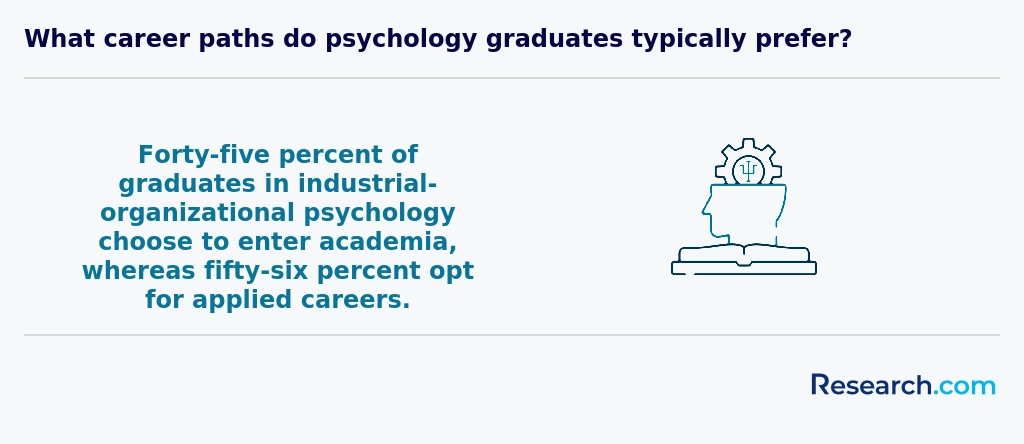
Other grads find their groove in industrial-organizational psychology, helping local businesses boost employee happiness and productivity. It's a practical option if you like mixing psychology with workplace dynamics. School psychology is big, too-those with a master's and certification get to support kids in public schools, which many find super fulfilling.
There are also chances in social work, research, or rehab counseling-all important for community support in Grand Forks. One popular route for folks exploring counseling careers is checking out the Texas LPC career outlook, which gives good insight into professional steps. If you're curious about job opportunities with psychology degree Grand Forks grads usually enjoy, it's worth diving into these options early on.

The job market for psychology degree job outlook in Grand Forks is pretty encouraging, especially if you're studying at the University of North Dakota. Graduates often find that local healthcare systems like Altru Health System and school districts are eager to hire new psychologists and mental health counselors. Many grads share how the hands-on experience gained through internships and research projects on campus really gives them a leg up when applying for jobs in counseling, social services, or behavioral health roles.
Employment opportunities for psychology graduates Grand Forks aren't limited to just clinical roles either. Some find themselves in research positions or community outreach programs where they can help create and support mental health initiatives. Licensing here generally means passing the state-required exams and getting supervised hours, but many grads find the process manageable with local mentorship.
For those interested in expanding their scope, diving into social work might be a smart move-you can actually explore related online options here. Overall, the market feels vibrant, and local employers truly appreciate candidates who understand the community's unique needs.
2027 Most Popular Psychology Degree Programs Ranking in Grand Forks
Investing in your education is a significant decision that can shape your future, and the Research.com team understands the importance of making informed choices. To assist prospective students in Grand Forks, we have meticulously crafted the "2027 Most Popular Psychology Degree Programs Ranking in Grand Forks." Our commitment to quality, credibility, and accuracy is reflected in the extensive research and analysis conducted to compile this ranking.
We utilized the following reputable data sources to ensure a comprehensive evaluation of psychology degree programs:
By exploring this ranking, readers will gain valuable insights into the most popular psychology degree programs available in Grand Forks, helping them make informed decisions about their educational paths. For more details on our methodology, please visit our Research.com methodology page.

Frequently Asked Questions About psychology
Psychology students in Grand Forks can enhance their learning by engaging with local research opportunities and community-focused internships. The University of North Dakota, a key institution in the area, offers students access to state-of-the-art labs and collaboration with faculty on ongoing studies. According to the university's latest reports, about 60% of psychology undergraduates participate in research projects before graduation.
Joining regional psychology organizations or attending workshops in Grand Forks can also broaden practical knowledge and networking. Additionally, students benefit from volunteering at local mental health clinics, gaining real-world experience that complements academic coursework.
The field of psychology continues to expand with several emerging niches gaining attention, particularly for students pursuing degrees in Grand Forks. One growing area is neuropsychology, which explores how brain injuries and neurological conditions impact behavior and cognitive function. Graduate programs in North Dakota increasingly offer specialized research opportunities in this domain. Another niche is forensic psychology, bridging psychology and the legal system, which reflects rising local demand in nearby judicial and correctional institutions.
Health psychology also shows promise, focusing on how psychological factors affect physical health, aligning with increasing regional healthcare initiatives. Additionally, technology-driven specializations like cyberpsychology, examining human interaction with digital environments, are emerging, though still rare in Grand Forks curricula. According to the American Psychological Association, these areas represent the future growth sectors in psychology careers nationwide, which is relevant to Grand Forks as educational programs evolve accordingly.
Preparing for the job market after completing a psychology degree in Grand Forks involves strategic steps to enhance employability. Graduates should gain practical experience through internships or volunteer positions, often available at local clinics or Grand Forks schools. According to the U.S. Bureau of Labor Statistics, the demand for psychologists in North Dakota is steady, with opportunities primarily in healthcare, education, and social services.
Networking is crucial; joining professional organizations such as the North Dakota Psychological Association can provide valuable connections. Further certification or a master's degree may be necessary for clinical roles, so planning continued education is advisable. Developing strong research and communication skills also increases job prospects.
Employers in Grand Forks seek psychology graduates with strong analytical and communication skills. Graduates must be able to interpret data and explain complex concepts clearly to clients and colleagues. According to the U.S. Bureau of Labor Statistics, critical thinking is crucial for roles in counseling and research.
Interpersonal skills also rank highly, as many psychology jobs involve working directly with individuals or groups. Emotional intelligence helps graduates build trust and rapport, which is essential in clinical and social service settings common in Grand Forks.
Additionally, skills in research methods and familiarity with psychological software are valued for data-driven positions. Employers appreciate graduates who demonstrate ethical judgment and professionalism, aligning with national psychology standards.
Finding internships in Grand Forks relevant to a psychology degree involves leveraging local resources and university connections. The University of North Dakota (UND) is the primary institution offering psychology programs here, often assisting students in securing internships.
Students should explore opportunities at UND's Psychology Department, which partners with local clinics, schools, and community services. These internships provide practical experience in clinical, counseling, and research settings.
Additionally, Grand Forks has several health centers and behavioral organizations that occasionally offer internships suitable for psychology majors, such as mental health clinics and rehabilitation centers.
National databases like the American Psychological Association's (APA) internship locator can also help narrow down local options.
A psychology degree in Grand Forks can significantly enhance career mobility and advancement in the region. According to the U.S. Bureau of Labor Statistics, employment for psychologists is projected to grow by 6% nationally through 2031, reflecting steady demand. In Grand Forks, the presence of healthcare facilities and educational institutions creates diverse job opportunities for psychology graduates.
Holding a degree often qualifies candidates for entry-level roles such as behavioral health technicians or case managers, with potential to progress into counseling or research positions. Advanced degrees increase prospects for licensure as a psychologist, which typically leads to higher earning potential and leadership roles. Employers in the area value psychological expertise in health, education, and social services, supporting local career growth.
Studying for a psychology degree in Grand Forks offers a strong foundation for interdisciplinary roles by combining core psychological principles with practical applications. Local programs emphasize collaboration with fields such as healthcare, education, and social services, reflecting the growing need for professionals who can navigate complex, multifaceted challenges.
Universities in Grand Forks integrate coursework that covers behavioral science, cognitive psychology, and research methods, fostering skills valuable across multiple disciplines. According to the National Center for Education Statistics, interdisciplinary training improves employment prospects, especially in community health and counseling roles prominent in North Dakota.
Additionally, partnerships with local institutions provide students hands-on experience in real-world settings, enhancing their ability to work with diverse teams and populations. This approach readies graduates to contribute effectively in healthcare, education, human services, and business environments.
Choosing between a thesis and a non-thesis psychology degree program in Grand Forks depends on your career goals and learning preferences. A thesis program typically requires original research and a formal written document, making it ideal for students planning to pursue doctoral studies or research careers. Non-thesis programs focus more on coursework and practical experience, which suits those aiming to enter psychology-related professions directly after graduation.
Local universities like the University of North Dakota offer both options, reflecting national trends where about 60% of psychology master's students choose non-thesis tracks for faster completion. According to the National Center for Education Statistics, thesis programs often take longer but provide deeper research skills.
Students based in Grand Forks who wish to study psychology abroad have several pathways through U.S. higher education institutions that offer exchange programs and study abroad options. The University of North Dakota (UND), the primary institution in Grand Forks, partners with universities in Europe and Asia where psychology students can complete part of their coursework. According to the Institute of International Education, about 14% of U.S. psychology students engage in study abroad programs during their degrees, often enhancing their cultural competence and research perspectives.
Such programs typically last from a single semester to a full academic year, allowing students to take psychology courses abroad while earning credits toward their UND degrees. Students interested in clinical or research psychology often benefit from exposure to diverse methodologies and global mental health issues.
Students pursuing psychology degrees in Grand Forks can enhance their education through several part-time job opportunities that provide practical experience. Working as a research assistant at the University of North Dakota offers hands-on exposure to psychological studies and data analysis, enriching academic knowledge.
Local mental health clinics and counseling centers often hire part-time aides or interns. These roles allow students to observe therapy sessions and assist with administrative tasks, helping develop client interaction skills.
Additionally, jobs in social services, such as case aides or community support workers, can deepen understanding of diverse populations and behavioral health challenges. According to the Bureau of Labor Statistics, these experiences improve employment prospects post-graduation.
Psychology students in Grand Forks benefit from multiple networking opportunities that support their academic and professional growth. The University of North Dakota (UND) houses an active Psychology Club, offering students chances to connect with peers and faculty through events and guest lectures.
Additionally, UND's partnership with local mental health organizations provides internships and volunteer placements, aiding practical experience and networking with professionals in the field. Regional conferences, such as those hosted by the North Dakota Psychological Association, allow students to present research and meet experts across the state.
These avenues help psychology students in Grand Forks build valuable relationships crucial for career advancement.
Alumni networks offer valuable support to psychology degree students in Grand Forks by providing access to professional connections and mentorship opportunities. Graduates often share job leads and internship openings, which can be critical in fields like psychology where practical experience matters.
According to the National Association of Colleges and Employers, 85% of jobs are obtained through networking. Local alumni from the University of North Dakota's psychology program frequently participate in events and workshops, helping current students build relationships with professionals in clinical, counseling, and research psychology.
These networks also offer guidance on licensure processes specific to North Dakota, which can be complex for new graduates. Furthermore, alumni connections can boost students' chances of admission into competitive graduate programs and specialized training courses in the region.
Students pursuing psychology degrees in Grand Forks have several ways to customize their programs to align with specific career goals. Many universities in the area offer elective courses in specialized fields such as clinical psychology, counseling, or industrial-organizational psychology. Choosing from these electives allows students to develop expertise tailored to their interests.
Additionally, some programs provide opportunities for research projects or internships with local mental health agencies or businesses, offering practical experience. According to the National Center for Education Statistics, hands-on experience improves graduate employability by nearly 30% in psychology-related fields nationally.
Advisors often help in selecting courses and extracurriculars to create a focused academic plan.
Psychology students in Grand Forks often encounter challenges related to balancing rigorous coursework and practical experience. The field demands strong critical thinking and research skills, which can be difficult to master alongside other responsibilities. According to data from the National Center for Education Statistics, psychology programs nationwide report a 15% dropout rate, often due to academic pressure.
In Grand Forks specifically, access to internships can be competitive, as local clinics and mental health centers offer limited placement opportunities. Students must actively seek diverse volunteer experiences to build resumes.
Financial strain is another issue; while tuition at regional institutions is moderate, additional costs for textbooks and materials add up.
With a psychology degree in Grand Forks, graduates can pursue various professional certifications that enhance career opportunities. Common certifications include Licensed Professional Counselor (LPC) and Licensed Psychologist credentials, which require specific graduate education and supervised hours. The National Board for Certified Counselors offers the National Certified Counselor (NCC) certification, widely recognized in North Dakota.
Additionally, certification as a Certified Alcohol and Drug Counselor (CADC) is available for those interested in substance abuse counseling. Local data from the North Dakota Board of Psychology highlights growing demand for licensed professionals in the Grand Forks area, reflecting increased mental health awareness.
These certifications often require passing exams and continuing education to maintain licensure and expand professional expertise.
To write a winning application for a psychology program in Grand Forks, start by clearly demonstrating your passion for psychology and career goals. Local programs, such as those at the University of North Dakota, often look for strong academic records, especially in psychology-related courses. Highlight relevant experience, including internships or volunteer work in mental health settings, which shows practical commitment.
Be sure to carefully follow the application instructions, including submitting all required documents on time. Writing a concise, reflective personal statement that explains why you chose psychology and how you plan to contribute to the community can make a difference.
According to the National Center for Education Statistics, psychology remains among the top five most popular majors in the U.S., so standing out is key.
Finally, obtaining strong recommendation letters from professors or professionals familiar with your abilities can boost your application's credibility.
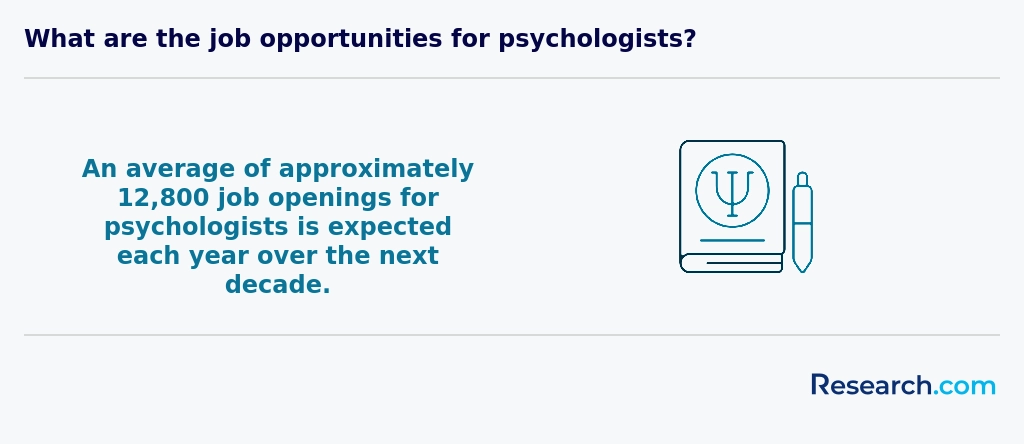
The global perspective on a psychology career highlights the growing demand for mental health professionals worldwide. In the United States, including Grand Forks, psychology is recognized as a versatile field offering opportunities in clinical, educational, and research settings. According to the U.S. Bureau of Labor Statistics, employment for psychologists is expected to grow 8% from 2022 to 2032, faster than the average for all occupations.
In Grand Forks, graduates with psychology degrees can pursue roles in healthcare, schools, and social services, benefiting from a strong network of regional mental health organizations. Internationally, psychology careers emphasize cultural competence and evidence-based practice, skills also valued in the US job market. Research from the American Psychological Association supports these trends, recommending that students gain practical experience and cross-cultural understanding to succeed globally.
Gaining practical experience while studying psychology in Grand Forks is crucial for career readiness. Many students secure internships through local organizations like the Altru Health System and community mental health centers. These placements allow hands-on exposure to clinical and counseling settings under professional supervision.
University programs often include research assistant positions, giving students valuable experience in data collection and analysis. For example, the University of North Dakota offers research opportunities in behavioral science, supported by grants from the National Institutes of Health.
Volunteering at non-profits or crisis hotlines is another way to build skills and networks. Participation in supervised practicum courses is typically required in advanced psychology degrees to meet licensure criteria.
Choosing the right concentration within a psychology degree program in Grand Forks begins with understanding your career goals and interests. Psychology offers diverse paths such as clinical, counseling, developmental, or industrial-organizational psychology. Students should explore local job market trends; for example, behavioral health jobs in North Dakota are expected to grow by 10% from 2020 to 2030, according to the U.S. Bureau of Labor Statistics.
Consider program offerings at institutions like the University of North Dakota, which provide specialized tracks aligned with regional workforce needs. Investigate faculty expertise and internship opportunities that match your preferred concentration. Lastly, review licensure requirements if your goal is to become a licensed psychologist in North Dakota.
- 2027 Most Popular Psychology Degree Programs Ranking in Minneapolis
- 2027 Most Popular Psychology Degree Programs Ranking in Saint Paul
- 2027 Most Popular Psychology Degree Programs Ranking in Lincoln
- 2027 Most Popular Psychology Degree Programs Ranking in Denver
- 2027 Most Popular Psychology Degree Programs Ranking in Saint Louis
- 2027 Most Popular Psychology Degree Programs Ranking in Springfield
- 2027 Most Popular Psychology Degree Programs Ranking in Detroit
- 2027 Most Popular Psychology Degree Programs Ranking in Tulsa
- 2027 Most Popular Psychology Degree Programs Ranking in Cleveland
- 2027 Most Popular Psychology Degree Programs Ranking in Cincinnati
See What Experts Have To Say About Studying Psychology
Read our interview with Psychology experts

Catherine Caldwell-Harris, Ph.D.
Psychology Expert
Associate Professor of Psychology
Boston University

Robin M. Kowalski. Ph.D.
Psychology Expert
Professor of Psychology
Clemson University

Joann Farrell Quinn, Ph.D., MBA
Psychology Expert
Director at the College of Medicine Department of Medical Education
Morsani College of Medicine

- Financial Aid for Psychology Students https://www.onlinepsychologydegrees.com/financial-aid/
- What Certifications Can I Get With A Bachelor's In Psychology? https://www.psychology.org/resources/certification-skills-for-psychology-major-resumes/
- North Dakota Psychology Doctorate Programs 2025 Guide https://psydprograms.org/north-dakota-psychology-doctorate/
- Call for papers https://www.hogrefe.com/us/journal/international-perspectives-in-psychology-research-practice-consultation
- Know more about thesis vs non- thesis: what is the difference? https://studyfans.com/en/blogs/816
- Ontario Psychological Association - Networking and Community Resources https://www.psych.on.ca/become-a-member-(1)/member-services/networking-and-community-resources
- How to help students cope with mental health challenges https://www.eaie.org/resource/help-students-cope-mental-health-challenges.html
- Best North Dakota Psychology Degrees Updated for 2025, Online Included https://www.psychologydegrees.org/state/north-dakota
- Psychology - SWPS University https://english.swps.pl/academics/warsaw/ba-programs/psychology
- Financial Aid | Josef's School of Hair, Skin & Body https://josefsschoolofhairdesign.com/financial-aid/


