
2027 Best Psychology Degree Programs Ranking in Pennsylvania

Co-Founder and Chief Data Scientist
Choosing the right psychology degree program can shape your future in meaningful ways. This article presents the 2027 Best Psychology Degree Programs Ranking in Pennsylvania, developed by the Research.com team of data scientists to guide you toward the top options available.
Whether you're passionate about understanding human behavior or aiming for a rewarding career, this ranking helps you make an informed decision. Exploring these programs can open doors to exciting opportunities and personal growth.
Take the first step toward a fulfilling path in psychology today.
Key benefits of getting psychology degree in Pennsylvania
- Salary Potential: Graduates with a psychology degree in Pennsylvania can earn rewarding salaries, such as Clinical Research Associates making around $62,370 annually and Marketing Research Analysts earning about $83,190 per year, offering financial stability in diverse roles.
- Career Opportunities: Psychology graduates from universities like Penn State often pursue careers in human resources, research analysis, or clinical roles, opening doors to meaningful work that impacts communities and organizations positively.
- Online Degree Benefits: Earning a psychology degree online from schools like Drexel University allows flexible scheduling and the ability to work while studying, making education more accessible and tailored to busy lifestyles without sacrificing quality.
- 2027 Best Psychology Degree Programs Ranking in Pennsylvania
- What can I expect from psychology degree in Pennsylvania?
- Where can I work with psychology degree in Pennsylvania?
What can I expect from psychology degree in Pennsylvania?
The average cost of pursuing a psychology degree in Pennsylvania varies, but many students find tuition rates to be competitive compared to national averages. Graduates from universities like the University of Pennsylvania and Temple University often recall balancing tuition with financial aid and assistantships, which helped ease the financial burden during graduate studies. One graduate shared how securing a teaching assistantship enabled deeper engagement with research while supporting living expenses.
Undergraduate students at state universities might expect a more affordable tuition rate but often appreciate the quality of education and APA-accredited programs that prepare them well for advanced study or entry-level roles. It's common for psychology students to anticipate expenses not just for tuition but also for materials, practicum placements, and exam fees for licensure.
Looking forward, there's optimism that Pennsylvania schools will expand financial support options as demand for mental health professionals grows. This means prospective psychology students might increasingly benefit from scholarships and practical experience funding, making degrees more accessible without sacrificing educational quality.
Where can I work with psychology degree in Pennsylvania?
Graduates with a psychology degree from universities like the University of Pennsylvania or Penn State often find themselves drawn to diverse career paths across Pennsylvania's thriving job markets. Many enter healthcare settings such as hospitals or private practices, where they support mental health initiatives and provide counseling services, experiencing firsthand the rewarding challenge of improving community wellbeing.
Others pursue roles in educational institutions, from public schools to large research universities, working as school psychologists or academic researchers. These positions allow graduates to witness the direct impact of their work on student success and development, creating a sense of fulfillment rooted in empowering young minds.
Emerging trends also point to growing opportunities in business and government sectors, where industrial-organizational psychology graduates assist companies in boosting employee satisfaction and productivity. Pennsylvania's urban centers like Philadelphia and Pittsburgh offer vibrant environments for such careers, blending psychology with corporate strategy.
Research and policy roles with state agencies or nonprofits increasingly attract graduates eager to contribute to public health initiatives, data-driven programs, and innovative social policies-potentially shaping the future of mental health care in the state.
Graduates with psychology degrees from well-known Pennsylvania institutions like Penn State or Temple University are entering a dynamic job market where earnings reflect their chosen career path. For example, those stepping into roles as marketing research analysts can anticipate a mean annual wage around $83,190, a figure that speaks to rewarding potential in data-driven psychology applications within business.
Meanwhile, entry-level graduates working as clinical research associates or survey researchers typically see salaries near $62,370 per year. These positions offer hands-on experience in research settings, which many find both intellectually stimulating and professionally fulfilling.
Human resources specialists with psychology backgrounds earn on average about $76,060 annually in Pennsylvania. This role often attracts graduates from universities such as Drexel University, combining people skills with organizational strategy.
Those who start as childcare workers might expect salaries near $32,070, but this can be a stepping stone to advanced roles. Positive student experiences show that pursuing higher degrees or certifications in Pennsylvania can open doors to much higher salaries and specialized fields.
- Psychology programs in Pennsylvania are available at various institutions, offering associate, bachelor's, master's, and doctoral degrees.
- In-state public university tuition ranges from $15,000 to $20,000 per year, while private universities can exceed $35,000 annually.
- Entry-level psychologists typically earn between $50,000 and $60,000 per year in Pennsylvania.
- Experienced clinical or counseling psychologists can earn median salaries from $75,000 to $90,000 annually, depending on specialization and location.
- Psychology jobs in Pennsylvania are expected to grow by about 8% over the next decade, with employment opportunities in hospitals, clinics, government, and academic settings.
- Licensure for clinical psychologists generally requires an accredited doctoral degree, supervised experience, and passing a national exam.
In Pennsylvania, completing a psychology degree typically aligns with national standards but offers a variety of pathways that suit different student lifestyles and goals. For example, graduates from institutions like Penn State or Temple University often share that a bachelor's degree in psychology generally takes about four years of focused study, balancing core courses with electives that spark their unique interests.
Many students praise the flexibility in master's programs at places like Drexel University, where the usual two-year commitment can feel dynamic and engaging, especially when paired with research or practicum opportunities. This hands-on experience often makes the demanding timeline feel rewarding and purposeful.
Doctoral candidates at universities such as the University of Pittsburgh often describe their 5 to 7 years beyond the bachelor's as an intense but transformative journey, filled with deep research, internships, and dissertation writing. These immersive years are often seen as a crucial investment in their future professional impact, fostering both confidence and expertise.
Emerging trends toward part-time and accelerated options may soon offer Pennsylvania students even more ways to tailor their degree duration, allowing them to thrive academically while balancing life commitments.
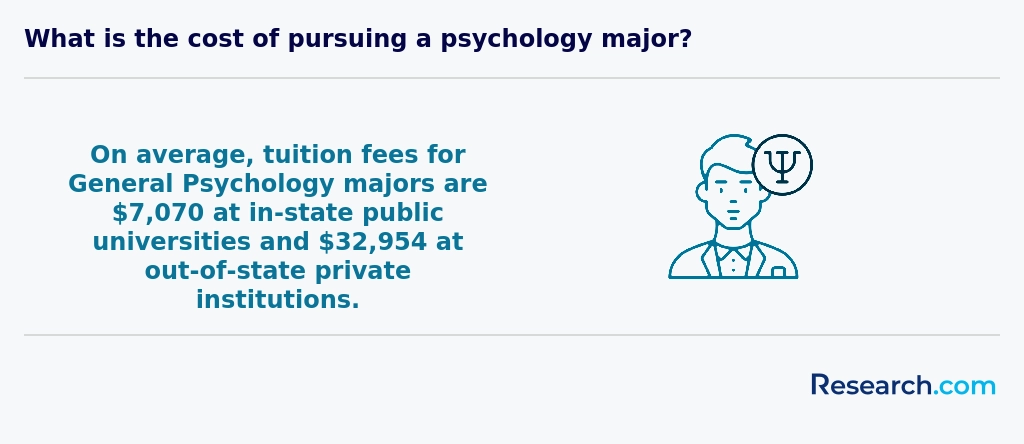
When planning for a psychology degree, understanding how Pennsylvania’s tuition and fees stack up against other states can help you make cost-effective decisions. In Pennsylvania, the average in-state tuition for a bachelor’s program is approximately $7,070 per year at public institutions, while private colleges can charge upwards of $32,000 annually. By contrast, some states offer significantly lower rates without compromising program quality. For example, South Dakota’s public universities often have total annual costs under $6,000 for in-state students. Exploring out-of-state programs may require additional considerations-such as residency requirements and potential travel expenses-but the savings can be substantial. To see a comprehensive ranking of the most budget-friendly psychology programs in a neighboring region, check out the Cheapest Psychology Degree Programs Ranking in South Dakota. This resource highlights institutions where tuition, fees, and living costs combine to offer one of the lowest price points nationwide. Before committing, weigh factors like accreditation, curriculum alignment, and clinical placement opportunities alongside sticker price. Some highly affordable programs still provide robust research labs, practicum experiences, and licensure support. By comparing total cost of attendance-including scholarships, grants, and on-campus work-study options-you can determine whether an out-of-state school offers genuine value or if staying in Pennsylvania remains the best investment for your career goals.
Choosing between online and on-campus psychology degrees in Pennsylvania shapes not only how you learn but also your daily experience. Graduates from Penn State recall how on-campus classes helped them thrive through face-to-face discussions and hands-on lab work, building confidence in clinical skills that online courses can struggle to provide. Conversely, those completing online programs appreciated the flexibility to juggle jobs or family, studying asynchronously without the commute to urban centers like Philadelphia or Pittsburgh. This freedom allowed many to tailor learning around their busy lives, creating a less stressful journey.
On-campus programs offer immersive opportunities-like attending Temple University's counseling center workshops or joining psychology clubs-that foster deep connections with peers and professors. Online students may miss out on these but often find virtual networking groups and digital mentorships growing stronger, hinting at a future where geographic barriers fade. Pennsylvania's licensing rules requiring supervised hours typically push students toward local internships, so on-campus learners often find it easier to secure these pivotal experiences. Still, as technology and support systems evolve, online options may increasingly replicate the rich practical training once exclusive to campus settings.
Understanding the return on investment (ROI) is critical when selecting a psychology program. In Pennsylvania, the average bachelor’s graduate incurs $28,000 in student debt while earning a median starting salary of $48,000. This translates to a payback period of approximately 7–8 years, depending on living expenses and repayment plans. Key ROI Factors: 1. Tuition vs. Earnings: In-state public universities average $23,158 per year, whereas private institutions can exceed $33,000. Graduates report that programs with strong internship pipelines often accelerate early-career promotions, boosting ROI. 2. Debt Management: Federal income-driven repayment plans and loan forgiveness for mental health professionals can significantly reduce long-term costs. Many graduates secure partial loan forgiveness by working in underserved Pennsylvania communities. 3. Salary Trajectory: Entry-level roles such as Human Resources Specialist begin around $73,080, while clinical psychologists with licensure can exceed $85,000 within five years of experience. Advanced degrees further compound earnings potential. Maximizing Your ROI:
- Choose programs with integrated assistantship or stipends to offset tuition.
- Leverage on-campus research opportunities to strengthen your resume and qualify for competitive roles.
- Compare affordability across regions-if you’re open to online or out-of-state options, explore our Cheapest Psychology Degree Programs Ranking in South Dakota for insights on cost-effective pathways. By carefully weighing tuition costs, financial aid options, and career outcomes, Pennsylvania students can ensure their psychology degree delivers both personal fulfillment and financial stability.
The average cost of obtaining a psychology degree in Pennsylvania varies but typically centers around a median total cost of about $54,116, with in-state students often paying closer to $36,885. Students attending well-known state schools or private universities report that these figures align with their experiences, reflecting tuition, fees, and essential expenses across four years. For example, a graduate from a large public university in Pennsylvania might recall balancing tuition payments with financial aid and on-campus job opportunities, which made the investment feel manageable despite the upfront costs.
Understanding the total expenses for psychology degree Pennsylvania students face today also includes books, supplies, and sometimes clinical training fees-key to gaining hands-on experience. Graduates often highlight the rewarding nature of their programs and how financial aid, scholarships, or assistantships softened the overall financial burden, allowing them to focus on their passion for psychology.
Beyond traditional undergraduate paths, those exploring graduate psychology options commonly encounter higher tuition ranges, often extending beyond $30,000 annually depending on specialization and research commitments. For motivated learners looking to expedite their career, considering an accelerated masters in psychology can be a cost-effective route, offering shorter program lengths and potentially lower cumulative expenses.

Navigating a psychology degree program goes beyond choosing the right curriculum-it also means tapping into the vital resources and support networks available both on and off campus. Prospective and current psychology students in Pennsylvania can benefit from a range of academic support services, career counseling, mentoring programs, and networking events that are designed to build confidence and facilitate professional growth. Many institutions offer specialized workshops in resume building, interview preparation, and even stress management, ensuring that students are well-equipped to succeed in both their studies and future careers. In addition, taking advantage of accelerated pathways can help motivated learners fast-track their education. For example, programs like the accelerated masters in psychology are tailored for individuals looking to quickly transition into advanced roles within the field. By participating in these programs, students not only gain in-depth knowledge at a faster pace but also expand their professional networks through collaborative projects and industry partnerships. Ultimately, a well-rounded educational experience in psychology is supported by a proactive approach to utilizing all available resources-whether through university career centers, alumni networks, or specialized academic programs-and these key strategies can significantly enhance both personal and professional outcomes for psychology students in Pennsylvania.
Students pursuing psychology degrees in Pennsylvania often find relief through a mix of federal, state, and institutional financial aid. For instance, graduates from well-known schools like Penn State or Temple University recall relying heavily on the Pell Grant, which can cover up to $7,395 annually without repayment, making early semesters less stressful financially. Many have also benefited from the Pennsylvania State Grant Program, which directly lowers tuition fees based on need, helping students feel supported throughout their education.
At universities such as Villanova, psychology majors frequently tap into merit-based scholarships that reward academic excellence, sometimes stacking alongside federal aid. This layered support eases the burden, allowing them to focus on engaging deeply with studies instead of financial concerns. The Pennsylvania Psychological Association's private scholarships further add to this supportive ecosystem, rewarding motivated students aiming for impactful careers.
Looking ahead, tech-driven platforms might simplify scholarship applications, increasing accessibility and fostering optimism among future psychology students navigating financial aid options in Pennsylvania.
When considering a psychology program in Pennsylvania, one of the crucial factors to evaluate is the cost and the potential return on investment. A significant aspect of this consideration is identifying the
Envision stepping into a classroom at Penn State, where graduates recall how meeting the basic prerequisite of a high school diploma or GED was just the beginning of a rewarding journey. Many found that emphasizing sciences and social studies in their earlier education unlocked a deeper understanding of psychology's fundamentals. In Pennsylvania, more students embrace test-optional policies, allowing personal passion and academic dedication to shine without test anxiety overshadowing their potential.
Those aiming for graduate programs at Temple University often share how maintaining a strong GPA, around 3.0 or higher, alongside completing prerequisite courses like statistics and research methods, opened doors to advanced learning. Letters of recommendation and hands-on research experiences also played pivotal roles, reflecting how immersive involvement can enhance candidacy.
While some students initially hesitated at GRE requirements, shifting trends favor holistic reviews of applications, making the field more accessible. These evolving prerequisites symbolize progress, fostering inclusive opportunities for aspiring psychologists across Pennsylvania.
After earning a psychology degree in Pennsylvania, many graduates enhance their career prospects through specialized certifications and ongoing education. State licensure as a psychologist requires completion of a doctoral program, supervised hours, and passing the Examination for Professional Practice in Psychology (EPPP). For those focused on applied behavior analysis, becoming a Board Certified Behavior Analyst (BCBA) opens doors in schools, healthcare, and private practice; interested candidates can research affordable pathways at a bcba school online to prepare for certification. Master’s-level graduates often pursue credentials such as Registered Behavior Technician (RBT), Licensed Professional Counselor (LPC), or Certified School Psychologist, each with unique state requirements for supervised practice and exam preparation. Continuing education is mandated annually to maintain licensure, with options including university-based workshops, accredited online courses, and professional conferences hosted by the Pennsylvania Psychological Association. To support lifelong learning, many institutions offer graduate certificates in areas like neuropsychology, forensic psychology, and health promotion. These short-term programs typically require 12–18 credits and can often be completed fully online, allowing professionals to balance work and study. Employers value these credentials for the specialized expertise and evidence-based skills they signal. Finally, psychology professionals can engage in peer-reviewed research by enrolling in doctoral programs or contributing to faculty-led studies at universities across Pennsylvania. Publishing in academic journals and presenting at state or national conferences not only satisfies continuing education credits but also elevates one’s reputation, network, and potential for tenure-track positions.
Psychology degree programs in Pennsylvania typically immerse students in a range of dynamic courses that build a solid foundation while encouraging real-world application. Graduates from well-known institutions like Penn State or Temple University often recall engaging deeply with core classes such as Introduction to Psychology, where broad concepts spark curiosity about human behavior, and Developmental Psychology, which brings to life the fascinating journey from infancy to adulthood.
Many find studying Biopsychology especially thrilling, as it reveals how brain functions shape actions-like observing firsthand how stress impacts decision-making during lab experiments at Drexel University. Cognitive Psychology courses challenge students to explore memory and problem-solving, often sharing relatable personal insights from interactive classroom activities. Social Psychology, meanwhile, enriches understanding of daily social interactions, something graduates feel enhances their empathy and communication skills.
Research Methods and Statistics stand out as critical for those wanting to contribute original knowledge, with students at University of Pittsburgh appreciating hands-on data analysis workshops that boost confidence. Abnormal Psychology prepares students emotionally and intellectually to support others, making these courses deeply rewarding and directly meaningful in Pennsylvania's diverse communities.
Students pursuing psychology degree specializations in Pennsylvania often choose paths like Clinical Psychology, Counseling, or Industrial-Organizational Psychology, each opening distinct doors. Graduates from institutions such as Pennsylvania State University and Temple University frequently share how hands-on experiences in clinical settings or corporate internships shape their readiness and passion for real-world challenges.
Emerging fields like Neuropsychology and Forensic Psychology are gaining traction, reflecting Pennsylvania's dynamic healthcare and legal climates. For example, forensic psychology students at University of Pennsylvania find unique opportunities working alongside legal professionals, which intensifies both their engagement and career prospects.
Many students appreciate how developmental and educational psychology prepare them to impact community schools or healthcare centers, thriving in the growing demand for specialized psychological services statewide. These popular psychology majors Pennsylvania universities offer often mix theory with practical placement, ensuring graduates feel confident tackling diverse client needs.
With forward-looking programs emphasizing experiential learning and partnerships, psychology students-even those studying through flexible options like a bcba school online-find Pennsylvania a perfect environment to cultivate expertise and professional joy.
Choosing the best psychology degree programs in Pennsylvania often means looking beyond just the curriculum to how the program fits your personal ambitions and lifestyle. Graduates from universities like Penn State share how engaging with faculty involved in cutting-edge research transforms their learning, making complex concepts feel tangible. Imagine joining a clinical psychology program where hands-on internships in Philadelphia's urban hospitals illuminate future career paths, combining theory with real-world impact.
Affordability is another evolving factor influencing choices. Students often weigh the cost differences between public and private institutions, with public options like the University of Pennsylvania offering competitive tuition balanced by strong alumni networks. Exploring scholarships and financial aid is crucial; some turn to rankings such as the Cheapest Psychology Degree Programs Ranking in South Dakota for inspiration on managing expenses while advancing education.
Many find that programs emphasizing licensure preparation and supervised practice in Pennsylvania provide confidence stepping into the workforce. Considering your degree's ability to open doors locally, with access to internships or job placements, shapes a fulfilling college experience while staying rooted in Pennsylvania's vibrant academic and professional communities focused on affordable psychology degrees Pennsylvania.
Graduates exploring psychology career opportunities in Pennsylvania often find exciting roles in clinical and counseling psychology, where licensed professionals support mental health in hospitals and private practices. Many graduates from universities like Penn State and Temple University describe fulfilling experiences helping diverse communities, emphasizing how state licensure ensures trusted care. School psychology is another thriving field, with demand rising in the Commonwealth's school districts; graduates often recall impactful moments assisting students' emotional growth while working toward state certification.
Research roles also attract psychology degree holders in Pennsylvania, particularly at institutions such as the University of Pittsburgh. Graduates here share enthusiasm about pioneering behavioral studies that shape future therapies and workplace practices. Emerging trends suggest increasing opportunities in industrial-organizational psychology, applying psychological insights to enhance employee well-being and productivity in Pennsylvania's corporate sectors.
Many students also weigh cost and time effectively, sometimes choosing the quickest associate degree online to begin their journey. This strategic approach opens doors to diverse jobs with a psychology degree in Pennsylvania while managing investment wisely.
Psychology graduates in Pennsylvania find encouraging job market conditions, especially in metropolitan areas like Philadelphia and Pittsburgh where healthcare and education sectors expand continuously. Graduates from well-known institutions often share positive experiences, describing how their degrees opened doors to roles in social services, behavioral health, and school psychology. The employment outlook for psychology graduates Pennsylvania shows a promising rise in demand for master's and doctoral-level professionals, particularly in clinical and counseling positions, reflecting the state's focus on mental health improvement.
Entry-level jobs for bachelor's holders tend to involve case management or human resources, while advanced degrees unlock positions requiring specialized training. Many graduates appreciate that the evolving healthcare landscape presents opportunities beyond traditional counseling, including working in rehabilitation centers or private practice. Some are even drawn to certificate programs that pay well to enhance their skills and increase their competitiveness.
Overall, the psychology job opportunities in Pennsylvania encourage a future where graduates contribute significantly to communities facing mental health challenges, fostering hope and meaningful impact in diverse settings.
2027 Best Psychology Degree Programs Ranking in Pennsylvania
Investing in your education is a significant decision that can shape your future, and the Research.com team understands the importance of making informed choices. To assist prospective students in Pennsylvania, we have meticulously crafted the "2027 Best Psychology Degree Programs Ranking in Pennsylvania." Our commitment to quality, credibility, and accuracy is reflected in the extensive research and analysis conducted to compile this ranking.
We utilized the following reputable data sources to ensure a comprehensive evaluation of psychology programs:
By exploring this ranking, readers will gain valuable insights into the best psychology degree programs available in Pennsylvania, helping them make well-informed decisions about their educational paths. For more details on our methodology, please visit our Research.com methodology page.


# 15 position
University of Pittsburgh-Pittsburgh Campus
Master of Science in Applied Developmental Psychology

# 18 position
Pennsylvania State University-Main Campus
Bachelor of Science in Psychology

# 19 position
Pennsylvania State University-Main Campus
Master of Arts in Psychology
# 20 position
Pennsylvania State University-Main Campus
Doctor of Philosophy in Psychology
Frequently Asked Questions About psychology
Psychology students in Pennsylvania can maximize their learning by actively engaging in experiential opportunities. Internships and research projects at local hospitals, mental health centers, and universities provide critical hands-on experience. Pennsylvania hosts over 100 accredited psychology programs, according to the American Psychological Association, allowing students to access diverse clinical settings.
Joining student organizations such as Psi Chi, the International Honor Society in Psychology, offers networking and mentorship prospects. Additionally, attending regional conferences like those hosted by the Pennsylvania Psychological Association helps students stay current with field developments. Utilizing university resources, including counseling centers and career services, further enhances practical skills relevant to psychology careers in the state.
Emerging niches in psychology are evolving rapidly, especially within Pennsylvania's academic and professional landscape. One notable area is neuropsychology, which explores brain-behavior relationships. This specialization benefits from Pennsylvania's strong healthcare systems and research facilities.
Another growth sector is health psychology, focusing on how mental, emotional, and social factors affect physical health. Given Pennsylvania's aging population, demand for professionals in this field is increasing significantly.
Additionally, forensic psychology is expanding, integrating psychology with the legal system. Pennsylvania's numerous law enforcement agencies and courts foster opportunities in this niche.
Increasing interest in digital mental health also marks an emerging trend, supported by local universities investing in telepsychology research and training programs.
Preparing for the job market after completing a psychology degree in Pennsylvania involves several strategic steps. Graduates should seek internships or practicum experiences, which are often required by state licensure boards and valued by employers. According to the Pennsylvania Department of State, licensure in psychology typically requires supervised experience and passing the Examination for Professional Practice in Psychology (EPPP).
Networking through local professional organizations such as the Pennsylvania Psychological Association can open doors to job opportunities. Additionally, many roles in psychology require advanced degrees, so considering graduate education can improve employment prospects. The U.S. Bureau of Labor Statistics reports Pennsylvania has a growing demand for psychologists, particularly in healthcare and educational settings.
Skills such as data analysis and familiarity with evidence-based therapies increase competitiveness. Utilizing university career services and job fairs focused on mental health can also be beneficial.
Employers in Pennsylvania highly value psychology graduates who demonstrate strong analytical and communication skills. Graduates must be able to interpret data accurately and convey findings clearly to diverse audiences, including clients and interdisciplinary teams.
Critical thinking and problem-solving abilities are essential, as nearly 35% of psychology-related jobs in Pennsylvania involve research or applied behavioral analysis, according to the U.S. Bureau of Labor Statistics (2023). These skills enable graduates to design interventions or improve organizational outcomes effectively.
Additionally, empathy and cultural competence are increasingly important due to Pennsylvania's diverse population. Employers seek graduates who can work sensitively with clients from varied backgrounds, enhancing therapeutic and counseling relationships. Proficiency with statistical software and ethical decision-making completes the skill set valued in this region.
Finding internships in Pennsylvania relevant to a psychology degree involves a combination of university resources, state-specific organizations, and online platforms. Many accredited psychology programs in Pennsylvania, such as those at Penn State and Temple University, offer dedicated internship placement services. These offices connect students with opportunities in hospitals, mental health clinics, and research centers.
The Pennsylvania Psychological Association provides listings and networking events that can help students locate internships. Additionally, platforms like Handshake and the APA's official internship database list numerous opportunities statewide.
It is also important to engage with local agencies like the Pennsylvania Department of Human Services, which often offer internships in behavioral health. Starting early and leveraging campus career centers can significantly increase your chances of securing a quality psychology internship in Pennsylvania.
A psychology degree in Pennsylvania can significantly enhance career mobility and advancement. The state offers diverse opportunities in healthcare, education, and business sectors, all valuing psychological expertise. According to the U.S. Bureau of Labor Statistics, Pennsylvania employed around 27,000 psychologists in 2022, with growth expected above the national average of 6% through 2032.
Graduates with psychology degrees often qualify for roles such as licensed counselors, clinical psychologists, or human resources specialists, each offering clear pathways for promotion. Additionally, Pennsylvania's licensure requirements align with national standards, allowing professionals to expand their practice regionally.
Higher levels of education, such as master's or doctoral degrees, typically correlate with better salary prospects and leadership roles in organizations including hospitals and schools, supported by data from the Pennsylvania Department of Labor & Industry.
Studying for a psychology degree in Pennsylvania equips students with strong interdisciplinary skills essential for various professional settings. Programs often integrate coursework from fields such as neuroscience, sociology, and education, allowing students to understand human behavior in broader social and biological contexts. According to the Pennsylvania Department of Education, many universities emphasize collaborative research projects, preparing graduates to work alongside healthcare providers, educators, and social workers.
Additionally, Pennsylvania's diverse healthcare and social service sectors provide practical opportunities for internships and applied learning. This experience enhances students' abilities to navigate complex interdisciplinary roles effectively.
Choosing between a thesis and a non-thesis psychology degree program in Pennsylvania depends on your academic and career goals. Thesis programs emphasize research skills and typically require a substantial original study, which benefits students considering doctoral studies or research careers. Non-thesis options focus more on coursework and practical experience, suitable for those aiming for professional roles in counseling or applied psychology. According to the Pennsylvania State System of Higher Education, about 60% of graduate psychology programs offer both paths. Cost and time commitments also vary, with thesis tracks often taking longer due to research demands. Investigate specific programs' requirements to align with your aspirations.
Students based in Pennsylvania seeking to study psychology abroad have several options through their home institutions. Many Pennsylvania universities with psychology programs, such as the University of Pennsylvania and Temple University, offer established study abroad partnerships in countries like the United Kingdom, Australia, and Spain. These programs often allow students to earn credits toward their degrees while experiencing diverse psychological perspectives.
According to the Pennsylvania Department of Education, participation in study abroad programs among psychology students has grown steadily, reflecting the discipline's global focus. Students may also explore summer programs or internships abroad that emphasize cross-cultural psychology, enhancing practical and research skills.
It is important for students to check with their university's psychology department and study abroad office to understand credit transfer policies and ensure their experiences align with program requirements. Organizations like the Institute of International Education provide resources and data on U.S. students studying abroad, while specific psychology-focused opportunities can be found through professional associations such as the American Psychological Association.
Students pursuing psychology degrees in Pennsylvania can benefit from various part-time jobs that complement their academic goals. Common roles include research assistants in university psychology departments, where students gain hands-on experience with data collection and analysis. According to the National Center for Education Statistics, Pennsylvania hosts over 100 institutions offering psychology-related research opportunities.
Another option is working as behavioral health technicians or aides in local clinics. The Pennsylvania Department of Labor reports a growing demand for mental health support workers, which aligns with psychology training. Similarly, positions like case aides or social services assistants in community organizations provide practical exposure to client interactions and program coordination.
These roles not only enhance understanding of psychological theories but also build valuable professional networks critical for future career advancement in Pennsylvania's mental health field.
Psychology students in Pennsylvania benefit from various networking opportunities through universities and professional organizations. Many institutions, such as the University of Pennsylvania and Penn State, host psychology clubs and events that connect students with faculty, alumni, and peers. These gatherings often include guest lectures, workshops, and research presentations.
Statewide, the Pennsylvania Psychological Association (PPA) offers memberships to students, granting access to regional conferences, mentorship programs, and job listings specifically for psychology professionals. According to PPA, student memberships increased by 15% in 2023, reflecting growing engagement.
Additionally, internships and cooperative programs with local hospitals, clinics, and research centers provide hands-on experience and valuable industry contacts. These connections are crucial for career development and graduate study admissions.
Alumni networks play a crucial role for psychology degree students in Pennsylvania by providing valuable connections within the academic and professional communities. These networks offer mentorship opportunities, enabling students to gain insights from graduates working in various psychology fields.
Students benefit from access to job listings and internships shared exclusively through alumni channels, which can improve employment prospects in a competitive market. According to the Pennsylvania Psychological Association, alumni engagement increases graduate job placement rates by up to 20% in the state.
Networking events and workshops sponsored by alumni groups also enhance students' professional skills and exposure. Such connections often lead to collaborations in research and clinical practice across Pennsylvania's diverse psychology specialties.
Students pursuing psychology degrees in Pennsylvania can customize their programs by selecting specialized tracks or concentrations that align with their career goals. Many Pennsylvania universities offer options such as clinical psychology, counseling, forensic psychology, or industrial-organizational psychology. These focus areas allow learners to tailor their coursework and research opportunities.
Additionally, students may choose electives or internships within Pennsylvania's diverse clinical and research settings. According to the Pennsylvania Department of Education, practicum and internship placements are often required for licensure, helping students gain hands-on experience in real-world environments.
Some institutions also provide flexible scheduling, including online courses, to accommodate working professionals seeking to advance specific skills or credentials in psychology-related fields.
Psychology students in Pennsylvania often face several common challenges during their studies. One significant hurdle is the highly competitive nature of graduate programs within the state. Many accredited Pennsylvania institutions have rigorous admission standards, making acceptance rates lower than average. For example, top programs at universities such as the University of Pennsylvania and Penn State have acceptance rates below 15%, according to recent data from U.S. News & World Report.
Another challenge is the demanding balance between coursework, research, and clinical practicums. Students must often complete extensive hands-on training hours to meet licensure requirements set by the Pennsylvania State Board of Psychology, which can exceed 1,500 hours for doctoral candidates.
Financial concerns also frequently arise, with tuition costs averaging above the national median. According to the College Board, Pennsylvania's average annual tuition for in-state psychology programs approaches $14,000, not including fees or living expenses.
Finally, navigating licensure and certification procedures can be complex, requiring students to stay informed about state-specific laws and continuing education mandates to maintain professional eligibility.
With a psychology degree in Pennsylvania, you can pursue several professional certifications that enhance your career prospects. One common certification is the Licensed Psychologist credential, regulated by the Pennsylvania State Board of Psychology. To qualify, candidates must complete a doctoral degree, pass the Examination for Professional Practice in Psychology (EPPP), and fulfill specific supervised experience hours.
Other certifications include Licensed Professional Counselor (LPC) and Certified Alcohol and Drug Counselor (CADC). LPCs focus on counseling mental health issues, while CADCs specialize in substance abuse treatment. Both require a master's degree or higher, relevant supervised experience, and passing state licensing exams.
The Pennsylvania Department of State provides detailed licensing requirements and statistics on professionals in these fields, ensuring clarity for prospective certification candidates.
To write a winning application for a psychology program in Pennsylvania, start by thoroughly researching the specific requirements of each university. Many schools, including Penn State and Temple University, emphasize strong academic records and relevant experience. Highlight your GPA, especially in psychology-related courses, as the average admitted GPA typically ranges from 3.3 to 3.7, according to U.S. Department of Education data.
Include a compelling personal statement that clarifies your passion for psychology and career goals. Pennsylvania programs often value applicants who demonstrate research experience or internships. Letters of recommendation should come from professors or professionals familiar with your psychological expertise.
Standardized test scores, such as the GRE, are still required by some programs, but many Pennsylvania schools have started waiving this due to recent trends.
Finally, tailor each application to the program's specialty, whether clinical, counseling, or industrial-organizational psychology, to show alignment with their focus and faculty expertise.
A psychology career offers diverse opportunities shaped by global and local trends. In Pennsylvania, psychology professionals benefit from alignment with U.S. standards, which emphasize evidence-based practice and licensure requirements.
Worldwide, psychology increasingly addresses multicultural and international issues. The American Psychological Association (APA) highlights that psychologists must understand cultural contexts, making global perspectives crucial for Pennsylvania students entering a connected world.
Data from the Bureau of Labor Statistics indicate that employment for psychologists in Pennsylvania is expected to grow by 10% through 2031, reflecting the increasing demand for mental health services nationwide.
Globalization encourages collaboration across borders, expanding research and clinical practices. For Pennsylvania students, this means psychology degrees not only prepare them for local jobs but also equip them to engage in international discourse and practices.
Gaining practical experience is crucial for psychology students in Pennsylvania. Many universities offer internships through partnerships with local hospitals, mental health clinics, and schools. The Pennsylvania Psychological Association highlights that these placements provide hands-on learning opportunities while earning academic credit.
Students can also engage in research assistant positions, contributing to studies conducted by faculty. This experience is valuable for those considering graduate school or research careers. Additionally, some programs encourage volunteer work in community organizations, enhancing clinical skills and professional networking.
Licensing boards recommend accumulating supervised hours during studies, which helps meet requirements for future certifications. Exploring these options early in your education strengthens your resume and practical understanding.
Choosing the right concentration within a psychology degree program in Pennsylvania involves considering your career goals and interests. The state offers diverse options, such as clinical, counseling, industrial-organizational, and forensic psychology, reflecting the demand in Pennsylvania's job market. For example, clinical psychology is popular due to the state's growing need for mental health professionals, supported by data from the Pennsylvania Department of Labor & Industry.
It is important to research program curricula and faculty expertise at universities like Penn State and Temple University. They often provide statistics on graduate employment, which can guide your decision toward concentrations with strong career prospects.
Think about licensure requirements in Pennsylvania, as some concentrations require specific supervised hours and exams. Consulting resources like the Pennsylvania State Board of Psychology ensures you select a concentration aligned with licensure pathways.
Additionally, consider available internships or practicum opportunities within your target concentration to gain relevant experience before graduating.
- 2027 Best Psychology Degree Programs Ranking in Delaware
- 2027 Best Psychology Degree Programs Ranking in Maryland
- 2027 Best Psychology Degree Programs Ranking in Connecticut
- 2027 Best Psychology Degree Programs Ranking in Indiana
- 2027 Best Psychology Degree Programs Ranking in Maine
- 2027 Best Psychology Degree Programs Ranking in Georgia
- 2027 Best Psychology Degree Programs Ranking in Illinois
- 2027 Best Psychology Degree Programs Ranking in Alabama
- 2027 Best Psychology Degree Programs Ranking in Florida
- 2027 Best Psychology Degree Programs Ranking in Iowa
See What Experts Have To Say About Studying Psychology
Read our interview with Psychology experts

Robin M. Kowalski. Ph.D.
Psychology Expert
Professor of Psychology
Clemson University

Elizabeth L. Jeglic Ph.D.
Psychology Expert
Professor of Psychology
City University of New York

Joann Farrell Quinn, Ph.D., MBA
Psychology Expert
Director at the College of Medicine Department of Medical Education
Morsani College of Medicine

- What Certifications Can I Get With A Bachelor's In Psychology? https://www.psychology.org/resources/certification-skills-for-psychology-major-resumes/
- How to help students cope with mental health challenges https://www.eaie.org/resource/help-students-cope-mental-health-challenges.html
- Study Psychology Abroad https://astarfuture.co.uk/study_psychology_abroad.html
- Psychology Programs and Careers in Pennsylvania | Online Degrees https://www.onlinepsychologydegrees.com/states/pennsylvania/
- Mental Health Challenges Faced by Psychology Students | The Healthcare Guys https://healthcareguys.com/2023/11/23/mental-health-challenges-faced-by-psychology-students/
- Program Details: https://www.eastern.edu/academics/online-undergraduate-programs/ba-psychology-online
- Psychology | York College of Pennsylvania https://www.ycp.edu/academics/programs/psychology
- Psychology - SWPS University https://english.swps.pl/academics/warsaw/ba-programs/psychology
- Know more about thesis vs non- thesis: what is the difference? https://studyfans.com/en/blogs/816
- Why Get a Psychology Degree Online? | University of Bridgeport https://www.bridgeport.edu/news/reasons-to-get-your-psychology-degree-online/


