2027 Best Psychology Degree Programs Ranking in Florida

Co-Founder and Chief Data Scientist
Choosing the right psychology degree program is an important step for students in Florida who want to make a meaningful impact in mental health and human behavior. This article presents the 2027 Best Psychology Degree Programs Ranking in Florida, carefully developed by the Research.com team of data scientists to guide you toward the top programs worth your consideration.
Discover programs that align with your goals while gaining insight into the benefits of pursuing a psychology degree. Reading this ranking can help you feel confident and motivated as you plan your educational journey.
Key benefits of getting psychology degree in Florida
- A psychology degree in Florida can lead to rewarding roles like Human Resources Specialist with a mean annual wage of $76,060 or Marketing Research Analyst earning around $83,190, offering strong financial stability.
- Graduates from Florida State University have diverse career paths including clinical research, marketing analysis, and human resources, highlighting exciting opportunities to apply psychology in many fields.
- Online psychology degrees from the University of Central Florida allow flexible study schedules and cost savings, making education accessible while balancing work or family life for a stress-free learning experience.
- 2027 Best Psychology Degree Programs Ranking in Florida
- What can I expect from psychology degree in Florida?
- Where can I work with psychology degree in Florida?
What can I expect from psychology degree in Florida?
The average cost of a psychology degree in Florida varies depending on the type of institution you choose. Graduates from the University of Florida or Florida State University often note that tuition for in-state public schools ranges from approximately $6,000 to $7,000 per year for undergraduate programs. Those attending private colleges or pursuing graduate studies, like a Master's or PsyD, may face yearly costs between $20,000 and $30,000.
Many students highlight the value of financial aid options specific to psychology, including scholarships and assistantships available at universities such as the University of South Florida. These funds can significantly reduce the overall expense, making the commitment feel manageable. For instance, some graduates recall balancing part-time internships while benefiting from scholarships, allowing them to gain experience without overwhelming debt.
It's important to factor in additional costs like textbooks, practicum fees, and licensing exam preparation. Students at Florida institutions often share how hands-on experience through practicum placements in hospitals or community centers adds practical skills that justify the investment, enhancing career readiness after graduation.
Where can I work with psychology degree in Florida?
With a psychology degree in Florida, you can step into diverse career paths across healthcare, education, research, social services, and corporate sectors. Graduates from the University of Florida or Florida State University often find roles in hospitals or clinics around Miami, Tampa, or Orlando, where licensed clinical psychologists provide essential mental health support. Earning state certification is key here.
Many graduates work in Florida's schools and universities as counselors or school psychologists, helping students overcome behavioral or learning challenges - especially in underserved communities. If research interests you, positions at institutions like the University of Miami allow you to contribute to cognitive or social psychology projects while gaining valuable experience.
Social service agencies and non-profits also employ psychology graduates to support vulnerable groups, such as children or the elderly, aligning with Florida's community health efforts. Others choose corporate roles in Jacksonville's business scene, applying psychology principles in human resources or market research to boost employee and consumer engagement.
Graduates with a psychology degree in Florida can expect varying salaries based on their chosen career paths and education levels. For example, many entry-level graduates who work in roles like childcare workers earn around $32,070 annually, according to BLS data. Others who move into fields such as clinical research associate or survey researcher positions typically make about $62,370 per year. These figures reflect common paths for those starting out after studying psychology at institutions like the University of Florida or Florida State University.
For graduates aiming towards human resources specialties, the mean annual wage rises to approximately $76,060, offering a more comfortable living in urban areas like Miami or Tampa. Meanwhile, marketing research analyst roles, often pursued by psychology graduates leveraging their analytical skills, provide an average salary near $83,190 yearly.
Pathways combining advanced skills with practical experience allow Florida psychology graduates to secure jobs with stable and rewarding pay, especially when they invest in further certifications or graduate degrees. This pragmatic approach ensures steady career growth and increasing earnings.
- In-state tuition for a bachelor's in psychology at public Florida universities ranges from $6,500 to $10,000 per year.
- Private colleges in Florida may charge over $25,000 annually for psychology programs.
- Entry-level psychologists in Florida earn around $50,000 to $55,000 annually, with potential to reach $80,000 to $110,000 with advanced degrees and licensure.
- Employment in psychology fields in Florida is growing faster than the national average, especially in clinical, counseling, and school psychology.
- Licensure requires a doctoral degree, supervised experience, and passing state exams, with extra credentials needed for specialties like school psychology.
- Florida offers psychology degrees at associate, bachelor's, master's, and doctoral levels with focus on research and practical internships.
Completing a psychology degree in Florida depends largely on the level you choose and how you plan your studies. For a bachelor's degree, expect about four years of full-time study at schools like the University of Florida or Florida State University, where students balance general education with focused psychology courses. Graduates often share how managing coursework and electives over this period prepared them well for either work or further study.
If you move on to a master's degree, programs typically take two to three years at institutions such as the University of South Florida. Many students describe the experience as intense but rewarding, especially when working on a thesis or applied projects that connect classroom knowledge to real-world psychology practice.
Doctoral degrees like the Ph.D. or Psy.D. take the longest-usually four to seven years-combining advanced research, clinical internships, and supervised practice. Graduates from places like Nova Southeastern University often recall how this timeframe allowed deep specialization and hands-on experience, crucial for licensure and career goals.
Remember, part-time enrollment, accelerated courses, or internship demands can stretch or shorten your timeline. Planning based on your personal situation is key to success in Florida's diverse psychology programs.
To address the financial concerns of prospective psychology students in Florida, it is essential to explore affordable options and financial aid opportunities. For those seeking affordable education, considering the cheapest psychology schools in Florida can be a strategic starting point. Many institutions in Florida offer competitive pricing for their psychology programs, making it possible for students to achieve their educational goals without incurring significant debt. Additionally, numerous scholarships, grants, and assistantships are available to support psychology students financially, ensuring that financial constraints do not hinder their pursuit of a psychology degree. By understanding the available financial aid and affordable program options, prospective students can make informed decisions about their education, aligning their choices with their financial realities and career aspirations.
Choosing between online and on-campus psychology degrees in Florida depends on your lifestyle and learning preferences. On-campus programs, such as those at the University of Florida or Florida State University, offer immersive experiences with face-to-face interactions in classrooms. Graduates often appreciate the close connections made with professors and peers, along with easy access to campus resources like counseling centers and research labs. This setup suits those who thrive in structured environments and value hands-on training.
Alternatively, online programs like those from the University of Central Florida provide flexibility for working adults or parents balancing commitments. These students can study from home, setting their own pace, which reduces stress from commuting. However, they need to be proactive in arranging local internships and may miss some networking opportunities available on campus.
Both formats prepare you for licensure, but on-campus students typically find internships more accessible. Cost-wise, Florida's public in-state tuition is around $6,360 annually for on-campus, with online programs sometimes adding tech fees. Consider your scheduling needs, hands-on training goals, and how much direct interaction you want when deciding your path.
Most Florida psychology programs evaluate applicants holistically, balancing academic performance, test scores, and experiential factors. To strengthen your application: • Academic Credentials: – Minimum GPA: Competitive programs often look for a 3.2+ cumulative GPA, with elite institutions like the University of Florida averaging a 3.6. – Prerequisite Coursework: Introductory psychology, statistics, and research methods are universally required; some schools also expect coursework in biology or developmental science. • Standardized Tests: – GRE: Many master’s and doctoral programs recommend or require GRE General Test scores. Successful applicants typically submit scores in the 60th percentile or above. – Test-Optional Trends: Several institutions have adopted test-optional policies; check each program’s website for the latest policy. • Supporting Materials: – Personal Statement: Articulate your research interests or clinical goals, referencing specific faculty or labs. – Letters of Recommendation: Aim for at least two academic references and one professional or research supervisor. – Resume/CV: Highlight internships, volunteer work, or publications. • Acceptance Rates and Deadlines: – Acceptance Rates: Top public universities in Florida report acceptance rates between 25% and 40% for psychology majors. Private schools may range from 30% to 55%. – Application Deadlines: Fall deadlines typically fall between November 1 and February 15; spring deadlines range from August 1 to October 15. To gauge affordability and selectivity in other regions, consider our Inexpensive Psychology Degree Programs Ranking in Idaho for a comparative overview of cost-effective options and admission standards.
The average cost of a psychology degree in Florida varies depending on residency status and school type. In-state students attending popular public universities like the University of Florida or Florida State University typically see total tuition costs around $17,368 for their degree. This makes pursuing a psychology degree at these institutions more affordable and allows students to focus on their studies and internships without overwhelming financial stress. Graduates often recall budgeting carefully but feeling reassured knowing they were investing wisely in their future careers.
Out-of-state students face higher expenses, with median total costs reaching about $41,689. Private colleges such as the University of Miami or Rollins College also tend to charge within this range, often reflecting combined tuition, fees, and housing. Many psychology students appreciate how scholarships and assistantships offered by these schools help offset costs, making advanced degrees attainable despite sticker prices.
When planning your education budget, consider all expenses beyond tuition. Textbooks, lab fees, and clinical practicum costs add to the financial picture but are necessary investments in hands-on learning. Prospective students should also explore the cheapest psychology schools in Florida to find options optimized for cost-effectiveness.
Understanding Florida psychology degree tuition and fees helps you make strategic decisions. Assessing whether to stay in-state or attend a private institution can significantly impact your financial future, allowing you to pursue your passion for psychology while managing debt responsibly.

Accreditation and licensure are critical factors when evaluating psychology degree programs in Florida, ensuring both academic quality and professional eligibility. The American Psychological Association (APA) is the primary accrediting body for clinical and counseling psychology doctorates, while the National Association of School Psychologists (NASP) accredits training programs in school psychology. For aspiring practitioners, attending an APA- or NASP-accredited program not only guarantees rigorous curriculum standards but also streamlines the path to state licensure. Key considerations include:
- Program Accreditation: Verify accreditation status on the APA and NASP directories. Unaccredited programs may leave graduates ineligible for licensure exams and supervised practice.
- Examination for Professional Practice in Psychology (EPPP): Administered by the Association of State and Provincial Psychology Boards (ASPPB), this national exam is required in all states. Florida’s Board of Psychology mandates passing the EPPP alongside a state jurisprudence exam.
- Supervised Experience: Florida requires 4,000 hours of supervised postdoctoral experience for licensure, with at least half completed after doctoral conferral. Review each program’s practicum and internship placements to ensure alignment with these requirements.
- State Licensure Application: Graduates must submit official transcripts, verification of supervised hours, and exam scores to the Florida Board of Psychology. Timelines can range from 6 to 12 months; planning ahead avoids delays in beginning professional practice.
- Continuing Education: Once licensed, psychologists in Florida must complete 40 hours of continuing education every two years, including specific credits in ethics and laws. For students comparing accreditation and licensure pathways across regions, it can be helpful to explore other cost-effective options. For example, view the Inexpensive Psychology Degree Programs Ranking in Idaho to understand how different accreditation landscapes impact program affordability and licensure processes. Properly accredited programs not only bolster career prospects but also safeguard public welfare by upholding the highest professional standards.
When pursuing a psychology degree in Florida, start by completing the FAFSA to unlock federal financial aid like Pell Grants. Many psychology students at the University of Florida or Florida State University have found the Pell Grant's maximum of $7,395 essential in easing tuition costs, especially for in-state public institutions where yearly fees average around $6,300. This grant, being need-based and non-repayable, acts as a financial lifeline during early semesters.
Next, explore state-specific aid such as the Florida Bright Futures Scholarship, which rewards high-achieving undergraduates and can significantly reduce expenses at colleges like the University of Central Florida. The Florida Student Assistance Grant also provides targeted support to in-state students, complementing federal aid.
At schools like the University of Miami, psychology graduate students often benefit from assistantships that waive tuition and offer stipends, helping manage the rigors of advanced study without crippling debt. Many graduates recall how these opportunities made balancing research and finances less stressful.
Lastly, searching external scholarships through organizations such as the American Psychological Association has proven invaluable to Florida students, providing additional funding streams that simplify the path to degree completion.
In today’s rapidly evolving academic landscape, psychology programs in Florida are increasingly incorporating innovative approaches to prepare students for a dynamic workforce. As the field adapts to technological advancements and changing societal needs, institutions are offering flexible learning options and cutting-edge research opportunities that complement traditional classroom experiences. One notable trend is the rise of online platforms that provide rigorous, fast-tracked education-ideal for those balancing work and personal commitments. For example, many schools now feature accelerated psychology programs that allow motivated students to complete their degrees faster while still receiving comprehensive academic support and practical training. This shift not only meets the demand for specialized skills in clinical, counseling, and organizational settings but also broadens career prospects in both traditional and emerging sectors. As graduates enter the workforce, they benefit from an educational model that emphasizes adaptability, continuous learning, and the integration of recent research trends, ensuring they remain competitive in an ever-changing global market.
If you're aiming for a psychology degree in Florida, start by securing a high school diploma or GED and focus on strong grades-many universities like the University of Florida expect at least a 2.5 to 3.0 GPA. One graduate recalls how taking extra math and science courses in high school at a Miami-Dade college gave them the confidence needed to handle university-level psychology classes.
Standardized tests such as the SAT or ACT may be optional at schools like Florida State University, but it's wise to prepare just in case. For those transferring from community colleges, completing an associate degree or key general education credits can smooth your path into a four-year program.
Graduate programs require a bachelor's degree, usually in psychology or a related field. Some students who graduated from institutions like the University of Central Florida found that taking prerequisite courses in statistics or research methods before applying helped them succeed. Remember, letters of recommendation and a clear personal statement outlining your goals are essential components admissions committees value highly.
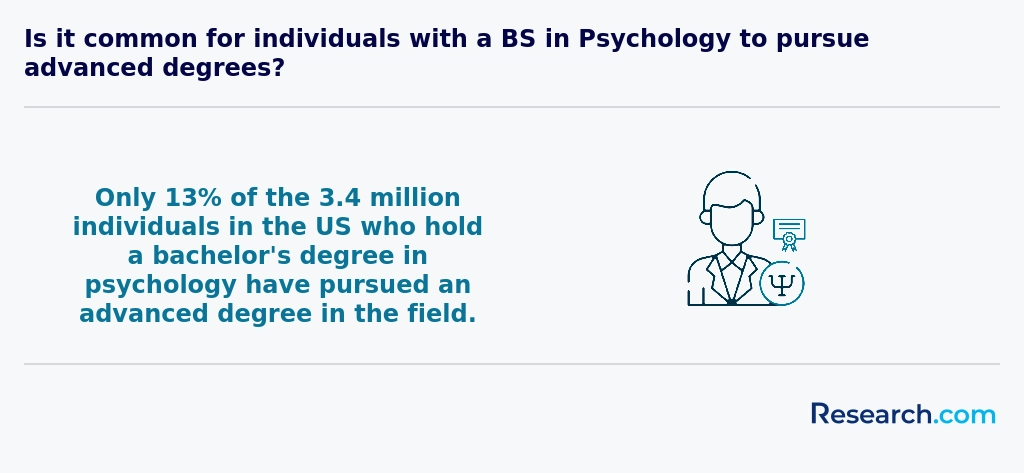
Choosing a psychology program with the right accreditation is essential for ensuring your degree meets industry standards and qualifies you for licensure. Accredited programs-typically those recognized by the American Psychological Association (APA) or regionally accredited bodies-guarantee rigorous curricula, qualified faculty, and clinical training aligned with state requirements. Before applying, verify that your institution holds APA accreditation (for doctoral programs) or regional accreditation (for bachelor’s and master’s programs) to streamline your path toward licensure. Most states require aspiring psychologists to pass the Examination for Professional Practice in Psychology (EPPP), complete 1,500–4,000 supervised hours, and fulfill postdoctoral requirements. While exact supervision hours vary by state, you can expect to accrue clinical experience through internships, externships, or supervised practice during and after your degree. Florida’s Board of Psychology details specific hour requirements and acceptable supervision formats-online, in-person, or hybrid. To prepare effectively: • Review your state’s Board of Psychology website for updated licensure criteria. • Engage in programs offering practicum placements and clear supervision pathways. • Plan for exam fees, which can range from $600 to $1,000, and budget for study materials or prep courses. Many programs now include embedded licensure support, such as exam prep workshops and licensure advising. Additionally, if you’re exploring behavior analysis credentials alongside your psychology degree, consider our affordable bcba online programs to fulfill Board Certified Behavior Analyst (BCBA) training requirements with APA-aligned coursework. Understanding accreditation and licensure processes early empowers you to select a program that not only enhances your academic profile but also accelerates your transition into professional practice.
Psychology degree programs in Florida start with essential courses like General Psychology, Research Methods in Psychology, and Biological Psychology. Graduates from popular schools such as the University of Florida often mention how these foundational courses built their confidence to understand human behavior and scientific inquiry right from the start.
After mastering basics, you'll typically move to specialized classes covering cognitive psychology, developmental psychology, and social psychology. These help connect theory with everyday scenarios, like analyzing how social media affects teen behavior or understanding memory changes across a lifetime.
Many Florida colleges also emphasize multicultural psychology and ethical practice, which students find valuable in the state's diverse communities. Elective courses might include Abnormal Psychology, where you get hands-on understanding of mental health disorders following DSM-5 guidelines, and Clinical or Counseling Psychology, preparing you to work with clients in therapy settings.
This step-by-step course structure helps Florida students gradually build practical skills applicable in internships, research roles, or community programs, creating both excitement and readiness for careers in psychology.
Students pursuing a psychology degree in Florida typically encounter specializations that align closely with the state's diverse population and workforce needs. Popular choices include clinical psychology, where graduates from universities in Miami or Tampa often share rewarding stories of working with elderly patients, a group well-represented in Florida. Counseling psychology is another practical option, preparing students to assist individuals navigating common life challenges like stress or addiction, seen frequently in graduate experiences from Orlando-based programs.
Social psychology, favored by those aiming for research roles at institutions like the University of Florida, explores group dynamics and societal behaviors. Industrial-organizational psychology draws interest from students focused on enhancing workplace productivity and wellness-a growing field nationwide. Developmental psychology is a natural fit for careers in education or healthcare, with graduates highlighting their practical training on human growth stages from campuses such as Florida State University.
Those who want to speed up their career path often consider accelerated psychology programs available in the state. Understanding these psychology degree specializations Florida offers helps students make informed, career-ready decisions.
Start by prioritizing accreditation when searching for the best psychology degree programs Florida offers. Graduates from universities like the University of Florida appreciate APA-accredited doctoral programs, which smooth their path to licensure and advanced roles. Next, weigh tuition costs carefully. Many students find in-state public universities appealing due to affordable rates around $6,500 annually, unlike pricier private colleges. For those budgeting strictly, exploring financial aid or affordable bcba online programs can make a big difference.
Look for programs with strong faculty involvement in research; hands-on experience in labs or internships often shapes graduates' confidence and job readiness. Graduates from Florida State University highlight how campus connections and community placements boost employment options. Also, check graduation rates and career placement stats to avoid programs that might delay your progress. Lastly, consider location and schedule flexibility-online or hybrid courses can fit busy lifestyles, giving students a sense of control and satisfaction during their studies.
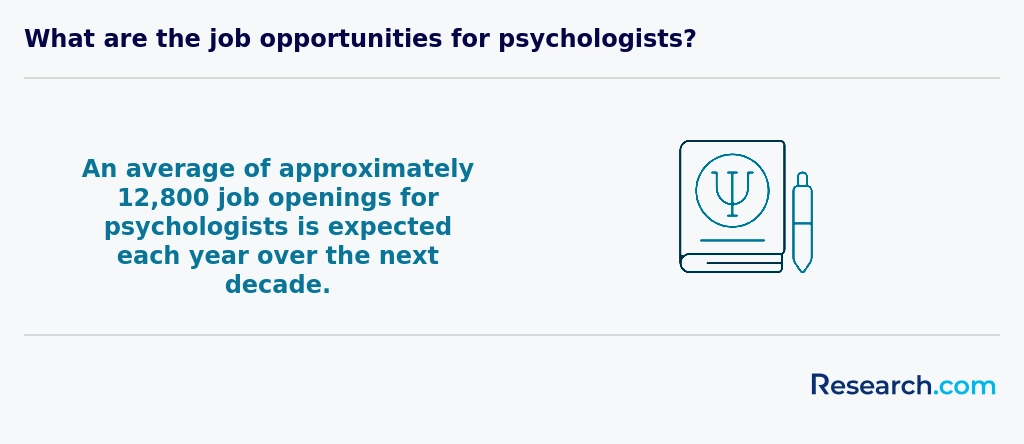
Graduates with a psychology degree in Florida find multiple career paths. Most pursue clinical roles, becoming licensed psychologists or counselors by obtaining doctoral degrees and Florida Board licensure. Many graduates from universities like the University of Florida share how this path rewards their desire to help others while providing job security in a growing mental health market. Others follow the educational route, working as school psychologists who support students' behavioral and learning needs in districts across the state. These jobs often require specialist degrees, and graduates from Florida State University report strong local demand and meaningful daily impact.
Research positions attract graduates with advanced degrees who join universities or hospitals studying behavior and mental processes. The University of Miami, for instance, offers research opportunities that alumni praise for combining intellectual challenge with practical community benefits. Additionally, some psychology degree holders build careers in business, applying principles of industrial-organizational psychology to improve workplace productivity. These niches are expanding in Florida's corporate sector.
For those weighing costs, Florida's public universities offer relatively affordable tuition, helping students manage expenses while pursuing psychology career opportunities in Florida. Interested students can explore programs through the Inexpensive Psychology Degree Programs Ranking in Idaho for comparative insight on affordable options.
Job prospects for those with a psychology degree in Florida are promising, especially for graduates from well-known schools like the University of Florida or Florida State University. Many graduates find opportunities in case management or mental health support roles with just a bachelor's degree. Those aiming for clinical psychologist positions usually pursue advanced degrees and licensure, but this investment pays off in the expanding healthcare and social service sectors. The growing need for school psychologists in Florida's public districts offers a clear pathway for those interested in educational psychology. Graduates often share how internships arranged through these universities provided hands-on experience that boosted their confidence and employability, reflecting the strong Florida psychology career outlook 2027.
For flexibility, some graduates explore 1 year graduate programs to accelerate entry into specialized fields. Salaries average about $83,000 annually, which, while slightly below the national average, are improving steadily. Focusing on specialties like neuropsychology or forensic psychology can enhance job prospects, particularly as telehealth services grow in demand.
2027 Best Psychology Degree Programs Ranking in Florida
Investing in your education is a significant decision that can shape your future, and the Research.com team is committed to supporting you in making well-informed choices. To this end, we have carefully developed the "2027 Best Psychology Degree Programs Ranking in Florida." Our dedication to quality, credibility, and accuracy is demonstrated through rigorous research and thorough analysis.
We utilized the following reputable data sources to ensure a comprehensive evaluation of psychology degree programs:
By consulting this ranking, readers can confidently identify high-quality psychology programs in Florida that align with their academic and career goals. For more information on how this ranking was created, please visit our Research.com methodology page.


Frequently Asked Questions About psychology
Psychology degree students in Florida can maximize their learning by engaging in both academic coursework and practical experiences. Florida hosts numerous accredited programs offering internships and research opportunities, which are vital for hands-on skill development. According to the Florida Department of Education, participation in internships increases employment prospects by up to 30% for psychology graduates.
Students should also take advantage of Florida's diverse population to explore various psychological issues, improving cultural competence. Joining professional organizations like the Florida Psychological Association provides networking and mentorship essential for career growth. Finally, staying updated with local research initiatives through university partnerships can deepen understanding and application of psychological principles.
Emerging niches in psychology are shaping new career paths for students pursuing degrees in Florida. One rapidly growing area is neuropsychology, which focuses on brain-behavior relationships and has increased demand due to Florida's aging population. Another key niche is health psychology, where professionals address chronic illness and wellness, aligning with Florida's emphasis on healthcare services.
Additionally, forensic psychology is gaining prominence, especially with Florida's large legal system and growing interest in criminal justice. Industrial-organizational psychology also attracts attention, helping businesses improve workforce productivity. According to the U.S. Bureau of Labor Statistics, these specialized fields are expected to grow faster than average between 2022 and 2032.
After earning a psychology degree in Florida, preparing for the job market involves several strategic steps. First, gaining practical experience through internships or volunteer work is essential, as it enhances skills and builds professional networks. Florida offers numerous opportunities in healthcare facilities, schools, and community organizations that seek psychology interns. According to the Bureau of Labor Statistics, Florida expects a 12% growth in psychology-related jobs through 2031, highlighting good prospects for graduates.
Licensure is crucial for clinical roles; graduates should plan to meet Florida Board of Psychology requirements, including supervised hours and exams. Joining professional groups like the Florida Psychological Association can provide valuable resources, job leads, and continuing education options.
Employers in Florida seek psychology graduates with strong analytical and communication skills. According to the Florida Department of Education, these graduates must be adept at interpreting behavioral data and applying research methods effectively in diverse settings.
Interpersonal skills are also highly valued, as professionals often work directly with clients or in team environments. The ability to demonstrate empathy and cultural competence is crucial, especially in Florida's diverse communities.
Technical proficiency with statistical software like SPSS or SAS is commonly required, reflecting the increasing importance of data analysis in psychological practice. Additionally, ethical judgment and professional responsibility are essential skills emphasized by Florida's licensing boards.
Finding internships in Florida relevant to a psychology degree involves several strategic steps. Start by utilizing university career centers, as many Florida institutions maintain partnerships with local hospitals, clinics, and mental health organizations. The Florida Psychological Association offers a valuable internship directory, providing listings aligned with professional standards.
Students should also explore state government resources such as the Florida Department of Children and Families, where psychology interns contribute to community mental health services. According to the Bureau of Labor Statistics, Florida employs over 8,000 psychologists, highlighting diverse opportunities across the state.
Networking through local chapters of national psychology organizations can increase access to internships. Finally, online platforms specific to Florida internships can help locate openings tailored to psychology students.
A psychology degree in Florida significantly enhances career mobility and advancement opportunities in various fields. According to the U.S. Bureau of Labor Statistics, Florida's demand for psychologists and related professionals is projected to grow by 10% from 2022 to 2032, faster than the national average. Graduates with a psychology degree can access diverse roles, including mental health counseling, education, and human resources. Completing an advanced degree or licensure often leads to higher salary potential and leadership positions.
Local professional organizations, such as the Florida Psychological Association, offer networking that supports career growth. Overall, a psychology degree provides versatile skills valued across multiple Florida industries.
Studying for a psychology degree in Florida offers strong preparation for interdisciplinary roles by integrating diverse academic perspectives. Many Florida universities emphasize collaboration between psychology, healthcare, education, and social services. This approach equips students with skills applicable in varied fields, such as counseling, human resources, and public health.
Programs often include courses in research methods, statistics, and behavioral science, fostering critical thinking valued across disciplines. Florida's growing demand for mental health professionals encourages practical experiences, including internships and community partnerships.
According to the Florida Department of Education, psychology graduates here are increasingly employed in settings requiring broad expertise beyond traditional clinical roles.
Choosing between a thesis and a non-thesis psychology degree program in Florida depends on your career goals and interests. A thesis program requires original research and is ideal for students aiming for doctoral studies or research roles. Non-thesis programs emphasize coursework and practical skills, better suited for those targeting immediate employment in applied psychology fields.
Florida universities like the University of Florida and Florida State University offer both options, reflecting diverse student needs. According to the Florida Board of Governors, research-based programs are growing by 5% annually, signaling increased demand for research skills in the state.
Consider your learning style and long-term plans when deciding. Engage advisors and review specific program requirements to ensure alignment with your goals.
Students based in Florida who wish to study psychology abroad have several pathways. Many Florida universities, including the University of Florida and Florida State University, offer study abroad programs with partner schools globally. These programs allow students to earn credits toward their psychology degree while experiencing diverse cultures.
Additionally, organizations like the Institute of International Education report that U.S. psychology students frequently choose Europe and Australia for study abroad, with options emphasizing clinical or counseling psychology. Florida students benefit from tailored advising to align abroad courses with American Psychological Association standards.
Financial aid and scholarships specific to psychology study abroad may be available, helping reduce costs. Despite challenges, Florida students can successfully expand their education internationally through these structured opportunities.
Students pursuing psychology degrees in Florida have various part-time job opportunities that can enrich their academic learning and professional development. Common roles include behavioral health technician positions, which offer practical experience in mental health settings. According to the Florida Department of Economic Opportunity, demand for such roles is expected to grow by 12% through 2030.
Additionally, psychology students often find opportunities as research assistants at universities or healthcare institutions. These jobs help develop critical analytical skills through participation in ongoing studies. Florida's universities, such as the University of Florida and Florida State University, frequently offer these positions.
Other options include roles in social service agencies or crisis hotlines, which enhance interpersonal communication abilities. Working in these positions allows students to apply psychological theories in real-world settings while networking with professionals in the state's growing mental health sector.
Psychology students in Florida benefit from diverse networking opportunities that enhance their academic and professional growth. Many universities, such as the University of Florida and Florida State University, host active psychology clubs and honor societies that connect students with peers and faculty. These organizations often facilitate events, guest lectures, and workshops featuring local psychologists and researchers.
Additionally, Florida hosts chapters of national groups like the American Psychological Association (APA) and the Florida Psychological Association (FPA). These chapters provide students access to conferences and internships within the state's healthcare and research sectors. According to the FPA, over 1,200 psychology professionals practice statewide, creating a robust network for mentorship and career development.
Students can also engage in research collaborations and community outreach programs, increasing their visibility and experience in the field. Local hospitals and mental health centers in cities like Miami and Tampa offer internship placements valuable for building professional connections. Such experiences are critical, given that Florida's psychology job market is growing at an estimated 11% annually, reflecting rising demand across clinical and counseling roles (U.S. Bureau of Labor Statistics, 2023).
Alumni networks play a vital role in supporting psychology degree students in Florida by providing valuable connections to industry professionals and potential employers. According to the Florida Psychological Association, many alumni offer mentorship, internships, and job opportunities within the state's growing mental health sector. These networks can enhance career prospects by facilitating introductions to licensed psychologists and counseling centers, particularly in urban areas like Miami and Tampa.
Students often benefit from exclusive events, workshops, and continuing education opportunities organized by alumni groups. This helps them stay updated on the latest research and professional standards in psychology. Furthermore, alumni networks encourage peer support, which fosters academic and emotional growth throughout the degree program.
In Florida, customizing your psychology degree to suit career goals is highly feasible due to the diverse program options offered by universities. Many institutions provide various concentrations such as clinical, counseling, forensic, or industrial-organizational psychology. This allows students to gain specialized knowledge aligned with specific career paths.
Additionally, elective courses, internships, and research opportunities enable practical experience tailored to professional interests. For example, the University of Florida offers hands-on lab research that supports a focus on neuroscience or behavioral studies. According to the Florida Department of Education, aligning course selections with licensure requirements is vital for careers in clinical psychology.
Students can also pursue combined bachelor's and master's programs, accelerating their entry into the workforce. Exploring faculty expertise and local internship placements in Florida's diverse communities helps in selecting a program that matches personal and professional goals.
Psychology students in Florida often face several challenges during their studies. One major difficulty is the competitive nature of internships and practicum placements, critical for licensure. With Florida's growing population, demand for clinical training sites exceeds availability, causing delays in hands-on experience.
Additionally, students must navigate complex state licensing requirements. The Florida Board of Psychology mandates specific coursework and supervised hours, which vary by program and can be confusing.
Financial barriers also affect many students, as tuition costs at both public and private institutions have risen steadily. According to the Florida Department of Education, average undergraduate tuition increased nearly 15% over five years ending in 2023.
Lastly, balancing rigorous coursework with personal commitments remains a common challenge for many psychology students in Florida.
With a psychology degree in Florida, you can pursue several professional certifications to enhance your career opportunities. Common certifications include becoming a Licensed Mental Health Counselor (LMHC) or a School Psychologist, both regulated by the Florida Board of Clinical Social Work, Marriage & Family Therapy, and Mental Health Counseling. These require additional supervised experience and passing state exams.
Other options include certification as a Certified Addiction Professional (CAP), which is valuable given Florida's focus on substance abuse treatment. National certifications like the Certified Psychological Assistant or Board Certified Behavior Analyst (BCBA) are also popular choices.
According to the Florida Department of Education, demand for licensed mental health professionals is expected to grow 15% by 2030.
To write a winning application for a psychology program in Florida, start by thoroughly researching each university's specific requirements and preferences. Emphasize your academic achievements, especially psychology-related coursework and a strong GPA-many Florida programs look for GPAs above 3.0. Highlight relevant experience, such as internships or volunteer work in mental health settings, which strengthen your practical understanding.
Craft a clear, compelling personal statement that explains your motivation for studying psychology in Florida and your career goals. Florida schools value applicants who demonstrate cultural awareness due to the state's diverse population. Include strong letters of recommendation from professors or professionals familiar with your skills. Finally, ensure all materials are submitted by deadlines listed on official Florida university websites like the Florida Department of Education.
The career outlook for psychology graduates in Florida aligns with a broader global interest in mental health and human behavior. Internationally, psychology is recognized as a versatile field, offering opportunities in research, clinical work, education, and business. In the U.S., including Florida, the Bureau of Labor Statistics projects a 8% growth in psychologist employment from 2022 to 2032, reflecting increasing demand for mental health services.
Florida, with its diverse population, provides unique opportunities to apply psychology in multicultural settings. Graduates may work in healthcare, schools, or private practice. The state also benefits from a growing emphasis on telepsychology, expanding access to care.
Globally, trends emphasize evidence-based practices and cultural competence, which are central to American psychology education. Florida's programs often incorporate these priorities, preparing students to meet both local and worldwide needs.
Gaining practical experience while studying psychology in Florida can significantly enhance your skills and employability. Many Florida universities encourage students to participate in internships or practicum placements. These opportunities are often available through partnerships with local clinics, hospitals, and community organizations. For example, the Florida Department of Education reports that experiential learning is a key component in accredited psychology programs across the state.
Students can also engage in research assistant roles, working closely with faculty on psychology studies, which provides hands-on experience with data collection and analysis. The Florida Psychological Association offers resources to help students find volunteer or internship placements aligned with their career goals.
Choosing the right concentration within a psychology degree program in Florida involves considering your career goals and interests. Common concentrations include clinical psychology, counseling, forensic psychology, and industrial-organizational psychology. Florida's job market reflects strong demand in clinical and counseling roles, with the Department of Economic Opportunity projecting a 12% growth in mental health counselor positions through 2031.
Research program offerings carefully, as Florida universities vary in specialization and faculty expertise. Accreditation by the American Psychological Association (APA) is essential for clinical paths. Students should also consider state licensure requirements, as Florida's Board of Psychology mandates specific supervised hours, which differ by concentration. Exploring internships and local industry needs can further guide your choice.
- 2027 Best Psychology Degree Programs Ranking in Georgia
- 2027 Best Psychology Degree Programs Ranking in Alabama
- 2027 Best Psychology Degree Programs Ranking in Louisiana
- 2027 Best Psychology Degree Programs Ranking in Arkansas
- 2027 Best Psychology Degree Programs Ranking in Indiana
- 2027 Best Psychology Degree Programs Ranking in Illinois
- 2027 Best Psychology Degree Programs Ranking in Maryland
- 2027 Best Psychology Degree Programs Ranking in Delaware
- 2027 Best Psychology Degree Programs Ranking in Kansas
- 2027 Best Psychology Degree Programs Ranking in Iowa
See What Experts Have To Say About Studying Psychology
Read our interview with Psychology experts

Elizabeth L. Jeglic Ph.D.
Psychology Expert
Professor of Psychology
City University of New York

Joann Farrell Quinn, Ph.D., MBA
Psychology Expert
Director at the College of Medicine Department of Medical Education
Morsani College of Medicine

Robin M. Kowalski. Ph.D.
Psychology Expert
Professor of Psychology
Clemson University

- Psychology - SWPS University https://english.swps.pl/academics/warsaw/ba-programs/psychology
- Best Types Of Online Psychology Degrees 2025 https://www.psychology.org/degrees/
- Society for the Teaching of Psychology https://teachpsych.org/page-1784686/8675326
- Ontario Psychological Association - Networking and Community Resources https://www.psych.on.ca/become-a-member-(1)/member-services/networking-and-community-resources
- What can I do with a psychology degree? https://www.hull.ac.uk/study/undergraduate/courses/psychology-bsc-hons/what-can-i-do-with-a-psychology-degree
- Financial Aid for Psychology Students https://www.onlinepsychologydegrees.com/financial-aid/
- A Guide to Psychology Internships | Psychology Degree Guide https://psychologydegreeguide.org/resources/internships/
- How to help students cope with mental health challenges https://www.eaie.org/resource/help-students-cope-mental-health-challenges.html
- Alumni Perspectives - Meet Our FPN Alumni https://www.aanmelder.nl/alumni-perspectives-june-2023
- A Career in Psychology: 17 Paths | USAHS https://www.usa.edu/blog/career-path-in-psychology/