
2027 Best Psychology Degree Programs Ranking in Delaware

Co-Founder and Chief Data Scientist
Choosing the right psychology degree program is an important step for students in Delaware. Our 2027 Best Psychology Degree Programs Ranking in Delaware was created by the Research.com team of data scientists to help you make an informed decision about which programs truly stand out.
Reading this article will give you a clear overview of quality options, so you can focus on your passion and future career. A psychology degree opens doors to meaningful work that makes a difference, and this guide supports you in finding the best path forward.
Key benefits of getting psychology degree in Delaware
- Psychology degree graduates in Delaware can expect rewarding salaries, such as a Human Resources Specialist earning about $76,060 annually or a Marketing Research Analyst making around $83,190 per year, offering great financial stability.
- Career paths for psychology graduates include roles like Clinical Research Associate or Survey Researcher, each with mean wages near $62,370 annually, demonstrating diverse job opportunities after graduation.
- Obtaining a psychology degree online from a Delaware institution offers flexibility and convenience, allowing students to balance work and study while gaining credentials that employers value equally to traditional degrees.
- 2027 Best Psychology Degree Programs Ranking in Delaware
- What can I expect from psychology degree in Delaware?
- Where can I work with psychology degree in Delaware?
What can I expect from psychology degree in Delaware?
The average cost of pursuing a psychology degree in Delaware varies widely depending on the institution and program level, yet many students find that state-specific scholarships and financial aid make the investment manageable. For example, graduates from the University of Delaware often reflect on how balancing tuition expenses with practical research opportunities added value beyond just the price tag. These students describe the financial commitment as an investment in developing critical skills through hands-on internships and faculty-led projects that deeply enriched their learning experience.
Though exact figures fluctuate, undergraduate psychology programs in Delaware typically range from moderate to higher tuition costs compared to other states, but with the advantage of smaller class sizes and personalized mentorship. Some graduates recall how the financial aid programs tailored to Delaware residents helped ease the burden, emphasizing that the real cost is not just money but the dedication to immersive, applied learning that shapes their professional growth. This dynamic transforms the cost discussion into a reflection on the return in knowledge and opportunity.
Where can I work with psychology degree in Delaware?
Graduates from Delaware's universities often find themselves surprised by the breadth of career paths their psychology degrees open. Many begin their journeys in healthcare facilities, joining teams at places like ChristianaCare or Bayhealth Health System, where they provide counseling and behavioral health support. These roles offer daily fulfillment by directly improving patient lives, creating meaningful connections that remind graduates why they pursued psychology.
Others choose to work in educational settings, becoming school psychologists or counselors within Delaware's K-12 system. Imagine working in your local public school, helping students navigate emotional and learning challenges, supported by state certification from the Delaware Department of Education-graduates often speak about the rewarding sense of purpose this brings.
Social services also beckon; graduates frequently join agencies like DSCYF or nonprofits such as Compass Mark, helping vulnerable populations thrive. These roles challenge you to make tangible community impacts, fueling motivation and resilience.
Delaware's corporate and government sectors increasingly value psychology graduates for roles in human resources or policy analysis at agencies like DHSS, showing that this degree offers far more than traditional therapy paths.
Graduates with psychology degrees in Delaware often find themselves pleasantly surprised by the diverse salary opportunities that await them. For example, many who earned their degrees from popular institutions like the University of Delaware or Wilmington University have ventured into roles such as Human Resources Specialists, where the mean annual wage sits around $76,060. This figure challenges the common notion that psychology careers are limited in financial reward.
Others who harness their analytical skills in market trends have become Marketing Research Analysts, earning an even higher mean salary of $83,190 annually. Imagine the satisfaction of applying psychological insights to real-world business challenges and seeing those skills translate directly into a strong paycheck.
Not every graduate steps immediately into high-paying roles; many start as Clinical Research Associates or Survey Researchers, making about $62,370 per year. These roles offer a valuable foundation and clear career growth paths within Delaware's healthcare and academic sectors.
Real experiences from graduates reveal a sense of achievement when transitioning from modest entry salaries to roles where their expertise is truly valued, both intellectually and financially. The investment in a psychology degree here clearly opens doors to meaningful and rewarding careers.
- Annual tuition for a psychology degree at public universities in Delaware ranges from $12,000 to $15,000 for in-state students.
- Private institutions may charge tuition upwards of $30,000 per year depending on the program and degree level.
- Entry-level salaries for psychology graduates in Delaware average around $45,000 per year.
- Experienced psychology professionals can expect median salaries between $70,000 and $80,000 annually.
- Licensing as a clinical psychologist in Delaware requires a doctorate and supervised experience.
Completing a psychology degree in Delaware often means dedicating around four years of full-time study at institutions like the University of Delaware or Delaware State University. Graduates frequently recall the intensity and reward of those four years, balancing coursework and real-world experiences that build a foundation for their careers. However, life rarely fits neatly into a timeline-many part-time students juggle work or family responsibilities, stretching their journey to five or six years, a process that, while longer, often fosters resilience and deeper understanding.
For those pursuing advanced degrees, the path grows more complex. Master's programs typically require about two years, but some students embrace flexible, part-time paths extending to three years, allowing them to work or gain practical skills simultaneously.
- Doctoral candidates face a broader timeline, often four to seven years, navigating research projects, internships, and dissertation challenges that deeply shape their professional identity.
Because Delaware's options for doctoral study are limited, ambitious students frequently seek accredited programs elsewhere or online, embracing a broader network of support and opportunity. These real-life choices reflect the diverse timelines that define psychology education here.
Achieving academic and career success in a psychology program hinges on more than just enrolling-it requires active engagement, strategic planning, and leveraging available resources throughout your educational journey. It is essential to build strong relationships with faculty and peers, seek out mentorship opportunities, and engage in extracurricular activities that can enhance your resume. For those juggling tight schedules or hoping to accelerate their career advancement, considering options like fully online masters in psychology offers the flexibility to balance work, study, and personal commitments effectively. Utilize campus support services, such as academic advising, career centers, and counseling services, to stay motivated and focused on your goals. Additionally, developing time management and stress reduction techniques can greatly improve your academic performance and overall well-being. Embracing these strategies not only bolsters your chances of success within the classroom but also prepares you to meet the evolving demands of the professional psychology landscape.
Choosing between online and on-campus psychology degrees in Delaware often boils down to how you envision your learning journey. Graduates from the University of Delaware who experienced on-campus programs frequently describe the energizing buzz of face-to-face discussions and hands-on lab work as invaluable. They recall moments spent conducting psychological assessments under faculty guidance-experiences simply unmatched in an online setting. Meanwhile, graduates who pursued online degrees appreciate the freedom to juggle studies with jobs or family life, often celebrating the ability to attend lectures from anywhere, whether in Wilmington or a quiet Delaware beach town.
Cost considerations also shape this choice. While the College Board notes similar tuition rates around $12,000 per year for in-state students, online learners often gain relief from commuting and housing expenses, though some must navigate added technology fees.
Both formats hold accreditation by regional agencies, which reassures Delaware students their credentials reflect rigorous academic standards. Reflecting on these differences sparks a deeper question: does the mode of study influence not just learning style, but the very essence of your psychology education in Delaware?
To practice as a licensed psychologist in Delaware, graduates must meet the state’s educational, examination, and supervised experience criteria set by the Delaware Board of Examiners of Psychologists. First, candidates should hold at least a master’s degree in psychology from a regionally accredited institution; however, doctoral degrees (PhD or PsyD) are required for independent clinical practice. Applicants must complete a minimum of 1,750 hours of supervised professional experience, including at least 750 hours of direct client contact under a board-approved supervisor. After fulfilling education and supervised practice requirements, candidates must pass the Examination for Professional Practice in Psychology (EPPP), administered by the Association of State and Provincial Psychology Boards. Delaware also requires a state jurisprudence or ethics exam to ensure familiarity with local laws and regulations governing mental health services. Once licensed, psychologists must renew their credentials biennially by submitting proof of 40 continuing education (CE) credits, with at least 6 credits in ethics or professional responsibility. Aspiring counselors may also pursue certification through the National Board for Certified Counselors (NBCC) to become a National Certified Counselor (NCC), which can enhance employability in school, community, and private settings. For those weighing program costs and seeking affordability while meeting licensure prerequisites, it’s useful to explore external benchmarks like the Most Affordable Psychology Degree Programs Ranking in Minnesota to compare tuition rates and financial aid options across state lines. By understanding Delaware’s rigorous licensure pathway, graduates can strategically plan their academic and professional journey toward a successful psychology career.
Determining the average cost of a psychology degree in Delaware reveals a nuanced picture. For many students attending the University of Delaware, the median in-state total cost hovers around $14,940, offering a more accessible path to earning a Bachelor's in psychology without overwhelming financial strain. This is a significant factor for those weighing their education investment against future aspirations. Conversely, out-of-state students face a higher median total cost estimated at $36,424, reflecting the premium placed on non-resident enrollment.
Graduates from Delaware's psychology programs often recount balancing rigorous academics with budgeting for additional expenses like books, housing, and lab fees-elements that push the real total beyond simple tuition. These lived experiences highlight the importance of understanding the total expenses for psychology degree Delaware 2027 and looking beyond sticker prices to the full financial picture.
Private colleges in Delaware typically carry steeper tuition, but the trade-off sometimes includes greater financial aid opportunities that ease the burden. Reflecting on such realities underscores why prospective students should explore the most affordable psychology schools in Delaware to identify programs that blend quality education with meaningful cost savings.

When weighing psychology degree options in Delaware, understanding the return on investment (ROI) can guide smarter decisions. On average, a full-time bachelor’s degree in-state costs roughly $28,280 over four years, excluding living expenses and textbooks. Graduates entering human resources or clinical research roles earn mean annual wages of $73,080 and $57,760 respectively, translating to a potential payback period of just 0.5 to 0.7 years when compared to cumulative tuition expenses. Comparing Delaware’s tuition and salary data with neighboring programs can reveal affordability and long-term gains. For additional perspective, consider the Most Affordable Psychology Degree Programs Ranking in Minnesota, where lower sticker prices may lead to reduced loan burdens and faster debt repayment. By examining average starting salaries against total education costs, prospective students can forecast time to breakeven and lifetime earning trajectories. Key factors impacting ROI include: • Debt-to-income ratio: Aim for cumulative student loans that do not exceed expected first-year salary. • Scholarship leverage: Securing state scholarships or university assistantships can reduce tuition by up to 40%. • Program length: Accelerated bachelor’s pathways and dual-degree options offer cost savings through reduced credits. Ultimately, a strong ROI aligns program expenses with realistic salary outcomes. Prospective students should model various career pathways-clinical practice, organizational psychology, research-and calculate the years required to recoup educational investment. A robust ROI analysis not only clarifies financial feasibility but also highlights programs that maximize long-term professional and economic rewards.
Financial aid for psychology students in Delaware often comes as a lifeline amid rising tuition, particularly at institutions like the University of Delaware and Delaware State University. Graduates frequently reflect on how Pell Grants alleviated their financial stress-the certainty of that $7,395 award creating a foundation upon which they built their academic journey. But federal aid isn't the only avenue; Delaware's state-specific programs, such as the Delaware Scholarship Program, directly target in-state students, enabling those studying psychology to feel supported both morally and financially.
At the University of Delaware, several graduates recall merit-based scholarships that propelled them through tough semesters, allowing them to focus more on research and less on hourly jobs. Work-study opportunities tied to psychology labs or counseling centers offer a dual benefit: earning money while gaining invaluable real-world experience, a balance many psychology students swear by. Beyond school aid, organizations like the American Psychological Association challenge students to pursue competitive private scholarships, transforming financial constraints into opportunities for growth and recognition.
For students seeking to pursue a psychology degree in Delaware without accumulating significant debt, exploring the most affordable options is crucial. Many institutions in Delaware offer competitive pricing for their psychology programs, making it essential for prospective students to research and compare these costs. By understanding the financial implications of each program, students can make informed decisions that align with their budget and career aspirations. For instance, those interested in affordable psychology programs can visit most affordable psychology schools in Delaware to find detailed information on pricing, curriculum, and accreditation, helping them navigate the process of selecting a program that meets their needs and expectations.
To enroll in a psychology degree program in Delaware, meeting the foundational prerequisites is essential, but these often hide a deeper narrative about academic perseverance and passion. Graduates from the University of Delaware frequently recall how their solid GPA-usually around 3.0 or higher-did more than open doors; it demonstrated their readiness to tackle complex psychological concepts. Meanwhile, Delaware State University students highlight how submitting thoughtful personal statements and strong letters of recommendation shaped their admissions journey, connecting their unique experiences with program expectations.
It's not just about grades. Many students found that prior coursework in research methods or biology turned abstract theories into tangible learning, fueling their curiosity and confidence. Although some schools still request SAT or ACT scores, Delaware's gradual shift toward test-optional policies empowers applicants to showcase their strengths beyond standardized testing, making the process less intimidating and more inclusive.
Graduate hopefuls understand that a related bachelor's degree and a demonstrated academic commitment solidify their candidacy. Preparing these requirements often feels less like a checklist and more like crafting a compelling story of dedication within Delaware's academic landscape.

Graduates seeking to practice psychology in Delaware must ensure their degree comes from a regionally accredited institution and, for clinical tracks, from an APA-accredited program. The Delaware Board of Mental Health and Chemical Dependency Professionals requires applicants for licensure as a psychologist to: • Complete a doctoral degree in psychology from an accredited program. • Accumulate at least 3,200 hours of supervised professional experience, including 1,600 post-doctoral hours under a board-approved supervisor. • Pass the Examination for Professional Practice in Psychology (EPPP) with a minimum score of 500. • Submit official transcripts, verification of supervised hours, and background checks through the Delaware Criminal Justice Information System (DELJIS). For those interested in behavior analysis, board certification as a BCBA (Board Certified Behavior Analyst) demands a master’s degree in ABA from a program approved by the Behavior Analyst Certification Board (BACB). To compare affordable graduate pathways, consider exploring the cheapest aba master’s programs, which balance cost-efficiency with rigorous coursework. After initial licensure, psychologists in Delaware must renew their license biennially, completing 40 hours of Continuing Education (CE), including at least 10 ethics hours. Staying current with Delaware’s regulations and national best practices-such as confidentiality, informed consent, and telehealth guidelines-ensures both compliance and competence. Understanding these accreditation and licensure requirements early in your educational journey will streamline your path to delivering expert psychological services in Delaware.
Psychology degree programs in Delaware universities like the University of Delaware and Delaware State University immerse students in foundational courses that challenge how we see human thought and behavior. Graduates often recall the eye-opening journey through Introduction to Psychology, where they first grapple with core theories that explain everyday actions and emotions around them.
Courses such as Research Methods in Psychology push students to design real experiments, making abstract concepts tangible through hands-on investigation. Imagine sitting in a lab at the University of Delaware, deciphering patterns in behavior-this transforms learning into an energizing experience.
Applied classes like Psychological Assessment allow students to understand the tools behind diagnosing mental health, making the next step toward helping others feel achievable and deeply rewarding.
Many Delaware programs incorporate senior seminars or capstone projects that synthesize these learnings, replicating real professional challenges. Students often describe a sense of pride and confidence as they connect theoretical knowledge to future careers in counseling or clinical settings.
Delaware's psychology degree specializations challenge students to explore diverse and meaningful career paths beyond textbook definitions. Graduates from universities known for their psychology programs often describe their clinical psychology training as transformative, equipping them to address real mental health struggles with empathy and skill. Counseling psychology, another common path, prepares students to become compassionate guides for individuals facing life's uncertainties, reflecting Delaware's real-world demand for licensed professional counselors.
Students drawn to experimental inquiry find cognitive psychology programs at Delaware colleges especially rewarding, engaging deeply with mental processes like decision-making while collaborating closely with local research centers. Those pursuing developmental psychology appreciate the hands-on opportunities working with youth in educational settings, fostering growth that resonates beyond the classroom. Delaware psychology graduate program options also include industrial-organizational psychology, where experts help businesses improve employee well-being-a vibrant sector gaining ground here.
Behavioral neuroscience connects students to the biological roots of behavior, often inspiring graduates to pursue clinical or research careers focused on brain function. For those balancing busy lives, fully online masters in psychology offer flexible paths without sacrificing specialization quality, making the pursuit of psychology degrees in Delaware more accessible than ever.
Choosing the best psychology degree programs in Delaware means questioning more than just reputation. Imagine a graduate from a well-known Wilmington college who thrived because the program's flexibility allowed evening classes, balancing work and study. Their success wasn't just about the degree but the ability to tailor learning to real life. Accreditation by the American Psychological Association is often touted as essential, yet many find regional accreditation sufficient to unlock practical opportunities and financial aid in Delaware.
Cost transparency surprises many students, especially when they discover average tuition varies widely-from $8,000 to over $30,000 annually-depending on the institution. One graduate found a perfect fit at a university offering scholarships and work-study programs, easing the financial strain common among Delaware students. Reflecting on affordability, it helps to explore related programs too; for example, some choose to transfer after completing cheaper courses or explore cheapest aba master's programs to diversify career options.
Affordability surely drives choices, but prospective students often underestimate the value of hands-on experiences available at colleges partnering with local clinics or mental health organizations. Those connections transform coursework into vibrant, real-world practice. This synergy between faculty expertise and community engagement lets students not only learn but also feel deeply connected and confident as they start their careers in Delaware's psychology landscape.
Seeking affordable psychology colleges Delaware does not mean settling for less-it's about embracing a program that nurtures growth, fits lifestyle, and propels you toward meaningful impact.
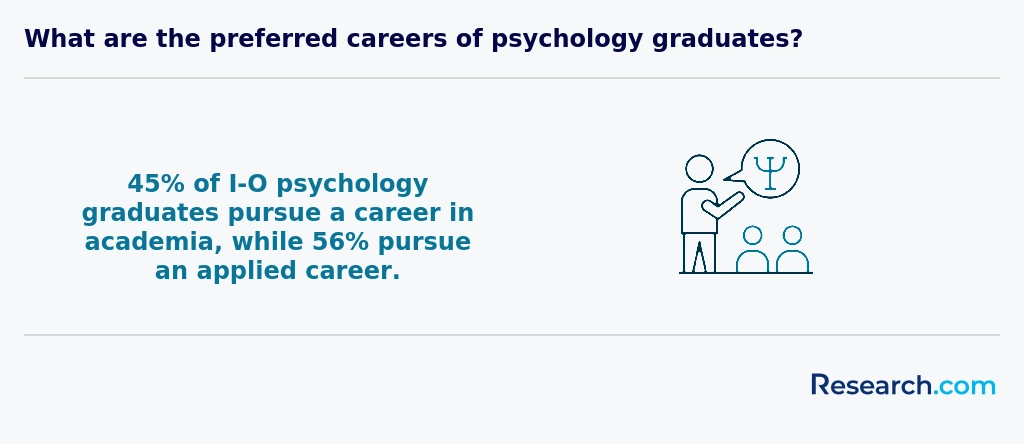
Psychology career options in Delaware extend well beyond traditional therapy roles, inviting graduates to envision their future in diverse fields. Those completing degrees at institutions like the University of Delaware often step confidently into clinical psychology, working in community agencies or hospitals where they impact lives daily. Meanwhile, others discover rewarding opportunities in education, serving as school psychologists or educational consultants, supported by Delaware's strong commitment to mental wellness in schools.
Delaware psychology degree job prospects also include research careers, especially at universities where graduates delve into neuroscience or behavioral sciences with passion. Others leverage their understanding of human behavior in roles such as human resources, market research, or health psychology, carving out unique career paths that challenge the boundaries of psychology.
Graduates often reflect on the balance between local tuition costs and the rewarding stability of this field, prompting many to explore programs deeply before committing. For those weighing options, the Most Affordable Psychology Degree Programs Ranking in Minnesota can offer insight into cost-effective ways to pursue these exciting opportunities.
Delaware's psychology job outlook Delaware reveals a landscape where opportunities cluster around healthcare, education, and social services. Graduates from popular schools in the state often find themselves drawn to mental health clinics in Wilmington or school districts in Dover, where impactful work with diverse populations shapes rewarding careers. Many graduates describe the sense of purpose they gain working directly with clients and students, despite the smaller scale of the local job market compared to larger states.
The psychology careers in Delaware job market also reflect a pragmatic balance between educational costs and salary expectations. Annual tuition at public institutions averaging $7,000 contrasts with starting salaries for school psychologists near $65,000, inviting students to carefully consider their return on investment. Some graduates have leveraged their degrees into research assistant roles or corporate positions in human resources, highlighting the value of advanced degrees. Curious students might explore highest paid certificate programs to enhance career prospects further.
2027 Best Psychology Degree Programs Ranking in Delaware
Investing in your education is a significant decision that can shape your future, and the Research.com team understands the importance of making informed choices. To assist prospective students in Delaware, we have meticulously crafted the "2027 Best Psychology Degree Programs Ranking in Delaware." Our commitment to quality, credibility, and accuracy is reflected in the extensive research and analysis conducted to compile this ranking.
We utilized the following reputable data sources to ensure a comprehensive evaluation of psychology programs:
By exploring this ranking, readers will gain valuable insights into the best psychology degree programs available in Delaware, helping them make informed decisions about their educational paths. For more details on our methodology, please visit our Research.com methodology page.


Frequently Asked Questions About psychology
Psychology degree students in Delaware can maximize their learning by actively engaging with practical experiences such as internships and research projects. The Delaware Psychological Association connects students with local professionals, offering valuable networking and mentorship opportunities. Delaware's higher education institutions often collaborate with nearby clinics and community centers, providing hands-on placements that enhance theoretical knowledge.
Students should also take advantage of Delaware's access to diverse populations in urban and rural settings, enriching their understanding of psychological principles. According to the National Center for Education Statistics, Delaware awarded over 150 psychology bachelor's degrees in 2021, highlighting the growing interest and resources available in this field.
Participation in student organizations focused on mental health can further deepen knowledge. Additionally, students benefit from utilizing library resources and attending workshops on new psychological methodologies to stay current in the evolving field.
The field of psychology is rapidly evolving, with several emerging niches gaining prominence. In Delaware, students pursuing psychology degrees are increasingly exploring areas like neuropsychology, which focuses on the relationship between brain function and behavior. Another growing niche is forensic psychology, where professionals apply psychological principles within legal contexts.
Health psychology, emphasizing the impact of mental states on physical health, also attracts attention amid rising public health concerns. Additionally, technology-driven fields such as cyberpsychology examine how digital environments affect human behavior.
According to the Delaware Department of Labor, employment for psychologists in the state is projected to grow 8% from 2021 to 2031, reflecting increasing demand in these specialized areas.
After earning a psychology degree in Delaware, preparing for the job market involves gaining practical experience and networking locally. Internships or volunteer opportunities with Delaware healthcare providers or social service agencies can strengthen your resume. According to the Delaware Department of Labor, psychology-related jobs are projected to grow by 8% through 2030, reflecting steady demand.
Delaware students should consider obtaining professional licenses if aiming for clinical roles, which require graduate education and supervised hours. Joining state professional associations like the Delaware Psychological Association provides networking and continuing education.
Strong communication and research skills, honed during college projects, remain crucial for employment success across applied psychology fields.
Employers in Delaware seek psychology graduates with strong analytical and critical thinking skills. These abilities help professionals assess complex behavioral data and apply evidence-based interventions effectively.
Communication is also vital. Psychology graduates must clearly convey concepts to clients, colleagues, and stakeholders, both in writing and speaking. This fosters teamwork and successful therapy outcomes.
According to the Delaware Department of Labor, employers value graduates who demonstrate cultural competence and ethical decision-making, especially given Delaware's diverse population.
Additionally, proficiency in research methods and statistical software is increasingly important. These skills support rigorous data analysis required in clinical and organizational settings.
Finding internships in Delaware relevant to a psychology degree involves several strategic steps. Many students start by consulting their university's career services, as schools such as the University of Delaware and Wilmington University often have established partnerships with local organizations. These partnerships can include mental health clinics, hospitals, and community service agencies where psychology interns are welcomed.
Additionally, students should explore Delaware-specific opportunities through the Delaware Psychological Association, which occasionally shares internship postings and networking events. Online platforms like Handshake and the Delaware JobLink also list internships in psychology fields statewide.
Delaware's demand for psychology professionals in mental health and social services is growing, making internships a valuable step toward licensure and employment. According to the U.S. Bureau of Labor Statistics, Delaware's employment in psychology-related fields is projected to grow moderately through 2030, encouraging early practical experience.
A psychology degree in Delaware significantly enhances career mobility and advancement opportunities. Graduates often qualify for roles in mental health services, education, and human resources, where demand is steady. According to the Delaware Department of Labor, jobs related to psychology and mental health are projected to grow by approximately 8% through 2030, higher than the overall state job growth rate.
Higher education credentials, such as a master's or doctoral degree, are commonly required for advanced clinical or counseling positions. This qualification boost often leads to higher salaries and leadership roles within healthcare organizations and schools.
Delaware's proximity to major metropolitan areas like Philadelphia also expands employment possibilities outside the state, increasing career flexibility for psychology graduates.
Studying for a psychology degree in Delaware equips students with skills applicable across multiple fields. Delaware's colleges emphasize collaboration between psychology and other disciplines such as health sciences, education, and social work. This approach reflects national trends highlighting the importance of interdisciplinary knowledge in solving complex problems.
Delaware's University of Delaware, for example, offers courses integrating psychology with neuroscience, business, and public policy. Students gain practical experience through research and internships, preparing them for roles that require diverse expertise.
According to the Bureau of Labor Statistics, careers in psychology-related fields grow by 8% nationally, emphasizing demand for versatile professionals. Delaware's focus on interdisciplinary training aligns well with these market needs.
Choosing between a thesis and a non-thesis psychology degree program in Delaware depends largely on your career goals and academic preferences. Thesis programs emphasize research, requiring students to design and complete an original study. This path suits those aiming for doctoral studies or research positions. Non-thesis options focus on coursework and practical experience, ideal for students seeking to enter the workforce quickly.
Delaware institutions often offer both choices, and the state's growing mental health sector values applied skills. According to Delaware's Department of Labor, employment for psychologists is expected to grow 6% through 2030. Therefore, selecting a program aligned with your future plans-whether clinical practice or academia-is critical.
Students based in Delaware pursuing psychology degrees have several opportunities to study abroad through their home institutions. Many Delaware universities, including the University of Delaware, offer study abroad programs allowing psychology majors to earn credits overseas.
Popular destinations include the United Kingdom, Spain, and Italy, where students can explore cultural perspectives on psychology. According to the Institute of International Education's 2023 Open Doors report, 12% of U.S. psychology students participate in study abroad during their degree.
Additionally, Delaware students can access faculty-led summer abroad internships focused on clinical and developmental psychology. These programs combine coursework with hands-on experience abroad.
It is important to coordinate such plans early, as course transfer and accreditation vary. Advisors at Delaware institutions typically support students through the process of integrating foreign study with degree requirements.
Delaware offers various part-time job opportunities that complement psychology degree education, providing practical experience alongside academic learning. Common roles include research assistant positions at local universities such as the University of Delaware, where psychology students can gain hands-on experience in behavioral studies and data analysis. Additionally, part-time work in mental health facilities, including counseling centers or rehabilitation clinics, allows students to develop interpersonal and clinical skills. The Delaware Department of Health and Social Services also offers internships and support roles that enhance understanding of community mental health services. These positions align well with course content and help build crucial professional networks within the state.
Psychology students in Delaware have several valuable networking opportunities that support their academic and professional growth. Universities like the University of Delaware and Wilmington University offer psychology clubs and honor societies, where students connect with peers and faculty. These platforms foster collaboration and mentorship.
Delaware's proximity to Philadelphia and Washington, D.C. also expands access to regional conferences and workshops hosted by organizations such as the American Psychological Association (APA). Attending these events helps students meet professionals and explore internship possibilities.
Additionally, many Delaware institutions maintain partnerships with local hospitals and counseling centers, providing internships that build real-world connections critical for career advancement.
Alumni networks play a significant role in supporting psychology degree students in Delaware. Graduates often gain access to valuable connections within the local mental health community, including licensed psychologists, counselors, and researchers. This can be crucial for internships, job placements, and career mentorship.
According to the Delaware Psychological Association, active alumni engagement enhances students' opportunities to participate in workshops and conferences, helping them stay updated on industry trends and licensure requirements. Alumni networks also provide a platform for sharing job leads in Delaware's mental health clinics, schools, and government agencies.
Moreover, these networks bolster graduate students' chances to collaborate on research projects, benefiting from experienced professionals who graduated from the same regional programs. Such support is vital in a state like Delaware, where psychology professionals are closely interconnected across academic and clinical settings.
In Delaware, customizing a psychology degree program to align with your career goals begins with selecting electives that focus on your area of interest, such as clinical, counseling, or industrial-organizational psychology. Many Delaware institutions offer flexible course options and concentration tracks tailored to specific fields within psychology.
Internships and research opportunities are crucial components of customization. The University of Delaware, for example, provides partnerships with local mental health agencies and businesses, allowing students to gain hands-on experience relevant to their ambitions.
Additionally, pursuing certifications or post-bachelor's training in specialized areas like behavioral analysis can further enhance your qualifications. The Delaware Department of Labor reports that jobs for psychologists are projected to grow by 12% nationally through 2030, highlighting the importance of targeted skills.
Psychology students in Delaware often face several challenges throughout their academic journey. One common difficulty is balancing rigorous coursework with practical experience requirements. Many programs demand internships or research participation, which can be time-consuming alongside classes. According to Delaware's Department of Education, the average full-time undergraduate enrollment in psychology has grown, increasing competition for limited internship spots.
Financial constraints are also significant. While Delaware offers some scholarships, many students rely on federal loans, adding stress. Additionally, navigating the licensure pathway post-graduation can be complex, as Delaware requires supervised hours and passing state exams.
Finally, access to specialized faculty and cutting-edge research opportunities may be limited compared to larger states, affecting learning experiences.
With a psychology degree in Delaware, graduates can pursue several professional certifications to enhance their careers. Common certifications include the Licensed Clinical Social Worker (LCSW), Certified Alcohol and Drug Counselor (CADC), and Licensed Professional Counselor (LPC). Each requires specific post-degree supervised experience and passing state exams.
The Delaware Board of Mental Health and Chemical Dependency Professionals oversees licensure which ensures standards are met for counseling and therapy roles. Additionally, certifications like the Certified Rehabilitation Counselor (CRC) are available for those interested in vocational rehabilitation.
National certifications from organizations such as the National Board for Certified Counselors (NBCC) also widely benefit Delaware graduates by improving job prospects and credibility in clinical settings.
When applying to psychology programs in Delaware, start by carefully researching each school's specific admission requirements. Many institutions, including the University of Delaware, emphasize a strong academic record, particularly in science and social science courses. Aim for a competitive GPA, as Delaware psychology programs often look for applicants with at least a 3.0 GPA.
Craft a clear and focused personal statement explaining your interest in psychology, relevant experiences, and career goals. Admissions committees value applicants who demonstrate commitment to the field and an understanding of psychological concepts.
Including letters of recommendation from professors or professionals familiar with your academic or practical work in psychology can strengthen your application. Additionally, highlight any research, internships, or volunteer work related to mental health or behavioral science.
Standardized test requirements vary, so check if programs require the GRE. Stay updated through the Delaware Department of Education or specific university websites for official statistics and admission details.
Psychology careers in Delaware reflect broader global trends where mental health awareness and services gain increasing importance. According to the U.S. Bureau of Labor Statistics, employment for psychologists is projected to grow 8% from 2022 to 2032, faster than average, highlighting strong demand.
Globally, psychology professionals address diverse challenges, from clinical treatment to organizational behavior. In Delaware, this demand translates to opportunities across hospitals, schools, and private practice, supported by local institutions like the University of Delaware.
The integration of multicultural competence and evidence-based practice is key for psychologists, aligning Delaware programs with worldwide emphasis on cultural sensitivity in treatment.
Gaining practical experience while studying for a psychology degree in Delaware is essential for career readiness. Many Delaware universities, such as the University of Delaware and Wilmington University, offer internships or practicum placements through partnerships with local clinics, hospitals, and community organizations. These opportunities allow students to apply classroom theories in real-world settings.
Students can also participate in undergraduate research projects, often supervised by faculty, to develop hands-on skills in psychological research methods. According to the Delaware Health and Social Services department, psychology-related internships have grown by 15% over recent years, reflecting increased demand for practical training.
Additionally, joining psychology clubs or volunteer programs provides valuable exposure to professional environments while building networks within the Delaware psychology community.
Choosing the right concentration within a psychology degree program in Delaware requires understanding your personal interests and career goals. Popular areas include clinical, counseling, and developmental psychology, each offering different paths. According to the Delaware Department of Labor, clinical psychology jobs are projected to grow 14% by 2030, indicating strong demand.
Research the concentrations offered by Delaware colleges, such as the University of Delaware, which provides focused tracks and hands-on experiences. Consider which settings you prefer-hospitals, schools, or research labs-as these influence your concentration choice.
Lastly, consult faculty advisors and review state licensure requirements to ensure your concentration aligns with your professional plans.
- 2027 Best Psychology Degree Programs Ranking in Maryland
- 2027 Best Psychology Degree Programs Ranking in Connecticut
- 2027 Best Psychology Degree Programs Ranking in Indiana
- 2027 Best Psychology Degree Programs Ranking in Georgia
- 2027 Best Psychology Degree Programs Ranking in Maine
- 2027 Best Psychology Degree Programs Ranking in Florida
- 2027 Best Psychology Degree Programs Ranking in Illinois
- 2027 Best Psychology Degree Programs Ranking in Alabama
- 2027 Best Psychology Degree Programs Ranking in Iowa
- 2027 Best Psychology Degree Programs Ranking in Louisiana
See What Experts Have To Say About Studying Psychology
Read our interview with Psychology experts

Robin M. Kowalski. Ph.D.
Psychology Expert
Professor of Psychology
Clemson University

Catherine Caldwell-Harris, Ph.D.
Psychology Expert
Associate Professor of Psychology
Boston University

Joann Farrell Quinn, Ph.D., MBA
Psychology Expert
Director at the College of Medicine Department of Medical Education
Morsani College of Medicine

- Best Types Of Online Psychology Degrees 2025 https://www.psychology.org/degrees/
- Alumni Perspectives - Meet Our FPN Alumni https://www.aanmelder.nl/alumni-perspectives-june-2023
- How to Become a Psychologist in Delaware | Steps to Take in Delaware https://www.psychologist-license.com/psychologist-requirements/delaware-psychologist/
- Psychology, Associate in Science (PSY) https://catalog.dccc.edu/academic-programs/programs-study/psychology-as/
- Why Get a Psychology Degree Online? | University of Bridgeport https://www.bridgeport.edu/news/reasons-to-get-your-psychology-degree-online/
- A Guide to Psychology Internships | Psychology Degree Guide https://psychologydegreeguide.org/resources/internships/
- Ontario Psychological Association - Networking and Community Resources https://www.psych.on.ca/become-a-member-(1)/member-services/networking-and-community-resources
- Psychology, Associate in Science (PSY) - Delaware County Community College https://www.dccc.edu/program/psychology-associate-in-science-psy/
- Psychology - SWPS University https://english.swps.pl/academics/warsaw/ba-programs/psychology
- What can I do with a psychology degree? https://www.hull.ac.uk/study/undergraduate/courses/psychology-bsc-hons/what-can-i-do-with-a-psychology-degree


