
2027 Best Psychology Degree Programs Ranking in Connecticut

Co-Founder and Chief Data Scientist
Choosing the right psychology degree program in Connecticut can feel overwhelming. This article introduces the 2027 Best Psychology Degree Programs Ranking in Connecticut, carefully compiled by the Research.com team of data scientists.
With clear, data-driven insights, this ranking helps you identify programs that truly stand out. Whether you aim to support others, advance your career, or explore human behavior, finding the right program is essential.
Reading this guide offers confidence and clarity, empowering you to make an informed decision about your future in psychology.
Key benefits of getting psychology degree in Connecticut
- Psychology degree graduates in Connecticut can expect rewarding salaries, such as Human Resources Specialists earning around $76,060 annually and Marketing Research Analysts making about $83,190 per year.
- Graduates often explore diverse careers including clinical research, child development, and survey research, which open doors to meaningful and impactful work in various settings.
- Online psychology degrees offer flexibility, allowing students in Connecticut to balance studies with personal commitments while gaining the same valuable skills as traditional programs.
- 2027 Best Psychology Degree Programs Ranking in Connecticut
- What can I expect from psychology degree in Connecticut?
- Where can I work with psychology degree in Connecticut?
What can I expect from psychology degree in Connecticut?
The average cost of pursuing a psychology degree in Connecticut varies depending on the type of institution. Public universities like the University of Connecticut typically charge around $17,000 per year for in-state undergraduates. Graduates often recall feeling relieved when scholarships or assistantships helped ease this financial burden, making the investment more manageable.
Private schools, meanwhile, tend to have higher tuition rates, which some students offset by seeking financial aid early in their programs. Many graduates emphasize the value of connecting with financial aid offices at institutions to explore these opportunities as soon as possible.
One practical strategy is to plan your budget around these tuition figures while factoring in additional costs such as books and fees. Graduates from Connecticut universities often highlight how combining on-campus employment and assistantships not only reduced expenses but also enhanced their professional experience.
Choosing a school with strong psychology programs-like Yale or UConn-can feel particularly rewarding when paired with smart financial planning, helping students stay motivated as they invest in their future careers.
Where can I work with psychology degree in Connecticut?
Graduates with a psychology degree from Connecticut institutions like the University of Connecticut or Quinnipiac University often find diverse career opportunities tailored to their skills. Many start in healthcare settings such as hospitals, outpatient clinics, or rehabilitation centers, where roles like mental health counselors or behavioral specialists are in high demand. One recent graduate shared how volunteering at a local hospital in Hartford helped secure a position as a psychological assistant shortly after graduation.
Others pursue roles in education, working as school psychologists or counselors within public and private schools. Certification is required, but psychology majors from places like Central Connecticut State University often gain valuable internship experience that sets them apart. Connecting with school districts early on can open doors for these roles.
Government agencies and nonprofits also provide meaningful paths. Graduates have found fulfilling work with the Department of Mental Health and Addiction Services or youth-focused nonprofits, leveraging their psychology training to impact community health.
Entry-level positions in research, human resources, or corporate wellness programs around New York and Boston remain accessible for bachelor's degree holders, broadening the practical options for those completing psychology programs in Connecticut.
Psychology graduates in Connecticut can expect a range of earnings depending on their job role and education level. For entry-level positions such as research assistants or behavioral health technicians, salaries typically begin around $32,000 to $62,000 annually. For instance, childcare workers earn an average of $32,070 while clinical research associates and survey researchers make about $62,370 per year, based on recent salary data.
Graduates aiming at corporate roles like human resources specialists or marketing research analysts find opportunities with higher pay. These roles command mean annual wages of $76,060 and $83,190 respectively, which reflects the growing demand for psychology expertise in business settings around Connecticut's universities like the University of Connecticut and Quinnipiac University.
Many psychology graduates from Connecticut colleges share how practical internships during their programs helped launch their careers into these well-paying fields. Getting state licensure or advanced certifications further boosts income, especially in clinical or counseling psychology, where salaries can exceed $75,000 annually. Earning potential improves significantly with experience and networking in regional hubs such as Hartford or Stamford.
- Connecticut has multiple accredited institutions offering psychology programs for both undergraduate and graduate students.
- Annual tuition for in-state students ranges from $12,000 to $18,000 at public universities and $35,000 to $50,000 at private universities.
- Entry-level salaries for psychology graduates average between $45,000 and $55,000 per year, with higher earnings for those holding master's or doctoral degrees.
- Licensed psychologists in Connecticut can earn between $75,000 and $110,000 annually.
- Job growth is strong in healthcare, education, and social services, especially in urban centers like Hartford, New Haven, and Stamford.
Completing a psychology degree in Connecticut generally takes about four years for a bachelor's degree when studying full-time, especially at well-known institutions like the University of Connecticut or Quinnipiac University. Graduates often share how sticking to a structured schedule helped them stay motivated and finish on time. For those attending community colleges, associate degrees usually wrap up in around two years, providing a solid foundation before transferring to a bachelor's program.
Many students pursuing advanced psychology careers at universities like Yale or UConn find master's programs require an additional two years beyond the bachelor's degree. Doctoral candidates often spend between four to seven years completing their PhDs or PsyDs, due to the demanding research and practicum components.
Part-time study or online courses can add extra time, but they offer flexibility for those balancing work or family. Internships and hands-on practicum experiences, common in graduate programs, might also extend completion time, though these deepen real-world skills and boost confidence in future careers.
For many prospective students eager to fast-track their academic journey while juggling professional and personal commitments, accelerated online master’s programs in psychology are emerging as a game-changing opportunity. These programs are designed to condense rigorous coursework into a shorter timeframe, enabling graduates to step into advanced roles sooner while maintaining flexibility and control over their schedules. The digital format not only enhances accessibility but also facilitates interactive learning through virtual labs, real-time discussions, and networking with experienced faculty. Additionally, enrolling in an accelerated program cultivates self-discipline and time management skills-qualities highly valued in competitive fields such as clinical, organizational, and forensic psychology. For an in-depth look at innovative options and accelerated pathways, check out our list of fastest accelerated masters of psychology online degrees. This approach ensures that students not only achieve their educational goals faster but also remain well-prepared to meet the evolving demands of the modern job market in psychology.
Choosing between online and on-campus psychology degrees in Connecticut boils down to how you want to experience your education. On-campus students at schools like the University of Connecticut enjoy direct, face-to-face interactions with professors and peers, which many graduates describe as energizing and engaging. They participate in hands-on research assistantships and internships through local clinics, gaining practical experience that feels immediate and impactful.
In contrast, online programs offer the flexibility to study from home, a huge plus for those balancing work or family. Students attending accredited online programs can still access quality curricula similar to on-campus offerings but connect through video calls and discussion boards. Connecticut residents find this especially helpful when they need a schedule that fits around life commitments.
Cost and clinical hour requirements also differ. On-campus programs often bundle resources together but may be pricier, while online courses can cut commuting and housing expenses. Graduates suggest carefully reviewing accreditation and licensing rules in Connecticut to ensure smooth career paths in psychology.
Before launching a clinical or counseling career, Connecticut psychology graduates must obtain state licensure, ensuring they meet rigorous professional standards. To become a licensed psychologist, candidates need a doctoral degree from an APA-accredited program, completion of at least 3,000 hours of supervised post-doctoral experience, and successful passage of the Examination for Professional Practice in Psychology (EPPP). Applicants also must pass the Connecticut Jurisprudence Exam administered by the Department of Public Health and submit their supervised experience logs for approval. For those pursuing school psychology, the Connecticut State Department of Education requires a specialist degree (e.g., Ed.S.) and clearance through the Praxis School Psychologist exam, followed by an internship that satisfies state-mandated field experience hours. Graduates seeking licensure as Licensed Marital and Family Therapists (LMFT) or Licensed Professional Counselors (LPC) must hold a master’s degree, accrue 3,000 supervised clinical hours, and pass national exams specific to their discipline. Once licensed, all professionals must complete 15 continuing education credits every two years-covering ethics, diversity, and evidence-based practice-to maintain good standing. Prospective students should verify program accreditation and track supervised hours meticulously, keeping detailed records for seamless licensure application. While Connecticut offers robust educational and professional pathways, those exploring more affordable program options may also consider the Affordable Psychology Degree Programs Ranking in Washington to compare tuition and credentialing timelines.
The average cost of a psychology degree in Connecticut is around $59,622 overall, with in-state students typically paying about $47,278. These figures reflect the total expenses for completing the degree, including tuition and additional fees. For example, graduates from public universities like the University of Connecticut often mention how in-state tuition rates made earning their bachelor's in psychology more affordable while still offering quality education and valuable hands-on experiences.
Psychology degree tuition and fees Connecticut vary greatly by institution and program level. Private schools such as Yale and Quinnipiac charge substantially higher tuition, which can exceed $50,000 annually, but many students appreciate the access to specialized research opportunities and extensive faculty support these schools provide. Many graduates from these private universities express satisfaction in the networking connections built during their studies, which often justify the higher costs.
Graduate programs bring another layer of investment, with master's degrees at public universities costing between $15,000 and $20,000 per year for residents. Doctoral programs, especially those focusing on clinical psychology or research, may reach up to $45,000 annually, a commitment that many students say is worthwhile due to career advancement and deeper expertise gained.
When planning your budget, consider not just tuition but also additional costs like textbooks, lab fees, and internships. Exploring financial aid or scholarships is essential; many students find support that lightens their financial load. For those seeking the most affordable options, consulting resources like the most affordable psychology schools in Connecticut can help identify programs that balance quality and cost effectively.
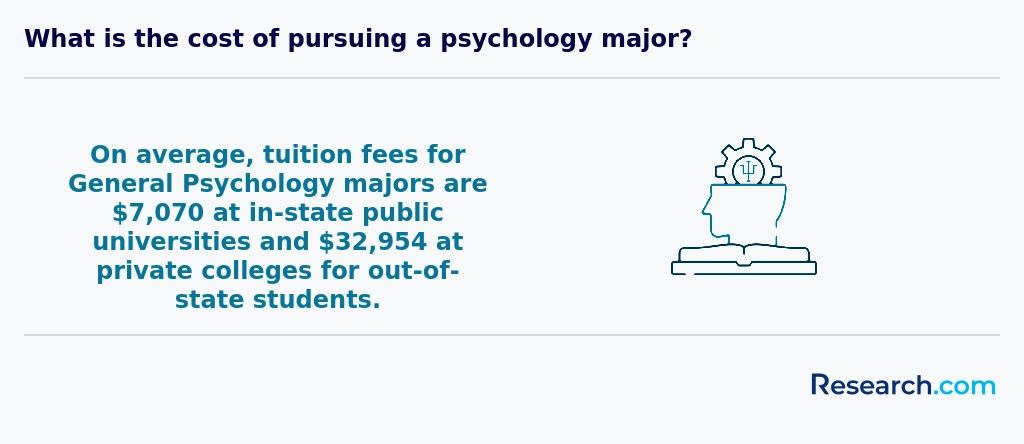
As you explore the various psychology degree programs in Connecticut, understanding the financial implications of your decision is crucial. The cost of pursuing a psychology degree can vary significantly depending on the institution, location, and program level. For instance, students interested in attending one of the most affordable psychology schools in Connecticut can expect to pay lower tuition fees compared to more expensive private institutions. On average, in-state students attending public colleges in Connecticut can expect to pay around $7,070 in tuition, which is a more manageable figure compared to the out-of-state private college tuition that averages around $32,954. To make informed decisions about your education, it's essential to consider these costs and explore available financial aid options, including federal aid, state aid, scholarships, grants, and student loans. By doing so, you can ensure that your investment in a psychology degree yields the best possible returns and sets you on a path to a fulfilling career in psychology.
Psychology students in Connecticut can access a range of financial aid tailored to ease the hefty tuition costs at schools like the University of Connecticut or Yale. Many rely on federal aid by submitting the FAFSA, which unlocks opportunities such as the Pell Grant-covering up to $7,395 annually for those who qualify. This grant often makes a tangible difference, with graduates recalling how it allowed them to focus more on their studies and less on financial stress.
State-specific awards like the Roberta B. Willis Scholarship provide renewable funds up to $4,000 yearly, especially helpful for in-state students balancing classes and part-time jobs. Those enrolled at Charter Oak State College can apply for its dedicated scholarship, directly reducing their financial burden.
Merit-based scholarships at Connecticut universities often reward psychology majors excelling academically or showing leadership, boosting morale and motivation. Graduate students frequently secure assistantships offering tuition remission plus stipends in exchange for research or teaching, a win-win that graduates describe as invaluable both financially and professionally.
Professional organizations, including the American Psychological Association, also offer private scholarships and grants, expanding options beyond campus aid and helping students pursue enriching research projects.
Upon completing a psychology degree in Connecticut, graduates must navigate state-specific licensure and certification steps to practice legally and ethically. The Connecticut Department of Public Health (DPH) mandates the following:
- Education: Earn a master’s or doctoral degree in psychology from a regionally accredited institution.
- Supervised Experience: Accumulate at least 2,000 hours of supervised professional experience, including direct client contact and consultation under a licensed psychologist.
- Examination: Pass the Examination for Professional Practice in Psychology (EPPP) with a minimum score of 500, administered by the Association of State and Provincial Psychology Boards (ASPPB).
- Jurisprudence and Ethics: Complete a state-approved course on Connecticut laws, regulations, and ethical standards governing psychological practice.
- Application Submission: Submit an application to the DPH Psychologist Licensing Board, including official transcripts, verification of supervised hours, exam scores, and required fees.
- Continuing Education: Maintain licensure through 30 hours of approved continuing education every two years, ensuring up-to-date knowledge of emerging research and best practices. For those pursuing applied behavior analysis, attaining Board Certified Behavior Analyst credentials involves graduate coursework, 1,500 hours of supervised fieldwork, and passing the BACB exam. Many students maximize efficiency by enrolling in an accredited bcba program that integrates exam preparation and supervision, streamlining the journey from graduation to full certification. Proper planning and early awareness of these requirements can accelerate your transition from student to licensed professional in Connecticut’s dynamic psychology landscape.
To enroll in a psychology degree program in Connecticut, most students must first have a high school diploma or GED, with strong grades in English, math, biology, and social sciences. For example, recent graduates from the University of Connecticut highlight how a solid foundation in these subjects helped them quickly grasp core psychology concepts once they started their college courses.
Some universities, such as Quinnipiac University, may ask for SAT or ACT scores, but many programs have moved to test-optional policies, reducing stress for applicants. Graduate programs at institutions like Yale University typically expect a bachelor's degree with relevant coursework in psychology or related fields and a minimum GPA around 3.0.
Applicants to master's or doctoral programs often share that preparing strong letters of recommendation and a focused statement of purpose made their applications stand out. Additionally, gaining research experience or internships in clinical settings locally can be a huge boost, as many programs emphasize practical experience alongside academic achievement.

Pursuing a psychology degree in Connecticut is the essential foundation, but obtaining state licensure or certification is critical for professional practice. Connecticut requires candidates to complete specific educational and experiential milestones before they can practice independently as psychologists, school psychologists, or licensed professional counselors. Educational Requirements:
- Hold a doctoral degree (PhD or PsyD) from an APA-accredited program for licensure as a psychologist.
- Complete a master’s degree in counseling or related field from a regionally accredited institution for licensure as a professional counselor. Supervised Experience:
- Accumulate at least 4,000 hours of supervised professional experience (1,500 hours may be obtained through pre-doctoral internships, with the remaining post-doctoral under a licensed psychologist).
- Document client contact hours and supervisor evaluations, as detailed by the Connecticut Department of Public Health. Examination:
- Pass the Examination for Professional Practice in Psychology (EPPP) with a score meeting or exceeding Connecticut’s cutoff.
- For Licensed Professional Counselors (LPC), pass the National Counselor Examination (NCE) or equivalent state exam. Continuing Education and Renewal:
- Complete 40 hours of continuing education every two years, including ethics, multicultural competence, and psychotherapy updates.
- Submit renewal applications and fee payments to the Connecticut Department of Public Health by the biennial deadline. Special Considerations:
- School psychologists must obtain certification through the Connecticut State Department of Education, including a master’s or specialist degree and practicum in school settings.
- Explore diverse program options and cost structures-especially if budgeting is a concern-by reviewing our Affordable Psychology Degree Programs Ranking in Washington for best practices in affordable, accredited training models.
Psychology degree programs in Connecticut typically include core courses such as Introduction to Psychology, which provides a solid foundation by exploring key concepts and research methods. Graduates from well-known Connecticut colleges often reflect on how this course helped them feel confident tackling more specialized subjects.
Other essential courses are Biological Psychology, focusing on brain-behavior connections, and Cognitive Psychology, which dives into memory and perception processes. Many students find these classes engaging because they link classroom theory directly to everyday experiences, like understanding stress responses or learning patterns.
Programs also emphasize Developmental Psychology, covering growth from infancy to old age, and Social Psychology, which explores how groups and social settings influence behavior-a topic relatable for students active in campus organizations at popular universities.
Statistics and Research Methods courses equip students with skills to design studies and analyze data-crucial for internships or fieldwork opportunities frequently offered in Connecticut institutions. Additionally, ethics courses prepare students to uphold professional standards and navigate real-world therapy or counseling situations with integrity.
Psychology degree specializations in Connecticut provide focused pathways that align with various career aspirations. Graduates from institutions like the University of Connecticut and Quinnipiac University often highlight clinical psychology, counseling psychology, and school psychology as popular choices. For example, those pursuing clinical psychology gain hands-on skills to assess and treat mental health issues, preparing them well for licensure and rewarding clinical work. Counseling psychology students share how their training equips them to support individuals managing life's challenges, offering practical therapeutic techniques valued in community settings.
Other best psychology concentrations offered in Connecticut include industrial-organizational psychology, neuropsychology, and developmental psychology. These specializations open doors to diverse roles-from improving workplace dynamics to researching brain-behavior connections or supporting growth across the lifespan. Many students appreciate that these options reflect Connecticut's strong academic offerings and workforce needs. To explore more flexible options and accelerate your journey, consider checking out the list of fastest accelerated masters of psychology online degrees.
Choosing the best psychology degree programs in Connecticut means focusing on what fits your career goals and personal interests. Graduates from Yale often highlight the value of specialized clinical training, while those from the University of Connecticut appreciate a broad curriculum with strong research opportunities. Evaluate programs based on whether they offer courses in areas like developmental or social psychology that excite you. Also, check for APA accreditation, especially if you aim for a doctoral degree to ensure your qualifications will be recognized professionally.
Cost is a big factor; public universities in Connecticut are generally more affordable than private schools like Yale, but remember to budget for living expenses, which can be high across the state. Many students find that programs offering robust internships and networking connections with local clinics and hospitals boost their career readiness and confidence.
For those interested in combining psychology with applied behavioral analysis, exploring an affordable psychology colleges Connecticut that offers a bcba program can be a practical choice to increase job prospects after graduation.

Graduates with psychology degrees from institutions like the University of Connecticut often enter diverse psychology career options in Connecticut, including clinical psychology, counseling, and school psychology. Many find fulfilling roles providing mental health services in hospitals or community centers, applying skills learned through supervised doctoral programs required for licensure in the state. Others pursue positions as licensed professional counselors in schools or rehabilitation centers, drawn by the opportunity to support individuals managing emotional challenges.
Jobs with a psychology degree in Connecticut also extend to research and academia, with graduates joining behavioral studies at universities or government departments such as the Connecticut Department of Mental Health and Addiction Services. Meanwhile, the corporate sector increasingly hires psychology professionals to enhance organizational behavior and improve employee wellbeing, especially in Connecticut's business hubs.
Those exploring affordable pathways can review the Affordable Psychology Degree Programs Ranking in Washington to compare costs and opportunities. Graduates report a strong sense of purpose and meaningful career growth when leveraging psychology in diverse roles across the state.
Psychology job opportunities in Connecticut remain promising due to steady demand across healthcare, education, and government sectors. Graduates from popular local universities often secure roles in clinical settings or school systems, supporting mental health and student development. For example, psychology graduates from institutions like the University of Connecticut report entering counseling positions or working in community programs within months of graduating. These roles often require advanced degrees and state licensure, which can significantly boost employability and salary potential.
Connecticut career outlook for psychology graduates is positive, with a median annual wage around $87,000, higher than the national average. Graduates working in research institutions or government agencies also find rewarding career paths. Many students choose to invest in their education through programs such as the best online accelerated bachelor's degree, which helps them enter the workforce faster and with competitive credentials.
2027 Best Psychology Degree Programs Ranking in Connecticut
Investing in your education is a significant decision that can shape your future, and the Research.com team understands the importance of making informed choices. To assist prospective students in Connecticut, we have meticulously crafted the "2027 Best Psychology Degree Programs Ranking in Connecticut." Our commitment to quality, credibility, and accuracy is reflected in the extensive research and analysis conducted to compile this ranking.
We utilized the following reputable data sources to ensure a comprehensive evaluation of psychology programs:
By exploring this ranking, readers will gain valuable insights into the best psychology degree programs available in Connecticut, helping them make informed decisions about their educational paths. For more details on our methodology, please visit our Research.com methodology page.


Frequently Asked Questions About psychology
Psychology degree students in Connecticut can maximize their learning experience by engaging in hands-on research and internships offered through local universities and mental health facilities. Connecticut hosts several accredited institutions, including Yale University, where students benefit from access to cutting-edge laboratories and expert faculty. According to the Connecticut Department of Higher Education, active participation in research projects correlates with higher graduation rates and improved job placement.
Students should also take advantage of networking events and psychology conferences held statewide, such as those organized by the Connecticut Psychological Association. These opportunities enhance professional connections and practical understanding. Additionally, pursuing licensure-focused courses aligned with Connecticut's Board of Examiners of Psychologists' requirements ensures students meet state standards efficiently.
The field of psychology is constantly evolving, with several emerging niches gaining prominence in recent years. In Connecticut, specialties such as health psychology and neuropsychology are rapidly expanding, driven by increasing demand for mental health services and brain injury care. According to the Connecticut Department of Labor, the employment of clinical and counseling psychologists is projected to grow by 10% through 2030, reflecting this trend.
Another growing area is forensic psychology, which merges psychology with the legal system. This niche offers opportunities in criminal justice agencies and correctional facilities. Additionally, the rise of telepsychology, especially accelerated by the COVID-19 pandemic, is reshaping how psychological services are delivered across the state.
Environmental psychology, focused on human interactions with the environment, is also gaining interest due to increasing awareness of sustainability issues. These developing fields offer diverse career paths for students pursuing psychology degrees in Connecticut.
Preparing for the job market after earning a psychology degree in Connecticut involves several key steps. First, gaining practical experience through internships or research assistant positions at local hospitals, clinics, or universities helps build relevant skills. Connecticut offers opportunities at institutions like Yale University and Hartford Hospital, known for psychology research and practice.
Networking is crucial. Joining professional organizations such as the Connecticut Psychological Association connects graduates with experienced psychologists and job openings. According to the U.S. Bureau of Labor Statistics, Connecticut's employment of psychologists is expected to grow moderately, emphasizing the value of strong connections.
Additionally, obtaining licensure is essential for clinical roles. Graduates should prepare for the Examination for Professional Practice in Psychology (EPPP) and meet state-specific requirements outlined by the Connecticut Department of Public Health.
Continuing education and specialized certifications can improve job prospects in areas like neuropsychology or counseling.
Employers hiring psychology degree graduates in Connecticut highly value strong communication skills. The ability to clearly explain complex concepts and engage effectively with diverse populations is essential in clinical and counseling roles.
Critical thinking and analytical skills are also top priorities. Graduates must interpret data accurately and apply psychological theories to real-world problems, as noted by the Connecticut Department of Labor.
Additionally, proficiency in research methods and statistical analysis is important, given Connecticut's emphasis on evidence-based practice in mental health services.
Interpersonal skills and cultural competence are integral, reflecting the state's diverse communities and multifaceted workplace environments.
Finding psychology internships in Connecticut involves a strategic approach combining research, networking, and leveraging university resources. Many Connecticut colleges with psychology programs, such as the University of Connecticut, offer dedicated internship placement services that connect students with local healthcare facilities, schools, and nonprofit organizations.
The state's Department of Mental Health and Addiction Services often provides internship opportunities relevant to behavioral health careers. Students should also explore hospitals like Yale New Haven Hospital and community mental health centers, which frequently offer psychology-related internships.
According to the Connecticut Association for Human Services, internships in psychology-related positions can range from 100 to 300 hours, fitting academic credit requirements. Networking with faculty and attending local psychology conferences can also lead to valuable internship placements.
In Connecticut, earning a psychology degree significantly enhances career mobility and advancement opportunities. According to the U.S. Bureau of Labor Statistics (BLS), the state has a growing demand for mental health professionals, with a projected 12% job growth for clinical, counseling, and school psychologists through 2031.
Graduates with a bachelor's degree in psychology often enter roles in social services or human resources, but advanced degrees open doors to licensed clinical positions, research, and academia. Connecticut requires state licensure for psychologists, usually needing a doctoral degree and supervised experience, which directly impacts career progression.
Employers in healthcare, education, and government sectors value psychology graduates for their specialized knowledge, enhancing upward mobility. Furthermore, psychology professionals in Connecticut earn a median annual wage of about $92,000, encouraging advanced education for career growth (BLS, 2023 data).
Studying for a psychology degree in Connecticut equips students with a strong foundation in research methods, behavioral science, and human development, all essential for interdisciplinary roles. Many programs integrate coursework from related fields like sociology, health sciences, and education, reflecting the diverse applications of psychology in real-world settings.
According to the Connecticut Department of Labor, psychology-related occupations are increasingly collaborating with social work, healthcare, and business sectors, highlighting the need for cross-disciplinary skills. Students often participate in internships or research projects with organizations that combine psychology with public health or criminal justice.
Connecticut's universities emphasize critical thinking and communication, fostering skills to work effectively in teams across different professional areas. This prepares graduates for careers in counseling, healthcare administration, or human factors engineering, which require blending psychological knowledge with other disciplines.
When choosing between a thesis and a non-thesis psychology degree program in Connecticut, students should consider their career goals. Thesis programs emphasize research skills and prepare students for doctoral studies or research-intensive roles. Non-thesis options tend to focus on practical skills for immediate employment in clinical, counseling, or social service settings.
In Connecticut, some universities report that about 40% of psychology graduates pursue thesis-based programs, aligning with ambitions for academic or research careers. According to the Connecticut Board of Higher Education, thesis students often dedicate an additional semester to research.
Cost and time commitments also differ; non-thesis routes typically allow faster completion, which may appeal to working adults. Prospective students should consult program curricula and speak with faculty advisors to make informed choices based on their professional objectives.
Students in Connecticut seeking to study psychology abroad have multiple pathways to consider. Many universities in Connecticut, such as UConn, offer study abroad programs with partner institutions worldwide, allowing psychology students to gain international experience while earning credits. According to NAFSA, nearly 11% of U.S. study abroad participants in recent years have been psychology majors, reflecting strong interest in cross-cultural psychology exposure.
Additionally, students can pursue dual-degree agreements or direct enrollment in foreign universities, especially in European countries known for psychology research. Financial aid and scholarships specific to study abroad often support such endeavors for Connecticut students. Exploring these options early is essential to accommodate credit transfer and licensing considerations.
Part-time job opportunities in Connecticut that complement psychology degree education often involve direct interaction with diverse populations. Common roles include research assistant positions at universities such as Yale and the University of Connecticut, which enhance understanding of psychological research methods. Additionally, students can work as behavioral health technicians in mental health clinics or group homes, gaining practical experience with patient care.
Local hospitals and nonprofit organizations also offer internships or part-time roles related to counseling support and crisis intervention, valuable for developing communication skills. According to the U.S. Bureau of Labor Statistics, Connecticut's healthcare support roles are projected to grow 14% through 2031, highlighting demand for such experience.
Psychology students in Connecticut have several valuable networking opportunities through local universities and professional organizations. Schools such as Yale University and the University of Connecticut often host psychology-focused events and career fairs where students can connect with faculty, alumni, and industry professionals. These institutions also provide access to research symposiums and workshops that promote collaboration.
The Connecticut Psychological Association (CPA) offers membership for students, providing chances to attend conferences and connect with licensed psychologists across the state. According to the CPA, these events help build professional relationships essential for internships and job placement. Additionally, Connecticut's proximity to major metropolitan areas expands networking possibilities beyond the state.
Alumni networks play a significant role in supporting psychology degree students in Connecticut. These networks connect current students with graduates who work in diverse psychology fields across the state, such as clinical, counseling, and educational psychology. According to the Connecticut Psychological Association, having access to alumni can increase mentorship opportunities and provide guidance on internships and job placements.
Furthermore, alumni often share insights into local industry trends and licensing requirements, which helps students prepare for their careers. Networking events hosted by universities in Connecticut also foster professional relationships that can lead to employment within the state's healthcare and academic institutions.
In Connecticut, students can customize their psychology degree programs by selecting from various electives and concentrations that align with their career goals. For example, many universities offer specializations in clinical psychology, counseling, forensic psychology, or developmental psychology. By focusing on these areas, students can gain relevant skills and knowledge for specific job markets.
Internships and research opportunities are also key customization tools. Connecticut's proximity to numerous healthcare facilities and research institutes allows students to engage in applied experiences early. According to the Connecticut Department of Labor, psychology-related occupations are expected to grow by 15% through 2030, emphasizing the demand for practical experience.
Additionally, many institutions support dual degree options or certificates in fields like social work or business, further enhancing career flexibility. Checking program accreditation and faculty expertise helps ensure alignment with professional requirements in Connecticut.
Psychology students in Connecticut often face several challenges during their academic journey. One common difficulty is balancing rigorous coursework with required fieldwork and internships. Many programs demand practical experience that can be time-consuming alongside classes.
Another challenge is the competitive nature of graduate program admissions, especially given Connecticut's strong focus on clinical and counseling psychology. According to the Connecticut Office of Higher Education, acceptance rates in top programs can be below 30%, increasing pressure on applicants.
Financial strain is also notable; while some students receive scholarships, many rely on loans to cover tuition and living expenses in Connecticut's relatively high cost of living. Additionally, staying updated with evolving research methods and ethical standards requires continuous effort, critical for success in this fast-developing field.
With a psychology degree in Connecticut, graduates can pursue several professional certifications that enhance career opportunities. Common certifications include Licensed Psychologist (requires a doctorate, supervised hours, and passing the Examination for Professional Practice in Psychology).
Other options are Certified Alcohol and Drug Counselor (CADC) and Licensed Professional Counselor (LPC), both requiring a relevant master's degree and supervised experience. The Connecticut Department of Public Health oversees these licenses, ensuring statewide standards.
Additionally, certifications like Board Certified Behavior Analyst (BCBA) are available for those interested in applied behavior analysis, a field growing rapidly in Connecticut's healthcare and education sectors.
Certifications can increase job prospects and salary potential in clinical, educational, and organizational psychology roles across Connecticut.
Applying to psychology programs in Connecticut requires strategic preparation to stand out. First, ensure your academic transcripts reflect strong performance in psychology and related social sciences. Many programs value a minimum GPA around 3.0, but competitive applicants often exceed this.
Write a clear, focused personal statement that explains your interest in psychology, your career goals, and how Connecticut's program aligns with them. Mention any research or volunteer experience, especially in clinical or counseling settings common in the state.
Letters of recommendation are critical. Choose professors or professionals familiar with your skills and dedication in psychology contexts.
Finally, familiarize yourself with schools like the University of Connecticut, where psychology is a major field with emphasis on research. Following these steps can improve your chances significantly.
Psychology careers in Connecticut reflect broader trends seen across the United States, where demand for mental health professionals continues to grow steadily. According to the U.S. Bureau of Labor Statistics, employment of psychologists nationwide is projected to grow 8% from 2022 to 2032, faster than the average for all occupations. Connecticut, with its well-established healthcare and educational institutions, offers strong opportunities for psychology graduates, often integrating global perspectives through diverse populations and research collaboration.
Internationally, psychology emphasizes varied cultural contexts, which enriches practices in the U.S., including Connecticut. Professionals trained here often engage with multicultural approaches to therapy and research, reflecting global mental health priorities highlighted by institutions like the American Psychological Association (APA).
Students pursuing psychology degrees in Connecticut benefit from programs that prepare them for licensure and clinical work, aligned with global ethical standards. The state's focus on evidence-based care mirrors worldwide trends prioritizing scientific rigor and innovation in mental health treatment.
Gaining practical experience while studying for a psychology degree in Connecticut is essential for career readiness. Many universities in the state, such as the University of Connecticut and Central Connecticut State University, offer internships or practicum placements as part of their psychology programs. These opportunities allow students to work in clinical, research, or community settings under supervision.
Connecticut's proximity to various healthcare facilities and research centers provides a rich environment for gaining hands-on experience. Students can volunteer at hospitals, mental health clinics, or nonprofit organizations focused on behavioral health.
The Connecticut Psychological Association encourages students to engage in supervised internships, which can also fulfill licensure requirements later.
Choosing the right concentration within a psychology degree program in Connecticut involves aligning your interests with local workforce needs and educational strengths. Popular concentrations include clinical, counseling, developmental, and forensic psychology, each offering unique career paths.
Connecticut's growing mental health sector, as reported by the Connecticut Department of Labor, expects a 12% job growth for psychologists through 2030, particularly in clinical and counseling roles. Aspiring students should research which concentrations align with licensure requirements in Connecticut, since the state mandates specific supervised hours for clinical practice.
Exploring faculty expertise and research opportunities at Connecticut universities can also guide your choice. For example, some programs focus on child psychology or neuropsychology, reflecting local research strengths. Finally, consider your long-term career goals, whether in healthcare, education, or justice systems, when selecting a concentration.
- 2027 Best Psychology Degree Programs Ranking in Delaware
- 2027 Best Psychology Degree Programs Ranking in Maryland
- 2027 Best Psychology Degree Programs Ranking in Maine
- 2027 Best Psychology Degree Programs Ranking in Indiana
- 2027 Best Psychology Degree Programs Ranking in Georgia
- 2027 Best Psychology Degree Programs Ranking in Illinois
- 2027 Best Psychology Degree Programs Ranking in Florida
- 2027 Best Psychology Degree Programs Ranking in Alabama
- 2027 Best Psychology Degree Programs Ranking in Iowa
- 2027 Best Psychology Degree Programs Ranking in Louisiana
See What Experts Have To Say About Studying Psychology
Read our interview with Psychology experts

Elizabeth L. Jeglic Ph.D.
Psychology Expert
Professor of Psychology
City University of New York

Joann Farrell Quinn, Ph.D., MBA
Psychology Expert
Director at the College of Medicine Department of Medical Education
Morsani College of Medicine

Robin M. Kowalski. Ph.D.
Psychology Expert
Professor of Psychology
Clemson University

- Why Get a Psychology Degree Online? | University of Bridgeport https://www.bridgeport.edu/news/reasons-to-get-your-psychology-degree-online/
- Psychology, MA https://www.ccsu.edu/programs/psychology-ma
- Scholarships For Psychology Majors (2025) https://www.psychology.org/scholarships/
- Sample letters in psychology https://www.mystudies.com/en-in/human-and-social-sciences/psychology/letter-model/
- Have You Found a Niche? https://www.apaservices.org/practice/business/marketing/building/niche
- Call for papers https://www.hogrefe.com/us/journal/international-perspectives-in-psychology-research-practice-consultation
- Study Psychology Abroad https://astarfuture.co.uk/study_psychology_abroad.html
- Alumni Perspectives - Meet Our FPN Alumni https://www.aanmelder.nl/alumni-perspectives-june-2023
- Mental Health Challenges Faced by Psychology Students | The Healthcare Guys https://healthcareguys.com/2023/11/23/mental-health-challenges-faced-by-psychology-students/
- Ontario Psychological Association - Networking and Community Resources https://www.psych.on.ca/become-a-member-(1)/member-services/networking-and-community-resources


