
2027 Best Psychology Degree Programs Ranking in Maine

Co-Founder and Chief Data Scientist
Choosing the right psychology degree program can shape your future career and personal growth. This article introduces the 2027 Best Psychology Degree Programs Ranking in Maine, thoughtfully created by the Research.com team of data scientists. It's designed to help you find the programs that truly stand out in quality and value.
Whether you're starting your college journey or considering a transfer, understanding these rankings can guide you to make an informed decision. A psychology degree opens doors to meaningful work, personal insight, and opportunities to make a difference in your community.
Key benefits of getting psychology degree in Maine
- Psychology degree graduates in Maine can expect competitive salaries, such as Marketing Research Analysts earning about $83,190 annually and Human Resources Specialists making around $76,060 per year, reflecting strong earning potential.
- Career paths for psychology graduates include roles in research, human resources, and clinical studies, as demonstrated by students from the University of Maine who find diverse opportunities in healthcare, business, and social services.
- Online psychology degrees offer flexible schedules and accessibility, allowing graduates from institutions like the University of Southern Maine to balance work and study, which can lead to successful careers without disrupting daily life.
- 2027 Best Psychology Degree Programs Ranking in Maine
- What can I expect from psychology degree in Maine?
- Where can I work with psychology degree in Maine?
What can I expect from psychology degree in Maine?
The average cost of pursuing a psychology degree in Maine is notably affordable compared to national figures, with in-state undergraduate tuition at the University of Maine being approximately $12,600 per year for the 2023-2024 academic cycle. Graduates from the University of Southern Maine and the University of Maine frequently share how this cost-effectiveness allows them to focus more on their studies and practical training without excessive financial stress.
Many students value the availability of assistantships and internships integrated into these psychology programs, which provide both hands-on experience and financial support. For example, a graduate recalled working at a local clinic through a university partnership, gaining crucial clinical skills while offsetting expenses.
These programs are designed not just around classroom learning but around real-world engagement, which enhances students' emotional connection to their field. This balance between affordability and practical opportunities affirms Maine as an inviting place for dedicated psychology students aiming for licensure and careers in mental health services.
Where can I work with psychology degree in Maine?
Graduates with a psychology degree from Maine often find employment in mental health facilities such as hospitals and private clinics, where demand for counselors and therapists is steadily growing. The U.S. Bureau of Labor Statistics projects a 15% increase in mental health counselor jobs in Maine from 2021 to 2031, signaling promising opportunities for new professionals.
Social services is another common career path. Many graduates work as case managers or social workers within state agencies and nonprofits. These roles involve supporting individuals facing addiction or homelessness, directly impacting community well-being-a rewarding experience for those passionate about social change.
In educational settings, Maine colleges like the University of Maine prepare students for roles as school psychologists and counselors. Certification is often required, but a degree provides a solid foundation for contributing to student mental health and academic success.
Research assistants at universities engage in behavioral studies, gaining practical skills that open doors to advanced research careers.
Some graduates leverage their psychology training into human resources or marketing jobs in Portland's competitive private sector, where understanding human behavior is a valuable asset.
Graduates with psychology degrees from Maine institutions like the University of Maine often find diverse career paths with competitive earnings. For example, those entering roles such as human resources specialists, common for psychology majors, can expect a mean annual wage around $76,060 in the state. This salary reflects a stable income early in a professional journey.
Other graduates pursue careers as marketing research analysts, applying psychological principles to consumer behavior, earning about $83,190 annually on average. This figure highlights the lucrative potential of combining psychology with business skills in Maine's job market.
Positions such as clinical research associates or survey researchers, frequently filled by psychology degree holders engaged in data-driven roles without advanced clinical licensure, offer mean salaries near $62,370. These roles are well-suited for graduates wanting analytical work connected to behavioral sciences.
Entry-level jobs like childcare workers, often secured by those with bachelor's degrees while gaining experience or further education, typically offer $32,070 yearly. Maine graduates appreciate these roles as valuable stepping stones toward higher-paying careers in psychology or related fields.
- In-state tuition at public universities in Maine for psychology degrees averages around $11,000 per year, while private colleges charge between $30,000 and $45,000 annually.
- Employment for psychologists in Maine is expected to grow about 3% over the next decade, which is slower than the national average.
- Entry-level psychology graduates in Maine earn approximately $45,000 per year, with experienced professionals making between $70,000 and $90,000 annually.
- Maine requires clinical psychologists to have a doctoral degree, complete supervised postdoctoral experience, and pass the Examination for Professional Practice in Psychology (EPPP) to obtain licensure.
- Different state certifications apply for those planning careers in school psychology or counseling roles in Maine.
Completing a psychology degree in Maine typically takes four years for a bachelor's degree, reflecting the standard full-time undergraduate timeline seen nationwide. Graduates from institutions like the University of Maine often share that balancing core psychology classes, electives, and general education over these 120 credit hours provides a structured yet rewarding experience. Many appreciate how this timeframe allows them to develop foundational knowledge without feeling rushed.
For those pursuing a master's degree, the typical duration extends by about two years beyond the bachelor's. At colleges such as Bowdoin, students often find the two-year full-time program manageable, though some choose part-time enrollment, extending their studies. Graduates describe the master's period as intensive but fulfilling, especially when engaging in research or practical internships.
Doctoral candidates can expect a longer path, usually between 4 and 7 years, which includes coursework, research, and clinical internships. Students often highlight how flexible pacing accommodates their individual research goals and life circumstances, contributing to a positive and personalized doctoral journey in Maine's psychology programs.
Earning a psychology degree is only the first step toward professional practice in Maine. To become a licensed psychologist or mental health provider, graduates must satisfy state-specific criteria set by the Maine Board of Examiners in Psychology: • Accredited Degree: Hold a doctoral or master’s degree from an APA-accredited program or regionally accredited institution with equivalent curriculum. • Supervised Experience: Complete a minimum of 2,000 hours of supervised professional experience, including both pre-doctoral and post-doctoral training under a licensed psychologist. • Examinations: Pass the Examination for Professional Practice in Psychology (EPPP) and the Maine jurisprudence exam, demonstrating both technical competency and understanding of state laws and ethical standards. • Application & Fees: Submit a formal license application, official transcripts, supervisor evaluations, and required fees to the Board. Processing typically takes 8–12 weeks. • Continuing Education: Renew your license biennially, completing at least 30 hours of approved continuing education to stay current on best practices, ethics, and emerging research. For those seeking affordable pathways to licensure, consider regional offerings as well. Explore our Inexpensive Psychology Degree Programs Ranking in Connecticut to compare cost-effective options just across the border. By understanding these licensure steps early, you’ll streamline the transition from student to practicing professional, ensuring your Maine education translates into a rewarding, compliant career.
In Maine, the choice between online and on-campus psychology degrees centers on learning style, flexibility, and environment. On-campus programs at institutions like the University of Maine offer immersive experiences where students engage directly with faculty and peers, participate in hands-on internships at local clinics, and access campus resources such as research labs. Graduates often cite the energizing atmosphere and easy networking as key benefits that deepen their understanding and prepare them for clinical roles.
Conversely, online programs, popular among non-traditional students, provide adaptable scheduling that fits around work or family life. Colleges offering online psychology degrees incorporate virtual classrooms and video discussions, allowing students to study at their own pace. While online students in Maine still complete required practicums, they sometimes arrange these at community centers or workplaces near their homes, offering practical experience without daily commuting.
Financially, on-campus tuition averages around $9,500 annually for in-state students, but online options may reduce costs related to housing and transport. Graduates from both formats report satisfaction with their preparation for licensure, emphasizing that success often depends on balancing program requirements with lifestyle needs.
Maine’s psychology programs stand out not only for their comprehensive curricula but also for the distinguished faculty who drive cutting-edge research and mentor students one-on-one. At institutions like the University of Southern Maine and Bates College, professors hold doctoral degrees from top research universities and maintain active publication records in journals such as the Journal of Experimental Psychology and the American Psychologist. Their expertise spans cognitive neuroscience, developmental psychopathology, and social behavior, ensuring that coursework is informed by the latest theories and methodologies. Hands-on research opportunities are integral to Maine’s psychology degrees. Undergraduates can join faculty-led labs studying topics such as stress resilience, neuroplasticity, and clinical interventions. For example, the Brain and Behavior Lab at the University of Maine invites students to assist with EEG data collection and analysis, while Bates College’s Social Cognition Lab offers training in survey design and statistical modeling. These experiences not only reinforce classroom learning but also build critical skills-like hypothesis formulation, data visualization, and ethical research practices-that are highly valued by graduate programs and employers alike. Faculty mentorship extends beyond the lab. Many professors supervise capstone projects, guide conference presentations, and support applications for competitive fellowships such as the NSF Graduate Research Fellowship and the APA Dissertation Research Award. This personalized guidance helps students refine their research questions, craft compelling literature reviews, and present findings effectively-preparing them for roles in academia, clinical settings, and industry. For students exploring affordable out-of-state programs with strong research components, Maine’s offerings can be compared with other regions to find the best fit. You may also be interested in our Inexpensive Psychology Degree Programs Ranking in Connecticut, which highlights cost-effective alternatives that maintain high standards of faculty excellence and student support.
The average cost of obtaining a psychology degree in Maine varies notably between in-state and out-of-state students, with the median total cost approximately $23,304 for in-state students and $42,776 for out-of-state students. For example, graduates from public institutions such as the University of Maine often highlight the affordability of in-state tuition compared to private colleges, while recognizing the challenge of higher costs for non-residents. This average cost of psychology degree in Maine reflects tuition, fees, and additional expenses required to complete undergraduate and graduate studies.
Beyond tuition, students pursuing psychology degrees at places like the University of Southern Maine emphasize budgeting for living costs, books, and supplies, which can add several thousand dollars per year. These expenses contribute to the overall financial picture, making the total investment substantial but manageable with careful planning. The financial experience shared by graduates frequently involves accessing scholarships and state-specific aid, reinforcing the importance of researching funding options thoroughly.
Many students appreciate that private colleges, including some well-regarded Maine institutions, tend to have higher tuition rates, but also offer robust financial aid packages. This makes it crucial for prospective candidates to explore options like attending an affordable psychology school in Maine to optimize both quality education and cost-efficiency. Overall, understanding the nuances of the Maine psychology degree total expenses helps students balance excitement for their career path with practical financial considerations.

Navigating accreditation and state licensure is essential for any psychology graduate aiming to practice professionally in Maine. The majority of top-ranked programs in the state hold regional accreditation through the New England Commission of Higher Education (NECHE) and programmatic approval from the American Psychological Association (APA). Attending an APA-accredited institution not only ensures rigorous training in ethics, research methods, and clinical practice, but also fulfills eligibility criteria for the Examination for Professional Practice in Psychology (EPPP). After passing the EPPP, candidates must complete a minimum of 2,000 supervised clinical hours-typically divided between pre‐doctoral and post‐doctoral placements-before applying for full licensure through the Maine Board of Examiners of Psychologists. For those pursuing specialized credentials, such as Board Certified Behavior Analyst (BCBA), it’s important to enroll in coursework that aligns with Behavior Analyst Certification Board (BACB) requirements. Many students supplement their psychology degree with online masters aba programs to complete the 270 supervised hours and rigorous curriculum needed for BCBA eligibility. These programs often integrate applied behavior analysis (ABA) principles, ethical standards, and practicum experiences that dovetail with state licensure pathways. Continuing education is another critical component: Maine psychology licensees must accrue 40 professional development hours every two years, with at least 6 hours dedicated to ethics. Approved providers include the Maine Psychological Association and APA’s online learning portal, both offering workshops on evidence-based therapies, diversity and inclusion, and advanced research techniques. By selecting an accredited program and planning for licensure steps early-EPPP preparation, supervised practicum placements, and post‐degree CE credits-students can streamline their journey from enrollment to licensed practitioner.
Psychology students in Maine benefit from multiple financial aid options tailored to offset tuition and incidental costs. For instance, those attending the University of Southern Maine often leverage federal financial aid including Pell Grants and Federal Supplemental Educational Opportunity Grants (FSEOG), which help cover substantial portions of the average in-state tuition near $9,000 annually. Many students express relief knowing Pell Grants do not require repayment, easing the financial pressure as they balance coursework and part-time jobs.
The Maine State Grant Program offers an additional boost, awarding need-based grants usually between $800 and $1,000 each academic year. Graduates from schools like Bowdoin College or Bates College recall that combining state grants with federal aid allowed them to focus more on their research without overwhelming debt.
Graduate psychology students frequently secure teaching or research assistantships, which provide stipends and tuition remission. These roles not only help financially but also enhance their academic experience through active involvement.
Local scholarships and opportunities from organizations such as the American Psychological Association add further financial relief, enabling many Maine students to pursue psychology with confidence and optimism about their futures.
Prospective students can boost their chances of academic and professional success by implementing strategies that go beyond the classroom. Begin by setting clear academic and career goals, and develop a study schedule that accommodates both coursework and personal commitments. Engaging actively in class discussions, seeking constructive feedback from professors, and participating in research projects or internships further enrich the learning experience. Additionally, explore flexible learning options-such as the fastest psychology degree programs-that can help you accelerate your academic journey without sacrificing quality. Networking with alumni and joining student organizations can offer valuable mentorship and support, preparing you for the competitive job market. Finally, continual self-assessment and a willingness to adapt your study habits are key to thriving in rigorous psychology programs, ensuring you build both the technical and soft skills required for success in the field.
Enrolling in a psychology degree in Maine typically starts with meeting core prerequisites aimed at ensuring academic readiness. For undergraduate programs, a high school diploma or GED is essential, with many applicants demonstrating strength in English, math, and science courses. Graduates from the University of Southern Maine recall how maintaining a GPA around 2.5 to 3.0 was crucial to stay competitive during admissions. Some students appreciated that their extracurricular involvement and personal statements helped showcase a well-rounded profile beyond test scores.
Standardized tests such as the SAT or ACT may be required, though an increasing number of Maine colleges have adopted test-optional policies, easing access for many applicants. At the graduate level, a bachelor's degree in psychology or a related field is a baseline, often accompanied by foundational courses like research methods and statistics. Students who advanced through the University of Maine's graduate program found that strong letters of recommendation and statements of purpose significantly influenced their acceptance.
Some graduate programs request GRE scores, but this requirement is shifting, with professional experience sometimes substituting. The admissions process usually emphasizes a holistic view-including interviews-to identify candidates prepared for rigorous psychological study and passionate about contributing to the field.
When exploring psychology degree programs in Maine, financial considerations are paramount. Prospective students often find themselves weighing the costs and benefits of various programs, seeking a balance between academic excellence and affordability. To make informed decisions, it's essential to understand the options available for financing one's education. For instance, many students in Maine opt for federal aid, completing the FAFSA to determine their eligibility for grants, loans, and work-study programs. Additionally, state-specific grants, such as the Maine State Grant, can provide significant financial assistance. Institutional aid, including scholarships and tuition waivers, is also available from many colleges and universities. Some programs even offer assistantships or fellowships to graduate students, which can cover tuition costs and provide a stipend in exchange for research or teaching duties. For those interested in exploring more affordable options, considering an affordable psychology school in Maine can be a prudent step, as these institutions often offer competitive pricing without compromising on the quality of education. By carefully evaluating these financial aid options and considering factors such as program length, accreditation, and career outcomes, prospective students can make a well-informed decision that aligns with their financial situation and career aspirations.
Psychology degree programs in Maine commonly include a core set of courses designed to build a strong foundation and practical expertise. Graduates from popular institutions like the University of Maine often highlight completing General Psychology early on, which covers essential theories and research methods, creating a clear pathway for advanced study.
Key courses frequently cover Biopsychology, exploring brain-behavior links, and Cognitive Psychology, which dives into memory and decision-making processes. Students report that learning about Developmental Psychology helps them understand changes across the lifespan, enhancing empathy in real-world counseling contexts common in Maine's community settings.
Other typical courses include Social Psychology, which investigates how groups shape behavior, and Abnormal Psychology, focusing on mental health disorders and treatments. Those studying at colleges such as Bowdoin appreciate hands-on practice in Psychological Testing and Assessment, crucial for clinical or research work.
The inclusion of counseling techniques and ethics courses further prepares students for Maine's increasing rural mental health challenges, resonating positively with peers who value both theory and practical readiness.
Psychology degree specializations in Maine typically include clinical psychology, counseling psychology, and experimental psychology, each designed to meet diverse career goals. Graduates from universities in Maine describe clinical psychology programs as rigorous yet rewarding, with practical training that prepares them for mental health diagnosis and therapy in community settings. Counseling psychology is emphasized for students interested in supporting others through life challenges, reflecting Maine's growing community mental health focus.
Students pursuing Maine psychology degree concentration options also frequently explore child and adolescent psychology, gaining hands-on experience through internships in local schools or youth agencies. Industrial-organizational psychology and neuropsychology are emerging fields that students appreciate for their roles in improving workplace behavior and understanding brain-function relationships, respectively. This practical orientation allows graduates to feel confident entering diverse sectors.
Because Maine's public universities offer affordable tuition aligning with national averages, many students find it feasible to tailor their education to fitspecialized interests. Some also look into accelerated pathways such as the fastest psychology degree options to progress quickly in their careers.
Choosing the best psychology degree programs in Maine requires evaluating accreditation, cost, and format. Graduates from well-known colleges appreciate programs accredited by the American Psychological Association or regional accreditors, which bolster licensure and employment prospects in Maine's mental health sector. Tuition varies notably-public institutions average around $11,000 annually for in-state students, while private schools can exceed $30,000, making affordable psychology schools Maine offers an important consideration for budget-conscious students.
Successful students often select programs with strong research and practicum opportunities tied to local healthcare providers, enhancing hands-on experience in real Maine communities. Hybrid or online options provide flexibility for working students, exemplified by many who pursue online masters aba programs to balance studies with career commitments.
Curriculum variety is key; graduates value schools offering clinical, counseling, and neuropsychology electives, allowing them to tailor their expertise. Reviewing graduation rates and job placements helps identify programs with proven outcomes.

Graduates pursuing psychology degree opportunities in Maine find diverse career paths shaped by the state's expanding mental health sector. Licensed psychologist roles require graduate education and supervised practice, with Maine enforcing strict licensure for independent practice. Many graduates from institutions like the University of Southern Maine experience rewarding careers as school psychologists, supporting students' emotional and learning needs in public and private schools. Others leverage their bachelor's or master's degrees in jobs with a psychology degree in Maine such as behavioral therapists, case managers, and psychiatric technicians, contributing meaningfully to healthcare teams.
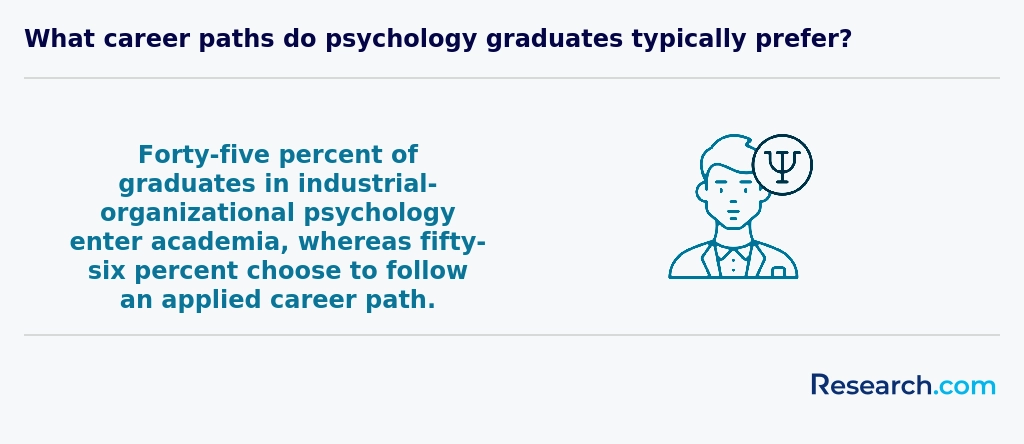
Industrial-organizational psychology roles are increasingly available, helping Maine's businesses optimize workplace productivity and employee well-being. Community-based social service positions focusing on family counseling and substance abuse treatment also attract many graduates. Additionally, research assistant roles at Maine's universities allow students to engage in ongoing psychological studies, enhancing their practical skills and professional networks.
Students concerned about costs can explore various options; for example, programs listed in the Inexpensive Psychology Degree Programs Ranking in Connecticut offer insights into affordable education pathways. This data-driven landscape underscores positive outcomes for those entering psychology fields in Maine, where median psychologist wages reach $82,000, reflecting strong demand and rewarding career opportunities.
Psychology graduates in Maine face a promising job market with steady growth and diverse opportunities. Employers such as hospitals, schools, and private practices actively seek professionals in mental health, social services, and behavioral counseling. Colleges like the University of Maine attract students who find rewarding careers addressing needs in rural communities, where demand for mental health services is notably high. Graduates often report satisfaction from applying their skills in geriatric care and cognitive health, fields expanding due to Maine's aging population. This positive job outlook for psychology degree job outlook in Maine is supported by a projected 6% employment growth through 2031, slightly above the national average.
Salary prospects vary considerably: entry-level roles with a bachelor's degree typically offer median wages between $40,000 and $50,000, while advanced degree holders can earn $60,000 to over $90,000, especially licensed clinical psychologists.
Students from Maine colleges also find that financial aid options reduce education costs, making degrees accessible. Some pursue an accelerated undergraduate degree to enter the workforce sooner and capitalize on the growing demand. Overall, the Maine psychology career and salary prospects are encouraging for those passionate about mental health and community service.
2027 Best Psychology Degree Programs Ranking in Maine
Investing in your education is a significant decision that can shape your future, and the Research.com team understands the importance of making informed choices. To assist prospective students in Maine, we have meticulously crafted the "2027 Best Psychology Degree Programs Ranking in Maine." Our commitment to quality, credibility, and accuracy is reflected in the extensive research and analysis conducted to compile this ranking.
We utilized the following reputable data sources to ensure a comprehensive evaluation of psychology programs:
By exploring this ranking, readers will gain valuable insights into the best psychology degree programs available in Maine, helping them make well-informed decisions about their educational paths. For more details on our methodology, please visit our Research.com methodology page.


Frequently Asked Questions About psychology
Psychology degree students in Maine can enhance their learning experience by engaging in hands-on research opportunities and internships offered by local institutions. The University of Maine, for example, emphasizes undergraduate research, with over 60% of psychology students participating annually, according to the university's 2023 academic report. This practical exposure allows students to apply theoretical concepts in real-world settings.
Additionally, joining psychology-related student organizations fosters networking and professional growth. Maine's regional psychology conferences and workshops provide chances to connect with professionals and stay updated on field advancements. Students should also consider integrating cross-disciplinary coursework, such as sociology or neuroscience, to broaden their skill set and employability.
Emerging niches within the psychology field reflect evolving societal needs and technological advancements. In Maine, there is growing interest in health psychology, which examines how behavior affects physical health. This area is crucial due to an aging population and rising chronic illness rates. Another expanding field is neuropsychology, focusing on brain-behavior relationships, bolstered by advances in brain imaging technologies.
Industrial-organizational psychology is also gaining momentum, helping businesses improve employee well-being and productivity. According to the U.S. Bureau of Labor Statistics, Maine's demand for psychologists in specialized fields is expected to grow by 10% through 2030, highlighting these niches' potential for future professionals.
After completing a psychology degree in Maine, it is important to build practical experience to increase employability. Internships, volunteer work, or research assistant positions provide valuable skills sought by employers. According to the Bureau of Labor Statistics, the demand for psychologists in New England, including Maine, is expected to grow by 8% through 2031, highlighting the importance of relevant experience.
Networking within Maine's local psychological associations and attending conferences can open job opportunities. Additionally, certification and licensure requirements vary by role; for example, clinical psychologists must obtain state licensure through the Maine Board of Examiners of Psychologists.
Strong communication and data-analysis skills are also critical, as psychology roles often involve client interaction and research interpretation. Maine's universities often offer career services tailored to psychology graduates, providing guidance on resume building and job searches.
Employers in Maine highly value psychology degree graduates who demonstrate strong critical thinking and analytical skills. These skills are essential for interpreting complex behavioral data and applying research findings effectively. Communication abilities, both written and verbal, remain a top priority, as professionals often need to convey insights clearly to clients or multidisciplinary teams. According to the Maine Department of Labor, proficiency in ethical decision-making and understanding of cultural competence are increasingly important due to the state's diverse population.
Additionally, familiarity with statistical software and research methodologies is sought after, reflecting the growing emphasis on evidence-based practice in psychology careers throughout Maine's healthcare and social service sectors.
Finding psychology internships in Maine involves exploring opportunities through local universities, hospitals, and community organizations. Many Maine colleges with psychology programs, like the University of Maine, offer internship placement services to assist students. According to the National Association of Colleges and Employers, internships improve job prospects significantly, so early engagement is key.
Students should also consider contacting psychology clinics, mental health centers, and social service agencies in Maine, such as the Maine Behavioral Healthcare network. Networking through professors and attending local psychology conferences can open doors to internship placement.
The Maine Department of Labor's website lists relevant internships and job openings in health and human services, which often include psychology roles. Additionally, joining psychology-related student groups and using online platforms devoted to internships can increase chances of securing experience in this competitive field.
A psychology degree in Maine provides significant advantages for career mobility and advancement within the state's growing behavioral health and human services sectors. According to the Maine Department of Labor, employment for mental health counselors and psychologists is expected to increase by 15% between 2020 and 2030, signaling strong job growth.
Graduates with a psychology degree have flexible career options, ranging from clinical roles to organizational and educational positions. Advanced degrees such as a master's or doctorate enable licensure, which is required for many high-level clinical and counseling jobs in Maine.
Furthermore, the state's emphasis on integrated healthcare models creates additional opportunities for psychology professionals to advance into interdisciplinary roles. Employers often seek candidates who combine clinical knowledge with skills in research, assessment, and program development.
The University of Maine System and private colleges offer specialized programs aligned with state licensing requirements, enhancing graduates' readiness to enter the workforce and pursue leadership positions.
Studying for a psychology degree in Maine offers students a strong foundation to engage in interdisciplinary roles. Many Maine institutions emphasize collaborative learning, combining psychology with fields like healthcare, education, and social work. This approach reflects the growing need for professionals who can work across disciplines.
The University of Maine, for example, incorporates research opportunities in cognitive science and behavioral health, preparing graduates to contribute in diverse professional settings. According to the Bureau of Labor Statistics (2023), Maine has a rising demand for psychologists involved in community health and education sectors.
Students also benefit from internships connecting them with local hospitals and social service organizations, fostering skills applicable in multifaceted roles.
When choosing between a thesis and a non-thesis psychology degree program in Maine, consider your career goals. A thesis program typically involves original research and is recommended for students aiming for careers in research or doctoral study. Maine's universities, such as the University of Southern Maine, offer thesis options that help develop strong analytical and writing skills, valuable in academic or clinical settings.
Non-thesis programs usually focus on coursework and practical experience, which suits students interested in applied psychology roles or immediate workforce entry. According to the National Center for Education Statistics, about 40% of psychology graduates in Maine choose thesis tracks, highlighting its importance for advanced study.
Weigh your long-term plans and readiness for research commitments in making your decision.
Students based in Maine interested in studying psychology abroad have several pathways to consider. Many universities in Maine, such as the University of Maine, offer study abroad programs in partnership with institutions worldwide, allowing psychology majors to gain international experience while earning credits. According to NAFSA: Association of International Educators, approximately 16% of U.S. college students participate in study abroad, with social sciences being among the top fields.
Additionally, students can explore exchange programs or apply independently to foreign universities recognized by U.S. accreditation bodies, ensuring transferability of credits. Maine students may also leverage scholarships targeted at education abroad to offset costs. Resources like the Education Abroad Office at Maine colleges provide guidance tailored to psychology students for selecting appropriate programs.
Students pursuing psychology degrees in Maine can enhance their education through various part-time job opportunities relevant to the field. Positions such as research assistants at universities like the University of Maine allow students to gain hands-on experience in psychological studies and data analysis. Additionally, working as a behavioral health technician or a mental health aide in local clinics can provide practical exposure to client interaction and therapy support.
Community centers and nonprofit organizations in Maine often seek part-time support for counseling programs, offering students valuable experience working with diverse populations. According to the Maine Department of Labor, healthcare support roles are among the fastest-growing part-time jobs in the state, which benefits psychology students aiming for clinical or counseling careers.
Psychology students in Maine benefit from a variety of networking opportunities that support their academic and professional growth. Many universities, such as the University of Maine, offer student chapters of national organizations like the Psi Chi International Honor Society. These groups provide access to conferences, research presentations, and mentorship programs.
The Maine Psychological Association also hosts events and continuing education workshops, allowing students to connect with practicing psychologists and potential employers in the state. According to the Bureau of Labor Statistics, Maine's employment for psychologists is expected to grow by 6% through 2031, highlighting the importance of networking in this competitive job market.
Additionally, internship placements arranged by Maine colleges often connect students to local clinics and hospitals, creating essential contacts for future careers.
Alumni networks play a crucial role for psychology degree students in Maine by providing valuable connections that support career growth. Graduates often access mentorship opportunities through these networks, helping them navigate early professional challenges in psychology fields such as counseling, research, or clinical practice.
These networks also facilitate job placements. According to a 2023 report by the Maine Department of Labor, approximately 40% of psychology graduates find their first position through alumni referrals or university career services linked to alumni.
Moreover, alumni groups frequently organize workshops and continuing education events in Maine, allowing current students to stay updated on the latest research and therapeutic methods.
Such engagement encourages a collaborative community, enhancing both academic and professional development for psychology students statewide.
Customizing a psychology degree program in Maine allows students to align their education with specific career goals. Many Maine institutions offer elective courses or specialized tracks, such as clinical, counseling, or forensic psychology, enabling focused study. Students can also pursue internships and research opportunities within local healthcare, education, or social services agencies to gain practical experience.
Additionally, options for combined majors or minors, like sociology or business, support diverse career paths. According to the Maine Department of Education, approximately 70% of psychology students take advantage of experiential learning to enhance employability. Tailoring your curriculum helps prepare for licensure or graduate study requirements, making your degree more relevant to your ambitions.
Psychology students in Maine often encounter several challenges during their academic journey. One common difficulty is limited access to specialized internship opportunities within the state, given Maine's relatively small population and fewer large clinical facilities. This can affect practical training and networking. Additionally, the cost of tuition and living expenses in Maine can be higher than the national average, which many students find burdensome. According to the National Center for Education Statistics, the average annual tuition for public institutions in Maine is about $10,500, impacting students' financial planning.
Moreover, the rigorous nature of psychology programs requires strong time management skills, as students juggle coursework, research, and often part-time work. Maine's colder climate and sometimes isolated campuses may also contribute to feelings of social isolation or seasonal mood challenges, which some students report. Finally, students face the competitive process of gaining admission to graduate programs, which is a crucial step for many aspiring psychologists aiming for licensure or advanced careers in the field.
With a psychology degree in Maine, graduates can pursue several professional certifications that enhance their career opportunities. One common path is obtaining licensure as a Licensed Professional Counselor (LPC), which requires passing a state exam and supervised clinical hours. Another option is becoming a Certified Alcohol and Drug Counselor (CADC), relevant due to Maine's focus on substance abuse treatment, supported by the Maine Office of Substance Abuse.
Additionally, individuals with a psychology background can pursue certification as a Board Certified Behavior Analyst (BCBA), especially if interested in applied behavior analysis. These certifications often demand a master's degree, clinical experience, and passing a national exam. The Maine Department of Labor projects a 9% growth in counseling-related jobs through 2030, highlighting the value of such credentials.
Other certifications, like those in school psychology or neuropsychology, require further education but provide diverse professional routes within the state.
To write a winning application for a psychology program in Maine, start by thoroughly researching the specific requirements of the colleges you plan to apply to, such as the University of Maine or Bates College. Include a clear, focused personal statement that explains your motivation for studying psychology and highlights any relevant experience, such as internships or volunteer work. Admissions committees value demonstrated commitment to the field.
Strong academic performance is essential; aim for a competitive GPA, typically above 3.0. Maine's psychology programs often recommend or require coursework in statistics and biology. Letters of recommendation should come from professors or professionals familiar with your skills and passion. Finally, ensure all documents are submitted correctly and before deadlines, usually between December and February for fall admissions.
Psychology careers are increasingly viewed through a global lens, emphasizing cross-cultural understanding and international research collaboration. In the United States, including Maine, this means training often incorporates global mental health topics and diverse population studies. According to the American Psychological Association, the demand for psychologists is expected to grow by 8% nationally between 2021 and 2031.
Maine's psychology programs prepare students to work in diverse environments, reflecting global trends. Graduates often have opportunities abroad or with international organizations focusing on mental health. Understanding global psychology practices enhances cultural competence, a valuable skill in today's interconnected world.
This international perspective is essential for students aiming to impact mental health care beyond local settings, aligning with workforce needs and evolving societal challenges.
Gaining practical experience while studying psychology in Maine is essential for building skills and improving job prospects. Many universities in Maine offer internships or practicum placements as part of their degree programs. These opportunities allow students to work directly with clients, conduct research, or assist in mental health facilities under supervision.
Students can also seek volunteering positions at local community centers, hospitals, or nonprofit organizations focused on mental health. In Maine, facilities like the Maine Behavioral Healthcare system often provide student placements, giving real-world exposure to clinical settings.
The Maine Department of Labor notes that hands-on experience significantly increases employability in psychology-related fields. Additionally, research assistant roles on campus can help students develop critical analytical skills.
Choosing the right concentration within a psychology degree program in Maine depends on your career goals and interests. Psychology degrees often offer specializations such as clinical, counseling, developmental, or industrial-organizational psychology. Consider which area aligns with the population or setting you want to work in, whether it's hospitals, schools, or businesses.
Maine's job market for psychologists is growing, with the Bureau of Labor Statistics projecting a 6% increase in employment for psychologists nationally by 2030. Clinical psychology remains one of the largest fields locally, as reported by the Maine Department of Labor. Researching available faculty expertise and internship opportunities in your chosen concentration at Maine colleges can guide your decision.
It is also useful to review licensing requirements in Maine, which vary by specialization and determine the types of roles you can pursue after graduation. Speaking with academic advisors or practicing psychologists in the state can provide practical insights tailored to your goals.
- 2027 Best Psychology Degree Programs Ranking in Connecticut
- 2027 Best Psychology Degree Programs Ranking in Delaware
- 2027 Best Psychology Degree Programs Ranking in Maryland
- 2027 Best Psychology Degree Programs Ranking in Indiana
- 2027 Best Psychology Degree Programs Ranking in Georgia
- 2027 Best Psychology Degree Programs Ranking in Illinois
- 2027 Best Psychology Degree Programs Ranking in Florida
- 2027 Best Psychology Degree Programs Ranking in Alabama
- 2027 Best Psychology Degree Programs Ranking in Iowa
- 2027 Best Psychology Degree Programs Ranking in Louisiana
See What Experts Have To Say About Studying Psychology
Read our interview with Psychology experts

Elizabeth L. Jeglic Ph.D.
Psychology Expert
Professor of Psychology
City University of New York

Joann Farrell Quinn, Ph.D., MBA
Psychology Expert
Director at the College of Medicine Department of Medical Education
Morsani College of Medicine

Robin M. Kowalski. Ph.D.
Psychology Expert
Professor of Psychology
Clemson University

- Maine Psychology Schools https://psychologydegreeguide.org/state/maine/
- Society for the Teaching of Psychology https://teachpsych.org/page-1784686/8675326
- Alumni Perspectives - Meet Our FPN Alumni https://www.aanmelder.nl/alumni-perspectives-june-2023
- How To Find Psychology Internships https://www.psychology.org/resources/how-to-find-an-internship/
- Master of Arts in Psychology [non-thesis] https://su.edu.ph/academic-offering/master-of-arts-in-psychology-non-thesis/
- How to help students cope with mental health challenges https://www.eaie.org/resource/help-students-cope-mental-health-challenges.html
- Bachelor's in Psychology in Warsaw | Poland - SWPS University https://english.swps.pl/academics/warsaw/ba-programs/psychology
- Know more about thesis vs non- thesis: what is the difference? https://studyfans.com/en/blogs/816
- How Psychology Students Can Get Clinical Experience Before Graduating | The Playful Psychologist https://www.theplayfulpsychologist.com/post/students-experience-how-to-get-the-experience-you-need-before-you-graduate
- CLINICAL PSYCHOLOGY (THESIS / NON-THESIS) - Lisansüstü Eğitim Enstitüsü https://lee.nisantasi.edu.tr/en/clinical-psychology-thesis-non-thesis/


