
2027 Most Valuable Online Bachelor's in Psychology Degree Programs Ranking in Virginia

Co-Founder and Chief Data Scientist
If you're considering pursuing an online bachelor's degree in psychology in Virginia, this article is here to guide you. It features the 2027 Most Valuable Online Bachelor's in Psychology Degree Programs Ranking in Virginia created by the Research.com team of data scientists.
Designed to help students make informed decisions, the ranking highlights programs that offer great value and opportunities. Exploring these options can open doors to rewarding careers and personal growth.
Reading this article will give you clear insights to confidently choose a psychology degree that fits your goals and lifestyle.
Key benefits of getting online psychology degree in Virginia
- Salary benefits: Graduates with a psychology degree can earn competitive salaries in Virginia, such as a Human Resources Specialist making around $76,060 annually or a Marketing Research Analyst earning about $83,190 per year.
- Career paths: Psychology graduates from popular Virginia universities often find rewarding roles in areas like clinical research, marketing analysis, or human resources, offering diverse opportunities to match their interests and strengths.
- Online degree advantages: Earning a psychology degree online provides flexibility and convenience, allowing students to balance studies with work or family, which many online graduates from Virginia institutions highly appreciate for their personalized learning experience.
- 2027 Most Valuable Online Bachelor's in Psychology Degree Programs Ranking in Virginia
- What can I expect from online psychology degree in Virginia?
- Where can I work with online psychology degree in Virginia?
What can I expect from online psychology degree in Virginia?
The average cost of an online psychology degree in Virginia varies, but many students attending well-known institutions like Virginia Commonwealth University or George Mason University report tuition typically ranges between $10,000 and $20,000 per year. These costs often feel manageable given the flexibility of online programs that allow working students to continue earning while studying.
Graduates frequently share how competitive tuition paired with financial aid or veterans' benefits made pursuing their degrees less stressful. One graduate described balancing family life and coursework seamlessly through virtual classes, appreciating that the cost savings compared to on-campus programs allowed more focus on learning rather than financial burden.
As mental health gains momentum statewide, new investments may lead to expanded financial support and scholarships, further easing expenses for online students. The combination of practical curriculum with affordable pricing makes Virginia's online psychology degrees attractive for those aiming to grow professionally without sacrificing personal responsibilities.
Where can I work with online psychology degree in Virginia?
Graduates with an online psychology degree in Virginia often find themselves stepping into rewarding roles such as behavioral health technicians or social services assistants within hospitals and mental health clinics. For example, alumni from Virginia Commonwealth University frequently share how their hands-on internships in Richmond's public health departments opened doors to community outreach positions that blend psychology with real-world impact.
In Northern Virginia and the Washington, D.C. metro area, recent graduates are discovering vibrant opportunities in human resources and marketing research, where the ability to analyze human behavior is increasingly sought after. Stories from University of Virginia graduates describe exciting positions as research assistants, providing a crucial stepping stone toward advanced graduate programs or licensed roles in counseling and social work.
Looking ahead, many foresee growth in tech-driven behavioral analysis and telehealth counseling, especially as certification pathways from the Virginia Board of Counseling become more accessible. This evolving landscape encourages psychology graduates to combine their degree with licensure or specialized certifications, unlocking careers that offer both stability and meaningful community contribution.
Graduates of online psychology programs in Virginia often encounter attractive earning potentials across various roles. For example, many find rewarding entry points as human resources specialists, where the mean annual wage reaches around $76,060, providing a solid foundation for professional growth. Those who pivot toward market research, combining psychology insights with data analytics, can expect even higher earnings, with average salaries near $83,190.
At institutions like George Mason University or Liberty University, graduates frequently share that practical skills learned online helped them secure positions as clinical research associates or survey researchers, each earning about $62,370 annually. These roles offer steady income and valuable experience in applying psychological principles.
Imagine a graduate from Virginia Commonwealth University joyfully advancing in a clinical research career, benefiting from a salary close to $62,000 while contributing to impactful health studies. With such pathways, online psychology degree holders in Virginia can envision stable, fulfilling careers that grow alongside emerging trends in psychology-related fields.
As the state's job market evolves, these salaries may increase, reflecting the expanding need for professionals skilled in human behavior and data interpretation, making the future bright for online psychology graduates.
- In-state tuition for online psychology bachelor's degrees in Virginia ranges from $7,000 to $10,000 per year, while private institutions often charge over $20,000 annually.
- Entry-level salaries for psychology graduates average about $40,000 annually, with experienced professionals earning $70,000 or more per year.
- Job growth for psychologists and counselors in Virginia is projected at 8% over the next decade, surpassing the national average.
- Online programs in Virginia offer flexibility and meet licensure requirements set by the Virginia Board of Psychology for clinical practice.
- Most reputable online psychology programs in Virginia hold regional accreditation recognized by the U.S. Department of Education.
Completing an online psychology degree in Virginia generally takes about four years, mirroring the pace of traditional programs at popular institutions like George Mason University or Liberty University. Many graduates recall navigating a structured path covering essential topics like developmental psychology and research methods, feeling a steady sense of accomplishment as credits accumulated.
However, the flexibility of Virginia's online programs allows some students to accelerate their journey. For example, a full-time student at Old Dominion University shared how summer courses enabled finishing in three years, creating excitement around entering the workforce sooner. Conversely, others balancing part-time work or family responsibilities extended their studies to five or six years, appreciating the ability to tailor pacing without stress.
Virginia's online psychology degrees also benefit from recognized accreditation, reassuring students about the value and credibility of their hard work. This adaptability, combined with supportive online communities, often leads to students feeling confidently prepared for their future careers.
Completing supervised fieldwork is essential for applying theory to real-world psychology settings. Most online bachelor's programs in Virginia include:
- A minimum of 100–200 supervised hours in community agencies, clinics, schools or mental health centers
- Coordination with a local site supervisor holding appropriate licensure
- Regular virtual check-ins with university faculty to review progress and competencies
- Clear guidelines on documentation, evaluations and ethical practice standards
Online students benefit from program liaisons who help secure placements near home. Even the cheapest online degree in psychology should provide dedicated field placement support, ensuring you meet Virginia’s requirements for future licensure.
Online and on-campus psychology degrees in Virginia differ mainly in delivery and student experience, but both lead to accredited and respected qualifications. For a student enrolled at George Mason University, online courses offered the flexibility to juggle a part-time job while studying cognitive psychology, creating a sense of empowerment and control over their schedule. In contrast, graduates from the University of Virginia's on-campus program often recall vibrant classroom debates and hands-on lab activities that deepened their connection to the material and peers, fostering a strong academic community.
Students at Virginia Commonwealth University pursuing online programs appreciate how digital platforms allow access to lectures and research methods whenever convenient, though some have shared the challenge of arranging local internships for practicum hours required for licensure. Campus-based students, by comparison, easily network with professors and access career services directly, which can boost confidence and job placement opportunities.
With technology evolving rapidly, Virginia psychology programs may soon blend virtual reality labs and AI-driven tutoring for both online and on-campus students, making education more immersive regardless of location. This could transform how future students engage with psychological concepts, creating exciting possibilities for personalized learning experiences.
After earning your online psychology degree in Virginia, planning your next move is crucial for long-term success. Many graduates enhance their career prospects by pursuing graduate studies, professional certifications, or specialized training programs. For example, internships, research assistant roles, or networking in professional organizations can provide valuable hands-on experience and deepen your understanding of the field. Additionally, if you're considering further academic options, comparing your choices can lead to insights specific to your career goals. Some prospective students even explore alternatives, such as the best rated texas online psychology degree, to broaden their perspectives before committing to a particular track. By aligning continued education with real-world experience, you not only boost your expertise but also strengthen your position in a competitive job market, paving the way for future leadership roles within the field of psychology.
The average cost of earning an online psychology degree in Virginia typically centers around $43,200 for in-state students, though this figure can fluctuate based on the university and program structure. Graduates from well-known institutions like James Madison University and Liberty University often recall balancing their budgets carefully, as tuition for these programs can range from $350 to $500 per credit hour. This makes the total tuition and fees for online psychology bachelor's Virginia a crucial factor for prospective students aiming to manage expenses effectively while enjoying flexible learning environments.
Many students feel encouraged by the possibility of attending quality programs without relocating, which often means taking advantage of consistent in-state tuition rates. Online psychology programs in Virginia are aligning closely with national averages, highlighting a competitive landscape that fosters both academic and financial accessibility. Some graduates express relief at finding affordable options paired with strong academic support, creating a positive learning experience that helps them stay motivated and connected.
With additional costs like technology fees and textbooks factored in, the financial commitment can seem significant. However, financial aid opportunities and scholarships available to Virginia residents frequently ease these burdens. Exploring the most affordable psychology schools in Virginia can reveal unexpected savings and encourage students to envision a future where earning a degree online is not only possible but rewarding.
Choosing an accredited online psychology program is essential for transferring credits, qualifying for graduate study, and meeting state licensure requirements. Most reputable institutions hold regional accreditation from bodies such as the Southern Association of Colleges and Schools Commission on Colleges (SACSCOC). Additionally, programmatic accreditation by the American Psychological Association (APA) or the National Association of School Psychologists (NASP) can enhance your eligibility for internships and graduate programs. – Regional vs. National Accreditation: Regional accreditation ensures your credits transfer seamlessly between institutions. Nationally accredited schools may offer specialized vocational programs, but some graduate schools only accept credits from regionally accredited institutions. – Programmatic Accreditation: While the APA does not accredit bachelor’s programs, it sets standards for master’s and doctoral training. Completing a regionally accredited bachelor’s degree is a prerequisite for admission to an APA-accredited graduate program, which is required for licensed practice. – Path to Licensure: In Virginia, psychologists must earn a doctoral degree, complete 3,000 hours of supervised experience, and pass the Examination for Professional Practice in Psychology (EPPP). Graduates with a bachelor’s often pursue a master’s in psychology or counseling for licensure as Licensed Professional Counselors (LPC). – Graduate School Preparation: When selecting an online bachelor’s program, look for robust research methods, statistics, and practicum opportunities that strengthen your graduate school application. Accelerated formats, such as the bachelor's degree in psychology online, can help you complete prerequisite coursework more quickly. – State Board Requirements: Always verify Virginia Board of Psychology regulations and any reciprocity agreements if you plan to practice in another state. Remaining informed about continuing education and renewal policies ensures your credentials stay current. By prioritizing accreditation and understanding licensure pathways, you’ll position yourself for a smooth transition from undergraduate studies to a professional career in psychology.
Online psychology students in Virginia often find federal financial aid a crucial lifeline. Graduates from schools like George Mason University have shared how filling out the FAFSA unlocked Pell Grants up to $7,395, easing worries about high tuition. These federal loans and grants create a supportive foundation, especially when paired with Virginia-specific programs like the Virginia Tuition Assistance Grant, which helped a recent Regent University graduate manage private college costs more confidently.
Many also tap into scholarships from professional organizations such as the American Psychological Association, which former students at James Madison University recall as both competitive and deeply rewarding when awarded. Employers in Virginia frequently provide tuition reimbursement that has lifted the financial weight for online learners balancing jobs and classes, a benefit some Nova graduates highlight with gratitude.
Institutional scholarships, based on merit or need from universities like Old Dominion University, further brighten futures by reducing debt-a real relief when national averages hover near $30,000. These combined resources fill vital gaps and inspire optimism about pursuing psychology degrees online in Virginia.
For students seeking to pursue an online psychology degree in Virginia without breaking the bank, exploring the most affordable psychology schools in Virginia can be a strategic move. This section highlights institutions that balance quality education with affordability, making it easier for prospective students to make informed decisions about their educational investments. By considering factors such as tuition rates, financial aid options, and the potential return on investment, students can navigate the process of finding an affordable online psychology degree that meets their academic and career goals.
Enrolling in an online psychology degree program in Virginia typically starts with holding a high school diploma or a GED, a fundamental step that many graduates recall with pride as their entry to higher education. For example, students at popular institutions like James Madison University or George Mason University often share how submitting official transcripts with a GPA around 2.5 to 3.0 opened doors to their academic journey. This GPA benchmark reflects readiness to handle courses in research methods and human behavior.
Several graduates describe the evolving landscape where SAT or ACT scores have become optional, reflecting flexibility in admissions. Some universities still request these scores, especially for scholarship considerations, allowing students to showcase their strengths in multiple ways.
Transfer students highlight the importance of providing detailed transcripts from previous colleges, sometimes needing to complete general education prerequisites before advancing. Reliable internet and a capable computer remain non-negotiable, vividly recalled by students managing video lectures and interactive discussions from home.
These requirements ensure Virginia's online psychology students are well-prepared, confident, and ready to succeed in dynamic, virtual learning environments.
After earning an online psychology degree in Virginia, graduates often pursue state licensure or national certification to advance their careers and practice legally. Here are the primary pathways: 1. Licensed Professional Counselor (LPC) - Requirements: Master’s degree in counseling or psychology, 60 credit hours minimum. - Supervision: 3,000 hours of supervised clinical experience, typically completed over 2 years. - Examination: National Counselor Examination (NCE) or National Clinical Mental Health Counseling Examination (NCMHCE). - Renewal: Biennial renewal with 24 continuing education credits. 2. Licensed Psychological Associate (LPA) - Requirements: Bachelor’s degree in psychology, completion of a master’s bridging program approved by the Virginia Board of Psychology. - Supervision: 1,500 hours of supervised practice post-master’s, under a licensed psychologist. - Examination: Examination for Professional Practice in Psychology (EPPP) or Virginia-specific jurisprudence exam. 3. Certified School Psychologist - Requirements: Specialist degree (Ed.S.) or master’s plus post-master’s certification program. - Supervision: 600 hours of supervised school-based practicum/internship. - Examination: Praxis School Psychologist test. - Endorsement: Issued by Virginia Department of Education. 4. National Board Certification (Optional) - Organizations: National Board for Certified Counselors (NBCC), American Board of Professional Psychology (ABPP). - Benefits: Demonstrates expertise and can enhance job prospects. Choosing an accredited and affordable online program is crucial for meeting these licensure prerequisites. Explore our list of Affordable Online Bachelor's in Psychology Degree Programs to find options that align with both your career goals and budget.
Online psychology degrees in Virginia typically include courses like Introduction to Psychology, Research Methods and Statistics, and Developmental Psychology, forming a strong foundation in understanding human behavior. Graduates from popular Virginia institutions often share how the hands-on nature of Research Methods classes helped them confidently design studies and analyze real data, skills employers highly value.
Further into the program, students encounter Abnormal Psychology and Social Psychology, which illuminate mental health challenges and interpersonal dynamics through case studies and interactive projects. Imagine exploring these topics while balancing work or family, enabled by the flexible online formats offered by colleges like George Mason University or Virginia Commonwealth University.
Many students appreciate electives or specializations in Clinical or Industrial-Organizational Psychology, tailoring their education to specific career goals. Internships embedded in these programs bring theory to life, helping students apply concepts in settings such as local clinics or businesses, a rewarding experience that Virginia online learners often cite as pivotal to their enthusiasm and future success.
Students enrolled in an online psychology degree in Virginia often find themselves selecting from dynamic specializations that reflect both regional demands and evolving career landscapes. Virginia's programs frequently include clinical psychology, counseling psychology, developmental psychology, and industrial-organizational psychology. For example, graduates from universities in Richmond describe how clinical psychology tracks helped them confidently step into healthcare roles addressing mental health challenges in urban communities. Those focusing on counseling psychology recount rewarding experiences aiding diverse populations ranging from school-aged children to veterans.
Many appreciate how these programs anticipate future workforce needs, especially within Virginia's expanding business and healthcare sectors. Industrial-organizational psychology prepares learners for emerging roles in improving workplace culture and productivity, often tying coursework to real-life projects based in Northern Virginia corporations. Exploring Virginia psychology bachelor's degree focus areas reveals that students also gain exposure to forensic and health psychology, broadening their career options.
Graduates emphasize the benefit of tailored online education that fits busy schedules while grounding theories in local employment realities. Prospective students should also consider how this aligns with competitive opportunities found in the best rated texas online psychology degree for a broader educational perspective.
Choosing the best online psychology degree in Virginia increasingly means looking beyond traditional metrics to new opportunities for flexible, tech-driven learning. Graduates from institutions like George Mason University often highlight how synchronous and asynchronous class formats helped them balance work and family, sparking enthusiasm for deeper engagement despite busy schedules. These programs embrace emerging trends such as virtual practicums and interactive simulations, giving students hands-on experience that mirrors real clinical settings across Virginia.
Affordability remains key, with many students praising the value of affordable online psychology programs Virginia residents access through state schools. These graduates appreciate transparent tuition models combined with practical support, which lightens financial stress and fuels academic confidence. Others stress the benefits of curriculum choices tailored to future licensure and specialization needs, reinforcing the importance of programs aligned with Virginia's licensing requirements.
For those beginning their journey, exploring a bachelor's degree in psychology online can offer a springboard into diverse career paths, combining flexibility and rigorous academics uniquely suited to the evolving field of psychology.

Graduates holding an online psychology degree in Virginia find diverse career paths shaped by the state's evolving mental health and education sectors. Many step into roles as mental health technicians or behavioral health specialists, gaining practical experience in hospitals or community centers affiliated with universities like George Mason University. These positions serve as a strong foundation for further licensure in counseling or clinical psychology.
Others explore opportunities in school settings, working as educational support specialists or assistants to school psychologists, mirroring trends at popular colleges such as James Madison University. These roles contribute actively to student wellness programs, a growing priority within Virginia's public education system. Business-related roles in human resources and organizational development also appeal to graduates who enjoy applying psychology to recruitment and employee training.
For those driven by curiosity, research positions at institutions such as the Virginia Consortium for Behavioral Health Excellence allow recent graduates to participate in meaningful studies. Prospective students curious about these options can find guidance through Affordable Online Bachelor's in Psychology Degree Programs, which help ease the financial burden while preparing for a future in this rewarding field focused on online psychology degree careers Virginia.
The job market for online psychology degree graduates in Virginia shows promising growth, especially in sectors like healthcare, education, and government. Many graduates from universities in Virginia report starting careers as behavioral health technicians or social service coordinators, roles that offer valuable experience and open doors to advanced positions. Their hands-on work in settings such as community health centers in cities like Richmond and Northern Virginia creates meaningful impact and personal fulfillment.
Employment opportunities for psychology graduates Virginia-wide often require further education or licensure, but a bachelor's degree provides solid groundwork. Graduates have seen steady demand in mental health support roles, human resources, and nonprofit organizations. These positions allow for developing practical skills while considering pathways to specialization.
With tuition ranging broadly across Virginia's online programs, many students balance work and study flexibly, fueling career advancement. Exploring shortest master degree programs can be an appealing next step to enhance job prospects while maintaining income. Overall, the online psychology degree job outlook Virginia reflects stability and evolving roles within a diverse economic landscape.
2027 Most Valuable Online Bachelor's in Psychology Degree Programs Ranking in Virginia
Investing in your education is a significant decision that can shape your future, and the Research.com team understands the importance of making informed choices. To assist prospective students in Virginia, we have meticulously crafted the "2027 Most Valuable Online Bachelor's in Psychology Degree Programs Ranking in Virginia." Our commitment to quality, credibility, and accuracy is reflected in the extensive research and analysis conducted to compile this ranking.
We utilized the following reputable data sources to ensure a comprehensive evaluation of psychology programs:
By exploring this ranking, readers will gain valuable insights into the most valuable online psychology degree programs in Virginia, helping them make well-informed decisions about their academic and professional futures. For more details on our methodology, please visit our Research.com methodology page.
# 1 position
Mary Baldwin University
Bachelor of Psychology




Frequently Asked Questions About psychology
Online psychology degree students in Virginia can enhance their learning by actively engaging with course materials and participating in virtual discussions. Utilizing resources offered by Virginia's accredited institutions, such as library databases and tutoring services, supports deeper understanding.
Forming study groups with peers, even online, can encourage collaboration and improve retention of psychological concepts. Setting a consistent study schedule helps manage time effectively, especially for adult learners balancing work and family.
Students should also pursue internships or practicum opportunities approved by their programs to gain practical experience within Virginia's diverse communities.
The Virginia Department of Education and the American Psychological Association provide valuable guidance on licensure and career pathways, aiding students in aligning their studies with state requirements.
The field of psychology continues to evolve, with several emerging niches gaining prominence, particularly for students pursuing online degrees in Virginia. One notable area is neuropsychology, which explores how brain function impacts behavior. This specialty is expanding due to advances in brain imaging technologies and growing healthcare needs in the state. Another emerging niche is industrial-organizational psychology, focusing on workplace behavior and employee well-being-this is increasingly relevant as Virginia's business sectors prioritize mental health. Additionally, health psychology is gaining traction, addressing the connection between mental and physical health, important amid rising chronic illness rates. According to the Virginia Psychological Association, demand for these specialties is expected to grow steadily in the coming decade.
After completing an online psychology degree in Virginia, preparing for the job market involves strategic steps. First, gaining practical experience through internships or volunteer work in local clinics or community centers is essential. Virginia offers diverse opportunities in mental health agencies, which can strengthen résumés and professional networks.
Next, consider obtaining certifications relevant to psychology fields, such as Certified Mental Health Technician or Registered Behavior Technician, which are recognized nationally and in Virginia. Networking with professionals via Virginia Psychological Association events can provide insights into local hiring trends and opportunities.
Additionally, staying informed about Virginia's specific licensure requirements is crucial, especially for those pursuing clinical roles. According to the Virginia Board of Psychology, licensure typically requires advanced degrees and supervised hours beyond a bachelor's degree.
Finally, developing skills like data analysis and familiarity with psychological research methods enhances employability in various sectors including education, healthcare, and social services.
Employers in Virginia seeking psychology degree graduates prioritize strong analytical and critical thinking skills. These abilities enable graduates to assess complex behavioral data and apply evidence-based approaches effectively.
Communication skills, both written and verbal, are also essential. According to the Virginia Employment Commission, nearly 60% of psychology-related roles demand clear interpersonal skills to work with diverse populations and interdisciplinary teams.
Additionally, proficiency in research methods and statistical analysis is highly valued. Online psychology programs in Virginia often emphasize these areas, preparing students to interpret data relevant to mental health and social services.
Ethical judgment and cultural competency rank among other top skills, reflecting the state's commitment to inclusive, responsible practice in psychology fields.
Finding internships in Virginia relevant to a psychology degree involves strategic research and networking. Many online psychology programs in Virginia collaborate with local organizations and mental health facilities, offering students access to practical experiences. The Virginia Department of Behavioral Health and Developmental Services lists internship opportunities approved for academic credit. Additionally, universities often have internship coordinators who help match students with placements in hospitals, counseling centers, or community agencies.
Students should also explore professional associations like the Virginia Psychological Association for internship listings and networking events. Early application is crucial, as psychology internships are competitive and limited in number. Using resources from the American Psychological Association can also guide students on state-specific licensing and internship standards.
Obtaining an online psychology degree in Virginia can significantly enhance career mobility and advancement. The Virginia Employment Commission reports a steady increase in demand for psychology professionals, with roles expected to grow by 12% through 2030. An online degree offers flexibility, allowing students to balance work and study, which can accelerate entry into the workforce or enable career changes without relocation.
Graduates with an online psychology degree often qualify for licensure and certification, essential for clinical roles in Virginia. Additionally, many employers recognize accredited online programs, improving competitiveness in local job markets. According to the Bureau of Labor Statistics, Virginia's median psychologist salary exceeds the national average, reflecting strong professional opportunities for degree holders.
Studying for a psychology degree in Virginia offers strong preparation for interdisciplinary roles by emphasizing a broad understanding of human behavior supported by courses in biology, sociology, and communication. Virginia's online programs often include collaboration with experts in healthcare, education, and social services, reflecting the state's diverse workforce needs. According to the Virginia Department of Labor, psychology graduates frequently work alongside professionals in fields such as healthcare administration and human resources. This cross-disciplinary approach ensures students develop adaptable skills for roles requiring knowledge of mental health, organizational behavior, and community services.
Choosing between a thesis and a non-thesis psychology degree program in Virginia depends on your academic and career goals. A thesis option involves conducting original research and writing a detailed paper, which is ideal if you plan to pursue graduate studies or research careers. According to the Virginia Department of Education, about 30% of psychology undergraduates opt for thesis tracks.
Non-thesis programs focus more on coursework and practical skills, preparing students for immediate employment in counseling, social services, or human resources. These programs often take less time to complete. The Council for Higher Education Accreditation notes many Virginia institutions offer both tracks to suit diverse professional pathways.
In summary, if interested in research or advanced degrees, the thesis path is beneficial. For those seeking quicker entry into the workforce, the non-thesis program is practical.
Students based in Virginia who wish to study psychology abroad through online degrees have limited direct options due to accreditation and transfer credit challenges. Most U.S. institutions, including those in Virginia, prioritize programs accredited by recognized U.S. bodies such as the APA (American Psychological Association), which sets strict standards for psychology degrees. Virginia students seeking international experience usually consider short-term study abroad programs or international internships integrated within U.S.-based online degrees rather than full overseas degrees.
Virginia hosts several top-ranked online psychology programs, often encouraging study abroad via partnerships, but full online degrees from foreign institutions may face evaluation barriers by Virginia licensing boards.
According to the Virginia Department of Education, psychology graduates intending licensure must ensure the program meets state-specific requirements, which affects decisions on overseas programs.
In Virginia, part-time jobs that complement an online psychology degree often involve direct interaction with individuals or data relevant to mental health and human behavior. Common roles include research assistants at universities or healthcare facilities, where students can gain valuable experience in experimental design and data analysis.
Positions as behavioral health technicians or psychiatric aides in community clinics also offer hands-on experience in patient care and support. According to the Virginia Employment Commission, these roles are expected to grow by 12% through 2030, reflecting increasing demand for mental health services.
Additionally, tutoring or mentoring positions in educational settings provide opportunities to apply psychological principles in learning environments.
Online psychology students in Virginia have multiple networking opportunities that can enhance their educational and professional paths. Many Virginia universities offering online programs encourage participation in virtual student organizations and psychology clubs. These platforms allow students to connect with peers and faculty across the state.
Additionally, Virginia hosts several regional psychological associations, such as the Virginia Psychological Association (VPA), which offers student memberships, webinars, and conferences. These are valuable for building professional contacts and learning about local research and job opportunities.
Internships and practicum placements, often arranged through university partnerships, provide hands-on experience and connections within Virginia's psychology community. Resources like the Bureau of Labor Statistics highlight robust psychology employment growth in the state, emphasizing the importance of networking.
Alumni networks offer significant advantages to online psychology degree students in Virginia by creating valuable professional connections. These networks often provide mentorship opportunities, linking current students with graduates working in various psychological fields across the state. This connection is crucial for career development, especially in Virginia's competitive job market.
Many alumni networks also share exclusive job postings and internships within regional institutions like the Virginia Department of Behavioral Health. According to the Virginia Psychology Association, graduates with active alumni support report higher employment rates within six months of degree completion.
Furthermore, alumni events and online forums facilitate ongoing learning and networking, which can be vital for licensure and continuing education requirements in psychology. These resources enhance students' ability to stay informed about industry trends locally and nationally.
Many online psychology degree programs in Virginia offer flexible curricula that allow students to tailor their studies according to specific career goals. Students can often choose elective courses focusing on areas like clinical psychology, counseling, or industrial-organizational psychology. Virginia's higher education system supports this customization to help meet licensure requirements or job market demands.
Additionally, some programs provide internship placements or research opportunities in local healthcare facilities or businesses, strengthening practical experience. According to the Virginia Department of Education, aligning coursework with in-demand psychology specialties can improve employment prospects in Virginia's growing mental health sector.
Advising services are also commonly available to guide students in selecting the best path toward their professional objectives.
Online psychology students in Virginia often face challenges related to balancing coursework with personal and professional commitments. Many learners juggle jobs or family responsibilities while pursuing their degrees, which can affect time management and academic performance. Additionally, the lack of in-person interaction may limit networking opportunities and direct mentorship from faculty, which are vital for career development in psychology.
Technical issues and varying levels of digital literacy also impact students, as some struggle with navigating online platforms or unreliable internet access, especially in rural parts of Virginia. According to the Virginia Department of Education, about 12% of households in rural areas still have limited broadband access, posing a barrier to consistent study habits.
Furthermore, students must ensure their programs meet licensure requirements if they intend to practice clinically, which can be complex given different state regulations. Resources from the Virginia Board of Psychology emphasize understanding these criteria early to avoid delays in career progression.
With an online psychology degree in Virginia, a variety of professional certifications become attainable. Graduates often pursue credentials such as Certified Alcohol and Drug Counselor (CADC) or Licensed Professional Counselor Associate (LPCA), which provide pathways toward full licensure. The Virginia Board of Psychology oversees licensure requirements for psychologists, requiring advanced degrees beyond the bachelor's level, but a Bachelor's degree can serve as a foundational step.
Other certifications, like the Certified Rehabilitation Counselor (CRC) or certifications in behavior analysis, may require additional education or supervised experience. According to the Virginia Employment Commission, these credentials can enhance job prospects and salaries in Virginia's growing mental health industry.
Applying to an online psychology program in Virginia requires careful preparation and attention to detail. Start by researching accredited schools approved by the Southern Association of Colleges and Schools Commission on Colleges (SACSCOC), which ensures regional recognition.
Highlight your academic background by submitting transcripts showing strong performance in psychology or related courses. Many programs expect at least a 3.0 GPA. Writing a compelling personal statement is key; explain your motivation to study psychology online and connect it to career goals or Virginia's workforce needs.
Request recommendation letters from instructors or employers familiar with your relevant skills. Virginia employers value evidence of practical experience.
Some programs may ask for GRE scores or prerequisite courses-check requirements carefully. Finally, proofread all documents thoroughly to present a polished, professional application.
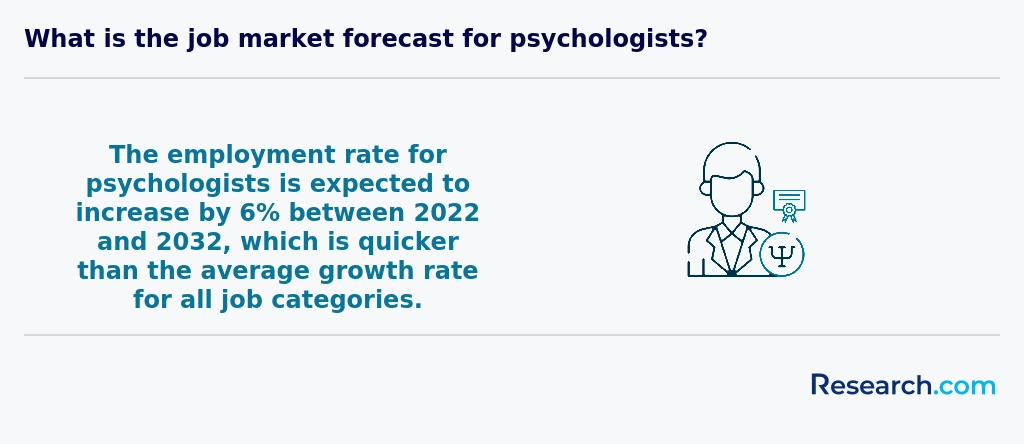
Psychology careers are increasingly valued worldwide for their role in improving mental health and well-being. In the United States, including Virginia, psychology professionals are in demand across healthcare, education, and business sectors. The U.S. Bureau of Labor Statistics projects a 8% growth in psychologist jobs from 2022 to 2032, reflecting growing awareness of mental health issues.
Globally, psychology integrates cultural, social, and scientific perspectives, requiring professionals to be adaptable. For Virginia students, online psychology degrees offer flexible access to accredited programs that meet U.S. licensing requirements, preparing them for work both locally and internationally. According to the Virginia Board of Psychology, licensure standards align with national practices, supporting global mobility. Understanding these trends can help students align their career goals with evolving global needs.
Gaining practical experience while studying for an online psychology degree in Virginia is essential. Many programs require or encourage students to complete internships or practicum hours. These experiences often take place at local clinics, hospitals, or counseling centers within Virginia, allowing students to apply theoretical knowledge in real-world settings.
Virginia's Department of Health and professional organizations such as the Virginia Psychological Association provide resources to help students find internships. These placements often offer supervised training, which is necessary for licensure in the state.
Additionally, some universities partner with local agencies to facilitate remote or hybrid practicum options, accommodating online learners. Students can also engage in research projects with faculty to enhance practical understanding. According to the U.S. Bureau of Labor Statistics, applied experience greatly improves job prospects in Virginia's psychology field.
Choosing the right concentration within an online psychology degree program in Virginia depends on your career goals and interests. Popular concentrations include clinical psychology, counseling, and industrial-organizational psychology. Clinical and counseling psychology are well-suited if you want to work directly with clients, while industrial-organizational psychology focuses on workplace behavior and human resources.
The Virginia Employment Commission reports growing demand for clinical psychologists and counselors, with expected job growth of about 14% through 2030. Consider programs accredited by the American Psychological Association (APA) or those offering state-required coursework for Virginia licensure if you plan to become a licensed psychologist or counselor.
Research each school's curriculum, faculty expertise, and available practicum or internship opportunities, as hands-on experience is critical. Additionally, check if the concentration aligns with Virginia's licensing requirements to ensure your degree supports your professional aspirations.
- 2027 Most Valuable Online Bachelor's in Psychology Degree Programs Ranking in Pennsylvania
- 2027 Most Valuable Online Bachelor's in Psychology Degree Programs Ranking in Ohio
- 2027 Most Valuable Online Bachelor's in Psychology Degree Programs Ranking in Georgia
- 2027 Most Valuable Online Bachelor's in Psychology Degree Programs Ranking in New York
- 2027 Most Valuable Online Bachelor's in Psychology Degree Programs Ranking in Florida
- 2027 Most Valuable Online Bachelor's in Psychology Degree Programs Ranking in Alabama
- 2027 Most Valuable Online Bachelor's in Psychology Degree Programs Ranking in Massachusetts
- 2027 Most Valuable Online Bachelor's in Psychology Degree Programs Ranking in Missouri
- 2027 Most Valuable Online Bachelor's in Psychology Degree Programs Ranking in Illinois
- 2027 Most Valuable Online Bachelor's in Psychology Degree Programs Ranking in Michigan
See What Experts Have To Say About Studying Psychology
Read our interview with Psychology experts

Elizabeth L. Jeglic Ph.D.
Psychology Expert
Professor of Psychology
City University of New York

Joann Farrell Quinn, Ph.D., MBA
Psychology Expert
Director at the College of Medicine Department of Medical Education
Morsani College of Medicine

Catherine Caldwell-Harris, Ph.D.
Psychology Expert
Associate Professor of Psychology
Boston University

- Society for the Teaching of Psychology https://teachpsych.org/page-1784686/8675326
- CLINICAL PSYCHOLOGY (THESIS / NON-THESIS) - Lisansüstü Eğitim Enstitüsü https://lee.nisantasi.edu.tr/en/clinical-psychology-thesis-non-thesis/
- A Guide to Psychology Internships | Psychology Degree Guide https://psychologydegreeguide.org/resources/internships/
- Study Psychology Abroad | Go Overseas https://www.gooverseas.com/study-abroad/psychology
- 2025 Most Popular Online Psychology Degrees in Virginia https://www.onlineu.com/degrees/psychology/virginia
- How to Change Your Career from Psychology to UX Design https://ixdf.org/literature/article/how-to-change-your-career-from-psychology-to-ux-design
- Online Psychology Degrees | University of Phoenix https://www.phoenix.edu/online-psychology-degrees.html
- Nine Under-the-Radar Psychology Careers https://www.psychologytoday.com/us/blog/how-to-do-life/201610/nine-under-the-radar-psychology-careers
- Study Psychology Abroad https://astarfuture.co.uk/study_psychology_abroad.html
- How To Find Psychology Internships https://www.psychology.org/resources/how-to-find-an-internship/


