2027 Most Valuable Online Bachelor's in Psychology Degree Programs Ranking in Ohio

Co-Founder and Chief Data Scientist
Choosing the right psychology degree is an important step for Ohio students planning their future. Our article introduces the 2027 Most Valuable Online Bachelor's in Psychology Degree Programs Ranking in Ohio, developed by the Research.com team of data scientists to guide you toward the best options.
By exploring this ranking, you'll gain valuable insight into programs that balance quality and career potential. Earning a psychology degree can open doors to fulfilling opportunities, personal growth, and new understanding of human behavior. Let this guide help you make a confident, informed decision.
Key benefits of getting online psychology degree in Ohio
- Salary for psychology degree graduates: Graduates in Ohio can expect strong earning potential, with roles like Marketing Research Analyst averaging $83,190 annually and Human Resources Specialist earning about $76,060 per year.
- Potential career paths: Ohio psychology graduates often find fulfilling careers in clinical research, childcare, or survey research, offering diverse opportunities that match different interests and skills.
- Benefits of studying online: Online psychology degrees from Ohio universities provide flexible schedules and reduce commuting stress, letting you balance studies with personal life while gaining a respected qualification.
- 2027 Most Valuable Online Bachelor's in Psychology Degree Programs Ranking in Ohio
- What can I expect from online psychology degree in Ohio?
- Where can I work with online psychology degree in Ohio?
What can I expect from online psychology degree in Ohio?
The average cost of an online psychology degree in Ohio varies depending on the institution, but students at well-known universities like Ohio State University or Kent State University report tuition ranging from approximately $10,000 to $25,000 per year for in-state students. Graduates often highlight that these costs reflect not just instruction, but also access to reputable faculty, virtual labs, and research opportunities that enrich learning.
Some students emphasize the value of flexibility in balancing work and family alongside their studies, citing how affordable online tuition made continuing education feasible without overwhelming financial stress. However, it is important to consider additional expenses such as textbooks, technology fees, and potential travel for required practicum experiences, which may increase the total investment.
While online programs in Ohio are typically regionally accredited and competitive with on-campus offerings, prospective students should critically evaluate whether a lower tuition program might sacrifice opportunities for hands-on learning or networking, which can impact future licensure and career prospects.
Where can I work with online psychology degree in Ohio?
Graduates with an online psychology degree from Ohio institutions often find meaningful roles across diverse sectors, even though a bachelor's alone may not qualify them for licensed clinical positions. Many enter human services or social work support roles, where they assist vulnerable populations and gain hands-on experience. For example, graduates from schools like Ohio State University or University of Cincinnati have shared how their education helped them secure positions as behavioral health technicians in local hospitals, directly impacting patient care.
Working in Ohio's healthcare settings-such as outpatient clinics or rehabilitation centers-is common, with roles in case management and patient support offering steady employment. Some graduates find fulfilling work in educational environments, serving as aides or counseling support staff in schools around Columbus or Cleveland, contributing positively to youth development.
Others leverage their degrees in business environments, supporting HR or organizational development teams focused on workplace well-being. While the path to licensure requires further study, these entry-level jobs provide a rewarding foundation that many Ohio graduates appreciate as they build experience and confidence.
Graduates holding an online psychology degree in Ohio often enter careers where salaries vary widely depending on the role and level of education. For example, many start in positions akin to human resources specialists, earning a mean annual wage of around $76,060, according to the latest data. Marketing research analyst roles, another common pathway for psychology degree holders, offer median wages near $83,190, reflecting stronger demand in data-driven fields. Clinical research associate and survey researcher positions, which may appeal to those with an interest in research, typically offer mean salaries of $62,370.
Students from universities like Ohio State or Miami University report feeling optimistic about their job prospects when they combine their online degree with internships or research projects, especially in metropolitan areas such as Columbus, where local employers value practical experience.
While entry-level roles linked to psychology may start lower, these examples show tangible earning potential, highlighting that pursuing specific applied roles or further education can meaningfully enhance income in Ohio's job market.
- Online psychology bachelor's programs in Ohio are offered by accredited universities, often meeting Higher Learning Commission standards.
- The average total cost for an in-state online psychology degree ranges from $20,000 to $40,000, with public universities typically charging less than private ones.
- Starting salaries for psychology graduates in Ohio average around $38,000 per year, increasing to about $60,000 mid-career.
- Employment in psychology-related fields in Ohio is expected to grow by approximately 5% over the next decade.
- Licensure in Ohio requires supervised experience and passing state exams, so choosing programs aligned with state licensing rules is important.
Completing an online psychology degree in Ohio typically takes around four years for full-time students, closely matching the standard duration found at schools like Ohio State University or Cleveland State University. Graduates often recall balancing coursework with family or work commitments, appreciating how the structured four-year timeline allowed them to steadily progress without feeling overwhelmed.
However, this duration is not fixed; part-time students at institutions such as Kent State University may take six years or more, reflecting their need to juggle classes alongside jobs or caregiving responsibilities. Some motivated students found accelerated paths, completing their degrees in three years by leveraging summer sessions or heavier course loads, which afforded them excitement and satisfaction at entering the workforce sooner.
Transfer credits also play a pivotal role. Many students who previously attended community colleges or other accredited institutions share stories of significant time saved by transferring credits, cutting a year or two from their degree plan. These flexible arrangements at Ohio universities make finishing more manageable and personalized to individual circumstances.
Choosing between online and on-campus psychology degrees in Ohio often comes down to lifestyle and learning preferences. For example, graduates from Ohio State University's on-campus program frequently emphasize the value of face-to-face interaction with professors and peers, which enriches discussions and networking. They describe hands-on lab experiences and easy access to on-campus counseling centers as key benefits that deepen their learning engagement.
Conversely, alumni from University of Cincinnati's online program highlight the unmatched flexibility of remote coursework, allowing them to balance jobs and family responsibilities. Many online learners appreciate arranging local internships through community mental health centers, although they note having to be self-motivated and proactive to secure these opportunities.
Financial considerations also factor in: some Ohio online psychology students report saving on commuting and housing costs, while still completing the required 120 credit hours. Yet, tuition rates vary and aren't always lower online. Ultimately, the difference lies in balancing convenience and structure, with both paths offering accredited education adapted to Ohio's standards.
When you pursue an online psychology degree in Ohio, you’ll engage with a structured curriculum designed to build a strong foundation in both theoretical and applied psychology. Most bachelor’s programs require around 120 credit hours, which typically break down as follows: • Introduction to Psychology (3 credits): Overview of major psychological theories, research methods, and historical perspectives. • Research Methods and Statistics (4 credits): Training in experimental design, data analysis, and interpretation using software tools. • Biological Psychology (3 credits): Exploration of the neurobiological underpinnings of behavior, including brain structure and function. • Developmental Psychology (3 credits): Study of cognitive and social development across the lifespan, from infancy through adulthood. • Social Psychology (3 credits): Examination of how individuals’ thoughts, feelings, and behaviors are influenced by social contexts. • Cognitive Psychology (3 credits): Analysis of mental processes such as perception, memory, language, and decision-making. • Abnormal Psychology (3 credits): Investigation of psychological disorders, diagnostic criteria, and evidence-based treatment approaches. • Ethics and Professional Issues (2–3 credits): Principles governing research ethics, confidentiality, and professional conduct in psychology. • Elective Specializations (9–12 credits): Options in areas like industrial-organizational psychology, forensic psychology, or educational psychology to tailor your learning path. • Capstone or Practicum Experience (3–6 credits): A culminating project or supervised field placement that integrates classroom knowledge with real-world applications. Throughout your studies, you’ll use interactive modules, virtual labs, and discussion forums that mirror the rigor of on-campus instruction. For students comparing affordability and program value beyond Ohio, explore our Inexpensive Online Psychology Degree Programs Ranking in Missouri to see how curriculum and cost intersect in another Midwestern state.
The average cost of an online psychology degree in Ohio typically reflects a median total tuition and fees around $60,460, though costs vary depending on residency status and institution. In-state students often find more affordable options, with some popular public universities like Ohio University and Cleveland State University offering annual tuition between $8,500 and $12,000 for their online undergraduate psychology programs. Graduates from these programs frequently share positive experiences about balancing affordability with quality education, appreciating the flexibility online formats provide alongside reputable faculty support.
Out-of-state students face higher expenses, with median total costs closer to $67,680, reflecting the additional charges beyond resident tuition. However, these students often value the specialized coursework and personalized attention available at private institutions, even when the total tuition exceeds $15,000 per year. One graduate from a private Ohio online psychology program mentioned how this investment contributed to a more tailored learning journey and enhanced career readiness, which justified the premium cost.
Applicants should remember that the average cost of an online psychology degree Ohio tracks closely with national trends, making it a competitive investment. When planning, it's crucial to factor in other expenses like technology fees and required practicums, which can impact the total tuition and fees for psychology degree Ohio. Financial aid opportunities and scholarships can greatly ease these costs. Exploring options thoroughly will help prospective students make informed decisions aligned with both budget and career goals. For a broader perspective on psychological careers, consider reviewing psychology degrees and job opportunities.

Students enrolled in online psychology programs in Ohio often rely on a combination of federal, state, and institutional aid to ease financial burdens. For instance, those attending Ohio State University or Cleveland State University have benefited from Pell Grants, which can provide up to $7,395 annually based on financial need. Graduates frequently mention how completing the FAFSA early was crucial in securing these federal funds.
Ohio's state-specific scholarships, like the Ohio College Opportunity Grant (OCOG), offer targeted support, especially for students from underprivileged backgrounds. This grant can cover up to $2,850 per year, a meaningful portion for learners juggling work and study. Others have found merit-based awards at institutions such as Kent State University, which reward academic achievements and help reduce out-of-pocket costs.
Beyond government aid, many online psychology students tap into private scholarships from psychological associations and local organizations. Navigating these options can feel overwhelming, but graduates often suggest using scholarship search tools to uncover hidden opportunities tailored to psychology majors.
Choosing an accredited online Bachelor’s in Psychology program ensures your degree meets rigorous academic standards and positions you for future licensure or graduate study. In Ohio, look for regional accreditation from bodies such as the Higher Learning Commission (HLC) and consider programs with American Psychological Association (APA) alignment, even at the undergraduate level, to streamline your path toward professional certification. A regionally accredited bachelor’s degree is often recognized by state licensing boards and graduate schools, which is essential when pursuing a master’s degree and the supervised experience required for licensure. Upon completing your bachelor’s degree, many Ohio graduates move directly into master’s-level coursework or applied settings under provisional certification. For those interested in specialized roles-such as evaluation and treatment in legal contexts-pursuing forensic psychology master’s programs can provide APA-approved training and the practicum hours necessary for licensure. Additionally, state licensure requirements typically mandate 1,500–3,000 supervised hours and passing the Examination for Professional Practice in Psychology (EPPP), so verify that your chosen institution offers support for internship placement and exam preparation. Key accreditation and licensure checklist items: • Verify regional accreditation (e.g., HLC) and programmatic accreditation (if available). • Confirm transfer policies and credit acceptance for future graduate programs. • Assess the institution’s track record for graduate school placement and licensure exam pass rates. • Investigate partnerships with Ohio mental health agencies for practicum and internship opportunities. By prioritizing accredited programs and understanding licensure pathways early, you’ll build a solid foundation that not only enhances your bachelor’s education but also accelerates your journey toward becoming a licensed psychologist or counselor in Ohio.
Enrolling in an online psychology degree in Ohio typically starts with having a high school diploma or GED, a baseline requirement at institutions like Ohio State University or Kent State. Many graduates recall the relief of meeting a 2.5 to 3.0 GPA threshold, which helped confirm their academic readiness without unnecessary stress. While some universities still request SAT or ACT scores, others adopt test-optional policies, reflecting flexibility that benefits students balancing work or family commitments.
Transferring credits from community colleges is common, and articulation agreements simplify this process, easing the transition and saving time. Students often find that completing prerequisite courses such as biology or statistics prepares them well for advanced studies in psychology. One graduate shared how a personal essay about their passion for mental health opened doors, highlighting that effective communication skills are valued across Ohio programs.
At the graduate level, Ohio schools generally expect a bachelor's degree with a strong GPA, sometimes accompanied by GRE scores and recommendation letters. These prerequisites reflect a balance between rigorous standards and understanding individual journeys toward becoming psychology professionals in the state.

Enrolling in an online Psychology degree program in Ohio begins with a clear understanding of deadlines, documentation, and strategic application practices that enhance your chances of acceptance. To streamline your journey, consider the following steps: • Research Program Requirements: Verify that your chosen institution is regionally accredited and review Ohio-specific prerequisites-such as minimum GPAs (often between 2.5 and 3.0), official high school or college transcripts, and any required standardized test scores (SAT or ACT). • Prepare a Compelling Personal Statement: Articulate your passion for psychology, highlight relevant experiences (e.g., volunteer work or research), and explain career goals-perhaps involving roles like child life specialists-by exploring what does a child life specialist do to enrich your narrative. • Secure Letters of Recommendation: Request two to three recommendations from academic mentors or professional supervisors who can attest to your analytical skills, work ethic, and interpersonal strengths. • Meet Technical and Financial Aid Deadlines: Online learners must ensure their technology setup (reliable internet, webcam, and supported browser) aligns with institutional requirements. Simultaneously, complete the FAFSA by Ohio’s priority dates to maximize eligibility for state-funded scholarships and federal aid. Application Tips for Success: 1. Start Early-Gather transcripts, test scores, and recommendations at least six months before the deadline. 2. Tailor Each Application-Reference specific faculty research or unique online course features to demonstrate program fit. 3. Highlight Flexibility-Explain how you will balance work, family, and coursework, noting any previous successes in self-paced environments. By following these guidelines, you’ll present a polished, well-prepared application that aligns with admissions criteria and positions you for success in Ohio’s competitive online Psychology landscape.
Online psychology degrees in Ohio usually include foundational courses like introduction to psychology, developmental psychology, and social psychology. Graduates often describe how these classes helped them connect theories to real-life examples, such as understanding peer dynamics during their time at Ohio State University or exploring childhood development stages while studying remotely at the University of Cincinnati.
Essential coursework often emphasizes research skills through classes like Research Design and Methodology, Statistical Analysis for Behavioral Sciences, and Experimental Psychology. Many students appreciate learning how to interpret data and design studies, which they later applied in internships or personal projects, gaining confidence in the scientific side of psychology.
Courses in biological psychology or neuropsychology are also common, helping students at institutions like Kent State University explore how brain function influences behavior-an insight often felt powerful when relating to real people's experiences with mental health.
Ethics courses are vital in Ohio programs, preparing students to handle complex moral decisions professionally. Many graduates mention these classes as particularly meaningful, especially when planning careers in counseling or human services, where ethical considerations are essential.
Online psychology degree specializations Ohio typically include areas such as clinical psychology, industrial-organizational psychology, child and adolescent psychology, forensic psychology, and health psychology. Graduates from popular Ohio colleges often share that focusing on clinical psychology helped them develop practical counseling skills directly applicable in community mental health settings. Others found industrial-organizational tracks valuable, especially given Ohio's strong manufacturing and corporate sectors, enhancing their ability to address workplace behavior and organizational challenges.
Some students appreciate the flexibility offered by departments at well-known universities that provide electives in social, cognitive, or neuropsychology, enabling a broader understanding of psychological principles while tailoring their studies. These Ohio online bachelor's psychology concentration options allow learners to align their education closely with personal career interests and market demands.
Considering different paths is crucial; for example, forensic psychology students reported increased engagement when their coursework connected to legal systems and criminal justice applications in Ohio. Those interested in licensure often explore state-specific requirements, sometimes consulting resources such as the Texas psychologist career path to compare licensing processes.
Choosing how to choose an online psychology degree in Ohio involves scrutinizing several factors beyond surface-level appeal. Graduates from well-known institutions such as Ohio State University or University of Cincinnati often highlight the value of accreditation by the Higher Learning Commission, which ensures that their credits transferred smoothly and their degree held weight with employers. However, not every online program is equal; some smaller colleges in Ohio emphasize flexible schedules allowing asynchronous learning, which suits students juggling family or jobs.
Cost considerations also play a pivotal role when exploring the best affordable online psychology programs Ohio has to offer. Many students recall that while tuition may hover around $11,000 for in-state enrollment, additional fees and the availability of scholarships influencing their ultimate decision. Programs that provide access to academic advising and career counseling specifically for remote learners often receive positive feedback, as they help navigate the online experience effectively.
For those seeking practical experience, graduates recommend checking if an institution facilitates partnerships for internships or practicum placements locally, since hands-on training can be challenging in entirely online setups. Some Ohio programs excel by connecting students with community agencies. Prospective students curious about specialized fields may also find value in exploring affordable behavioral psychology master's degrees, which can guide career-focused choices within psychology.
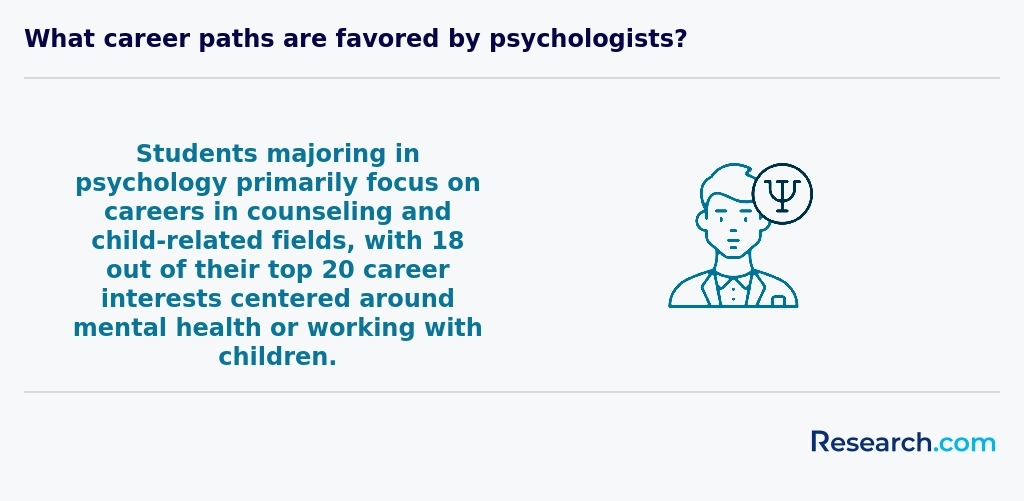
Graduates of online psychology programs in Ohio often explore multiple career paths that align with their education level and personal interests. For example, students from well-regarded institutions like Ohio State University or Kent State University find opportunities in clinical roles, such as licensed psychologists, which require doctoral degrees and state licensure. Meanwhile, those finishing only a bachelor's degree might take on roles like behavioral health technicians or case managers, gaining valuable experience while considering graduate school.
Other graduates pursue psychology job opportunities for Ohio graduates in sectors like human resources or marketing, applying psychological principles to real-world challenges such as recruitment strategies or consumer behavior analysis. Students often recall how courses helped them understand workplace dynamics or market trends, making them competitive candidates in these fields.
Additionally, some consider specialized counseling careers requiring extra education and certification. Those interested might explore paths similar to the lpc coursework requirements in pennsylvania to understand what further training entails. Overall, the flexibility of an online psychology degree careers in Ohio supports diverse ambitions across clinical and non-clinical landscapes.
The online psychology degree job outlook Ohio offers appears cautiously optimistic, particularly for those who engage actively with local practicum and internship opportunities. Graduates from institutions like Ohio State University or University of Cincinnati often report encouraging experiences securing positions in clinical or counseling roles, supported by Ohio's growing emphasis on mental health services. Yet, the job market remains competitive, especially for entry-level roles where salaries hover around $40,000 to $50,000 annually, reflecting the need for practical experience alongside an online degree.
Ohio employment opportunities for psychology graduates extend beyond clinics into educational and social service agencies, providing diverse pathways. Students find that supplementing their bachelor's degree with additional certifications or exploring specialized fields, such as forensic psychology, can significantly improve prospects. For instance, those pursuing forensic psychology master's programs report a rewarding blend of challenging work and impactful outcomes, which bolsters their career trajectories within the state's healthcare sector.
2027 Most Valuable Online Bachelor's in Psychology Degree Programs Ranking in Ohio
Investing in your education is a significant decision that can shape your future, and the Research.com team understands the importance of making informed choices. To assist prospective students in Ohio, we have carefully developed the "2027 Most Valuable Online Bachelor's in Psychology Degree Programs Ranking in Ohio." Our commitment to quality, credibility, and accuracy is demonstrated through thorough research and detailed analysis involved in creating this ranking.
We utilized the following reputable data sources to ensure a comprehensive evaluation of psychology programs:
By consulting this ranking, readers will gain valuable insights into Ohio's best online psychology bachelor's degree programs, empowering them to make well-informed educational decisions. For more information on how this ranking was compiled, please visit our Research.com methodology page.


Frequently Asked Questions About psychology
Students pursuing online psychology degrees in Ohio can maximize their learning by actively engaging in course materials and discussions. Many Ohio universities utilize interactive platforms that allow students to connect with peers and instructors, which enhances comprehension and retention.
Additionally, Ohio has requirements for supervised field experiences or internships in psychology programs, providing practical knowledge alongside theoretical study. Taking advantage of local clinical placements or virtual internships recommended by programs can deepen understanding.
Utilizing Ohio-specific research databases, such as resources provided by OhioLINK or university libraries, supports access to relevant current studies and statistics. Staying informed about statewide mental health trends enriches academic and professional perspectives.
Finally, time management and setting a structured study schedule help online learners balance coursework with other responsibilities effectively.
Emerging niches within the psychology field reflect growing societal needs and new scientific insights. In Ohio, areas like neuropsychology, health psychology, and forensic psychology are gaining attention. Neuropsychology focuses on brain-behavior relationships, which is vital as Ohio's aging population increases demand for dementia-related care.
Health psychology is expanding due to a statewide emphasis on wellness and chronic disease management. Psychologists in this niche often work alongside medical professionals to improve patient outcomes.
Forensic psychology is also developing, supporting Ohio's legal system through offender assessment and expert testimony. According to the Ohio Psychological Association, these specialties offer promising career pathways for online psychology graduates.
After earning an online psychology degree in Ohio, preparing for the job market involves a mix of strategic steps. First, gaining practical experience is crucial; internships or volunteer roles in mental health organizations help build valuable skills. Ohio's employment in psychology-related jobs is projected to grow 14% through 2030, according to the U.S. Bureau of Labor Statistics, signaling good opportunity.
Networking is also essential. Joining local chapters of professional groups like the Ohio Psychological Association can connect graduates with mentors and job leads. Additionally, Ohio requires state licensure for many psychology careers, so graduates should research certification requirements early.
Finally, tailoring resumes to highlight both academic achievements and applied skills improves chances in a competitive market.
Employers in Ohio highly value psychology graduates who demonstrate strong critical thinking and analytical skills. These abilities are essential for interpreting research data and applying psychological theories effectively. Communication skills, both written and verbal, are also crucial, as professionals must convey complex concepts clearly to clients and colleagues.
Additionally, employers seek graduates with proficiency in research methods and statistical analysis, reflecting the increasing reliance on evidence-based practices. According to the Ohio Board of Psychology, ethical judgment and cultural competence are becoming more important due to the diverse populations served in the state.
Teamwork and adaptability are equally significant, given the collaborative nature of many psychology roles in healthcare and social services settings.
Finding psychology internships in Ohio involves leveraging resources offered by both universities and professional organizations. Many online psychology programs in Ohio provide career services that help students connect with local mental health clinics, hospitals, and community agencies offering internships.
The Ohio Psychological Association (OPA) and the Ohio Department of Mental Health and Addiction Services publish internship listings relevant to psychology students. These opportunities often meet state licensing requirements for supervised experience.
Additionally, students should explore placements in diverse settings such as schools, research centers, and nonprofit organizations, which collectively contribute to gaining practical experience.
Ohio hosts numerous accredited institutions with strong ties to nearby internship providers, enhancing placement chances for online students.
An online psychology degree in Ohio can significantly enhance career mobility and advancement within the state's growing mental health sector. According to the Ohio Department of Job and Family Services, employment for psychologists is projected to grow by 10% from 2022 to 2032, outpacing the average for all occupations. Earning a degree online offers flexibility for working professionals, enabling them to upskill without interrupting their current jobs.
Many Ohio employers recognize accredited online degrees, which can open doors to positions in counseling, human services, and research. Additionally, online programs often prepare students for licensure exams required by the Ohio Board of Psychology, a critical step for clinical practice and higher-level roles.
The ability to gain advanced knowledge remotely supports career shifts and promotions, especially in urban centers like Columbus and Cleveland where healthcare demands are rising. Overall, an online psychology degree serves as a practical credential that supports professional growth in Ohio's diverse job market.
Studying for a psychology degree in Ohio offers strong preparation for interdisciplinary roles by combining core psychological theories with practical skills relevant to multiple fields. Ohio institutions emphasize collaboration between psychology and areas such as healthcare, education, and business, reflecting trends in workforce demands. According to the Ohio Department of Higher Education, psychology graduates often engage with fields like social work, counseling, and public health, requiring diverse knowledge.
Online programs in Ohio typically include courses on research methods, human development, and behavioral science, equipping students to work alongside professionals in medical, legal, and organizational settings. This interdisciplinary approach aids graduates in adapting to varied career paths.
When choosing between a thesis and a non-thesis psychology degree program in Ohio, consider your career goals and learning preferences. A thesis program typically requires original research, which benefits students aiming for graduate study or research roles. Ohio universities often emphasize research skills, reflecting the state's focus on clinical and experimental psychology fields.
Non-thesis programs usually focus on coursework and practical skills, appealing to those seeking direct entry into the workforce or applied psychology positions. According to the Ohio Board of Regents, about 40% of online psychology graduates pursue further education, suggesting thesis options suit academic advancement.
Evaluate faculty expertise and resources available for online research if choosing a thesis path.
Students based in Ohio who wish to study psychology abroad through online programs have limited direct options, as most U.S. institutions offering online psychology degrees focus on domestic coursework. However, some Ohio universities have partnerships with international schools or offer study abroad opportunities integrated into their psychology curricula. These hybrid options allow students to gain global perspectives alongside their online studies.
Another possibility is enrolling in accredited online programs from foreign universities recognized by U.S. education authorities, but careful evaluation of credit transfer and licensing requirements is crucial. According to the Ohio Board of Regents, ensuring program accreditation through agencies like APA is essential for future licensure and employment in Ohio.
In Ohio, students pursuing online psychology degrees can benefit from several part-time job opportunities that complement their academic training. Working as a research assistant in local universities or mental health institutions allows students to apply psychological theories practically while building valuable experience. According to the Ohio Department of Job and Family Services, jobs related to social and human services, including behavioral health technician roles, are projected to grow by 10% through 2028.
Additionally, roles such as peer support specialists in community centers offer hands-on experience in counseling and communication. These positions often provide flexible hours, fitting well with online study schedules. Furthermore, Ohio's expanding healthcare sector offers internships in psychiatric clinics and rehabilitation services, which align closely with psychology coursework.
Online psychology students in Ohio have several networking opportunities despite the remote format. Many Ohio universities offering online psychology degrees provide virtual events, webinars, and discussion groups that connect students with faculty and peers. These platforms foster interaction and professional connections.
Additionally, students can join state-level organizations such as the Ohio Psychological Association, which offers student memberships and networking events. According to the OPA, involvement helps students access mentorships and internships specific to Ohio's psychology community.
Local chapter events of national groups like the American Psychological Association also welcome online students, enabling further engagement with professionals and job prospects within the state.
Alumni networks play a vital role for online psychology degree students in Ohio by providing access to a wide community of professionals. These connections can lead to valuable mentorship opportunities, career advice, and job referrals within the state's psychology field. According to the Ohio Psychological Association, networking increases the likelihood of employment in licensed psychology roles by up to 30%.
Online students benefit particularly as alumni networks bridge geographic distances, offering virtual events and forums. This support can help navigate Ohio's state licensure requirements and guide students toward relevant internships or graduate programs.
Strong alumni ties often enhance professional credibility and open doors to Ohio's diverse mental health organizations and research institutions.
Customizing an online psychology degree program in Ohio allows students to align their education with specific career goals. Many Ohio colleges offer elective courses in areas like clinical psychology, counseling, or industrial-organizational psychology, enabling students to focus on their interests.
Students can also select internships or practicum experiences that provide practical skills relevant to Ohio's job market. According to the Ohio Board of Psychology, gaining supervised experience is vital for licensure and employment within the state.
Additionally, some programs offer specialization tracks or certifications, such as child psychology or behavioral analysis, which can enhance career prospects. It's important to review program curricula and outcomes carefully to ensure they support your professional ambitions.
Online psychology students in Ohio often face challenges related to adapting to a virtual learning environment. Many report difficulty balancing coursework with personal and professional responsibilities, especially since psychology programs can require extensive reading and research. Additionally, limited direct interaction with faculty and peers may affect student engagement and motivation.
Access to reliable technology and internet connectivity can also be a concern, particularly in rural areas of Ohio where broadband coverage is less consistent. According to the Ohio Department of Higher Education, about 15% of Ohio households lack adequate internet, impacting online learning experiences.
Moreover, finding quality internships or practicum placements locally can be challenging, as practical experience is crucial in psychology education. Students must often seek external opportunities, requiring additional time and effort to align with licensing requirements in Ohio.
With an online psychology degree in Ohio, graduates can pursue several professional certifications to enhance their careers. One common certification is the Licensed Psychological Associate (LPA), which requires a master's degree and supervised experience but often begins with a bachelor's in psychology as a foundation. Additionally, certificate options like Certified Addiction Counselor (CAC) are available, especially relevant given Ohio's rising focus on substance abuse treatment.
Other opportunities include becoming a Behavioral Health Technician or pursuing Certified Rehabilitation Counselor (CRC) credentials. These certifications typically require additional training or exams but broaden employment options significantly.
For more advanced licenses, such as Licensed Professional Clinical Counselor (LPCC), a master's degree is mandatory beyond the bachelor's level.
To write a winning application for an online psychology program in Ohio, start by thoroughly understanding the program's requirements and deadlines. Most Ohio institutions require a high school diploma or GED with a minimum GPA, often around 2.5 to 3.0. Highlight your academic strengths and relevant experiences in psychology or related fields, such as volunteer work or employment in mental health settings.
Craft a compelling personal statement that clearly explains your motivation for studying psychology online and how it aligns with your career goals. Ohio State University data shows that personal statements emphasizing real-world experience and clear objectives improve admission chances.
Additionally, secure strong recommendation letters from educators or professionals familiar with your abilities. Finally, ensure your application materials are error-free and submit all transcripts promptly to meet Ohio school standards.
The global perspective on a psychology career recognizes the field as both dynamic and essential in addressing mental health needs worldwide. In the United States, including Ohio, psychology professionals are in high demand due to growing awareness of mental wellness. According to the U.S. Bureau of Labor Statistics, employment for psychologists is expected to grow 8% from 2022 to 2032, faster than the average for all occupations.
Ohio reflects this trend, with a significant number of psychology-related job openings in healthcare, education, and social services sectors. Many psychology roles now emphasize cross-cultural competence and global mental health issues.
Studying psychology online in Ohio prepares students to understand diverse populations, a skill valued in international work environments and research. Professional organizations, such as the Ohio Psychological Association, encourage awareness of ethical and cultural matters relevant worldwide, making the career both locally impactful and globally relevant.
Gaining practical experience while studying for an online psychology degree in Ohio is essential for career readiness. Many Ohio universities incorporate internship or practicum components into their curricula to provide real-world exposure. Students often arrange placements in settings such as hospitals, counseling centers, or social service agencies near their residence.
The Ohio Board of Psychology requires supervised professional experience for licensure, so engaging early with supervised internships can benefit students. Additionally, organizations like the Ohio Psychological Association offer resources and networking opportunities to connect students with local professionals.
Online students should proactively seek volunteer roles or part-time positions related to psychology to build hands-on skills. According to the National Center for Education Statistics, approximately 20% of psychology graduates in Ohio participate in internships before completing their degrees.
Choosing the right concentration within an online psychology degree in Ohio depends largely on your career goals and interests. Common concentrations include clinical psychology, counseling, forensic psychology, and industrial-organizational psychology. Each focuses on different skills and job markets. For example, Ohio's growing healthcare sector supports demand for clinical and counseling psychologists, according to the Ohio Department of Job and Family Services.
Consider job outlook data: clinical psychology is projected to grow 14% nationally from 2021-31 (BLS), which influences opportunities in Ohio. Research local licensure requirements, as some concentrations require specific certifications or supervised hours.
Review program curricula carefully to ensure the concentration aligns with your long-term plans and offers relevant internships or practicum experiences.
- 2027 Most Valuable Online Bachelor's in Psychology Degree Programs Ranking in Pennsylvania
- 2027 Most Valuable Online Bachelor's in Psychology Degree Programs Ranking in Michigan
- 2027 Most Valuable Online Bachelor's in Psychology Degree Programs Ranking in Illinois
- 2027 Most Valuable Online Bachelor's in Psychology Degree Programs Ranking in Virginia
- 2027 Most Valuable Online Bachelor's in Psychology Degree Programs Ranking in Missouri
- 2027 Most Valuable Online Bachelor's in Psychology Degree Programs Ranking in Georgia
- 2027 Most Valuable Online Bachelor's in Psychology Degree Programs Ranking in New York
- 2027 Most Valuable Online Bachelor's in Psychology Degree Programs Ranking in Alabama
- 2027 Most Valuable Online Bachelor's in Psychology Degree Programs Ranking in Iowa
- 2027 Most Valuable Online Bachelor's in Psychology Degree Programs Ranking in Florida
See What Experts Have To Say About Studying Psychology
Read our interview with Psychology experts

Robin M. Kowalski. Ph.D.
Psychology Expert
Professor of Psychology
Clemson University

Elizabeth L. Jeglic Ph.D.
Psychology Expert
Professor of Psychology
City University of New York

Catherine Caldwell-Harris, Ph.D.
Psychology Expert
Associate Professor of Psychology
Boston University

- What Certifications Can I Get With A Bachelor's In Psychology? https://www.psychology.org/resources/certification-skills-for-psychology-major-resumes/
- Study Psychology Abroad https://astarfuture.co.uk/study_psychology_abroad.html
- Why Get a Psychology Degree Online? | University of Bridgeport https://www.bridgeport.edu/news/reasons-to-get-your-psychology-degree-online/
- Community Psychology in Global Perspective http://siba-ese.unisalento.it/index.php/cpgp
- Best Online Psychology Degree Programs in Ohio (OH) https://www.degreesforgood.org/online-degrees/psychology-programs/ohio-oh/
- Financial Aid for Psychology Students https://www.onlinepsychologydegrees.com/financial-aid/
- Psychology Unveiled: Fields and History - Virtual Work Experience | Springpod https://www.springpod.com/virtual-work-experience/psychology-unveiled-fields-and-history-virtual-work-experience/WEXP-00025
- Study Psychology Abroad | Go Overseas https://www.gooverseas.com/study-abroad/psychology
- Online Psychology Degrees | University of Phoenix https://www.phoenix.edu/online-psychology-degrees.html
- Alumni Perspectives - Meet Our FPN Alumni https://www.aanmelder.nl/alumni-perspectives-june-2023