
2027 Most Popular Psychology Degree Programs Ranking in Normal

Co-Founder and Chief Data Scientist
Choosing the right psychology degree program is an exciting step toward a rewarding career. This article introduces the 2027 Most Popular Psychology Degree Programs Ranking in Normal, carefully crafted by the Research.com team of data scientists. It helps students like you navigate the many options available and find programs that match your goals.
By exploring this ranking, you'll gain valuable insights to make confident decisions about your education. A psychology degree opens doors to meaningful work and personal growth, making it a great choice for your future.
Key benefits of getting psychology degree in Normal
- Salary for psychology degree graduates: Graduates can expect competitive wages, such as Clinical Research Associates earning around $62,370 annually and Marketing Research Analysts making about $83,190, highlighting strong earning potential in psychology-related fields.
- Career paths in Normal: Psychology graduates from popular local colleges pursue diverse roles like Human Resources Specialists and Survey Researchers, finding fulfilling opportunities that match their skills and interests.
- Benefits of online psychology degrees: Earning a degree online from a respected Normal-based university offers flexibility and convenience, enabling students to balance education with personal and work commitments while still accessing quality resources and support.
- 2027 Most Popular Psychology Degree Programs Ranking in Normal
- What can I expect from psychology degree in Normal?
- Where can I work with psychology degree in Normal?
What can I expect from psychology degree in Normal?
The average cost of earning a psychology degree in Normal, particularly at Illinois State University, aligns with the broader expenses typical of public universities in the region. Graduates often reflect on balancing tuition fees, which can range from moderate in-state rates to higher costs for out-of-state students, alongside living expenses in a college town that offers affordable housing and accessible amenities. Many find that the investment pays off through access to valuable research opportunities and practical experiences that are hard to quantify but enrich their education profoundly.
Students describe the cost as reasonable when weighed against the strength of ISU's psychology department, where hands-on practicum placements and community internships boost real-world readiness. This practical approach, combined with a curriculum that covers both theoretical and applied psychology, makes the expenditure feel worthwhile. Those who graduate often express confidence that the education they received in Normal prepared them well for careers or advanced degrees, making the financial commitment a meaningful step toward their personal and professional fulfillment.
Where can I work with psychology degree in Normal?
Graduates with a psychology degree in Normal often find themselves embraced by the local healthcare system, working in environments such as OSF St. Joseph Medical Center or nearby mental health clinics. Many share how rewarding it feels to provide essential support in these settings, witnessing firsthand the positive impact on patients' lives. Educational institutions also offer fulfilling options; school counselors at public or private schools in McLean County often describe their work as meaningful, helping students navigate emotional and learning challenges.
Social service agencies in the area create opportunities to engage with community outreach and rehabilitation programs. Graduates recall the satisfaction of designing interventions that truly make a difference for vulnerable groups. Illinois State University stands out as a hub for research roles, where assisting in developmental or clinical psychology projects sharpens skills and opens pathways for those considering advanced studies. The growing demand for mental health professionals in Normal makes these options not only viable but deeply inspiring for aspiring psychologists.
Graduates from psychology programs in Normal often find themselves balancing passion with practical earning potential. Those stepping into roles like Childcare Workers, for instance, see median incomes near $32,070 annually-a modest start reflecting essential early-career experience. Many alumni from local universities such as Illinois State University, located in Normal, initially begin in hands-on positions that build foundational skills.
Others leverage their degree toward research-oriented roles like Clinical Research Associates or Survey Researchers, both averaging around $62,370 per year. This salary range signals a meaningful step up in both responsibility and expertise, often involving collaboration with healthcare providers or educational institutions prevalent in Normal's community.
More specialized careers such as Human Resources Specialists or Marketing Research Analysts can yield salaries of $76,060 and $83,190 respectively, presenting opportunities for graduates who adeptly apply psychological principles in business or organizational settings. These positions highlight how a psychology degree can open doors beyond traditional clinical paths, offering diversified and rewarding career trajectories right here in Normal.
- Illinois State University in Normal offers accredited undergraduate and graduate psychology programs with research and applied learning opportunities.
- In-state undergraduate tuition costs about $16,000 per year, while out-of-state students pay around $30,000 annually.
- Graduate tuition typically ranges from $10,000 to $20,000 per year, depending on residency and enrollment.
- Entry-level psychology jobs pay an average starting salary of approximately $35,000 per year in Normal.
- Advanced degrees or licenses can lead to higher salaries between $60,000 and $80,000 after several years of experience.
- Job opportunities include counseling, mental health facilities, social services, and research assistant roles.
Completing a psychology degree in Normal typically mirrors the national trajectory, with many undergraduates finishing their Bachelor of Arts or Science in about four years. Graduates from Illinois State University often reflect on this period as both challenging and deeply rewarding, balancing core courses and electives while engaging in campus life. This timeframe allows for steady progress while fostering personal growth.
For those advancing to a Master's degree, the journey usually extends to two or three years. Many students appreciate the chance to dive deeper into specialized topics and practicum experiences, which enrich their understanding beyond the undergraduate level.
Doctoral candidates in Normal commit between five to seven years, navigating coursework, clinical training, and dissertation research. Despite the demanding timeline, graduates often speak warmly about the supportive environment and resources at their institutions, which make this rigorous period feel manageable and inspiring.
Factors like attending part-time or fulfilling practicum hours naturally influence how long each student takes, making each academic path uniquely personal yet achievable in Normal's vibrant academic community.
With the rising demand for flexible education, students now have more opportunities than ever to pursue advanced psychology degrees through online and hybrid programs. Integrating technology with traditional academic practices, these programs offer rigorous curricula, expert faculty mentorship, and practical experiences that mirror the benefits of on-campus learning. Students interested in blending convenience with high academic standards can consider options such as apa accredited hybrid psyd programs, which combine online coursework with essential in-person components. Expanded to address the needs of non-traditional learners, working professionals, and those with geographic constraints, these programs typically offer flexible scheduling, state-of-the-art virtual classrooms, and supportive academic resources. By choosing a well-structured online or hybrid pathway, you can advance your career in psychology while maintaining a healthy work-life balance and staying current with industry trends, ensuring that your educational journey remains both innovative and impactful in today’s fast-paced world.
Choosing between online and on-campus psychology degrees in Normal reveals distinct experiences shaped by flexibility and engagement. Graduates from Illinois State University, a popular local choice, often recall the convenience of online courses that fit their busy lives, allowing them to balance work and study without the stress of commuting in a city with limited public transit. This flexibility brought a sense of control and relief during challenging times.
On the other hand, those who attended on-campus programs at local colleges cherished the direct interactions with professors and peers. Engaging in hands-on labs and community internships enriched their learning, providing practical skills essential for psychology careers. These face-to-face connections fostered friendships and networks that many alumni found invaluable.
While tuition in Normal's on-campus programs can be higher due to campus fees, students recognize the value in immersive learning environments. Online students appreciate reduced costs yet often invest more time mastering technology needed for remote collaboration. Both paths lead to respected degrees if properly accredited, shaping rewarding futures in psychology.
After earning a psychology degree in Normal, IL, graduates must navigate state-specific licensing and certification to practice professionally. In Illinois, the two primary credentials are Licensed Professional Counselor (LPC) and Licensed Clinical Psychologist (LCP), each with distinct requirements: 1. Education and Degree Verification • LPC: Master’s degree in counseling or related field from an accredited institution. • LCP: Doctoral degree (PhD or PsyD) in clinical psychology. 2. Supervised Clinical Experience • LPC candidates complete 3,000 hours of supervised post-master’s clinical work under an approved supervisor. • LCP candidates accrue 1,500 to 2,000 hours of pre-doctoral practicum and 1,500 post-doctoral hours. 3. Examination Requirements • LPC applicants pass the National Counselor Examination (NCE) or National Clinical Mental Health Counseling Examination (NCMHCE). • LCP candidates must succeed on the Examination for Professional Practice in Psychology (EPPP). 4. Application and Background Check Both tracks require submission of official transcripts, supervisor verification forms, and a criminal background check via the Illinois Department of Financial and Professional Regulation (IDFPR). 5. Continuing Education and Renewal Licensed professionals must complete 20 hours of continuing education every two years, including ethics and Illinois law. For those exploring alternative pathways into mental health careers-especially candidates curious about how much schooling to be a therapist-understanding these licensure steps ensures a smooth transition from academic training to a rewarding clinical practice.
The average cost of a psychology degree in Normal is influenced largely by tuition fees at Illinois State University, the city's main institution for this field. Graduates often reflect on their experiences balancing the cost with the value of their education, noting that the median total cost hovers around $41,234. This figure captures tuition along with additional expenses, painting a realistic picture of what it takes to earn a degree in this vibrant college town. Understanding psychology degree tuition and fees in Normal helps students anticipate both in-state and out-of-state costs, which vary but remain within this general range.
Many students pursuing a psychology degree in Normal highlight the importance of budgeting not just for tuition but also for living expenses, which can add significantly to the total investment. Examples include costs for housing, textbooks, and student services, which enrich the college experience and support academic success. Some graduates fondly recall managing these costs through scholarships and financial aid, which played a pivotal role in easing their financial burden while allowing them to focus on their studies.
Prospective students will find that exploring opportunities for financial support specific to psychology majors is essential. Those interested in advanced study might consider the affordability and structure of graduate programs or explore online counseling master's degree programs as a flexible and potentially cost-saving alternative in Normal. Balancing costs with the rewarding career outcomes of psychology graduates makes this path feel like a wise and achievable investment.
Compare these popular pathways to find the best fit for your goals:
- Illinois State University – Bachelor of Arts in Psychology: small-group research, clinical internship placements, in-state tuition ~$7,070/year
- Heartland Community College – Associate in Psychology: affordable 2-year program, guaranteed transfer agreements, hands-on lab courses
- Online Master’s in Psychology – flexible format, expert faculty feedback, ideal for working professionals; explore a cheap online masters in psychology
Psychology students in Normal often find that financial aid is a vital part of their educational journey, offering peace of mind and tangible support. Many who have attended Illinois State University recall the relief of receiving Pell Grants through FAFSA, which helped cover essential tuition costs without the burden of repayment. This federal financial aid can provide up to $7,395 annually, directly easing the financial weight for those qualifying based on need.
State aid, particularly the Monetary Award Program (MAP), played a crucial role for in-state students by alleviating tuition expenses at local colleges. Graduates frequently reflect on how the MAP grant, averaging around $4,000 a year, supplemented their finances significantly.
Psychology graduate students at universities in Normal also benefit from teaching and research assistantships, which not only offset tuition but provide valuable stipends between $10,000 and $20,000 yearly. This form of aid often brings a sense of accomplishment, allowing students to engage deeply with their field while supporting themselves.
Additionally, many remember private scholarships from organizations like the American Psychological Association as encouraging boosts, affirming their commitment to psychology. Work-study options also offered practical employment experiences, balancing earnings with academic growth.
After completing a psychology degree, most professional roles require state licensure in Illinois:
- Education: Earn a degree from a regionally accredited program - consider the cheapest online psychology degree to minimize tuition expenses.
- Supervised Experience: Complete at least 3,000 hours of supervised practice under a licensed psychologist.
- Examination: Pass the national Examination for Professional Practice in Psychology (EPPP) and the Illinois Jurisprudence Exam.
- Application: Submit official transcripts, supervision logs, and exam scores to the Illinois Department of Financial and Professional Regulation.
- Continuing Education: Renew your license every two years with a minimum of 40 hours of approved continuing education.
Enrolling in a psychology degree program in Normal typically starts with meeting foundational academic requirements that set the stage for success. Graduates from local institutions often recall how having a high school diploma with a solid GPA-usually around 2.5 to 3.0-helped them gain entry and feel confident in their ability to tackle college coursework.
Many students remember the relief of schools adopting test-optional policies, which eased pressure around SAT or ACT scores, though preparing in subjects like English and math remained valuable. Those who had completed science classes in high school-biology or chemistry, for example-found it gave them an edge when diving into psychological theories later.
For those pursuing advanced degrees, the journey deepens. Graduates often highlight how holding a bachelor's degree with psychology coursework and maintaining a GPA of 3.0 or higher made their applications stand out. Personal statements and letters of recommendation played a crucial role, bringing their stories and dedication to life.
Choosing to study psychology in Normal means appreciating these prerequisites as positive stepping stones rather than barriers, setting a meaningful foundation for personal and academic growth.
Pursuing a psychology degree in Normal, IL, can be a highly rewarding decision, offering a blend of personal fulfillment and career opportunities. By opting for a popular psychology degree, students can position themselves for success in a field that is increasingly recognized for its importance in understanding human behavior and promoting mental health. With a strong foundation in psychology, graduates can navigate a wide range of careers, from mental health counseling and educational psychology to human resources and market research, making a tangible difference in people's lives. The interdisciplinary nature of psychology also means that graduates can apply their skills and knowledge in various sectors, including healthcare, education, and business, underscoring the versatility and value of a psychology degree in today's job market.
Students pursuing psychology degrees in Normal often find their academic journey begins with foundational courses like Introduction to Psychology, which opens the door to understanding diverse areas such as cognitive, developmental, social, and clinical psychology. Graduates from Illinois State University recall how this broad overview helped them develop a deep curiosity about human behavior early on, providing clarity and motivation for their studies.
As they advance, they engage with specialized subjects like Research Methods and Statistics, which empower them to critically evaluate studies and design their own research projects-skills that former students describe as both challenging and immensely rewarding. Courses like Biological Psychology connect abstract concepts to real-life experiences, such as exploring how brain activity influences emotions, which many find fascinating and relatable.
Upper-level classes in Developmental, Social, and Abnormal Psychology allow students to dive deeper, often enriched by internships or lab work. This hands-on approach, emphasized at local institutions, helps students gain confidence and practical insight, making the theories they study come alive in everyday situations.
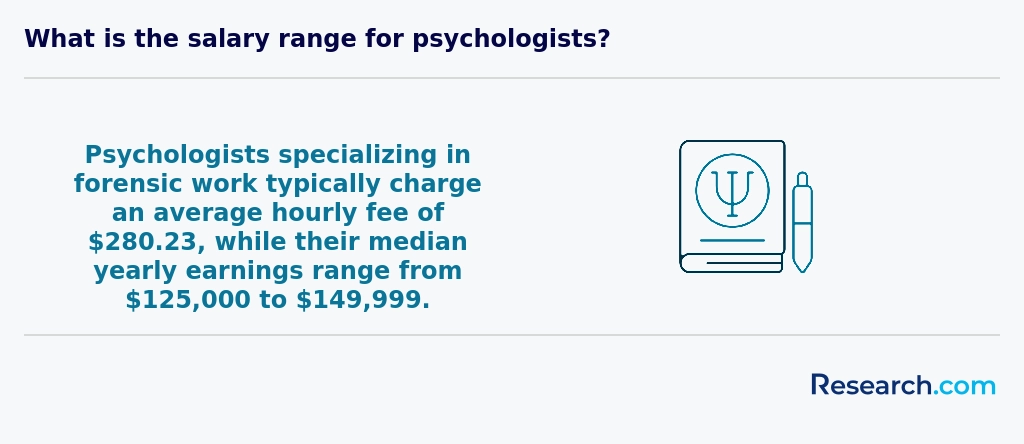
Psychology degree specializations in Normal commonly include clinical, counseling, developmental, industrial-organizational, and forensic psychology. Graduates from popular colleges in Normal often reflect on how clinical psychology prepared them to address growing mental health needs locally, while counseling psychology gave them confidence to support individuals facing everyday emotional struggles. Developmental psychology students appreciate the chance to deeply study human growth stages, a perfect fit for those interested in education or pediatrics in this region.
Industrial-organizational psychology resonates with students drawn to Normal's expanding business environment, equipping them to enhance workplace dynamics. Others find forensic psychology captivating, especially as it merges psychology with the legal system-many students explore accelerated criminal psychology programs to step into this fast-evolving field. These specializations allow students in Normal to connect their passion with real-world applications, making their studies more relevant and rewarding.
Many appreciate that courses here also offer electives like neuropsychology or social psychology, which broaden their understanding beyond core tracks. For students weighing options, focusing on the best psychology programs with specializations in Normal means tailoring education to both career goals and community needs, ensuring a fulfilling professional journey.
Choosing the best psychology degree in Normal starts with evaluating accreditation and program focus. Graduates from Illinois State University often highlight how the university's accredited psychology programs gave them confidence their degree would be respected by employers and graduate schools. In considering affordable psychology colleges in Normal, tuition costs play a significant role-comparing in-state rates around $14,000 annually to private options can guide you toward a financially sensible decision.
Reflecting on curriculum, students appreciate programs that emphasize clinical or experimental psychology with hands-on internships and research. One graduate shared how participating in faculty-led studies enriched their learning and helped secure a job shortly after graduation. Additionally, seeking programs with strong career services and alumni networks in Normal can provide essential support on your professional path.
For those aiming to deepen qualifications, exploring specialty tracks and understanding LPC degree requirements in Vermont can offer valuable context for future career planning related to counseling and licensure.

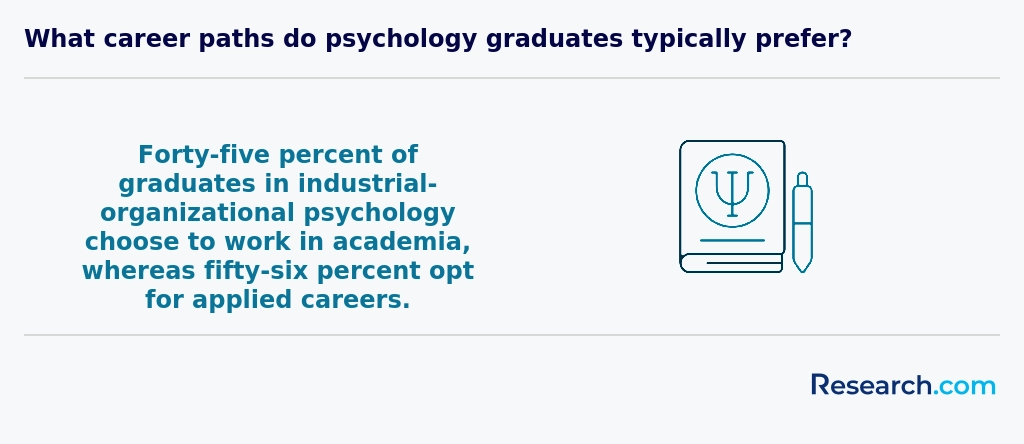
Graduates with a psychology degree in Normal often find themselves drawn to clinical psychology, where many become licensed therapists or counselors after earning a doctoral degree and completing supervised hours. Those who studied at institutions like Illinois State University appreciate the local opportunities to work in hospitals or community health centers. Others pursue educational psychology or school counseling, providing essential support to students with diverse needs, a path requiring a master's degree and state certification.
Industrial-organizational psychology is another promising field, with businesses in Normal valuing professionals who improve workforce productivity and well-being. Graduates describe the rewarding experience of applying research skills gained at popular universities to real-world problems.
Research roles in academia are highly prized by those aiming to deepen their expertise. Regional universities offer active programs where students can build valuable experience. Exploring popular psychology degree programs often reveals exciting career paths and enhances understanding of psychology degree career opportunities in Normal.
Beyond these, jobs with a psychology degree in Normal include human services, forensic psychology collaborating with legal teams, health psychology focusing on wellness, and market research applying psychological insights, reflecting the versatility and growing demand in the region.

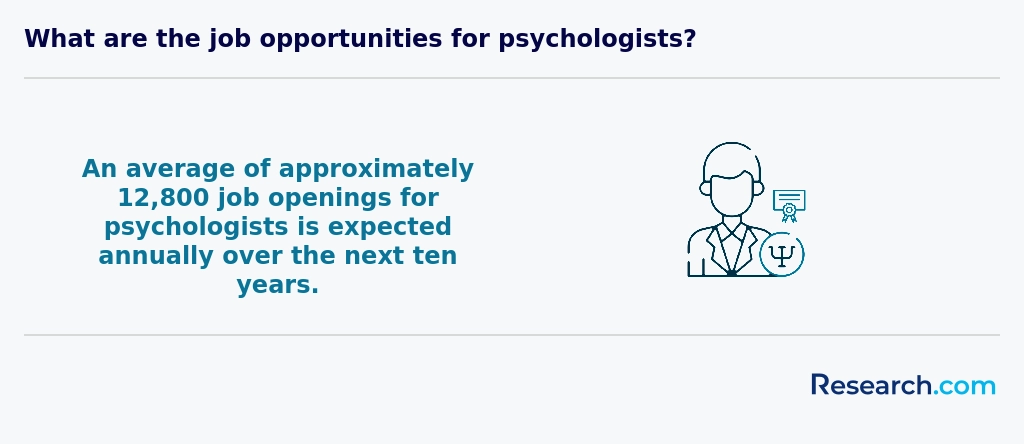
The job market for psychology degree holders in Normal benefits from local opportunities tied to healthcare, education, and community services. Graduates from Illinois State University often find that their degree opens doors in counseling, social assistance, and research roles. Many report positive experiences securing entry-level positions such as behavioral health technicians or case managers, which provide valuable hands-on exposure in environments like local hospitals and community organizations. This practical experience often fuels their passion and commitment to mental health work.
For those considering deeper specialization, the career outlook for psychology graduates Normal-wide leans heavily on advanced degrees. Employers seek licensed clinicians or therapists, roles that typically require master's or doctoral education. Students appreciate that affordable tuition in Normal makes continuing education accessible, encouraging many to pursue graduate studies through accredited programs. Those wanting to explore options can find valuable guidance through resources on apa accredited hybrid psyd programs, which align well with local demand.
Overall, psychology degree job opportunities in Normal span healthcare, education, social services, and research sectors, providing a diverse and growing landscape. Graduates share a sense of fulfillment knowing their work makes a tangible difference in the community while maintaining competitive wages consistent with Illinois averages.
2027 Most Popular Psychology Degree Programs Ranking in Normal
Investing in your education is a significant decision that can shape your future, and the Research.com team understands the importance of making informed choices. To assist prospective students, we have meticulously crafted the "2027 Most Popular Psychology Degree Programs Ranking in Normal." Our commitment to quality, credibility, and accuracy is reflected in the extensive research and analysis conducted to compile this ranking.
We utilized the following reputable data sources to ensure a comprehensive evaluation of psychology degree programs:
By exploring this ranking, readers will gain valuable insights into the most popular psychology degree programs available in Normal, helping them make well-informed decisions about their educational journeys. For more details on our methodology, please visit our Research.com methodology page.

Frequently Asked Questions About psychology
Psychology degree students in Normal can maximize their learning experience by actively engaging in both coursework and practical opportunities. Illinois State University in Normal offers various research labs where students can participate in studies, providing valuable hands-on experience.
Internships and volunteer roles at local mental health clinics or community centers also enhance understanding by applying psychology theories in real-world settings. Networking with faculty and attending psychology-related events helps students stay informed about current research and career paths.
Additionally, utilizing resources like the university's counseling services and academic support centers can improve study habits and overall performance. According to the National Center for Education Statistics, involvement in experiential learning significantly boosts student retention and success in psychology programs nationwide.
The psychology field is constantly evolving, with several emerging niches gaining attention in Normal and across the US. One growing area is neuropsychology, which explores the relationship between brain function and behavior. This specialty is increasingly important due to advances in brain imaging technologies.
Another expanding niche is health psychology, focusing on how mental, emotional, and social factors affect physical health. Given rising healthcare demands in Normal, this area offers promising career opportunities.
Additionally, forensic psychology continues to grow, intersecting with the legal system to provide expertise in criminal cases and victim support.
These niches reflect broader national trends and local workforce needs in Normal's psychology community.
Graduates with a psychology degree in Normal should begin preparing for the job market by gaining practical experience through internships or volunteer positions. Many local agencies and healthcare facilities offer opportunities to build relevant skills and professional networks. According to the Bureau of Labor Statistics, the demand for psychologists is expected to grow 6% nationally from 2021 to 2031, indicating steady employment prospects.
Networking is essential; joining regional professional organizations like the Illinois Psychological Association can provide access to job listings and mentorship. Additionally, obtaining relevant certifications, such as CPR or behavioral health technician certificates, may improve job competitiveness. Continuing education, including graduate studies, is common among psychology graduates seeking specialized roles in Normal's healthcare or education sectors.
Employers in Normal value several key skills when hiring psychology degree graduates. Critical thinking and analytical abilities top the list, enabling graduates to assess data and research effectively. Communication skills, both written and verbal, are essential for presenting findings and collaborating with clients or colleagues.
According to the National Association of Colleges and Employers (NACE), over 85% of employers seek strong interpersonal skills, vital for roles in clinical, counseling, and organizational psychology. Additionally, proficiency in research methods and statistical software is highly prized, reflecting the data-driven nature of psychological work.
Problem-solving and ethical judgment also rank highly, as graduates often face sensitive situations requiring sound, responsible decisions. These skills prepare students for diverse career paths in Normal's growing mental health and social services sectors.
Finding internships in Normal relevant to a psychology degree involves tapping into local resources and networks. Illinois State University, based in Normal, has strong partnerships with healthcare facilities and community organizations that offer psychology internships. Students should consult university career services and psychology department advisors to identify opportunities.
Internships typically include placements in mental health clinics, research labs, schools, and nonprofit agencies. According to the National Association of Colleges and Employers, psychology-related internships can improve employment prospects by 20% after graduation. Local hospitals, such as Advocate BroMenn Medical Center, often provide practical experience.
Networking through professional groups like the Illinois Psychological Association can also aid in internship searches.
A psychology degree in Normal can significantly enhance career mobility and advancement opportunities within the region's growing healthcare, education, and social services sectors. According to the U.S. Bureau of Labor Statistics, jobs related to psychology and mental health are expected to grow by 8% nationally from 2022 to 2032, a trend mirrored locally by Normal's expanding community services.
Employers in Normal value candidates holding at least a bachelor's in psychology for entry-level roles in counseling support, human resources, and research assistance. Advanced degrees often lead to higher earning potential and leadership roles.
Graduates with psychology credentials in Normal commonly find pathways to positions in school districts, healthcare facilities, and local government agencies, highlighting the degree's role in facilitating upward career movement.
Studying for a psychology degree in Normal equips students with skills relevant to many interdisciplinary roles. Courses often integrate knowledge from biology, sociology, and neuroscience, reflecting the complex nature of human behavior.
Many programs in Normal emphasize research methods and data analysis, preparing students to collaborate across fields like healthcare, education, and social services. According to Illinois State University, local psychology students benefit from close ties to regional healthcare institutions, fostering practical interdisciplinary experience.
This educational approach helps graduates adapt to roles requiring understanding of mental health, social dynamics, and biological processes, enhancing their versatility in the workforce.
Choosing between a thesis and a non-thesis psychology degree program in Normal depends on your career goals and interests. Thesis programs focus on research, requiring you to design and complete an original study, which is ideal for students aiming for doctoral programs or research careers.
Non-thesis programs typically emphasize coursework and practical experience, suitable for students targeting clinical practice or industry jobs. According to the Illinois Board of Higher Education, about 40% of psychology graduate students in Normal opt for thesis tracks, reflecting strong demand for research skills.
Consider your time commitment, as thesis options often take longer due to research demands. Also, evaluate faculty expertise and available resources at Normal universities to support your choice.
Students based in Normal who wish to study psychology abroad have several pathways to consider. Many universities in Normal, including Illinois State University, offer study abroad programs that partner with institutions in countries such as the United Kingdom, Australia, and Canada. These programs often include courses or research opportunities in psychology, allowing students to gain international experience while earning credits toward their degree.
Additionally, students may apply independently to foreign universities recognized by the U.S. Department of Education or seek internships with global psychology organizations. According to the Institute of International Education, approximately 15% of U.S. psychology students participate in study abroad programs, reflecting a growing interest in global education.
Financial aid and scholarships are often available for psychology majors pursuing international study, though careful planning is essential due to visa and accreditation considerations.
Students pursuing psychology degrees in Normal have access to several part-time job opportunities that complement their academic studies. Many find roles as research assistants at Illinois State University, where they can support ongoing psychological studies, gaining essential skills in data collection and analysis.
Other common positions include working as behavioral health aides or crisis line volunteers within local clinics and nonprofit organizations. These roles provide practical experience with mental health support and client interaction.
Additionally, Normal's growing healthcare sector offers part-time jobs in rehabilitation centers and counseling offices, helping students apply psychological concepts in real-world settings. According to the Bureau of Labor Statistics, such experience enhances employability after graduation.
Psychology students in Normal have access to various networking opportunities that are integral to their academic and professional growth. Illinois State University, located in Normal, offers student organizations like Psi Chi, the international honor society in psychology, which hosts events connecting students with faculty and local professionals.
Additionally, the university organizes career fairs and workshops providing direct contact with employers, internship coordinators, and alumni working in psychology fields. The community's proximity to healthcare and counseling centers further enables valuable internships and volunteer experiences, enhancing networking possibilities.
Students can also attend regional conferences and participate in research symposiums to build relationships within the psychology academic community in central Illinois.
Alumni networks play a vital role in supporting psychology degree students in Normal. These networks offer valuable opportunities for mentorship, allowing current students to connect with graduates who have navigated similar academic and career paths.
Such connections can provide practical advice on internships, research opportunities, and job placements specific to psychology roles in Normal and the surrounding region.
Moreover, alumni events and online platforms foster professional relationships that may lead to collaboration or employment. According to the National Association of Colleges and Employers, 85% of jobs are filled through networking, emphasizing the importance of these networks.
Local alumni groups often partner with psychology departments to host workshops and guest lectures, enhancing students' practical knowledge.
Customizing a psychology degree program in Normal allows students to align their education with specific career goals. Many local institutions provide elective courses and concentrations, such as clinical, developmental, or industrial-organizational psychology. Students can often select practicum experiences or research projects relevant to their interests.
Additionally, internships available through partnerships with healthcare facilities and community organizations in Normal provide valuable hands-on learning, enhancing career readiness. According to the Illinois Board of Higher Education, tailoring coursework helps increase employability in specialized psychology fields.
Exploring faculty expertise and campus research centers can further guide specialization decisions, ensuring the degree reflects both personal and professional aspirations.
Psychology students in Normal often face the challenge of balancing rigorous coursework with practical experience requirements. Many programs require internships or research participation, which can be time-consuming alongside academic responsibilities.
Another issue is navigating the competitive nature of graduate school admissions. According to the National Center for Education Statistics, psychology remains one of the more popular majors, creating a crowded field for advanced study opportunities in Illinois and beyond.
Financial concerns also impact students, as in-state tuition can average around $12,000 per year in public institutions near Normal. This financial pressure sometimes limits access to resources like tutoring or workshops.
Lastly, students must adapt to evolving psychological theories and ethical standards, which demand continuous learning and adaptability throughout their education and careers.
With a psychology degree in Normal, you can pursue several professional certifications that enhance your career opportunities. Common certifications include becoming a Certified Mental Health Counselor (CMHC) or Licensed Professional Counselor (LPC), which require completing a master's degree and supervised clinical hours. The Illinois Department of Financial and Professional Regulation oversees these licenses for residents of Normal.
Additionally, you may consider certifications like the Certified School Psychologist credential if you aim to work in educational settings. For research-focused careers, credentials such as the Board Certified Behavior Analyst (BCBA) are also popular choices, requiring specialized post-graduate training.
According to the Bureau of Labor Statistics, mental health-related jobs in Illinois are growing about 10% over the next decade, making certification a valuable step for employment competitiveness.
To write a winning application for a psychology program in Normal, start by thoroughly researching the specific requirements of your target schools, such as Illinois State University. Highlight your academic achievements, especially in psychology and related sciences, maintaining a GPA above 3.0, which is often preferred in competitive programs.
Emphasize relevant experience, like internships or volunteer work in mental health settings, to demonstrate your commitment to the field. Personal statements should clearly articulate your passion for psychology, career goals, and why you want to study in Normal.
Letters of recommendation from professors or supervisors familiar with your abilities carry significant weight. Be sure to submit all materials on time and proofread carefully for clarity and professionalism.
Psychology careers offer diverse opportunities globally, with the United States being a leading hub for research and practice. In Normal, Illinois, students benefit from strong academic programs aligned with national standards. The U.S. Bureau of Labor Statistics projects a 10% growth in psychologist jobs from 2022 to 2032, reflecting increasing demand.
Internationally, psychology professionals often face varying licensing requirements. In the U.S., including Normal, obtaining a license typically requires a doctoral degree, supervised experience, and passing the Examination for Professional Practice in Psychology (EPPP).
Understanding global mental health trends can enhance career outlooks. According to the American Psychological Association, collaborative research on topics like trauma and resilience is growing worldwide, providing graduates from Normal opportunities to engage in impactful work.
Gaining practical experience while studying for a psychology degree in Normal is crucial for building skills and enhancing employability. Many local colleges, such as Illinois State University, offer internship and research opportunities that allow students to work directly with faculty on projects or assist in community mental health programs. According to the university's career services, about 60% of psychology students participate in internships before graduation.
Volunteering in local clinics, schools, or social service agencies is another common way to gain hands-on experience. Additionally, Normal hosts organizations focused on mental health, providing students with options for fieldwork.
Participating in undergraduate research can also deepen practical knowledge; many faculty members encourage students to join labs focused on cognitive or developmental psychology. These experiences help meet licensure prerequisites and prepare students for graduate study or careers in applied psychology.
Choosing the right concentration within a psychology degree program in Normal requires understanding your career goals and interests. Popular concentrations include clinical psychology, counseling, and developmental psychology, each leading to different roles in counseling, research, or education.
In Normal, Illinois State University is a major provider of psychology programs, offering diverse specializations. According to the National Center for Education Statistics (NCES), about 35% of psychology students in the area pursue applied tracks like clinical practice, reflecting local demand for mental health professionals.
Students should research faculty expertise, internship opportunities, and licensure pathways related to each concentration to align education with future job markets.
- 2027 Most Popular Psychology Degree Programs Ranking in Saint Louis
- 2027 Most Popular Psychology Degree Programs Ranking in Cincinnati
- 2027 Most Popular Psychology Degree Programs Ranking in Columbus
- 2027 Most Popular Psychology Degree Programs Ranking in Springfield
- 2027 Most Popular Psychology Degree Programs Ranking in Detroit
- 2027 Most Popular Psychology Degree Programs Ranking in Saint Paul
- 2027 Most Popular Psychology Degree Programs Ranking in Minneapolis
- 2027 Most Popular Psychology Degree Programs Ranking in Cleveland
- 2027 Most Popular Psychology Degree Programs Ranking in Lincoln
- 2027 Most Popular Psychology Degree Programs Ranking in Tulsa
See What Experts Have To Say About Studying Psychology
Read our interview with Psychology experts

Joann Farrell Quinn, Ph.D., MBA
Psychology Expert
Director at the College of Medicine Department of Medical Education
Morsani College of Medicine

Catherine Caldwell-Harris, Ph.D.
Psychology Expert
Associate Professor of Psychology
Boston University

Robin M. Kowalski. Ph.D.
Psychology Expert
Professor of Psychology
Clemson University

- Psychology - SWPS University https://english.swps.pl/academics/warsaw/ba-programs/psychology
- What Certifications Can I Get With A Bachelor's In Psychology? https://www.psychology.org/resources/certification-skills-for-psychology-major-resumes/
- Staying connected, made simple: how associations and alumni networks grow with Socie - Socie App https://socie.eu/staying-connected-made-simple-how-associations-and-alumni-networks-grow-with-socie/
- A Guide to Psychology Internships | Psychology Degree Guide https://psychologydegreeguide.org/resources/internships/
- Ontario Psychological Association - Networking and Community Resources https://www.psych.on.ca/become-a-member-(1)/member-services/networking-and-community-resources
- Know more about thesis vs non- thesis: what is the difference? https://studyfans.com/en/blogs/816
- Call for papers https://www.hogrefe.com/us/journal/international-perspectives-in-psychology-research-practice-consultation
- Study Psychology Abroad | Go Overseas https://www.gooverseas.com/study-abroad/psychology
- Psychology Placement Opportunities for Year 12 Students https://studymind.co.uk/ucas-guide/year-12-guide-to-gaining-psychology-work-experience/
- Careers in and Related to Psychology - Canadian Psychological Association https://cpa.ca/students/career/careersinpsychology/


