2027 Most Popular Psychology Degree Programs Ranking in Springfield

Co-Founder and Chief Data Scientist
Choosing the right psychology degree program can shape your future in exciting ways. This article introduces the 2027 Most Popular Psychology Degree Programs Ranking in Springfield, developed by the Research.com team of data scientists. It's designed to help you make an informed choice based on reliable data.
Whether you're passionate about understanding human behavior or eager to start a rewarding career, exploring these programs will guide you toward the best options available locally. A psychology degree offers valuable skills and meaningful opportunities to make a difference.
Key benefits of getting psychology degree in Springfield
- Salary for psychology degree graduates: Careers such as Human Resources Specialist and Marketing Research Analyst offer competitive salaries, with mean annual wages of $76,060 and $83,190 respectively, reflecting strong earning potential in Springfield.
- Potential career paths: Graduates from Springfield State University have found rewarding roles ranging from Clinical Research Associates to Survey Researchers, showing the degree's versatility across healthcare and market research fields.
- Benefits of an online psychology degree: Online graduates from Springfield Online College enjoy flexible schedules and can balance work-life commitments while earning similar credentials and career opportunities as traditional students.
- 2027 Most Popular Psychology Degree Programs Ranking in Springfield
- What can I expect from psychology degree in Springfield?
- Where can I work with psychology degree in Springfield?
What can I expect from psychology degree in Springfield?
When considering the average cost of a psychology degree in Springfield, students often find that public universities offer more affordable options, with in-state tuition typically ranging from $9,000 to $12,000 per year for undergraduate programs. Many students appreciate the balance of quality education and manageable tuition fees, which allow them to focus on immersing themselves in their studies without overwhelming financial stress.
Graduates from Springfield's colleges frequently recall how financial aid and scholarships played a crucial role in making their education accessible, enabling them to concentrate on hands-on experiences like internships at local clinics. This practical training is invaluable, bridging classroom theory with real-world application in healthcare or social service settings.
Those enrolled in private institutions often mention the higher tuition but also highlight the benefits of smaller class sizes and close faculty mentorship, which can enhance learning outcomes despite the increased expense. Overall, Springfield's variety of institution types allows students to choose programs that fit both their academic goals and financial situations.
Where can I work with psychology degree in Springfield?
Graduates with a psychology degree in Springfield often find themselves welcomed in diverse career settings that truly reflect their passion for helping others. Many start by working in healthcare environments like Mercy Hospital Springfield, where they support licensed psychologists and counselors in meaningful mental health assessments and patient care. These roles allow recent graduates to apply their knowledge while gaining invaluable hands-on experience.
Others pursue opportunities in Springfield Public Schools, stepping into roles as school counselors or behavioral specialists. These positions, especially gratifying for those drawn to working with children and adolescents, emphasize emotional development and require state certification-often motivating graduates to advance their qualifications.
Social services and government agencies also present rewarding careers. Graduates have shared how engaging with community outreach and rehabilitation programs through local Missouri Department of Mental Health offices deepened their understanding of client needs and social impact.
Meanwhile, those from institutions like Drury University or Missouri State University-West Plains have found research assistantships enriching, blending academic curiosity with real-world investigation. The business sector, with its focus on human resources and workplace wellness, offers yet another fulfilling path for psychology graduates eager to influence organizational culture positively.
Graduates from Springfield's universities often find that a psychology degree opens doors to a range of fulfilling roles with varying salaries. For instance, working as a Human Resources Specialist, a common path for psychology graduates, the mean annual wage is about $76,060, reflecting steady, comfortable earnings that support a balanced lifestyle.
Others pursue careers as Marketing Research Analysts, leveraging their understanding of human behavior to drive business strategies. These roles come with an average wage near $83,190 annually, offering graduates room for growth and rewarding challenges. Clinical Research Associate and Survey Researcher positions both provide solid entry to mid-level wages, around $62,370 per year, which many Springfield graduates appreciate as they build expertise in research-focused roles.
Springfield's psychology students report satisfaction with these career options, especially when internships at local healthcare or education facilities enrich their practical skills. The city's supportive academic environment encourages graduates to feel confident in earning competitive wages while contributing meaningfully within their communities.
- Annual tuition for psychology bachelor's programs in Springfield ranges from $8,000 to $15,000 at public institutions and $20,000 to $35,000 at private colleges.
- Entry-level psychology-related jobs typically pay between $45,000 and $55,000 per year in Springfield.
- Mid-career psychologists usually earn $65,000 to $80,000 annually, with licensed clinical psychologists potentially earning more.
- The job market for psychology roles in Springfield is expected to grow by about 8% over the next ten years.
- Local programs emphasize internships and research, while many employers prefer candidates with graduate degrees or professional licenses.
Completing a psychology degree in Springfield typically mirrors the national timeframe but comes with unique local nuances that students appreciate. Graduates from popular universities here often share how pursuing a bachelor's degree generally takes about four years when studying full-time. This period allows a balanced blend of psychology courses and general education, creating a well-rounded learning experience.
Many recall the flexibility offered by regional colleges, where part-time or hybrid formats helped them manage internships alongside studies, sometimes extending duration without diminishing enthusiasm. Those advancing to graduate degrees note that a master's usually requires two to three years, influenced by whether they chose a thesis track or a more practice-oriented course load.
Doctoral candidates in Springfield frequently mention the challenge and reward of investing five to seven years, appreciating part-time options that eased their professional and personal commitments. The community support within these programs also fosters a sense of accomplishment, making the journey feel truly worthwhile despite its length.
In addition to traditional degree programs in psychology, many aspiring professionals can explore alternative routes that leverage practical experience, certifications, and targeted skill development. These paths can be especially appealing to those who may not be pursuing or have already completed a conventional psychology degree. For instance, specialized certificate programs, online courses, workshops, and hands-on training opportunities can provide essential insights into human behavior and mental health without the need for a full degree program. This approach emphasizes building competencies through real-world applications, networking with industry professionals, and engaging in continuous learning. It also offers a flexible framework for career changers who want to enter the field of mental health at a faster pace. For more details on building a practical skill set, consider exploring required skills for becoming a therapist without a degree in psychology, which outlines effective strategies and resources for those pursuing alternative education pathways. Embracing non-traditional paths can help you tailor your career in alignment with your unique goals while still making a significant impact in the field of psychology.
Choosing between an online and an on-campus psychology degree in Springfield often comes down to how you envision your daily learning experience. Graduates from Springfield's popular universities frequently reflect on the flexibility gained through online programs, which let them balance studies with work or family life. These students appreciated being able to watch lectures on their own schedule and engage in thoughtful discussions via virtual forums, making education feel accessible and personalized.
Conversely, alumni of the city's on-campus programs treasure the energy of in-person classes and smaller cohorts. They recall lively debates during seminars at Springfield's colleges, hands-on lab experiments, and forging close relationships with professors and peers. That face-to-face interaction often sparks deeper understanding and lasting networks.
It's important to remember that some clinical requirements still call for in-person attendance, regardless of program choice-something many Springfield graduates experienced firsthand. This blend of flexibility and direct engagement shapes the unique advantages each format offers in pursuing a psychology degree locally.
Upon completing a psychology degree in Springfield, MO, graduates must obtain state licensure to practice as professional counselors or psychologists. In Missouri, licensure pathways include the Licensed Professional Counselor (LPC), Licensed Psychologist, and Licensed Clinical Social Worker (LCSW), each governed by the Missouri Division of Professional Registration. Key steps typically involve: • Education and Supervised Experience: – LPC candidates must accrue at least 3,000 hours of supervised clinical experience under an approved supervisor. – Psychologist candidates complete a doctoral program, plus 2,000 hours of pre-doctoral and 1,500 hours of post-doctoral supervised practice. • Examination Requirements: – LPC applicants take the National Counselor Examination (NCE) or the National Clinical Mental Health Counseling Examination (NCMHCE). – Psychologist licensure requires passing the Examination for Professional Practice in Psychology (EPPP). • Continuing Education and Renewal: – All licensees must complete 40 hours of continuing education every two years, including ethics and Missouri-specific regulations, to maintain active status. Prospective students comparing program costs and licensure support options may wish to explore our Cheapest Psychology Degree Programs Ranking in Rhode Island for insights into affordable curricula and comprehensive licensure preparation resources.
For students pursuing a psychology degree in Springfield, the average cost is an important factor to consider. The median total cost for completing a psychology degree here is around $33,610, with in-state students typically paying about $19,025. These figures reflect the reality shared by many graduates from popular Springfield institutions, where balancing tuition expenses with personal commitments shapes the academic experience. Understanding the average cost of psychology degree in Springfield helps students set realistic financial expectations early on.
Many students at well-known local colleges recall carefully planning their budgets around these costs, especially when factoring in supplementary expenses like textbooks and lab fees, which can add $1,000 to $2,000 annually. These additional fees, though sometimes overlooked, play a significant role in the overall commitment to their studies. For aspiring psychologists, weighing tuition against potential financial aid or scholarships ensures a smoother journey.
For those interested in exploring options further, Springfield offers a variety of programs at different price points, from community colleges to private universities. Prospective students frequently turn to resources that rank the best popular psychology degree paths available locally. This approach gives deeper insight into the cost and value of each program, making it easier to find one aligned with one's goals and finances.
Ultimately, choosing a psychology degree in Springfield involves not only understanding tuition but also embracing the full scope of financial planning. Those who succeed often speak positively about their ability to manage both academic rigors and expenses while appreciating the rewarding nature of their psychology studies.
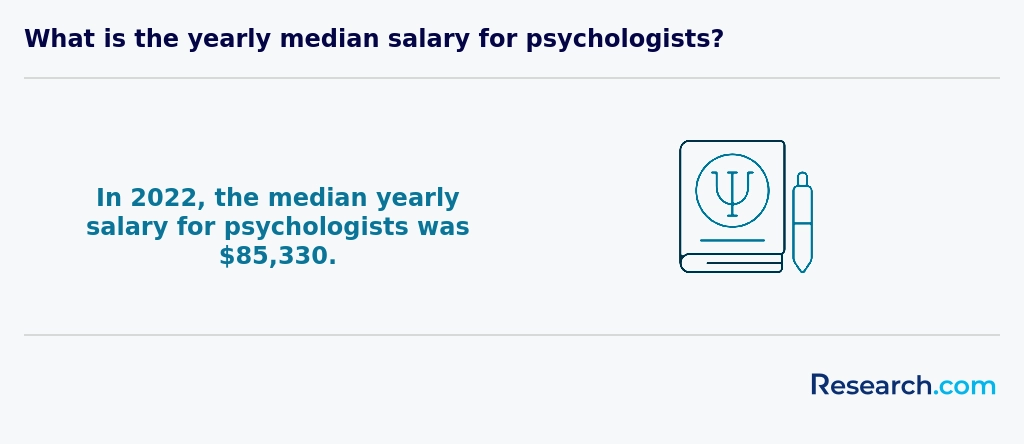
After earning your psychology degree in Springfield, MO, fulfilling state licensure requirements is the next critical step toward professional practice. In Missouri, two primary credentials are available: • Licensed Psychological Associate (LPA): Requires a master’s degree in psychology, 1,500 hours of supervised experience under a Licensed Psychologist or approved supervisor, successful completion of the Examination for Professional Practice in Psychology (EPPP), and passage of the Missouri jurisprudence exam. • Licensed Psychologist (LP): Requires a doctoral degree in psychology, 2,000 hours of post-doctoral supervised experience, passage of both the EPPP and a state-specific oral examination, plus a criminal background check. Key milestones and tips: – Plan your graduate funding and compare program costs early; you can explore detailed estimates of how much does a master’s degree in psychology cost to budget effectively. – Document all supervised hours meticulously-supervisors must verify each activity to meet board standards. – Prepare for the EPPP with practice exams and review courses; passing scores vary by state, so target the higher end of the recommended range. – Schedule your jurisprudence and oral exams well in advance, as testing slots fill quickly and results can take several weeks. – Maintain continuing education credits (20 hours annually in Missouri) to renew your license and stay current with ethical guidelines and emerging research. By understanding and proactively meeting these licensure steps, Springfield graduates can transition smoothly from the classroom to a rewarding career as a certified mental health professional.
Students pursuing psychology degrees in Springfield often find valuable financial support through federal aid, which has been a cornerstone for many graduates. For example, at popular institutions like Missouri State University, the Federal Pell Grant can reduce tuition burdens by up to $7,395, making it easier to focus on studies rather than finances. Many students also rely on the Federal Direct Loan program, where options like the Stafford Loan provide manageable, low-interest borrowing, a relief for those balancing tuition and living expenses.
Beyond federal help, local scholarships and grants play a meaningful role. Graduates recall receiving merit-based scholarships tied to academic excellence or their commitment to mental health fields, which are commonly offered by Springfield colleges. Work-study programs connected to psychology departments allow students to gain hands-on experience-such as assisting in research or tutoring peers-while easing the cost strain.
For veterans studying psychology in Springfield, the GI Bill offers substantial tuition benefits, a welcome support. Additionally, students often seek private scholarships focused on psychology, though competitive, these awards can feel like a rewarding acknowledgment of their dedication.
Accreditation ensures that a psychology program meets rigorous academic and professional standards, which directly impacts graduates’ eligibility for licensure and employment. In Springfield, most bachelor’s programs are accredited by regional bodies such as the Higher Learning Commission (HLC), while counseling and clinical master’s and doctoral programs should also hold American Psychological Association (APA) accreditation or Council for Accreditation of Counseling and Related Educational Programs (CACREP) approval. Choosing a regionally and professionally accredited institution guarantees that your credits transfer seamlessly and that you meet the educational prerequisites for state licensure. To become a licensed psychologist in Missouri, graduates must complete an APA-accredited doctoral program or a master’s program in counseling with supervised practicum hours, accumulate at least 2,000–4,000 supervised post-degree hours (depending on the license level), and pass the Examination for Professional Practice in Psychology (EPPP). The Missouri State Committee for Social Workers, Marriage & Family Therapists, and Professional Counselors administers licensure for counselors, while the Missouri State Board of Registration for the Healing Arts oversees psychologist licensure. Planning your coursework around these requirements-especially practicum and internship experiences-can streamline your path to licensure and ensure you meet all state regulations without delay. Accreditation also influences financial aid eligibility and the long-term value of your degree. Accredited programs typically appear on the FAFSA institution list, unlocking federal grants, loans, and work-study opportunities. Prospective students comparing affordability and accreditation may also benefit from exploring our Cheapest Psychology Degree Programs Ranking in Rhode Island for insights into cost-effective, accredited psychology offerings. By prioritizing accredited programs and understanding Missouri’s licensure pathway, you lay a solid foundation for a credible, career-ready professional profile in psychology.
Enrolling in a psychology degree program in Springfield typically starts with having completed high school or GED, a baseline most graduates from institutions like the University of Illinois Springfield or Benedictine University meet. Many students recall how maintaining a GPA around 2.5 to 3.0 was crucial for reflecting their steady commitment to academic work, an important step to prove readiness for psychology's analytical demands.
Beyond grades, graduates often mention the value of having taken courses in English, biology, and math during high school. These subjects helped develop critical thinking and scientific reasoning skills, making early psychology topics feel more approachable and intellectually exciting in their first college semesters.
Standardized tests like the SAT or ACT are sometimes considered, though several Springfield colleges have shifted toward test-optional policies, easing pressure and allowing students to focus on other strengths in their applications. For those aiming at advanced degrees, holding a bachelor's in a related field along with strong transcripts, recommendation letters, and relevant experience is often the path to success.
To make an informed decision about which psychology degree program to pursue in Springfield, MO, it's essential to consider several factors, including the program's accreditation, format, curriculum, and specializations. Prospective students should also research the faculty's expertise, career support services, and student reviews to gain a comprehensive understanding of each program. Additionally, understanding the cost and financial aid options available can help alleviate concerns about the investment required for a psychology degree. For those interested in exploring popular psychology programs, visiting the best popular psychology degree ranking can provide valuable insights into the top programs in the area. By carefully evaluating these aspects, students can find a psychology degree program that aligns with their academic and professional goals, setting them on a path to a fulfilling career in psychology.
Students pursuing a psychology degree in Springfield often find themselves immersed in foundational courses that build a deep understanding of human behavior. Graduates from prominent Springfield universities recall how the introductory psychology classes vividly framed concepts like cognition, emotion, and development, making the theories feel both relatable and applicable to everyday life.
Core subjects such as developmental psychology bring to light the fascinating journey of human growth, while cognitive psychology challenges learners to unravel the complexities of memory and problem-solving. Many reflect on their excitement during experimental psychology courses, where research methods and statistics were not just abstract ideas but practical tools used in real lab settings.
Courses in biological and abnormal psychology enrich students' perspectives by linking brain function to behavior or by exploring mental health challenges with empathy and insight. Social psychology often resonates deeply, as learners connect classroom lessons to their own social experiences within Springfield's diverse communities.
Electives like forensic or industrial-organizational psychology offer personalized pathways, helping students cultivate passion and confidence in their chosen field.
Psychology degree specializations in Springfield reflect both a vibrant academic environment and a responsive job market. Students at popular colleges here often choose clinical psychology, gaining hands-on experience through internships that ground them in real-world mental health treatment. Graduates commonly express how this focus prepares them meaningfully for licensure and practice, making their education feel deeply relevant and empowering.
Counseling psychology is another specialization thriving in Springfield programs. Graduates share that mastering therapeutic techniques helps them confidently serve diverse communities, whether in schools or private practices. Meanwhile, specializations like forensic psychology and industrial-organizational psychology align well with local career opportunities, inspiring students who want to engage directly with legal systems or improve workplace dynamics.
Other Springfield psychology degree program options include developmental, neuropsychology, health, and educational psychology, each offering unique paths to impact people's lives. Some students find it helpful to explore the required skills for becoming a therapist without a degree in psychology to expand their understanding of career flexibility outside traditional tracks.
Choosing the best psychology degree programs in Springfield means prioritizing what fits your goals and learning style. Graduates from local state universities often share how smaller class sizes allowed them to build strong relationships with faculty, fueling their passion through personalized mentorship. Many recommend thoroughly researching program accreditation-those recognized by the American Psychological Association or regional bodies guarantee a solid curriculum respected by employers and graduate schools. In Springfield, public universities usually offer more affordable psychology degrees Springfield cost-wise, which can ease financial concerns during your studies.
Hands-on experience plays a key role too. Graduates who valued internships and lab work often come from colleges partnered with Springfield clinics and mental health organizations, giving them confidence and practical skills for the job market. If you are curious about advanced degrees, explore details about how much does a master's degree in psychology cost to plan your educational journey wisely.

Graduates with a psychology degree in Springfield find a diverse range of career opportunities that reflect the city's dynamic professional landscape. Many enter mental health fields, working as licensed counselors or behavioral therapists within Springfield's hospitals and private practices, thriving on the deep satisfaction of helping others overcome challenges. Others pursue education roles, becoming school psychologists or educational counselors at local schools, where they impact student success firsthand-graduates from popular Springfield colleges often speak of the rewarding experience guiding young learners.
Beyond clinical and educational settings, psychology career opportunities in Springfield extend into research and academic administration at local universities, where graduates contribute to meaningful studies or manage programs, fostering intellectual growth. Additionally, corporate and nonprofit sectors draw on psychology skills in human resources, social work, or market analysis, illustrating the versatility of a psychology degree. Students balancing career ambitions and costs may explore financial aid options highlighted in the Cheapest Psychology Degree Programs Ranking in Rhode Island.
These diverse paths show that job prospects with psychology degree Springfield combine practical impact with personal fulfillment, offering graduates a chance to align work with their passion for understanding human behavior.
The job market for psychology degree holders in Springfield reflects a steady and practical demand, especially for graduates from well-known local universities where many have gained hands-on experience through community internships. Employers in healthcare, education, and nonprofit sectors frequently seek candidates with a psychology background, offering roles in clinical counseling, school psychology, and social services. Graduates often share how these positions allow them to make meaningful contributions while building their professional skills.
Springfield's psychology degree job opportunities Springfield highlight the importance of choosing programs that emphasize supervised practice. Such exposure greatly helps graduates navigate licensing requirements in Missouri and enhances job readiness. Many alumni from Springfield colleges feel encouraged by the accessible career options and the supportive network of local organizations focused on mental health.
For students weighing education options, considering cost versus career outcomes is key. The availability of graduate programs and practical internships fosters optimism about future prospects. Exploring options like a master degree online 1 year can be a strategic step for those seeking to advance quickly while managing expenses.
2027 Most Popular Psychology Degree Programs Ranking in Springfield
Investing in your education is a significant decision that can shape your future, and the Research.com team understands the importance of making informed choices. To assist prospective students in Springfield, we have meticulously crafted the "2027 Most Popular Psychology Degree Programs Ranking in Springfield." Our commitment to quality, credibility, and accuracy is reflected in the extensive research and analysis conducted to compile this ranking.
We utilized the following reputable data sources to ensure a comprehensive evaluation of psychology programs:
By exploring this ranking, readers will gain valuable insights into the most popular and well-regarded psychology degree programs available in Springfield, empowering them to make more informed decisions about their educational futures. For more details on our methodology, please visit our Research.com methodology page.


Frequently Asked Questions About psychology
Psychology degree students in Springfield can maximize their learning experience by actively engaging in both coursework and practical opportunities. Many local institutions offer internships and research assistant positions that provide hands-on experience, crucial for applying theoretical knowledge. According to the Springfield Higher Education Consortium (2023), students who participate in internships are 30% more likely to secure employment within six months of graduation.
Joining psychology clubs and attending seminars hosted by Springfield universities also enhances understanding of current trends. Utilizing campus career services to build networks with local mental health organizations further supports professional growth. Additionally, Springfield students should leverage online resources and databases to stay updated on the latest psychology research.
Emerging niches within the psychology field reflect the growing demand for specialized knowledge and skills. In Springfield, areas such as neuropsychology and health psychology are expanding quickly, driven by increased awareness of brain health and chronic illness management.
Another fast-growing niche is forensic psychology, where professionals apply psychological principles to legal issues. According to the Missouri Department of Higher Education, demand for experts in this area has risen by 12% over the past five years locally.
Additionally, industrial-organizational psychology is gaining traction, focusing on workplace behavior and employee well-being. This reflects national trends where psychology careers in business environments are expected to grow 14% through 2030, per the U.S. Bureau of Labor Statistics.
These niches offer diverse paths for Springfield students pursuing psychology degrees to meet evolving community and professional needs.
To prepare for the job market after completing a psychology degree in Springfield, students should prioritize gaining practical experience. Many local employers value internships and volunteer work in clinical or research settings. Springfield offers several community mental health centers and university labs where students can build relevant skills.
Additionally, networking is crucial. Joining local chapters of professional organizations such as the American Psychological Association (APA) can provide valuable connections and job leads. According to the Bureau of Labor Statistics, the demand for psychologists in Missouri, including Springfield, is expected to grow by about 8% through 2030.
Graduates should also consider certifications or further education, such as a master's or doctorate, to increase job prospects. Preparing a strong resume that highlights both academic achievements and hands-on experience is essential. Career services at Springfield's universities often assist students with job placement and interview preparation.
Employers in Springfield seeking psychology degree graduates highly value strong analytical skills. Graduates must effectively interpret data and research findings, which aligns with the growing emphasis on evidence-based practices in local health sectors. Communication skills are critical, particularly the ability to convey complex psychological concepts clearly to clients and colleagues.
Problem-solving abilities also stand out, as psychologists often work with diverse populations facing mental health challenges. According to recent local employment surveys by the Springfield Workforce Development Board, over 65% of employers prioritize teamwork skills, reflecting the collaborative nature of psychology roles in community and clinical settings.
Finally, ethical judgment and cultural competence are essential, given Springfield's increasing demographic diversity and legal standards for psychological practice in the U.S.
Finding psychology-related internships in Springfield involves leveraging both local resources and academic networks. Many universities in the area, such as Drury University and Missouri State University-Springfield, maintain partnerships with nearby mental health clinics, hospitals, and social service agencies. These institutions often provide centralized internship listings for students.
Springfield's healthcare sector is a significant employer of psychology interns, including facilities like CoxHealth and Mercy Hospital, which offer valuable clinical experiences. Additionally, nonprofit organizations focused on behavioral health can serve as practical sites.
The Missouri Psychological Association also provides resources and connections to internships tailored for psychology students statewide.
Obtaining a psychology degree in Springfield can significantly enhance career mobility and advancement within the region's mental health and social services sectors. According to the U.S. Bureau of Labor Statistics, positions such as psychologists and counselors in Missouri are projected to grow by 13% from 2022 to 2032, faster than the average for all occupations.
Local employers often prefer candidates with at least a bachelor's degree in psychology for entry-level roles, including case management or human resources. Advanced degrees improve eligibility for clinical, research, or leadership positions. Springfield's proximity to healthcare facilities, schools, and social service agencies offers diverse opportunities for graduates.
Additionally, Springfield's universities provide practicum and internship connections, helping students gain relevant experience that employers value. These factors collectively support upward mobility for psychology graduates in the Springfield job market.
Studying for a psychology degree in Springfield equips students with foundational knowledge applicable across multiple fields. Programs often emphasize critical thinking and research skills, enabling graduates to collaborate in healthcare, education, and business sectors. This interdisciplinary focus aligns with national trends indicating that nearly 40% of psychology graduates enter non-traditional psychology roles, including social work and human resources (APA, 2023).
Springfield institutions frequently offer coursework in neuroscience, counseling, and data analysis, fostering versatile expertise. Partnerships with local hospitals and organizations provide practical experience, further preparing students to work in diverse professional environments.
This comprehensive training supports careers involving integrated approaches to mental health, community services, and organizational development.
When choosing between a thesis and a non-thesis psychology degree program in Springfield, consider your career goals carefully. Thesis programs emphasize independent research, which is ideal if you plan to pursue a PhD or work in research-intensive roles. According to the National Center for Education Statistics, about 40% of psychology graduates who continue to doctoral programs had completed a thesis during their master's degree.
Non-thesis options often focus more on coursework and practical skills, suited for those aiming for clinical or counseling positions. Springfield's universities typically offer both paths with similar credit requirements but distinct experiences.
Financial aid and time commitment can also influence your choice; thesis tracks may take longer due to research demands.
Students in Springfield interested in studying psychology abroad have several pathways through U.S. higher education institutions' exchange and study abroad programs. Many universities in Springfield, such as Drury University and Missouri State University-West Plains, offer partnerships with foreign universities that allow psychology majors to complete part of their degree overseas. According to the Institute of International Education, around 10% of U.S. psychology undergraduates participate in study abroad programs, gaining exposure to global psychological practices.
Popular destinations include the United Kingdom, Canada, and Australia, where psychology curricula align closely with U.S. standards. These programs typically last one semester to a full academic year.
Students can also consider summer research internships abroad, enhancing practical skills and cultural understanding relevant to psychology careers. Springfield-based advisors recommend early planning to meet credit transfer and licensure requirements.
Part-time jobs in Springfield can greatly enhance a psychology student's education by providing valuable hands-on experience. Positions such as behavioral health technician or mental health aide in local clinics offer direct exposure to patient care and psychological assessments. According to the Springfield Workforce Development Board, nearly 15% of part-time healthcare roles require some knowledge of psychology, making these jobs ideal for students. Additionally, research assistant roles at nearby universities or research centers can help develop strong analytical and data collection skills.
Working at community centers as support staff or crisis hotline volunteers also builds communication and empathy skills vital for psychology careers. These opportunities complement classroom learning and improve job market readiness.
Psychology students in Springfield benefit from various networking opportunities that help build professional connections. Local universities often host psychology clubs and organizations, promoting events where students meet faculty, alumni, and practicing professionals. Springfield's proximity to healthcare centers and counseling services provides internships and volunteer placements, facilitating real-world experience and contacts.
The Missouri Psychological Association includes members from Springfield, offering student memberships and access to annual conferences and workshops. According to the Missouri Department of Higher Education, over 60% of psychology students in Springfield participate in such professional organizations, enhancing networking skills.
Additionally, career fairs held by Springfield colleges commonly feature psychology-related employers, including clinics and research institutions, allowing students to explore job opportunities and establish connections early.
Alumni networks play a crucial role for psychology degree students in Springfield by providing access to professional connections within the local mental health and academic communities. These networks often offer mentorship opportunities, helping recent graduates navigate early career challenges. According to data from the Springfield Higher Education Consortium (2023), 68% of psychology graduates found their first job through alumni referrals.
Moreover, alumni events and online platforms encourage knowledge exchange on internships, research projects, and job openings specific to Springfield. This localized support system strengthens students' chances of employment and graduate school admissions in competitive psychology fields. Institutions with active alumni networks report higher student satisfaction and stronger career outcomes in psychology disciplines.
Customizing a psychology degree program in Springfield begins with selecting the right concentration aligned with your career goals. Many local institutions offer specializations such as clinical, counseling, developmental, or forensic psychology. According to the Springfield Higher Education Consortium, about 60% of psychology students choose applied fields that prepare them for direct client work or research roles.
Students can also tailor their studies by choosing elective courses focusing on specific populations or interventions. Internship opportunities and research projects available in Springfield's health and social service agencies further enhance practical skills. Advisors often help students map out these personalized academic paths to meet licensure requirements or graduate study plans.
Psychology students in Springfield often face challenges related to balancing rigorous coursework with practical experience requirements. Many programs in the area emphasize internships and research, which can be time-consuming alongside traditional classes. According to recent data from the National Center for Education Statistics, about 65% of psychology undergraduates nationwide report time management as a key obstacle, a trend likely mirrored in Springfield.
Access to specialized faculty and research opportunities can also be limited in smaller institutions, affecting the depth of learning. Additionally, students frequently encounter financial strain, as Springfield's colleges generally have average tuition rates around $15,000 per year, which can be a burden without sufficient scholarships.
Moreover, staying updated with evolving ethical guidelines and psychological theories requires continuous effort, adding to academic pressure. Mental health challenges are common among students, with surveys showing nearly 40% of psychology students in Midwestern cities report stress-related concerns, emphasizing the need for campus support services.
A psychology degree opens doors to several professional certifications that enhance career opportunities in Springfield and beyond. Graduates often pursue licensure as a Licensed Professional Counselor (LPC) or Licensed Clinical Social Worker (LCSW), both requiring additional supervised experience and passing state exams. Another common path is certification as a Certified Addiction Counselor (CAC), important given Springfield's focus on mental health services.
For those interested in testing and assessment, becoming a Certified School Psychologist is an option, often requiring a specialist degree and certification through relevant state boards. Additionally, certification as a Behavior Analyst (BCBA) is available for graduates focused on behavioral therapy, a field growing in Springfield's healthcare sector. These certifications generally require graduate studies and supervised practice.
According to the Missouri Board of Psychology and the National Board for Certified Counselors, holding these credentials can significantly increase employability and salary potential in Springfield's psychological services market.
Writing a strong application for a psychology program in Springfield requires careful attention to detail and clear evidence of your interest in the field. Admissions committees look for candidates who demonstrate both academic ability and passion for psychology.
Start by highlighting relevant coursework, volunteer experience, or internships related to mental health or psychological research. Springfield's psychology programs often emphasize research skills, so mentioning any participation in studies or labs can strengthen your application. According to the U.S. Bureau of Labor Statistics, psychology remains a growing field, which programs in Springfield reflect through competitive acceptance rates around 30% to 40%.
Craft a compelling personal statement explaining why you want to study psychology specifically in Springfield. Tailor your essay to the school's strengths, such as cognitive psychology or clinical training opportunities.
Careers in psychology have a broad impact worldwide, reflecting diverse cultural and professional contexts. In the US, including Springfield, psychology is a growing field with expected employment growth of 9% from 2022 to 2032 according to the Bureau of Labor Statistics. This growth aligns with increasing awareness of mental health issues globally. Psychology degrees from Springfield institutions equip students for roles in clinical, counseling, and industrial-organizational psychology, fields recognized internationally.
Globally, psychology careers emphasize evidence-based practice and ethical standards, with certifications like the APA accreditation being highly regarded. Graduates from Springfield benefit from programs that integrate these global competencies, preparing them for both local and international opportunities.
Gaining practical experience while studying psychology in Springfield is essential for career readiness. Many local universities, such as Drury University and Missouri State University-Springfield, offer opportunities for internships and research assistantships on campus.
Students can also seek placements in Springfield's mental health clinics, hospitals, and social service agencies. According to the Missouri Department of Mental Health, Springfield has over 20 community agencies that regularly collaborate with universities to provide supervised internships.
Participating in research projects alongside faculty members allows students to apply theoretical knowledge. Additionally, joining psychology clubs or honor societies can connect students with volunteer roles to gain hands-on experience.
These options help build skills and enhance graduate school or job applications in psychology fields.
When choosing a concentration within a psychology degree program in Springfield, start by considering your career goals. Concentrations such as clinical, counseling, or industrial-organizational psychology each lead to different professional paths. According to the American Psychological Association, 30% of psychology graduates pursue clinical focuses, reflecting strong local demand for mental health professionals.
Explore programs offered by Springfield institutions and compare their specialization options. Many schools in the area emphasize applied psychology fields due to local workforce needs in healthcare and business sectors.
Additionally, research the licensure requirements tied to your chosen concentration. For example, clinical psychology often requires advanced degrees and supervised practice experience specific to Springfield's state regulations.
- 2027 Most Popular Psychology Degree Programs Ranking in Tulsa
- 2027 Most Popular Psychology Degree Programs Ranking in Saint Louis
- 2027 Most Popular Psychology Degree Programs Ranking in Lincoln
- 2027 Most Popular Psychology Degree Programs Ranking in Birmingham
- 2027 Most Popular Psychology Degree Programs Ranking in Hattiesburg
- 2027 Most Popular Psychology Degree Programs Ranking in Cincinnati
- 2027 Most Popular Psychology Degree Programs Ranking in Montgomery
- 2027 Most Popular Psychology Degree Programs Ranking in Saint Paul
- 2027 Most Popular Psychology Degree Programs Ranking in Minneapolis
- 2027 Most Popular Psychology Degree Programs Ranking in Mobile
See What Experts Have To Say About Studying Psychology
Read our interview with Psychology experts

Elizabeth L. Jeglic Ph.D.
Psychology Expert
Professor of Psychology
City University of New York

Robin M. Kowalski. Ph.D.
Psychology Expert
Professor of Psychology
Clemson University

Catherine Caldwell-Harris, Ph.D.
Psychology Expert
Associate Professor of Psychology
Boston University

- Psychology Major https://www.drury.edu/behavioral-sciences/psychology-major/
- Psychology https://springfield.edu/programs/psychology
- The School of Professional Psychology at Forest Institute https://www.unipage.net/en/12970/the_school_of_professional_psychology_at_forest_institute
- Study Psychology Abroad | Go Overseas https://www.gooverseas.com/study-abroad/psychology
- Know more about thesis vs non- thesis: what is the difference? https://studyfans.com/en/blogs/816
- What Can You Do With A Psychology Degree? https://www.psychology.org/resources/alternative-careers-for-psychology-majors/
- Why Get a Psychology Degree Online? | University of Bridgeport https://www.bridgeport.edu/news/reasons-to-get-your-psychology-degree-online/
- Program: Psychology - Springfield College https://catalog.springfield.edu/preview_program.php
- Financial Aid for Psychology Students https://www.onlinepsychologydegrees.com/financial-aid/
- Call for papers https://www.hogrefe.com/us/journal/international-perspectives-in-psychology-research-practice-consultation