2027 Most Affordable Psychology Degree Programs Ranking in Rhode Island

Co-Founder and Chief Data Scientist
Choosing the right psychology degree program can feel overwhelming, especially when budget is a big concern. This article introduces the 2027 Most Affordable Psychology Degree Programs Ranking in Rhode Island, carefully developed by the Research.com team of data scientists. It's designed to help you find programs that offer both quality and value.
Getting a psychology degree opens doors to rewarding careers that make a positive impact on others. Reading this ranking will guide you toward affordable options that suit your goals and financial needs.
Key benefits of getting psychology degree in Rhode Island
- Salary: Psychology degree graduates in Rhode Island can expect rewarding salaries in roles like Marketing Research Analyst, earning around $83,190 annually, or Human Resources Specialist with a mean wage of $76,060, offering strong financial stability.
- Career paths: Graduates from Rhode Island colleges often pursue diverse careers including clinical research, childcare, and survey research, benefiting from broad opportunities in health, education, and business sectors.
- Online degrees: Earning a psychology degree online from Rhode Island universities offers flexibility for working students and allows balancing life responsibilities, while still gaining quality education and valuable credentials.
- 2027 Most Affordable Psychology Degree Programs Ranking in Rhode Island
- What can I expect from psychology degree in Rhode Island?
- Where can I work with psychology degree in Rhode Island?
What can I expect from psychology degree in Rhode Island?
The average in-state tuition for psychology degrees in Rhode Island is around $16,000 per year at institutions like the University of Rhode Island. Many students find this an accessible investment in their futures, especially when paired with dedicated financial aid and scholarships tailored specifically for psychology majors. Graduates often describe their time at Rhode Island schools as filled with meaningful hands-on experiences, like working on community mental health projects or collaborating with passionate faculty on impactful research.
One common experience shared by students is the balance of rigorous academic learning with valuable real-world opportunities-such as completing supervised clinical hours or joining local research centers-that deepen their understanding and prepare them for rewarding careers. The welcoming academic environment fosters motivation and confidence, helping students to thrive without feeling overwhelmed by financial burdens.
Choosing psychology in Rhode Island means embracing a journey where your education is affordable, supportive, and directly connected to the community you care about and wish to impact.
Where can I work with psychology degree in Rhode Island?
With a psychology degree from respected Rhode Island institutions like the University of Rhode Island or Brown University, graduates step confidently into diverse and rewarding career paths. Many find fulfilling roles in healthcare environments such as hospitals or mental health clinics, where they make a real difference supporting individuals struggling with mental health challenges. Imagine contributing to programs at the Rhode Island Department of Behavioral Healthcare, where your skills directly impact community well-being.
Others thrive as school psychologists or counselors, working in local public and private schools to promote student wellness. Seeing the positive change in young lives through behavioral support creates a deeply rewarding experience for many graduates.
Rhode Island's vibrant social services sector also welcomes psychology degree holders, offering chances to work as case managers or program coordinators helping vulnerable populations. Familiar university graduates share how meaningful it feels to support families through organizations like Crossroads Rhode Island.
For those drawn to research, universities provide exciting opportunities to engage in cutting-edge behavioral health studies, making every day impactful. With varied options and a community ready to embrace your talents, Rhode Island offers a bright future for psychology graduates.
Graduates from psychology programs at Rhode Island College or the University of Rhode Island often find rewarding career paths with competitive salaries that reflect their education and dedication. For example, many who start as human resources specialists enjoy a mean annual wage of around $76,060, combining their understanding of human behavior with organizational skills to support thriving workplaces.
Some graduates pursue roles like clinical research associates or survey researchers, where the average yearly earnings reach approximately $62,370, allowing them to contribute meaningfully to advancing psychological knowledge and evidence-based practices. These positions offer engaging work that makes a real difference in health and social services.
Even entry-level jobs tied to psychology degrees offer financial stability and growth potential. For instance, graduates working as childcare workers may start with an average wage near $32,070, gaining valuable experience in developmental psychology fields. Meanwhile, others harness their analytical skills as marketing research analysts, earning about $83,190 annually, blending psychology with business insights.
Rhode Island's strong educational community equips students with skills that open doors to fulfilling careers with impressive earning power. These opportunities empower graduates to make a positive impact locally while achieving personal and professional success.
- In-state tuition for public universities in Rhode Island ranges from $14,000 to $18,000 per year, while private institutions can charge over $35,000 annually.
- Total tuition for a bachelor's degree may range from about $56,000 at public schools to more than $140,000 at private schools.
- Job growth for psychologists in Rhode Island is expected to be moderate, with demand in healthcare, education, and counseling fields.
- Starting salaries for entry-level psychologists with a master's or doctoral degree range between $50,000 and $65,000 annually.
- Mid-career psychologists in clinical or counseling roles typically earn between $75,000 and $90,000 each year.
- Licensure in Rhode Island requires a doctoral degree, supervised experience, and passing the Examination for Professional Practice in Psychology (EPPP).
Completing a psychology degree in Rhode Island is an exciting journey that typically unfolds over a few rewarding years. For many graduates from institutions like the University of Rhode Island or Rhode Island College, earning a bachelor's degree takes about four years of dedicated study, blending foundational courses with engaging electives that spark curiosity and growth.
Those pursuing a master's degree find themselves immersed in 2 to 3 years of focused learning, whether diving into applied psychology or gearing up for advanced research. The hands-on experience and personalized mentorship available make this stage both challenging and deeply fulfilling.
Doctoral candidates embrace a transformative path lasting 4 to 7 years, balancing rigorous coursework, groundbreaking research, and real-world clinical training. These years cultivate expert knowledge and confidence, preparing graduates to make meaningful impacts.
Across Rhode Island, many students feel empowered by flexible program options and the vibrant academic communities that support their success every step of the way.
When evaluating the ROI for psychology programs in Rhode Island, consider both average student debt and early-career earnings. Recent data show graduates complete their bachelor’s with an average debt of around $26,500 and report a median starting salary of $50,000-yielding a debt-to-earnings ratio of 0.53. Further outcomes include:
- Employment Rate: 88% of graduates secure full-time roles within 12 months of graduation.
- Graduation Rate: 65% finish their degree within four years, aligning with national averages.
- Licensure Exam Pass Rate: 78% of program completers pass the EPPP (Examination for Professional Practice in Psychology) on their first attempt.
- Median Time to Employment: Approximately 3.5 months post-graduation, with many students leveraging internships and university career services. By assessing these metrics, you can gauge how quickly you might recoup your investment and launch a successful career. For more affordable program comparisons, explore our Affordable Psychology Degree Programs Ranking in New Mexico for insights on cost and outcomes across the region.
Choosing between an online or on-campus psychology degree in Rhode Island opens doors to unique and rewarding experiences tailored to your lifestyle. On-campus students at popular institutions like the University of Rhode Island thrive in vibrant learning environments, engaging directly with passionate professors and classmates. They often share stories of hands-on internships and lively campus discussions that ignite their passion for clinical psychology, fueling confidence through face-to-face mentorship.
Meanwhile, graduates from online programs appreciate the freedom to study from home while balancing work and family life. Rhode Island's online psychology degrees offer dynamic video lectures and interactive discussions that make learning personal and accessible, no matter where you are. Students often celebrate how this flexibility helps them stay motivated and focused, proving that dedication can turn distance into an advantage.
Both paths lead to respected, accredited degrees, empowering you to build a meaningful career in psychology. Whether on campus or online, your journey in Rhode Island can be filled with growth, connection, and inspiring opportunities.
If you’re passionate about helping others but are hesitant to pursue a traditional psychology degree, exploring alternative career pathways in mental health might be the right choice. Non-traditional routes can provide practical experience, certification courses, or specialized training programs that prepare you for a rewarding career in counseling or related fields. These pathways offer flexibility and can often be completed in less time and at a lower cost compared to conventional degree programs. Many individuals have successfully transitioned into mental health roles by focusing on hands-on training, industry-specific certifications, and work experience. For example, vocational training programs or certificate courses in counseling, behavioral therapy, or social work can equip you with the necessary skills to support individuals in need. Additionally, many employers value practical experience and personal commitment, making it possible for motivated individuals to enter the field regardless of their formal education background. If you’re curious about non-traditional entry points into the mental health field, consider reading more about how to become a counsellor without a psychology degree. This resource outlines actionable steps, from building foundational skills through alternative education to gaining relevant work experience, and can serve as a valuable guide on your journey to a fulfilling career in mental health.
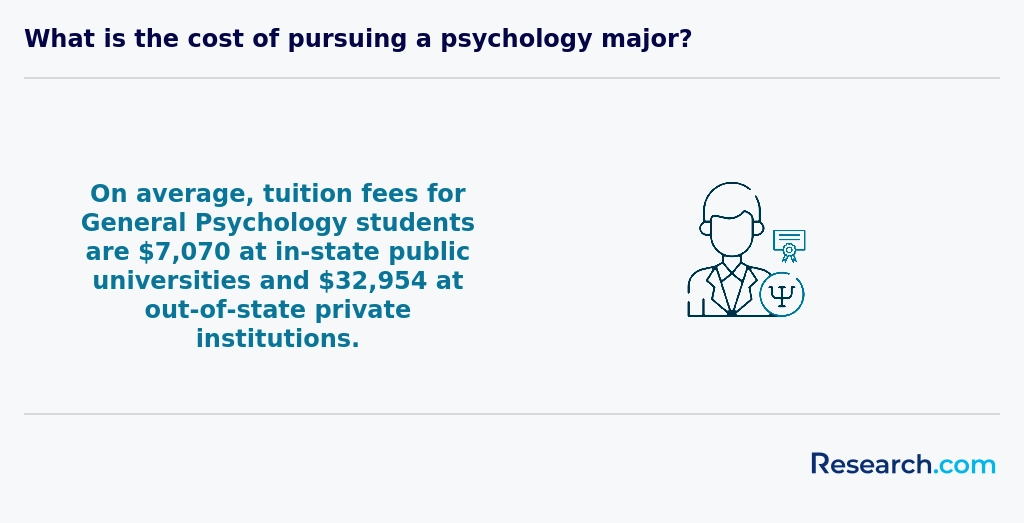
On average, the cost of earning a psychology degree in Rhode Island is about $43,418 for in-state students, making it a valuable investment in your future. Graduates from the University of Rhode Island and Rhode Island College often reflect on how their affordable psychology degree tuition fees Rhode Island helped them focus on learning and grow without overwhelming financial stress. This practical affordability means you can pursue your passion for psychology while feeling confident about managing your expenses.
For many students, the journey at well-known institutions like Brown University represents an inspiring example of dedication that goes beyond price, balancing high-quality education with opportunities for scholarships and financial aid. The vibrant psychology programs offered by these schools prepare students not only academically but also personally, creating an encouraging environment where you build meaningful connections and expand your horizons.
Choosing psychology as a field in Rhode Island opens doors to exciting experiences, including unique research chances and hands-on learning. Many find that being part of the top psychology schools in Rhode Island nurtures their resilience and passion. By understanding the average cost of psychology degree programs in Rhode Island, you empower yourself to make wise choices toward a fulfilling future in psychology.
When selecting a psychology program in Rhode Island, it's essential to consider several factors that can impact your educational experience and future career. One crucial aspect is the program's accreditation, which not only ensures that the institution meets high educational standards but also enhances your job prospects and licensure eligibility. Another vital factor is the variety of degree options available, including Bachelor of Arts in Psychology or accelerated programs that combine bachelor's and master's degrees. For those interested in exploring the best options, visiting top psychology schools in rhode island can provide valuable insights into affordable programs, specializations, and career paths. Additionally, considering the faculty's qualifications, program format, and available financial aid can help you make an informed decision that aligns with your educational and career goals. By carefully evaluating these factors, you can choose a psychology program in Rhode Island that sets you up for success and prepares you for a fulfilling career in psychology.
Many psychology students in Rhode Island find hope and encouragement through diverse financial aid options that ease the journey toward their degree. Graduates from Rhode Island College and the University of Rhode Island often share how federal Pell Grants and student loans made pursuing their passion possible without overwhelming debt. These grants, awarded based on financial need, offer a vital boost, transforming dreams into achievable goals.
The Rhode Island Promise Scholarship stands out as a game-changer for recent high school graduates committed to studying in-state, providing meaningful support that opens doors at public colleges. Students pursuing advanced psychology degrees also benefit from assistantships and fellowships, which often cover tuition and provide stipends-turning research and teaching roles into rewarding opportunities.
Institutional scholarships that recognize academic excellence and leadership inspire many psychology students in Rhode Island to strive for success. The added encouragement from these awards helps make each step of the academic journey feel both possible and exciting.
- Federal Pell Grants and federal student loans are primary sources of aid.
- Rhode Island Promise Scholarship supports eligible in-state students.
- Institutional scholarships at Rhode Island College and University of Rhode Island benefit psychology students.
- Graduate assistantships and fellowships offer financial support for advanced degrees.
When choosing a psychology degree program in Rhode Island, ensuring proper accreditation and understanding state licensure requirements are critical steps toward a successful career. All reputable institutions should hold regional accreditation from bodies like the New England Commission of Higher Education (NECHE); for clinical, counseling or school psychology specializations, seek programs with American Psychological Association (APA) accreditation. Graduating from an APA-accredited doctoral program is a mandatory prerequisite for licensure as a clinical psychologist in Rhode Island, and it can also streamline reciprocity if you choose to practice elsewhere. The Rhode Island Board of Psychology sets specific licensure criteria:
- Completion of an APA-accredited doctoral degree (PhD or PsyD) or equivalent, including at least 1,500 hours of supervised practicum and a 2,000-hour internship.
- Passage of the Examination for Professional Practice in Psychology (EPPP) administered by the Association of State and Provincial Psychology Boards (ASPPB).
- A jurisprudence or ethics exam covering Rhode Island statutes and regulations.
- Submission of official transcripts, supervised experience verification forms, and applicable fees to the Board. After initial licensure, psychologists must complete 30 hours of continuing education every two years, including ethics and diversity training, to maintain an active license. For counseling psychologists, additional credentials from the Rhode Island Board of Mental Health Counselors and Marriage & Family Therapists may apply, often requiring a master’s degree, 2,000 supervised hours, and the National Clinical Mental Health Counseling Examination (NCMHCE). To compare how accreditation influences program affordability and flexibility, explore our Affordable Psychology Degree Programs Ranking in New Mexico-a useful benchmark for assessing cost versus quality in similar regional studies. By prioritizing accredited programs that meet Rhode Island’s licensure standards, you’ll ensure your degree not only provides a robust academic foundation but also qualifies you to practice professionally without unexpected hurdles.
Embarking on a psychology degree journey in Rhode Island is an exciting step fueled by passion and dedication. Most students begin by showcasing their readiness through a high school diploma or GED, combined with solid coursework in English, math, and science. Imagine preparing confidently for your classes at a university like Rhode Island College, where these foundations are the stepping stones to understanding human behavior.
Many successful graduates share how submitting standardized test scores like the SAT or ACT, even when optional, gave them an extra boost during admissions. For those aiming higher, enrolling in graduate programs at places such as Brown University often requires a completed undergraduate degree enriched with psychology or related studies, along with compelling letters of recommendation and personal statements that reflect your unique goals and experiences.
Hands-on experience in research or clinical settings can be a game-changer, deeply resonating with admissions officers who look for motivated individuals ready to make a difference in mental health fields. These prerequisites are designed not just as hurdles, but as meaningful ways to prepare you for an inspiring career in psychology right here in Rhode Island.
Accreditation ensures your psychology degree meets industry standards and qualifies you for licensure. In Rhode Island, most reputable programs hold regional accreditation from the New England Commission of Higher Education (NECHE) and, for clinical psychology tracks, American Psychological Association (APA) accreditation. Graduates from these tracks are eligible to sit for the Examination for Professional Practice in Psychology (EPPP) and fulfill the state’s supervised experience requirements. Before enrolling, verify that the bachelor’s or master’s program is recognized by Rhode Island’s Board of Psychological Examiners. If you plan to pursue a master’s in psychology online accredited, choosing an APA-accredited pathway not only streamlines licensure but also opens doors to reciprocity in other states. Programs lacking proper accreditation may limit your ability to apply for internships, residencies, or doctoral training. Licensure in Rhode Island typically involves: 1. Completing an accredited master’s or doctoral program 2. Logging 1,500 supervised clinical hours 3. Passing the EPPP 4. Submitting verification and background checks to the Rhode Island Department of Health For non-clinical specializations, such as I-O or research-focused careers, regional accreditation suffices, but if you intend to counsel or assess clients, APA accreditation is mandatory. To maintain your license, you must complete continuing education credits-usually 20 hours every two years. By understanding program accreditation and licensing steps upfront, you safeguard your career trajectory, ensure compliance with state regulations, and maximize your educational investment.
Students pursuing a psychology degree in Rhode Island dive into courses that ignite curiosity and foster deep understanding. At well-known institutions like the University of Rhode Island or Providence College, graduates often recall their excitement when first exploring General Psychology, where the mysteries of human behavior begin to unfold. Research Methods in Psychology teaches practical skills to design studies and analyze data, empowering students to become confident investigators of the mind.
Classes such as Statistics for Psychology help make sense of complex information, turning abstract numbers into meaningful insights. As students advance, they experience dynamic topics like Developmental Psychology, which brings to life the fascinating journey of human growth, while Biopsychology reveals the powerful connections between our brains and actions.
Social Psychology and Cognitive Psychology courses inspire students by showing real-world applications - from understanding group dynamics on campus to unlocking memory's secrets. Many alumni cherish hands-on learning through internships and capstone projects that prepare them for fulfilling careers helping others.
Psychology degree specializations in Rhode Island open doors to rewarding career paths tailored to your passions. Graduates from renowned institutions like Brown University find excitement in Clinical Psychology, where they learn to diagnose and treat mental health conditions, making an immediate impact in therapy settings or hospitals. Others thrive in Counseling Psychology, offering compassionate support in schools or community centers, guiding people through life's challenges. Developmental Psychology inspires students intrigued by human growth, often leading to roles in education or healthcare that brighten lives at every stage.
Rhode Island psychology program concentration options also include Industrial-Organizational Psychology, where graduates apply psychology to improve workplace dynamics, boosting morale and productivity. Neuropsychology draws those fascinated by brain-behavior connections, preparing them for cutting-edge research or rehabilitation careers. Many students cherish how these programs emphasize hands-on learning, with internships through partnerships with Butler Hospital and Brown University.
If you're exploring alternative paths, consider exploring how to become a counsellor without a psychology degree for additional opportunities that suit your unique goals.
Choosing the best psychology degree in Rhode Island means focusing on what truly inspires you and fits your career goals. Many graduates from institutions like Rhode Island College and the University of Rhode Island emphasize how their programs' strong APA accreditation and diverse curriculums created a foundation for success and confidence in their clinical skills. Seeking a program with hands-on internships available in local hospitals or mental health centers transforms learning into real-world impact, sparking enthusiasm for the field.
Affordability can empower your journey without sacrificing quality. Exploring affordable psychology degree programs Rhode Island offers helps you find options that balance cost and excellence, making advanced education accessible. For those needing flexibility, consider programs such as a master's in psychology online accredited, which many students find uplifting as they juggle life and studies effectively.
Finally, graduates often highlight the encouragement they received from faculty actively engaged in research and community practice. This connection fosters a sense of belonging and excitement, energizing students eager to make a difference. Remember to explore graduation rates, financial aid, and alumni outcomes to ensure your chosen path lights the way toward your dreams.

Graduates with a psychology degree in Rhode Island discover an inspiring array of career paths tailored to their passions and skills. Many find fulfillment pursuing clinical roles, becoming licensed psychologists or counselors after completing doctoral programs at renowned institutions like the University of Rhode Island. These graduates thrive as they passionately support mental health in communities, meeting the growing demand for therapy and assessment services throughout the state.
Others leverage their degrees to become Licensed Clinical Social Workers or Mental Health Counselors, advancing quickly with a master's degree and serving vital roles in schools and hospitals. This path offers a rewarding chance to make a difference in everyday lives without the longer commitment of a doctorate. For those drawn to educational settings, psychology graduates from Rhode Island College often become certified school psychologists or advisors, combining psychology expertise with a love for learning to empower students.
Career opportunities extend beyond healthcare-many graduates use their training in organizational psychology and human behavior to excel in human resources, market research, and business sectors booming across Rhode Island. Exploring affordable options is easy with resources like the Affordable Psychology Degree Programs Ranking in New Mexico, helping students plan their education wisely. Overall, the vibrant landscape promises fulfilling jobs with a psychology degree in Rhode Island, where each graduate's journey shapes a brighter future.
The psychology degree job outlook Rhode Island offers is promising and vibrant, especially for those who pursue their studies at well-regarded institutions such as Rhode Island College or the University of Rhode Island. Graduates often find themselves stepping confidently into diverse roles-from clinical settings in hospitals to vital positions in public and private schools supporting student mental health. The state's community-centric approach means students benefit from numerous supervised practice opportunities close to campus, which graduates frequently cite as a key factor in boosting their employability and licensure readiness.
Rhode Island psychology career opportunities extend beyond traditional roles, encompassing mental health clinics, research facilities, and government agencies focused on behavioral health. Many alumni recall how hands-on internships and practical training helped them connect education with real-world impact, nurturing a strong sense of purpose and fulfillment. With average salaries between $65,000 and $90,000, the field rewards dedication and expertise.
For those mindful of balancing cost and quality, exploring programs like an online accelerated associate's degree provides flexible pathways that complement full-time studies, allowing learners to advance swiftly in this rewarding career.
2027 Most Affordable Psychology Degree Programs Ranking in Rhode Island
Investing in your education is a significant decision that can shape your future, and the Research.com team recognizes the importance of making well-informed choices. To guide prospective students seeking affordable psychology degrees in Rhode Island, we have carefully developed the "2027 Most Affordable Psychology Degree Programs Ranking in Rhode Island." Our dedication to quality, credibility, and accuracy is demonstrated through thorough research and detailed analysis.
We utilized the following reputable data sources to ensure a comprehensive evaluation of psychology programs:
Readers will benefit from this ranking by gaining clear, reliable insights into the most affordable psychology degree programs in Rhode Island, empowering them to make confident educational decisions. For a deeper understanding of our ranking process, please visit our Research.com methodology page.
# 1 position
Johnson & Wales University-Online
Bachelor of Arts in Psychology

# 2 position
Johnson & Wales University-Online
Master of Science in Psychology


Frequently Asked Questions About psychology
Psychology degree students in Rhode Island can enhance their learning by engaging in internships and research opportunities offered by local universities and healthcare facilities. Rhode Island hosts several institutions with strong psychology programs, such as the University of Rhode Island, which provides students access to faculty-led research projects.
Active participation in campus psychology clubs and attending workshops or seminars enhances practical understanding. Given Rhode Island's size, students benefit from networking within a close-knit community of professionals and peers.
Utilizing resources from the Rhode Island Psychological Association can provide guidance on licensure and career paths. According to the Bureau of Labor Statistics, the demand for psychologists in Rhode Island is expected to grow, making early professional experience valuable.
Emerging niches in psychology reflect evolving societal needs and technological advances. In Rhode Island, fields like neuropsychology and health psychology are gaining traction as healthcare integration grows. According to the U.S. Bureau of Labor Statistics, demand for neuropsychologists is expected to rise due to aging populations requiring cognitive assessments.
Another developing area is forensic psychology, linked to Rhode Island's expanding legal system and correctional programs. Industrial-organizational psychology also presents opportunities as local businesses increasingly seek experts to improve workforce productivity and well-being.
Telepsychology has gained momentum, especially post-pandemic, offering remote mental health services statewide. These niches align well with Rhode Island's healthcare and public service sectors, making them promising paths for psychology students.
Graduates with a psychology degree in Rhode Island should focus on gaining relevant experience through internships or research assistantships, which are highly valued by employers. The Rhode Island Psychological Association emphasizes practical training to enhance job readiness.
Networking locally is crucial; attending state conferences and joining professional groups can connect you with potential employers. According to the U.S. Bureau of Labor Statistics, Rhode Island's employment of psychologists is projected to grow about 5% by 2030, reflecting steady demand.
Additionally, obtaining licensure is essential for clinical roles. Resources from the Rhode Island Department of Health outline specific state requirements, including supervised hours and exams.
Finally, consider supplementing your degree with certifications or skills in data analysis, as these improve marketability in research and applied psychology fields.
Employers in Rhode Island highly value psychology graduates who demonstrate strong critical thinking and analytical skills. The ability to interpret data and apply psychological theories in real-world settings is essential, especially in healthcare and social services sectors, which are prominent in the state.
Communication skills are also key, as graduates often work in multidisciplinary teams or directly with clients. According to the Rhode Island Department of Labor and Training, effective interpersonal abilities improve job success rates in counseling and human resources roles.
Additionally, ethical judgment and cultural competence are increasingly important due to Rhode Island's diverse population. Familiarity with research methods and proficiency in statistical software can enhance employability, particularly for positions involving behavioral analysis and academic research.
Finding internships in Rhode Island for psychology students involves leveraging local educational institutions and community resources. Universities such as Rhode Island College and the University of Rhode Island offer internship placement programs in collaboration with regional hospitals, mental health clinics, and social service agencies. These partnerships provide practical experience in various psychology fields including clinical, counseling, and research.
Students should explore opportunities through the Rhode Island Psychological Association, which often lists internship openings and networking events. Additionally, the state's healthcare system employs psychology interns to support patient care and behavioral health services. Early application, strong academic performance, and proactive communication with faculty advisors increase chances of securing a suitable internship.
A psychology degree in Rhode Island can significantly enhance career mobility and advancement opportunities within the state's growing mental health and social services sectors. The Rhode Island Department of Labor reports that employment for psychologists and related professionals is projected to grow by approximately 10% through 2030, faster than the average for all occupations. This growth is fueled by increasing demand for mental health services in education, healthcare, and community settings.
Graduates with a bachelor's or higher in psychology often qualify for roles such as behavioral health specialists, counselors, or research assistants, which serve as stepping stones to advanced positions.
Obtaining a master's or doctoral degree is particularly important for licensure and clinical practice, influencing salary potential and job flexibility across Rhode Island. Institutions like the Rhode Island Psychological Association emphasize advanced education for career progression in both public and private sectors, supporting professional development statewide.
Studying for a psychology degree in Rhode Island offers a unique focus on interdisciplinary collaboration, especially due to the state's emphasis on integrating psychology with health, education, and social services. Programs often encourage students to combine coursework from fields like neuroscience, counseling, and sociology, reflecting the state's broad healthcare and community service sectors. For example, the University of Rhode Island highlights cross-disciplinary research, preparing students for roles that require diverse skill sets. According to the Rhode Island Department of Labor, demand for professionals able to navigate multiple disciplines is growing by 7% annually, emphasizing the relevance of such training in this region.
When choosing between thesis and non-thesis psychology degree programs in Rhode Island, consider your career goals and time commitments. A thesis program typically requires original research, ideal for students planning to pursue doctoral studies or research positions.
Non-thesis programs focus more on coursework and practical experience, appealing to those aiming for clinical or professional roles without extensive research involvement.
Rhode Island's universities, such as the University of Rhode Island, offer both options with similar tuition costs. According to the National Center for Education Statistics, about 40% of psychology master's students nationwide choose thesis tracks, reflecting the importance of research skills.
Evaluate faculty expertise and available resources at local schools before deciding.
Students based in Rhode Island who want to study psychology abroad have several pathways available through US higher education networks. Many universities in Rhode Island, such as the University of Rhode Island, offer exchange programs and partnerships with institutions in Europe, Asia, and Australia.
These opportunities allow students to take psychology courses overseas while earning credits transferable to their Rhode Island degree. Additionally, federal financial aid and Rhode Island state scholarships may sometimes extend to approved study abroad programs, easing the financial burden.
According to the Institute of International Education, approximately 10% of US psychology students engage in some form of study abroad, a number slowly rising as global collaboration grows.
Rhode Island students are advised to consult their university's international office early to identify psychology programs aligned with their academic goals and financial capabilities.
Rhode Island offers several part-time job opportunities that can complement psychology degree education by providing practical experience. Many students find work as research assistants at local universities such as Brown University and the University of Rhode Island, gaining hands-on experience with psychological studies.
Other common part-time roles include behavioral health technician positions in community health centers, where individuals support patients with mental health needs. Additionally, internships or aide roles in school counseling or social services agencies offer valuable exposure to applied psychology. According to the Rhode Island Department of Labor and Training, jobs in mental health support are projected to grow by 13% through 2028, indicating expanding opportunities for students.
Psychology students in Rhode Island benefit from various networking opportunities through university programs and local professional organizations. Institutions like Rhode Island College and the University of Rhode Island offer connections with faculty who are active in research and clinical practice, providing students access to internships and conferences.
The Rhode Island Psychological Association (RIPA) is a key resource, hosting events, workshops, and seminars that facilitate networking with practicing psychologists and graduate students. RIPA's activities can help students build professional relationships and learn about job openings in the state.
Additionally, students can participate in Rhode Island's annual Behavioral Health Conference, which draws mental health professionals statewide. Community agencies also provide volunteer and internship positions, allowing practical experience combined with networking. These structured and informal settings promote strong professional ties in Rhode Island's psychology field.
Alumni networks play a significant role in supporting psychology degree students in Rhode Island by providing access to professional connections and career opportunities. Graduates from local institutions like the University of Rhode Island and Rhode Island College often stay involved, offering mentorship and guidance to current students. This helps students navigate internships, licensure processes, and job markets more effectively.
According to the National Association of Colleges and Employers, 85% of jobs are filled through networking, highlighting the value of such connections. In Rhode Island's psychology field, these networks can open doors to positions in clinics, schools, and research centers.
Moreover, alumni events often feature workshops on resume building and licensure prep, helping students meet state board requirements efficiently. Given Rhode Island's small size, strong local networks enhance job placement and career growth.
Customizing a psychology degree program in Rhode Island involves selecting electives, concentrations, and practical experiences that match your career goals. Many institutions in the state, including the University of Rhode Island and Rhode Island College, offer options to focus on clinical, counseling, or developmental psychology.
Students can also gain research experience or engage in internships tailored to areas like mental health, education, or human services. According to the Rhode Island Department of Education, experiential learning is key to employment success post-graduation.
Advisors typically help in mapping out course plans aligned with career aspirations, ensuring you meet licensure requirements if becoming a psychologist or counselor is your goal.
Psychology students in Rhode Island often face several common challenges during their studies. One major hurdle is managing the rigorous coursework combined with practicum or internship requirements, which are essential for gaining hands-on experience.
The state has a limited number of accredited psychology programs, leading to fierce competition for spots in practicum placements, particularly in hospitals and community clinics. According to the Rhode Island Department of Education, approximately 40% of psychology undergraduates report concerns about accessing quality internships.
Financial burden is another significant issue. While tuition costs are moderate compared to national averages, many students struggle with expenses related to required textbooks and testing fees for certification exams.
Additionally, balancing part-time jobs alongside intensive study schedules is common. Many students also report stress related to staying updated with evolving licensing requirements specific to Rhode Island's professional landscape.
A psychology degree from Rhode Island institutions opens doors to several professional certifications. Graduates often pursue licensure as a Licensed Psychological Associate (LPA) or a Licensed Mental Health Counselor (LMHC), both regulated by the Rhode Island Department of Health. These certifications require completing specific education, supervised clinical hours, and passing state exams.
Additionally, credentials like Certified Alcohol and Drug Counselor (CADC) are available, reflecting Rhode Island's focus on behavioral health. For those interested in school settings, certification as a School Psychologist through the Rhode Island Department of Education is an option.
National certifications such as the National Certified Counselor (NCC) are also sought by graduates to enhance employment prospects.
To write a winning application for a psychology program in Rhode Island, start by clearly demonstrating your passion for psychology and your commitment to the field. Admissions committees at institutions like the University of Rhode Island and Rhode Island College value applicants who show relevant experience, such as volunteering or internships in psychology-related settings.
Strong letters of recommendation are crucial. Choose references who can speak to your academic abilities and your interest in psychology. Highlight your academic achievements and any research experience, as programs often prioritize applicants with a foundation in psychological science.
Be sure to write a concise, compelling personal statement that outlines your goals, why you chose psychology, and why Rhode Island schools fit your educational needs. According to the Rhode Island Board of Education, psychology remains a growing field in the state, so showing awareness of local opportunities can strengthen your application.
Also, maintain a competitive GPA; a minimum of 3.0 is commonly expected for graduate programs. Finally, prepare for any required standardized tests, such as the GRE, as some Rhode Island programs still consider these scores in admissions decisions.
Psychology careers in Rhode Island are influenced by global trends that emphasize the importance of cultural competence and diverse approaches to mental health. Internationally, psychology integrates multiple perspectives, including biological, cognitive, and social models, which enrich the understanding of human behavior. This holistic view aligns with U.S. education standards, preparing students for versatile roles.
In Rhode Island, degrees focus on meeting both state licensure requirements and broader global competencies to serve diverse populations. According to the Bureau of Labor Statistics, clinical and counseling psychology jobs in the U.S. are projected to grow 8% through 2032, driven by increased demand worldwide.
Many psychology programs now encourage research and internships with global or multicultural dimensions, supporting students' readiness for international collaboration and varied career paths.
Gaining practical experience while studying psychology in Rhode Island is essential for career readiness. Many local colleges offer internship opportunities through partnerships with hospitals, mental health clinics, and community organizations. For example, the University of Rhode Island provides students access to clinical placements and research assistant roles, allowing hands-on learning.
This practical work helps students develop skills in assessment, counseling, and research methods. Additionally, joining psychology clubs or volunteering with nonprofits like the Rhode Island Psychological Association can enhance experience. According to the Bureau of Labor Statistics, applied experience significantly boosts employability in psychology-related fields.
Choosing the right concentration within a psychology degree in Rhode Island involves aligning your interests with career goals and local opportunities. Rhode Island universities often offer concentrations like clinical, developmental, or industrial-organizational psychology, each preparing students for different career paths.
Consider your preferred work setting. For instance, clinical psychology is ideal for those interested in therapy or counseling, while industrial-organizational focuses on workplace behavior. Reviewing program specifics at institutions such as the University of Rhode Island or Rhode Island College is essential.
It is also helpful to examine local job market demands. According to the U.S. Bureau of Labor Statistics, Rhode Island is projected to see steady growth-about 10% from 2021 to 2031-in employment for psychologists and related roles. Aligning your concentration with these trends can improve career prospects.
- 2027 Most Affordable Psychology Degree Programs Ranking in New York
- 2027 Most Affordable Psychology Degree Programs Ranking in New Jersey
- 2027 Most Affordable Psychology Degree Programs Ranking in New Hampshire
- 2027 Most Affordable Psychology Degree Programs Ranking in Pennsylvania
- 2027 Most Affordable Psychology Degree Programs Ranking in Virginia
- 2027 Most Affordable Psychology Degree Programs Ranking in West Virginia
- 2027 Most Affordable Psychology Degree Programs Ranking in North Carolina
- 2027 Most Affordable Psychology Degree Programs Ranking in South Carolina
- 2027 Most Affordable Psychology Degree Programs Ranking in Tennessee
- 2027 Most Affordable Psychology Degree Programs Ranking in Wisconsin
See What Experts Have To Say About Studying Psychology
Read our interview with Psychology experts

Robin M. Kowalski. Ph.D.
Psychology Expert
Professor of Psychology
Clemson University

Elizabeth L. Jeglic Ph.D.
Psychology Expert
Professor of Psychology
City University of New York

Joann Farrell Quinn, Ph.D., MBA
Psychology Expert
Director at the College of Medicine Department of Medical Education
Morsani College of Medicine

- Mental Health Challenges Faced by Psychology Students | The Healthcare Guys https://healthcareguys.com/2023/11/23/mental-health-challenges-faced-by-psychology-students/
- Study Psychology Abroad https://astarfuture.co.uk/study_psychology_abroad.html
- Alumni Perspectives - Meet Our FPN Alumni https://www.aanmelder.nl/alumni-perspectives-june-2023
- Best Types Of Online Psychology Degrees 2025 https://www.psychology.org/degrees/
- What can I do with a psychology degree? https://www.hull.ac.uk/study/undergraduate/courses/psychology-bsc-hons/what-can-i-do-with-a-psychology-degree
- CLINICAL PSYCHOLOGY (THESIS / NON-THESIS) - Lisansüstü Eğitim Enstitüsü https://lee.nisantasi.edu.tr/en/clinical-psychology-thesis-non-thesis/
- Rhode Island Top Online Psychology Schools https://www.onlinepsychologydegrees.com/states/rhode-island/
- Society for the Teaching of Psychology https://teachpsych.org/page-1784686/8675326
- Ontario Psychological Association - Networking and Community Resources https://www.psych.on.ca/become-a-member-(1)/member-services/networking-and-community-resources
- Community Psychology in Global Perspective http://siba-ese.unisalento.it/index.php/cpgp