
2027 Most Affordable Psychology Degree Programs Ranking in Pennsylvania

Co-Founder and Chief Data Scientist
Choosing the right psychology degree program in Pennsylvania can feel overwhelming. To help you navigate this important decision, this article presents the 2027 Most Affordable Psychology Degree Programs Ranking in Pennsylvania. Created by the Research.com team of data scientists, it offers a clear guide to the best value programs available.
By exploring these options, you'll discover affordable pathways to pursue your passion for psychology. Earning a degree can open doors to meaningful careers, and this ranking aims to support your journey with trustworthy data and useful insights.
Key benefits of getting psychology degree in Pennsylvania
- Psychology graduates in Pennsylvania can expect rewarding salaries, such as Clinical Research Associates earning about $62,370 annually and Marketing Research Analysts around $83,190, highlighting strong financial potential in this field.
- Graduates from universities like Pennsylvania State University find diverse career options in areas like human resources, research analysis, and childcare, making the degree versatile and promising for those passionate about helping others.
- Obtaining a psychology degree online, such as through Drexel University, offers flexibility and convenience, allowing students to balance work and study while still accessing quality education and career support.
- 2027 Most Affordable Psychology Degree Programs Ranking in Pennsylvania
- What can I expect from psychology degree in Pennsylvania?
- Where can I work with psychology degree in Pennsylvania?
What can I expect from psychology degree in Pennsylvania?
The average cost of a psychology degree in Pennsylvania varies but is generally affordable, especially for in-state students attending public universities like Temple University or West Chester University. Many graduates recall feeling empowered by the financial support available through scholarships, teaching assistantships, and research roles, which helped ease their tuition burden while gaining valuable hands-on experience.
Private universities may have higher tuition, yet their graduates often emphasize the rich, immersive learning environments and access to cutting-edge research opportunities that make every dollar worthwhile. For these students, the investment felt like a stepping stone toward meaningful careers in counseling, clinical work, or industrial psychology.
Students consistently express pride in pursuing their degrees in Pennsylvania, where quality education meets practical affordability. This balance enables them to focus on mastering psychology's core concepts-from cognitive to developmental psychology-while preparing to make a real impact in healthcare, education, and beyond.
Where can I work with psychology degree in Pennsylvania?
Graduates with a psychology degree in Pennsylvania find exciting opportunities across diverse fields, from healthcare to business. Many step into rewarding roles as licensed psychologists, counselors, or therapists in hospitals, community centers, or private practices, especially in vibrant cities like Philadelphia and Pittsburgh where demand is strong and salaries competitive. Imagine working as a school psychologist in a Pennsylvania public school, supporting students' mental health and growth-a career path many graduates from Penn State and the University of Pennsylvania proudly pursue.
Others bring their expertise into human resources or market research, helping organizations enhance workplace culture and understand consumer behavior. Social services also offer deeply fulfilling roles, where psychology professionals aid vulnerable populations through meaningful counseling or case management.
For those passionate about discovery, Pennsylvania's top universities are hubs for psychological research, opening doors to studies in cognitive science and mental health. Graduates often find themselves part of this inspiring community, contributing to advancements that improve countless lives. Whatever path you choose, a psychology degree in Pennsylvania unlocks the chance to make a genuine difference every day.
Graduates with a psychology degree in Pennsylvania can unlock rewarding career paths with competitive salaries. For example, human resources specialists-often psychology graduates-earn a mean annual wage of about $76,060 in the state. This offers financial stability while allowing you to make a meaningful impact within organizations.
Marketing research analysts, another role well-suited for psychology graduates from universities like the University of Pennsylvania or Penn State, enjoy an even higher average salary of $83,190. This career blends psychology with business, perfect for those fascinated by consumer behavior and data-driven decision-making.
Those passionate about research can pursue roles like clinical research associates or survey researchers, both averaging annual wages near $62,370. Graduates from institutions such as Temple University find this work fulfilling, as it combines critical thinking with advancing scientific knowledge.
Imagine starting a dynamic career right in Philadelphia or Pittsburgh, where demand boosts earning potential. With dedication and the right credentials, psychology graduates in Pennsylvania are well-positioned to thrive financially while pursuing careers that deeply resonate with their passions.
- Tuition for psychology programs at public universities in Pennsylvania ranges from $10,000 to $15,000 per year for in-state students, while private schools often charge above $30,000 annually.
- Employment opportunities in psychology are strong due to Pennsylvania's diverse healthcare, education, and social services sectors.
- Entry-level salaries for psychology graduates with a bachelor's degree average between $40,000 and $45,000 annually in the state.
- Mid-career professionals with advanced degrees can earn between $70,000 and $90,000, with some specialized roles exceeding six figures.
- Licensing for psychologists requires a doctoral degree, passing the EPPP exam, and completing supervised professional experience.
Completing a psychology degree in Pennsylvania is an exciting journey that typically spans about four years for undergraduate students. Many graduates from institutions like Pennsylvania State University and the University of Pennsylvania share how the engaging coursework and supportive campus communities helped them stay motivated and thrive within this timeframe. Even if you choose part-time study or take advantage of flexible evening and online courses, the commitment opens doors to meaningful growth both academically and personally.
For those aspiring to advance further, graduate psychology degrees offer enriching experiences as well. Master's programs usually take around two years, where students dive deep into research and practical work that shapes their professional paths. Doctoral students can expect a commitment of five to seven years, filled with invigorating challenges like original research and clinical placements that transform passion into expertise.
Many graduates highlight how these timelines, combined with Pennsylvania's strong accreditation and supportive academic environments, make the pursuit of a psychology degree both attainable and rewarding. Knowing that postdoctoral supervised practice completes the licensure path adds clarity and confidence to planning your future success.
Accreditation is the cornerstone of any reputable psychology program in Pennsylvania, ensuring your degree meets educational standards and qualifies you for professional licensure. At the undergraduate level, look for regional accreditation from agencies like the Middle States Commission on Higher Education, which validates general education quality and eligibility for federal financial aid. For advanced practice-such as clinical, counseling, or school psychology-graduating from an American Psychological Association (APA)–accredited master’s or doctoral program is often mandatory for licensure. In Pennsylvania, prospective clinical psychologists must complete at least 3,600 hours of supervised post‐doctoral experience and pass the Examination for Professional Practice in Psychology (EPPP). School psychologists also require certification from the Pennsylvania Department of Education, including a state‐approved exam and specific practicum hours. Licensed Professional Counselors (LPCs) and Marriage and Family Therapists (MFTs) follow similar paths, combining graduate coursework, clinical supervision, ethics training, and continuing education to maintain their credentials. Before applying, verify that your chosen program aligns with the Pennsylvania State Board of Psychology and the Department of Education requirements. For those seeking flexibility without compromising on quality, consider an online psychology master option: these programs often offer APA‐approved curricula and remote supervision opportunities, allowing you to fulfill licensure prerequisites from anywhere in the state. By prioritizing accredited pathways and clearly understanding state licensure steps, you’ll be well on your way to a successful career in psychology.
Choosing between online and on-campus psychology degrees in Pennsylvania offers exciting possibilities tailored to your lifestyle and goals. Online programs from institutions like Pennsylvania State University empower students to study from home, balancing careers or family while advancing their education. Graduates appreciate the flexibility of accessing lectures at their own pace without missing vital content.
Meanwhile, on-campus psychology students at universities such as Temple University enjoy vibrant classroom discussions, hands-on labs, and face-to-face mentoring. This immersive environment nurtures strong connections with professors and peers, fostering teamwork during internships or research projects-critical for passionate future psychologists.
Imagine visiting Villanova University's campus to engage directly in clinical practicum, gaining firsthand experience that builds confidence and professional skills. Online learners, too, often arrange local internships, taking initiative to craft meaningful community experiences.
Both formats are accredited and lead to licensure in Pennsylvania, letting you choose a path that feels right emotionally and practically-whether that's flexibility or dynamic personal interaction.
While our article extensively covers traditional pathways in psychology education and the subsequent career prospects, an important aspect often overlooked is exploring non-traditional routes in the mental health field. Many individuals discover fulfilling careers by leveraging their skills and passion for helping others, even if they haven't pursued a conventional psychology degree. For example, professionals in counseling or therapy roles sometimes opt to supplement their experience with specialized certifications, community training, or hands-on work, rather than following the traditional academic track. If you’re interested in diversifying your career options, consider exploring options such as becoming a therapist without a psychology degree. This route can be ideal if you’re eager to enter the field quickly, combine practical experience with targeted learning, and explore innovative ways to support mental health within communities. By understanding alternative career pathways, you can tailor your professional journey to your unique strengths and circumstances, ensuring that passion and purpose guide your pursuits in the mental health arena.
The average cost of a psychology degree in Pennsylvania offers an encouraging outlook for aspiring students ready to invest in their future. The median in-state total cost hovers around $36,885, making it a feasible goal for many who pursue affordable psychology degree programs Pennsylvania. Graduates from well-known institutions like Penn State University, Temple University, and the University of Pittsburgh often share how their investment in education was worth every dollar, given the rich learning environment and career opportunities that followed.
Imagine a student starting at Temple University, where in-state tuition is approximately $18,200 annually, balancing books and campus life with a focus on psychology. This experience brings personal growth and academic excellence within reach, inspiring students to continue striving despite costs. Many find that financial aid, scholarships, and state grants geared toward social sciences dramatically ease the financial journey, making the dream of a psychology degree a reality.
For those seeking options, the availability of private universities means more choices, although tuition can be higher. Nonetheless, students often feel confident that the resources and connections these programs provide justify the expense. If you're looking for ways to make your education more accessible, check out the cheapest online psychology programs in pennsylvania offering flexibility and savings without sacrificing quality.

To make an informed decision about which psychology program to attend, it's essential to consider the cost of tuition and the potential return on investment. Students looking for affordable options can explore the cheapest online psychology programs in pennsylvania, which offer flexibility and potentially lower costs. By weighing factors such as program length, accreditation, and career prospects, prospective students can find a psychology program that fits their budget and sets them up for success in their future careers.
Psychology students in Pennsylvania embrace a range of financial aid options that make their educational journey exciting and achievable. Graduates from well-known institutions like Penn State or Temple University often share how federal aid, including Pell Grants up to $7,395, made a real difference in their ability to focus on studies instead of worrying about tuition.
State grants from the Pennsylvania State Grant Program also provide vital support, easing the financial burden while students dive deeply into their psychology coursework. Many students describe the relief and pride felt when earning merit-based scholarships offered by their colleges, recognizing their dedication and leadership in psychology.
Work-study programs further empower students, offering hands-on experience in psychology-related roles while helping cover costs. Alumni recall how engaging with Pennsylvania psychological associations' scholarships felt like an inspiring endorsement of their future careers.
Even external scholarships by nonprofits add to the hopeful path, turning dreams into a clear, exciting reality. These varied aids combine to build a strong foundation so psychology students can thrive within Pennsylvania's vibrant academic community.
Choosing an accredited psychology program is essential for ensuring quality education and eligibility for licensure in Pennsylvania. Most competitive programs hold American Psychological Association (APA) accreditation, which signals that the curriculum meets rigorous standards for coursework, supervised practicum hours, and research training. After earning a bachelor’s degree, aspiring psychologists must complete a doctoral program (Ph.D. or Psy.D.) from an APA-accredited institution, accumulate at least 3,000 hours of supervised professional experience, and pass the Examination for Professional Practice in Psychology (EPPP). In Pennsylvania, candidates also must clear the state jurisprudence exam and apply to the State Board of Psychology, providing official transcripts, supervision verification, and proof of identity. For those exploring cost-effective options in adjacent regions or online formats, consider the Cheapest Online Psychology Degree Programs Ranking in Alabama, which highlights ABA- and APA-approved curricula. Maintaining licensure requires ongoing education-typically 30 continuing education units every two years-ensuring that professionals stay current with emerging research and ethical best practices. By verifying accreditation and understanding Pennsylvania’s licensure pathway, you pave a clear route from degree completion to a thriving psychology career.
Enrolling in a psychology degree program in Pennsylvania starts with meeting common but encouraging prerequisites that set you on the path to success. Many local universities, like those in Philadelphia and Pittsburgh, look for students who have completed their high school diploma or GED, with a GPA around 2.5 to 3.0. This ensures you have a strong academic foundation to thrive in your studies.
Graduates from top Pennsylvania colleges often share how submitting personal statements and letters of recommendation truly showcased their passion for psychology, helping admissions teams see their unique potential. Once admitted, you'll dive into exciting coursework like statistics and research methods, which build the skills to understand human behavior deeply.
For graduate hopefuls, holding a bachelor's degree-preferably in psychology-and maintaining at least a 3.0 GPA is key. Many programs in the state welcome experience through research or related work, reflecting real-world applications that energize your learning journey. Even without perfect test scores, your dedication and personal story can light the way at vibrant campuses across Pennsylvania.

Accreditation ensures that psychology programs in Pennsylvania meet rigorous academic and professional standards, which is essential for eligibility to pursue licensure. Most public and private institutions in the state hold regional accreditation from bodies like the Middle States Commission on Higher Education, while graduate programs may seek American Psychological Association (APA) accreditation to guarantee a curriculum aligned with licensure requirements. Enrolling in an APA-accredited master’s or doctoral program is often a prerequisite for sitting for the Examination for Professional Practice in Psychology (EPPP) and fulfilling supervised practicum hours. Licensure in Pennsylvania typically follows these steps: 1. Earn a bachelor’s degree from a regionally accredited institution. 2. Complete an APA-accredited doctoral or master’s program that includes supervised clinical experience. 3. Accumulate 1,500–4,000 supervised hours (depending on degree level) under a licensed psychologist. 4. Pass the EPPP and state jurisprudence exams. 5. Apply to the Pennsylvania State Board of Psychology, submitting all transcripts, verification of supervision, and exam scores. Understanding accreditation and licensure pathways early can save time and resources, ensuring graduates meet all requirements to practice. For those exploring flexible online alternatives or planning to compare costs, consider the Cheapest Online Psychology Degree Programs Ranking in Alabama to gauge affordability and accreditation standards beyond Pennsylvania.
At universities like Penn State or University of Pennsylvania, psychology students in Pennsylvania immerse themselves in courses designed to ignite curiosity and build strong expertise. They start with General Psychology, a vibrant exploration of human behavior and mental processes that lays the groundwork for all future learning. Graduates often recall how this course opened their eyes to the fascinating complexities of cognitive and developmental psychology.
Students also engage deeply with Statistics for Psychology and Research Methods, mastering the tools needed to create meaningful studies and confidently analyze data. These skills empower them to turn questions about human nature into real-world answers, whether in a lively classroom discussion or an intensive research lab at Temple University.
Specialized classes like Biopsychology, Social Psychology, and Abnormal Psychology bring theory to life through case studies and internships, enabling students to encounter diverse perspectives and understand mental health challenges firsthand. Many find practical experiences like psychology practicums incredibly rewarding, sparking a passion to make a positive impact in their communities right here in Pennsylvania.
Psychology degrees in Pennsylvania offer vibrant opportunities through diverse specializations that truly empower students to follow their passion. Graduates from universities such as Penn State and Temple University often share how specializations like clinical psychology have transformed their ability to support individuals facing mental health challenges. The best psychology concentration options Pennsylvania provides include counseling psychology, which helps students develop skills to guide others through everyday struggles, creating deeply rewarding careers.
For students drawn to research and discovery, experimental psychology offers an exciting path. Immersing themselves in cognitive processes and cutting-edge methods, many have felt inspired by the hands-on experiences afforded by Pennsylvania's strong academic programs. Industrial-organizational psychology appeals to those motivated to improve workplace environments across Pennsylvania's dynamic economy, helping businesses thrive while promoting employee well-being.
Other students find fulfillment in neuropsychology, forensic psychology, or health psychology, all of which reflect emerging fields with real-world impact. Pennsylvania campuses frequently provide practicum opportunities so students can apply their knowledge in diverse settings. Those interested in becoming a therapist without a psychology degree will also find helpful guidance within these program offerings, ensuring every learner finds their meaningful path.
Choosing the best psychology degree in Pennsylvania means focusing on what truly aligns with your passions and future goals. Graduates from well-known colleges in the state often emphasize the value of accredited programs that balance strong academics with real-world experience, such as hands-on clinical training and research opportunities. Imagine yourself thriving in a vibrant classroom or gaining practical skills through supervised internships-these moments shape your confidence and career readiness.
Cost-conscious students frequently find success by exploring affordable psychology degree programs in Pennsylvania, balancing quality education with manageable tuition. Many have praised the flexibility offered by universities providing hybrid or online psychology master options, which fit perfectly with busy lifestyles or work commitments.
Look for programs with diverse specialization paths, whether your passion lies in developmental psychology or neuropsychology. The positive energy from faculty and peers at top psychology colleges in Pennsylvania can inspire you every day, helping transform your academic journey into a fulfilling adventure that opens doors to licensure and rewarding careers.
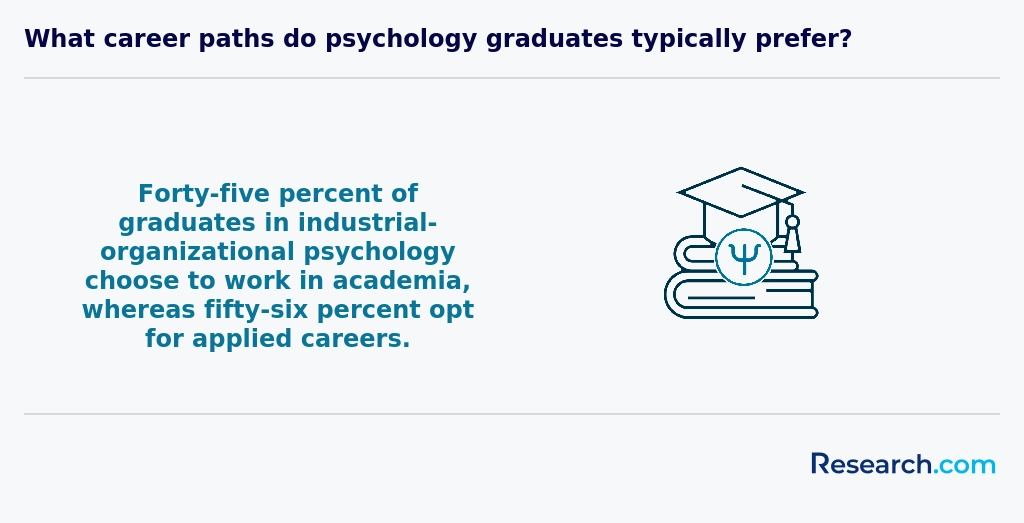
Psychology degree career options in Pennsylvania are diverse and inspiring, allowing graduates to make a real difference in fields like clinical psychology, counseling, and social work. Graduates from well-regarded universities across Pennsylvania, such as those in Philadelphia or Pittsburgh, often find themselves empowered to help individuals and communities by diagnosing mental health disorders or providing compassionate counseling services. Taking this path can lead to fulfilling roles in hospitals, schools, or private practices, where a master's or doctoral degree opens doors to independent licensure and rewarding careers.
Many psychology graduates in Pennsylvania also embrace research-based jobs at universities and private institutes, exploring human behavior through data analysis and program evaluation. This broad career spectrum extends to exciting opportunities in human resources and market research, especially in urban centers where businesses value psychological insights for improving workplace culture and consumer understanding. These jobs for psychology graduates Pennsylvania thrive on critical thinking and creativity, making every day different and impactful.
Prospective students should explore comprehensive options by checking out resources like the Cheapest Online Psychology Degree Programs Ranking in Alabama, which can help balance educational goals with financial realities.
The psychology degree job outlook Pennsylvania offers is bright and promising for graduates ready to make a difference. Those who earn their degrees from well-regarded institutions such as the University of Pennsylvania or Temple University find themselves stepping into a market where demand continues to grow, especially for advanced degree holders. Graduates often share inspiring stories of starting as licensed clinical psychologists in hospitals or school settings, where their work directly impacts community well-being.
With an 8% expected job growth over the next decade, Pennsylvania's need for skilled psychologists is steady, fueled by rising mental health awareness. Careers with psychology degree in Pennsylvania include roles in counseling, social services, or private practice, where many find rewarding, hands-on work. The state's licensure process, requiring supervised experience and examination, ensures professionals are trusted and respected.
Investing in education here is supported by various financial aid options, helping students handle tuition costs that range from $10,000 for undergraduate to $60,000 for advanced programs. Many graduates from popular Pennsylvania colleges recommend researching the best accelerated online associates degree possibilities to enhance their career path efficiently.
2027 Most Affordable Psychology Degree Programs Ranking in Pennsylvania
Investing in your education is a significant decision that can shape your future, and the Research.com team is keenly aware of the importance of making well-informed choices. To support prospective students in Pennsylvania, we have carefully developed the "2027 Most Affordable Psychology Degree Programs Ranking in Pennsylvania." Our dedication to quality, credibility, and accuracy is demonstrated through rigorous research and thorough analysis undertaken to create this ranking.
We utilized the following reputable data sources to ensure a comprehensive and trustworthy assessment of psychology programs:
By reviewing this ranking, readers will gain valuable insights into affordable, high-quality psychology degree programs in Pennsylvania, enabling them to make confident and informed decisions regarding their education. For a detailed explanation of how this ranking was developed, please visit our Research.com methodology page.


# 6 position
Pennsylvania State University-World Campus
Bachelor of Arts in Psychology

# 7 position
Pennsylvania State University-World Campus
Master of Arts in Clinical Psychology


# 12 position
Grove City College
Bachelor of Arts in Psychology


Frequently Asked Questions About psychology
Psychology degree students in Pennsylvania can maximize their learning by engaging with both theoretical and practical experiences. Many universities in Pennsylvania offer research opportunities, internships, and lab work, which are essential for applying classroom knowledge to real-world settings. According to the Pennsylvania Psychological Association, active participation in internships can improve job readiness by up to 30%.
Joining student psychology organizations and attending local conferences can also enhance networking and professional growth. Pennsylvania hosts several events annually where students can learn about the latest research and career trends. Additionally, taking advantage of resources like tutoring and academic advising helps tailor studies to individual goals.
Finally, staying informed about licensure requirements in Pennsylvania ensures timely preparation for post-graduate opportunities, which is vital given the state's specific regulations for clinical psychologists outlined by the Pennsylvania State Board of Psychology.
Emerging niches within the psychology field reflect growing societal needs and technological advances. In Pennsylvania, areas like neuropsychology and health psychology are expanding, driven by an aging population and increased focus on mental wellness. According to the Pennsylvania Psychological Association, demand for specialists in cognitive neuroscience is rising as research links brain function with behavior more clearly.
Another notable niche is forensic psychology, with Pennsylvania's legal system increasingly relying on psychological expertise for criminal profiling and assessments. Additionally, industrial-organizational psychology is growing due to businesses seeking to improve employee productivity and well-being. These subfields often require graduate-level training and offer diverse career paths within the state's job market.
After completing a psychology degree in Pennsylvania, preparing for the job market involves several key steps. First, gaining practical experience through internships, volunteer work, or research assistant positions is crucial. These opportunities help build skills valued by employers in clinical, counseling, or industrial psychology fields.
Pennsylvania's Department of Labor reports that demand for mental health professionals is expected to grow by 15% between 2022 and 2032, indicating promising job prospects for graduates. Networking with professional organizations like the Pennsylvania Psychological Association can open doors to job leads and mentorship.
Additionally, obtaining relevant licenses or certifications, such as those required for counseling or school psychology roles, enhances employability. Continuing education and pursuing graduate studies can further increase career options in this competitive field.
Employers in Pennsylvania highly value psychology graduates who demonstrate strong critical thinking and analytical skills. These allow graduates to assess complex behavioral data and contribute effectively to research or clinical settings. Communication abilities, both written and verbal, are also essential for collaboration and patient interaction.
Problem-solving skills are critical, enabling graduates to develop practical interventions in diverse environments, from schools to mental health clinics. Knowledge of ethical standards and cultural competence is increasingly important, reflecting Pennsylvania's diverse population.
According to the Pennsylvania Department of Labor & Industry, growth in psychology-related jobs highlights the demand for adaptability and teamwork skills among graduates entering the workforce in 2024.
Finding internships relevant to a psychology degree in Pennsylvania involves a combination of university resources and external opportunities. Many universities across the state, including Penn State and Temple University, offer dedicated internship placement services for psychology students. These offices help connect students with local hospitals, mental health clinics, schools, and research centers.
The Pennsylvania Psychological Association provides a directory of internship opportunities and professional contacts in the state, making it a valuable resource for students. Additionally, websites like Handshake and the APA's internship database can be searched for openings specifically in Pennsylvania.
It is advisable to start searching early, ideally one semester before the desired internship period, and to maintain active communication with faculty advisors. Pennsylvania's demand for psychology interns is particularly high in urban areas like Philadelphia and Pittsburgh, offering practical experience in clinical, counseling, and organizational psychology settings.
A psychology degree in Pennsylvania can significantly enhance career mobility and advancement. According to the U.S. Bureau of Labor Statistics, the state employs over 10,000 psychologists, with an expected growth rate of 6% through 2031. Earning a degree provides foundational knowledge and credentials necessary for roles in clinical, counseling, and industrial-organizational psychology. It also opens pathways to licensure, which is mandatory for many advanced positions.
Furthermore, Pennsylvania's diverse economy, including healthcare, education, and social services, offers numerous opportunities for psychology graduates to progress into management or specialized roles. Graduates holding a master's or doctoral degree often see increased earning potential and job options across urban and rural areas alike.
Psychology degree programs in Pennsylvania emphasize interdisciplinary learning, preparing students to work across diverse fields such as healthcare, education, and business. Many universities integrate courses in biology, sociology, and statistics, offering a broad foundation essential for collaborative roles.
According to the Pennsylvania Department of Education, around 70% of psychology graduates pursue interdisciplinary careers that require understanding human behavior alongside technical skills. Universities often partner with local hospitals and organizations, giving students practical experience in settings like mental health clinics and research labs.
This approach helps graduates adapt to complex work environments and meet the increasing demand for professionals who can navigate multiple disciplines effectively.
Choosing between a thesis and a non-thesis psychology degree program in Pennsylvania depends largely on your career goals and interests. Thesis programs require conducting original research, which suits students aiming for doctoral studies or research-based careers. Non-thesis options typically focus on practical skills and coursework, appealing to those targeting professional roles in clinical, counseling, or applied psychology.
In Pennsylvania, universities like Penn State and Temple offer both pathways, aligning with Accreditation standards set by the American Psychological Association. According to the National Center for Education Statistics, around 60% of psychology master's students nationwide choose non-thesis tracks, favoring quicker graduation timelines.
Consider time commitment, interest in research, and future plans when deciding. Consulting academic advisors at specific Pennsylvania institutions can also help clarify which program fits your needs best.
Students based in Pennsylvania who wish to study psychology abroad have several options through partnerships between their home institutions and foreign universities. Many Pennsylvania universities offer study abroad programs in countries like the United Kingdom, Ireland, and Australia, where students can complete psychology coursework and gain international experience.
For example, Penn State and the University of Pittsburgh have established exchange programs with universities that provide credit for psychology courses, allowing students to apply this learning toward their degree. According to the Institute of International Education, approximately 6,000 Pennsylvania students study abroad annually, with a growing interest in psychology and behavioral sciences.
Students should consult their university's study abroad office for program specifics and accreditation to ensure their psychology coursework abroad meets Pennsylvania licensure requirements if they plan to pursue clinical or counseling careers.
Students pursuing psychology degrees in Pennsylvania can enhance their education through various part-time job opportunities that offer practical experience. Common roles include research assistants at universities, where they help collect and analyze data, gaining valuable insight into experimental methods. Local healthcare facilities often hire mental health technician interns, providing exposure to clinical settings.
Another option is working as a behavioral health aide, supporting patients with developmental or psychological challenges. Agencies like the Pennsylvania Department of Human Services report steady demand for such support roles across the state. Additionally, tutoring in psychology subjects or assistant positions in counseling centers can reinforce academic learning while building interpersonal skills.
These roles align well with academic schedules, allowing students to apply theory to practice, essential for future licensure requirements and graduate programs.
Psychology students in Pennsylvania have access to diverse networking opportunities that can significantly enhance their academic and professional growth. Many universities, such as Penn State and the University of Pennsylvania, host psychology clubs and honor societies where students can meet peers and faculty mentors. These organizations often arrange guest lectures, workshops, and career fairs focused on psychology professions.
Additionally, Pennsylvania's strong presence of professional groups like the Pennsylvania Psychological Association offers student memberships that connect aspiring psychologists with licensed practitioners. According to the Pennsylvania Psychological Association, involvement in these networks can lead to internships and job placements.
Local conferences and research symposiums held by institutions and state bodies provide further chances to engage with experts and present student research. These events are critical stepping stones for building professional relationships in the field of psychology in Pennsylvania.
Alumni networks play a significant role for psychology degree students in Pennsylvania by providing valuable professional connections and mentorship opportunities. Graduates from psychology programs often access job openings through these networks, which can be crucial in the competitive Pennsylvania job market. According to the Pennsylvania Psychological Association, nearly 70% of early-career psychologists find employment via recommendations and alumni contacts.
Alumni groups also organize workshops and seminars that help students stay updated on industry trends and licensure requirements in Pennsylvania. Moreover, networking events foster collaborations that may lead to research projects or internships at local clinics and universities.
Overall, these connections enhance students' career readiness and increase their chances of success in psychology fields statewide.
In Pennsylvania, psychology students can tailor their degree programs to align with specific career goals by selecting specialized courses and electives within their major. Many universities offer concentrations such as clinical psychology, counseling, industrial-organizational psychology, or neuropsychology. Students may also engage in research projects or internships related to their interests, enhancing practical skills.
Furthermore, Pennsylvania institutions often allow cross-disciplinary studies, combining psychology with fields like education, social work, or business to broaden career prospects. According to the Pennsylvania Department of Education, experiential learning and internship opportunities in local hospitals and organizations significantly support customized training.
Students should consult academic advisors to design a plan that fits licensure or certification requirements tied to their intended profession, as these vary by psychology specialization and career path.
Psychology students in Pennsylvania commonly face several challenges during their studies. One major issue is the rigorous curriculum, which often requires students to balance extensive coursework in research methods, statistics, and various psychology subfields. According to the American Psychological Association, these demanding academic requirements can contribute to high stress levels among students nationwide.
Additionally, many Pennsylvania programs require practical experience, such as internships or research projects, which can be difficult to secure due to competition and limited local opportunities.
Financial constraints also impact students, as tuition and fees in Pennsylvania can average over $18,000 annually for in-state students, according to the National Center for Education Statistics. Managing time, workload, and expenses remains a significant hurdle for many enrolled in psychology degrees within the state.
With a psychology degree in Pennsylvania, graduates can pursue several professional certifications to enhance their careers. One common path is obtaining licensure as a Licensed Professional Counselor (LPC), which requires completing supervised clinical hours and passing the National Counselor Examination. Another option is becoming a Certified Alcohol and Drug Counselor (CADC), important for those working in substance abuse treatment. Psychologists aiming for clinical practice must pursue a Licensed Psychologist credential, which involves earning a doctoral degree and passing the Examination for Professional Practice in Psychology (EPPP).
Additionally, certifications like Board Certified Behavior Analyst (BCBA) are available for those specializing in applied behavior analysis. According to the Pennsylvania Department of State, these certifications help graduates meet state requirements and increase job opportunities in healthcare, education, and social services.
To write a winning application for a psychology program in Pennsylvania, start by carefully researching schools to understand their specific requirements. Most programs value a strong academic record, typically requiring a minimum GPA of 3.0. Highlight relevant coursework in psychology, biology, or social sciences to demonstrate your foundation in the field.
Craft a compelling personal statement that explains your interest in psychology, career goals, and why Pennsylvania's program suits your objectives. Include any research experience or related internships, as these strengthen your candidacy. Pennsylvania hosts over 40 psychology programs, according to the Pennsylvania Department of Education, making tailored applications key.
Letters of recommendation should come from faculty or professionals familiar with your work ethic and academic potential. Additionally, prepare for any required standardized tests, such as the GRE, and ensure all materials meet deadlines precisely.
Psychology careers are increasingly viewed through a global lens, as mental health challenges and behavioral science research connect professionals worldwide. In the United States, including Pennsylvania, psychology is a robust and growing field with diverse opportunities in clinical, counseling, and research roles. According to the U.S. Bureau of Labor Statistics, employment of psychologists is expected to grow 8% from 2021 to 2031 nationally, reflecting strong demand.
Globally, psychology practices may differ due to cultural factors, but academic training in Pennsylvania aligns well with international standards, preparing students for varied roles. Pennsylvania's universities emphasize evidence-based approaches, which are valued in many countries.
For students in Pennsylvania, understanding global perspectives enhances career flexibility, especially with telehealth expanding internationally. Awareness of ethical guidelines from organizations like the American Psychological Association also supports cross-border practice and collaboration.
Gaining practical experience while studying for a psychology degree in Pennsylvania is essential for career readiness. Many universities in the state offer internship programs in collaboration with local hospitals, schools, and counseling centers. For example, schools like Penn State and Temple University have well-established partnerships facilitating placements.
Students can also engage in research assistant positions, which provide valuable exposure to psychological studies and methodologies. According to the American Psychological Association, hands-on research boosts employment prospects significantly.
Volunteering at community mental health agencies is another common route. It broadens clinical skills and professional networks, crucial in Pennsylvania's competitive psychology job market. Additionally, some programs require supervised practicum hours, ensuring direct client interaction experience during the degree.
Choosing the right concentration within a psychology degree in Pennsylvania starts with understanding your career goals. Psychology programs often offer tracks like clinical, counseling, industrial-organizational, or forensic psychology. Each path prepares students for different roles, such as therapy, human resources, or law enforcement. The Pennsylvania Department of Education reports that clinical and counseling psychology remain among the fastest-growing fields in the state.
Consider program accreditation when choosing a concentration. The American Psychological Association (APA) accredits many respected Pennsylvania graduate programs and ensures quality education for clinical and counseling paths.
Exploring local internship opportunities can also influence your decision. Pennsylvania's broad healthcare and social services sectors provide various practical experiences tied to specific concentrations.
- 2027 Most Affordable Psychology Degree Programs Ranking in New Jersey
- 2027 Most Affordable Psychology Degree Programs Ranking in New York
- 2027 Most Affordable Psychology Degree Programs Ranking in West Virginia
- 2027 Most Affordable Psychology Degree Programs Ranking in Virginia
- 2027 Most Affordable Psychology Degree Programs Ranking in Rhode Island
- 2027 Most Affordable Psychology Degree Programs Ranking in North Carolina
- 2027 Most Affordable Psychology Degree Programs Ranking in Tennessee
- 2027 Most Affordable Psychology Degree Programs Ranking in Vermont
- 2027 Most Affordable Psychology Degree Programs Ranking in South Carolina
- 2027 Most Affordable Psychology Degree Programs Ranking in New Hampshire
See What Experts Have To Say About Studying Psychology
Read our interview with Psychology experts

Catherine Caldwell-Harris, Ph.D.
Psychology Expert
Associate Professor of Psychology
Boston University

Elizabeth L. Jeglic Ph.D.
Psychology Expert
Professor of Psychology
City University of New York

Robin M. Kowalski. Ph.D.
Psychology Expert
Professor of Psychology
Clemson University

- Know more about thesis vs non- thesis: what is the difference? https://studyfans.com/en/blogs/816
- What Can You Do With a Psychology Degree? Careers, Paths, and What to Study https://www.griffith.ie/knowledge/what-can-you-do-with-a-psychology-degree-careers-paths-and-what-to-study
- Psychology - SWPS University https://english.swps.pl/academics/warsaw/ba-programs/psychology
- Program Details: https://www.eastern.edu/academics/online-undergraduate-programs/ba-psychology-online
- 5 Best Places to Study Abroad for Psychology https://www.ciee.org/go-abroad/college-study-abroad/blog/5-best-places-study-abroad-psychology
- Study Psychology Abroad | Go Overseas https://www.gooverseas.com/study-abroad/psychology
- Professional Networking For Psychologists | Psychology.org https://www.psychology.org/resources/professional-networking/
- Mental Health Challenges Faced by Psychology Students | The Healthcare Guys https://healthcareguys.com/2023/11/23/mental-health-challenges-faced-by-psychology-students/
- Psychology Online Degree Pathway https://www.learndirect.com/course/psychology-online-degree
- Why Get a Psychology Degree Online? | University of Bridgeport https://www.bridgeport.edu/news/reasons-to-get-your-psychology-degree-online/


