
2027 Most Valuable Psychology Degree Programs Ranking in Connecticut

Co-Founder and Chief Data Scientist
Choosing the right psychology degree program in Connecticut can shape your future career and personal growth. This article introduces the 2027 Most Valuable Psychology Degree Programs Ranking in Connecticut, crafted by the Research.com team of data scientists to guide you in making a well-informed decision.
Discover which programs offer the best opportunities and support your passion for understanding human behavior. Pursuing a psychology degree opens doors to meaningful work and personal fulfillment, making this guide a valuable resource for your educational journey.
Key benefits of getting psychology degree in Connecticut
- Salary for psychology degree graduates: Graduates in Connecticut can expect rewarding salaries, such as a Human Resources Specialist earning around $76,060 annually or a Marketing Research Analyst making about $83,190. Clinical Research Associates and Survey Researchers also earn competitive wages near $62,370 per year, reflecting strong earning potential.
- Career paths: Psychology degree holders from schools like the University of Connecticut pursue diverse roles, including clinical research, marketing analysis, and human resources, offering excitement and meaningful work across various industries. This flexibility helps graduates find fulfilling careers that match their passions and skills.
- Benefits of online degrees: Earning a psychology degree online from institutions such as Southern Connecticut State University offers convenience and flexibility, allowing students to balance studies with life commitments. Online programs also provide access to expert faculty and networking opportunities without relocation stress, making education more accessible and enjoyable.
- 2027 Most Valuable Psychology Degree Programs Ranking in Connecticut
- What can I expect from psychology degree in Connecticut?
- Where can I work with psychology degree in Connecticut?
What can I expect from psychology degree in Connecticut?
The average cost of pursuing a psychology degree in Connecticut varies depending on the institution and degree level. For example, graduates from the University of Connecticut, a popular choice for psychology students, report that in-state tuition for undergraduate programs typically ranges from $15,000 to $20,000 per year. Private colleges, however, can charge upwards of $40,000 annually, which many students offset through scholarships and financial aid.
Graduate programs in psychology, such as the Master of Science or doctoral degrees, generally cost more. Many students pursuing a PsyD or PhD budget around $25,000 to $35,000 per year at public universities, while private institutions can exceed $50,000. Graduates often find the investment worthwhile due to strong clinical training opportunities and licensure preparation embedded in the curriculum.
Students describe practical benefits like research assistantships and clinical placements that make the cost feel justified, giving them real-world experience before licensure exams like the EPPP. Considering Connecticut's higher-than-average psychologist salaries, these costs align with positive career outlooks.
Where can I work with psychology degree in Connecticut?
With a psychology degree in Connecticut, graduates often find meaningful work in healthcare settings like hospitals and mental health clinics, where they support mental wellness both as clinicians and counselors. For example, graduates from the University of Connecticut have taken roles in local counseling centers, helping address rising mental health needs statewide.
Many also pursue careers in education, working as school psychologists who manage student behavioral challenges in public and private schools. Those from Yale's psychology program often remark on the clear path to certification and competitive salaries ranging from $60,000 to $90,000, which makes this route appealing and rewarding.
Bachelor's degree holders from local colleges frequently secure entry-level jobs as case managers or behavioral health technicians at nonprofit agencies, gaining valuable experience that often leads to advanced positions. The diversity of roles extends to corporate environments, where graduates apply behavioral insights to human resources or market research, thriving in Connecticut's strong insurance and finance sectors.
Government work in corrections or juvenile justice also draws psychology graduates interested in community impact, highlighting a variety of career paths directly tied to their degree and local opportunities.
Graduates with a psychology degree in Connecticut can anticipate a range of salaries depending on their chosen career path and level of education. For example, those entering roles such as Human Resources Specialist typically earn a mean annual wage of about $76,060. This is a strong start compared to national averages and reflects the competitive job market near universities like the University of Connecticut and Yale.
Many psychology grads find rewarding positions as Marketing Research Analysts, where the mean annual salary reaches $83,190. These roles often involve applying psychological insights to consumer behavior, a practical skill developed in coursework and internships at local colleges.
For entry-level roles, such as Clinical Research Associates or Survey Researchers-positions that recent graduates from schools like Quinnipiac University often pursue-mean annual wages are around $62,370. These jobs provide valuable research experience and a pathway to higher-paying clinical or administrative roles.
Graduates working as Childcare Workers earn around $32,070 annually, which can be an appealing option for those passionate about early childhood development and community impact.
Overall, Connecticut's strong academic programs arm graduates with practical skills to secure these positions, offering a promising financial outlook and fulfilling career opportunities in diverse psychology-related fields.
- Tuition for psychology degrees in Connecticut ranges from $12,000 to $20,000 per year at public universities and can exceed $35,000 annually at private schools.
- Entry-level psychology graduates earn about $45,000 to $50,000 per year, with licensed psychologists making around $90,000 annually.
- Employment in psychology fields in Connecticut is expected to grow by approximately 7% through the late 2020s, matching national growth trends.
- Job opportunities exist in hospitals, clinics, schools, and private practice, with strong competition for roles requiring advanced licensure.
- Licensure in Connecticut requires a degree from an accredited institution, supervised clinical experience, and passing the professional exam.
If you're aiming to complete a psychology degree in Connecticut, expect about four years for a bachelor's, similar to what graduates from the University of Connecticut often experience. This involves roughly 120 credit hours blending general education with psychology courses, which feels manageable as you balance campus life and studies.
For a master's degree, plan on an additional two years, like many students at Western Connecticut State University who pursue specialized programs. This period may stretch depending on your choice between thesis or coursework-focused tracks, giving you time to engage deeply with counseling or research skills that boost confidence and career readiness.
Doctoral programs, essential for licensure, typically take between 4 to 7 years beyond the bachelor's. Graduates often describe this phase as intense but rewarding, with time split among clinical work, research, and dissertation writing. Flexibility with part-time enrollment or hybrid classes can help you tailor your timeline.
Remember, your pace can shift based on factors like transferring credits or internship requirements, but local options offer support to keep you on track while pursuing your passion for psychology.
After earning your degree, Connecticut requires several steps to become a licensed psychologist or counselor:
- Graduate from an APA-accredited doctoral program (or a state-approved master’s for counseling roles)
- Complete 2,000+ supervised postdoctoral hours for psychologists or 1,500+ for licensed professional counselors
- Pass the Examination for Professional Practice in Psychology (EPPP) and the CT jurisprudence exam
- Submit your application and official transcripts to the CT Department of Public Health
- Maintain licensure with at least 12 continuing education credits every two years
For those seeking a master’s foundation, consider an affordable masters in psychology online program.
Choosing between online and on-campus psychology degrees in Connecticut boils down to your lifestyle and learning preferences. Online programs at schools like the University of New Haven or Southern Connecticut State University offer flexibility to attend lectures and complete assignments from anywhere, perfect if you juggle work or family. Graduates often appreciate the convenience, especially if they live outside Hartford or New Haven, avoiding daily commutes and campus fees.
In contrast, on-campus programs provide hands-on experiences with professors and peers, ideal for psychology students eager to engage in real-time discussions and group projects. Those aiming for clinical careers find internships and lab work more accessible through on-campus connections. For example, graduates from on-campus programs highlight how close faculty interaction helped deepen their understanding and built essential local networks.
Both paths have accredited programs meeting Connecticut's licensing standards, but while online degrees offer convenience and cost savings, on-campus study delivers immersive, practical engagement essential for some specializations.
When considering a psychology degree in Connecticut, financial constraints can be a significant barrier for many prospective students. To make informed decisions, it's crucial to explore the most affordable options available. The cost of tuition, fees, and living expenses can vary significantly across different institutions. Students looking for affordable pathways can explore options such as community colleges or public universities, which often offer lower tuition rates compared to private institutions. For instance, students can research the most affordable psychology schools in Connecticut to find programs that fit their budget. By weighing the costs and benefits of different programs, psychology students in Connecticut can find an affordable and high-quality education that prepares them for their future careers.
The average cost of obtaining a psychology degree in Connecticut typically falls around $59,622 overall, with in-state students paying closer to $47,278. For many students at well-known universities in the state, such as those recognized for their strong psychology departments, these figures closely reflect the total expenses experienced throughout their studies. A graduate might recall budgeting carefully to manage the tuition and fees, plus additional costs like textbooks and living expenses, which are all part of the broader Connecticut psychology degree tuition and fees landscape.
For example, attending a public institution as an in-state student can noticeably reduce the financial burden, while out-of-state students face higher costs closer to the full median total. Many psychology students find relief by exploring scholarships and financial aid, since schools in Connecticut often offer tailored support aimed at psychology majors. Considering real costs rather than just tuition alone helps students realistically plan for expenses, which might include between $5,000 and $12,000 annually for living and materials on top of tuition.
When comparing colleges or deciding on graduate programs, it's smart to look at overall costs and available financial resources. Graduates from top programs have described the satisfaction of balancing the investment with the strong academic experience they received, especially at institutions known for psychology studies. To see which options could fit your budget best, examine the most affordable psychology schools in Connecticut to find a practical path to your degree.
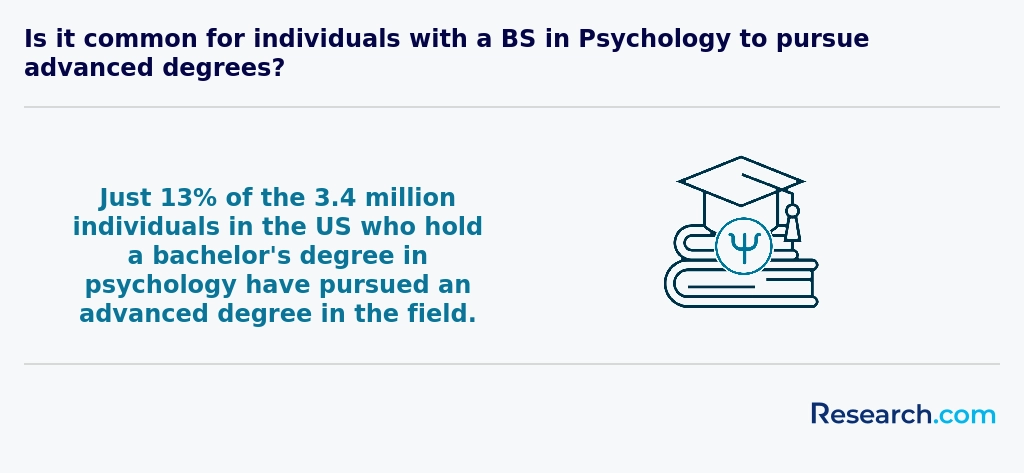
Graduates looking to elevate their impact and earning potential often pursue a doctoral psychology degree, choosing between the research-focused PhD and the practice-oriented PsyD. A PhD program typically emphasizes experimental research, teaching and academic scholarship over 4–6 years, whereas a PsyD concentrates on clinical training and hands-on practicum, often completed in 4–5 years. Both paths can lead to licensure as a psychologist, but your choice should align with career goals: academic roles and research leadership for PhD holders, or direct client care and applied practice for PsyD graduates. Key considerations when evaluating doctoral programs:
- Curriculum and Training: PhD candidates spend 20–30% of their time in clinical placements, while PsyD students devote up to 50% of credits to supervised therapy and assessment techniques.
- Faculty Expertise: Look for programs with faculty whose research or clinical work matches your interests-whether neuropsychology, child and adolescent therapy, or organizational consulting.
- Licensing and Internship Match Rates: Review each program’s post-doctoral internship placement statistics and state licensure exam pass rates.
- Format and Flexibility: For professionals balancing work and study, accredited online PsyD programs offer synchronous seminars, virtual supervision and cohort support. To explore top remote options, check out our list of the best online psyd selections that combine rigorous training with convenience. Investing in a doctoral degree expands your scope to roles such as university professor, clinical director, high-level consultant or licensed practitioner. By thoughtfully comparing program structures, learning outcomes and support services, you can choose the doctorate that best propels your psychology career forward.
To fund a psychology degree in Connecticut, start by applying for federal aid through FAFSA to access Pell Grants and Federal Work-Study. Many psychology students from the University of Connecticut found Pell Grants crucial, receiving up to $7,500 yearly, which eased their tuition worries without accruing debt.
Next, consider Federal Direct Loans-subsidized loans help reduce interest while in school. Graduates from Southern Connecticut State University often relied on these loans to cover living expenses alongside tuition, balancing work and study effectively.
Connecticut residents should also explore state programs like the Roberta B. Willis Scholarship, ideal for those attending in-state colleges. Psychology students there have shared how this reduced their out-of-pocket costs significantly.
Many universities, including UConn and Southern Connecticut State, offer scholarships targeting psychology majors based on merit or need, so it's wise to check departmental opportunities early.
Finally, tapping into private scholarships from organizations such as the American Psychological Association can provide additional funding, while internships and assistantships offer practical experience plus financial support.
Pursuing an online doctorate in psychology can be a transformative step for professionals looking to deepen their expertise and expand their career opportunities. This advanced degree not only provides specialized knowledge in areas such as clinical research, neuropsychology, and behavioral analysis, but it also offers flexibility for working professionals who need to balance studies with ongoing career responsibilities. In today’s competitive job market, an online doctoral program equips graduates with cutting-edge research skills, leadership training, and the capacity to contribute to innovative mental health practices. For instance, many graduates find that obtaining an online doctorate opens doors to roles in academia, high-level clinical positions, or consultative roles in policy-making. It is also noteworthy that numerous professionals have discovered excellent opportunities by exploring careers with online doctorate in psychology, where the integration of practical experience and academic rigor sets them apart from their peers. Embracing this pathway can lead to enhanced job security, a broader professional network, and a significant impact on the evolving landscape of psychological services.
To enroll in a psychology degree program in Connecticut, start by securing a high school diploma or equivalent, with strong grades especially in science and math. Graduates who attended popular colleges like the University of Connecticut often mention how their solid foundation in biology and statistics eased their transition into introductory psychology and research courses.
Many students applying to Connecticut universities find that completing core courses in English, math, and science beforehand saves time and reduces stress during their first year. It's common to submit standardized test scores like SAT or ACT, although some schools now offer test-optional options, providing flexibility based on individual circumstances.
For those targeting graduate psychology programs, holding a bachelor's degree with a minimum 3.0 GPA and relevant coursework in psychology and research methods is crucial. Alumni from well-known institutions emphasize that letters of recommendation and hands-on research experience played a key role in their acceptance, making these practical steps rewarding for applicants.

When choosing a psychology degree program, understanding the return on investment (ROI) is crucial. In Connecticut, graduates from top institutions like the University of Connecticut report average student debt of $24,500 and first‐year salaries around $57,000, resulting in a debt‐to‐income ratio of 0.43. Southern Connecticut State University alumni carry slightly less debt-approximately $22,000-with starting salaries near $54,000, yielding a similar ROI profile. Comparing these figures to the national average debt‐to‐income ratio of 0.48 demonstrates that Connecticut programs offer competitive financial outcomes. Job placement rates further illustrate program value. Recent data shows that 89% of psychology graduates from Connecticut public universities secure full‐time employment or enroll in graduate school within six months of graduation. Clinical and industrial‐organizational specializations boast placement rates above 92%, reflecting strong employer demand. Prospective students should also factor in internship opportunities and hands‐on research projects, which not only enrich learning but often lead directly to job offers. For students seeking even more cost-effective options outside Connecticut, consider our Inexpensive Psychology Degree Programs Ranking in California to compare tuition, financial aid packages, and long-term earning potential. By analyzing average debt, salary outcomes, and placement rates, you can make an informed decision that maximizes both your educational investment and career prospects.
If you're pursuing a psychology degree in Connecticut, expect to start with foundational courses like general psychology, research methods, and statistics. These core classes, common at schools like the University of Connecticut and Central Connecticut State University, prepare you to understand the basics of human behavior and the science behind it. Graduates often share how mastering statistics early on helped them confidently analyze research data in later projects.
As you advance, your coursework typically expands to specialized areas such as Biological Psychology, exploring brain-behavior links, and Cognitive Psychology, which dives into mental processes like memory, a favorite among many Yale students. Developmental and Social Psychology classes help you relate theory to everyday experiences, like how children grow or how group dynamics shape behavior.
Additionally, classes in Abnormal and Personality Psychology introduce you to mental health issues and individual differences, often reinforced by hands-on practice through labs or internships offered at Connecticut universities. Many students appreciate how these real-world applications make the theory tangible and build professional confidence.
Psychology degree specializations in Connecticut typically include clinical psychology, a popular choice among graduates from institutions like the University of Connecticut. These students often recount the rewarding challenge of diagnosing and treating mental health disorders, preparing them for licensure and local demand. Developmental psychology is another strong option, especially at schools that emphasize research into childhood growth and aging, which resonates with students aiming to work in healthcare or educational settings.
Best psychology concentrations Connecticut universities offer also include social psychology and cognitive psychology. Graduates focusing on social psychology enjoy exploring real-world human interactions, useful for careers in organizational psychology or community research. Cognitive psychology students describe their coursework on learning and memory as engaging, often involving hands-on projects that deepen understanding. For students interested in legal systems, forensic psychology programs at private institutions like Yale provide a unique blend of psychology and law, equipping them for work in courts or rehabilitation.
Students benefit from programs blending theory with practical experience, often securing internships or assistantships. To further expand career options, consider exploring careers with online doctorate in psychology, which many find essential for advanced roles within Connecticut's growing psychology field.
Begin by choosing the degree level that fits your career goals. For example, graduates from the University of Connecticut often highlight how their bachelor's degree gave them a strong foundation, while others pursuing graduate studies at Quinnipiac University benefited from hands-on clinical experience. Accreditation is essential; select programs with American Psychological Association (APA) approval, especially for doctoral tracks, to ease licensure and workforce entry in Connecticut.
Cost matters, too. Affordable psychology colleges in Connecticut can range widely, from in-state public options charging around $12,000 annually to private schools exceeding $35,000. Many students find value attending public universities because of competitive tuition rates combined with rich internship connections in healthcare centers like Hartford. These real-world experiences are often cited by alumni as pivotal in securing jobs after graduation.
Consider program format and flexibility. Students balancing work have praised hybrid and online options, which some universities now widely offer. Those seeking advanced clinical degrees can also explore the best online psyd programs for flexible, in-depth learning while staying local. Finally, research faculty backgrounds-programs emphasizing cognitive or neuropsychology can provide unique research and networking opportunities that boost your psychology career in Connecticut.
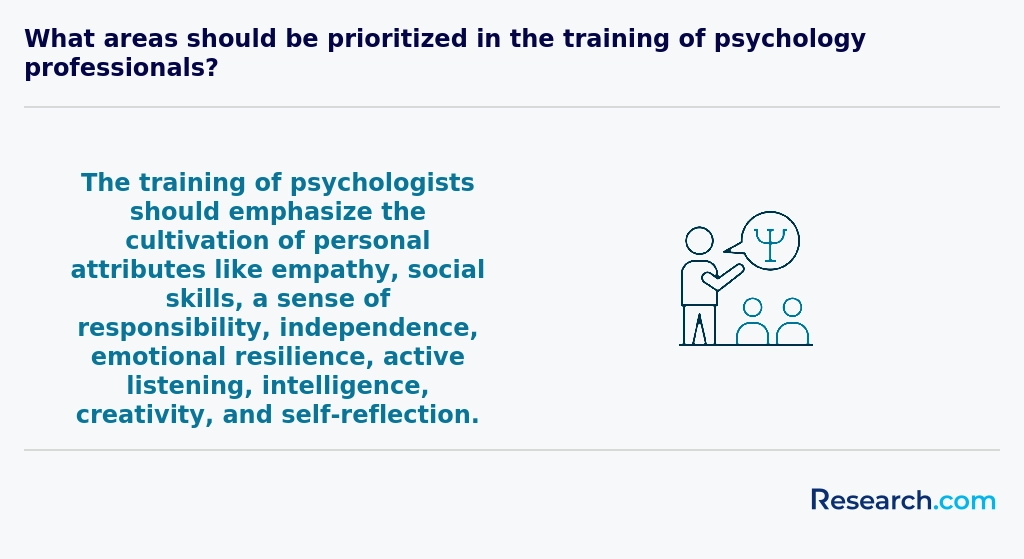
Psychology graduates in Connecticut find diverse career paths across healthcare, education, business, and research sectors. Many choose clinical psychology or counseling roles, often gaining licensure to work in hospitals, private practices, or community centers. For example, graduates from Yale and the University of Connecticut frequently secure positions supporting patients with mental health challenges or providing school-based psychological services.
Other promising options include industrial-organizational psychology, where professionals help Connecticut companies boost employee well-being and productivity, and forensic psychology roles linked to corrections and law enforcement. Social work and counseling jobs also thrive in urban hubs like Hartford and New Haven, meeting the state's strong demand for mental health services. Students exploring psychology career opportunities in Connecticut can see real-world benefits, like engaging in research at top universities or nonprofit mental health programs.
To further understand costs and options, graduates often compare institutions and consult resources such as the Inexpensive Psychology Degree Programs Ranking in California. This practical approach helps balance educational investments with career goals, offering hopeful students actionable steps to succeed in jobs with a psychology degree in Connecticut.
The job market for psychology degree employment opportunities in Connecticut is competitive but promising, especially for graduates from well-known universities within the state. Many graduates find roles in clinical settings, schools, or social service agencies. For example, recent graduates from prominent Connecticut colleges have secured positions as school psychologists, benefiting from the state's focus on student mental health in both public and private schools. These roles often require advanced degrees, so pursuing a master's or doctorate can significantly improve employment prospects and salary potential.
With Connecticut's proximity to New York City and Boston, some graduates explore opportunities beyond state borders, expanding their job outlook for psychology graduates. Salaries in Connecticut tend to be higher than the national average, offering around $97,000 annually for psychologists, which makes the investment worthwhile despite higher tuition. To enhance employability, developing strong communication, research, and cultural competence skills is essential.
Students interested in shorter training options might also explore 6 month courses that pay well to quickly enter related fields and build experience while pursuing longer-term goals in psychology.
2027 Most Valuable Psychology Degree Programs Ranking in Connecticut
Investing in your education is a significant decision that can shape your future, and the Research.com team understands the importance of making informed choices. To assist prospective students in Connecticut, we have meticulously crafted the "2027 Most Valuable Psychology Degree Programs Ranking in Connecticut." Our commitment to quality, credibility, and accuracy is reflected in the extensive research and analysis conducted to compile this ranking.
We utilized the following reputable data sources to ensure a comprehensive evaluation of psychology programs:
By exploring this ranking, readers will gain valuable insights into the most valuable psychology degree programs in Connecticut, helping them make informed decisions about their educational paths. For more details on our methodology, please visit our Research.com methodology page.


# 9 position
Post University
Bachelor of Arts in Psychology


# 13 position
Charter Oak State College
Bachelor of Artschelor of Science in Psychology


Frequently Asked Questions About psychology
Psychology degree students in Connecticut can maximize their learning experience by actively engaging in both classroom and practical environments. Enrolling in internships or research projects at local institutions like Yale University or the University of Connecticut provides valuable hands-on experience. According to the Connecticut Office of Higher Education, participation in applied learning opportunities correlates with improved job placement rates in the state's psychology field.
Students should also take advantage of Connecticut's numerous mental health organizations for networking and volunteer work. Attending workshops and joining psychology clubs can deepen understanding of specialized areas such as clinical or industrial-organizational psychology.
Moreover, maintaining strong academic performance while seeking faculty mentorship helps students tailor their career paths effectively. Connecticut's psychology programs emphasize research methodology, offering access to cutting-edge studies that enrich theoretical knowledge as well.
Emerging niches within the psychology field in Connecticut reflect broader national trends influenced by technological advances and societal changes. One rapidly growing area is telepsychology, which expands access to mental health services through digital platforms. This niche is particularly relevant in Connecticut, where rural areas face shortages of mental health professionals, as noted by the Connecticut Department of Public Health.
Another significant emerging specialty is neuropsychology, focusing on brain-behavior relationships. Connecticut hosts several research institutions advancing this field, such as Yale University's Department of Psychiatry. Sports psychology is also gaining interest, supported by the state's active athletic community.
These niches offer new career paths for psychology graduates seeking to meet evolving community needs and technological changes.
After completing a psychology degree in Connecticut, preparing for the job market involves several important steps. Gaining practical experience through internships or research assistantships can significantly boost employability. Many Connecticut institutions, such as the University of Connecticut, offer opportunities to engage with local healthcare providers and community organizations.
It is essential to network with professionals via state psychology associations like the Connecticut Psychological Association, which provides resources and job listings. According to the U.S. Bureau of Labor Statistics, psychology-related jobs in Connecticut are projected to grow by 6% through 2031, highlighting steady demand.
Additionally, obtaining licensure is crucial for clinical psychology careers. Meeting Connecticut's state requirements, including supervised hours and exams, prepares graduates for roles in counseling and therapy.
Employers in Connecticut highly value psychology graduates who demonstrate strong critical thinking and analytical skills. These abilities enable graduates to assess complex human behaviors and provide insights in clinical, research, or organizational settings. Communication skills, both written and oral, are essential for effectively collaborating with colleagues and conveying findings clearly.
Data from the Connecticut Department of Labor highlights that interpersonal skills rank among the top attributes sought by employers in psychology-related fields. Proficiency in research methods and statistical analysis is also critical, especially given the state's emphasis on evidence-based practices in mental health services.
Additionally, Connecticut employers appreciate adaptability and ethical judgment, which are crucial for working with diverse populations and maintaining confidentiality. Graduates who combine these skills are more competitive in the local job market.
Finding psychology internships in Connecticut involves leveraging local resources and educational institutions. Many universities in Connecticut, such as the University of Connecticut and Yale University, offer internship placement assistance through their psychology departments. These programs often connect students with internships in hospitals, mental health clinics, and research facilities.
Statewide organizations, like the Connecticut Psychological Association, provide listings and networking opportunities relevant to psychology students seeking internships. Additionally, students should explore healthcare systems like Hartford HealthCare or Connecticut Children's Medical Center, known to host psychology interns.
According to the Connecticut Department of Labor, healthcare and social assistance sectors are among the fastest-growing employers, offering increasing internship opportunities.
Applying early and preparing a strong resume emphasizing research or clinical experience improves chances of securing internships aligned with educational goals.
A psychology degree in Connecticut significantly enhances career mobility and opportunities for advancement. Professionals with such degrees often qualify for diverse roles in healthcare, education, business, and social services. According to the U.S. Bureau of Labor Statistics (2023), Connecticut's employment growth for psychologists is expected to increase by 11% over the next decade, faster than the national average.
Holding a degree allows individuals to pursue licensure as a Licensed Psychologist, which is essential for many clinical, counseling, and school psychology roles in the state. Advanced degrees, such as a Master's or Doctorate, further increase access to leadership positions and specialized fields.
Connecticut employers often favor candidates with in-state education due to familiarity with local regulations and population needs. Graduates from accredited Connecticut programs benefit from extensive networking and internship opportunities, providing an important edge in competitive job markets.
Studying for a psychology degree in Connecticut equips students with a strong foundation in human behavior, research methods, and evidence-based practice. Many Connecticut institutions emphasize interdisciplinary learning, encouraging collaboration between psychology and fields such as social work, education, and healthcare. This approach reflects workforce demands, as 28% of psychology-related jobs in the state involve cross-disciplinary skills, according to the Bureau of Labor Statistics (2023).
Courses often include topics in neuroscience, statistics, and counseling, preparing graduates to work in diverse settings. Internships and community partnerships available at Connecticut universities offer practical experience alongside professionals from other disciplines, enhancing teamwork and communication skills vital for interdisciplinary roles.
Choosing between a thesis and a non-thesis psychology degree program in Connecticut depends on your career goals and interests. Thesis programs typically require original research and are ideal for students aiming to pursue a PhD or research roles. These programs develop strong analytical and writing skills, which can enhance your competitiveness for academic positions.
Non-thesis programs focus more on coursework and practical experience, suitable for those pursuing professional practice or applied psychology careers in Connecticut. According to the American Psychological Association, about 40% of psychology graduate students choose thesis tracks nationwide, reflecting a strong emphasis on research training.
Many Connecticut universities offer both options, so consider faculty expertise, available resources, and your long-term plans before deciding.
Students in Connecticut interested in studying psychology abroad have several options through their home institutions and external programs. Many Connecticut colleges, such as the University of Connecticut, offer study abroad partnerships with universities in Europe, Australia, and Asia where psychology coursework aligns with U.S. accreditation standards.
These programs typically include internships, research opportunities, and credits transferable to U.S. degrees. According to the National Center for Education Statistics, about 10% of psychology undergraduates participate in some form of international study.
Additionally, organizations like the Institute for Study Abroad (IFSA) provide specific psychology-focused programs for U.S. students. The Connecticut Department of Higher Education recommends verifying that foreign credits will count toward degree requirements before enrolling. This careful planning helps maintain progress toward licensure or graduate school admission in the U.S.
Students pursuing psychology degrees in Connecticut can benefit from various part-time job opportunities that enhance their academic knowledge and practical skills. Common roles include research assistants at local universities and hospitals, where students help collect and analyze behavioral data. According to the Connecticut Department of Labor, jobs in mental health support and counseling aid roles are growing by 8% annually, offering valuable hands-on experience.
Additionally, positions such as behavioral health technicians or psychiatric aides in clinics provide practical exposure to patient care. Community centers and nonprofit organizations often seek volunteers or part-time workers for outreach programs, ideal for developing communication skills.
Engaging in these roles complements theoretical learning and improves employability after graduation.
Psychology students in Connecticut benefit from numerous networking opportunities through local universities, professional organizations, and community events. Institutions such as Yale University and the University of Connecticut offer student chapters of the American Psychological Association (APA) and Psi Chi, the international honor society in psychology. These groups facilitate connections with faculty, peers, and practicing professionals.
Connecticut also hosts regional conferences where students can present research and meet experts. The Connecticut Psychological Association regularly holds networking events and workshops tailored to emerging professionals. Additionally, internships and collaborative research projects organized by universities enhance students' professional contacts within clinical, educational, and industrial psychology fields.
Alumni networks play a significant role in supporting psychology degree students in Connecticut. These networks provide access to experienced graduates who offer mentorship, career advice, and job opportunities within the state's competitive mental health field.
Connecticut's psychology programs often connect students with alumni working in hospitals, clinics, and research centers. According to the Connecticut Psychological Association, strong alumni ties increase internship placements by up to 25% for current students, enhancing practical experience.
In addition, alumni events and online platforms facilitate professional networking. This access helps students build relationships that can lead to collaborative research or employment in Connecticut's diverse psychology sectors.
Customizing a psychology degree in Connecticut involves selecting courses and experiences that align with specific career goals. Many Connecticut institutions offer concentrations such as clinical, counseling, forensic, or industrial-organizational psychology, allowing students to focus their studies. Students can often choose electives, research projects, and internships tailored to their interests. For example, Quinnipiac University and the University of Connecticut provide flexible curricula and opportunities for applied research, enhancing practical skills.
Additionally, Connecticut's proximity to research centers and healthcare facilities enables valuable internship placements. According to the Connecticut Office of Higher Education, many programs emphasize experiential learning, essential for licensure or advanced studies.
Psychology students in Connecticut often face several challenges during their studies. One common difficulty is managing the demanding coursework, which includes understanding complex theories and extensive research methods. According to the Connecticut Office of Higher Education, many students report stress related to balancing academics with part-time jobs or internships.
Another challenge is gaining sufficient practical experience. Connecticut's universities typically require supervised clinical hours, which can be competitive and time-consuming to secure. This requirement is crucial for licensure but can delay graduation timelines.
Additionally, the cost of education in Connecticut is a significant concern. The average in-state tuition for public universities is higher than the national average, making financial aid and scholarships essential for many psychology students.
With a psychology degree in Connecticut, graduates can pursue several professional certifications to advance their careers. One common path is becoming a Licensed Psychological Associate (LPA) or Licensed Professional Counselor (LPC), both regulated by the Connecticut Department of Public Health. These certifications often require graduate training plus supervised clinical hours.
Other options include Certified Addiction Counselor (CAC) credentials, which are in demand given rising behavioral health needs in the state. The National Board for Certified Counselors (NBCC) offers the National Certified Counselor (NCC) credential, recognized across many Connecticut employers.
Psychology graduates may also pursue certifications in school psychology, such as becoming a Nationally Certified School Psychologist (NCSP), which aligns with Connecticut's educational system requirements.
According to the U.S. Bureau of Labor Statistics, Connecticut's demand for mental health counselors is projected to grow 18% by 2030, highlighting the value of these certifications.
To write a winning application for a psychology program in Connecticut, begin by thoroughly researching programs to align your interests with their specializations. Highlight relevant academic achievements, especially in psychology and related sciences. Admissions committees highly value clear, well-structured personal statements demonstrating your passion for psychology and future goals.
Include any research experience or internships, as Connecticut schools often emphasize practical skills. For example, the University of Connecticut notes that applicants with research backgrounds have higher acceptance rates.
Strong letters of recommendation from professors or professionals familiar with your work are essential. Finally, ensure your application is error-free and submitted before deadlines, as timely, polished submissions reflect professionalism.
A psychology career offers diverse opportunities worldwide, with a focus on mental health, research, and applied practice. In the United States, including Connecticut, psychology remains a growing field as demands for mental health services increase. The U.S. Bureau of Labor Statistics projects a 8% job growth for psychologists from 2022 to 2032, reflecting steady national demand.
Connecticut hosts several universities offering accredited psychology degrees, preparing students to meet international professional standards. Graduates can pursue licensure or research roles that align with global psychology practices, including clinical, counseling, and industrial-organizational psychology.
Understanding cultural variations and ethical frameworks is critical for psychologists practicing in global contexts. This global perspective broadens career options beyond the U.S., connecting professionals with worldwide networks and research collaborations.
The increasing emphasis on evidence-based therapy and neuroscience in Connecticut's academic programs reflects trends seen internationally. Students here gain skills relevant to both domestic and international psychology careers, supported by regional healthcare initiatives and mental health awareness campaigns.
Gaining practical experience while studying for a psychology degree in Connecticut is essential for career readiness. Many Connecticut universities offer internship programs that place students in hospitals, schools, and community agencies. These internships provide hands-on learning and networking opportunities. For example, the Connecticut Department of Mental Health and Addiction Services frequently partners with local colleges for student placements.
Additionally, students can engage in research projects under faculty supervision. According to the National Center for Education Statistics, participation in undergraduate research enhances skill development and graduate school acceptance rates.
Volunteer work at local mental health clinics and nonprofits is another valuable way to build experience and apply psychological theories in real-life settings.
Choosing the right concentration within a psychology degree program in Connecticut involves considering your career goals, interests, and the state's job market. Popular concentrations include clinical, counseling, developmental, and industrial-organizational psychology. For example, clinical psychology is in demand due to Connecticut's focus on mental health services, with the state employing over 3,000 psychologists as of 2023 (Bureau of Labor Statistics).
Research local universities' program strengths and faculty expertise. Look for programs offering internships or connections with Connecticut health organizations to gain practical experience. Also, review licensure requirements for your intended career path, as they vary by concentration and impact your choice.
- 2027 Most Valuable Psychology Degree Programs Ranking in New York
- 2027 Most Valuable Psychology Degree Programs Ranking in Massachusetts
- 2027 Most Valuable Psychology Degree Programs Ranking in New Jersey
- 2027 Most Valuable Psychology Degree Programs Ranking in Pennsylvania
- 2027 Most Valuable Psychology Degree Programs Ranking in New Hampshire
- 2027 Most Valuable Psychology Degree Programs Ranking in Maryland
- 2027 Most Valuable Psychology Degree Programs Ranking in Ohio
- 2027 Most Valuable Psychology Degree Programs Ranking in Kentucky
- 2027 Most Valuable Psychology Degree Programs Ranking in Illinois
- 2027 Most Valuable Psychology Degree Programs Ranking in Missouri
See What Experts Have To Say About Studying Psychology
Read our interview with Psychology experts

Joann Farrell Quinn, Ph.D., MBA
Psychology Expert
Director at the College of Medicine Department of Medical Education
Morsani College of Medicine

Robin M. Kowalski. Ph.D.
Psychology Expert
Professor of Psychology
Clemson University

Elizabeth L. Jeglic Ph.D.
Psychology Expert
Professor of Psychology
City University of New York

- Why Get a Psychology Degree Online? | University of Bridgeport https://www.bridgeport.edu/news/reasons-to-get-your-psychology-degree-online/
- Connecticut Psychology Schools | Psychology Degree Guide https://psychologydegreeguide.org/state/connecticut/
- Best Types Of Online Psychology Degrees 2025 https://www.psychology.org/degrees/
- Psychology https://www.conncoll.edu/academics/majors-departments-programs/majors-and-minors/psychology/
- Ontario Psychological Association - Networking and Community Resources https://www.psych.on.ca/become-a-member-(1)/member-services/networking-and-community-resources
- Psychology Major: Degree Requirements https://www.easternct.edu/psychological-science/programs-of-study/psychology-major-degree-requirements.html
- Sample letters in psychology https://www.mystudies.com/en-in/human-and-social-sciences/psychology/letter-model/
- Know more about thesis vs non- thesis: what is the difference? https://studyfans.com/en/blogs/816
- Psychological Science https://www.ccsu.edu/psychology
- Alumni Perspectives - Meet Our FPN Alumni https://www.aanmelder.nl/alumni-perspectives-june-2023


