2027 Most Affordable Psychology Degree Programs Ranking in Connecticut

Co-Founder and Chief Data Scientist
Choosing the right psychology degree program in Connecticut can feel overwhelming. To help, the Research.com team of data scientists created the 2027 Most Affordable Psychology Degree Programs Ranking in Connecticut. This ranking highlights affordable options that balance quality and cost, making it easier for you to find the best fit.
Understanding these programs can open doors to a rewarding career in psychology, helping you positively impact others' lives. Explore this article to make an informed, confident decision about your future in the field.
Key benefits of getting psychology degree in Connecticut
- Salary for psychology degree graduates: Careers like Human Resources Specialist earn a mean annual wage of $76,060, while Marketing Research Analysts make about $83,190 annually, showing promising financial rewards for graduates in Connecticut.
- Potential career paths: Graduates from popular Connecticut colleges can pursue roles such as Clinical Research Associate or Survey Researcher, both offering average annual salaries near $62,370, with opportunities in healthcare, marketing, and social services.
- Benefits of online psychology degrees: Earning a psychology degree online from a respected Connecticut university offers flexibility, allowing graduates to balance work and study while gaining the same quality education as traditional programs, often accelerating career growth.
- 2027 Most Affordable Psychology Degree Programs Ranking in Connecticut
- What can I expect from psychology degree in Connecticut?
- Where can I work with psychology degree in Connecticut?
What can I expect from psychology degree in Connecticut?
Psychology students in Connecticut often discover that the cost of their degree varies widely depending on where they study. For example, graduates from public universities like the University of Connecticut typically enjoy more budget-friendly tuition rates, often averaging under $20,000 per year for in-state students. This makes pursuing a degree there feel like a smart investment without sacrificing quality education.
On the flip side, students at private institutions such as Yale or Quinnipiac might face higher sticker prices, but many share how generously available scholarships and financial aid make their academic journey more manageable and less stressful.
Community college attendees often appreciate the affordable, two-year programs that open doors to transferring into four-year universities, stretching their budgets while still chasing their psychology dreams.
Many find excitement in balancing costs with the enriching opportunities Connecticut offers-whether through hands-on internships, faculty research, or thriving campus communities-that turn the price tag into a pathway for growth and discovery.
Where can I work with psychology degree in Connecticut?
With a psychology degree in Connecticut, graduates often find themselves immersed in vibrant workplaces that blend compassion with science. Imagine working in bustling mental health clinics in Hartford or New Haven, where you support individuals navigating emotional challenges-this is a path many alumni from the University of Connecticut eagerly pursue. Others venture into public schools, guiding students through learning obstacles, a role that feels incredibly rewarding for those who've studied at Yale and earned their state certification as school psychologists.
Some graduates are drawn to the dynamic environment of Connecticut's correctional facilities, helping rehabilitate offenders by applying forensic psychology skills honed during graduate studies. Meanwhile, industrial-organizational psychology opens doors in Stamford's finance sector, where enhancing employee well-being and boosting productivity sparks excitement for professionals trained in local programs.
Research enthusiasts often join universities or social science institutions, engaging with projects funded at the state level, fueling curiosity and innovation. Plus, working in community agencies addressing trauma and substance abuse provides heartfelt purpose for many psychology degree holders ready to make a real difference.
Imagine graduating from a university like the University of Connecticut or Yale, stepping into the vibrant job market of Connecticut with your psychology degree in hand. What can you expect to earn? For many graduates, roles like Human Resources Specialist offer a mean annual wage around $76,060, combining people skills with psychological insights to thrive in dynamic workplace environments.
Graduates who dive into research may find excitement as a Marketing Research Analyst, enjoying a mean salary of $83,190 a year, translating psychological theories into market strategies. Those who choose hands-on, supportive roles as Clinical Research Associates earn about $62,370 annually, often engaging with cutting-edge studies supported by their education from institutions such as Quinnipiac University.
Even entry-level positions like Survey Researcher, with an average salary of $62,370, offer a foothold in data-driven decision making, an adventure in understanding human behavior. These figures highlight a thrilling pathway where education meets opportunity, with Connecticut's diverse work settings providing the perfect backdrop to start a rewarding psychology career.
- Connecticut offers psychology degrees at public universities like UConn with in-state tuition around $14,000 per year and private schools such as Yale with tuition over $40,000 annually.
- The total cost for a bachelor's degree in psychology ranges from $56,000 to $120,000 depending on the school and program length.
- Psychology-related jobs in Connecticut are expected to grow by about 8% in the next decade, especially for clinical, counseling, and school psychologists.
- Starting salaries vary by degree: $40,000-$50,000 for bachelor's holders, $60,000-$75,000 for master's degree holders, and $85,000-$100,000 for doctoral graduates.
- Licensure to work as a psychologist requires a doctoral degree, supervised hours, and passing national and state exams, while other psychology roles have different requirements.
Completing a psychology degree in Connecticut invites an exciting journey through different stages of learning. At popular institutions like the University of Connecticut or Yale, undergraduates typically spend about four vibrant years diving into roughly 120 credit hours, blending core psychology theories with intriguing electives. Many graduates reminisce about late-night study sessions fueled by coffee and lively discussions in campus cafés, making every credit feel worth the effort.
For those eager to deepen their expertise, a master's degree often takes around two years of immersive study. Graduates from programs in places like Wesleyan University often highlight the thrill of hands-on practicum experiences, which shape their readiness for clinical roles. Part-time options allow flexibility for those balancing life's adventures alongside school.
Doctoral paths, whether PhD or PsyD programs in Connecticut, unfold over five to seven years, marked by intense research, internships, and clinical immersion. Many grads treasure the mentorship from faculty and the transformative process of contributing original knowledge to the field.
Ultimately, the time to complete your degree adapts to your unique pace and dreams, making each step a fulfilling exploration.
Accreditation is the cornerstone of a psychology degree’s credibility, ensuring your education meets rigorous standards set by bodies like the American Psychological Association (APA) and the Connecticut Department of Higher Education. Pursuing an accredited program not only bolsters your resume but also guarantees eligibility for licensure and advanced certification. In Connecticut, the APA’s Commission on Accreditation evaluates doctoral programs, while regional accreditors such as the New England Commission of Higher Education (NECHE) oversee undergraduate and master’s offerings, confirming that core competencies-from research methods to ethical practice-are rigorously taught. Becoming a licensed psychologist in Connecticut requires more than a diploma. Graduates must complete a doctoral degree from an APA-accredited institution, accrue at least 3,360 hours of supervised professional experience (typically through internships and postdoctoral fellowships), and pass the Examination for Professional Practice in Psychology (EPPP) administered by the Association of State and Provincial Psychology Boards (ASPPB). For those interested in pursuing a master’s first, it’s essential to verify that your chosen program provides the prerequisite coursework and practicum placements that seamlessly transition into doctoral training or licensure-eligible roles such as licensed psychological associate. When evaluating programs, look for clear pathways to licensure that integrate supervised clinical hours, ethics training, and preparation for the EPPP. Many institutions now highlight these components in their curricula, and online options can offer the same accreditation safeguards as on-campus degrees. To compare cost-effective, quality options designed to meet accreditation benchmarks, explore our curated list of masters of psychology programs, which detail tuition, program length, and licensure support services to help you make an informed decision.
Imagine stepping onto the vibrant campus of the University of Connecticut, where psychology students thrive on lively discussions with professors and hands-on lab experiments. On-campus programs create an immersive environment enriched with face-to-face mentorship and bustling peer collaboration, perfect for those craving direct interaction and immediate support. Graduates often recall memorable group projects and clinical practicums that shaped their confidence and practical skills.
Now picture a student balancing a busy life while completing an online psychology degree. Whether enrolled through Central Connecticut State University's online offerings or other accredited programs, these students embrace flexibility, accessing lessons from home on their own schedule. They navigate digital discussion boards and video calls, feeling a unique sense of independence and self-motivation. Many appreciate how online courses accommodate work or family, with some programs cleverly weaving in brief on-site intensives or local practicums to meet Connecticut's licensing criteria.
Both pathways share a commitment to quality, yet each offers a distinctive adventure for curious minds exploring psychology in Connecticut.
After earning your psychology degree, the next critical step is obtaining licensure to practice professionally. In Connecticut, licensure for psychologists is overseen by the Department of Public Health and involves several key stages: 1. Educational Credentials • Completion of a doctoral degree in psychology (Ph.D. or Psy.D.) from a regionally accredited institution. • Coursework must cover core areas such as biological bases of behavior, cognitive-affective bases, social bases, lifespan development, ethical/legal standards, and research methodology. 2. Supervised Clinical Experience • A minimum of 3,500 hours of supervised experience, including at least 1,750 hours post-doctoral. • Supervision must be documented by a licensed psychologist and meet state‐approved standards. 3. Examination for Professional Practice in Psychology (EPPP) • Applicants must pass the EPPP, administered by the Association of State and Provincial Psychology Boards (ASPPB). • A minimum score of 500 (scale varies by jurisdiction) is required to demonstrate competence in core psychological knowledge domains. 4. Jurisprudence and Ethics Requirements • Completion of a state‐specific jurisprudence exam on Connecticut statutes and professional ethics. • Continuing education: licensed psychologists must complete 40 hours every two years, including ethics and diversity training. 5. Application and Fees • Submission of official transcripts, EPPP score reports, verification of supervised experience, and a completed application form. • Payment of licensure and background check fees. Navigating these requirements can be challenging, but well‐structured programs often include licensure guidance as part of their curriculum. For students comparing affordable pathways in other states, our Affordable Psychology Degree Programs Ranking in Springfield, MO highlights cost‐effective options and licensure support services outside Connecticut.
When considering the average cost of a psychology degree in Connecticut, many students are pleasantly surprised by the balance of quality education and reasonable expenses. For in-state students attending public institutions like the University of Connecticut or Central Connecticut State University, the median in-state total cost typically hovers around $47,278. This makes pursuing a psychology degree here more accessible than one might expect, especially when compared to out-of-state tuition, which can reach approximately $59,622.
Graduates often recall how the investment felt worthwhile as they navigated through courses, research projects, and internships that connected them deeply with the field. The average cost of psychology degree in Connecticut reflects not just tuition but the value of immersive learning experiences that prepare students for vibrant careers in psychology. Many appreciate how public universities provide engaging opportunities without the intimidating price tag.
Private university attendees, such as those at Yale or Fairfield, face higher tuition but benefit from strong financial aid resources, helping to ease the overall burden. For those diving into graduate studies, estimates show master's level costs typically range from $10,000 to $20,000 per year, while doctoral programs often exceed $30,000 annually. These figures are important when considering the full journey through psychology education.
Prospective students also find it energizing to explore different options and resources with support from Connecticut's Office of Higher Education, ensuring they can pursue their passion sustainably. For a detailed comparison and to find the best psychology school in Connecticut, exploring specific program costs and financial options makes the adventure even more exciting.
Understanding the psychology degree tuition and fees Connecticut students face helps paint a realistic and motivating picture for those ready to embark on this rewarding academic path.

Obtaining state licensure in Connecticut is a critical step for psychology graduates seeking to practice clinically or provide counseling services. To become a Licensed Psychologist (LP), candidates must first earn a doctoral degree (Ph.D. or Psy.D.) from an APA-accredited program, including coursework in ethics, assessment, and intervention. Following graduation, applicants complete a minimum of 2,000 supervised professional experience hours-typically divided between pre-doctoral internships and post-doctoral fellowships-under the supervision of a board-approved psychologist. Next, candidates must pass the Examination for Professional Practice in Psychology (EPPP), administered by the Association of State and Provincial Psychology Boards (ASPPB), which assesses core competencies in clinical practice, research methods, and ethical standards. Connecticut also requires a state jurisprudence exam on local regulations and statutes governing mental health care. Once these exams are passed, graduates submit official transcripts, verification of supervised hours, and background check documentation to the Connecticut Department of Public Health for final approval. After initial licensure, psychologists must renew their credential biennially by completing at least 30 hours of continuing education (CE), including courses in ethics and risk management. Approved CE providers include the Connecticut Psychological Association and national organizations such as the APA. Maintaining licensure demonstrates ongoing competence and adherence to evolving best practices. For students comparing affordability and licensure pathways across regions, our Affordable Psychology Degree Programs Ranking in Springfield, MO provides insights into cost-effective alternatives and state requirements outside Connecticut. Understanding these licensure milestones ensures that graduates can transition smoothly from academia to professional practice, safeguarding both career prospects and client welfare.
If you're diving into a psychology degree at places like the University of Connecticut or Quinnipiac University, you'll discover numerous financial aids designed to ease the journey. Imagine a graduate from UConn excitedly sharing how a Federal Pell Grant, offering up to $7,395 a year, made their tuition manageable while they focused on psychology research. These grants don't require repayment, opening doors for students determined to explore human behavior without drowning in debt.
Connecticut residents benefit greatly from state programs too, such as the Roberta B. Willis Scholarship, which helped a Quinnipiac student afford full-time study by covering part of their tuition. Beyond that, institutional scholarships tailored to psychology majors often reward academic excellence and leadership, fueling motivation in labs and classrooms.
Work-study opportunities are another treasure, allowing students to earn while gaining hands-on experience in campus counseling centers or psychology labs-turning part-time work into a meaningful glimpse of their future careers. Professional organizations also step in with grants that support graduate-level ambitions, creating a supportive network eager to propel students forward.
While obtaining a psychology degree is a solid route to a fulfilling career, many aspiring professionals explore alternative paths that allow them to enter the field through nontraditional routes. For example, some candidates begin their journey by gaining relevant work experience or certifications in mental health support before pursuing advanced studies. This approach can be particularly appealing for those balancing career shifts or family responsibilities. Additionally, career alternatives such as counseling roles or mental health advocacy may provide hands-on experience and help build essential skills, sometimes even bypassing the conventional degree requirements. For instance, you might wonder if can i become a therapist without a psychology degree-a common query among professionals seeking flexible entry points into the industry. By combining practical experience with targeted certifications and continuing education courses, many find success in developing their careers while gradually transitioning into specialized areas like clinical or counseling psychology. Ultimately, whether you choose the traditional academic path or explore alternative routes, aligning your personal circumstances with career goals is key to establishing a lasting, impactful profession in the psychology field.
To dive into the fascinating world of psychology at a Connecticut university, you'll first need a high school diploma or equivalent, like a GED. Imagine a future psychology student eagerly submitting their application to the University of Connecticut (UConn) after acing core courses in English, math, and science, feeling confident because their 3.0 GPA meets the cutoff.
Undergraduates often face the excitement of crafting personal statements and gathering heartfelt letters of recommendation, which past graduates say made their applications stand out. For those aiming higher, graduate programs in Connecticut ask for a bachelor's degree with key psychology courses under your belt - think developmental psychology and stats - gearing you up for challenging research and immersive learning.
Picture a hopeful applicant preparing GRE scores and reflecting on research internships that sharpened their skills, ready to embrace clinical psychology at a private college here. Knowing these steps makes the journey feel like an adventurous quest full of discovery.
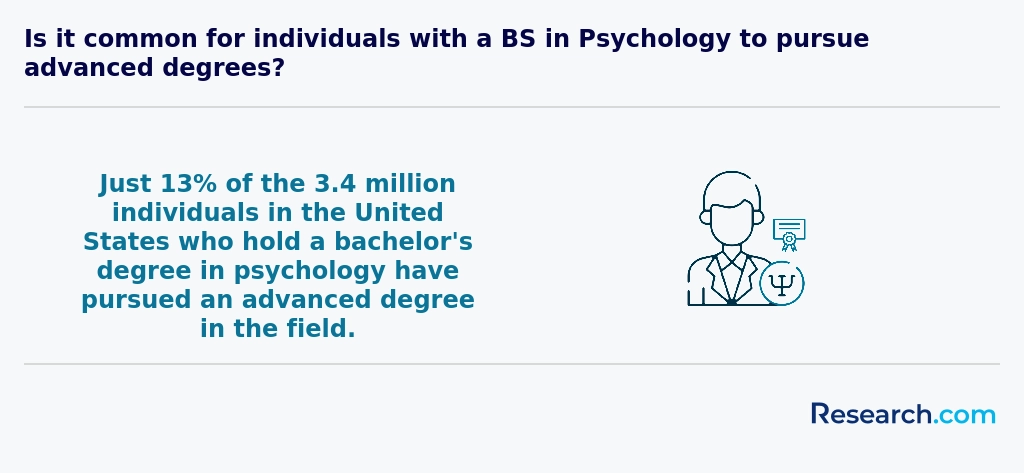
When selecting a psychology program in Connecticut, it's essential to consider factors such as accreditation, program offerings, cost, and campus environment. For instance, attending a best psychology school in Connecticut can significantly enhance your educational experience and career prospects. Many graduates have found success by choosing programs that align with their interests and career goals, such as those specializing in clinical psychology, counseling, or industrial-organizational psychology. By investing time in researching and comparing different programs, prospective students can make informed decisions that set them up for success in their future careers.
Diving into a psychology degree in Connecticut means immersing yourself in a vibrant mix of courses that spark curiosity and challenge your understanding of the human mind. Students at the University of Connecticut often share how their first course-an introduction to psychology-feels like opening a door to endless questions about behavior, thoughts, and emotions.
From there, the adventure continues through developmental psychology, which reveals the fascinating journey of growth from infancy to adulthood. At Central Connecticut State University, graduates recall exploring cognitive psychology where they unravel mysteries of memory and problem-solving, making each class an exciting puzzle to solve.
Biopsychology courses bring hands-on insights into how the brain shapes who we are, while social psychology classes animate the dynamics of group behavior, reflecting real-life interactions on campus and beyond. Many students find research methods and statistics challenging but rewarding-they appreciate how these skills empower them to design their own studies and understand the science behind psychology.
Electives like health psychology or counseling techniques allow Connecticut students to tailor their education toward careers or advanced studies, turning theory into practical skills. These experiences, combined with internships and research roles, transform eager learners into confident professionals ready to make an impact.
Exploring psychology degree specializations in Connecticut opens doors to fascinating paths like clinical psychology, counseling, developmental psychology, and neuropsychology. Graduates from popular institutions such as the University of Connecticut often recall their excitement diving into clinical psychology, where they learned hands-on skills through internships in nearby hospitals. Counseling psychology attracts those passionate about helping diverse clients navigate life's challenges, creating deeply rewarding experiences.
Developmental psychology is another adventure, exploring how people grow and change, with many students at Central Connecticut State University inspired by coursework on cognitive and emotional development. Neuropsychology, increasingly popular in Connecticut, draws curious minds eager to understand brain-behavior connections, making research and clinical work with neurological disorders feel like real-world detective work. These best psychology concentration options Connecticut offer vibrant, relatable learning experiences for every explorer.
Other interesting choices include forensic psychology and industrial-organizational psychology, turning students toward careers in legal or corporate settings. For those wondering can i become a therapist without a psychology degree, Connecticut's programs provide strong foundational paths to explore these exciting fields.
Choosing the best psychology degree in Connecticut starts with pinpointing your personal passion-whether it's clinical work, research, or counseling. Many graduates from the University of Connecticut recall how the strong in-state tuition helped them afford a quality education while exploring diverse specialties. On the other hand, those at Quinnipiac University often highlight the intimate class settings and expert faculty that inspired their clinical ambitions. Exploring affordable psychology degree programs in Connecticut opens up exciting possibilities without overwhelming your finances.
Imagine being part of a program accredited by the APA, feeling confident it meets licensure requirements essential for practicing in Connecticut. Graduates share how access to active research centers deepened their understanding and connected them to internships that launched their careers. Flexibility plays a key role, especially for students balancing work and study, making it worthwhile to check out schedule options. For those curious about advanced studies, consider digging into masters of psychology programs that blend affordability with rich academic experiences.
Finally, successful students encourage you to examine job placement rates and local mental health connections. This practical insight gives a real-life glimpse into how the degree translates into rewarding employment, turning your educational adventure into a confident stride toward your future.
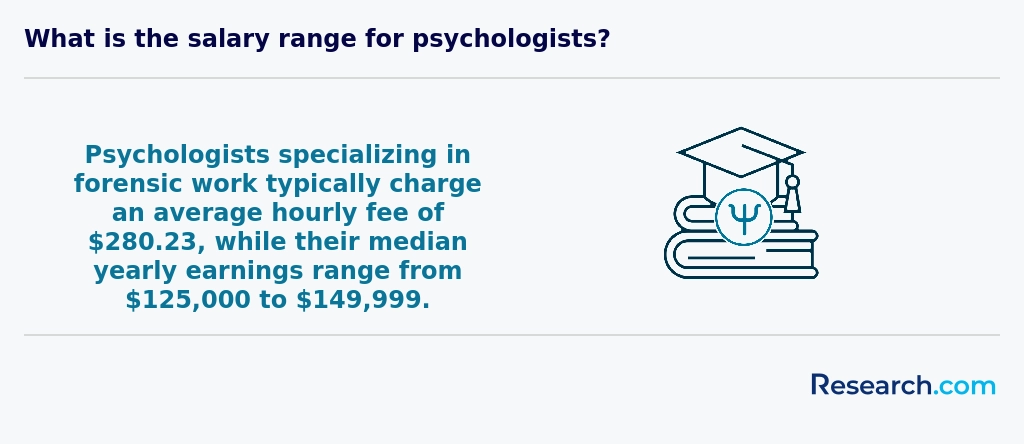
Exploring jobs with a psychology degree in Connecticut opens doors to diverse and rewarding career paths. Graduates from renowned institutions like Yale or the University of Connecticut tell stories of becoming licensed clinical psychologists providing compassionate care in vibrant hospital settings or private practices, where every day offers a new connection and breakthrough. Others dive into educational psychology within dynamic school districts, shaping the emotional well-being and learning journeys of students with support services tailored to their needs.
Imagine working within bustling corporate hubs in Hartford as an industrial-organizational psychologist, helping businesses enhance productivity and employee satisfaction by understanding human behavior in the workplace. Many graduates also pursue adventurous routes in research and academia, contributing to cutting-edge studies that influence mental health policies right here in Connecticut's strong academic environments. Curious learners can even find roles blending social work or marriage and family therapy, impacting community wellness on a personal level, all made possible by a psychology degree.
For those wondering about affordability, exploring Affordable Psychology Degree Programs Ranking in Springfield, MO offers insights into budget-friendly options that complement the exciting career opportunities available in Connecticut.
The job market for psychology degree holders in Connecticut is vibrant and full of opportunities waiting to be explored. Graduates from well-known universities often find rewarding positions in healthcare settings, schools, and private practices across both urban and suburban areas. The steady growth in demand for licensed clinical and school psychologists makes it an exciting time to dive into your psychology career opportunities in Connecticut, especially if you enjoy helping others overcome mental health challenges.
Many graduates share stories of landing internships and roles at local hospitals or state education departments, where their advanced degrees and Connecticut licensure open doors. Salaries here tend to be more generous than the national average, making the pursuit all the more worthwhile. Plus, students often note that networking and gaining hands-on experience locally can set them apart in this competitive field.
For prospective students curious about the financial side, understanding how fast can you get an associate's degree might influence the path you choose before advancing to a bachelor's or beyond.
2027 Most Affordable Psychology Degree Programs Ranking in Connecticut
Investing in your education is a significant decision that can shape your future, and the Research.com team understands the importance of making informed choices. To assist prospective students in Connecticut, we have meticulously crafted the "2027 Most Affordable Psychology Degree Programs Ranking in Connecticut." Our commitment to quality, credibility, and accuracy is reflected in the extensive research and analysis conducted to compile this ranking.
We utilized the following reputable data sources to ensure a comprehensive evaluation of psychology degree programs:
By exploring this ranking, readers will gain valuable insights into the most affordable psychology degree options in Connecticut, empowering them to make confident and well-informed decisions about their educational paths. For more details on our methodology, please visit our Research.com methodology page.
# 1 position
Charter Oak State College
Bachelor of Artschelor of Science in Psychology


# 7 position
Post University
Bachelor of Arts in Psychology


Frequently Asked Questions About psychology
Psychology degree students in Connecticut can maximize their learning experience by engaging in hands-on opportunities such as internships and research assistantships. Local universities often collaborate with hospitals and community organizations, providing real-world exposure to psychological practices. According to the Connecticut Office of Higher Education, participating in these experiences can improve practical skills and employability.
Students should also take advantage of the state's strong network of psychology professionals by joining organizations like the Connecticut Psychological Association. This allows access to workshops, mentorships, and conferences.
Additionally, leveraging Connecticut's resources for mental health research can deepen understanding of clinical and experimental psychology.
The psychology field in Connecticut is expanding into several emerging niches, reflecting broader national trends. One growing area involves health psychology, focusing on how behavior impacts well-being, especially important as Connecticut addresses rising chronic health issues. Another niche gaining attention is forensic psychology, where professionals support the legal system with expert assessments and counseling. Additionally, the use of technology in psychology, such as telepsychology and digital therapeutics, is advancing rapidly, providing remote mental health services tailored to the state's diverse populations.
According to the Connecticut Department of Labor, employment in these specialty areas is projected to grow faster than the average for all occupations through 2028, highlighting strong job prospects for graduates. These niches offer unique opportunities for students seeking innovative and applied psychology careers within the state.
After earning a psychology degree in Connecticut, preparing for the job market involves strategic steps to enhance employability. Graduates should consider gaining practical experience through internships or volunteering in clinical, counseling, or research settings, as hands-on skills are highly valued. Joining professional organizations like the Connecticut Psychological Association provides networking opportunities and access to job listings tailored to the state.
Additionally, licensure requirements for psychologists in Connecticut include completing supervised hours and passing the Examination for Professional Practice in Psychology (EPPP). Staying informed about these steps early can streamline career advancement.
Developing strong communication and data analysis skills also improves job prospects, given the diverse roles psychology graduates pursue in healthcare, education, and social services.
Employers seeking psychology degree graduates in Connecticut prioritize a blend of interpersonal and analytical skills. Strong communication abilities are essential, as graduates often work in clinical, educational, or organizational settings where clear interaction is vital. Critical thinking and problem-solving skills enable graduates to interpret research and apply findings effectively. Familiarity with statistical software and research methods is increasingly valued, reflecting a focus on evidence-based practice.
According to the Connecticut Department of Labor, professionals with skills in data analysis and behavioral assessment see higher employment rates. Additionally, cultural competence is important due to Connecticut's diverse population. These skills prepare graduates to meet varied client needs and workplace demands.
Finding psychology internships in Connecticut involves leveraging both academic and community resources. Many universities, such as the University of Connecticut and Yale, offer dedicated career services that connect students with local mental health clinics, hospitals, and research centers.
State organizations like the Connecticut Psychological Association regularly post internship opportunities and offer networking events for psychology students. Additionally, local healthcare systems like Hartford HealthCare provide internships in clinical and counseling psychology settings.
Online platforms such as Handshake and the Connecticut Department of Labor site also feature listings tailored to psychology internships. Students should begin searching early, as many positions require applications several months in advance.
According to the Bureau of Labor Statistics, Connecticut's demand for mental health professionals is growing, increasing internship availability and future employment prospects.
A psychology degree in Connecticut significantly enhances career mobility and advancement opportunities. Graduates can enter diverse fields such as clinical psychology, counseling, social services, education, and human resources. According to the U.S. Bureau of Labor Statistics, Connecticut offers a higher-than-average median salary for psychologists, which supports professional growth.
Many employers in Connecticut value candidates with advanced psychology training due to the state's emphasis on mental health services. Completing a degree, particularly a master's or doctorate, opens doors to licensure and specialized roles, including school psychologists or licensed clinical social workers.
Connecticut's robust healthcare and educational sectors provide substantial job availability, fostering upward mobility for psychology graduates. Statistics from the Connecticut Office of Workforce Strategy highlight a steady increase in demand for behavioral health professionals, emphasizing career stability and growth.
Studying for a psychology degree in Connecticut equips students with skills valuable across multiple disciplines. Connecticut's universities emphasize collaboration between psychology and fields like healthcare, education, and social services. This approach reflects workforce trends showing that around 60% of psychology graduates engage in interdisciplinary roles within five years of graduation (Connecticut Department of Labor, 2023).
Courses often integrate research methods, statistics, and behavioral analysis with practical applications, preparing students to work effectively in teams alongside professionals from diverse areas. Internships and community partnerships common in Connecticut programs provide hands-on experience in settings such as hospitals, schools, and nonprofit organizations. Such exposure strengthens adaptability and problem-solving abilities essential for interdisciplinary careers.
Choosing between a thesis and a non-thesis psychology degree program in Connecticut depends on your career goals and learning preferences. Thesis programs typically require conducting original research and writing a comprehensive paper, which is ideal for students aiming for doctoral studies or research roles.
Non-thesis options often emphasize coursework and practical experience, fitting those who want to enter the workforce directly after graduation. According to data from the Connecticut Office of Higher Education, most in-state master's programs offer both pathways.
Consider that thesis programs may take longer but enhance analytical skills, while non-thesis tracks can be completed more quickly.
Students in Connecticut seeking to study psychology abroad have several pathways to consider within the US higher education framework. Many universities in Connecticut, such as the University of Connecticut, offer established study abroad programs in partnership with international institutions where psychology courses are available. These opportunities often include destinations in Europe, Asia, and Australia, allowing students to gain global perspectives on mental health research and practice.
Additionally, Connecticut students may participate in exchange programs through organizations like the Council on International Educational Exchange (CIEE), which provides vetted psychology-focused courses abroad.
Financial aid and scholarships specifically for study abroad vary, but some schools in Connecticut allocate funding to support psychology majors with international study.
Part-time job opportunities in Connecticut can effectively complement a psychology degree education by providing practical experience and enhancing relevant skills. Students often find roles as research assistants at universities like Yale and the University of Connecticut, where psychological research is a strong focus. These positions allow hands-on work with study design, data collection, and analysis.
Additionally, many psychology students work as behavioral health technicians or in mental health support roles at community clinics. These jobs provide direct interaction with clients and exposure to therapeutic environments.
The Connecticut Department of Labor notes steady demand for such roles, especially in Hartford and New Haven, where healthcare services are concentrated.
Psychology students in Connecticut benefit from numerous networking opportunities integral to professional growth. Many universities, such as the University of Connecticut and Yale, host active psychology clubs and honor societies that facilitate peer interaction and mentorship. These groups often organize guest lectures and workshops featuring local psychology professionals.
The Connecticut Psychological Association offers student memberships, granting access to conferences, continuing education events, and a statewide professional network. Additionally, internships and practicum placements through Connecticut's diverse healthcare and educational institutions provide valuable hands-on experience and contacts within the industry. According to the Bureau of Labor Statistics, Connecticut employs more than 4,000 psychologists, reflecting a robust local professional community for networking.
Alumni networks provide vital support for psychology degree students in Connecticut by connecting them with experienced professionals. These networks offer mentorship opportunities, helping students navigate academic challenges and career planning. According to the Connecticut Psychological Association, strong alumni connections increase internship and job placement rates in the state's competitive mental health sector.
Such networks also promote collaboration on research projects, allowing students to gain hands-on experience and access to up-to-date industry knowledge. Participation in alumni events fosters professional relationships, which are crucial for licensure and employment in psychology careers.
Many Connecticut universities maintain active alumni databases, enhancing opportunities for networking and career development.
Customizing a psychology degree program in Connecticut allows students to align their education with specific career goals. Many state universities and colleges offer flexible curriculums where students select electives ranging from clinical psychology to industrial-organizational psychology. For example, the University of Connecticut provides options to focus on research, counseling, or neuropsychology through specialized courses and internships.
Students can enhance their practical skills by pursuing internships or cooperative education placements within Connecticut's healthcare facilities, schools, or businesses. According to the Connecticut Department of Labor, psychology-related jobs in the state are projected to grow by 9% over the next decade, emphasizing the advantage of targeted training.
Additionally, some programs offer tracks for licensure preparation or advanced study, helping students meet specific professional requirements. Utilizing academic advising and career services at Connecticut institutions can further customize the pathway to fit unique professional ambitions.
Psychology students in Connecticut face several typical challenges throughout their studies. One major difficulty is balancing rigorous coursework with the extensive hours required for practicum and internship experiences, which are essential for licensure and career readiness. Additionally, access to clinical training sites can be competitive, given the state's smaller population and limited placement opportunities compared to larger states. According to the Connecticut Psychological Association, students often report stress related to meeting the state's supervised hour requirements for licensure.
Financial concerns also affect many students, as graduate programs can be costly, with average tuition in Connecticut ranging between $15,000 and $40,000 annually. Many students must seek scholarships or assistantships to offset these expenses. Furthermore, navigating the licensing process after graduation poses a challenge due to Connecticut's strict examination and supervision rules enforced by the Department of Public Health.
With a psychology degree in Connecticut, graduates can pursue several professional certifications to enhance their careers. The most common certification is obtaining licensure as a Licensed Psychologist, which requires earning a doctoral degree, completing supervised hours, and passing the Examination for Professional Practice in Psychology (EPPP).
For those with a bachelor's or master's degree, certifications like Certified Alcohol and Drug Counselor (CADC) or Board Certified Behavior Analyst (BCBA) are popular options. These certifications can open doors to clinical and counseling roles within the state.
The Connecticut Department of Public Health provides specific guidelines for these certifications. Additionally, the National Association of School Psychologists offers certification relevant to those interested in educational psychology careers.
Obtaining professional certification often improves employability and earning potential, with psychology-related jobs in Connecticut expected to grow by 12% from 2020 to 2030, according to the U.S. Bureau of Labor Statistics.
To write a winning application for a psychology program in Connecticut, begin with a clear and concise personal statement. Highlight your passion for psychology and link it to your academic and professional experiences. Emphasize your long-term goals and how the specific program aligns with them.
Strong letters of recommendation are essential. Seek references from professors or professionals familiar with your work ethic and interest in psychology.
Additionally, Connecticut schools value applicants with relevant volunteer or research experience. According to the Connecticut Office of Higher Education, demonstrating practical involvement often strengthens your candidacy.
Lastly, meet all application deadlines and tailor each submission to the individual program's requirements.
The global perspectives on a psychology career emphasize the growing importance of mental health awareness and the increasing demand for trained professionals. In the United States, including Connecticut, psychology is recognized as a versatile field offering opportunities in clinical, counseling, research, and organizational settings. According to the U.S. Bureau of Labor Statistics, employment for psychologists is projected to grow 8% from 2022 to 2032, faster than average for all occupations.
Connecticut supports this trend with several accredited psychology programs that prepare students for both licensure and international relevance. Graduates often engage in cross-cultural research or collaborate with global health organizations. The American Psychological Association highlights that understanding diverse cultural backgrounds is essential for effective practice worldwide.
With globalization, psychology careers increasingly include interdisciplinary and international roles, reflecting the profession's evolving nature and broad scope across countries.
Gaining practical experience while studying psychology in Connecticut is essential for career readiness. Many Connecticut universities encourage hands-on learning through internships at local hospitals, schools, and mental health clinics. For example, Yale University and the University of Connecticut offer structured internship programs that connect students with clinical and research opportunities.
Additionally, students can participate in research labs on campus, gaining skills in data collection and analysis under faculty supervision. The Connecticut Psychological Association also promotes networking events and volunteer opportunities with licensed professionals.
These experiences enhance resumes and fulfill licensure requirements, preparing students for graduate study or employment in psychology fields.
Choosing the right concentration within a psychology degree program in Connecticut depends on your career goals and interests. Popular concentrations include clinical psychology, counseling, developmental psychology, and industrial-organizational psychology. According to the Connecticut Department of Labor, demand for counseling and clinical psychologists is expected to grow by 14% through 2030, making these concentrations particularly promising.
Consider the practical experiences offered by local universities, such as internships and research opportunities, which can enhance your understanding of specific fields. Reviewing curriculum details and graduation outcomes from Connecticut institutions can also help identify concentrations with strong licensure or employment rates.
Additionally, consult with academic advisors to align your choice with state licensure requirements if you plan to become a practicing psychologist in Connecticut.
- 2027 Most Affordable Psychology Degree Programs Ranking in New York
- 2027 Most Affordable Psychology Degree Programs Ranking in Rhode Island
- 2027 Most Affordable Psychology Degree Programs Ranking in New Jersey
- 2027 Most Affordable Psychology Degree Programs Ranking in Pennsylvania
- 2027 Most Affordable Psychology Degree Programs Ranking in New Hampshire
- 2027 Most Affordable Psychology Degree Programs Ranking in Virginia
- 2027 Most Affordable Psychology Degree Programs Ranking in West Virginia
- 2027 Most Affordable Psychology Degree Programs Ranking in North Carolina
- 2027 Most Affordable Psychology Degree Programs Ranking in South Carolina
- 2027 Most Affordable Psychology Degree Programs Ranking in Tennessee
See What Experts Have To Say About Studying Psychology
Read our interview with Psychology experts

Robin M. Kowalski. Ph.D.
Psychology Expert
Professor of Psychology
Clemson University

Catherine Caldwell-Harris, Ph.D.
Psychology Expert
Associate Professor of Psychology
Boston University

Elizabeth L. Jeglic Ph.D.
Psychology Expert
Professor of Psychology
City University of New York

- Connecticut Psychology Schools | Psychology Degree Guide https://psychologydegreeguide.org/state/connecticut/
- Have You Found a Niche? https://www.apaservices.org/practice/business/marketing/building/niche
- Best Types Of Online Psychology Degrees 2025 https://www.psychology.org/degrees/
- Psychology Major: Degree Requirements https://www.easternct.edu/psychological-science/programs-of-study/psychology-major-degree-requirements.html
- Ontario Psychological Association - Networking and Community Resources https://www.psych.on.ca/become-a-member-(1)/member-services/networking-and-community-resources
- Psychology Programs and Careers in Connecticut https://www.onlinepsychologydegrees.com/states/connecticut/
- Psychology · Connecticut College https://www.conncoll.edu/academics/majors-departments-programs/majors-and-minors/psychology/
- Study Psychology Abroad https://astarfuture.co.uk/study_psychology_abroad.html
- Psychology Career Opportunities https://www.bridgeport.edu/academics/programs/psychology-bs/careers
- Psychology, MA https://www.ccsu.edu/programs/psychology-ma