
2027 Most Affordable Psychology Degree Programs Ranking in Tennessee

Co-Founder and Chief Data Scientist
Choosing the right psychology degree program in Tennessee can feel overwhelming. To help, the Research.com team of data scientists created the 2027 Most Affordable Psychology Degree Programs Ranking in Tennessee, designed specifically for students like you.
This article breaks down affordable options, making it easier to find quality programs that fit your budget. Pursuing a psychology degree opens doors to meaningful careers and personal growth.
Explore our ranking to make an informed choice and take a confident step toward your future in psychology.
Key benefits of getting psychology degree in Tennessee
- Salary for psychology degree graduates: Graduates can expect solid earnings, such as Clinical Research Associates earning around $62,370 annually and Human Resources Specialists making about $76,060 per year, offering financial stability in Tennessee.
- Career paths: Psychology graduates from Tennessee universities often find rewarding roles in research, healthcare, or human resources, providing diverse opportunities to make a positive impact in communities.
- Online degree benefits: Earning a psychology degree online from a respected Tennessee institution offers flexibility and allows students to balance work and study, enhancing learning convenience without sacrificing quality.
- 2027 Most Affordable Psychology Degree Programs Ranking in Tennessee
- What can I expect from psychology degree in Tennessee?
- Where can I work with psychology degree in Tennessee?
What can I expect from psychology degree in Tennessee?
Imagine walking across the vibrant campus of the University of Tennessee, feeling the buzz of your clinical psychology classes, knowing you're investing in a future that won't break the bank. On average, the cost of pursuing a psychology degree here hovers around $10,200 per year for in-state students-a figure that recent graduates from state universities often describe as a welcome relief compared to pricier programs elsewhere. This affordability lets you focus on mastering topics like behavioral research or counseling techniques without the cloud of overwhelming debt.
Graduate stories echo across Tennessee colleges, where students share how practical internships and practicum experiences seamlessly blended with their coursework, all within an environment supported by a reasonable tuition. From Memphis to Knoxville, the balance of cost and quality reinforces the dream to grow into a licensed psychologist without sacrificing financial peace of mind.
Where can I work with psychology degree in Tennessee?
Graduates from psychology programs at places like the University of Tennessee or Lipscomb University often find themselves stepping into roles that feel like puzzles coming to life-whether they're unraveling a student's struggle in a Nashville public school or guiding a family through a mental health journey at a Memphis hospital. Imagine working alongside seasoned clinicians at Vanderbilt University Medical Center, applying your classroom insights in real therapy sessions or research projects that push the boundaries of understanding human behavior.
Many entry-level grads begin as behavioral health technicians or case managers, becoming the steady support in community programs or rehabilitation centers across Tennessee. The buzz on campus is often about the excitement of moving into licensed professional counseling or school psychology after graduate studies, unlocking roles that carry both responsibility and the deep reward of meaningful impact.
Corporate offices in vibrant cities like Chattanooga also call out for psychology graduates, especially in human resources or organizational development, transforming workplace culture with empathy and science. The path is colorful, blending healthcare, education, government, and social service sectors, making each day feel like a new chapter in a real-life story you're helping to write.
Graduates from psychology programs at Tennessee schools like the University of Tennessee or Belmont often find themselves stepping into diverse roles with salaries that reflect both their education and local job markets. For instance, many jump into human resources specialist roles, where the mean annual wage hovers around $76,060-comfortably above entry-level expectations and enough to spark excitement about career potential.
Others gravitate towards marketing research analyst positions, leveraging analytical skills sharpened through their psychology studies. These roles boast a mean annual wage of $83,190 in Tennessee, illustrating how understanding human behavior pays off in corporate settings.
Imagine a graduate fresh from Vanderbilt's counseling psychology program becoming a clinical research associate, earning around $62,370 per year while contributing to groundbreaking studies. Or consider those drawn to child development, where childcare workers make about $32,070 annually, a humble start with room to grow.
Survey researchers, a natural fit for those fascinated by data and trends, also earn close to $62,370, highlighting the varied paths available here. These numbers reflect the exciting, tangible rewards awaiting psychology graduates across Tennessee's vibrant workforce.
- Tennessee offers accredited psychology programs at bachelor's, master's, and doctoral levels through public and private institutions.
- In-state tuition at public universities typically ranges from $10,000 to $15,000 per year, while private schools may charge over $25,000 annually.
- Entry-level psychology jobs in Tennessee pay around $40,000 per year, with advanced degree holders earning $60,000 to $90,000 depending on experience.
- Employment growth is strong for counselors, clinical psychologists, and marriage and family therapists, especially in cities like Nashville, Memphis, and Knoxville.
- Licensure requires a doctorate plus supervised hours for psychologists, and a master's degree with additional certification for professional counselors.
Imagine yourself strolling across the sunlit campus of the University of Tennessee, Knoxville, where the journey to a bachelor's degree in psychology typically spans about four years. Like many graduates who've balanced late-night study sessions with lively discussions on human behavior, you'll dive into 120 to 130 credit hours blending general education with focused psychology courses.
Step further into graduate life-at places like Vanderbilt University or Middle Tennessee State-and a master's degree unfolds over two to three years. Whether you attend full-time or squeeze classes between work and family, these years are charged with discoveries ranging from counseling theories to industrial-organizational insights, painting your professional future with broad strokes.
For those drawn to the doctoral path-PhD or PsyD-expect an immersive 4 to 7-year expedition through rigorous research, clinical training, and supervised internships. Many Tennessee graduates recall the thrill of completing internships in Memphis or Nashville mental health centers, moments blending challenge with profound growth.
While a psychology degree remains a popular route for those entering the mental health field, many individuals find success through alternative pathways that offer flexibility and reduced financial burden. For instance, there are certificate programs, apprenticeships, and on-the-job training opportunities that can prepare you for roles in counseling, social work, or support services. In today’s evolving job market, some aspiring therapists are exploring routes that do not require a traditional psychology degree, like how to start as a therapist without a degree in psychology-a process that often includes specialized training, mentorship, and accumulating hands-on experience in community settings. These alternative career pathways also emphasize developing critical soft skills such as empathy, active listening, and resilience, ensuring that professionals can make a meaningful impact while continuing their education and career growth over time. This section highlights the importance of remaining flexible and proactive, ensuring that every individual has the opportunity to pursue a fulfilling career in mental health regardless of their educational background.
Imagine juggling work, family, and study: an online psychology degree in Tennessee-offered by institutions like Middle Tennessee State University-feels like having a classroom in your pocket. Graduates often recall attending lectures in the quiet hum of their own homes, pausing videos between chores, and savoring the freedom to craft their own schedules. This flexibility shines, especially when everyday life buzzes impossibly fast.
On the flip side, campuses like the University of Tennessee create a vibrant pulse of energy-face-to-face debates, spontaneous study group coffees, and hands-on lab experiments where students explore human behavior in real time. Graduates cherish this tactile immersion, describing it as an electrifying sense of connection that online settings strive to emulate but can't fully capture.
- Online programs weave asynchronous learning, empowering students to dive into psychology anytime-perfect for those balancing multiple hats.
- On-campus pathways rely on fixed schedules, fostering routine and direct mentorship through lively classroom interactions.
- Regardless of format, Tennessee's accredited programs ensure all students are license-ready and respected in the professional sphere.
The choice often boils down to whether you crave the anchor of campus camaraderie or the fluid freedom of remote study-both proudly rooted in Tennessee's rich academic soil.
When evaluating the true value of an affordable psychology degree program, it’s instructive to compare Tennessee’s costs and outcomes with those in other states. Tennessee’s average in-state tuition of approximately $9,580 per year positions it competitively, but analyzing neighboring and similarly sized states can reveal additional savings or program strengths. Key comparisons:
- In-State Tuition: • Tennessee – $9,580 • Georgia – $10,200 • Kentucky – $8,900 • Nebraska – $8,450 (Most Affordable Psychology Degree Programs Ranking in Nebraska)
- Out-of-State Tuition: • Tennessee – $23,158 • Georgia – $22,700 • Kentucky – $21,400 • Nebraska – $20,300 Beyond raw tuition, consider these factors when comparing states: 1. Scholarship and Grant Availability – Some states, like Nebraska, offer generous need-based grants that can further reduce net costs. 2. Internship and Clinical Placements – Access to urban centers or state-wide health networks can impact hands-on training quality. 3. Cost of Living Adjustments – Housing, transportation, and living expenses vary significantly; Tennessee’s mid-range cost of living can be lower than in metropolitan Georgia regions. 4. Post-Graduation Employment Rates – States with stronger job placement support often boast higher return on investment (ROI). By benchmarking Tennessee against peers, prospective students gain a clearer picture of affordability and ROI, ensuring an informed decision that balances academic excellence with financial prudence.
Imagine stepping onto the vibrant campuses of Tennessee's universities, where eager psychology students are shaping their futures. The average cost of a psychology degree in Tennessee typically hovers around $25,620 for in-state students, an amount that many find manageable when balanced with smart financial planning and the rich campus experiences available. Graduates often recall their years at popular schools-experiencing moments of growth in classrooms and labs-without the burden of overwhelming debt weighing down their post-college optimism.
In the quest for an affordable psychology degree program Tennessee offers a spectrum, from bustling public universities where tuition remains friendly to in-state wallets, to private schools with higher price tags but distinct research opportunities. Consider a student navigating the financial terrain who found that, despite a $41,000 median total cost out-of-state, strategic use of scholarships and in-state tuition breaks helped make the dream degree more attainable.
Many who explore the best psychology schools in Tennessee discover that costs can feel like a gateway rather than a barrier. Living expenses, books, and supplies add layers to budgeting, but the supportive environments and financial aid make these challenges feel surmountable. Prospective learners can uncover options like the Tennessee Promise, further smoothing the path to earning a sought-after degree. For those seeking insight on which institutions align cost with quality, the best psychology schools in Tennessee provide a helpful starting point.
When considering a psychology degree, it's essential to understand the benefits of pursuing this education in Tennessee. The state offers a unique blend of academic excellence, research opportunities, and practical experiences that can enhance one's career prospects. For instance, students can explore the best psychology schools in Tennessee to find programs that align with their interests and career goals. By choosing a psychology degree program in Tennessee, students can take advantage of the state's growing demand for mental health professionals, cutting-edge research facilities, and a supportive academic environment that fosters personal and professional growth. This combination can lead to a fulfilling and successful career in psychology, with opportunities to make a meaningful impact in various sectors, including mental health services, education, and corporate environments.
Imagine walking through the vibrant halls of the University of Tennessee, Knoxville, feeling the weight of tuition lighten thanks to a Pell Grant that cushions your expenses by up to $7,395 a year. Many psychology students here tap into this federal funding lifeline, applying through FAFSA to unlock these need-based treasures.
Over at Middle Tennessee State University, graduates often recall how the Tennessee HOPE Scholarship and the Tennessee Promise program transformed their college dreams into reality, covering tuition and fees like a supportive friend cheering them on. These state-level gems reward commitment and academic progress, making that late-night study session feel even more worthwhile.
In urban Nashville, psychology majors find extra aid shining through university-specific scholarships or departmental awards, blending merit and need to create unique opportunities. Some students even dive into federal work-study roles, balancing part-time jobs on campus with real-world psychology experience, feeling their confidence grow with each shift.
Adding a national flavor, scholarships from the American Psychological Association ignite passion and ambition, connecting Tennessee students with a wider community eager to nurture future clinical and research pioneers.
Tennessee’s psychology programs offer competitive tuition and robust clinical training, but how do they stack up against other states when affordability is the priority? On average, in-state tuition for public psychology undergraduate programs in Tennessee hovers around $7,070 per year, compared to Nebraska’s in-state average of approximately $8,500. Private institutions in Tennessee charge between $25,000 and $32,000 annually, slightly undercutting many private colleges in the Midwest. Beyond raw costs, Tennessee’s programs emphasize hands-on learning and internships, which can translate into a higher return on investment relative to states with similar price points. For students exploring affordability beyond Tennessee’s borders, it’s instructive to benchmark against neighboring regions. For instance, you can review the Most Affordable Psychology Degree Programs Ranking in Nebraska to compare tuition rates, average graduate salaries, and program lengths. Nebraska’s two-year community college pathways and four-year public universities often present lower sticker prices, but prospective students must weigh these savings against Tennessee’s strong licensing support, established research networks, and larger metropolitan internship markets in Nashville and Memphis. Ultimately, choosing the right program means balancing cost, quality, and career outcomes on a national scale. By comparing Tennessee’s offerings with rankings from states like Nebraska, future psychologists can maximize their educational investment-ensuring they benefit from both affordability and the comprehensive training necessary for licensure and long-term career growth.
To jump-start a psychology degree in Tennessee, imagine yourself clutching a high school diploma or GED like a golden ticket that opens doors to a university like the University of Tennessee or Vanderbilt. You'll want to wave a GPA flag roughly between 2.5 and 3.0, a beacon showing you're ready to tackle complex subjects. Some classmates swore by submitting SAT or ACT scores, especially when applying to schools around Nashville, where competition sparks innovation.
Graduate hopefuls who walked through Belmont University's halls recall the thrill of having a bachelor's degree sprinkled with psychology or social science classes. They prepared personal statements and gathered recommendation letters, transforming hopes into compelling stories. When GRE scores were required, they became stepping stones rather than hurdles.
Beyond papers and grades, students who embraced volunteering in local clinics or mental health settings often felt a spark that textbooks alone can't ignite. This blend of academic rigor and lived experience is the secret ingredient for thriving in Tennessee's vibrant psychology community.
Accreditation is the cornerstone of any reputable psychology degree program in Tennessee, ensuring that your education meets rigorous standards set by recognized bodies. Regionally accredited institutions are evaluated on overall academic quality, while specialized accreditation-such as the American Psychological Association (APA) for doctoral programs or the Council for Accreditation of Counseling and Related Educational Programs (CACREP) for counseling tracks-validates specific psychology curricula. Before enrolling, confirm that your chosen school holds both regional and programmatic accreditation to maximize eligibility for licensure and graduate study. State licensure requirements in Tennessee typically include completion of an accredited degree, a set number of supervised clinical hours, and passing the Examination for Professional Practice in Psychology (EPPP). Aspiring Licensed Professional Counselors (LPCs) must also complete the National Counselor Examination (NCE) or a state-approved equivalent, plus two years or 3,000 hours of supervised practice. Detailed guidelines are available through the Tennessee Board of Licensed Professional Counselors, Marital & Family Therapists, and Clinical Pastoral Therapists, and the Tennessee Board of Examiners in Psychology. For students seeking flexible pathways, many accredited programs now offer online master’s degrees that align with licensure prerequisites. To compare options tailored to both affordability and accreditation standards, see our guide to master’s in psychology online cheap. Ensuring your program meets these accreditation and licensure benchmarks is essential for a seamless transition from classroom to career, empowering you to practice with confidence and credibility in Tennessee’s mental health landscape.
Imagine diving into your first semester at the University of Tennessee, where you're not just memorizing facts but stepping into the shoes of a detective in the mind's labyrinth. Introductory courses like Introduction to Psychology ignite curiosity by unraveling the mysteries behind human behavior and mental landscapes. Graduates often recall how Research Methods in Psychology transformed their view of everyday experiences into powerful investigations, learning to design experiments that reveal hidden patterns in thoughts and actions.
At Middle Tennessee State University, the excitement continues with Statistics for Behavioral Sciences, arming students with tools to decode data and sharpen critical thinking - imagine yourself interpreting results that could influence real mental health practices. Courses like Developmental Psychology make the journey personal, tracking growth from infancy to adulthood, while Abnormal Psychology prepares you to empathize deeply by understanding disorders and treatment pathways.
Social and Cognitive Psychology classes bring the abstract to life, where you explore how group dynamics shape beliefs and how memory or decision-making works. Students tell stories of lively debates and "aha" moments under Tennessee's unique blend of APA-aligned curricula and locally inspired research opportunities-fueling passion and purpose for every aspiring psychologist.
In Tennessee, psychology degree specializations offer a vibrant palette of paths where passion meets purpose. Graduates from institutions like the University of Tennessee or Vanderbilt often share stories of diving deep into clinical psychology, where they step into hospital corridors ready to untangle human minds and bring healing. Others flourish through counseling psychology, thriving on the joy of guiding clients through life's storms, a mission amplified by Tennessee's growing mental health consciousness.
Picture students at Middle Tennessee State University dissecting workplace dynamics with industrial-organizational psychology, crafting strategies that boost motivation among Tennessee's manufacturing and healthcare teams. Experimental psychology enthusiasts at local universities lean into research, fueling discoveries that ripple beyond classrooms into policies affecting us all. Explore these Tennessee psychology program concentration options, and you'll find a spectrum ranging from behavioral to developmental psychology-fields where graduates shape futures in education, clinics, or social services.
Amid these formal avenues, some learners uncover alternative routes; for example, exploring how to start as a therapist without a degree in psychology, unlocking surprising doors with resilience and creativity.
Choosing the best psychology degree in Tennessee feels like crafting your own unique roadmap to understanding the human mind. Think about graduates from the University of Tennessee who often rave about their hands-on research and vibrant internship opportunities within local healthcare settings-these real-world experiences spark a genuine passion and confidence that's hard to beat.
Imagine balancing your studies with work; many students find that programs offering flexibility and hybrid formats, like some at Middle Tennessee State University, make all the difference. If affordability weighs on your mind, exploring affordable psychology degree programs Tennessee offers can ease financial stress without sacrificing quality.
One graduate shared how aligning their degree choice with state licensing requirements made pursuing clinical practice feel less daunting. For those considering further advancement, a master's in psychology online cheap opens doors to growth while accommodating busy schedules and budgets, showcasing how you can tailor education pathways to fit your life perfectly.
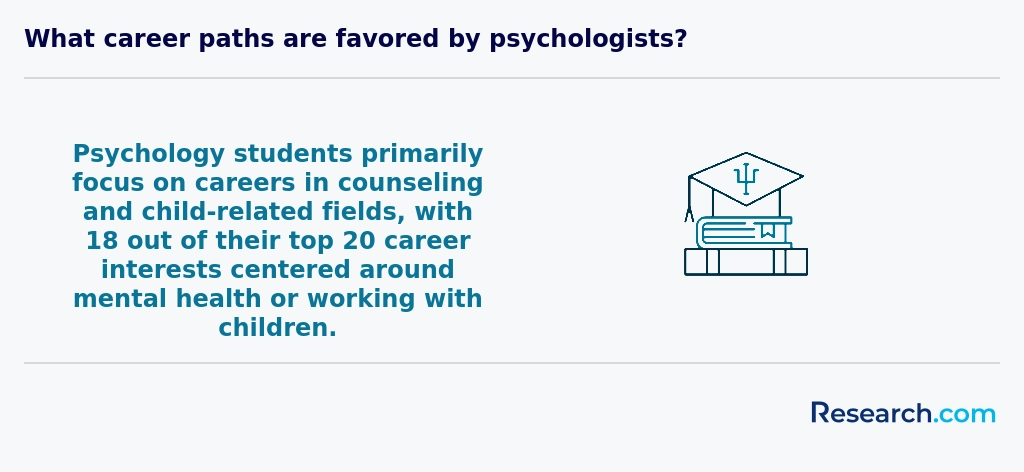
Psychology degree graduates in Tennessee find themselves at the crossroads of a vibrant spectrum of careers. From counseling rooms in bustling Nashville clinics to serene school offices across Chattanooga, these paths beckon with promise. Many graduates from local institutions like the University of Tennessee or Belmont University share stories of starting as mental health counselors, helping individuals untangle emotional knots amid Tennessee's growing awareness of psychological well-being-a field forecasted to expand with alarming vitality.
Others immerse themselves in the world of clinical psychology, weaving science and empathy to diagnose and treat complex mental health disorders under the guidance of Tennessee's licensure system. For those drawn to education, roles in school psychology offer a blend of psychology and pedagogy, supporting students across districts with an enriching sense of purpose. These careers reflect the real heartbeat of jobs with a psychology degree in Tennessee, where passion meets opportunity.
Industrial-organizational psychology graduates often glide into corporate settings, optimizing workplace dynamics in Memphis or Nashville. Entry-level roles like research assistantships provide stepping stones within academic or healthcare institutions. Prospective students can also explore affordability factors through the Most Affordable Psychology Degree Programs Ranking in Nebraska, helping navigate tuition decisions with clarity.
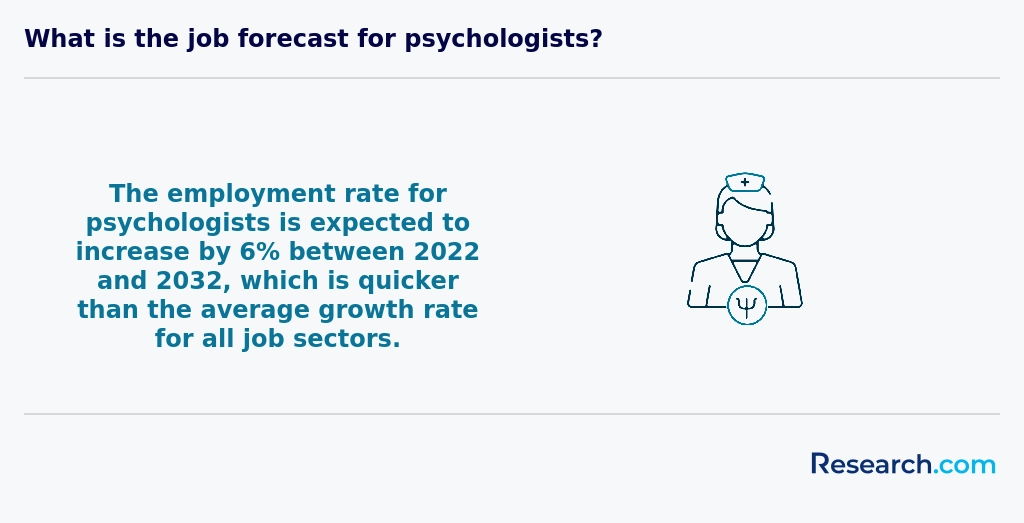
The psychology degree job outlook in Tennessee unfolds as a landscape full of promise, especially for graduates of universities in Nashville, Memphis, and Knoxville. Imagine walking out of a hands-on counseling practicum at the University of Tennessee, feeling ready to step into a Licensed Professional Counselor role. Graduates often find themselves embraced by communities eager for mental health support, from urban centers to rural outreach programs. The demand swells by about 12% over the next decade, mirroring a rising awareness that mental well-being is essential.
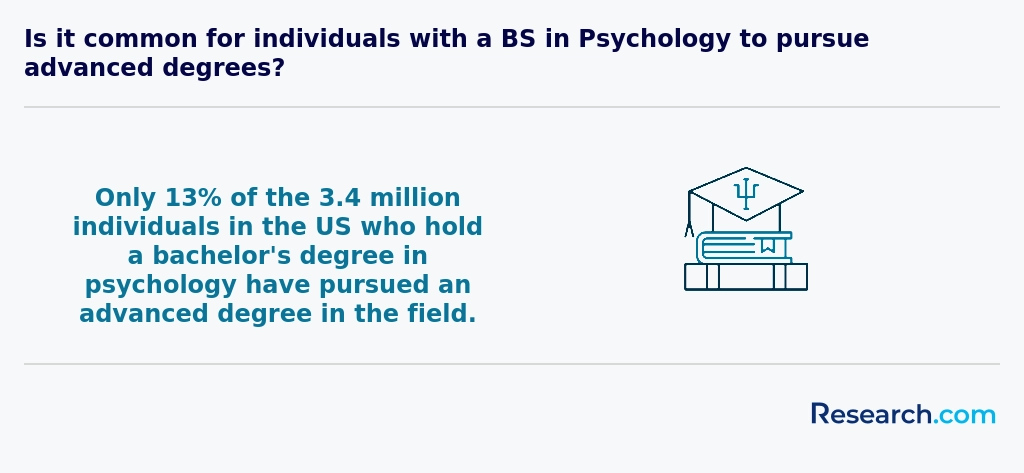
Many graduates from state schools note the reality that bachelor's degrees typically funnel them into assistant or support roles, sparking a common pursuit of advanced degrees to unlock full clinical careers. Public universities here, with annual psychology tuition between $10,000 and $12,000 for in-state students, soften the financial challenge, while private institutions offer more costly but sometimes enriched experiences. For those weighing financial and career balance, exploring quick certifications that pay well can be a strategic supplement to traditional paths.
Tennessee psychology career opportunities thrive not just in clinical psychology but also in school psychology and behavioral therapy, with graduates eager to serve expanding mental health programs. These roles are the beating heart of Tennessee's workforce, where licensure and master's degrees accelerate growth and salary improvements. This vibrant job market resonates with hopeful energy, inviting new psychology professionals to make a meaningful impact.
2027 Most Affordable Psychology Degree Programs Ranking in Tennessee
Investing in your education is a significant decision that can shape your future, and the Research.com team understands the importance of making informed choices. To assist prospective students in Tennessee, we have meticulously crafted the 2027 Most Affordable Psychology Degree Programs Ranking in Tennessee. Our commitment to quality, credibility, and accuracy is reflected in the extensive research and analysis conducted to compile this ranking.
We utilized the following reputable data sources to ensure a comprehensive evaluation of psychology degree programs:
By exploring this ranking, readers will gain valuable insights into affordable and credible psychology degree options in Tennessee, empowering them to make well-informed educational decisions. For more information about how this ranking was created, please visit our Research.com methodology page.





# 16 position
Johnson University
Bachelor of Science in Psychology


# 19 position
Welch College
Bachelor of Science in Psychology


Frequently Asked Questions About psychology
Psychology degree students in Tennessee can enhance their learning by engaging in both classroom and practical experiences. Many universities in Tennessee offer internships and research opportunities that allow students to apply theoretical knowledge in real-world settings. According to the Tennessee Higher Education Commission, nearly 40% of psychology undergraduates participate in some form of experiential learning.
Students should also take advantage of local mental health organizations and community services for volunteer work. Networking with faculty members who specialize in Tennessee-specific psychological issues, such as rural mental health, can provide valuable insights and mentorships.
Lastly, joining student psychology associations and attending statewide conferences can expand both knowledge and professional connections.
The psychology field in Tennessee is witnessing growth in several emerging niches that align with national trends. One notable area is neuropsychology, which focuses on brain-behavior relationships and is gaining prominence due to advances in neuroscience. Another key niche is health psychology, emphasizing mental wellness in medical settings, reflecting increased attention to holistic care.
Furthermore, forensic psychology is expanding in Tennessee, driven by collaboration with criminal justice systems. Industrial-organizational psychology also shows rising demand as businesses seek to improve workplace productivity and employee well-being. According to the Tennessee Department of Labor, jobs in these specialized fields are expected to grow faster than average through 2030.
Students pursuing psychology degrees in Tennessee may find valuable opportunities in these focused areas, supported by university programs and local industry needs.
After completing a psychology degree in Tennessee, preparing for the job market involves several strategic steps. Many graduates pursue licensure as a Licensed Psychological Associate or Licensed Professional Counselor, which requires supervised experience hours-typically around 3,000 hours over two years according to the Tennessee Department of Health.
Networking is essential, and joining professional organizations like the Tennessee Psychological Association can offer valuable connections and resources. Additionally, gaining practical experience through internships or volunteer roles during or after studies enhances employability.
Understanding local job demand is also crucial; Tennessee's healthcare and social services sectors are growing fields for psychology graduates, with the Tennessee Department of Labor projecting a 10% growth in mental health counselor roles through 2030.
Employers seeking psychology degree graduates in Tennessee prioritize several key skills that reflect both academic training and practical application. Critical thinking and analytical skills top the list, enabling graduates to assess complex behavioral data effectively. Strong communication skills are equally important, as they allow professionals to clearly convey findings and collaborate with clients or healthcare teams.
Knowledge of research methods and statistical analysis is essential, given the growing emphasis on evidence-based practice in Tennessee's clinical and counseling settings. According to the Tennessee Department of Labor and Workforce Development, adaptability and cultural competence are also vital due to the state's diverse populations.
Additionally, proficiency in ethical decision-making and confidentiality standards is crucial, ensuring graduates comply with state and federal regulations. Employers also value technical skills related to psychological software and data management, reflecting a shift towards digital competencies in the field.
Finding psychology-related internships in Tennessee involves several strategic steps. Many universities, such as the University of Tennessee and Middle Tennessee State University, offer career services that connect students with local internship opportunities. These can include placements in healthcare facilities, community mental health centers, and school counseling programs.
Additionally, the Tennessee Psychological Association provides resources and networking events to help students locate internships. The Tennessee Department of Mental Health and Substance Abuse Services also lists internship openings relevant to psychology majors.
Students should apply early and consider diverse settings to gain practical experience. Tennessee's growing healthcare sector offers increased internship availability, supporting skill development in clinical, research, and social psychology fields.
A psychology degree in Tennessee significantly enhances career mobility and advancement opportunities within the state's growing mental health and human services sectors. According to the Tennessee Department of Labor and Workforce Development, employment for psychologists and related mental health professionals is projected to grow by 14% between 2020 and 2030, faster than the national average. This growth fuels demand for qualified individuals with at least a bachelor's degree in psychology for roles such as case managers, behavioral specialists, and substance abuse counselors.
Advancing beyond entry-level positions often requires graduate education, such as a master's or doctoral degree, which expands eligibility for licensed clinical practice, research, and leadership roles. Licensed psychologists in Tennessee can earn a median annual wage of approximately $85,000, compared to entry-level salaries near $40,000, as reported by the U.S. Bureau of Labor Statistics in 2023. Thus, earning a psychology degree not only opens diverse career paths but also plays a crucial role in long-term salary growth and professional development within the state.
Studying for a psychology degree in Tennessee equips students with skills that extend beyond traditional psychology roles, fostering interdisciplinary collaboration. Tennessee's programs often integrate coursework in sociology, healthcare, education, and criminal justice, reflecting the state's diverse workforce needs. For example, the Tennessee Higher Education Commission reports that psychology graduates commonly work alongside professionals in social work, public health, and counseling.
Additionally, many universities in Tennessee encourage internships and research projects that connect psychology with fields such as neuroscience and business. This practical experience enhances critical thinking, communication, and ethical decision-making-essential for interdisciplinary teamwork.
These programs prepare students for a variety of roles in healthcare systems, educational settings, and community organizations, making them adaptable professionals able to meet complex social challenges.
Choosing between a thesis and a non-thesis psychology degree program in Tennessee depends largely on your career goals. A thesis option involves conducting original research, which is ideal if you plan to pursue doctoral studies or research-based roles. Non-thesis programs focus more on coursework and practical applications, appealing to students aiming for clinical practice or immediate employment.
In Tennessee, institutions like the University of Tennessee and Middle Tennessee State University offer both options. According to the Tennessee Higher Education Commission, about 35% of psychology graduate students choose thesis tracks, reflecting strong demand for research skills in academia and healthcare.
Consider your time commitment as well; thesis programs typically require more months for research and writing. Financial aid and assistantships may also differ. Reviewing each program's curriculum and speaking to advisors can clarify the best fit for your ambitions.
Students based in Tennessee who wish to study psychology abroad have several options through their universities' exchange and study abroad programs. Many Tennessee institutions offering psychology degrees, like the University of Tennessee and Vanderbilt University, maintain partnerships with international universities. These agreements enable psychology students to study abroad for a semester or full academic year while earning credits toward their degree.
Additionally, organizations such as the Institute of International Education report that psychology ranks among popular fields for U.S. students studying overseas. Tennessee students can access programs in countries with strong psychology research traditions, including the United Kingdom, Australia, and Canada. It is advisable to consult academic advisors and the education abroad office to explore scholarships and faculty-led psychology programs.
According to the National Center for Education Statistics, around 17% of psychology students in Tennessee participate in experiential learning, which increasingly includes global opportunities. Such international experiences can enhance cultural competence, a valuable skill in psychology careers.
Students pursuing psychology degrees in Tennessee have several part-time job options that can complement their education. Common roles include research assistants at universities, where students help collect and analyze data, gaining hands-on experience relevant to psychology careers. Mental health clinics and nonprofit organizations also hire part-time behavioral health technicians or case management aides. These positions provide direct exposure to client interaction and therapeutic environments.
According to the Tennessee Department of Labor and Workforce Development, the demand for mental health support roles has grown by over 5% annually, reflecting expanding opportunities for psychology students to apply their academic knowledge practically. Working in these roles can enhance resumes and provide valuable professional networking connections.
Psychology students in Tennessee have access to various networking opportunities that support their academic and professional growth. Universities such as the University of Tennessee and Vanderbilt offer active psychology clubs and honor societies, where students connect with peers and faculty. These groups often organize guest lectures, workshops, and community outreach programs, fostering valuable professional relationships.
Additionally, Tennessee's psychology students benefit from the Tennessee Psychological Association, which hosts annual conferences and events. These gatherings provide a platform to meet licensed professionals, learn about internships, and explore career paths. Engaging with local research communities also enhances networking possibilities.
Alumni networks offer valuable support for psychology degree students in Tennessee by connecting them with graduates who have navigated similar educational and professional paths. These networks often facilitate mentorship opportunities, helping students gain insights into licensure requirements and specialized fields within psychology.
In Tennessee, where Licensed Psychologists typically require a doctorate and supervised experience, alumni can provide guidance on internships and postdoctoral positions essential for career advancement. According to the Tennessee Higher Education Commission, about 70% of psychology graduates access internships through university-affiliated alumni networks.
Furthermore, alumni connections can enhance job placement in diverse settings such as hospitals, schools, and private practices, which are key employers in the state. This network advantage often leads to higher employment rates among recent graduates.
Customizing a psychology degree program in Tennessee to fit your career goals involves selecting concentrations, electives, and practical experiences tailored to your interests. Many Tennessee universities offer specializations such as clinical psychology, counseling, or industrial-organizational psychology. For example, Middle Tennessee State University allows students to choose electives aligned with their focus area.
Internships and research opportunities are critical; you should seek programs that provide hands-on experience relevant to your career aims. The Tennessee Higher Education Commission highlights that about 70% of psychology students engage in internships, enhancing employability. Additionally, some institutions incorporate licensure preparation for careers in clinical practice or counseling.
Ultimately, use academic advising and career services at your chosen college to plan your coursework and gain relevant skills aligned with Tennessee's growing sectors in mental health and organizational psychology.
Psychology students in Tennessee often face several challenges throughout their academic journey. One common difficulty is managing the demanding coursework, which combines theoretical knowledge with practical skills. Students must develop a strong understanding of research methods, statistics, and psychological theories, disciplines that many find challenging.
Another frequent challenge involves securing internships or practicum placements, which are essential for hands-on experience. Limited availability of such opportunities, especially in rural areas of Tennessee, can delay graduation or licensure.
Financial constraints also affect many students. Average undergraduate tuition for public institutions in Tennessee is approximately $9,700 per year, which can be a barrier without scholarships or financial aid (NCES, 2023).
Finally, balancing mental health demands with academic stress is a notable concern, given the intensity of psychology programs and the focus on empathetic understanding of others' issues.
With a psychology degree in Tennessee, graduates can pursue various professional certifications to enhance their careers. Common certifications include becoming a Licensed Professional Counselor (LPC), which requires completing a master's degree, supervised practice hours, and passing a state exam. The Tennessee Board of Licensed Professional Counselors oversees this credential.
Another key certification is the Licensed Psychologist credential, requiring a doctoral degree, extensive supervised experience, and passing the Examination for Professional Practice in Psychology (EPPP). This license allows independent practice and is regulated by the Tennessee Board of Examiners in Psychology.
Additionally, certifications such as Certified Alcohol and Drug Counselor (CADC) are popular in Tennessee, particularly for those interested in substance abuse counseling.
To write a winning application for a psychology program in Tennessee, start by clearly demonstrating your passion for the field. Highlight any relevant academic achievements, such as strong grades in psychology courses or a competitive GPA-Tennessee universities often expect a minimum GPA of around 3.0 for admission.
Include meaningful experience, such as volunteer work or internships related to psychology. Tennessee is home to several research institutions, so mentioning any exposure to research or clinical settings can strengthen your application. Personal statements should be concise and focused, explaining your career goals and why studying psychology in Tennessee fits your aspirations.
Letters of recommendation are critical; choose recommenders familiar with your academic abilities. Finally, pay attention to application deadlines, which usually fall between December and February for fall admissions.
The psychology career field is recognized worldwide for its importance in understanding human behavior and mental health. In the United States, including Tennessee, psychology professionals often need advanced degrees such as a master's or doctorate to practice clinically or conduct research. Globally, countries vary widely in their licensing requirements and job opportunities for psychologists.
According to the American Psychological Association (APA), the U.S. has one of the highest demands for psychology professionals, with a projected 14% job growth through 2032. Tennessee, specifically, saw over 3,000 psychology-related jobs in 2022 per the Bureau of Labor Statistics.
International perspectives show strong interest in psychology careers, but the U.S. remains a leader in research output and professional standards. For Tennessee students, training locally provides access to accredited programs aligned with these global standards.
Students pursuing a psychology degree in Tennessee can gain practical experience through internships and research opportunities offered by many universities across the state. Institutions like the University of Tennessee and Middle Tennessee State University collaborate with local clinics, schools, and social service agencies to provide hands-on learning.
Many psychology programs require or encourage internships as part of the curriculum, giving students real-world exposure to counseling, assessment, and behavioral research. Additionally, students can participate in faculty-led research projects, which often contribute to regional studies on mental health trends.
The Tennessee Higher Education Commission reports that experiential learning improves employment prospects significantly for psychology graduates within the state's expanding mental health sector.
Choosing the right concentration within a psychology degree program in Tennessee depends on your career goals and interests. Psychology concentrations often include clinical, counseling, industrial-organizational, and developmental psychology. Clinical psychology is popular for students aiming to become licensed therapists or counselors.
Consider Tennessee's workforce needs: the Tennessee Department of Labor projects a 12% growth in mental health counseling jobs by 2030, emphasizing demand for clinical and counseling psychology graduates. Additionally, research universities in the state offer specialized tracks based on areas such as child development and behavioral neuroscience.
Explore concentration offerings at your chosen institution and assess whether the curriculum aligns with licensure requirements and your desired profession.
- 2027 Most Affordable Psychology Degree Programs Ranking in Mississippi
- 2027 Most Affordable Psychology Degree Programs Ranking in North Carolina
- 2027 Most Affordable Psychology Degree Programs Ranking in Virginia
- 2027 Most Affordable Psychology Degree Programs Ranking in South Carolina
- 2027 Most Affordable Psychology Degree Programs Ranking in West Virginia
- 2027 Most Affordable Psychology Degree Programs Ranking in Pennsylvania
- 2027 Most Affordable Psychology Degree Programs Ranking in New Jersey
- 2027 Most Affordable Psychology Degree Programs Ranking in Wisconsin
- 2027 Most Affordable Psychology Degree Programs Ranking in Texas
- 2027 Most Affordable Psychology Degree Programs Ranking in New York
See What Experts Have To Say About Studying Psychology
Read our interview with Psychology experts

Robin M. Kowalski. Ph.D.
Psychology Expert
Professor of Psychology
Clemson University

Catherine Caldwell-Harris, Ph.D.
Psychology Expert
Associate Professor of Psychology
Boston University

Elizabeth L. Jeglic Ph.D.
Psychology Expert
Professor of Psychology
City University of New York

- Why Get a Psychology Degree Online? | University of Bridgeport https://www.bridgeport.edu/news/reasons-to-get-your-psychology-degree-online/
- Best Types Of Online Psychology Degrees 2025 https://www.psychology.org/degrees/
- Have You Found a Niche? https://www.apaservices.org/practice/business/marketing/building/niche
- Mental Health Challenges Faced by Psychology Students | The Healthcare Guys https://healthcareguys.com/2023/11/23/mental-health-challenges-faced-by-psychology-students/
- Call for papers https://www.hogrefe.com/us/journal/international-perspectives-in-psychology-research-practice-consultation
- Know more about thesis vs non- thesis: what is the difference? https://studyfans.com/en/blogs/816
- A Guide to Psychology Internships | Psychology Degree Guide https://psychologydegreeguide.org/resources/internships/
- Study Psychology Abroad | Go Overseas https://www.gooverseas.com/study-abroad/psychology
- Ontario Psychological Association - Networking and Community Resources https://www.psych.on.ca/become-a-member-(1)/member-services/networking-and-community-resources
- Psychology - SWPS University https://english.swps.pl/academics/warsaw/ba-programs/psychology


